Our readers keep the lights on and my smoothie glass nicely filled. As an Amazon Associate, I earn from qualifying purchases.
Dropping your head into a bucket of foam is the last line of defense on every ride. The difference between a helmet that barely covers your forehead and one that wraps your entire occipital base is measured in millimeters of foam and the presence of a small yellow disc called MIPS. For any man who pedals pavement, gravel, or single-track, choosing the wrong shell means gambling with rotational forces that no amount of bike handling skill can fix.
I’m Mohammad Maruf — the founder and writer behind WellFizz. I spend hundreds of hours dissecting lab certifications, foam layering, and ventilation channel geometry so you don’t have to guess which shell actually protects your specific head shape and riding style.
This guide cuts through the gloss and marketing noise to deliver the only fact-based breakdown of the best cycling helmets for men available today, ranked by real-world protection features and fit adaptability.
How To Choose The Best Cycling Helmets For Men
Buying a helmet is a decision between impact absorption, airflow, and fit tolerance. The wrong choice leaves you either overheating on the climb or unprotected during an oblique fall. Here are the three factors that define a smart purchase.
MIPS and Rotational Force Protection
The Multi-Directional Impact Protection System is a low-friction layer inside the shell that allows the helmet to slide relative to the head during angled impacts. This sliding action reduces rotational forces that cause brain injuries. Every helmet on this list either includes MIPS or an equivalent rotational management system. If a budget helmet lacks MIPS, it belongs at the bottom of your list.
Ventilation and Channel Design
Airflow is not just about the number of vents — it is about channel depth, exhaust placement, and internal geometry. Helmets with front-facing intake ports and rear exhaust ports create a pressure vacuum that pulls hot air away from the scalp. A 20-vent shell with shallow channels will sweat more than a 12-vent shell with deep, sculpted channels. Match ventilation density to your riding climate and typical ride duration.
Retention System and Vertical Adjustment
The dial at the back adjusts horizontal tension, but vertical cradle positioning determines whether the helmet sits high on the forehead or wraps the occipital bone. Look for a system with at least three vertical positions. A well-adjusted cradle prevents the helmet from tilting backward on descents or lifting during hard efforts. Roc Loc and similar mechanisms are the gold standard here.
Quick Comparison
On smaller screens, swipe sideways to see the full table.
| Model | Category | Best For | Key Spec | Amazon |
|---|---|---|---|---|
| Smith Engage MIPS | Trail / MTB | All-Day Trail Riding | Zonal Koroyd + MIPS | Amazon |
| Thousand Heritage 2.0 | Commuter / Retro | Daily Urban Commuting | PopLock + Dial Fit | Amazon |
| Fox Racing Mainframe | Mountain Bike | Aggressive Trail Rides | MIPS + Optimized Venting | Amazon |
| Smith Persist MIPS | Road | Long Road Rides | 21 Vents + AirEvac | Amazon |
| Giro Radix MIPS | Dirt / Off-Road | Dirt Bike / Gravel | Roc Loc 5.5 + MIPS | Amazon |
| Giro Register II MIPS | Recreational | Versatile Entry-Level Rides | In-Mold Hardbody + MIPS | Amazon |
| Schwinn Beam Lighted | Commuter / Budget | Night & Casual Riding | Rear LED + 17 Vents | Amazon |
In‑Depth Reviews
1. Smith Engage MIPS

The Smith Engage combines zonal Koroyd coverage with a full MIPS layer, creating a honeycomb of crushable tubes that absorb energy more evenly than standard EPS foam alone. At 20 vents with deep internal channels, it moves enough air to keep you dry on hot, technical climbs without turning the shell into a wind tunnel that steals warmth on chilly descents. The low-bulk single-layer webbing reduces strap friction under a chin guard.
Visor adjustment offers two positions, allowing you to tuck goggles or store them upright without pressure points. The Ionic+ lining uses sweat-activated odor control, which makes a real difference when you pull the helmet off after a four-hour ride. The rear coverage extends lower than most road helmets, wrapping the occipital bone without limiting neck rotation during aggressive trail maneuvers.
Some riders report a slight forward slip when riding without glasses on steep terrain, but the adjustable cradle and vertical positioning usually fix this with a few clicks. The buckle can be finicky to seat one-handed, but overall build quality and materials feel distinctly premium. For men who spend full days on mixed trail systems, this is the most complete do-it-all mountain helmet available at this spec level.
Why it’s great
- Zonal Koroyd provides exceptional energy absorption without adding weight
- Excellent ventilation with 20 deeply-channeled vents for hot trail days
- Two-position visor works seamlessly with goggles and glasses
Good to know
- Can slip forward slightly on descents if not positioned correctly
- Buckle mechanism is stiff and requires practice for one-handed operation
2. Thousand Heritage 2.0

The Thousand Heritage 2.0 breaks the mold of the aerodynamic egg-shell by layering a leather interior and low-profile brim over a polycarbonate shell that looks more like a vintage moto cap than a bicycle safety device. Beneath the aesthetics lies a fully CPSC-certified structure with a Dial Fit system that tightens precisely around the occipital bone. The PopLock channel hides behind the logo, letting you thread a U-lock through the helmet so it stays with your bike.
Riders with oval head shapes report the Heritage fits snugly without rocking side to side — a common pain point with rounder helmets. The magnetic Fidlock buckle clicks into place with one hand and releases under tension rather than snapping, reducing the risk of accidental unbuckling. Ventilation is surprisingly good for a retro profile; the internal channeling creates enough airflow that users in Florida heat still feel air moving across the scalp.
The brim extends far enough to block sun and light rain but sits high enough to clear the top of most cycling glasses. The leather interior adds a classy feel and does not retain sweat odors the way foam padding does. For men who commute daily and want a helmet that looks natural off the bike at a coffee stop, the Heritage 2.0 delivers style without compromising impact standards.
Why it’s great
- PopLock anti-theft channel is brilliant for urban locking
- Magnetic buckle makes fastening effortless and safe
- Ventilation is impressive for a low-profile, retro silhouette
Good to know
- No MIPS system; relies on traditional EPS for impact absorption
- Fits oval heads best — rounder heads may feel side pressure
3. Fox Racing Mainframe MIPS
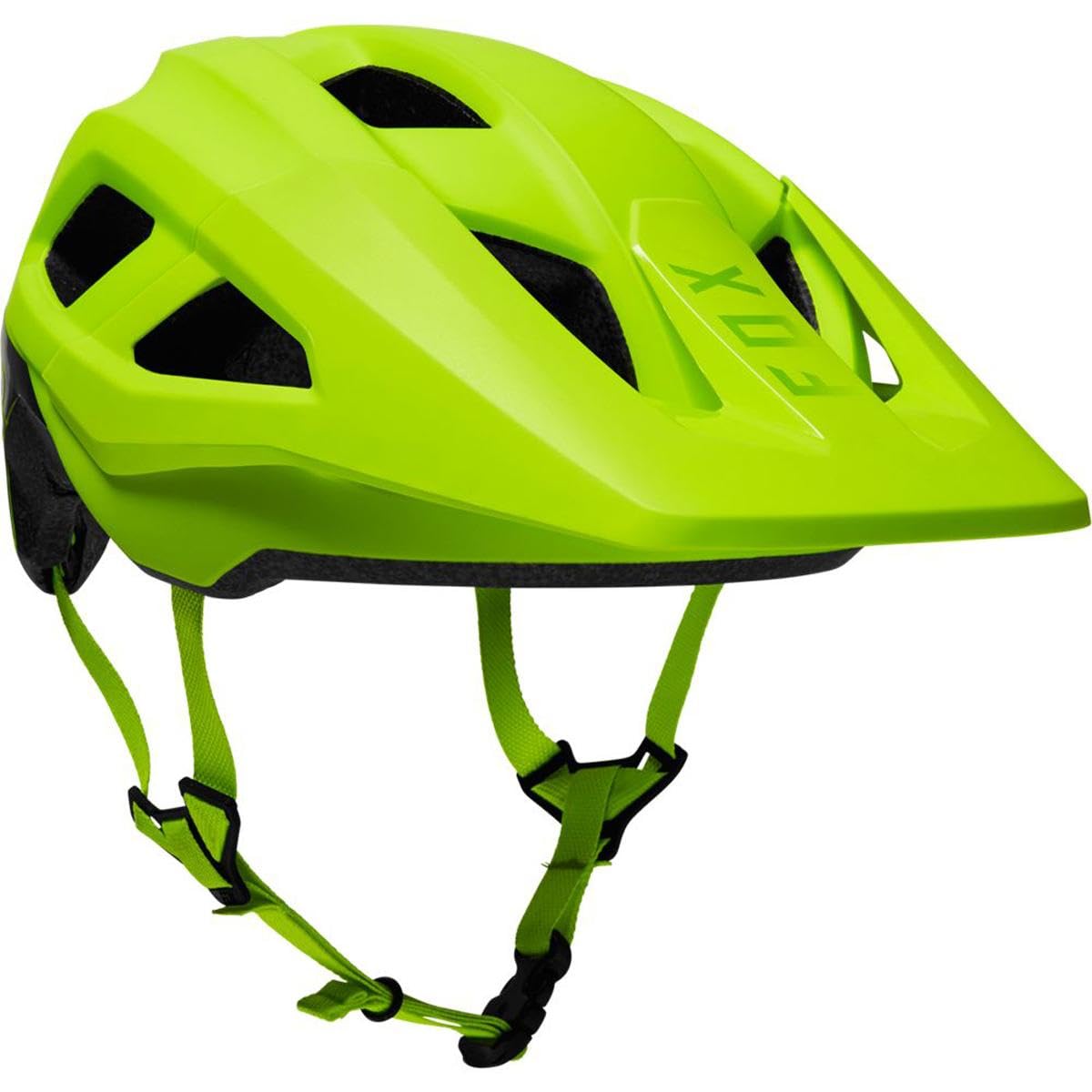
The Fox Racing Mainframe MIPS is often called the industry standard for a reason — it combines MIPS rotational protection with extended rear coverage and channeled EPS that moves heat out through optimized exhaust ports. The in-molded polycarbonate shell wraps over the EPS liner, preventing small punctures while keeping weight down to roughly 340 grams depending on size. This is a trail helmet first, meaning the extra rear coverage protects the occipital lobe during OTB (over the bars) crashes common on loose terrain.
Fit is where the Mainframe shines. The integrated MIPS system sits flush against the retention cradle, reducing the low-friction layer’s wobble that some standalone MIPS systems produce. The removable, washable moisture-wicking liner pulls sweat away from the forehead before it drips into your eyes. Seasonal riders in 20-100 degree Fahrenheit environments report that the venting is adequate for both humid summers and chilly spring mornings when paired with a skull cap.
One downside: there is no dedicated sunglass port on the front vents, so riders who hang glasses on the helmet during climbs will have to wedge them between the EPS and strap. The vibrant color options are excellent for visibility, but the matte finishes scuff more easily than gloss shells. Former sponsored riders in the reviews call this their favorite mountain helmet for fit consistency across different head shapes.
Why it’s great
- Extended rear coverage protects the occipital area in crashes
- MIPS integration reduces wobble compared to add-on systems
- Removable washable liner keeps sweat and odor under control
Good to know
- No built-in sunglass storage on the vents
- Matte finishes show scuffs from regular trail use
4. Smith Persist MIPS
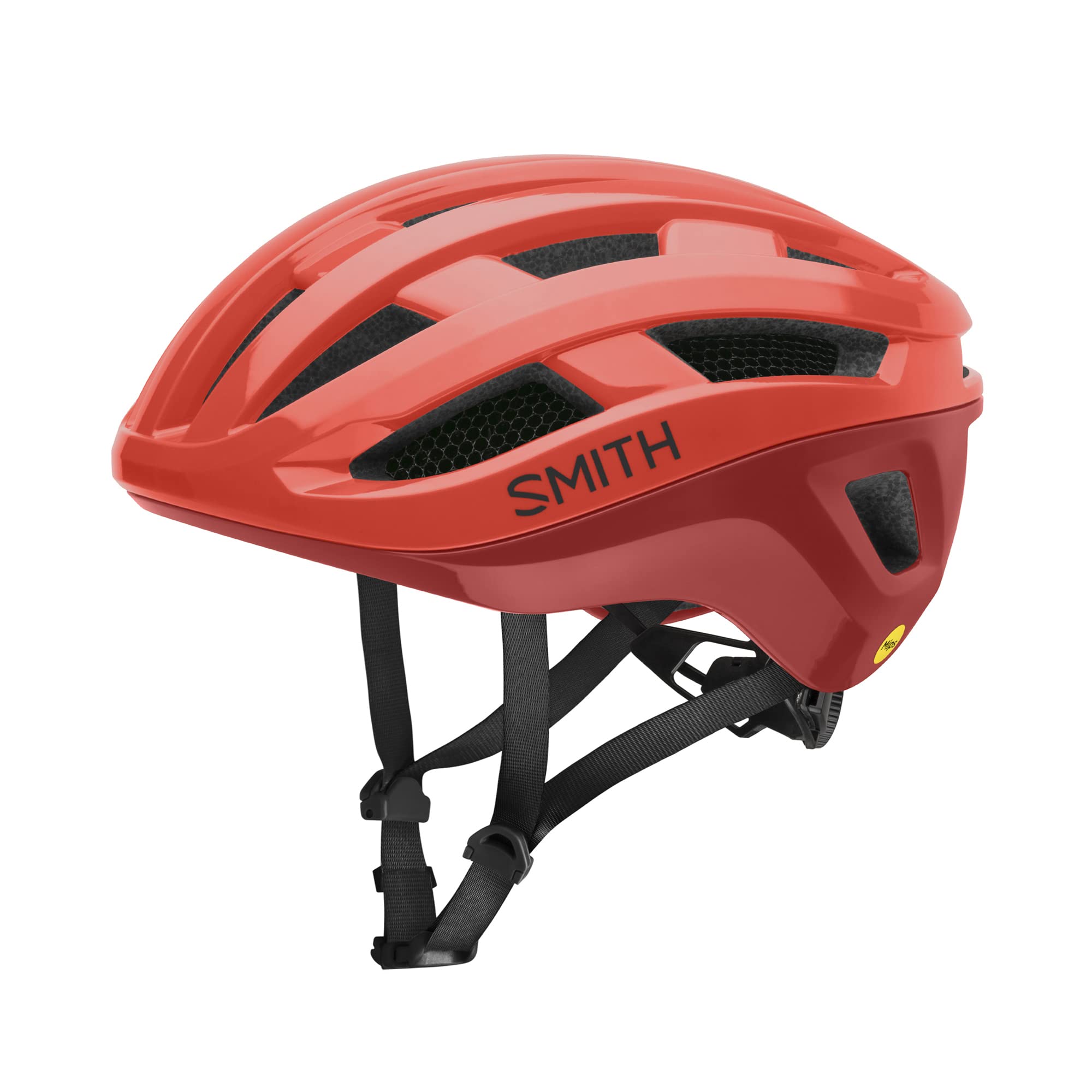
The Smith Persist positions itself as the road cyclist’s workhorse, packing zonal Koroyd coverage and a full MIPS layer into a shell that weighs only 11 ounces. Twenty-one fixed vents with the AirEvac system create a consistent airflow channel that pulls hot air out while pushing cool air across the temples, reducing goggle and glasses fog during hard efforts. The low weight is immediately noticeable — the Persist disappears on your head during a 60-mile ride in a way that heavier budget helmets cannot match.
The adjustable rear dial fine-tunes tension across the occipital cradle, and the vertical strap splitter sits below the ear to prevent the Y-connectors from sliding forward. Multiple riders report surviving catastrophic crashes in this helmet, with doctors crediting the shell design with preventing more severe brain injuries. The gloss finish on the Poppy/Terra colorway adds a premium sheen that looks sharp at the group ride start line.
The main compromise is the lack of sunglass holes on the front vents, forcing riders to stow glasses inside the shell during breaks. Some buyers also note a slight mushroom-top silhouette from the front, though this is common among deep-channel road helmets. For a road helmet that brings Koroyd energy management into the mid-range price tier, the Persist is hard to beat for weight and airflow.
Why it’s great
- Exceptionally lightweight at 11 ounces for long road rides
- 21 deep vents with AirEvac prevent glasses from fogging
- Zonal Koroyd adds impact absorption beyond standard EPS
Good to know
- No sunglass storage ports on the front of the shell
- Gloss finishes show scratches more easily than matte options
5. Giro Radix MIPS
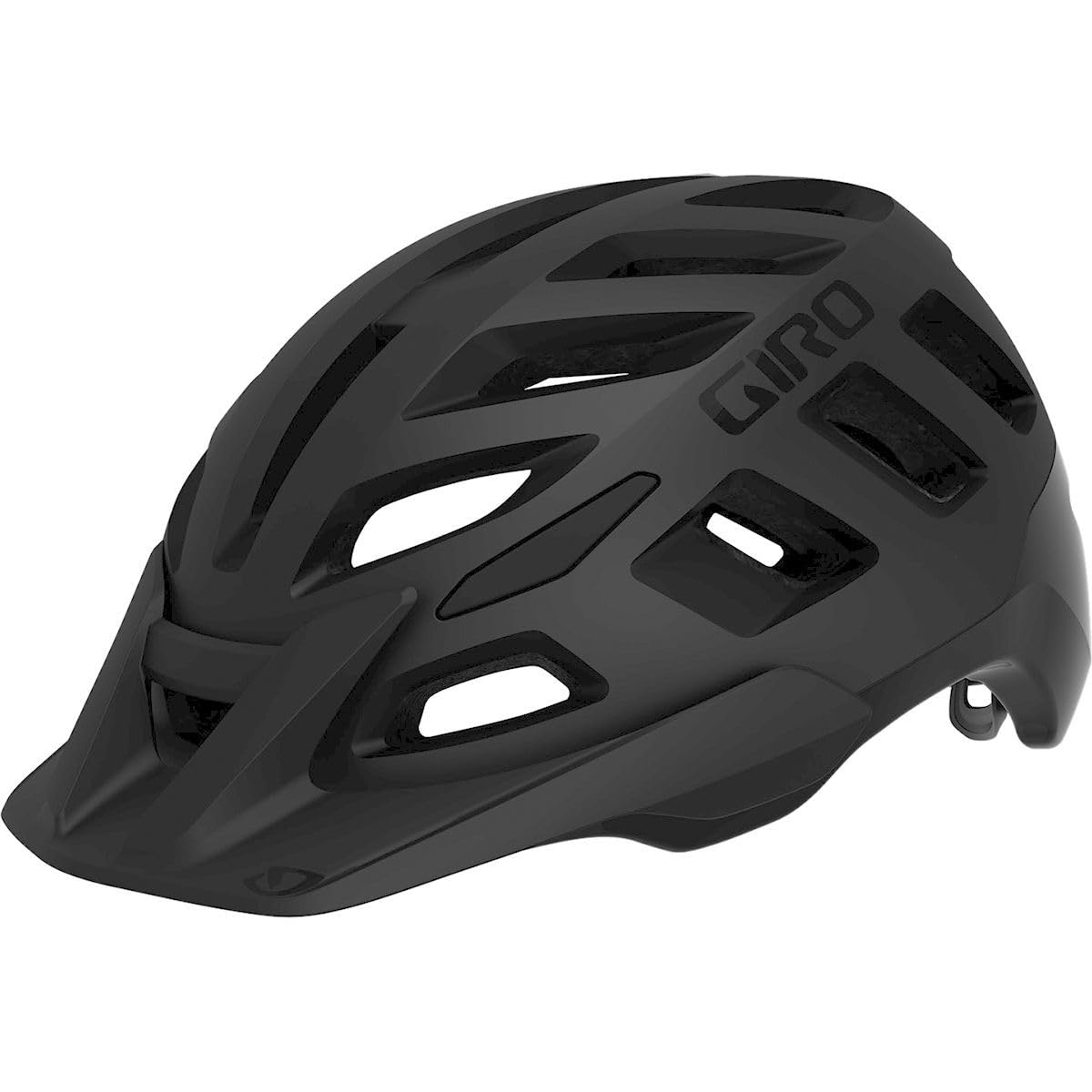
The Giro Radix MIPS is built for dirt bikes and gravel riding where the head takes more vibration and the crash profile is more likely to involve trees and rocks than pavement. The Roc Loc 5.5 fit system allows both vertical cradle adjustment and micro-dial tension, giving you the ability to dial in exactly where the shell sits on your brow. The MIPS layer is integrated directly into the fit system, reducing the bulk that older generation MIPS systems added.
The visor flips up to accommodate a headlamp for early-morning dirt rides, and the extended rear coverage wraps low enough to protect the mastoid area without interfering with a hydration pack strap. Riders with 23.5-inch head circumferences report the medium fits perfectly even with a thin bandanna underneath. The matte black finish hides trail dust well, though the glossy lime accents on some colorways add visibility without looking neon.
The biggest functional gap is the lack of built-in goggle guides or headlamp clips — users have to attach zip ties for permanent goggle retention. The shell is heavier than road-oriented options at 16 ounces, but the trade-off is thicker EPS and deeper rear coverage. For men who split time between downhill dirt and aggressive gravel, the Radix MIPS offers serious protection tuning at a mid-range price point.
Why it’s great
- Roc Loc 5.5 offers vertical positioning plus micro-dial tension
- Deep rear coverage protects the mastoid and occipital areas
- Visor flips up to clear a mounted headlamp
Good to know
- No built-in goggle guides; requires zip-tie modification
- Heavier than road helmets at 16 ounces
6. Giro Register II MIPS
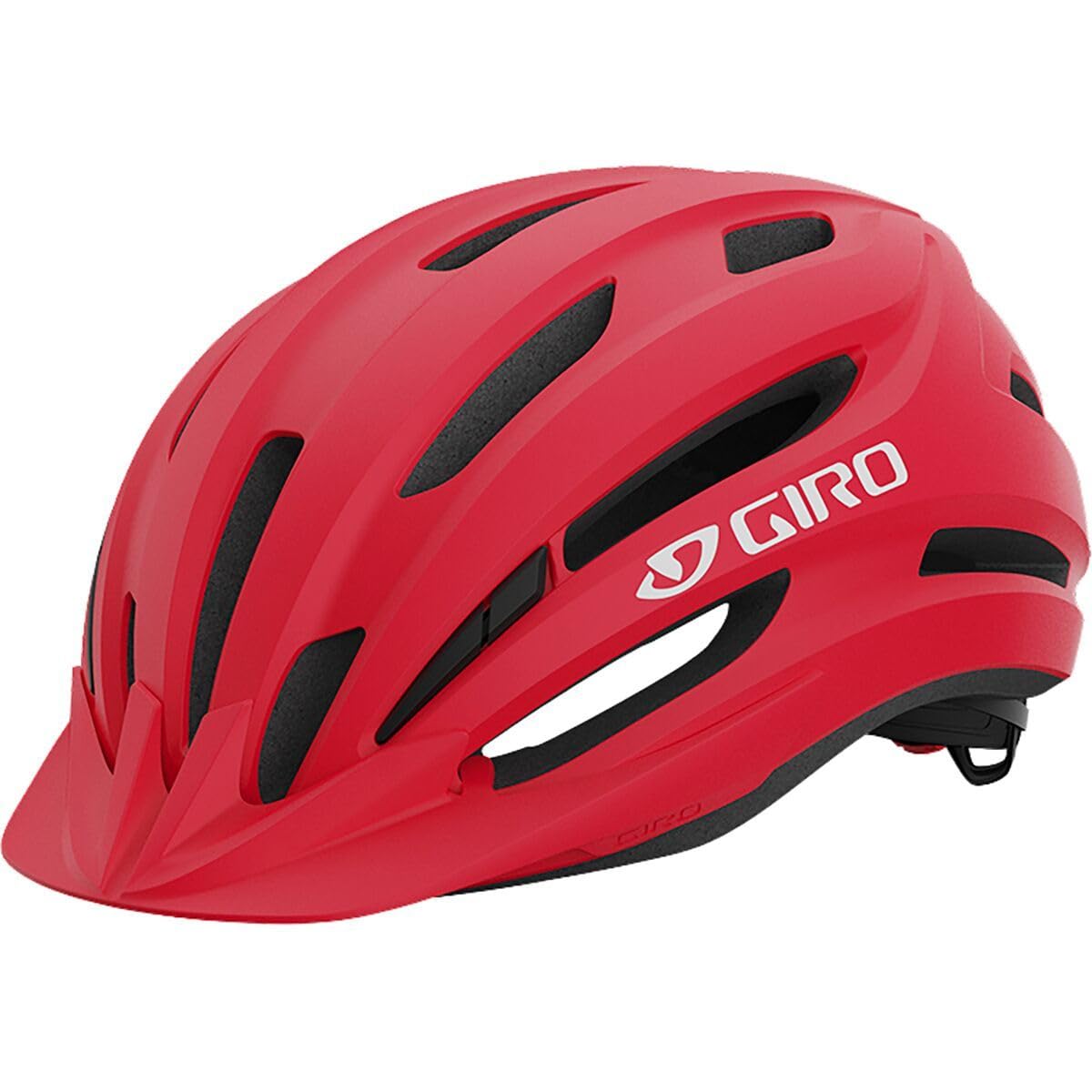
The Giro Register II MIPS is the most affordable way to get a MIPS-equipped helmet from a brand with a proven safety lab and decades of headform data. The two-piece shell combines a tough outer hard shell with a lower polycarbonate wrap that resists abrasion during a slide, while the in-mold construction keeps weight at a reasonable 280 grams for the medium. The Universal Fit design uses proprietary shell shapes based on customer head data to reduce the trial-and-error of sizing.
The bright white colorway is highly visible in traffic, making this a strong choice for recreational road and commuter riders who want maximum safety per dollar. The internal channeling provides adequate ventilation for 20-100 degree Fahrenheit riding, though the vents are not as deep as the Smith Persist’s. Buyers with larger head sizes (60cm+) report that Giro’s sizing is more accommodating than many competitors, with Specialized XL being the only comparable fit.
The Roc Loc retention dial uses plastic internals that some reviewers found prone to breakage with frequent removal and re-attachment. The visor attachment is also noted as flimsy, lacking pins for secure mounting. However, at this price point, the presence of MIPS and a quality hardbody shell makes the Register II a far better choice than any non-MIPS budget helmet from generic brands.
Why it’s great
- Most affordable MIPS helmet from a reputable cycling brand
- Bright white colorway improves traffic visibility
- Accommodates larger head sizes better than most competitors
Good to know
- Roc Loc dial plastic is prone to breakage with frequent use
- Visor attachment lacks pins and feels flimsy
7. Schwinn Beam Lighted Helmet

The Schwinn Beam Lighted Helmet brings integrated rear LED lighting to an entry-level price point, solving the problem of remembering to charge a separate tail light. The light pulses with three modes and runs on standard button-cell batteries that are easy to replace without tools. Reflective strips along the top and side panels add passive visibility, while the 17 air vents provide adequate airflow for casual rides under 10 miles in moderate temperatures.
The three-piece microshell construction keeps weight at a light 12.8 ounces, and the adjustable dial retention system along with side and chin straps allow for a snug fit across head circumferences from 58 to 62 cm. Buyers with larger skulls consistently report that the Beam fits comfortably without pressure points, and multiple crash survivors note that the helmet performed well in actual impact events. The removable sun visor is a nice addition for blocking glare.
The main trade-off is the absence of MIPS or any rotational force management — the Beam relies solely on EPS foam for impact absorption. The buckle placement hits some riders at the Adam’s apple, a common issue with budget strapping systems. Battery hatch covers can pop open under vibration if not fully sealed. For casual evening riders on bike paths, the integrated light and low weight make this a practical choice, but serious cyclists should prioritize a MIPS model.
Why it’s great
- Integrated rear LED with three modes for night visibility
- Lightweight at 12.8 ounces with good ventilation
- Fits larger head shapes comfortably without pressure points
Good to know
- No MIPS or equivalent rotational impact protection
- Buckle positioning can rub against the Adam’s apple
FAQ
Should I replace my helmet after a crash even if it looks fine?
How tight should the retention dial feel during a ride?
Final Thoughts: The Verdict
For most men, the best cycling helmets for men winner is the Smith Engage MIPS because it combines zonal Koroyd energy management with a trail-oriented fit that works for both aggressive riding and all-day epics. If you want a stylish urban helmet with anti-theft integration, grab the Thousand Heritage 2.0. And for entry-level buyers who refuse to compromise on rotational safety, nothing beats the value of the Giro Register II MIPS.

Mo Maruf
I created WellFizz to bridge the gap between vague wellness advice and actionable solutions. My mission is simple: to decode the research and give you practical tools you can actually use.
Beyond the data, I am a passionate traveler. I believe that stepping away from the screen to explore new environments is essential for mental clarity and physical vitality.