Our readers keep the lights on and my smoothie glass nicely filled. As an Amazon Associate, I earn from qualifying purchases.
The difference between a ride that drains you and one that energizes you often comes down to the frame material and the gear range. A stiff, heavy steel frame on a 7-speed drivetrain can turn a five-mile commute into a chore, while an aluminum or carbon frame with a proper 21-speed setup lets you glide up inclines and maintain speed with less effort. The decision isn’t about price—it’s about matching the bike’s geometry and component tier to your body type and the terrain you actually ride.
I’m Mohammad Maruf — the founder and writer behind WellFizz. I’ve spent hundreds of hours analyzing component specifications, frame geometries, and real-world durability feedback across dozens of cycling models to help you find a bike that performs without requiring constant adjustments. I don’t test bikes on a track, but I do dissect every derailleur type, brake system, and frame material to separate marketing hype from actual riding utility.
This guide covers eleven carefully reviewed models spanning hardtail mountain bikes, road racers, hybrid cruisers, and full-carbon performance builds. Whether you need a reliable commuter or a lightweight racer, the best cycling bikes are the ones that match your specific riding style and maintenance expectations.
How To Choose The Best Cycling Bikes
The market is flooded with bikes that look fast but ride heavy. The key is to focus on four non-negotiable factors that determine whether your bike feels like an extension of your body or a stubborn piece of hardware. These factors don’t change based on budget—they apply equally to a hybrid and a carbon racer.
Frame Material Determines Ride Feel and Weight
Aluminum is the most common material in the mid-range because it offers a good stiffness-to-weight ratio without the cost of carbon. It transmits road vibration more than steel or carbon, so if you ride on rough pavement daily, look for a model with a carbon fork or suspension to absorb chatter. Carbon fiber, found on premium models like the SAVADECK builds, dampens vibration naturally and saves significant weight, but it requires careful handling during transport. High-carbon steel, used on fat-tire and cruiser models, is heavier but provides a smoother, more forgiving ride on bumpy trails and absorbs shock without needing suspension components.
Drivetrain Speed and Shift Quality
A 7-speed drivetrain, typically paired with a twist shifter, is functional for flat pavement and gentle hills but lacks the gear spread needed for steep climbs or high-speed descents. A 21-speed or 24-speed system with trigger shifters gives you finer gear steps, allowing your cadence to stay consistent across varied terrain. The shift quality itself depends on the derailleur brand: Shimano tourney-level components shift adequately when tuned, while Shimano Claris and SORA offer crisper engagement. The SAVADECK SR7.1 uses a full Shimano 105 groupset, which provides the closest shift precision to professional racing setups.
Brake Type: Mechanical vs. Hydraulic Disc
Linear pull brakes (V-brakes) and caliper brakes are lightweight and easy to maintain but lose stopping power in wet or muddy conditions. Mechanical disc brakes, found on most mountain and hybrid models in this guide, offer consistent performance in rain and require only cable adjustments. Hydraulic disc brakes, like the Shimano R7120 system on the premium SAVADECK build, provide superior modulation and require less hand force to stop—critical for high-speed descents or heavy riders. If you ride primarily on dry pavement, mechanical discs are sufficient; if you ride in varied weather or on steep terrain, hydraulic discs justify the upgrade.
Quick Comparison
On smaller screens, swipe sideways to see the full table.
| Model | Category | Best For | Key Spec | Amazon |
|---|---|---|---|---|
| SAVADECK SR7.1 | Carbon Road | Racing & endurance | 8.8 kg full carbon, 24-speed 105 | Amazon |
| SAVADECK SORA | Carbon Road | Entry-level racing | 9.6 kg T800 carbon frame | Amazon |
| Tommaso Imola | Aluminum Road | Sport riding & commuting | Shimano Claris 24-speed | Amazon |
| Schwinn Traxion | Full Suspension MTB | Rough trails & off-road | 29″ wheels, 24-speed | Amazon |
| Mongoose Dolomite | Fat Tire MTB | Soft terrain & heavy riders | 26″ x 4″ knobby tires | Amazon |
| Schwinn Network 3.5 | Hybrid | Pavement & light trails | 700c wheels, 21-speed | Amazon |
| sixthreezero EVRYjourney | Cruiser Hybrid | Leisure & casual commute | 7-speed, foot-forward geometry | Amazon |
| Huffy Fat Tire | Fat Tire MTB | Sand & snow recreation | 4″ knobby tires, disc brakes | Amazon |
| Funhang Electric | Electric Commuter | Urban commutes with assist | 500W motor, 48V battery | Amazon |
| HILAND 700C | Entry Road | Budget road cycling | 14-speed, aluminum frame | Amazon |
| Mongoose Flatrock | Hardtail MTB | Youth & beginner trails | 26″ wheels, 7-speed | Amazon |
In‑Depth Reviews
1. SAVADECK SR7.1 Carbon Fiber Road Bike
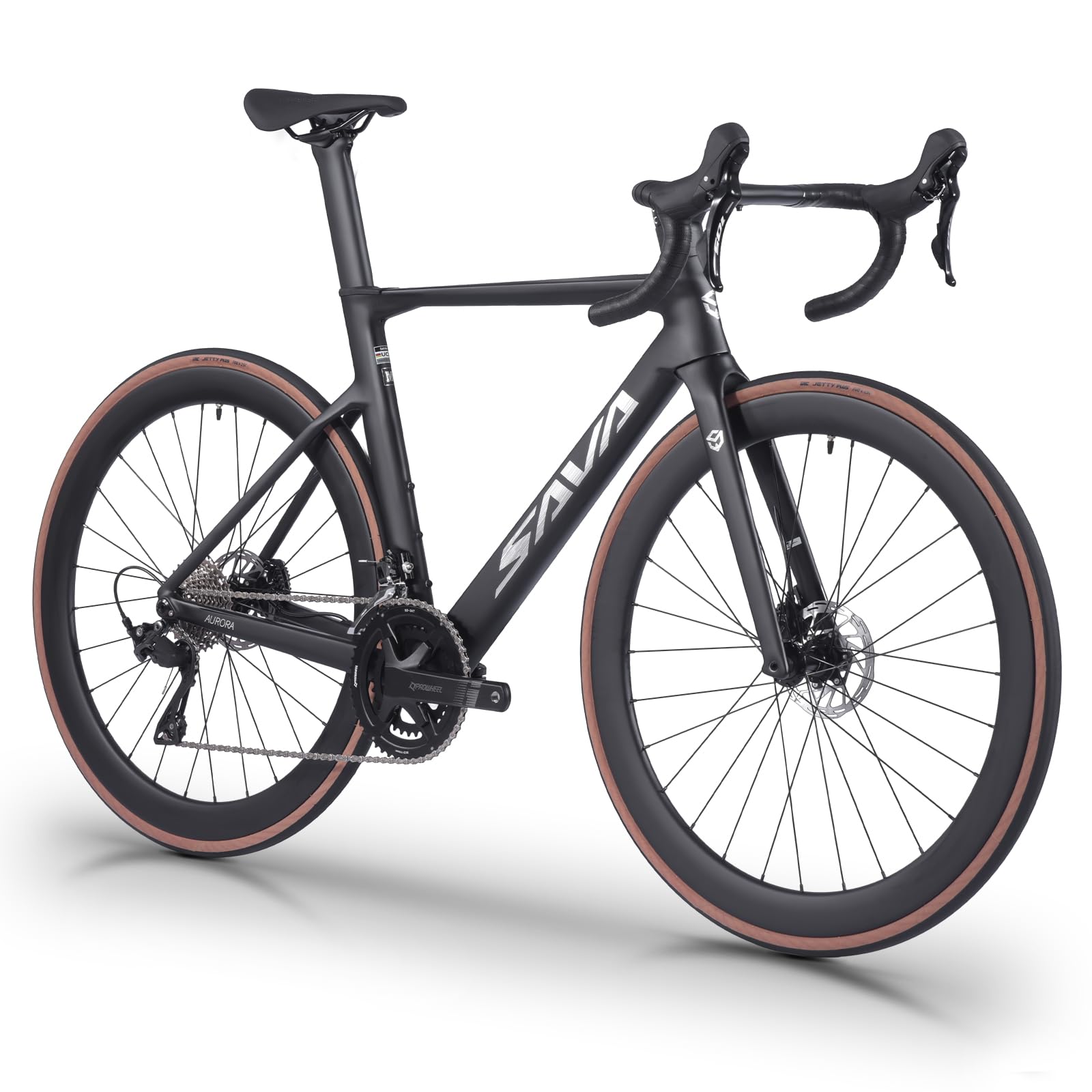
The SR7.1 is the lightest bike in this lineup at 8.8 kg, achieved through T800 carbon fiber used in the frame, fork, seat post, and wheelset. This matters most on climbs and when accelerating from a stop—each pound you shed from the bike is a pound you don’t have to propel forward. The full Shimano 105 R7120 groupset provides 24 speeds with hydraulic disc brakes, giving you both a wide gear range for hills and confident stopping power in wet conditions without the hand fatigue associated with mechanical brakes.
The fully integrated internal cable routing reduces wind resistance and gives the bike a clean aesthetic, but more importantly, it protects cables from dirt and moisture. The 700x25C carbon wheelset with JETTY PLUS tires provides good grip on both dry asphalt and damp roads, though experienced riders may want to upgrade to 28c tubeless tires for added comfort on longer rides. Assembly took reviewers about ten minutes, and the brakes and derailleurs arrived pre-tuned, which is rare at this price point.
Customer feedback consistently highlights the value proposition—riders report that the bike handles and accelerates like models costing twice as much. The only consistent criticism is the included saddle, which several reviewers replaced immediately, and the loud freewheel cassette initially, which quiets down after the grease redistributes. This bike is for the rider who prioritizes weight savings and component quality and is comfortable making minor saddle and pedal upgrades.
Why it’s great
- Full carbon frame and wheelset at a weight that rivals bikes three times the price
- Shimano 105 hydraulic disc brakes provide precise modulation and strong stopping power in rain
- 90% pre-assembled with pre-tuned gears and brakes for immediate riding
Good to know
- Stock saddle is uncomfortable and should be replaced before long rides
- Freewheel cassette may sound loud initially until grease distributes evenly
- Spokes are non-aero round type, not ideal for serious aero optimization
2. SAVADECK Carbon Disc Road Bike (SORA)

This SAVADECK model brings a genuine T800 carbon fiber frame and fork to riders who want the weight savings and vibration damping of carbon without stepping up to the 105 groupset. At 9.6 kg, it’s still significantly lighter than any aluminum or steel bike in this guide, and the Shimano SORA R3000 18-speed drivetrain offers reliable shifting for entry-level racing and fast commuting. The fully integrated internal cable routing is identical to the premium SR7.1, keeping the bike aerodynamic and cables protected from the elements.
The bilateral mechanical disc brakes provide consistent stopping power on dry pavement, though they require more hand force than the hydraulic system on the SR7.1. The bike ships with Continental 700x25C tires, which provide good puncture resistance and rolling efficiency on smooth roads. Assembly is straightforward, with the bike arriving nearly fully built—multiple reviewers noted being able to ride within 20 minutes of unboxing. The customer service team proactively verifies your frame size before shipping, which reduces the risk of ordering the wrong fit.
Some reviewers reported minor setup issues, including front disc brake rub and derailleur adjustment needs out of the box. These are common with any bike shipped in a box, but the lightweight carbon frame makes fine-tuning easier because you can sense misalignments more readily during a test ride. This model is ideal for the rider transitioning from a heavier aluminum bike to their first carbon frame and wants a noticeable performance upgrade without paying for a full 105 groupset.
Why it’s great
- Genuine T800 carbon frame and fork deliver noticeable weight savings over aluminum alternatives
- Continental tires provide reliable puncture resistance and low rolling resistance
- Pre-shipment sizing consultation helps avoid costly fit mistakes
Good to know
- Mechanical disc brakes require more hand force than hydraulic systems
- Some units arrive with misaligned derailleurs that need tuning
- Included manual lacks detailed assembly diagrams for fine adjustments
3. Tommaso Imola Sport Bike

The Tommaso Imola stands out for its build quality at a competitive price point. The 6061 aluminum frame is TIG-welded with smooth joints that rival frames costing double, and the Shimano Claris 24-speed drivetrain provides a wide enough gear range for both steep climbs and fast descents. Unlike many aluminum frames that feel harsh on rough pavement, the Imola’s geometry is designed for endurance riding, putting the rider in a moderately aggressive position that balances aerodynamics with lower back comfort over long distances.
The bike ships with a forged alloy crankset and sealed cartridge bottom bracket, components typically found on more expensive builds. The wheels arrived true out of the box in nearly all reported cases, which is a good indicator of quality control. The included saddle is adequate for rides under two hours with padded shorts, but several reviewers replaced it for longer rides. The bike does not come with a kickstand, which is standard for road bikes but worth noting if you plan to use it for commuting.
Customer reports over 1,000 miles indicate no mechanical failures when basic maintenance is performed. Some initial derailleur adjustments were needed, particularly on the front derailleur, which is common with cable-actuated systems. The Tommaso Imola is the right choice for the rider who wants a reliable aluminum road bike that won’t need component upgrades for several seasons and appreciates a company that includes a handwritten thank-you note in the box.
Why it’s great
- Wheels arrive true and frame welding is clean, indicating strong quality control
- Shimano Claris 24-speed provides reliable shifting across varied terrain
- Endurance geometry balances speed with comfort for longer rides
Good to know
- No kickstand included, limiting convenience for casual stops
- Saddle is firm and may need replacement for rides over two hours
- Some assembly required, including derailleur tuning and brake adjustment
4. Schwinn Traxion Mountain Bike

The Schwinn Traxion is a full-suspension mountain bike with 29-inch wheels and a 24-speed Shimano drivetrain, designed for riders who want to tackle rough trails without spending premium-tier money. The 18-inch aluminum frame keeps the weight manageable at around 35 pounds, which is reasonable for a full-suspension build. The front suspension fork and rear shock absorb significant impacts on rocky descents, though the fork lacks adjustable preload, which limits fine-tuning for heavier riders.
The mechanical disc brakes provide reliable stopping power on loose dirt and wet roots, and the 2.25-inch knobby tires offer good traction on loose soil and gravel. The trigger shifters allow for precise gear changes without overshooting, a clear upgrade over twist shifters found on entry-level models. Assembly is straightforward for anyone with basic bike tools, though several reviewers noted the need to reroute cables and adjust the rear derailleur for smooth shifting through all 24 gears.
Long-term owners report that the Traxion holds up well on moderate trails after 18 months of use, with minor suspension fork seepage being the most common issue. The non-adjustable suspension is the main limitation—if you weigh over 220 pounds, the fork may bottom out on larger drops. This bike is best suited for intermediate trail riders who want full suspension for comfort on roots and rocks but don’t need the tunability of a high-end mountain bike.
Why it’s great
- Full front and rear suspension effectively absorbs trail vibrations and impacts
- 29-inch wheels roll over obstacles more easily than smaller wheel sizes
- 24-speed Shimano drivetrain with trigger shifters provides reliable gear range
Good to know
- Non-adjustable front suspension may bottom out for riders over 220 pounds
- Stock saddle is uncomfortable for female pelvis geometry and may need replacement
- Front derailleur shifting can feel clunky without careful tuning
5. Mongoose Dolomite Fat Tire Mountain Bike

The Mongoose Dolomite is built around 26-inch by 4-inch wide knobby tires, providing the flotation needed to ride on sand, snow, and loose gravel without sinking in. The high-carbon steel frame adds significant weight—over 45 pounds—but it provides a smooth, forgiving ride quality that aluminum frames can’t match on rough terrain. The 1×7 drivetrain keeps things simple with a single front chainring and a rear derailleur, reducing the chance of chain drops on bumpy trails.
The mechanical disc brakes provide adequate stopping power for the bike’s weight, though they require more lever effort than you’d expect on a lighter bike. The threadless headset and alloy rims help keep some weight down, but this bike is undeniably heavy to lift onto a car rack or carry up stairs. The included pedals are basic plastic units that many reviewers upgraded immediately, and the saddle is notoriously uncomfortable—a Cloud 9 replacement is a common first upgrade.
The Dolomite excels for heavy riders, with multiple reviewers over 300 pounds reporting that the bike holds up well and provides a stable, confidence-inspiring ride. The 7-speed range is sufficient for moderate hills and flat terrain, but the large gear gaps make it less suitable for steep climbing. This bike is purpose-built for riders who need maximum tire contact area on unstable surfaces and don’t mind the weight penalty in exchange for stability and durability.
Why it’s great
- 4-inch wide tires provide excellent flotation on sand, snow, and loose gravel
- High-carbon steel frame absorbs trail vibrations better than aluminum
- Simple 1×7 drivetrain reduces maintenance and chain drop issues
Good to know
- Bike weighs over 45 pounds, making transport and lifting difficult
- Stock saddle is very small and hard, requiring immediate replacement for comfort
- Twist shifters can shift unintentionally when grabbing the handlebar tightly
6. Schwinn Network 3.5 Hybrid Bike

The Schwinn Network 3.5 is a 21-speed hybrid designed for riders who split their time between paved roads and unpaved paths. The aluminum frame keeps the weight manageable, and the suspension fork provides enough cushion for light trail use without adding the weight of a full-suspension system. The high-rise stem and swept-back handlebars promote an upright riding position that reduces strain on your lower back and wrists, making this a strong choice for riders with mobility concerns or those new to cycling.
The 21-speed twist shifters and rear derailleur provide smooth gear changes across a wide range, though twist shifters require a different muscle memory than trigger shifters and can be slippery when your hands are sweaty. The alloy linear pull brakes offer reliable stopping power on dry pavement but will lose effectiveness in wet conditions. The bike fits riders from 5’5″ to 6’0″, with the step-through frame design making mounting and dismounting easier for riders with limited hip flexibility.
Customer feedback highlights the bike’s durability over years of daily use, with several reviewers noting that the frame and components hold up well with basic maintenance. The most common issues reported are brake and derailleur adjustments needed out of the box, which is typical for bikes at this price point. The Schwinn Network 3.5 is ideal for the casual rider who wants a reliable, comfortable bike for neighborhood rides and light trail exploration without the aggressive geometry of a dedicated mountain or road bike.
Why it’s great
- Upright geometry reduces back and wrist strain during longer rides
- Aluminum frame keeps weight low for easy handling and transport
- Suspension fork absorbs bumps on unpaved paths without adding excessive weight
Good to know
- Twist shifters can be difficult to operate with sweaty or gloved hands
- Linear pull brakes lose stopping power in wet weather conditions
- Some units require significant derailleur and brake adjustment after assembly
7. sixthreezero EVRYjourney Women’s Steel Beach Cruiser
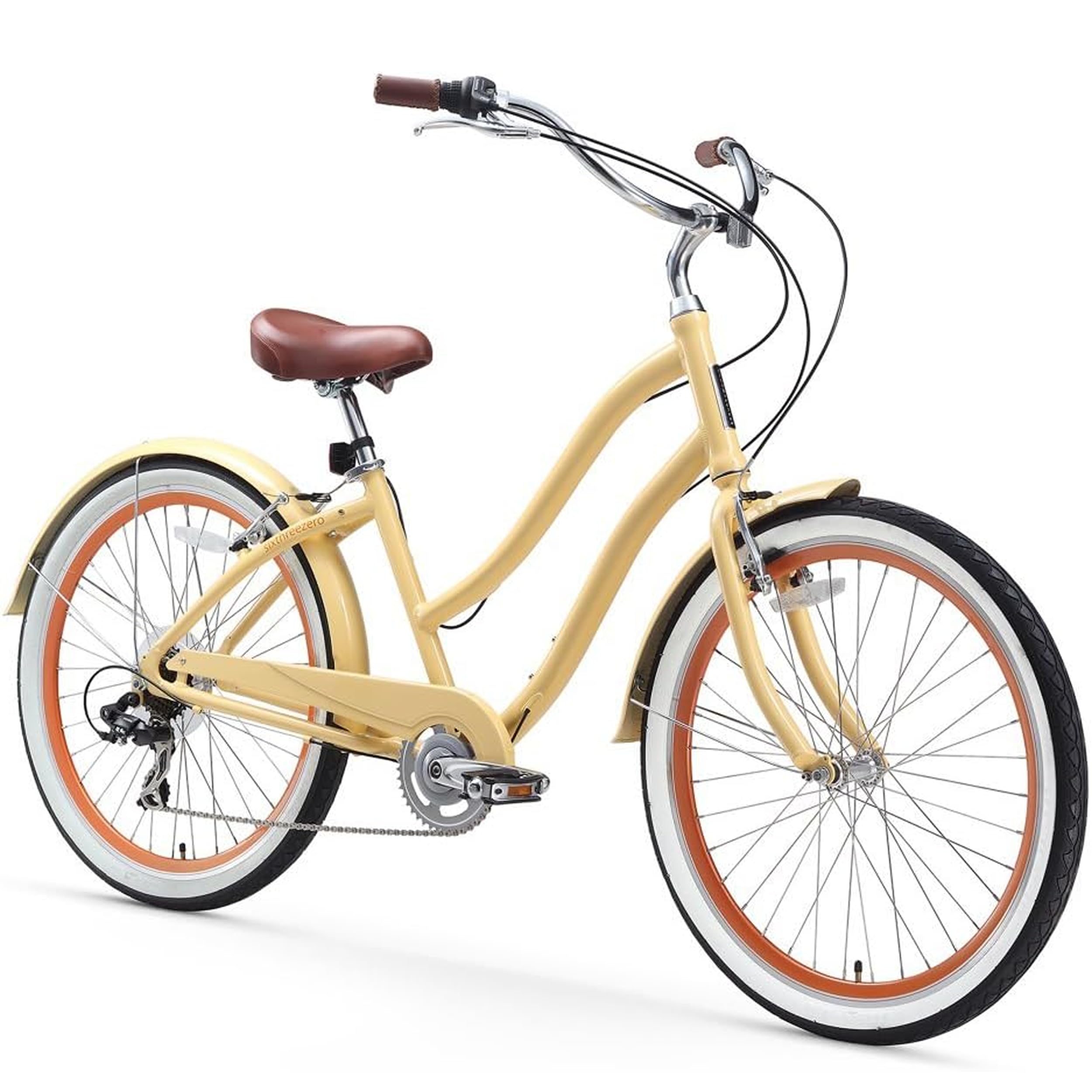
The sixthreezero EVRYjourney uses a foot-forward geometry that positions your feet in front of you rather than directly below, creating a more natural seated position that reduces pressure on your wrists and lower back. The 17.5-inch steel frame provides a smooth, stable ride that absorbs road vibrations without needing suspension components, and the step-through design makes getting on and off effortless. This bike fits a wide range of rider heights, from approximately 5 feet to 6 feet 4 inches, with a 300-pound weight capacity.
The 7-speed drivetrain with trigger shifters is sufficient for moderate hills and flat cruising, though the gear range is narrower than the 21-speed hybrids. The front and rear hand brakes provide adequate stopping power for casual riding speeds. The included full-coverage fenders keep road spray off your clothes, and the rear rack accommodates panniers or a basket for carrying groceries. The 26-inch semi-slick tires with white sidewalls roll smoothly on pavement and provide a classic cruiser aesthetic.
Customer reviews consistently praise the bike’s comfort and appearance, with several older riders noting that the upright, foot-forward position allows them to ride without the back and hip pain they experienced on traditional geometry bikes. Assembly is manageable for experienced builders, but the small manual and lack of a kickstand can frustrate beginners. Some units arrived with a dented rear fender from shipping, but customer service resolved these issues promptly.
Why it’s great
- Foot-forward geometry eliminates wrist and lower back strain during rides
- Steel frame absorbs road vibrations for a smooth, comfortable ride
- Fenders and rear rack included, ready for commuting or errand runs
Good to know
- 7-speed range is limited compared to hybrid and road bike alternatives
- Assembly manual is small and lacks detail for first-time builders
- Some units arrive with shipping damage to fenders or rack
8. Huffy Fat Tire Mountain Bike
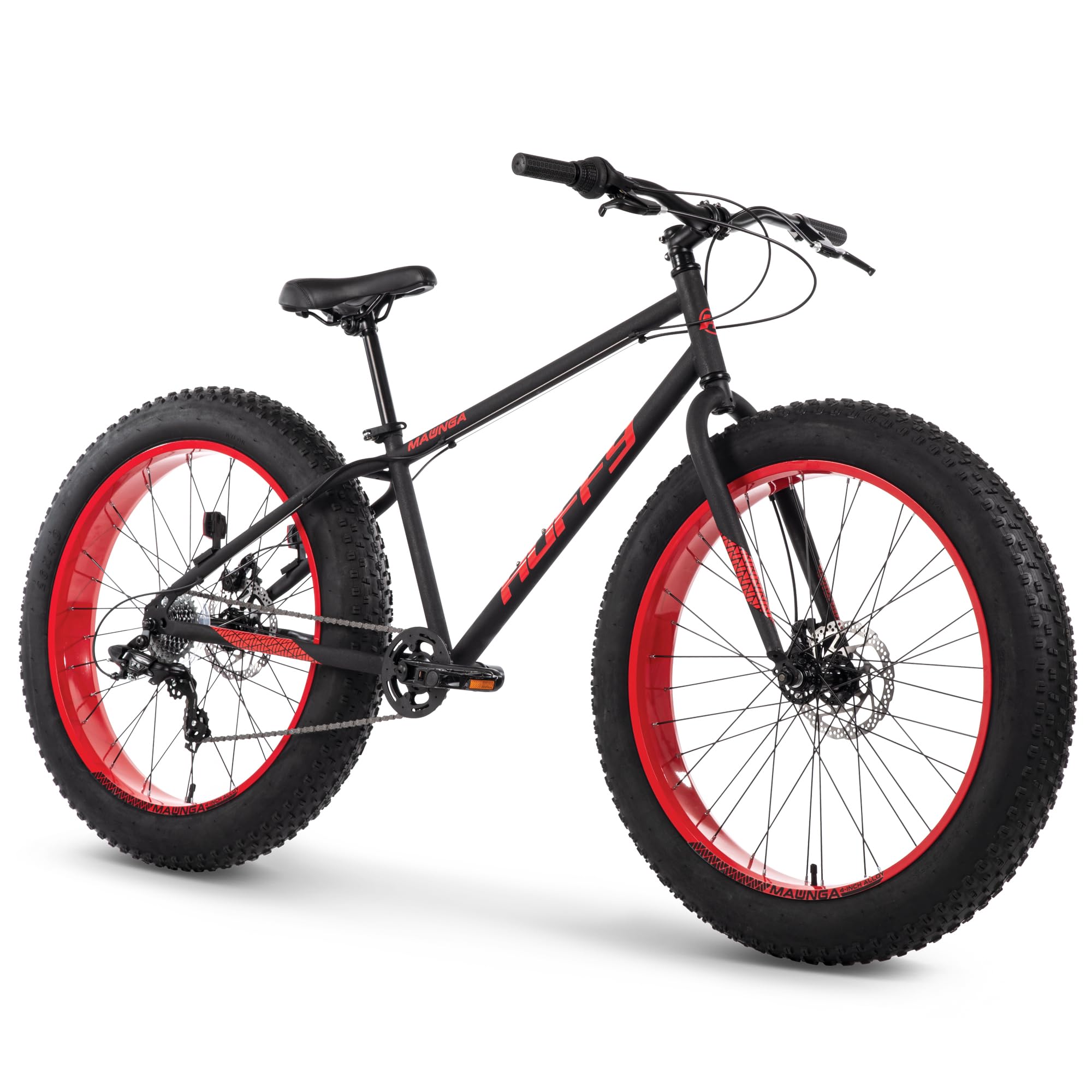
The Huffy Fat Tire Mountain Bike combines a durable alloy steel frame with 4-inch wide knobby tires to provide traction on soft surfaces like sand, snow, and mud. The 7-speed Shimano drivetrain offers smooth shifting for recreational riding, and the dual disc brakes provide consistent stopping power in all weather conditions. The padded saddle and Kraton comfort grips are designed to reduce fatigue during extended rides, though the saddle is still on the firm side for some users.
The bike’s geometry is relaxed, making it suitable for casual trail riders and those who want to explore unpaved paths without the aggression of a dedicated mountain bike. The fat tires provide a cushioning effect that reduces the need for suspension, absorbing small bumps and roots effectively. Assembly is straightforward, requiring attachment of the front wheel, handlebars, seat, and pedals, though some reviewers noted the need for derailleur adjustment using YouTube tutorials.
The most significant concern with this model is tire seating—several reviewers reported that the front or rear tire wouldn’t stay seated on the rim, causing inner tube ruptures. Huffy addressed these issues by shipping replacement wheels and tires in some cases, but the inconsistent quality control is a risk. This bike is best for casual riders who want an affordable fat tire bike for recreational use and are comfortable performing basic mechanical adjustments.
Why it’s great
- 4-inch tires provide excellent traction on sand, snow, and loose terrain
- Dual disc brakes offer reliable stopping power in wet and muddy conditions
- Shimano 7-speed drivetrain provides smooth shifting for recreational use
Good to know
- Some units have tire seating issues that cause inner tube damage
- Stock saddle is firm and may cause discomfort during rides over 30 minutes
- Customer service response times are slow for warranty issues
9. Funhang Electric Bike for Adults
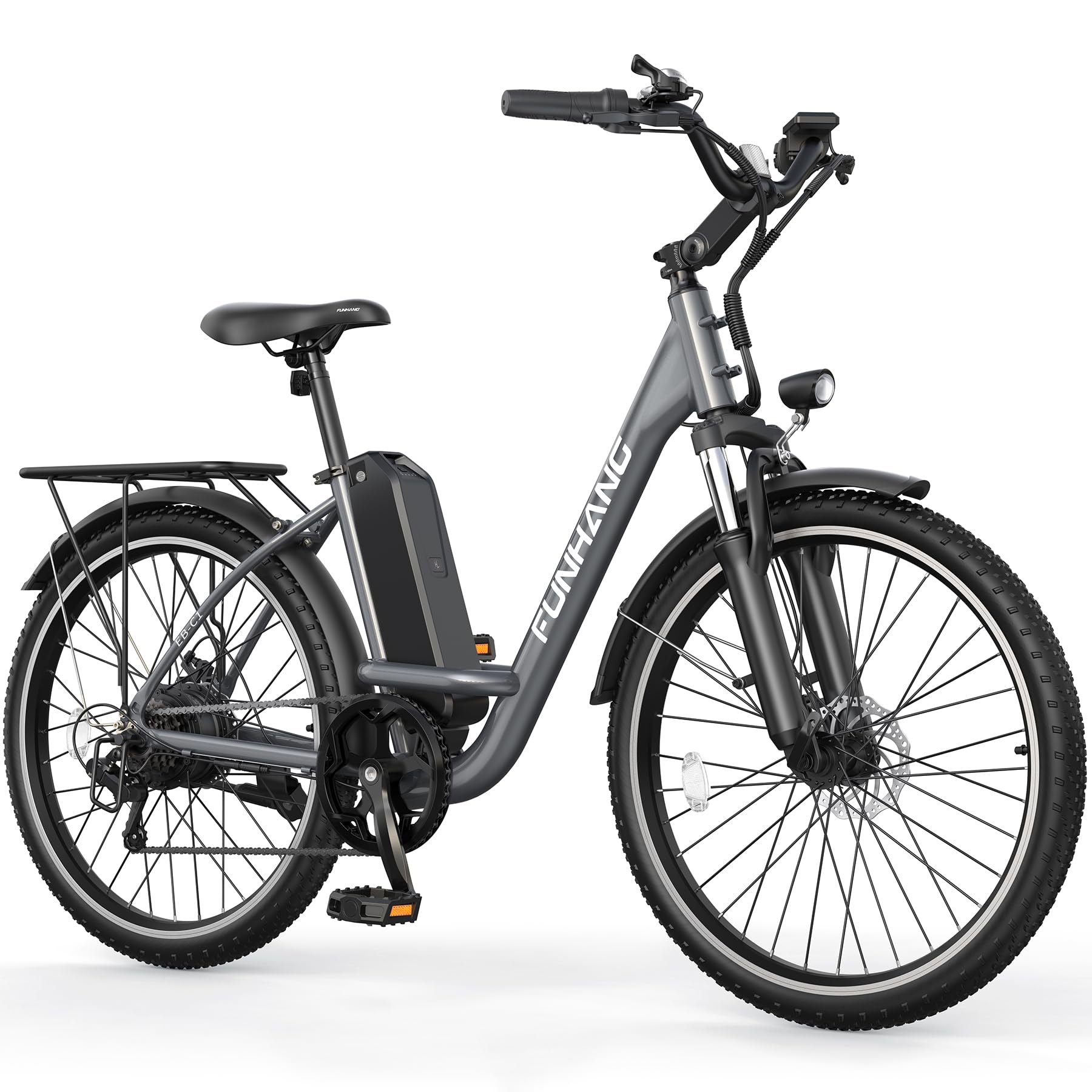
The Funhang Electric Bike brings pedal-assist and throttle capability to urban commuters at a competitive price point. The 500W motor (1000W peak) delivers a top speed of 20 mph, and the 48V 374.4Wh removable battery provides a range of 25-30 miles in pure electric mode and 40-50 miles in pedal-assist mode. The step-through frame design makes mounting and dismounting easy, and the adjustable handlebar stem and seat accommodate riders from 5.3 to 6.1 feet tall.
The 7-speed gears allow you to pedal along with the motor for extended range, and the front suspension fork absorbs shocks from uneven pavement and park trails. The LCD display shows speed, mileage, and battery level, and the front headlight illuminates your path for night riding. The UL 2271 battery certification and UL 2849 whole-bike certification provide assurance that the electrical system meets safety standards for thermal runaway and electrical protection.
Customer feedback highlights the bike’s sturdy build and smooth ride quality, with several reviewers noting that the motor provides strong assistance on hills without draining the battery too quickly. The step-through frame is particularly appreciated by riders with limited mobility. Some units arrived with a bent front fender from shipping, and the stock seat is uncomfortable for riders with wider hips. The Funhang is ideal for commuters who want electric assistance without paying premium prices and value UL safety certification.
Why it’s great
- UL 2849 certified battery and whole-bike system for electrical safety assurance
- 500W motor with 55Nm torque provides strong hill-climbing assistance
- Step-through frame and adjustable stem accommodate a wide range of rider heights
Good to know
- Stock seat is uncomfortable for riders with wider hips, may need replacement
- Some units arrive with minor shipping damage to fenders or accessories
- Maximum range depends heavily on rider weight and terrain, expect 25 miles in real-world use
10. HILAND 700C Road Bike

The HILAND 700C Road Bike offers an entry point into road cycling with a lightweight aluminum frame and 14-speed derailleur drivetrain. The dual caliper brakes provide lighter weight and easier maintenance than disc brakes, though they require dry conditions for optimal performance. The 700c wheels reduce rolling resistance compared to smaller wheel sizes, allowing you to maintain speed with less effort on paved surfaces.
The bike comes in three frame sizes—49 cm for riders 5’3″ to 5’6″, 53 cm for 5’6″ to 6’0″, and 57 cm for 6’0″ to 6’4″—allowing for a better fit than one-size-fits-all options. Assembly requires attaching the front wheel, handlebars, seat, and pedals, and the included tools are functional but basic. Several reviewers reported that the derailleur needed significant adjustment out of the box, with some experiencing gears that wouldn’t stay engaged without holding the shifter in place.
The bike weighs approximately 28 pounds, which is reasonable for an aluminum entry-level road bike but noticeably heavier than the carbon options in this guide. Customer feedback is polarized—some riders have logged over 2,000 miles with only minor adjustments, while others experienced derailleur and brake issues that required replacement. This bike is best suited for budget-conscious riders who are comfortable performing their own maintenance and understand that entry-level components may need frequent tuning.
Why it’s great
- Aluminum frame keeps weight manageable at 28 pounds
- Multiple frame sizes available for better fit across rider heights
- 700c wheels provide low rolling resistance for efficient pavement riding
Good to know
- Derailleurs often require significant tuning out of the box
- Caliper brakes lose stopping power in wet conditions
- Quality control is inconsistent, with some units experiencing mechanical issues
11. Mongoose Flatrock Hardtail Mountain Bike

The Mongoose Flatrock is a hardtail mountain bike with a lightweight aluminum frame, 26-inch wheels, and a suspension fork designed for young riders and beginners exploring off-road trails. The 7-speed twist shifters provide simple gear changes, and the linear pull brakes offer reliable stopping power on dry terrain. The bike fits riders from 5’4″ to 6’2″, though the frame geometry is best suited for youth and smaller adults.
The knobby mountain tires provide traction on loose dirt and gravel, and the suspension fork absorbs enough impact to make rough paths manageable for new riders. The aluminum frame keeps the bike light enough for younger riders to handle, and the 7-speed range is sufficient for moderate hills and flat trail sections. Assembly is straightforward, though several reviewers noted that the brakes required adjustment because the cables stretched during shipping.
Customer feedback is mixed—many reviewers report a great value for young riders just starting out, while others experienced issues with bent kickstands, wobbly pedals, and uncomfortable handlebars for taller riders. The twist shifters are positioned close to the grips, which can cause accidental shifting when gripping the handlebar tightly on bumpy terrain. The Flatrock is best for youth riders and beginners who want an affordable introduction to trail riding and are willing to perform basic adjustments.
Why it’s great
- Aluminum frame provides lightweight durability for young and beginner riders
- Suspension fork absorbs trail bumps for a smoother learning experience
- 7-speed range is sufficient for moderate hills and flat trail riding
Good to know
- Twist shifters can cause accidental gear changes on bumpy terrain
- Handlebar is narrow and uncomfortable for taller riders
- Customer support response time is slow for warranty issues
FAQ
Should I choose a hardtail or full suspension mountain bike for beginner trail riding?
How do I know which frame size fits my height?
What maintenance do cycling bikes require after the first 100 miles?
Is an electric bike like the Funhang a good choice for someone who wants exercise?
Final Thoughts: The Verdict
For most users, the best cycling bikes winner is the SAVADECK SR7.1 because it delivers race-level performance with a full carbon frame and Shimano 105 groupset at a price that undercuts traditional brands by a wide margin. If you want the vibration damping and weight savings of carbon but aren’t ready for a 105 groupset, grab the SAVADECK SORA for an entry-level carbon experience. And for off-road trail riding on a mid-range budget, nothing beats the Schwinn Traxion for its full suspension and 29-inch wheels at this price point.

Mo Maruf
I created WellFizz to bridge the gap between vague wellness advice and actionable solutions. My mission is simple: to decode the research and give you practical tools you can actually use.
Beyond the data, I am a passionate traveler. I believe that stepping away from the screen to explore new environments is essential for mental clarity and physical vitality.