Our readers keep the lights on and my smoothie glass nicely filled. As an Amazon Associate, I earn from qualifying purchases.
Choosing the right cycle helmet is as much about the feel as it is about the safety rating. A helmet that sits awkwardly, traps heat, or weighs you down subtly discourages use — and a helmet only works if you’re actually wearing it. The market now offers advanced impact technologies like MIPS and Koroyd alongside sleek commuter features like integrated turn signals and magnetic visors, making the decision more nuanced than ever.
I’m Mohammad Maruf — the founder and writer behind WellFizz. I research the specific engineering trade-offs in safety gear, from how rotational-force systems integrate into foam liners to how vent channeling affects real-world cooling, to help you invest in protection that actually fits your ride.
This guide breaks down the key specs and real-world performance of today’s leading options so you can confidently choose the best cycle helmet for your head shape, riding style, and visibility needs.
How To Choose The Best Cycle Helmet
A cycle helmet needs to balance three demands: certified impact protection, a stable and breathable fit, and features that match how you actually ride. Focus on these areas to narrow the field.
Safety Systems Beyond Basic Certification
Every helmet sold in the U.S. must meet CPSC standards for linear impact absorption. The real differentiator is how a helmet manages rotational forces — the twisting motion that can cause brain injury in angled impacts. MIPS is the most widely adopted system, using a low-friction layer that allows the outer shell to slide slightly relative to the liner. Smith’s Koroyd uses a honeycomb-like structure for similar energy management. A mid-range or premium helmet with one of these systems offers a genuine safety upgrade over entry-level models without it.
Ventilation and Thermal Management
The number of vents matters less than how air is channeled through the helmet. Look for deep internal channels that pull air in through the front and exhaust it out the rear. For hot-weather riding or strenuous climbs, 15+ well-designed vents with moisture-wicking padding can make the difference between a helmet you wear all day and one you take off at every stop.
Fit Retention and Dial Systems
A helmet should sit level on your head and not shift when you shake it. A good retention system uses a rear dial that wraps around the occipital bone — not just a strap under the chin. The Roc Loc system (Giro) and similar micro-adjustable dials let you fine-tune tension mid-ride. Also check for vertical adjustment in the Y-shaped side straps, which keeps the buckles in the correct spot below your ears.
Integrated Lighting and Commuter Features
If you ride on roads or during low-light hours, an integrated rear LED light significantly improves visibility without needing an extra clip-on unit. Some premium models add front lights, turn signals, and even brake light activation. For commuters, features like a magnetic visor, detachable goggles, or a PopLock channel for securing the helmet with a U-lock add real convenience to daily use.
Quick Comparison
On smaller screens, swipe sideways to see the full table.
| Model | Category | Best For | Key Spec | Amazon |
|---|---|---|---|---|
| Giro Register II MIPS | MIPS Road | All-around safety on a budget | Integrated MIPS low-friction layer | Amazon |
| Fox Racing Mainframe MIPS | MIPS MTB | Mountain bike durability and cooling | Channeled in-molded EPS + MIPS | Amazon |
| Smith Engage MIPS + Koroyd | Trail MIPS | Trail riding with extended rear coverage | Zonal Koroyd + MIPS dual protection | Amazon |
| Lumos Ultra | Smart Commuter | 360-degree light visibility with turn signals | TÜV-certified front + rear LED system | Amazon |
| Thousand Heritage 2.0 | Retro Commuter | Style-conscious urban commuters | PopLock helmet-locking channel | Amazon |
| OutdoorMaster Adult Helmet | Budget All-Round | Versatile riding with magnetic goggles | 17 vents + rechargeable rear LED | Amazon |
| Schwinn Beam Lighted Helmet | Budget Commuter | Entry-level night visibility on roads | Rear LED + reflective strips | Amazon |
In‑Depth Reviews
1. Giro Register II MIPS
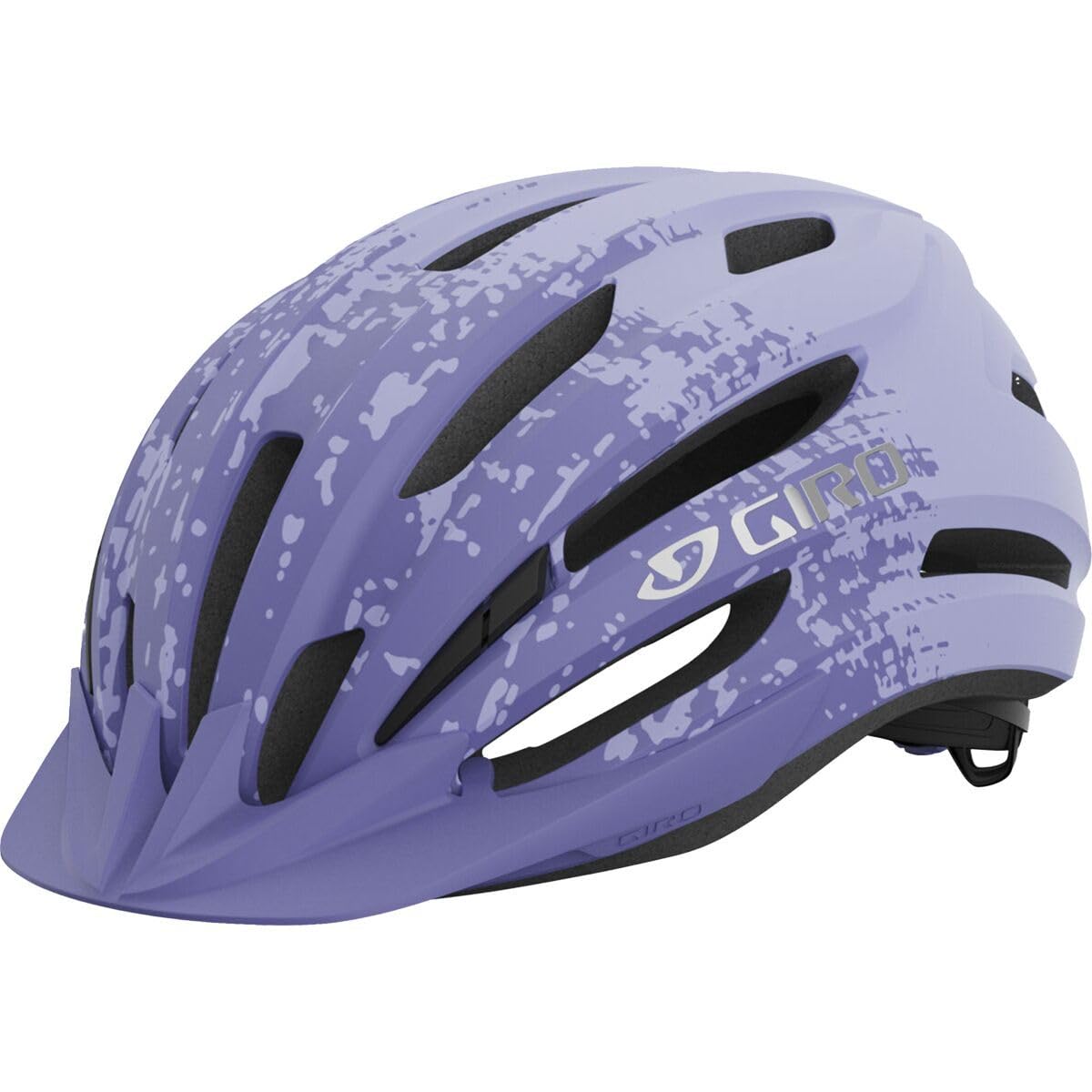
The Giro Register II MIPS hits the sweet spot between safety technology and everyday comfort. Giro’s Integrated MIPS system is seamlessly built into the liner — you barely notice it’s there until you need it. The two-piece shell construction fuses a hard outer layer to the EPS foam liner for durability without adding noticeable bulk, and the 16-ounce weight keeps it feeling light even on long rides.
Ventilation is handled by deep internal channeling that pulls air through the front vents and pushes it out the rear, keeping your head cool during climbs. The Roc Loc dial retention system lets you adjust tension with one hand while riding, and the vertical strap splitter ensures the Y-buckle sits correctly each time. Riders with larger head sizes report that Giro’s Universal Fit shells are among the most accommodating in this price tier.
One compromise is the visor attachment, which some users find a bit weak — it does the job for shading your eyes but isn’t designed for aggressive repositioning. The white color option increases daytime visibility, and the matte finishes are scratch-resistant. For a mid-range investment, you’re getting a properly engineered MIPS helmet that outperforms many options costing twice as much.
Why it’s great
- Seamless MIPS integration for rotational impact protection
- Roc Loc dial provides quick, secure fit adjustment
- Excellent ventilation channeling for hot rides
Good to know
- Visor attachment is not built for heavy repositioning
- Some users experience Roc Loc creaking over time
2. Fox Racing Mainframe MIPS Mountain Bike Helmet
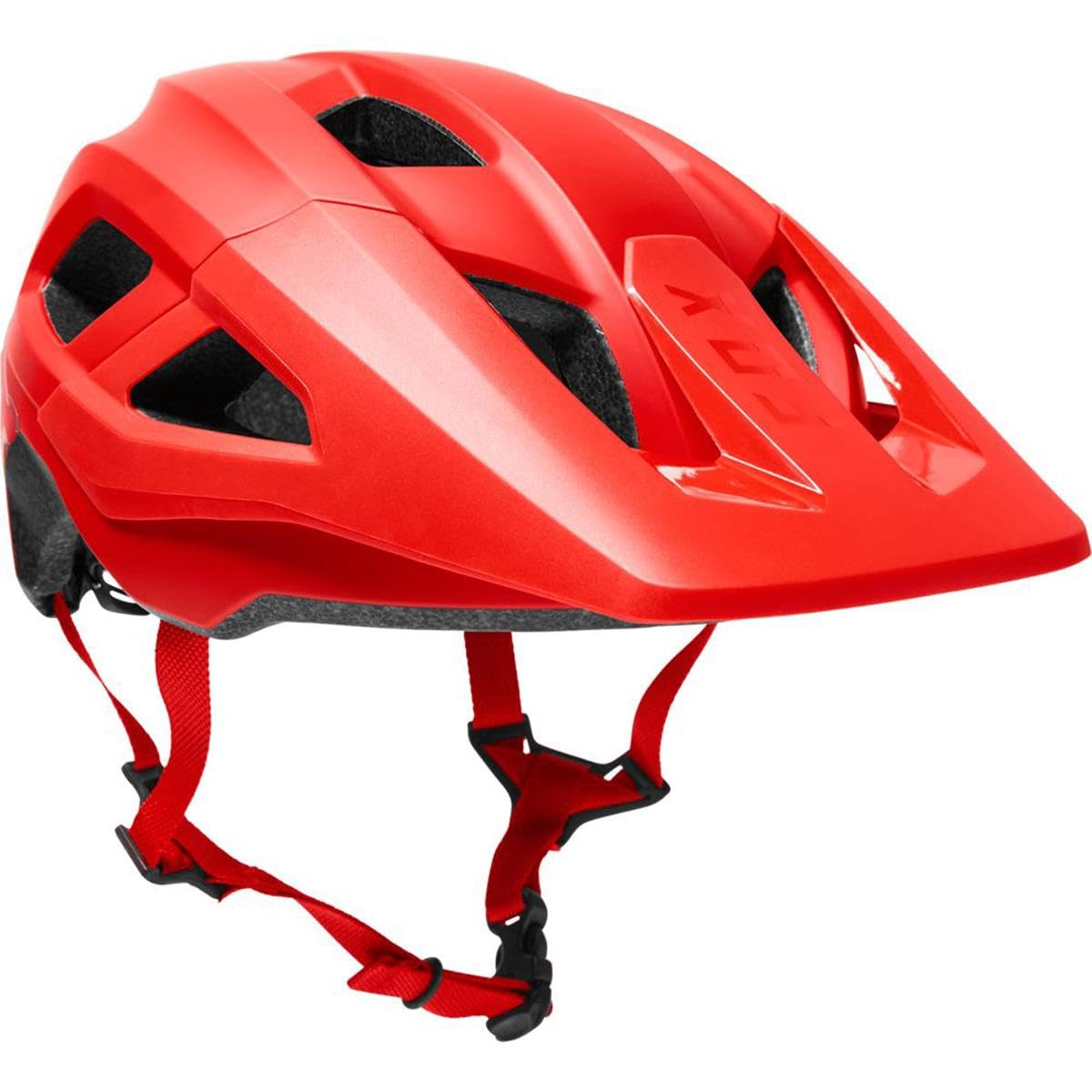
The Fox Racing Mainframe is a dedicated mountain bike helmet that extends further down the back of the head than a standard road lid, offering added protection for trail riding where falls can happen at awkward angles. The MIPS system is integrated directly into the fit system, reducing weight and bulk compared to add-on MIPS liners. The channeled, in-molded EPS foam works with the 15+ vent openings to keep air moving even during steep, sweaty ascents.
Fit is handled by a simple but effective adjustable retention cradle that wraps around the occipital bone. The removable, washable moisture-wicking liner is a practical touch for muddy or multi-day rides — you can clean it without dismantling the helmet. Riders note that the Mainframe runs slightly snug in the temples, so trying the size or ordering up if you are between sizes is wise. The matte red finish is vivid without being reflective, keeping the look aggressive but not flashy.
One limitation: there is no dedicated goggle clip on the back of the helmet, so goggles must be worn over the front visor area if you need to stow them mid-ride. The build quality feels robust, and the 1.5-pound weight is reasonable for a helmet with this level of coverage. If you primarily ride mountain trails and want MIPS protection without a huge budget jump, this is a strong contender.
Why it’s great
- Low-profile MIPS integrated into the fit system
- Extended rear coverage for trail-specific safety
- Removable, washable liner for easy cleaning
Good to know
- No rear goggle clip for stowing eyewear
- Temple fit can be snug for wider head shapes
3. Smith Engage MIPS + Koroyd Cycling Helmet

The Smith Engage pairs MIPS with zonal Koroyd coverage — a lattice of thin, welded tubes that crumple on impact to absorb energy while maintaining airflow through the structure. This dual-layer approach gives you two different impact-management systems working in parallel, a feature typically found on helmets at a higher price point. With 20 fixed vents and deep internal exhaust channels, this is one of the most breathable trail helmets you can wear in hot conditions.
The adjustable visor pushes up into two positions, letting you stow goggles underneath or lift the brim for better uphill visibility. The Ionic+ lining uses silver-based odor control that activates with sweat, keeping the interior fresher on multi-day trips. Riders consistently call this the most comfortable helmet they have owned — the fit cradles the head without pressure points, and the extended rear coverage protects the occiput without restricting neck movement.
The only notable downside is that the buckle can be stiff to fasten, especially with gloves on, and some users find the matte color finishes less vibrant than expected. At 20 grams listed weight (spec sheet appears to be an error; real-world weight is roughly 380 grams for a medium), the Engage feels solid without being heavy. If you ride rough trails and want a premium safety package that stays cool, this is the pick.
Why it’s great
- Dual Koroyd + MIPS impact protection system
- 20 vents with deep channeling for exceptional cooling
- Adjustable two-position visor with goggle compatibility
Good to know
- Buckle can be stiff to close with gloved hands
- Color finishes appear desaturated in person
4. Lumos Ultra Bike Helmet
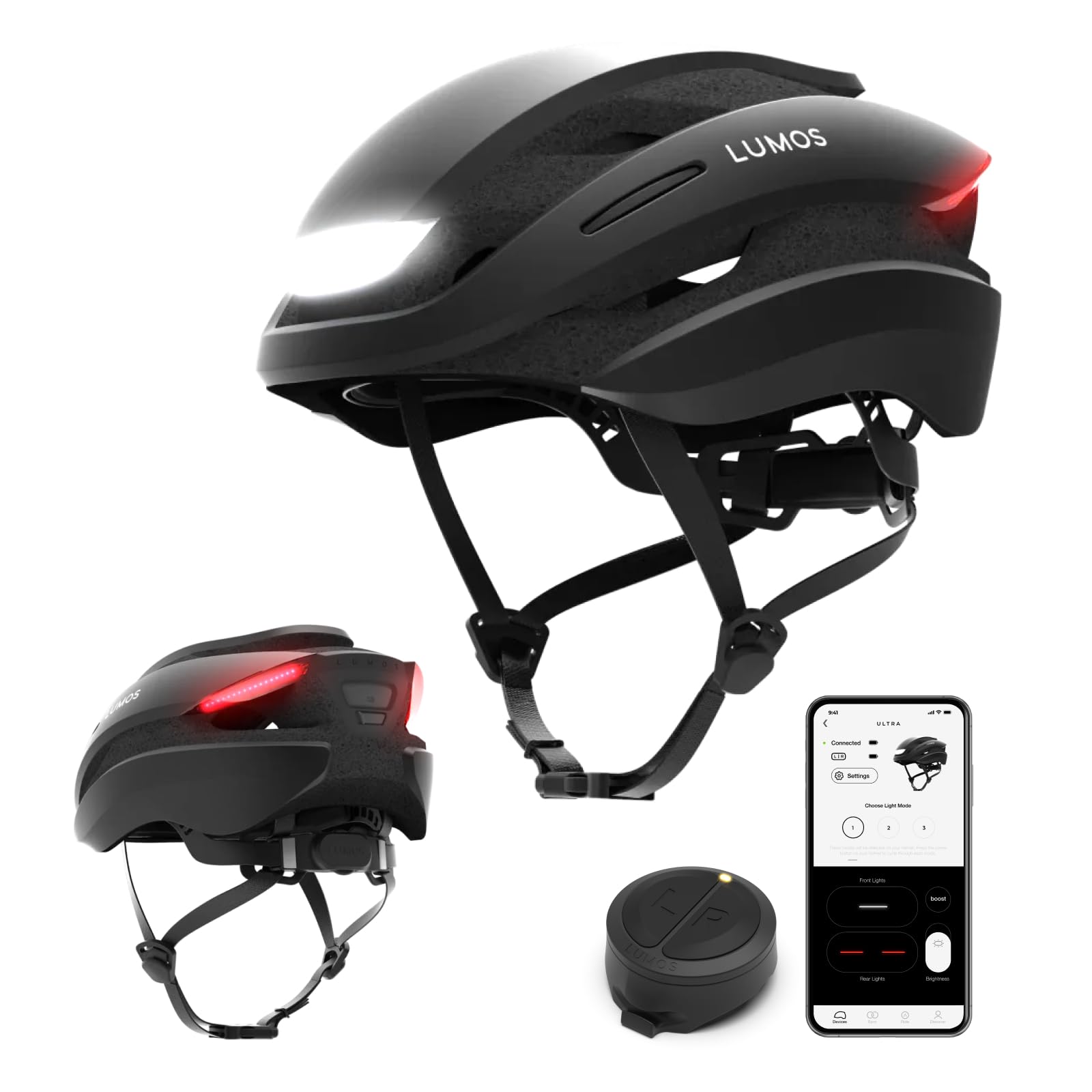
The Lumos Ultra is built for commuters who prioritize visibility above all else. The integrated front and rear LED lights are TÜV-certified, meaning they meet strict European standards for brightness and beam pattern. The rear turn signals are activated by the included wireless Remote Lite, which clips to your handlebar — press left or right, and the helmet’s rear amber LEDs cascade to signal your intention. Pairing the separate Lumos Remote adds automatic brake light and synchronized flashing with compatible Lumos bike lights.
The shell is polycarbonate over EPS foam, available with or without a MIPS layer. The 390-gram weight is slightly heavier than a standard road helmet, but the lighting hardware justifies the extra grams. Battery life reaches up to 10 hours on lower brightness modes and around 4 hours with full constant lighting. Charging is via USB-C, and the Lumos app lets you adjust brightness levels and lighting modes without fiddling with tiny buttons mid-ride.
Riders with broader head shapes — sometimes called “Asian head syndrome” — report that the Lumos Ultra fits well where other helmets pinch. The padding is comfortable but not overly plush, and the retention dial adjusts smoothly. One caveat: the integrated light is excellent for being seen, but it is not designed to illuminate the road in front of you — you still need a dedicated handlebar headlight for night riding. For urban commuters, the safety visibility boost is substantial.
Why it’s great
- TÜV-certified front and rear integrated lights
- Wireless turn signal control via Remote Lite
- Accommodates wider head shapes comfortably
Good to know
- Integrated light is not a substitute for a headlamp
- Heavier than a standard road helmet
5. Thousand Heritage 2.0 Adult Bike Helmet

The Thousand Heritage 2.0 is a low-profile, retro-styled helmet that does not look like a piece of sporting equipment. The smooth polycarbonate shell and leather interior trim give it a aesthetic that fits equally well with a commuter jacket or a skateboard deck. Beneath the looks, it meets CPSC safety standards and includes a Dial Fit System for micro-adjustments. The standout commuter feature is the PopLock — a hidden channel behind the front logo that lets you thread a U-lock or chain lock through the helmet so you can leave it locked to your bike.
The magnetic clasp is a welcome upgrade over standard plastic buckles — it aligns and clicks shut automatically, which is convenient for riders who put their helmet on and take it off repeatedly during a commute. Ventilation is handled by several top vents and rear exhausts, and riders in hot climates like Florida report that airflow is adequate even in 90-degree weather. The brim provides shade for the eyes and helps block sun glare without obstructing peripheral vision.
One trade-off: at 2 pounds, the Heritage is heavier than many modern sport helmets, and the interior leather trim can feel warm in direct summer sun compared to mesh liners. The included rear reflector slot is useful but does not match the brightness of an active LED light. If your priority is a helmet that blends into your daily style as much as it protects, this is a unique and practical option.
Why it’s great
- PopLock channel lets you secure helmet to your bike
- Magnetic clasp makes fastening effortless
- Stylish low-profile design for everyday wear
Good to know
- Heavier than traditional road or MTB helmets
- Leather interior and lack of deep vents can feel warm
6. OutdoorMaster Adult Bike Helmet with Goggles

The OutdoorMaster helmet packs an impressive set of features for its budget-friendly price point. It comes with detachable magnetic goggles that snap securely to the front of the helmet, blocking UV rays, wind, and road debris. A removable sun visor clips on above the goggles, giving you three different face configurations depending on the ride. The rear of the helmet houses a Type-C rechargeable LED light with nine lighting modes — blinking, pulsing, and solid options that sit at eye level for drivers behind you.
The in-mold construction bonds a polycarbonate shell to the EPS foam liner, meeting both CPSC and ASTM standards. Seventeen vents provide adequate airflow, and the 0.4-kilogram weight makes it one of the lighter helmets with an integrated light. The adjustable dial and chin strap give a secure fit, and multiple reviewers note that it fits small heads well straight out of the box. The magnetic goggles are easy to remove and reattach mid-ride, a convenience usually reserved for much pricier snow sport helmets.
The rear light is not the brightest in full daylight — it is most effective in overcast or low-light conditions. The magnetic goggles are comfortable for most face shapes but may not create a perfect seal for riders with very narrow faces. For the price, the accessory set and integrated light make this a compelling pick for recreational riders and commuters who want versatility without spending heavily.
Why it’s great
- Includes magnetic goggles and sun visor for versatile use
- Type-C rechargeable rear LED with 9 modes
- Lightweight construction at 0.4 kg
Good to know
- Rear light visibility is limited in bright daylight
- Goggle seal may not fit very narrow face profiles
7. Schwinn Beam Lighted Helmet

The Schwinn Beam is a straightforward, no-fuss helmet designed for entry-level and budget-conscious riders who want a rear light without paying a premium. The integrated rear LED is bright enough for nighttime and dusk commuting, and reflective strips on the top and sides add an extra layer of passive visibility. The three-piece microshell construction is more durable than a single molded piece, and the 12.8-ounce weight makes it feel light on the head.
The adjustable dial retention system and side straps provide a snug fit, and the 17 air vents plus removable sun visor keep things comfortable across a range of temperatures. Riders with larger heads appreciate that the 58–62 cm size range fits well without pressure points. One clever detail: the shell changes color slightly in direct sunlight, a visual cue that the UV stabilizers are active. The simple push-button light on/off switch is easy to operate with gloves.
A common fit critique is that the chin strap buckle sits at the Adam’s apple area on some riders, requiring a careful adjustment of the side straps to pull it into a more comfortable position. The LED light runs on CR2032 batteries rather than being rechargeable, which means occasional battery swaps. For the price, the combination of a low-profile integrated light and reliable CPSC certification makes the Beam a solid choice for casual riders and families.
Why it’s great
- Bright integrated rear LED with easy on/off switch
- Three-piece microshell for added durability
- Lightweight at 12.8 ounces with 17 vents
Good to know
- Chin strap buckle can hit the Adam’s apple on some riders
- Rear light uses replaceable coin batteries, not USB rechargeable
FAQ
Is MIPS worth the extra cost in a cycle helmet?
How do I know if a cycle helmet fits properly?
Can I use a bike helmet for skateboarding or roller skating?
What does the weight of a helmet mean for comfort?
How often should I replace my cycle helmet?
Final Thoughts: The Verdict
For most users, the best cycle helmet winner is the Giro Register II MIPS because it delivers proven MIPS protection in a lightweight, well-ventilated package at a reasonable price — a true everyday helmet that works for road, path, and light trail riding. If you want trail-specific coverage with advanced dual-layer protection, grab the Smith Engage MIPS + Koroyd. And for commuters who need maximum visibility from integrated lights and turn signals, nothing beats the Lumos Ultra.

Mo Maruf
I created WellFizz to bridge the gap between vague wellness advice and actionable solutions. My mission is simple: to decode the research and give you practical tools you can actually use.
Beyond the data, I am a passionate traveler. I believe that stepping away from the screen to explore new environments is essential for mental clarity and physical vitality.