Our readers keep the lights on and my smoothie glass nicely filled. As an Amazon Associate, I earn from qualifying purchases.
The frustration of a blooming garden that refuses to produce stems for a vase is a familiar sting for anyone who grows flowers for arrangements. You watch those petals open, only to see them stay stubbornly rooted to the plant with a short, weak neck that wilts the second you snip it. The real barrier between a flower patch and a reliable cutting garden is seed genetics bred for vase life, stem length, and repeat blooming under the pressure of a harvest.
I’m Mohammad Maruf — the founder and writer behind WellFizz. My approach to seed selection focuses on germination rates, bloom-to-stem ratios, and the specific branching habits that let a plant keep producing flowers after each cut.
After analyzing dozens of packets from five different brands, I have narrowed the field down to the five most dependable options. Whether you are starting your first cutting patch or restocking a well-established plot, this guide to the best cut flower seeds will help you pick a mix that actually fills your vases all season long.
How To Choose The Best Cut Flower Seeds
Not every flower seed is built for the vase. A variety that blooms beautifully in a border may produce stems too short or necks too weak to survive a 24-hour period in water. The best cut flower seeds share a specific set of traits: tall, sturdy stems, a long bloom window, and a “cut and come again” habit that triggers more blooms when you snip the main stalk.
Branching Habit and Stem Length
A flower bred for cutting grows multiple side shoots from a single main stem. When you harvest the central bloom, the side shoots develop into secondary stems that produce equally good flowers two to three weeks later. Look for descriptions that mention “cut and come again” or “continuous bloom” — these varieties are specifically bred to handle repeated harvests. Stem length should stretch above 18 inches; anything shorter tends to look stubby in a mixed bouquet.
Seed Count Versus True Germination
A packet that boasts 200,000 seeds sounds like a bargain, but raw seed count matters less than the germination rate and the ratio of annuals to perennials. Perennials often take an entire growing season to establish before they bloom, so a mix heavy on perennials will give you very few usable flowers in year one. Read the fine print: a high annual percentage (60% or more) ensures you get blooms worth cutting in the first season.
Freshness and Storage
Seeds lose viability every year they sit in a warehouse. Check the packaging date if available, and always buy from sellers who use resealable, moisture-proof pouches. A foil zip pouch keeps seed dormancy stable and prevents the dampness that kills germination. Avoid paper packets for long-term storage — they let humidity in and reduce sprout success rates dramatically.
Quick Comparison
On smaller screens, swipe sideways to see the full table.
| Model | Category | Best For | Key Spec | Amazon |
|---|---|---|---|---|
| NatureZ Edge Crazy Cosmos | Premium Cosmos Mix | High-volume cutting gardens | 9,450 seeds, 2.25 oz, 11 varieties | Amazon |
| Sweet Yards Zinnia Cut & Come Again | Zinnia Single Variety | Beginner cut flower growers | 4,000 seeds, 1 oz, single zinnia mix | Amazon |
| Fruivity 200K Wildflower Mix | Premium Wildflower Blend | Large meadow-style cutting patches | 200,000+ seeds, 4 oz, 16 varieties | Amazon |
| Sweet Yards Cut Flower Garden Mix | Annual & Perennial Blend | Diverse first-season color | 7,500+ seeds, 1 oz, 20+ species | Amazon |
| PLANTMEW Strawberry Pink Sunflower | Specialty Sunflower | Unique rare-color bouquets | 300+ seeds, 0.35 oz, single pink variety | Amazon |
In‑Depth Reviews
1. NatureZ Edge Crazy Cosmos Seeds (2.25 oz)
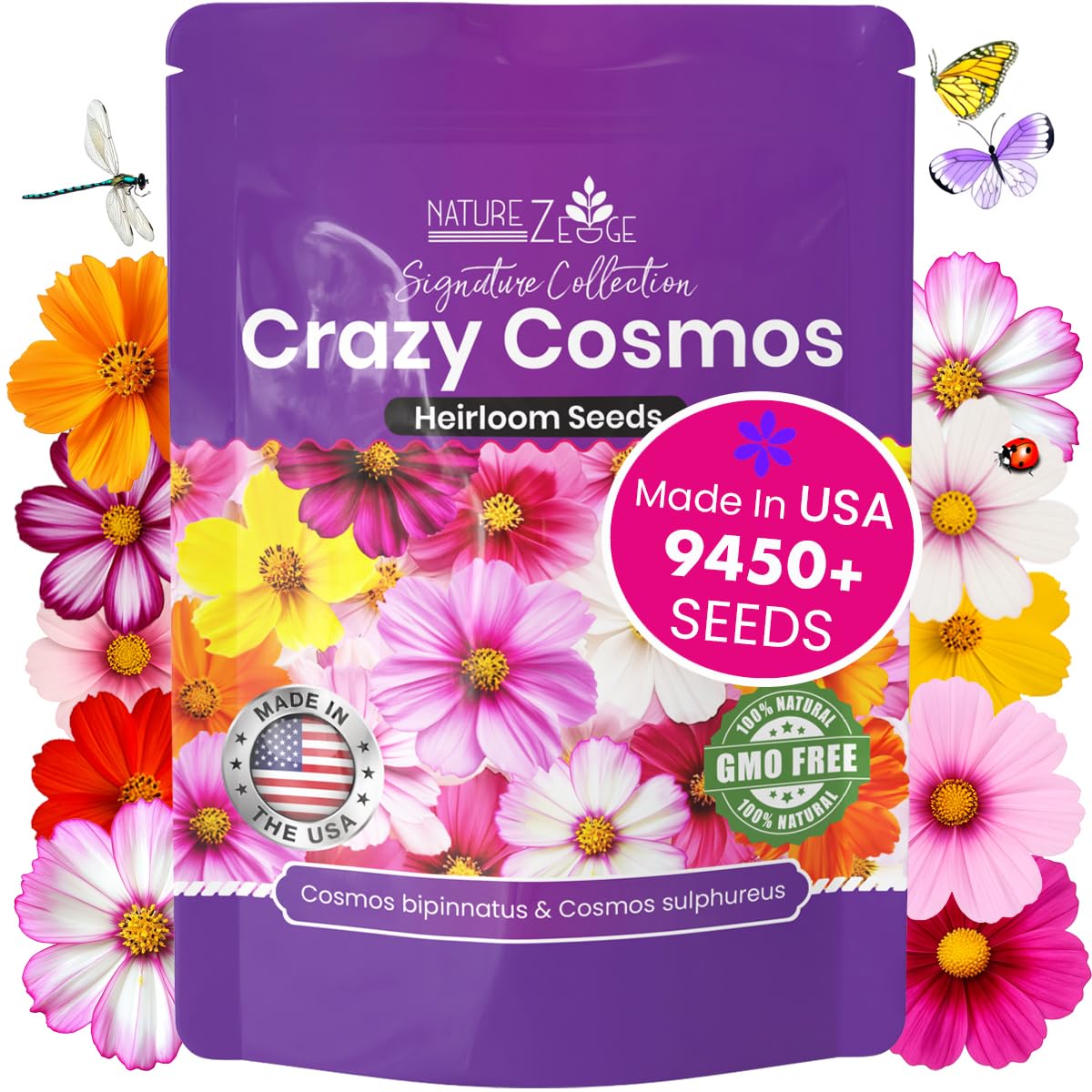
This is the single best value proposition for anyone serious about filling vases from a single sowing. The 2.25-ounce pouch holds 9,450 seeds across 11 distinct cosmos varieties, including AAS-winning Sensation and Bright Lights lines that are bred specifically for tall, sturdy stems. Cosmos are among the fastest annuals to go from seed to bloom — roughly 60 to 75 days — and they keep producing flowers right up until the first hard frost if you keep cutting them.
The resealable foil pouch is a small but critical detail: it protects the remaining seeds from humidity so you can sow a second wave in mid-summer and still get high germination rates. Customer reviews consistently report rapid sprouting in 7 to 14 days with strong transplant hardiness, even in zone 8B conditions. At 36 to 60 inches tall, these stems have the heft needed for large bouquet arrangements without flopping over in the vase.
Because cosmos are so vigorous, this blend supports pollinator populations while also providing cut flower material. The mix contains pinks, whites, oranges, and maroons, which gives you enough color variation to build bouquets without supplementing other varieties. For a dedicated cutting patch, this is the one to beat.
Why it’s great
- Massive seed count (9,450) ensures coverage of 1,200+ sq ft for large cutting beds
- Eleven varieties provide built-in bouquet diversity without mixing bags
- AAS-winning genetics guarantee tall stems and fast, reliable bloom times
Good to know
- All cosmos are annuals — they will need re-sowing each season
- Packet packaging explicitly markets a 2026 date, so check that the stock is fresh for this growing season
2. Sweet Yards Zinnia Cut & Come Again Mix (1 oz)

Zinnias are arguably the most beginner-friendly cut flower, and this 1-ounce packet from Sweet Yards leans into that strength with a “cut and come again” mix that rewards frequent harvesting. The 4,000 seeds cover roughly 125 square feet, which is enough for a dedicated 10-by-12-foot cutting bed. Zinnia elegans grows quickly — expect blooms by late May in zone 7B if started indoors in March or direct-sown after the last frost.
What sets this apart from a generic zinnia packet is the branching habit. The Cut & Come Again Mix is selected for plants that produce multiple side shoots from a single stalk. When you cut the main flower, those side shoots develop into secondary blooms that are just as large and vase-worthy. Customer reports confirm that the same packet remains viable for up to three years if stored in the resealable pouch.
Stem height easily exceeds 5 feet in good soil, which gives you the length needed for tall arrangements. The color range is bright and varied, covering pinks, reds, oranges, purples, and yellows. For a first-time cut flower gardener or anyone looking for a low-maintenance workhorse, this packet delivers a high percentage of usable stems per square foot of garden space.
Why it’s great
- True branching zinnia genetics produce multiple harvestable stems per plant
- Seeds remain viable for up to three years in the resealable foil package
- High germination rate reported by nearly all users, even with March indoor starts
Good to know
- Zinnias are susceptible to powdery mildew in humid climates if foliage stays wet
- Single variety means no diversity — you will want to pair it with other seed types for color range
3. Fruivity 200,000+ Wildflower Seeds Bulk (4 oz)
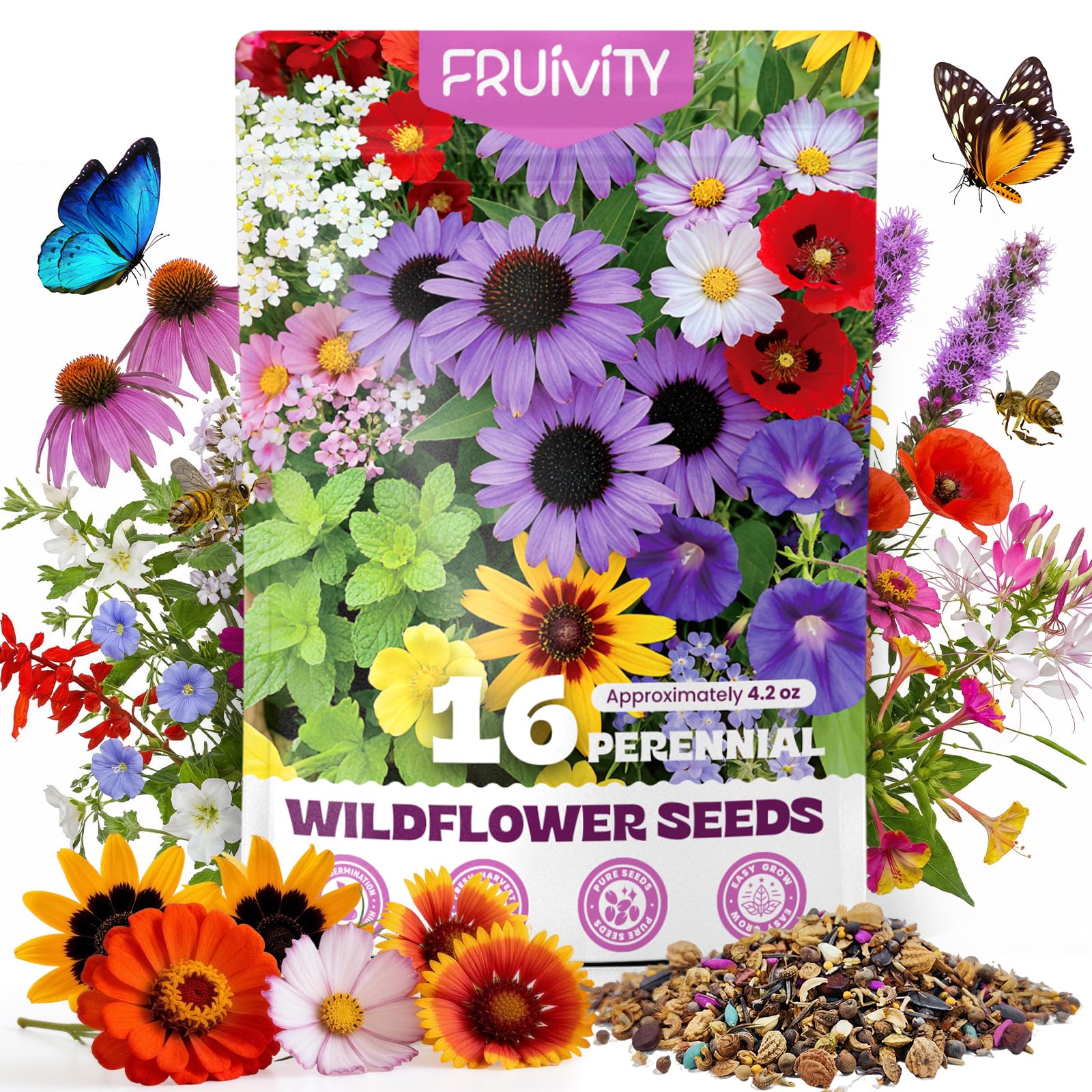
When you want to turn a large patch of ground into a cutting garden without painstakingly spacing individual rows, this 4-ounce bulk mix is the right tool. The 200,000-plus seed count covers substantial real estate — think roadside strips, meadow edges, or a dedicated pollinator-cutting zone. It contains 16 varieties including Purple Jasmine, Zinnia, and Cosmos, all selected for nectar production and prolonged bloom.
The “throw and grow” method actually works here because the blend is heavy on annuals that germinate fast in full sun. Lab testing shows sprouting in 7 to 20 days, and customer accounts note visible growth within 8 to 10 days after scattering on prepared soil. The drought-tolerant character of the mix is a real advantage for anyone who cannot water a large patch daily — these plants establish deeper root systems and survive dry spells better than pampered bedding annuals.
There is one caveat: a small number of buyers reported zero germination from their bag, which suggests occasional batch variability. Still, the overwhelming majority of reviews show robust growth and blooms starting around day 45. The resealable moisture-proof pouch keeps unused seed viable for successive sowings, allowing you to stagger plantings for continuous cutting all summer.
Why it’s great
- Extremely high seed count (200,000+) covers large areas without precise spacing
- Drought-tolerant perennials and annuals reduce watering demands once established
- Attracts bees, butterflies, and hummingbirds while producing usable cut stems
Good to know
- Some reviewers reported zero germination, indicating possible batch inconsistency
- Perennial varieties in the mix may not bloom heavily until the second season
4. Sweet Yards Cut Flower Garden Mix (1 oz)
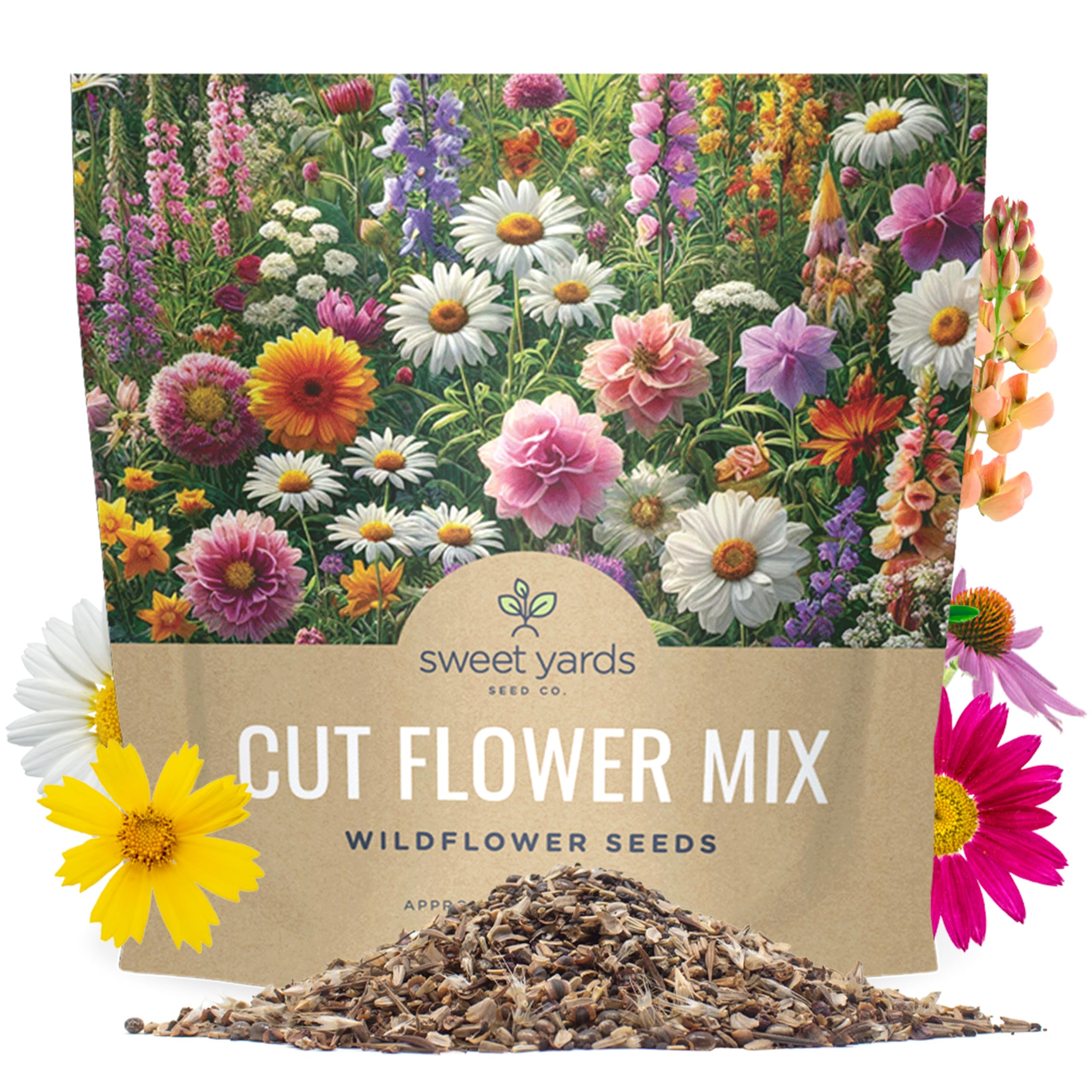
This 1-ounce mix packs over 7,500 seeds from more than 20 species, making it the most biodiverse single packet in this lineup. It includes China Aster, Baby’s Breath, Bishop’s Flower, Cosmos, Gloriosa Daisy, Iceland Poppy, Purple Coneflower, and several coreopsis varieties — each chosen for its cutting suitability. The blend skews toward annuals but includes enough perennials (like Purple Coneflower and Lance-Leaved Coreopsis) to provide returning color in subsequent years.
The variety is the standout feature here. You get flowers in nearly every color of the spectrum, from the deep purples of Echinacea to the bright yellows of Plains Coreopsis and the soft whites of Shasta Daisy. This limits the need to buy multiple separate packets when you want a mixed bouquet look. The open-pollinated nature of the seeds also means you can save seed from the strongest performers and replant them the following season.
Stem heights vary by species — expect everything from 12-inch Baby’s Breath to 4-foot Cosmos and Delphinium. The lighter-weight flowers like Baby’s Breath work as filler material in bouquets, while the taller varieties serve as the structural anchor. For a gardener who wants a true cutting garden experience from a single sowing, this mix delivers the broadest palette.
Why it’s great
- Over 20 species provide the widest color and texture range in a single packet
- Includes both annuals (instant blooms) and perennials (returning growth)
- Open-pollinated genetics allow seed saving for future seasons
Good to know
- Seed count (7,500) is lower than premium packets, requiring more careful sowing to fill large spaces
- Perennials may not produce cutting-quality stems until the second year
5. PLANTMEW Strawberry Pink Sunflower Seeds (300+)
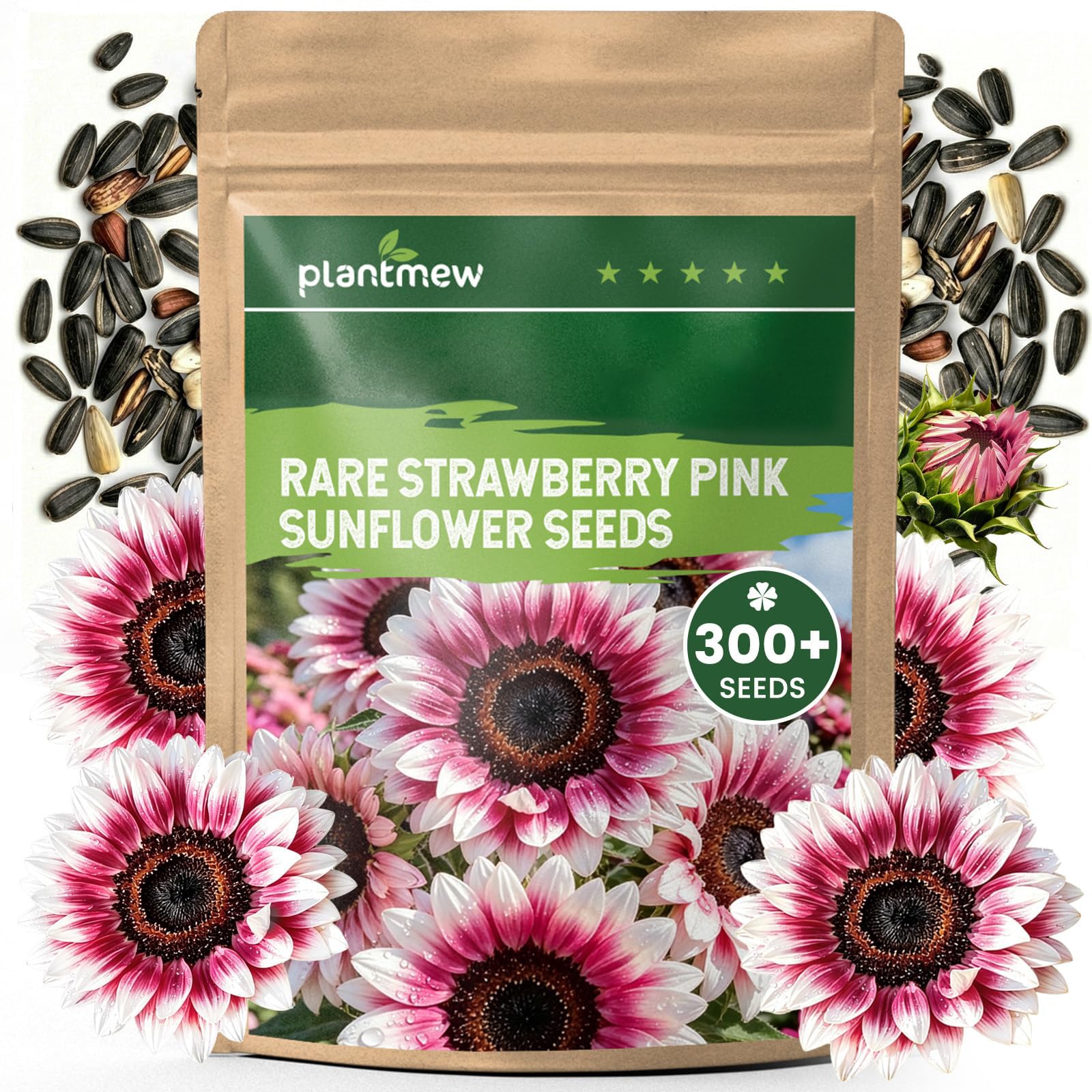
Not every cutting garden needs to be built on traditional wildflower mixes. This Strawberry Pink Sunflower from PLANTMEW offers a specific conversation piece: soft pink petals on a sunflower that tops out around 6 feet tall. The 300-plus seed count is modest compared to the bulk mixes above, but that is by design — these are intended for intentional placement in a mixed border or a dedicated sunflower row rather than broadcast scattering.
The open-pollinated heirloom genetics produce strong, single-stem plants that branch into multiple blooms when the central head is cut. Most reviewers saw germination within a week and vigorous growth even in full summer sun. The pink coloration is genuinely rare for sunflowers, and the stems are sturdy enough to support large cut heads without bending. The included growing guide is helpful for beginners who have not grown sunflowers from seed before.
One downside: a single reviewer reported stunted plants that only reached 8 inches with tiny flowers, which suggests that soil quality or seed depth during sowing may have been the culprit rather than the seed itself. For the price of entry, this is a low-risk way to add a striking, unusual element to your cut flower lineup that neighbors will ask about.
Why it’s great
- Rare pink sunflower color provides a unique pop in bouquets that standard yellow sunflowers cannot match
- Fast germination and heat tolerance make them reliable even in peak summer
- Pollinator-friendly blooms attract bees and butterflies to the cutting garden
Good to know
- One report of poor germination suggests soil-prep sensitivity
- Only one color variety — must be paired with other seed types for bouquet diversity
FAQ
Can I start cut flower seeds indoors or should I direct sow them?
How often should I cut the flowers to keep the plants producing?
Final Thoughts: The Verdict
For most users, the best cut flower seeds winner is the NatureZ Edge Crazy Cosmos Mix because it combines an enormous seed count with proven AAS-winning genetics that produce tall, sturdy stems perfect for repetitive cutting. If you want a beginner-friendly branching flower that keeps producing after every harvest, grab the Sweet Yards Zinnia Cut & Come Again Mix. And for a large-scale meadow cutting patch with drought-tolerant resilience, nothing beats the Fruivity 200K Wildflower Mix.

Mo Maruf
I created WellFizz to bridge the gap between vague wellness advice and actionable solutions. My mission is simple: to decode the research and give you practical tools you can actually use.
Beyond the data, I am a passionate traveler. I believe that stepping away from the screen to explore new environments is essential for mental clarity and physical vitality.