Our readers keep the lights on and my smoothie glass nicely filled. As an Amazon Associate, I earn from qualifying purchases.
Landing hard on a sharp rock mid-stride or feeling every root rattle through your shins turns a good trail run into a painful retreat. The right cushioned trail shoe doesn’t just soften the blow—it changes how your legs feel the next morning by absorbing impact before it reaches your knees and hips.
I’m Mohammad Maruf — the founder and writer behind WellFizz. I’ve spent hundreds of hours analyzing midsole foams, outsole rubber compounds, and weight-to-cushion ratios across dozens of trail shoes to separate the shoes that actually protect your feet from the ones that just look soft on paper.
This guide breaks down the nine most capable models across multiple price tiers and terrain styles to help you confidently select the best cushioned trail shoes for your specific foot shape and riding style.
How To Choose The Best Cushioned Trail Shoes
Trail shoes walk a tightrope between plush comfort and ground-feel stability. The ideal shoe keeps you protected from rocks without making you feel disconnected from the trail. Focus on these three factors before swiping your card.
Foam Density vs. Stack Height
A 35mm stack of soft foam might feel heavenly on the first mile but can leave your ankles wobbling on loose scree. High-density foams like PEBA or EVA blends offer better energy return and stability, while softer compounds absorb more vibration. The trick is finding a midsole that compresses just enough to mute sharp edges but firms up under load to maintain your gait.
Outsole Grip Pattern
Cushioning means nothing if you slide sideways on wet roots. Look for Vibram Megagrip or MaxTrac rubber compounds with 3.5mm to 5mm lugs. Wider spaced lugs shed mud faster, while chevron patterns bite into loose soil. A rock plate embedded between the outsole and midsole prevents sharp stones from bruising the footbed even under maximum cushion compression.
Heel-to-Toe Drop and Toe Box Volume
Zero-drop shoes (like Altra’s Lone Peak) encourage a natural forefoot strike but demand stronger calves on steep descents. Higher drops around 8mm shift impact absorption toward the heel, which suits heel-strikers. Equally important is toe box volume — a narrow toe box crushes toes on downhill sections, while a wide toe box lets your toes splay for better balance on uneven ground.
Quick Comparison
On smaller screens, swipe sideways to see the full table.
| Model | Category | Best For | Key Spec | Amazon |
|---|---|---|---|---|
| Brooks Ghost Trail | Premium | Road-to-trail transitions | DNA LOFT V3 midsole, ~10-10.5 oz | Amazon |
| The North Face Altamesa 500 | Premium | Maximum cloud-like cushion | Highly cushioned, 3 lb weight | Amazon |
| KEEN Roam | Premium | Soft relief for bad knees | Wide toe box, 4-mile daily wear | Amazon |
| Saucony Xodus Ultra 4 | Premium | Firm cushion on rocky terrain | Ample cushion, quick heel wear | Amazon |
| ALTRA Lone Peak 9 (Men’s) | Mid-Range | Zero-drop, wide toe box fans | MaxTrac outsole, 1.54 lb | Amazon |
| ALTRA Lone Peak 9 (Women’s) | Mid-Range | High arches, lumbar support | Foot-shaped toe box, zero-drop | Amazon |
| ASICS Trabuco Max 4 | Mid-Range | Stability plus thick sole | 1.44 lb, large toe box | Amazon |
| New Balance Fresh Foam X Hierro V9 | Mid-Range | Megagrip traction on loose terrain | Vibram Megagrip outsole, 2.1 lb | Amazon |
| The North Face Altamesa 300 | Mid-Range | Budget-friendly all-day standing | Lightweight, high rebound midsole | Amazon |
In‑Depth Reviews
1. Brooks Ghost Trail
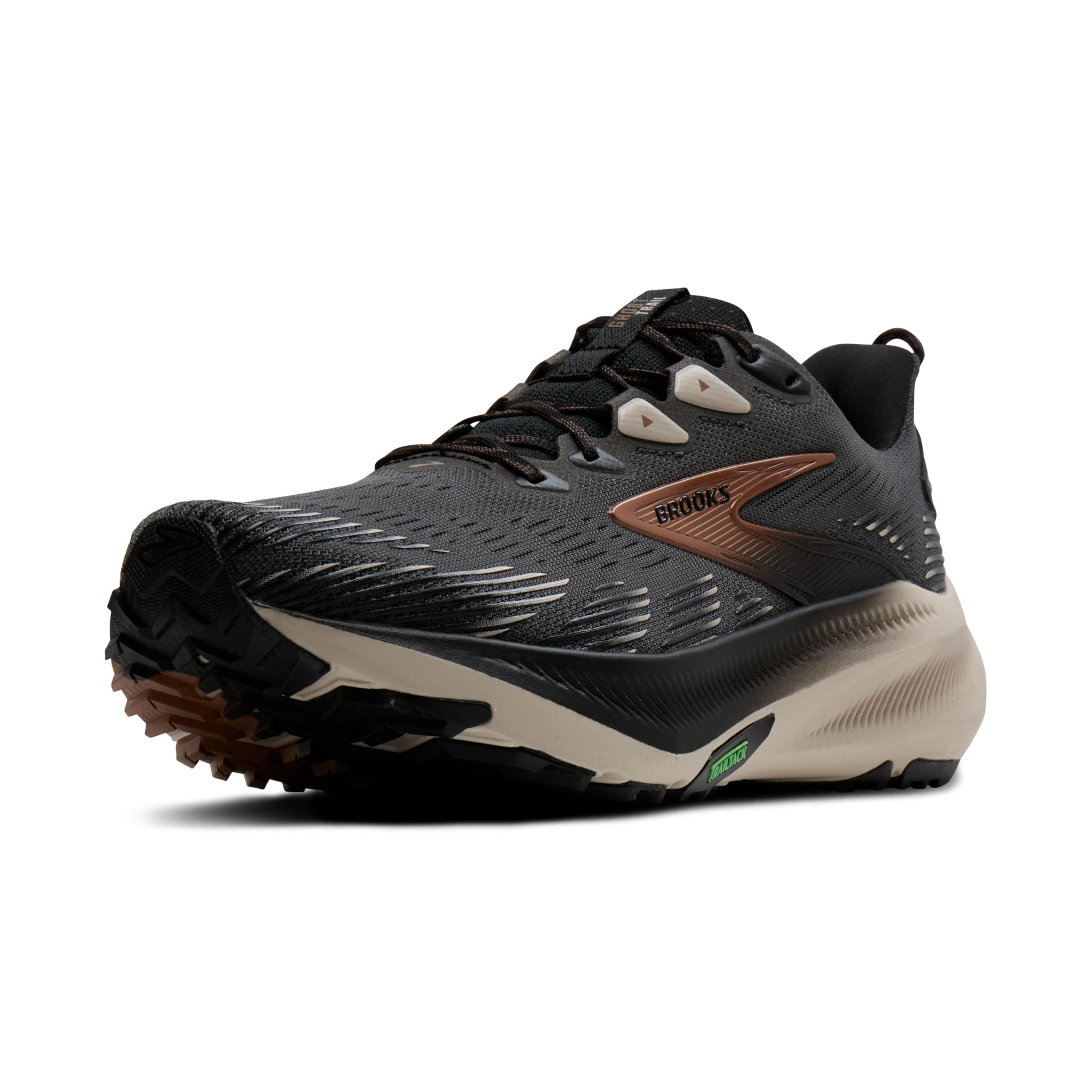
The Brooks Ghost Trail brings the legendary road-shoe DNA LOFT V3 cushioning to off-road terrain without turning it into a marshmallow. Runners report that the softness barely registers sharp rocks underneath — the midsole absorbs irregularities while remaining responsive enough for 12-15 mile weekly runs on hilly, rocky paths. The transition from pavement to gravel feels seamless because the stretchy upper doesn’t constrict toe splay.
Reviewers consistently note true-to-size fit and a roomy toe box that accommodates natural foot swelling on longer efforts. Weight lands around 10 to 10.5 ounces, which is surprisingly light for a shoe with this much stack height. The outsole grips mud and loose gravel without excessive noise on hardpack, making it a versatile pick for recovery runs, gym sessions, and daily errands.
The Ghost Trail is not a technical rock-crawling shoe — it’s built for the runner who wants plush road comfort with enough bite for gravel paths and moderate singletrack. Several users mention that it dramatically reduced knee pain compared to firmer trail shoes, confirming that the cushioning does exactly what it’s supposed to do: absorb impact before it reaches your joints.
Why it’s great
- DNA LOFT V3 foam is soft without feeling mushy
- Roomy toe box allows natural splay on descents
- Light enough for hybrid road-to-trail runs
Good to know
- Not designed for highly technical rocky terrain
- Upper material may show wear faster than burly mesh
2. The North Face Altamesa 500
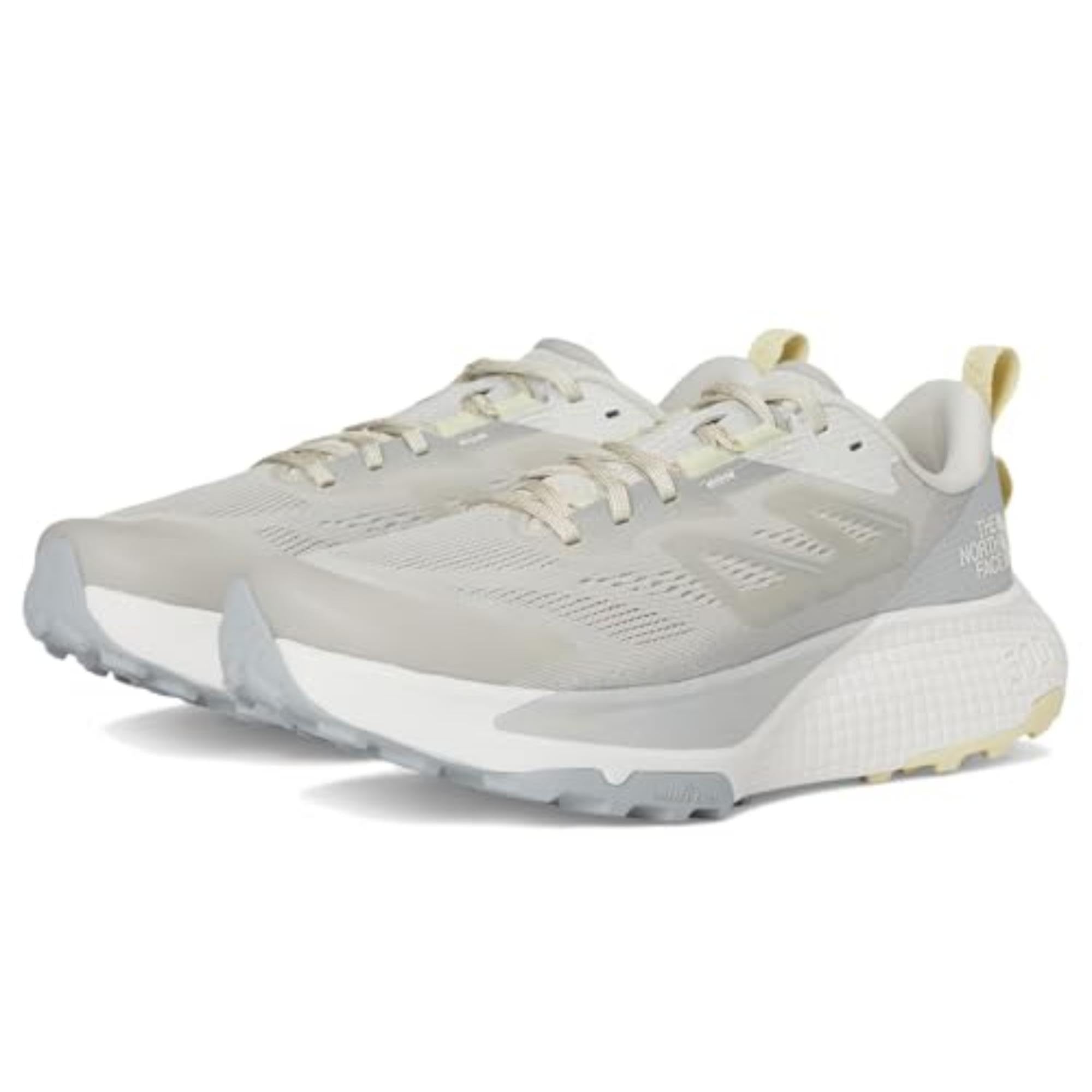
The Altamesa 500 is almost twice as comfortable as its already-cushioned 300 sibling, according to hikers who upgraded specifically for the extra plushness. The midsole foam compresses deeply under heel strike, making uneven surfaces feel like soft tarmac. A durable toe cap protects against rock stubs, and the roomy forefoot gives toes space to spread during long descents.
Weighing in at around 3 pounds per pair, this is not a lightweight speedster — it’s a comfort-first hiking shoe designed for hours on your feet. Multiple users report wearing them for full cruise excursions and Las Vegas walking days without any foot fatigue. The outsole provides reliable grip on dry dirt and moderate loose gravel, though very wet conditions may challenge the tread pattern.
AT thru-hikers and users with disabilities praise the Altamesa 500 for allowing all-day wear without pain. The trade-off is bulk: the high stack height raises your center of gravity slightly, which may feel unstable on extremely technical side-hilling sections. For the person who wants couch-like softness on maintained trails, this shoe delivers in spades.
Why it’s great
- Extremely soft, cloud-like cushioning for all-day wear
- Roomy toe box and reinforced toe cap protect against stubs
- Highly recommended by long-distance hikers
Good to know
- Heavy at 3 lbs per pair, not for speed work
- High stack may feel tippy on narrow, angled trails
3. KEEN Roam
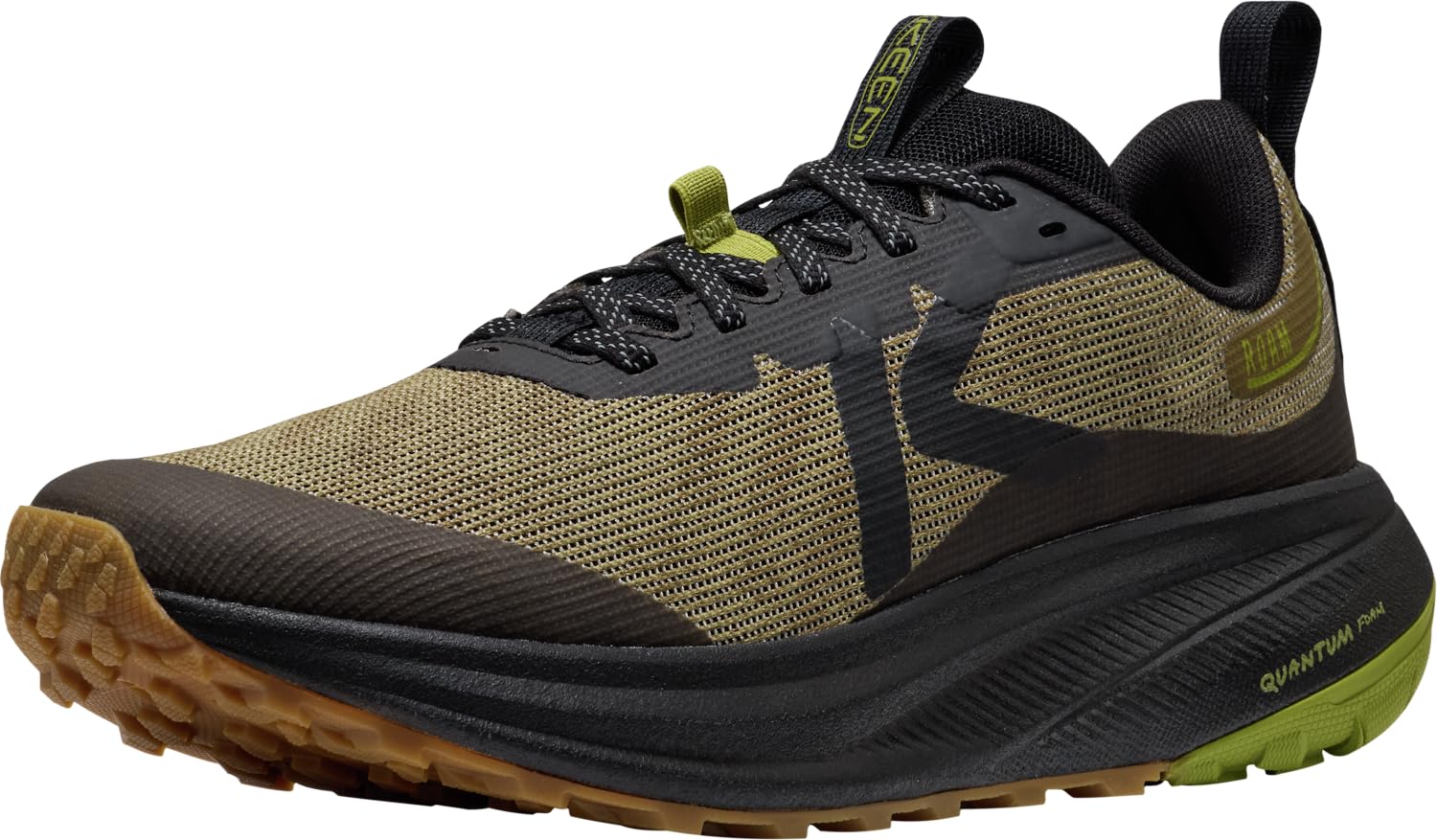
The KEEN Roam has earned a reputation as arguably the most comfortable shoe for people with joint issues. Users with prior knee surgeries and cartilage removals report that the outsole is “so soft and squishy” it provides immediate relief during daily walks. The wide toe box eliminates pinch points, and the midsole’s compression absorbs shock that would otherwise travel up the leg chain.
Construction quality stands out — the upper uses durable materials that hold shape after months of wear. The arch support is generous enough that several reviewers replaced their standard sneakers and hiking boots entirely with the Roam. Breathability is solid without sacrificing structural integrity, and the outsole grip handles dog walks and paved paths with equal confidence.
This is not a shoe for aggressive trail running or technical scrambling. The cushioning leans heavily toward the plushest end of the spectrum, which means ground feel is intentionally muted. For a 70-year-old walking four miles daily or anyone nursing a bad knee, that trade-off is exactly what they need. Minimal break-in time means comfort right out of the box.
Why it’s great
- Extremely soft cushioning relieves knee and joint pain
- Wide toe box accommodates wider feet and swelling
- Minimal break-in period required
Good to know
- Not suitable for fast-paced trail running or technical terrain
- Very plush feel reduces ground feedback significantly
4. Saucony Xodus Ultra 4
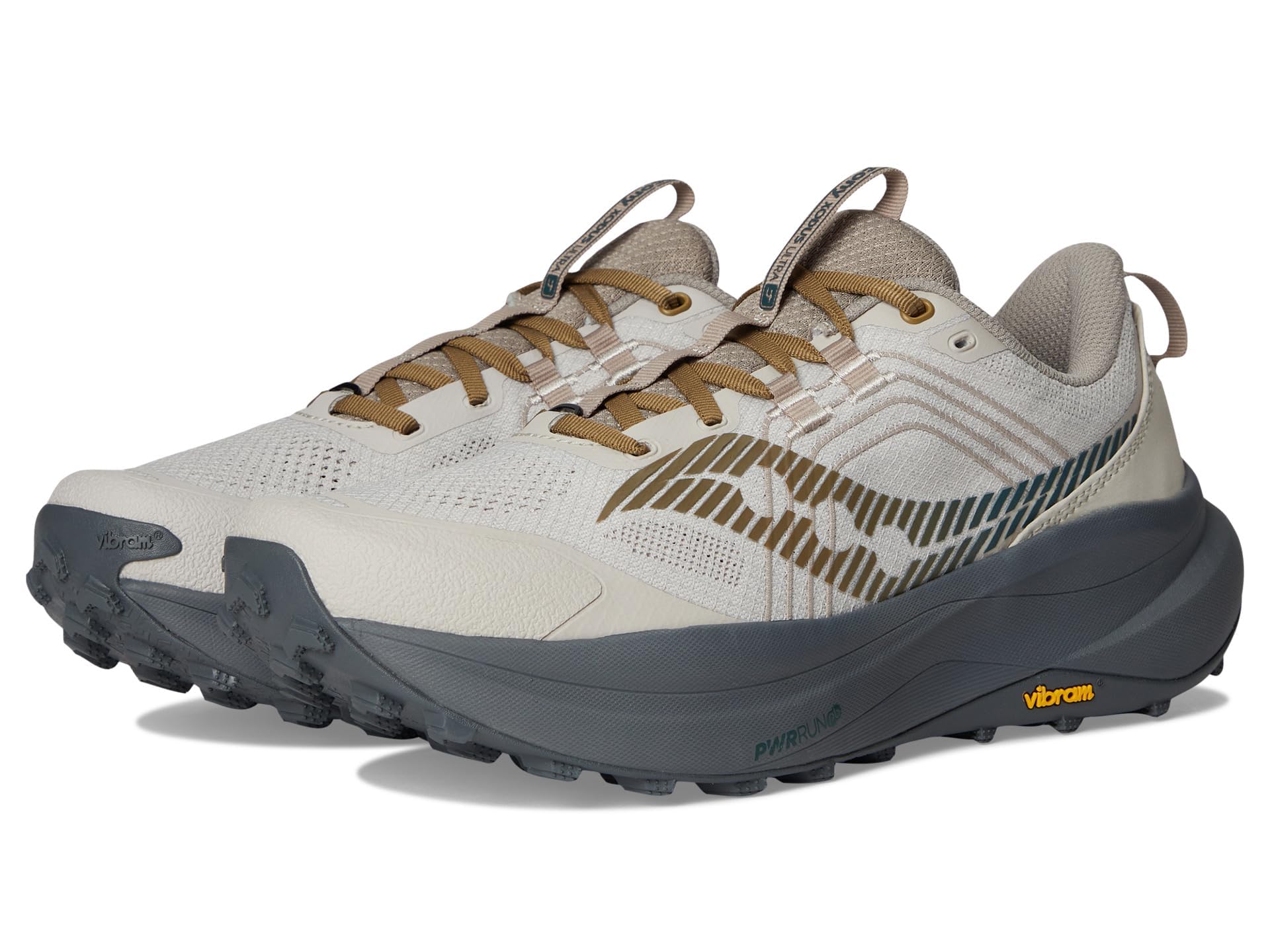
The Xodus Ultra 4 delivers generous cushioning with a firmer feel than the plush-heavy competitors on this list. The foam is ample but not springy, which translates to stable foot strikes on jagged, rocky terrain where a softer shoe might feel vague. Podiatrists have recommended this model for post-fracture recovery because the midsole provides enough protection without excessive sink.
Reviewers note that the shoe performs impressively on technical trails after an initial break-in period of a few long walks. The outsole covers confidently over loose rock and hardpack, and the upper looks sharp enough for casual wear. However, some users report that the heel lining wears down faster than expected when hiking several miles daily on abrasive surfaces.
The firm cushion profile means this shoe works best for runners and hikers who prioritize stability over pillow-like softness. At 5’10” and 180 lbs, one reviewer found the balance perfect for walking, running, and general activity. If you’re transitioning from a brand like New Balance Fresh Foam, the Xodus Ultra 4 may feel less plush but offers better ground connection on uneven terrain.
Why it’s great
- Firm, stable cushioning ideal for rocky technical trails
- Protective enough for post-injury recovery use
- Good-looking design transitions to casual wear
Good to know
- Heel lining may wear quickly with heavy daily hiking
- Firm feel may not suit those seeking plush softness
5. ALTRA Lone Peak 9 (Men’s)

The Lone Peak 9 continues Altra’s signature zero-drop platform and foot-shaped toe box that allows toes to spread naturally. The MaxTrac outsole delivers exceptional grip on mud, loose rock, and even snow and ice — one user put hundreds of Colorado mountain kilometers on a pair and still rated them the best trail shoes owned. The cushioning is moderate, not extreme, which provides good ground feel without sacrificing protection.
Zero-drop geometry shifts your center of gravity forward, encouraging a more natural midfoot strike. This design reduces heel impact but requires stronger calf engagement, especially on long descents. The Lone Peak 9 runs slightly large — many reviewers recommend sizing down half a size, particularly if you plan to wear standard-thickness socks. The wide toe box accommodates orthotic arch supports easily.
Durability stands out: the upper and outsole hold up well beyond the 500-mile mark for many users. The shoe is stable enough for Machu Picchu-style treks yet breathable enough for summer ridge runs. If you’ve never worn zero-drop shoes, expect a short adaptation period, but the payoff in natural stride mechanics and improved toe splay is substantial.
Why it’s great
- Wide toe box allows natural toe splay for balance
- MaxTrac outsole grips mud, snow, and dry rock excellently
- Durable enough for hundreds of trail miles
Good to know
- Runs slightly large; consider sizing down half
- Zero-drop requires transition period for calf muscles
6. ALTRA Lone Peak 9 (Women’s)

The women’s Lone Peak 9 shares the same foot-shaped design and zero-drop platform as the men’s version, with a fit tuned for female foot anatomy. Reviewers with high arches praise the supportive footbed and excellent arch contact, noting that the shoe feels stable on dirt and gravel trails. The wide toe box is especially appreciated by women who have struggled with cramped toe boxes in standard trail shoes.
Several buyers mention that the zero-drop heel relief helped with lumbar issues during extended standing and walking. The shoe is lightweight and breathable, drying quickly after wet hikes. It’s not waterproof, but the meshconstruction sheds water and dries faster than waterproof membranes. The outsole provides reliable traction on gravel paths and moderate inclines.
Some users find the cushioning too soft for treadmill use, describing it as “too foamy” for stable walking on flat, hard surfaces. For trail hiking and light running, however, the Lone Peak 9 women’s shoe performs exactly as intended: natural, stable, and freeing for the toes. Hand washing is recommended to preserve the upper material.
Why it’s great
- Excellent arch support for high arches
- Zero-drop design helps with lumbar comfort
- Wide toe box eliminates toe crowding on descents
Good to know
- Not waterproof; dries quickly but can soak through
- May feel unstable on treadmill or pure flat surfaces
7. ASICS Trabuco Max 4
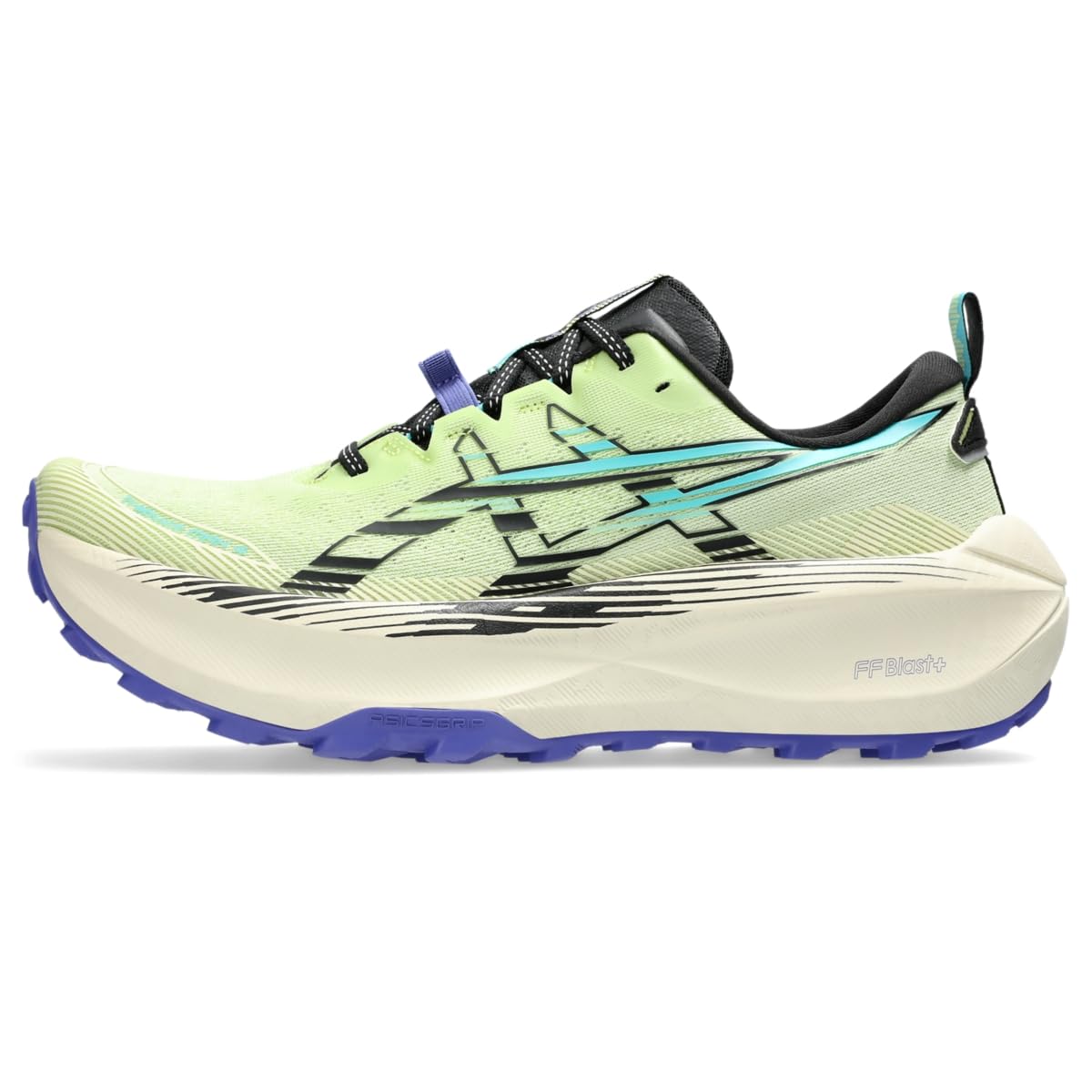
The Trabuco Max 4 stands out for combining a thick, protective sole with surprising stability. While the stack height suggests a tippy ride, the broad platform and structured upper cradle the foot securely. One reviewer who previously relied on the ASICS Kayano for stability found the Trabuco Max 4 to be on another level entirely — stable enough for technical terrain without sacrificing cushioning.
The outsole grips wet rainforest trails and dry rocky ascents with equal confidence, as demonstrated by a 5-hour hike in Maui’s rainforest climbing 850 feet. The shoe repels water well for a non-waterproof design, and the toe box offers generous room without being a true wide fit. At 1.44 pounds per pair, it’s lighter than its thick sole suggests.
The only recurring complaint involves the laces, which reviewers say come undone frequently regardless of knot style. The cushioning is thick but less plush than road-oriented ASICS models like the Gel Nimbus — this is intentional, as too much softness would reduce stability on uneven ground. The Trabuco Max 4 works best for hikers and runners who want maximum protection without feeling disconnected from the trail.
Why it’s great
- Thick sole provides excellent rock protection
- Very stable for a high-stack trail shoe
- Excellent wet and dry traction on varied terrain
Good to know
- Laces tend to come undone and need re-tying
- Cushioning is firmer than road-running ASICS shoes
8. New Balance Fresh Foam X Hierro V9
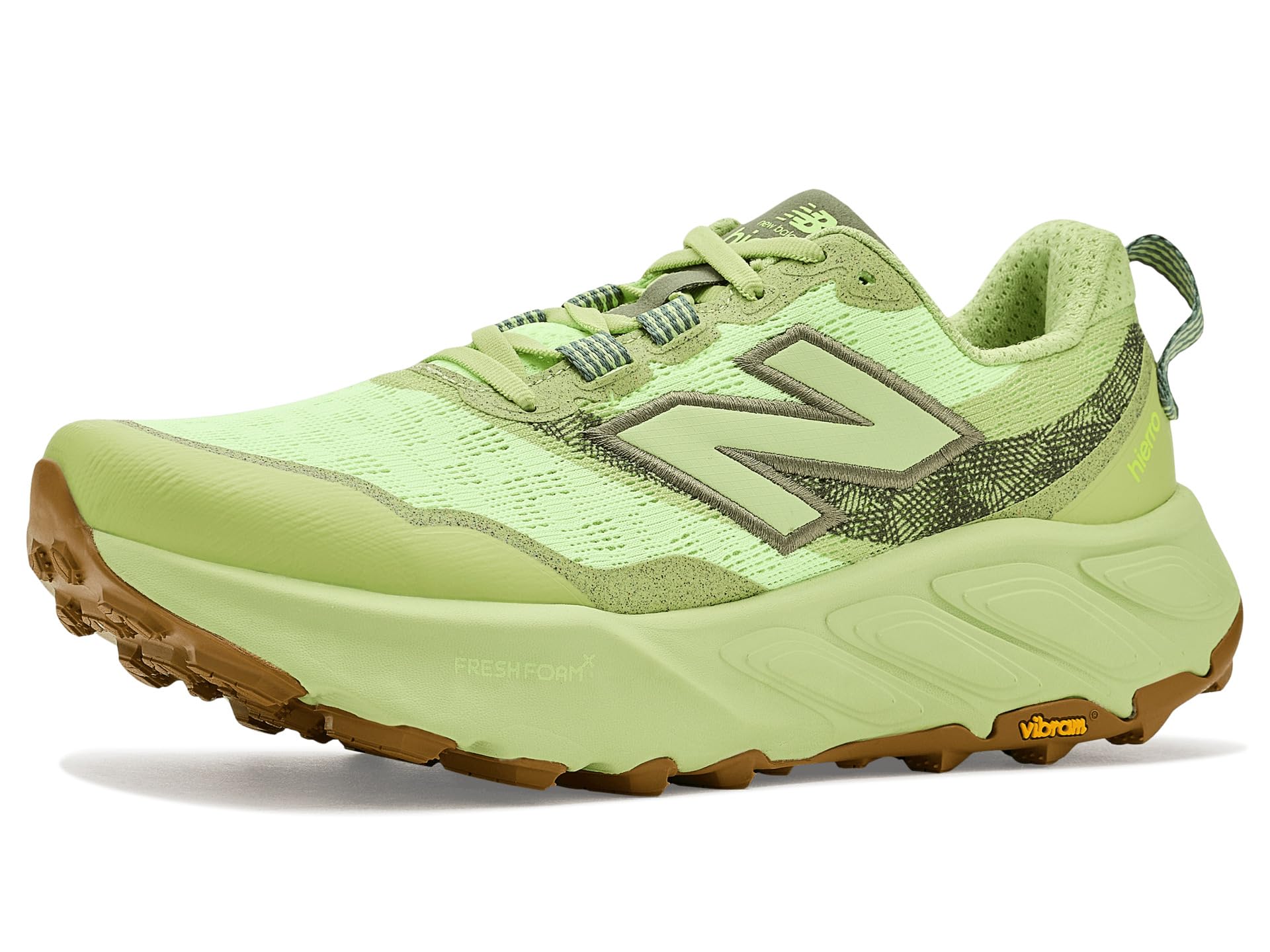
The Hierro V9 uses the Vibram Megagrip outsole, widely considered the gold standard for wet-surface traction. Reviewers consistently mention excellent grip on loose dirt, damp rock, and muddy sections. The Fresh Foam X midsole provides generous cushioning that absorbs shock well on moderate trails, making this a solid choice for hikers who prioritize security over ground feel.
Fit runs small — multiple reviewers note that the toe box is tight, and the shoe runs short in length. The consensus is to size up half a full size, especially if you plan to wear thicker hiking socks. The upper is supportive and trail-ready, with a sleek aesthetic that doesn’t scream “hiking boot.” At 2.1 pounds, it’s mid-weight for its category.
The V9 is best suited for hiking and fast-paced walking rather than technical trail running. One reviewer who returned the shoe cited insufficient sole padding that caused foot bruising after three runs — this suggests the cushioning leans more toward moderate than maximum plushness. For hikers who want bombproof traction and a secure fit, the Hierro V9 delivers, provided you order the right size.
Why it’s great
- Vibram Megagrip outsole offers exceptional traction on wet surfaces
- Fresh Foam X provides consistent cushioning on trails
- Sleek, trail-ready design looks good on and off trail
Good to know
- Runs small; size up half to a full size
- Cushioning may be insufficient for some runners on hard terrain
9. The North Face Altamesa 300
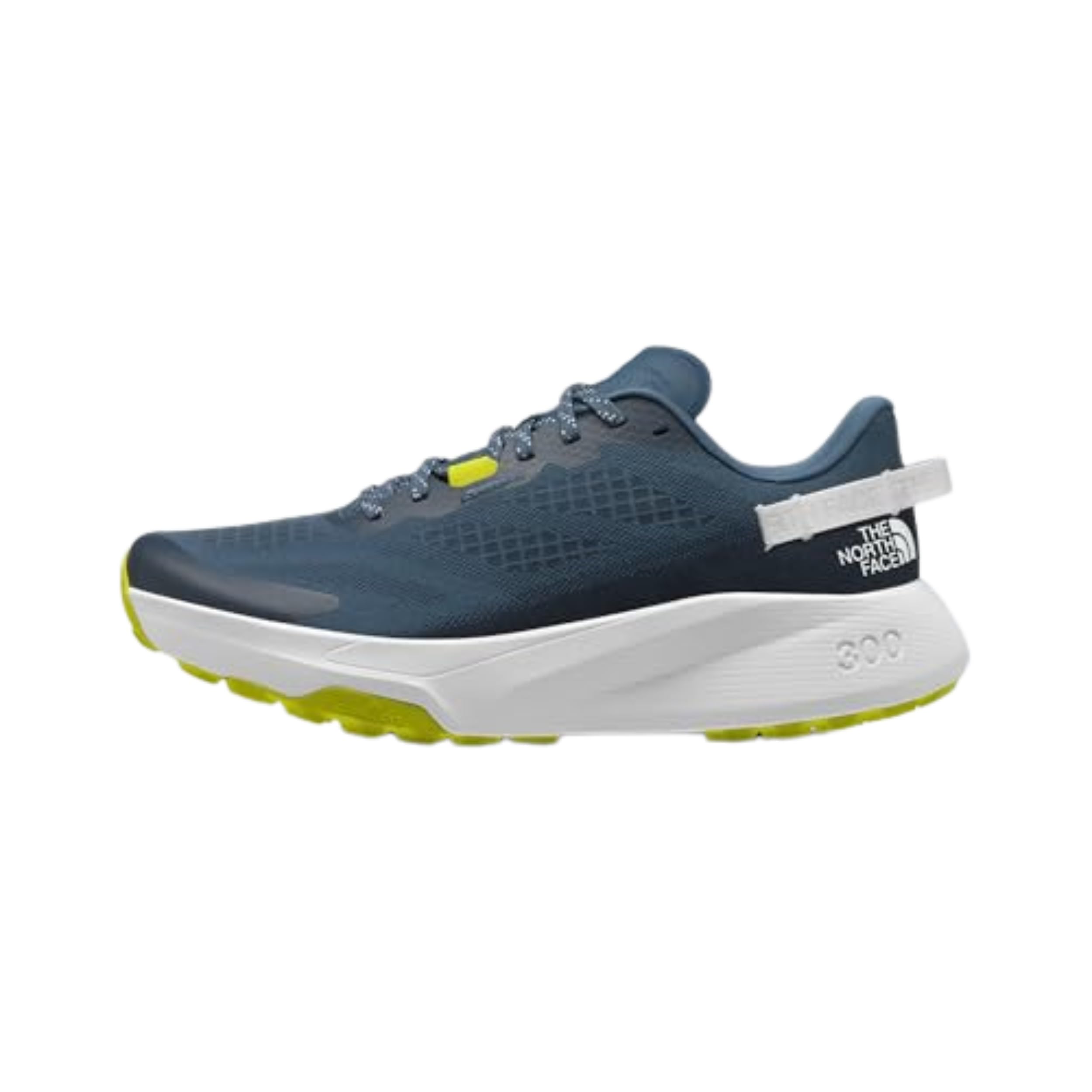
The Altamesa 300 delivers impressive comfort at a price point that undercuts most of its competitors. The high-rebound midsole provides a lively, energetic feel underfoot — it’s not as plush as the Altamesa 500, but it strikes a solid balance between cushioning and responsiveness. Users wear them for trail walks and all-day standing without soreness, praising the lightweight construction and sturdy build.
The grip on dirt and rocky paths is reliable for moderate terrain, and the roomy toe box prevents the cramped feeling that plagues many budget trail shoes. Breathability is good enough for warm-weather use, and the shoe’s versatility extends to everyday casual wear and travel. One reviewer described them as a “functional Swiss Army knife shoe” for their ability to handle varied surfaces.
The main trade-off is in style — multiple reviewers note that the Altamesa 300 is not a looker compared to premium trail shoes. One user was denied entry to a Berlin bar because the white sneakers were considered unstylish. Durability appears solid based on early impressions, though long-term wear data is still emerging. For the buyer who values function over fashion, this is an excellent entry point into cushioned trail footwear.
Why it’s great
- Lightweight with a high-rebound, energetic midsole
- Roomy toe box for all-day comfort on trails
- Versatile enough for walking, travel, and casual wear
Good to know
- Styling is plain; may not suit fashion-conscious users
- Long-term durability data is still limited
FAQ
What stack height is ideal for maximum cushioning on rocky trails?
How does zero-drop cushioning differ from traditional heel-to-toe drop shoes?
Can I use cushioned trail shoes for road running?
Final Thoughts: The Verdict
For most users, the best cushioned trail shoes winner is the Brooks Ghost Trail because it combines road-shoe plushness with reliable off-road traction, working as a daily driver for runners and hikers alike. If you want maximum cloud-like softness for long, slow days on the trail, grab the The North Face Altamesa 500. And for a zero-drop natural stride with ample toe room and excellent durability, nothing beats the ALTRA Lone Peak 9.

Mo Maruf
I created WellFizz to bridge the gap between vague wellness advice and actionable solutions. My mission is simple: to decode the research and give you practical tools you can actually use.
Beyond the data, I am a passionate traveler. I believe that stepping away from the screen to explore new environments is essential for mental clarity and physical vitality.