Our readers keep the lights on and my smoothie glass nicely filled. As an Amazon Associate, I earn from qualifying purchases.
Every runner knows the feeling: your knees ache, your hips protest, and each footstrike sends a shockwave through your lower body. The right cushioned support shoe fixes that, transforming pavement pounding into a smooth, protected glide. But with dozens of foam types, stack heights, and stability mechanisms on the market, picking the wrong pair can leave you with dead legs or even new injuries.
I’m Mohammad Maruf — the founder and writer behind WellFizz. I’ve spent hundreds of hours analyzing running shoe geometry, footstrike biomechanics, and the real-world durability of cushioning foams across dozens of consumer and premium models to build this guide.
Whether you’re logging weekly miles or standing all day, the right pair reduces impact and aligns your stride. This guide breaks down the top contenders to help you find the very best cushioned support running shoes for your unique biomechanics and budget.
How To Choose The Best Cushioned Support Running Shoes
Selecting a cushioned support shoe is about balancing softness with structure. Too much foam without control leads to instability; too much rigidity removes the comfort you crave. Focus on these three areas first.
Stability vs. Neutral: Matching Your Footstrike
If your ankles roll inward (overpronation) or outward (supination), you need a stability shoe with medial posts, guide rails, or firmer foam on the inner edge. Neutral runners can use a supportive neutral shoe with a wide base and firm heel counter. The Saucony Hurricane 24 and New Balance Fresh Foam X More V5 use guide-rail systems; the ASICS Gel-Nimbus 28 and Brooks Ghost Max work well for neutral runners who still want deep cushioning.
Stack Height and Foam Density
Stack height (the thickness of foam between your foot and the ground) directly determines impact absorption. Higher stacks (30mm+) offer more cushioning but can feel unstable on uneven terrain. Foam density affects ride feel: soft, low-density foams like Fresh Foam X feel like memory foam, while denser foams like ASICS FlyteFoam Blast+ provide better energy return and durability. For long runs, a denser midsole resists bottoming out.
Heel-to-Toe Drop and Toe Box Shape
Drop (difference in height between heel and forefoot) influences your gait. A 10mm drop suits heel-strikers; a 5mm drop like the Topo Athletic Atmos encourages a midfoot strike. Toe box shape is critical for comfort — brands like Topo and New Balance offer anatomical, wide toe boxes that allow natural toe splay, reducing blisters and neuromas.
Quick Comparison
On smaller screens, swipe sideways to see the full table.
| Model | Category | Best For | Key Spec | Amazon |
|---|---|---|---|---|
| ASICS Superblast 2 | Premium | Versatile training & racing | FlyteFoam Blast+ Turbo, 45mm stack | Amazon |
| Brooks Ghost Max | Mid-Range | All-day standing & walking | DNA Loft v3 foam, 32mm stack | Amazon |
| ASICS Gel-Nimbus 28 | Premium | Ultra-soft daily training | PureGEL + FlyteFoam Blast+, 40mm stack | Amazon |
| Saucony Hurricane 24 | Mid-Range | Stability for overpronation | PWRRUN PB + Center Path Tech, 35mm stack | Amazon |
| Mizuno Neo Zen | Premium | Easy runs & walking | Mizuno Enerzy Core foam, 38mm stack | Amazon |
| New Balance More V5 | Premium | Maximum cushion for walking | Fresh Foam X, 40mm stack | Amazon |
| Brooks Trace 4 | Mid-Range | Affordable daily training | BioMoGo DNA foam, 28mm stack | Amazon |
| Topo Athletic Atmos | Mid-Range | Wide toe box & orthotics | ZipFoam, 5mm drop, 30mm stack | Amazon |
| ASICS Gel-Cumulus 27 | Mid-Range | Neutral daily mileage | PureGEL + FlyteFoam Blast+, 35mm stack | Amazon |
In‑Depth Reviews
1. ASICS Superblast 2
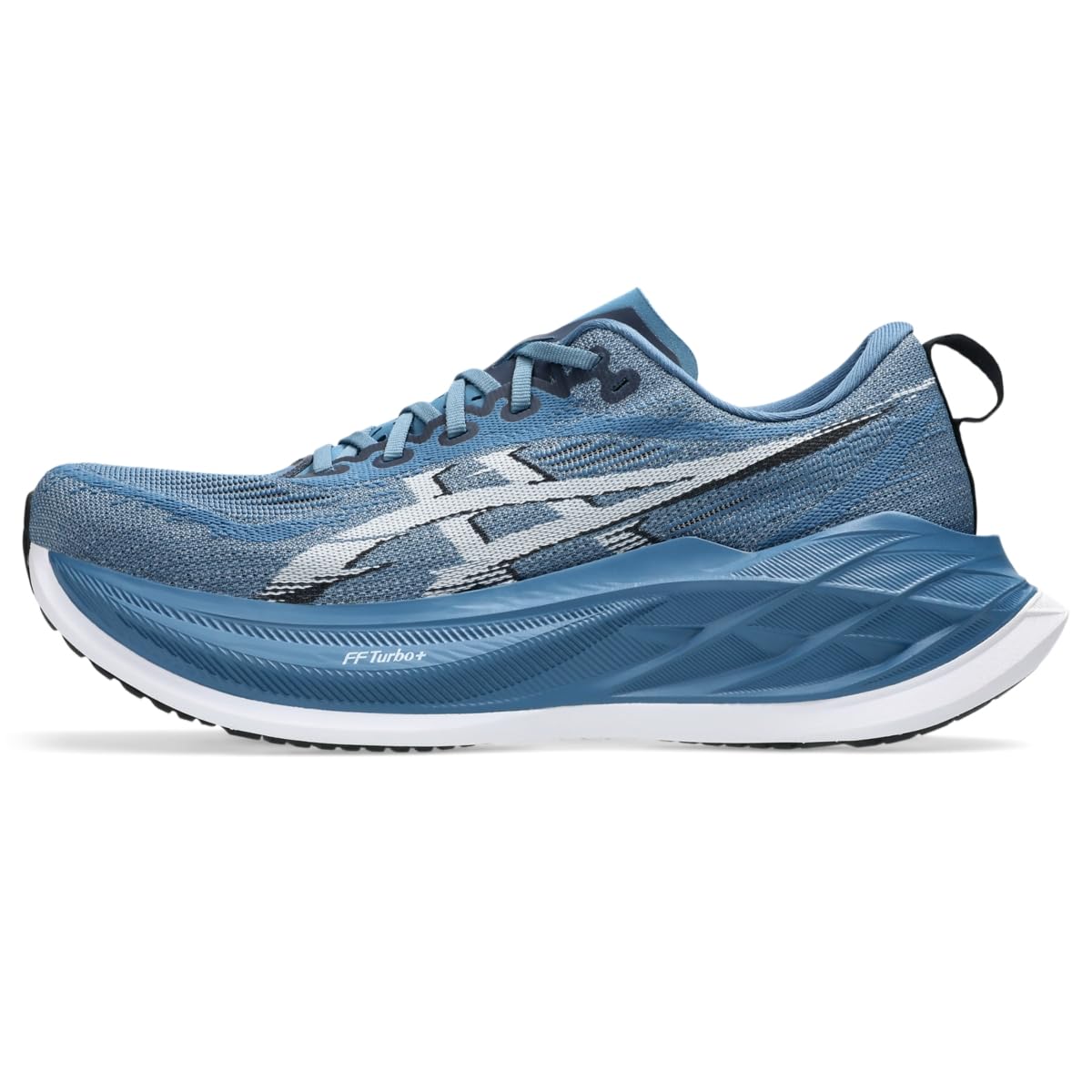
The Superblast 2 earns its top spot by delivering a rare combination: massive 45mm of FlyteFoam Blast+ Turbo cushioning that feels both soft and springy, plus a wide platform that provides neutral stability. Reviewers consistently praise the energy return, calling it “springier than some carbon-plated shoes” while protecting joints on long runs. The shoe works for both slow recovery days and half-marathon race pace without a break-in period.
At 1.44 pounds per shoe, it’s not the lightest in the lineup, but the foam rebound makes the weight feel justified. The toe box offers generous room for toe splay, and the heel counter locks down securely. For runners who want one shoe that does everything well — from easy 5Ks to 20-milers — the Superblast 2 is unmatched.
One caveat: the high stack height may feel unstable on rough trails or for runners with weak ankles. Sizing runs slightly wide, so those with narrow feet may need to go half a size down or use thicker socks. It is a premium shoe in construction and price, but the durability and performance justify the investment.
Why it’s great
- Exceptional energy return from FlyteFoam Blast+ Turbo
- Wide platform offers excellent neutral stability
- Zero break-in period, race-ready out of the box
Good to know
- High stack height reduces ground feel on uneven terrain
- Slightly heavier than dedicated racing flats
2. ASICS Gel-Nimbus 28
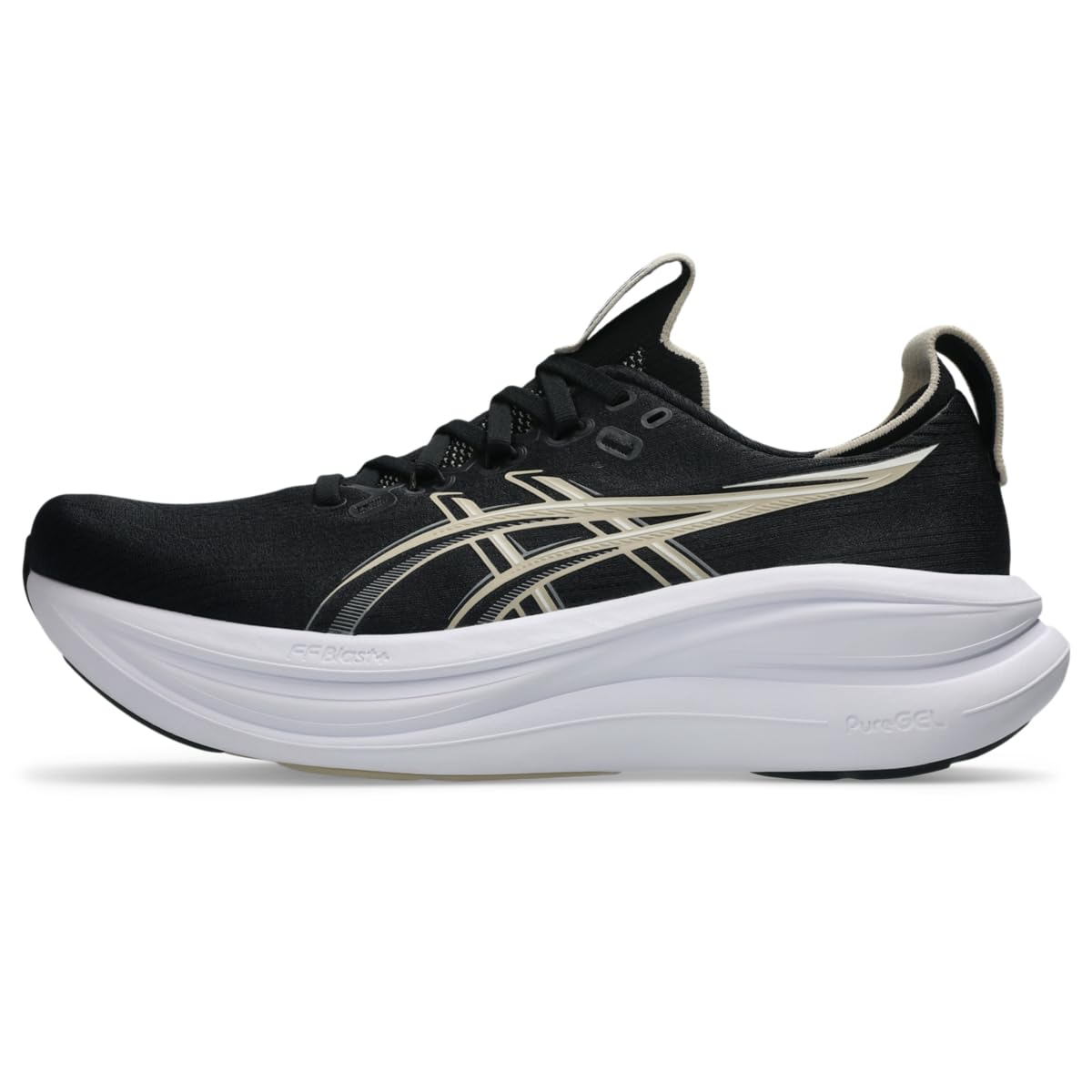
The Gel-Nimbus 28 is ASICS’s flagship plush trainer, using PureGEL pillows embedded in FlyteFoam Blast+ for a ride that reviewers describe as “extremely light and comfortable.” At 40mm of stack height in the heel, it absorbs impact impressively well, turning pavement into a forgiving surface. The shoe shines for heel-strikers who want maximum crash pad feel.
Testers note that the 28 runs smaller and narrower than previous versions, so ordering a half to full size up — or opting for the wide version — is necessary for many feet. The upper materials feel high-end, with excellent grip on wet surfaces. It is a premium-tier shoe that rivals the Nimbus 26 in comfort.
While the cushioning is superb for walking and easy running, the Nimbus lacks the snappy rebound of the Superblast 2 for faster paces. The arch support is passive; some users add insoles for more structure. For pure, soft comfort on daily runs and long walks, this is a top contender.
Why it’s great
- PureGEL creates a plush, impact-absorbing heel feel
- High-end materials with reliable wet-surface traction
- Ideal for heel-strikers seeking max cushion
Good to know
- Runs small and narrow, may need size up
- Less energy return than Superblast 2
3. Brooks Ghost Max

The Brooks Ghost Max swaps the traditional mesh for a suede/leather upper, making it a favorite among healthcare workers and anyone who stands 17,000+ steps per day. DNA Loft v3 foam provides thick, consistent cushioning that one reviewer reported “reduced joint pain by 90%.” The 32mm stack is lower than the max-cushion leaders but still offers significant shock absorption.
Testers appreciate the breathability of the leather version, and the wide toe box accommodates swelling during long shifts. The shoe runs a full size small, so ordering up is essential. It is a neutral shoe with a stable heel counter and wide base, offering enough structure for mild overpronation.
Some runners noted that the initial softness altered their gait slightly until they adapted. Once broken in, the Ghost Max becomes a reliable partner for walking and easy jogging. The leather upper makes it more durable and easier to clean than mesh shoes, though it reduces flexibility slightly.
Why it’s great
- Leather upper offers durability and easy cleaning
- DNA Loft v3 foam provides consistent all-day cushion
- Wide base and heel counter offer stable neutral ride
Good to know
- Runs a full size small
- Initial softness may require gait adjustment period
4. Saucony Hurricane 24
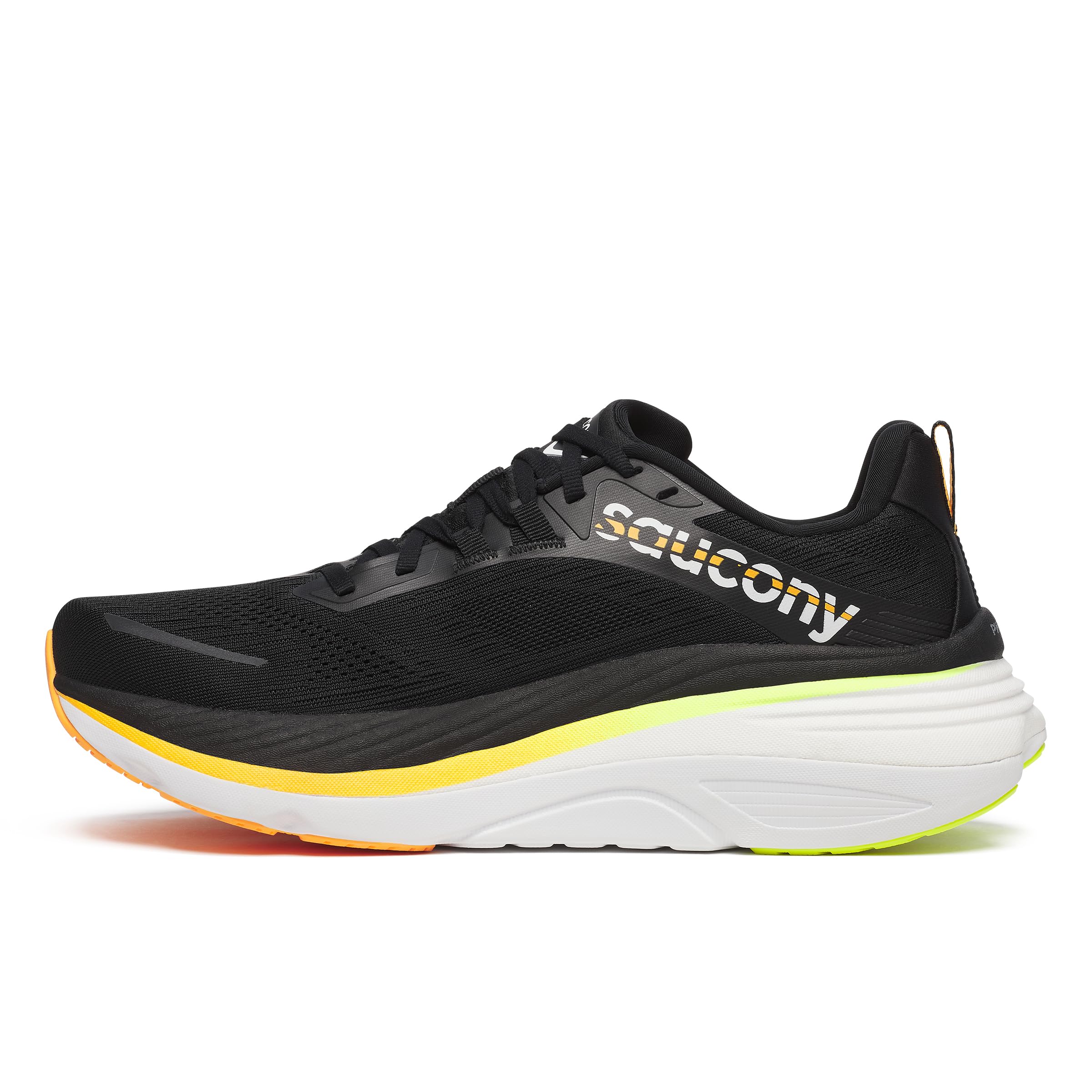
The Hurricane 24 stands out as a stability shoe that corrects overpronation without feeling intrusive. Saucony’s Center Path Technology uses firmer foam along the medial side to guide the foot through the gait cycle, while the PWRRUN PB midsole remains plush and responsive. Reviewers with patellar tendonitis and flat feet report “cloud-like cushioning” that reduces shin and knee pain.
This shoe is heavier — around 2.25 pounds per pair — so it is best reserved for recovery runs, long distances, and walking rather than speed work. One reviewer noted that the build quality varies by factory: pairs assembled in Vietnam felt snug and comfortable, while those from China ran wider and firmer. Durability is excellent, with many users logging a full year of use.
The forefoot and toe box offer a roomy fit that accommodates swelling. While the Hurricane 24 is not ideal for 5K PR attempts, it is arguably the best cushioned stability shoe for runners who need significant support without a harsh, plank-like feel.
Why it’s great
- Non-intrusive stability guides without feeling stiff
- Excellent for long runs and recovery days
- Very durable, often lasting a full year
Good to know
- Heavy, unsuitable for speed work or 5K races
- Inconsistent build quality between production batches
5. Mizuno Neo Zen
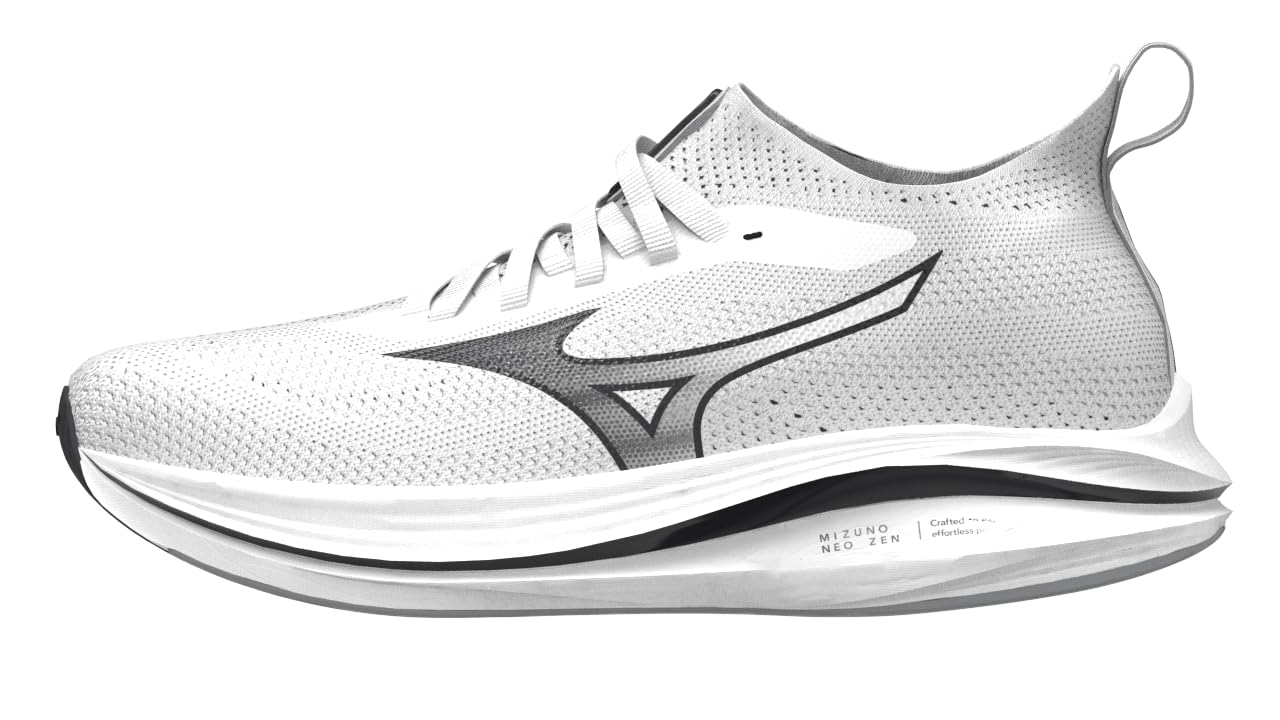
Mizuno’s Neo Zen uses a full-length Enerzy Core foam slab that reviewers describe as “walking on a cloud” — soft, pillowy, and forgiving on joints. At 38mm of stack, it provides deep cushioning for slow jogging and casual walking. The sock-like upper and simple lacing system make it easy to slip on and off.
Testers note that the foam is less bouncy than some competitors; the softness prioritizes absorption over energy return. This makes the Neo Zen a better fit for recovery days and leisurely walks than for tempo runs. Sizing runs slightly large — many users go half a size down for a snug fit. The outsole shows good durability after a month of use.
One common complaint: the laces lack grip and tend to come untied during runs. Replacing them with aftermarket laces solves the issue. For a max-cushion shoe that emphasizes pure softness over responsiveness, the Neo Zen delivers a unique, marshmallow-like feel.
Why it’s great
- Plush, cloud-like Enerzy Core foam for impact absorption
- Easy slip-on design with simple lacing system
- Good durability for a soft-foam shoe
Good to know
- Laces lack grip and may come untied
- Not designed for fast running or high energy return
6. New Balance Fresh Foam X More V5

The Fresh Foam X More V5 delivers a 40mm stack of plush, low-density foam that feels like walking on memory foam. It is a favorite among those with foot conditions like lymphedema, sciatica, or wide feet that need a generous toe box. Reviewers confirm that the platform also provides notable pronation control despite being a neutral shoe.
At 8 ounces per shoe, it is impressively lightweight for the amount of cushioning. The breathable knit upper keeps feet cool, though the white colorway shows dirt quickly. Many users buy multiple pairs, praising the durability — one reviewer’s husband wore his for 1.5 years with no degradation.
The More V5 is not built for speed; the soft foam feels sluggish at faster paces. It is best suited for walking, standing, and easy recovery runs. The wide sizing is generous enough for custom orthotics, and the heel fit remains secure even in wide widths.
Why it’s great
- Extremely soft Fresh Foam X with deep 40mm cushioning
- Wide toe box and generous sizing for swollen feet or orthotics
- Lightweight for the amount of foam
Good to know
- Softness compromises responsiveness at faster paces
- White colors show dirt quickly
7. Brooks Trace 4
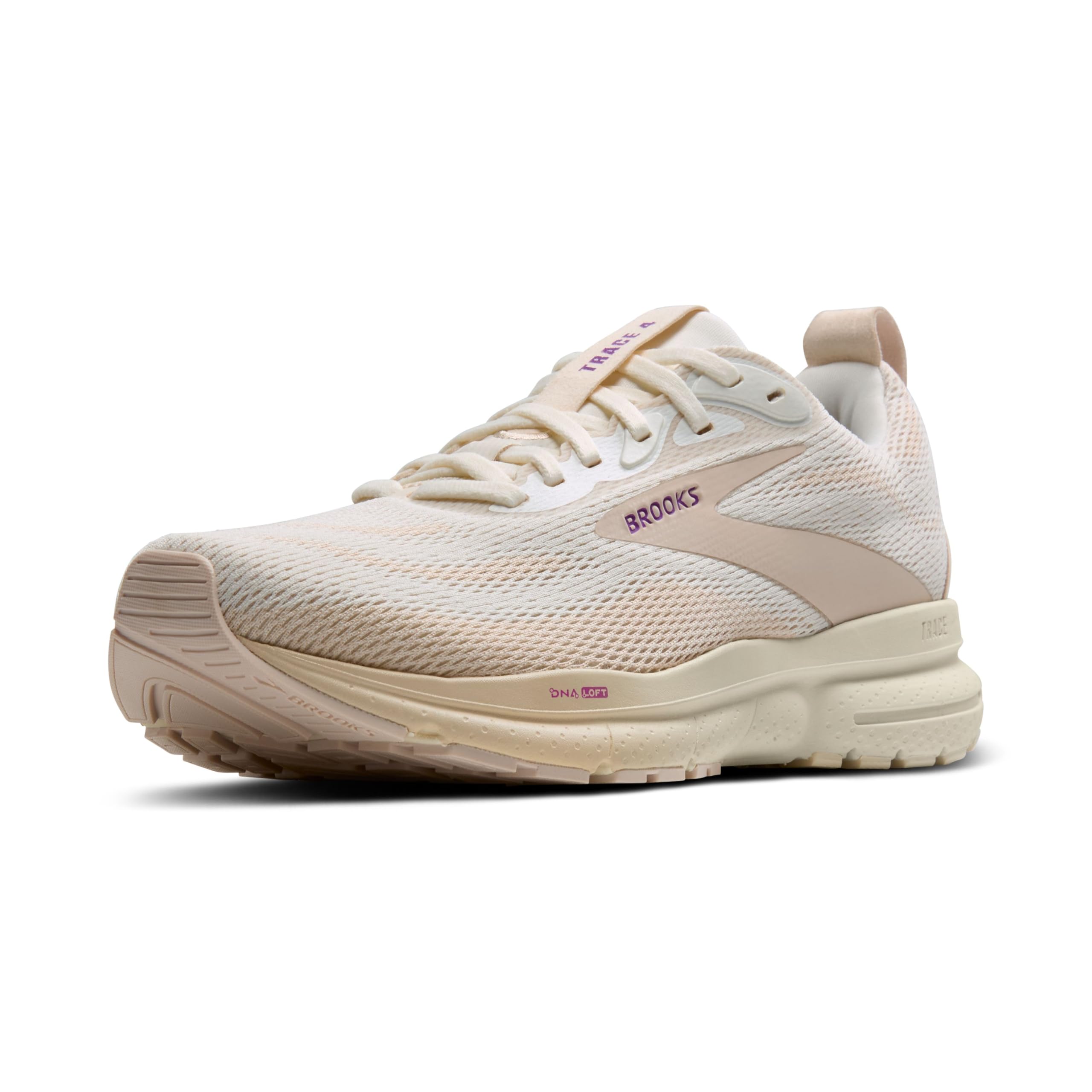
The Brooks Trace 4 is the entry point to cushioned Brooks support without the premium price tag. It uses BioMoGo DNA foam — a more traditional, medium-density material — in a 28mm stack that offers a balanced ride: supportive without being mushy. Reviewers say it is “comfy and supportive, but not too soft,” making it ideal for new runners or those who prefer a firmer feel.
The shoe fits true to size with a standard toe box that accommodates most foot shapes. It is light enough for daily training and the memory foam insole provides extra comfort for standing shifts up to 9 hours. Durability is solid; users report the outsole and upper holding up well after 5 months of regular wear.
The Trace 4 is a neutral shoe with moderate stability from its wide heel base. It does not offer guide rails or medial posts, so heavy overpronators may need more support. For neutral runners on a budget seeking a reliable, cushioned trainer, the Trace 4 delivers consistent value.
Why it’s great
- Balanced cushion that supports without being too soft
- True-to-size fit with a comfortable memory foam insole
- Good durability for mid-range pricing
Good to know
- Not enough support for heavy overpronators
- Firmer ride compared to max-cushion models
8. Topo Athletic Atmos
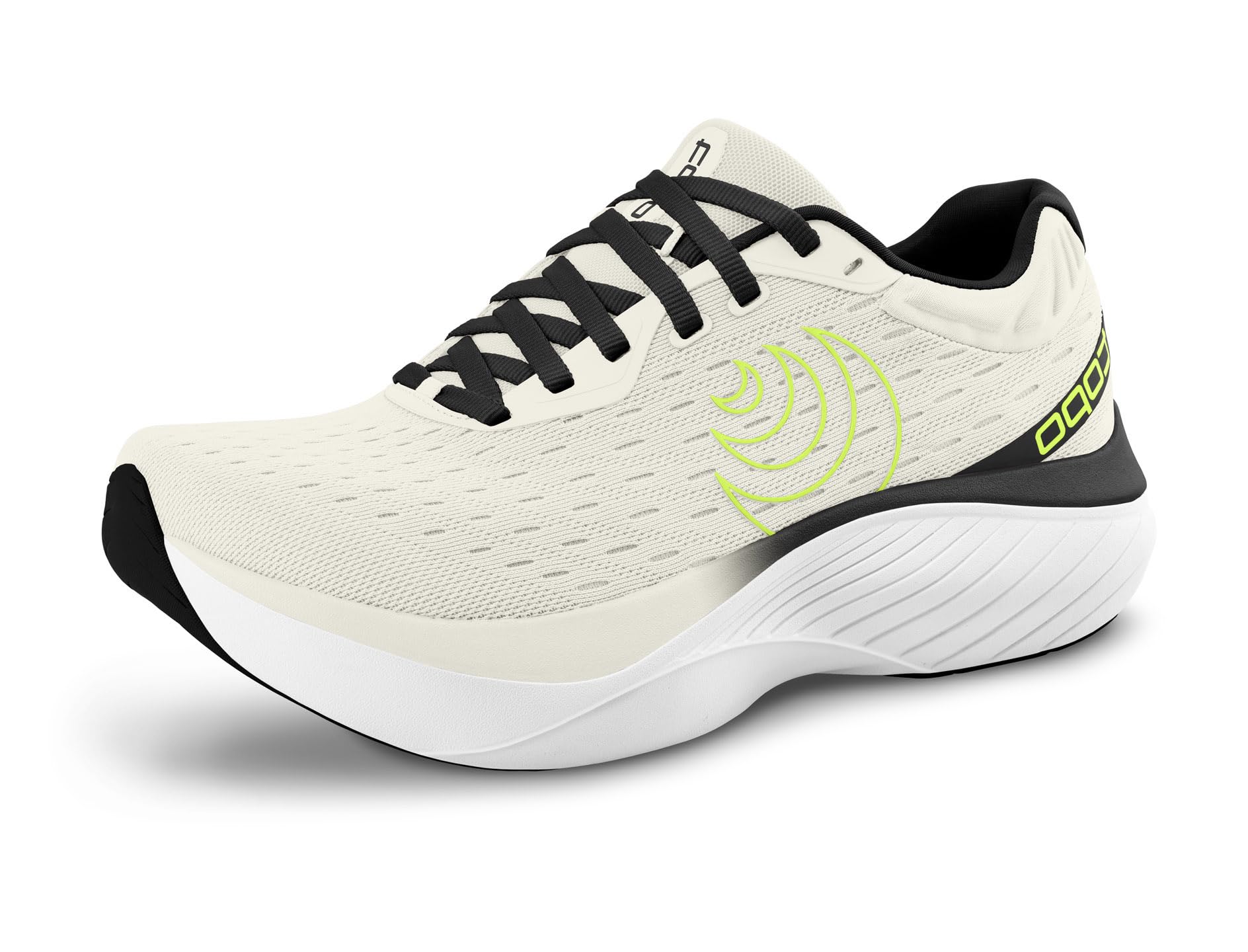
The Topo Athletic Atmos is built for runners who prioritize foot anatomy. Its naturally wide toe box allows toes to splay, and the 5mm drop encourages a midfoot strike. ZipFoam provides a “firm-yet-soft” cushion that is supportive for low arches and collapses less than traditional memory foam. Reviewers with collapsed arches, hammertoe, and overpronation call it “like vacation for troubled feet.”
The shoe is lightweight and breathable, with a mesh upper that works well in warm conditions. The built-in arch support eliminated the need for orthotics for some users. However, the Atmos requires a break-in period, and some runners need to size up 0.5 to 1 full size to get enough length for longer runs.
Weighing 3 pounds per pair, it is one of the heavier mid-range options, but the stable platform and supportive foam justify the weight for runners with foot conditions. The outsole offers good wet traction. It is not designed for speed work but excels as a recovery or everyday trainer for biomechanically demanding feet.
Why it’s great
- Wide toe box and 5mm drop promote natural foot mechanics
- Built-in arch support reduces need for orthotics
- Excellent for low arches and overpronation
Good to know
- Requires break-in period
- May need to size up 0.5-1 size for longer runs
9. ASICS Gel-Cumulus 27
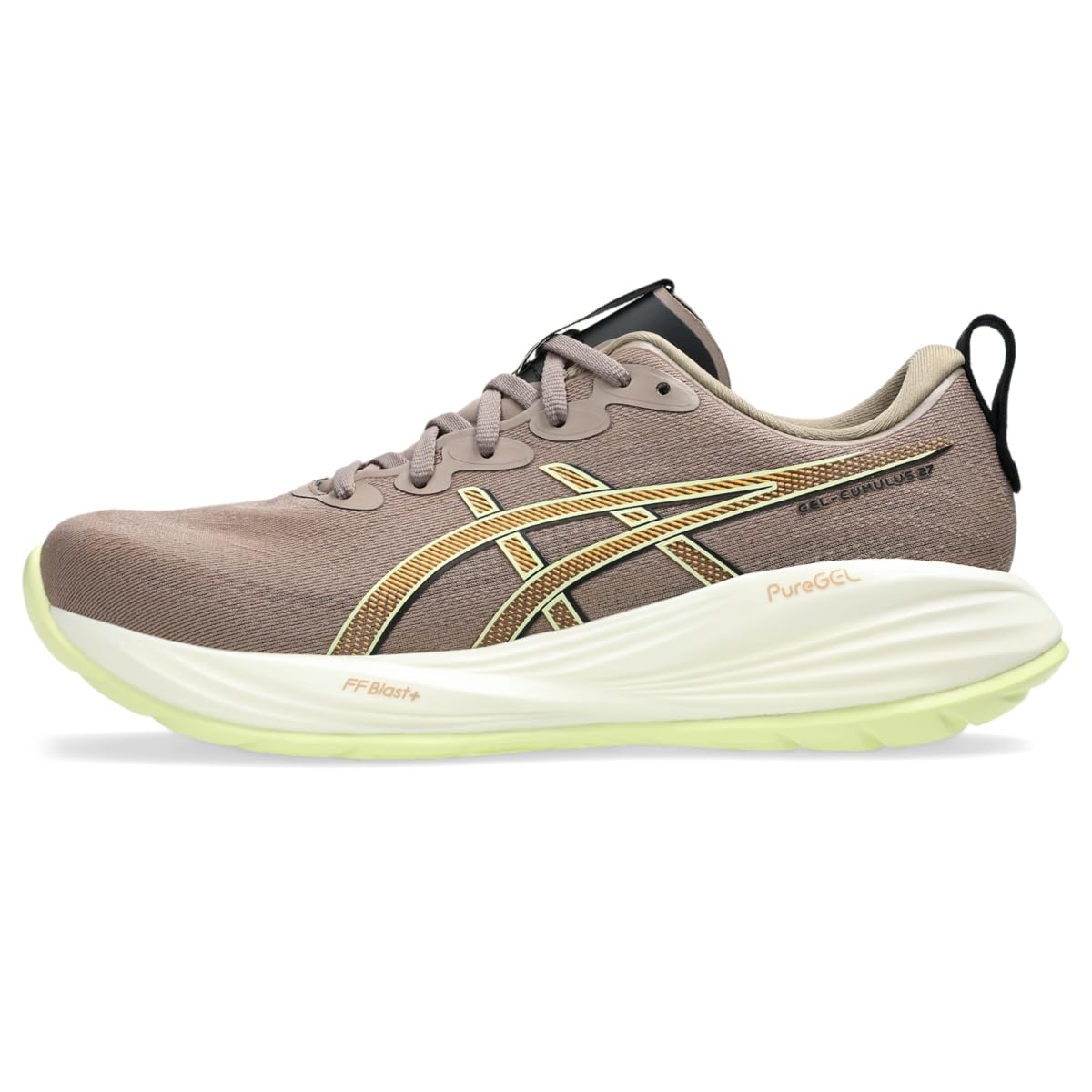
The Gel-Cumulus 27 is ASICS’s mid-range daily trainer that punches well above its weight. It packs the same PureGEL and FlyteFoam Blast+ technology found in the premium Nimbus, but at a lower stack height of 35mm. Reviewers consistently praise the cushioning for being “excellent for impact absorption,” with many citing it as a key relief for knee pain recommended by an ultra marathoner.
The shoe is lighter and snugger than the previous Cumulus model, offering a locked-in feel that suits neutral runners. The toe box has a slightly roomy fit that prevents toe mashing without feeling sloppy. Breathability is good, and the outsole grips well on pavement. Some popular colorways sell out quickly, so early ordering is recommended.
The Cumulus 27 is not a stability shoe, so heavy overpronators may want to look elsewhere. The midsole does not have the same energy return as the Superblast 2, but for daily mileage and walking, it offers exceptional value. It is the perfect entry point for runners who want ASICS quality without the premium price tag.
Why it’s great
- PureGEL and FlyteFoam Blast+ at a mid-range price
- Excellent impact absorption for knee pain relief
- Lighter and snugger than previous versions
Good to know
- No stability features for overpronation
- Less energy return than premium ASICS models
FAQ
How do I know if I need a stability shoe or a neutral cushioned shoe?
Is a higher stack height always better for cushioning support?
Final Thoughts: The Verdict
For most users, the best cushioned support running shoes winner is the ASICS Superblast 2 because it combines massive cushioning with genuine energy return and neutral stability in a single versatile package. If you want maximum plushness for standing and walking, grab the ASICS Gel-Nimbus 28. And for heavy overpronation with cloud-like comfort, nothing beats the Saucony Hurricane 24.

Mo Maruf
I created WellFizz to bridge the gap between vague wellness advice and actionable solutions. My mission is simple: to decode the research and give you practical tools you can actually use.
Beyond the data, I am a passionate traveler. I believe that stepping away from the screen to explore new environments is essential for mental clarity and physical vitality.