Our readers keep the lights on and my smoothie glass nicely filled. As an Amazon Associate, I earn from qualifying purchases.
Carrying extra weight while running changes everything about how a shoe needs to perform. The impact forces through your joints are amplified, and the midsole foam must resist bottoming out mile after mile. A standard neutral trainer simply collapses under the load, leaving you with sore knees, aching arches, and a run that feels like punishment. The right shoe for a heavier runner must combine a high-volume midsole stack with a supportive chassis that keeps your stride stable, and a durable outsole that won’t wear unevenly.
I’m Mohammad Maruf — the founder and writer behind WellFizz. I’ve spent hundreds of hours analyzing the technical specs, user feedback, and biomechanical demands that determine whether a running shoe actually supports a heavier athlete through every phase of the gait cycle.
This guide cuts through the marketing hype to deliver a focused, data-backed analysis of the best cushioned running shoes for heavy runners, evaluating foam density, stack height, width availability, and real-world durability so you can buy with confidence and run without pain.
How To Choose The Best Cushioned Running Shoes For Heavy Runners
Selecting the right shoe when you carry a heavier frame requires shifting your focus away from weight and toward three critical pillars: impact absorption under load, medial/lateral stability to prevent ankle roll, and a chassis that doesn’t deform after 200 miles. The wrong shoe can accelerate joint deterioration; the right one transforms running from a chore into a sustainable habit. Below are the specific specifications you must evaluate before buying.
Stack Height and Foam Density
The total height of the midsole — measured from your foot to the ground — determines how much material is available to absorb shock. For heavier runners, a stack height of at least 35mm at the heel is the baseline. More important than the stack number is the foam’s compression modulus. Low-density foams like simple EVA compress completely under higher loads, causing a harsh bottom-out feel. Look for nitrogen-infused polyurethane foams or supercritical Pebax blends that maintain 80%+ energy return even when subjected to 200+ pounds of mass. The ASICS SUPERBLAST 2 uses FF BLAST TURBO foam, which retains its springiness under heavy load — a critical feature for heavier athletes.
Stability Features and Platform Width
Heavier runners generate greater lateral forces during the transition from heel strike to toe-off. A shoe with a narrow waist (the midfoot section under the arch) can cause the foot to roll inward excessively, leading to overpronation injuries. Look for a platform that is visibly wider under the heel and through the midfoot. Medial posts or GuideRails — like the system in the Brooks Beast GTS 26 — add structural guidance without the rigid feel of traditional motion control shoes. The outsole should also flare out slightly at the heel and forefoot to create a wider base of support during ground contact.
Outsole Rubber and Tread Durability
Heavier runners wear down tread rubber at an accelerated rate because each footstrike applies more force per square inch of outsole contact. The rubber durometer (hardness) and lug depth directly determine how many miles you get before the midsole foam becomes exposed. High-abrasion carbon rubber — common on premium models like the Hoka Bondi 9 and Brooks Glycerin Max — resists flat-spotting and uneven wear patterns. Avoid shoes with thin blown rubber or exposed EVA on the outsole; they will lose traction and structure within 150 miles under a heavier runner. Always check for reinforced rubber in the heel strike zone, which is the first area to show wear on heavier athletes.
Quick Comparison
On smaller screens, swipe sideways to see the full table.
| Model | Category | Best For | Key Spec | Amazon |
|---|---|---|---|---|
| ASICS SUPERBLAST 2 | Premium Neutral | High-energy daily training | 45mm stack, FF BLAST TURBO foam | Amazon |
| Hoka Bondi 9 | Max Cushion | Recovery runs & long miles | Ultra-plush midsole, wide base | Amazon |
| Brooks Glycerin Max | Premium Neutral | Marathon & high-volume training | DNA LOFT v3 nitrogen-infused foam | Amazon |
| Brooks Beast GTS 26 | Stability Max | Severe overpronation support | GuideRails support system | Amazon |
| New Balance More v5 | Max Cushion | Soft, stable cruising | Fresh Foam X, 40mm+ stack | Amazon |
| ASICS GT-2000 14 | Stability | Reliable daily trainer for mild pronation | LITETRUSS stability, 3D SPACE CONSTRUCTION | Amazon |
| ALTRA Torin 8 | Zero Drop | Natural foot position & wide toe box | Zero heel drop, 30mm stack | Amazon |
| Saucony Hurricane 24 | Stability Max | Overpronation & plantar fasciitis relief | CenterPath Technology | Amazon |
| New Balance 840 v1 | Value Neutral | Budget-friendly walking & light jogging | Fresh Foam X, 2 lb weight per shoe | Amazon |
In‑Depth Reviews
1. ASICS SUPERBLAST 2
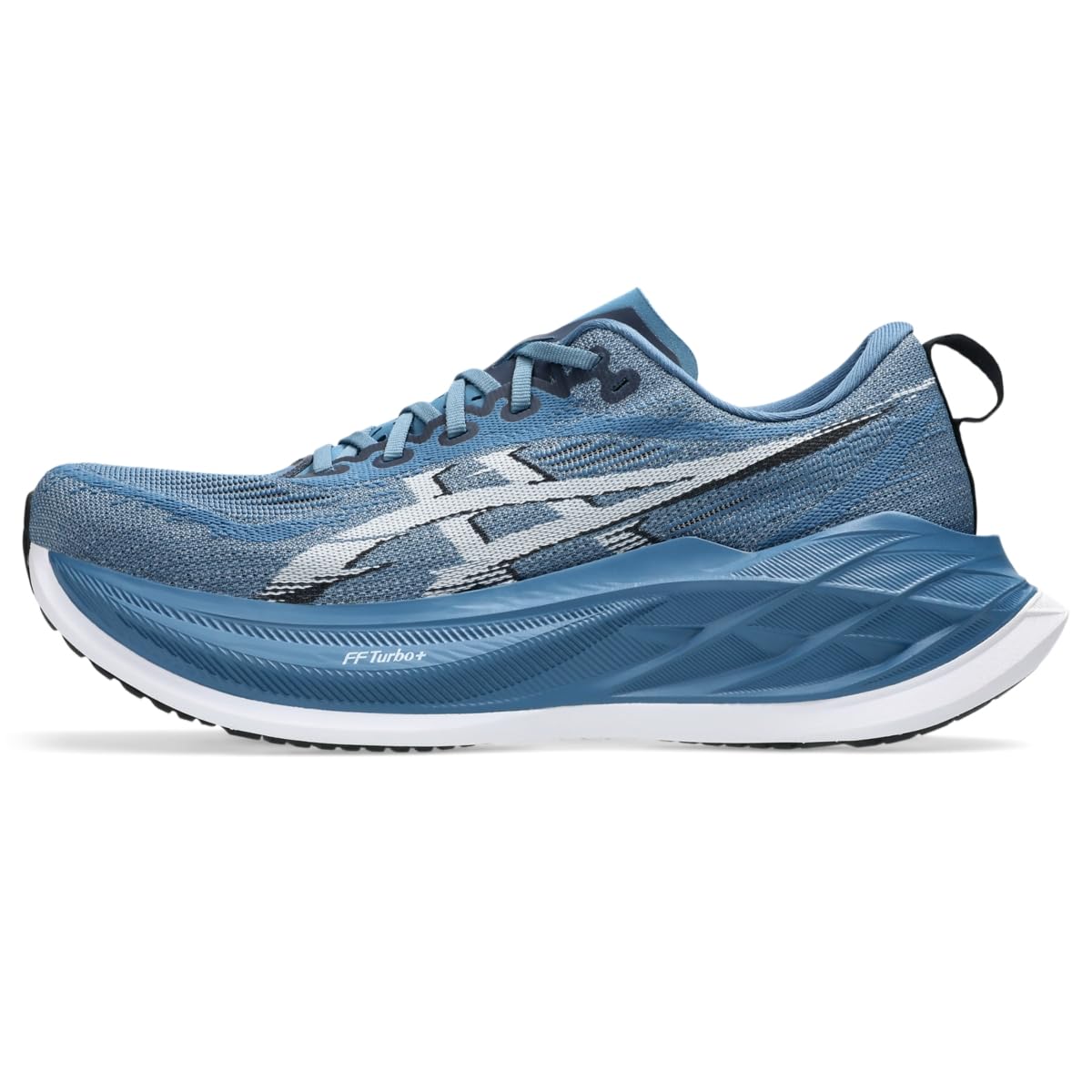
The ASICS SUPERBLAST 2 sits at the intersection of maximum cushioning and responsive energy return, making it the single best option for heavier runners who want one shoe that handles daily training, long runs, and uptempo work. The FF BLAST TURBO midsole — a supercritical foam typically reserved for ASICS racing models — delivers a 45mm stack height that feels pillowy underfoot without that dead, sinking sensation common in cheaper max-cushion shoes. Heavier runners specifically praise the wide platform and neutral stability that prevents ankle rolling, even at slower paces where fatigue sets in.
Durability is a standout feature here. Outsole rubber coverage is generous across the heel and forefoot, and the upper uses a dense engineered mesh that holds its shape without becoming baggy after repeated use. Multiple reviewers with heavier builds and wide feet confirmed that sizing up half a size accommodates toe splay without sacrificing lockdown. The shoe requires zero break-in — it performs exactly how it feels straight out of the box.
At 155 pounds or 220 pounds, the foam behaves consistently. The midsole doesn’t bottom out, and the rocker geometry keeps the stride moving forward efficiently. For the non-elite runner who wants joint protection without sacrificing speed, this is the gold standard.
Why it’s great
- Supercritical TURBO foam holds resilience under high body weight
- Wide, stable platform reduces ankle roll risk on long runs
- Zero break-in period; comfortable immediately out of box
Good to know
- Runs slightly narrow in the midfoot for some wide-footed users
- Upper breathability could be better for hot weather running
2. Hoka Bondi 9

The Hoka Bondi 9 is the category leader for plush, high-stack cushioning that prioritizes impact reduction above all else. The midsole uses Hoka’s thickest foam layup, producing a ride that multiple users describe as “walking on pillows.” For heavier runners with existing joint pain — particularly plantar fasciitis, hammertoe, or knee sensitivity — this shoe provides immediate relief because the foam deforms significantly to absorb shock before it travels up the kinetic chain.
The trade-off for that extreme softness is a reduction in ground feel and responsiveness. The Bondi 9 is not a shoe for interval workouts or fast tempo runs; the foam compresses too much under high force to return energy efficiently. However, for recovery days, long slow distance, or walking, it is unmatched. The outsole uses Zonal Rubber with high abrasion rubber in the heel strike zone, which holds up well under heavier runners who tend to scuff that area first.
Fit is true to size with a notably wide platform under the heel and forefoot. Some users found that wool socks prevented friction issues around the Achilles, and the higher stack height requires a brief adaptation period if you’re coming from a low-profile shoe. The Bondi 9 is a specialist tool: pure cushioning for those who need it most.
Why it’s great
- Exceptionally soft midsole eliminates heel and forefoot pain
- Wide heel platform provides excellent stability for heavier runners
- Durable Zonal Rubber outsole resists flat-spotting
Good to know
- Very soft foam reduces energy return at faster paces
- Higher stack may feel unstable for runners not accustomed to it
3. Brooks Glycerin Max

The Brooks Glycerin Max represents a significant leap forward in the Glycerin line, using a nitrogen-infused DNA LOFT v3 midsole that delivers a high level of cushioning without sacrificing responsiveness. For heavier runners logging serious mileage — marathon training, long weekend runs — this shoe provides a smooth, rockered ride that propels the foot forward rather than letting it sink into the foam. The rocker geometry reduces the load on the metatarsals during toe-off, a common pain point for heavier athletes.
Build quality is exceptional. The upper uses a plush, structured mesh that wraps the foot securely without pressure points, and the outsole rubber is thick enough to withstand hundreds of miles of pavement abuse. Reviewers with knee issues and bunions specifically noted that the Glycerin Max resolved foot fatigue that had persisted for years in other shoes. The shoe runs slightly narrow — users with wide feet may need to order up half a size or opt for the wide width variant.
Durability after three months of daily use showed zero noticeable wear on the outsole or midsole compression lines. This is a premium-priced shoe, but the construction quality and foam longevity justify the investment for runners who intend to put 500+ miles on a single pair.
Why it’s great
- Nitrogen-infused foam provides excellent energy return at heavier weights
- Rocker design reduces metatarsal stress during toe-off
- Outsole rubber shows minimal wear after 90 days of daily use
Good to know
- Runs slightly narrow; wide-footed users should size up
- Premium pricing places it at the top of the budget range
4. Brooks Beast GTS 26
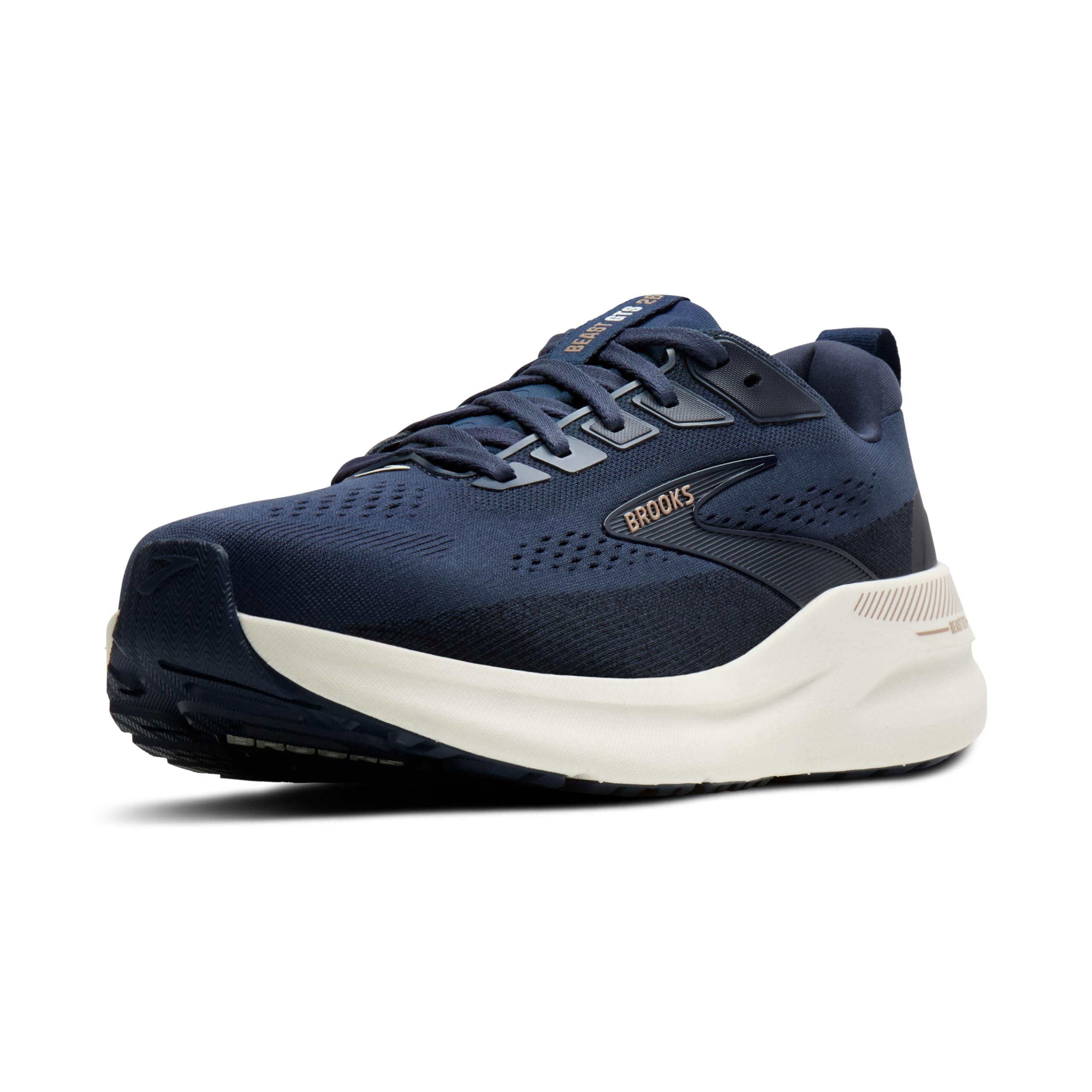
The Brooks Beast GTS 26 is the definitive choice for heavier runners who need maximum stability and a roomy 4E width fit. The GuideRails support system runs along both sides of the heel, providing active guidance that corrects overpronation without the hard medial post found in older motion control shoes. For runners with bunions, very wide feet, or a history of ankle instability, this shoe offers a structured chassis that stabilizes every step.
Comfort is not sacrificed for stability. The DNA LOFT v3 midsole delivers a soft landing that reviewers described as “walking on a cloud,” even for an 84-year-old power walker doing 45-minute daily sessions. The outsole features a wide contact patch with deep flex grooves, which improves traction on both pavement and packed trails. The shoe feels substantial underfoot — it is not lightweight — but that heft translates to confidence for heavier users who need a bombproof platform.
One consistent note from users: the stock laces are 48 inches, which is too short for a secure heel lock on extra-wide (4E) sizes. Swapping to 57-inch laces solves the issue quickly. The upper is well-constructed with reinforced overlays that hold up to daily wear without tearing or stretching out of shape.
Why it’s great
- GuideRails system provides active pronation correction without harshness
- Available in 4E width for very wide feet and bunions
- Extremely durable construction suitable for daily heavy use
Good to know
- Stock laces are too short for heel-lock tie on wide sizes
- Higher weight per shoe; not ideal for speed work
5. New Balance Fresh Foam X More v5

The New Balance Fresh Foam X More v5 is a maximum-cushion shoe that prioritizes a soft, stable ride above all else. The Fresh Foam X compound is engineered to feel plush without collapsing, and the 40mm+ stack height provides substantial impact protection for heavier runners who log significant miles on pavement. Multiple reviewers with medical conditions — sciatica, lymphedema, and post-injury recovery — found that the More v5 eliminated pain during all-day walking and jogging.
The platform is noticeably wider through the midfoot than previous versions, which actively prevents pronation without the need for a rigid medial post. The outsole uses a thick layer of rubber with deep flex grooves that provide traction and durability across varied surfaces. Users noted that the white colorway shows dirt quickly, but the mesh itself remained intact and breathable even after a year of regular use. The ankle fit is accommodating without being loose, and the wide toe box allows natural toe splay during the toe-off phase.
For heavier runners who want a shoe that doubles as an everyday walking shoe and a recovery running shoe, the More v5 delivers consistent comfort. One user purchased four pairs after experiencing zero foot pain during extended walking sessions — a strong signal that the cushioning system works under continuous load.
Why it’s great
- Wide platform actively prevents pronation without rigid posts
- Fresh Foam X maintains softness under heavy, continuous load
- Durable outsole and breathable mesh hold up over months of use
Good to know
- White colorway stains easily and requires frequent cleaning
- Not responsive enough for tempo or interval running
6. ASICS GT-2000 14
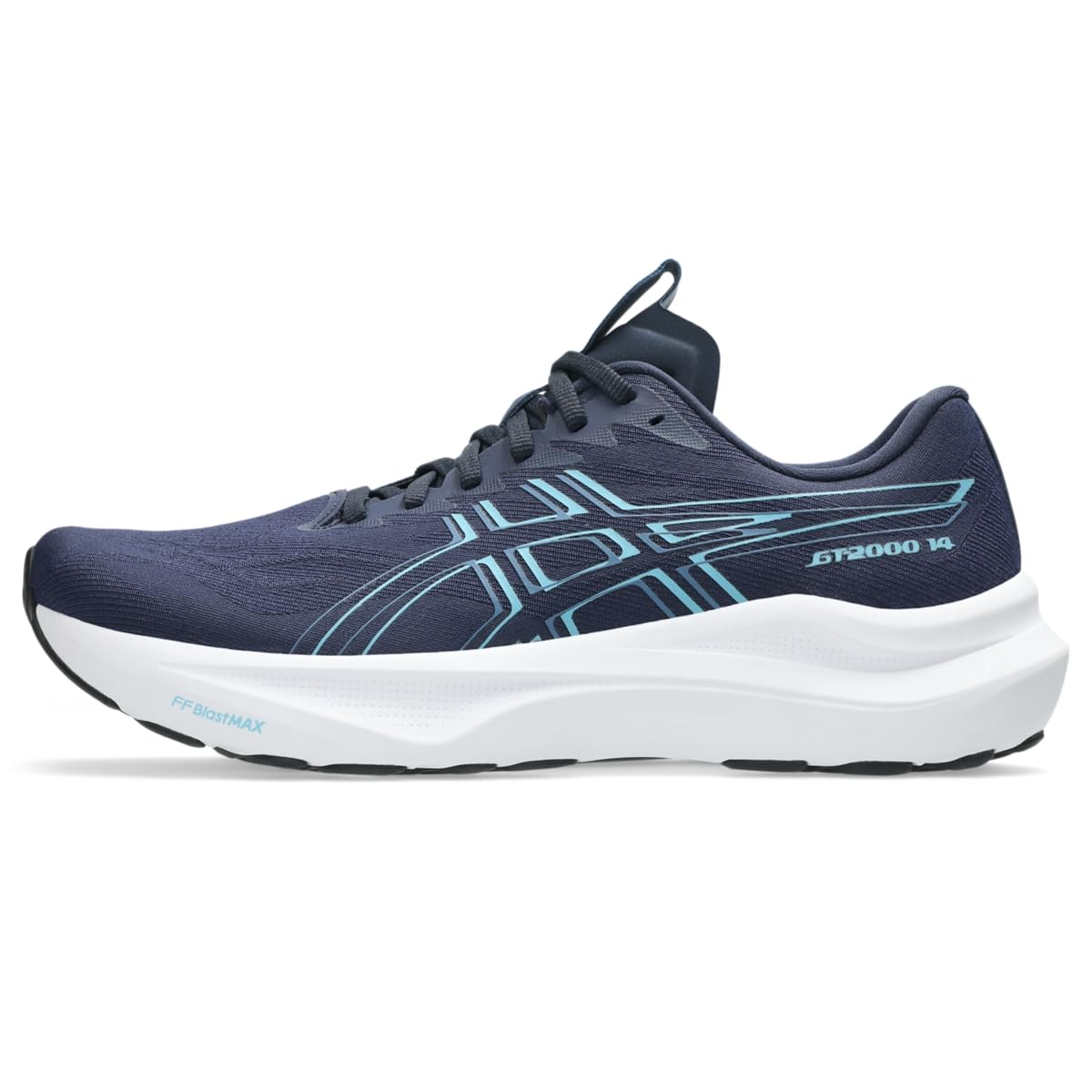
The ASICS GT-2000 14 is a classic stability daily trainer that has been refined over many generations to provide reliable support for mild to moderate overpronation. The LITETRUSS system — a denser foam block on the medial side — gently guides the foot through a neutral gait without the aggressive feel of a hard plastic post. For heavier runners who don’t have severe overpronation but want a structured shoe that keeps the stride aligned, this is a proven workhorse.
The midsole uses a combination of FlyteFoam and FlyteFoam Blast, which balances softness with a slightly firmer ride than max-cushion trainers. That firmness is an advantage for heavier runners because it prevents the foot from sinking too deep into the midsole during the stance phase, maintaining better stability through the push-off. Reviewers consistently report that the GT-2000 keeps them injury-free, with one user noting that replacing older versions every 1-1.5 years eliminated recurring foot problems. The shoe is available in wide widths, which accommodate higher-volume feet without pinching.
The outsole uses AHAR (ASICS High Abrasion Rubber) in high-wear zones, which extends the shoe’s lifespan significantly. After a year of use, users report that the upper material still looks clean and that the midsole hasn’t collapsed. The GT-2000 14 is a no-nonsense stability trainer that performs exactly as advertised.
Why it’s great
- LITETRUSS provides subtle stability without harshness
- FlyteFoam Blast retains structure under heavier loads
- Available in wide widths and extremely durable construction
Good to know
- Not as plush as max-cushion alternatives for recovery runs
- Upper may feel warm during summer runs
7. ALTRA Torin 8
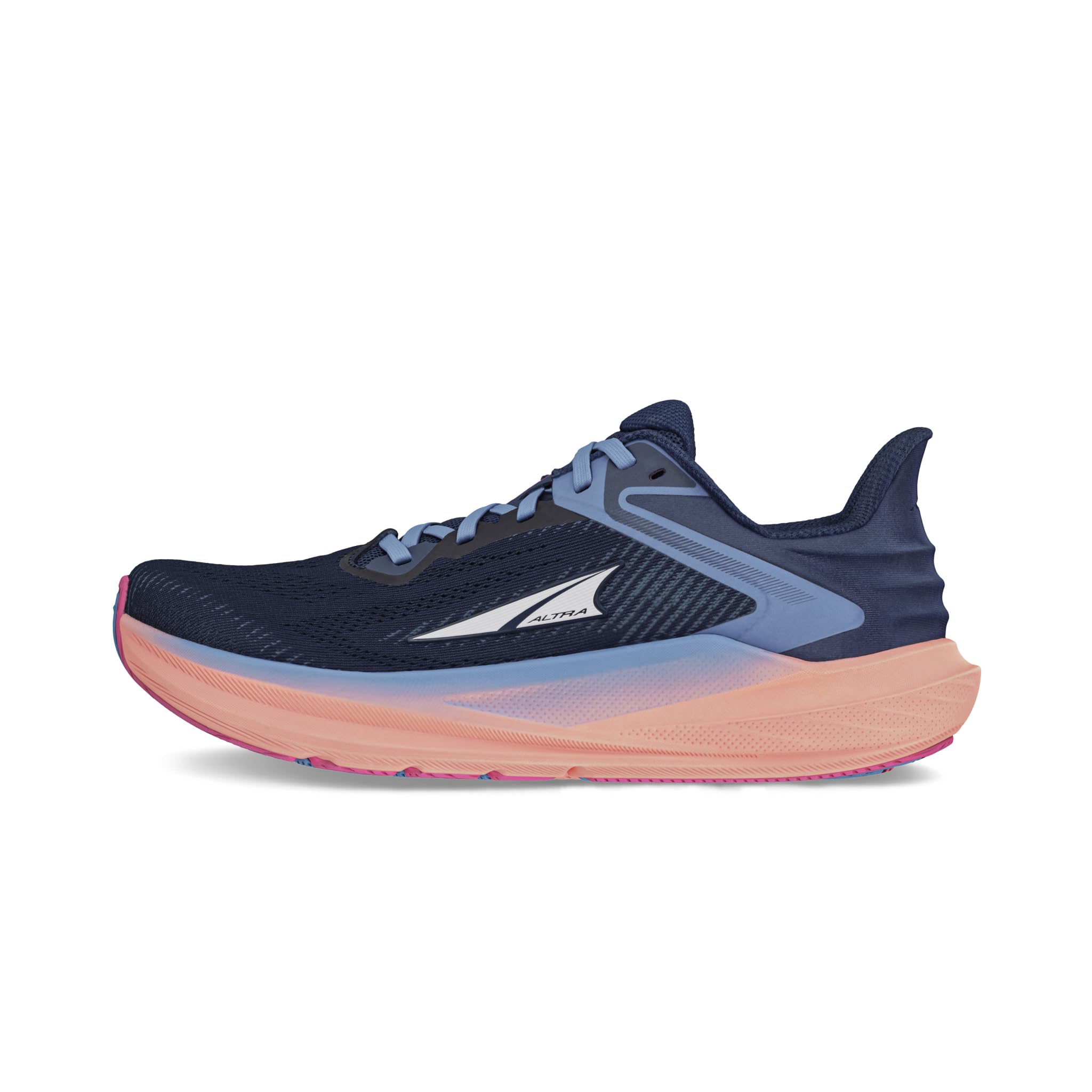
The ALTRA Torin 8 is unique in this lineup because it combines a zero heel drop with a wide, foot-shaped toe box that allows natural toe splay. For heavier runners dealing with Morton’s neuroma, bunions, or general forefoot crowding, the Torin 8 provides relief by eliminating the compression that traditional tapered toe boxes cause. The 30mm stack height is lower than the max-cushion competitors, but the EGO MAX foam is dense enough to provide adequate shock absorption for runners up to 200+ pounds.
Transitioning to a zero-drop shoe requires an adjustment period — the Achilles and calves must adapt to the increased range of motion. However, reviewers who made the switch reported improved gait mechanics and reduced knee and hip pain over the long term. The Torin 8 is the most versatile shoe in the ALTRA lineup, suitable for road running, treadmill workouts, and even casual wear. The upper is breathable and secure, and the lacing system allows for a customized lockdown across different foot volumes.
Durability is solid for a zero-drop shoe. The outsole rubber covers the heel and forefoot adequately, and the midsole shows minimal compression lines after three months of daily walking and jogging. Users who have purchased multiple pairs confirm consistent sizing and performance across iterations. This is a niche pick, but for runners who prioritize foot health and natural movement over sheer plushness, it is a standout choice.
Why it’s great
- Wide, foot-shaped toe box eliminates forefoot crowding and neuroma pain
- Zero drop encourages natural gait mechanics and reduces knee stress
- EGO MAX foam provides adequate cushioning without instability
Good to know
- Zero drop requires an adaptation period for calves and Achilles
- Stack height is lower than max-cushion alternatives
8. Saucony Hurricane 24
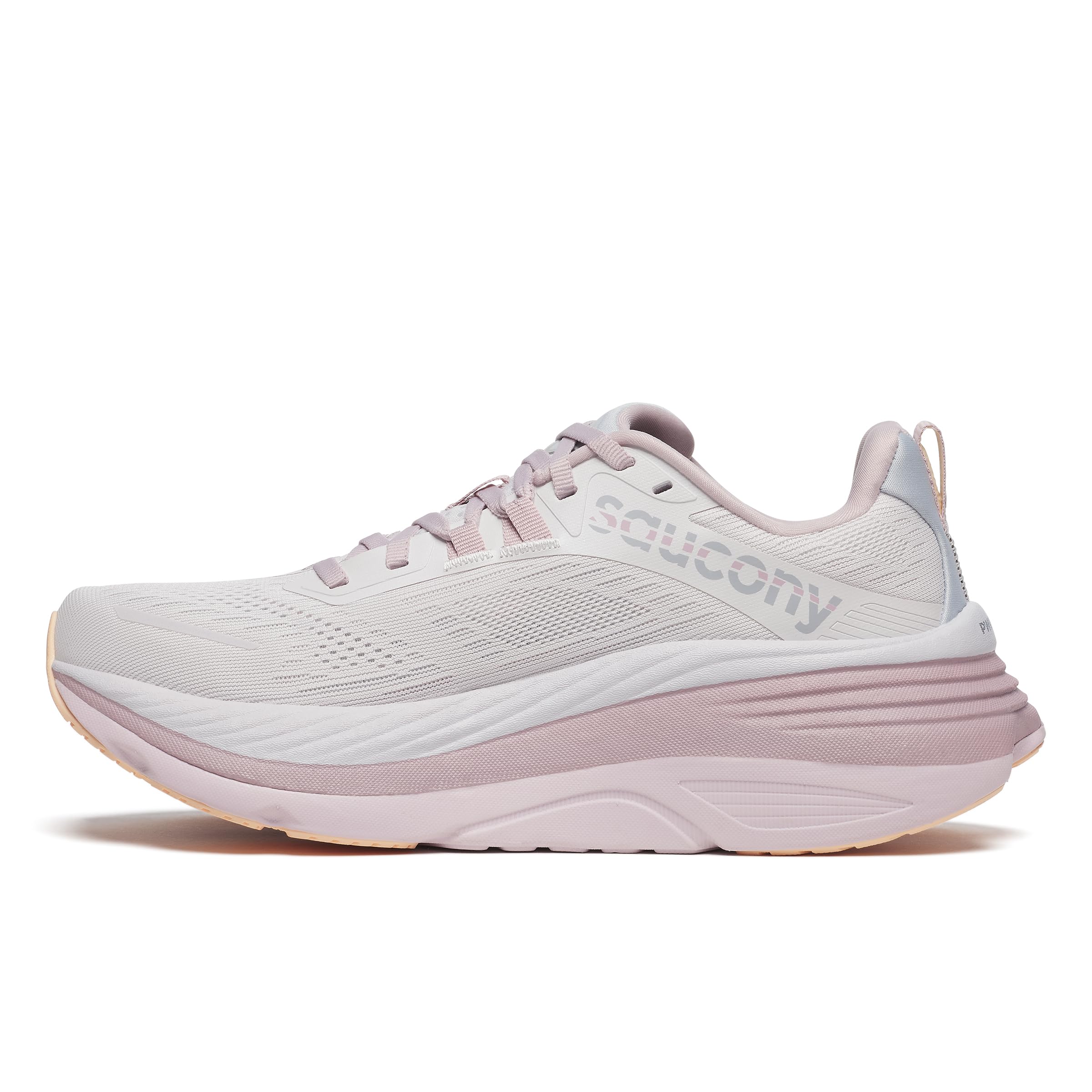
The Saucony Hurricane 24 is a premium stability shoe built with a dual-cushioning approach that targets overpronation and reduces foot fatigue. The CenterPath Technology uses a wider base and a guidance line that keeps the foot centered over the platform through the entire gait cycle. For heavier runners with plantar fasciitis or hammer toe, the Hurricane 24 provides immediate relief by distributing impact forces evenly across the midsole rather than concentrating them on the medial arch.
The cushioning is notably plush — reviewers described it as “walking on clouds” — but the shoe carries weight. At 9.8 ounces, it is heavier than most daily trainers, and some users found that leg fatigue accumulated faster during speed workouts. However, for long, slow runs, recovery days, and extended walking, the weight is a non-issue because the foam absorption reduces perceived effort. The aggressive toe rocker helps maintain momentum without requiring a strong push-off.
Build quality is a mixed bag. The ankle and heel support are excellent, but a handful of users reported fabric issues — the insole color bled onto the mesh, and the reflective strip began detaching after a few weeks. These are not universal issues, but they suggest that quality control may vary between units. For runners who prioritize fit and stability above all else, the Hurricane 24 remains a strong contender.
Why it’s great
- CenterPath Technology keeps the foot centered and stable
- Plush cushioning provides immediate relief for plantar fasciitis
- Aggressive toe rocker aids forward motion without strong push-off
Good to know
- Heavier than most daily trainers; leg fatigue may build during speed work
- Some reports of fabric bleeding and reflective strip detachment
9. New Balance Fresh Foam X 840 v1
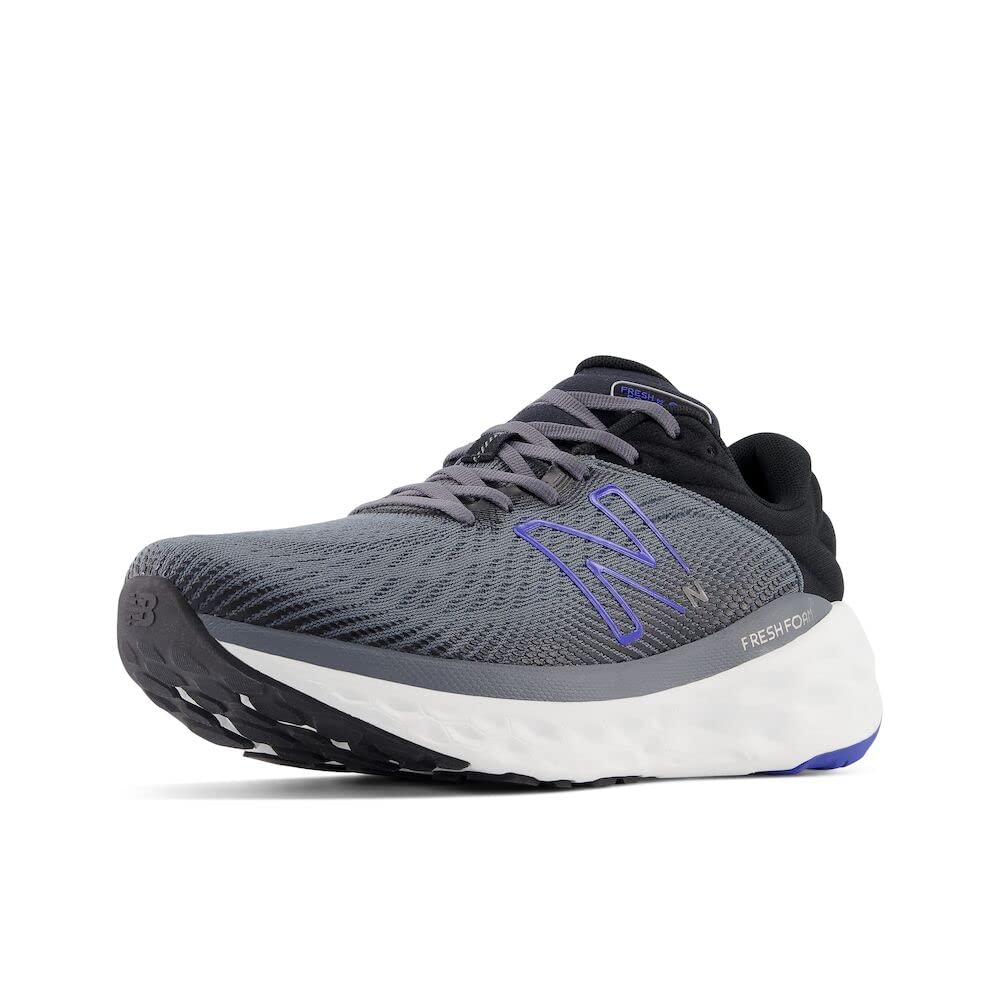
The New Balance Fresh Foam X 840 v1 is a budget-conscious option that delivers quality cushioning for heavier runners who primarily walk or jog at slower paces. The Fresh Foam X midsole provides a comfortable, pillowy feel underfoot that rivals more expensive models, and the roomy toe box accommodates wider feet and diabetic-related nerve sensitivity without compression. Reviewers consistently note that the shoe feels well-made, stable, and surprisingly lightweight for its chunky profile.
The trade-off for the affordable price point is durability and lace quality. Multiple users reported that the shoe developed a squeaking noise after several hours of walking — a sound caused by friction between the insole and the midsole. The fix is simple (powder under the insole), but it is an annoyance that premium models don’t require. The laces are also noticeably short and slippery, requiring a double-knot that is difficult to untie. Replacing the laces with standard 54-inch options solves the issue.
Despite these minor flaws, the 840 v1 offers strong value for entry-level runners or those who need a comfortable walking shoe with good arch support and shock absorption. It runs slightly small — sizing up half a size is recommended — and the wide sole provides a stable platform that prevents ankle rolling during heel strike. For its tier, it punches well above its weight.
Why it’s great
- Fresh Foam X cushioning rivals premium models at a lower price point
- Roomy toe box accommodates wide feet and diabetic sensitivity
- Lightweight and stable with a wide platform for heel strike support
Good to know
- Insoles can develop squeaking; requires maintenance
- Stock laces are short and slippery
FAQ
What stack height is safe for a 220-pound runner?
Should I choose stability shoes or neutral shoes as a heavier runner?
How many miles should I expect from a max-cushion shoe at my weight?
Do I need to size up for wide feet in cushioning shoes?
Final Thoughts: The Verdict
For most users, the ultimate cushioned running shoes for heavy runners winner is the ASICS SUPERBLAST 2 because it combines a 45mm supercritical foam stack with a stable, wide platform that delivers high energy return and joint protection without feeling dead underfoot. If you need maximum pronation correction and a roomy 4E fit, grab the Brooks Beast GTS 26. And for soft, plush recovery runs that eliminate plantar fasciitis and hammertoe pain, nothing beats the Hoka Bondi 9.

Mo Maruf
I created WellFizz to bridge the gap between vague wellness advice and actionable solutions. My mission is simple: to decode the research and give you practical tools you can actually use.
Beyond the data, I am a passionate traveler. I believe that stepping away from the screen to explore new environments is essential for mental clarity and physical vitality.