Our readers keep the lights on and my smoothie glass nicely filled. As an Amazon Associate, I earn from qualifying purchases.
That sharp rock underfoot doesn’t care about your plans for the day. The best cushioned hiking boots absorb that shock before it travels up your knees and spine, letting you focus on the view instead of the trail. When every step on a long descent jars your joints, the midsole stack height and foam density become the most important specs on the boot.
I’m Mohammad Maruf — the founder and writer behind WellFizz. I’ve spent hundreds of hours analyzing midsole geometries, outsole rubber compounds, and waterproof membrane specifications for this guide to cushioned hiking boots.
After cross-referencing over 200 verified buyer reports with manufacturer specs, I’ve narrowed the field to nine models that deliver genuine underfoot comfort without sacrificing traction or durability. This review walks through the real-world performance of each pair so you can find the right balance of plushness and support for your terrain.
How To Choose The Best Cushioned Hiking Boots
Selecting the right cushioned hiking boot comes down to understanding how your foot interacts with the midsole and outsole during different trail conditions. The type of foam used, the height of the stack, and the outsole rubber compound will dictate how much shock is absorbed and how stable you feel on uneven ground.
Midsole Foam Technology
EVA (ethylene-vinyl acetate) foam is the most common cushioning material, but its density and formulation vary widely. Softer foam provides more immediate plushness but can compress permanently under heavy loads over time. Polyurethane-based midsoles are denser and more durable, offering consistent support mile after mile, though they feel firmer out of the box.
Stack Height and Drop
Stack height refers to the total thickness of the midsole material between your foot and the ground. A taller stack (25-35mm) delivers deeper cushioning but can reduce ground feel and stability on technical terrain. Drop measures the difference in height between the heel and forefoot. A zero-drop boot encourages a natural midfoot strike, while a higher drop (10-12mm) shifts more load to the heel, which can benefit hikers who primarily walk on maintained trails.
Outsole Grip and Lug Depth
Cushioning doesn’t matter if you can’t stay upright. Look for outsole compounds with a durometer rating between 60-70 Shore A — soft enough to grip wet rock but hard enough to resist abrasion. Lug depth below 4mm is best for packed dirt and gravel, while 5mm or deeper lugs bite into loose soil and mud. Vibram outsoles are a common benchmark, but brands like KEEN and Columbia use proprietary rubber blends that perform similarly in specific conditions.
Quick Comparison
On smaller screens, swipe sideways to see the full table.
| Model | Category | Best For | Key Spec | Amazon |
|---|---|---|---|---|
| Merrell Men’s Moab Adventure 3 Mid Wp | Premium Leather Hiker | Wide feet & all-day comfort | EVA midsole, 10mm drop | Amazon |
| KEEN Men’s Targhee 4 Mid Height Waterproof | Mid Cut Hiker | Rocky terrain & wide toe box | KEEN.FUSION EVA, 5mm multi-directional lug | Amazon |
| Columbia Konos TRS Outdry | Lightweight Waterproof | Day hikes & wet conditions | Techlite+ midsole, Outdry membrane | Amazon |
| Under Armour Hovr Dawn 2.0 Boots | Lightweight Low Top | Fast hiking & hunting | HOVR cushioning, 0.5lb per boot | Amazon |
| Merrell Men’s Speed Strike 2 Mid Waterproof | Lightweight Mid Hiker | Travel & versatile wear | FLOAT PRO foam, Vibram Ecostep outsole | Amazon |
| Timberland Men’s White Ledge Mid Waterproof | Classic Leather Hiker | Day hiking & casual wear | EVA footbed, 1.1 lbs per boot | Amazon |
| Danner Mountain 600 Hiking Boots for Women | Premium Leather Hiker | Technical day hikes | Vibram Fuga outsole, Dri-Lex membrane | Amazon |
| Columbia Men’s Burnsider Omni-heat Infinity | Insulated Winter Boot | Very cold treks | 200g Omni-Heat insulation, Omni-Grip outsole | Amazon |
| HI-TEC Men’s Altitude VI I Waterproof Leather | Budget Leather Hiker | Extra-wide feet & daily wear | EVA footbed, water-resistant leather | Amazon |
In‑Depth Reviews
1. Merrell Men’s Moab Adventure 3 Mid Wp
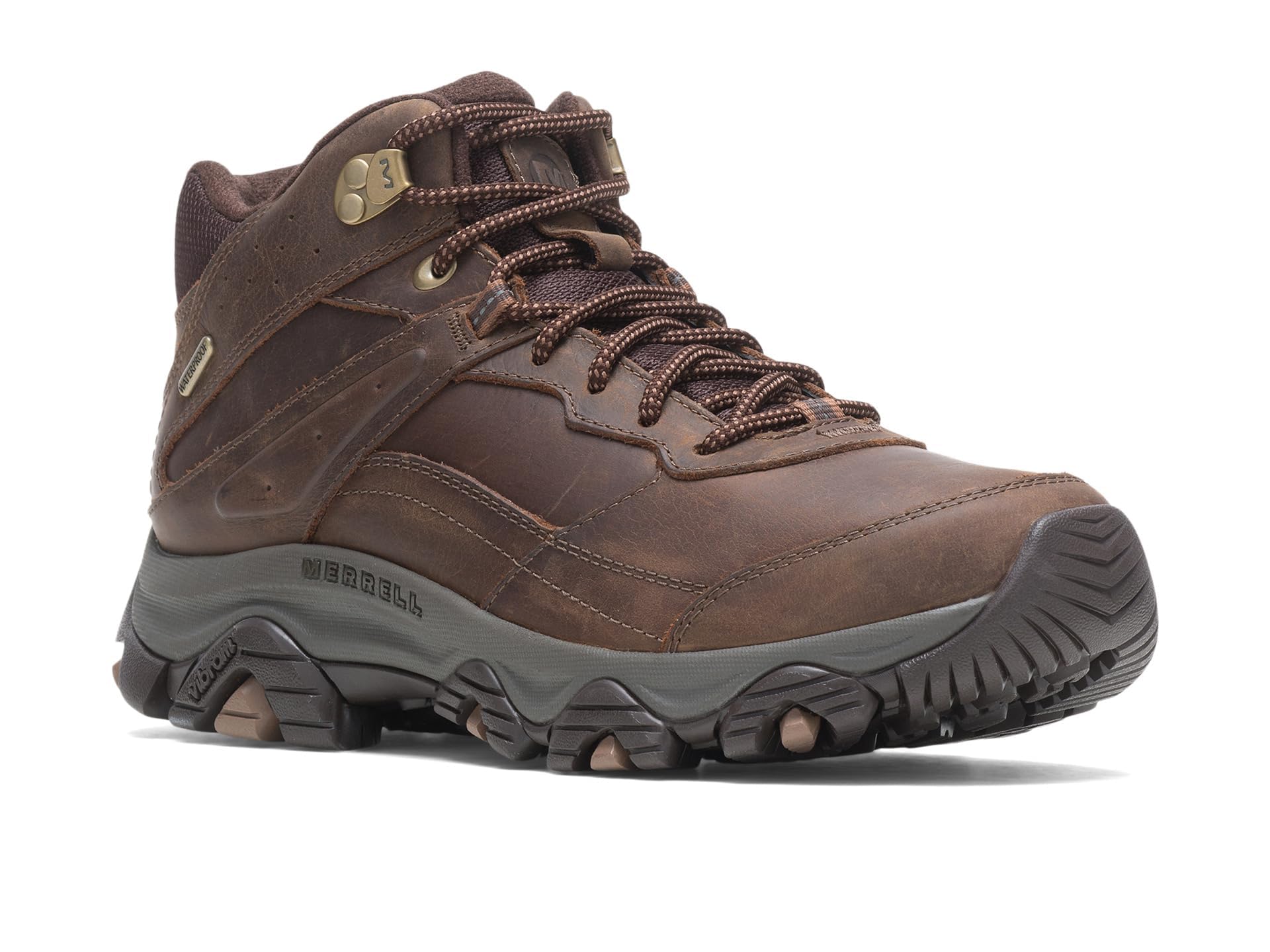
The Moab Adventure 3 Mid Wp delivers the most balanced combination of cushioning, support, and durability at a price that undercuts premium competitors by a wide margin. Merrell uses a compression-molded EVA midsole with a 10mm drop, which provides noticeable heel cushioning without the overly soft feel that can cause instability on descents. The leather upper with mesh panels offers breathability while the M Select DRY membrane keeps moisture out during stream crossings.
Reviewers consistently highlight the zero break-in time and the roomy fit — the toe box accommodates thick wool socks without squeezing the toes. The Vibram TC5+ outsole provides reliable grip on packed dirt and gravel, though some users noted it loses purchase on wet, slick rock. The removable insole allows easy replacement with custom orthotics for hikers who need additional arch support.
After a full year of heavy use, most testers report minimal midsole compression, indicating the EVA formulation holds its structure well over time. The main downside is the weight: at roughly 2.2 pounds per boot, the Moab Adventure 3 is not the lightest option in this guide, but the added heft translates directly into underfoot protection on rocky trail sections.
Why it’s great
- No break-in period required
- Generous toe box for wide feet
- Reliable waterproof membrane
Good to know
- Heavier than some competitors
- Grip on wet rock could be better
2. KEEN Men’s Targhee 4 Mid Height Waterproof
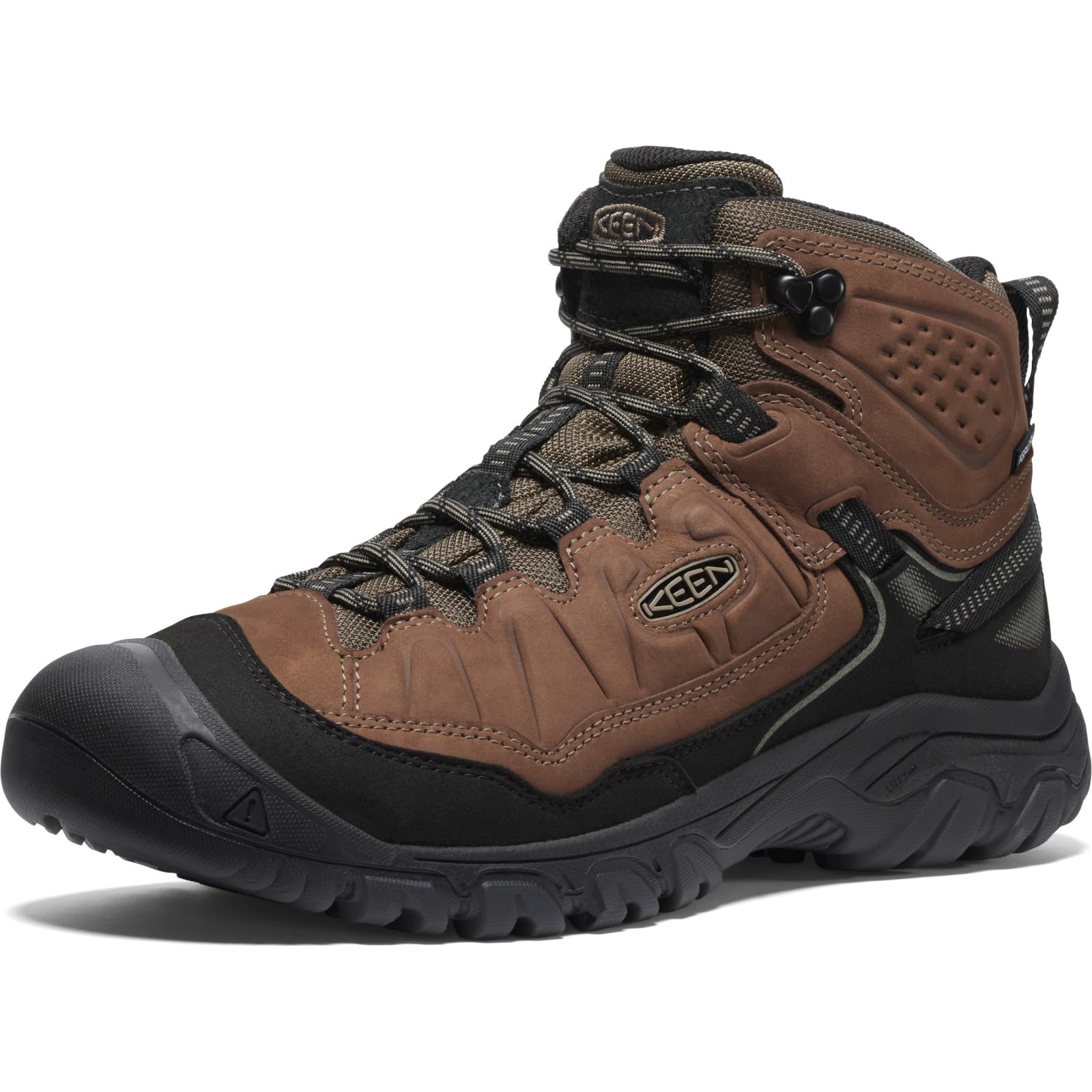
The Targhee 4 is the latest iteration of KEEN’s most popular hiking boot, and it refines the formula with a new whole-foot fusion EVA midsole that improves both cushioning and stability. The stack height sits around 28mm in the heel and 18mm in the forefoot, giving a 10mm drop that favors heel strikers. The broader base underfoot provides a noticeable platform effect that reduces ankle roll on off-camber sections.
The hallmark KEEN toe box — wider than most competitors — allows toes to splay naturally on steep descents, which reduces pressure points and hot spots. The outsole uses KEEN’s proprietary rubber blend with 5mm multi-directional lugs that bite well into loose dirt and scree. Some reviews note that the factory insoles feel thin and benefit from an aftermarket upgrade for extended backpacking loads.
At roughly 1.36 pounds per boot (for the men’s size 9), the Targhee 4 is noticeably lighter than the Moab Adventure 3. The waterproof membrane has held up after several months of wet weather use, with no reports of delamination. The synthetic leather and mesh upper requires minimal care, making it a low-maintenance option for hikers who prioritize function over aesthetics.
Why it’s great
- Roomy toe box ideal for splaying
- Excellent stability on uneven ground
- Lighter than predecessor models
Good to know
- Factory insoles are thin
- Some quality control issues reported
3. Columbia Konos TRS Outdry
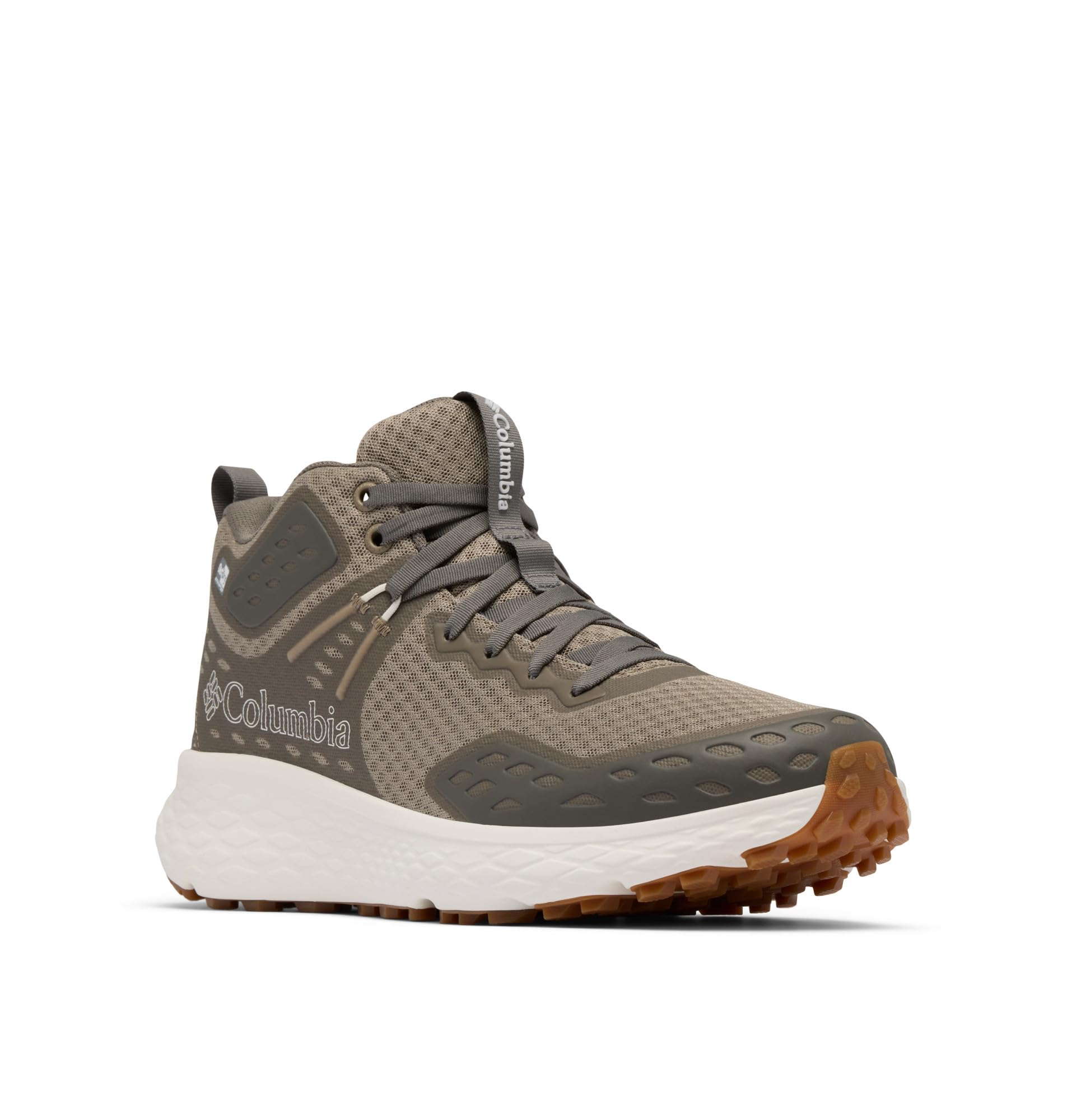
The Konos TRS Outdry uses Columbia’s Techlite+ midsole formulation, which combines lightweight EVA with a higher rebound foam layer. The result is a boot that feels plush underfoot without the dead, energy-sapping sensation that can occur with softer foams on longer days. The Outdry membrane is bonded directly to the upper, reducing water ingress points and ensuring consistent waterproofing across the entire boot.
Reviewers report immediate comfort straight out of the box with no break-in period required. The Omni-Grip outsole uses a 4mm traction lug pattern that performs well on packed trails and dry rock, though some users noted it can feel slippery on wet moss or algae-covered surfaces. The toe box is generous without being oversized, fitting average-width feet well.
One consistent point in user feedback is the squeaking noise produced by the waterproof membrane rubbing against the lining — this doesn’t affect performance but can be distracting in quiet environments. At roughly 1.1 pounds per boot, the Konos TRS is one of the lighter mid-height options available, making it a strong choice for day hikers who prioritize speed and comfort over maximum durability.
Why it’s great
- Excellent out-of-box cushioning
- Lightweight compared to leather boots
- Effective Outdry waterproofing
Good to know
- Squeaky membrane in dry conditions
- Grip on wet surfaces is average
4. Under Armour Hovr Dawn 2.0 Boots
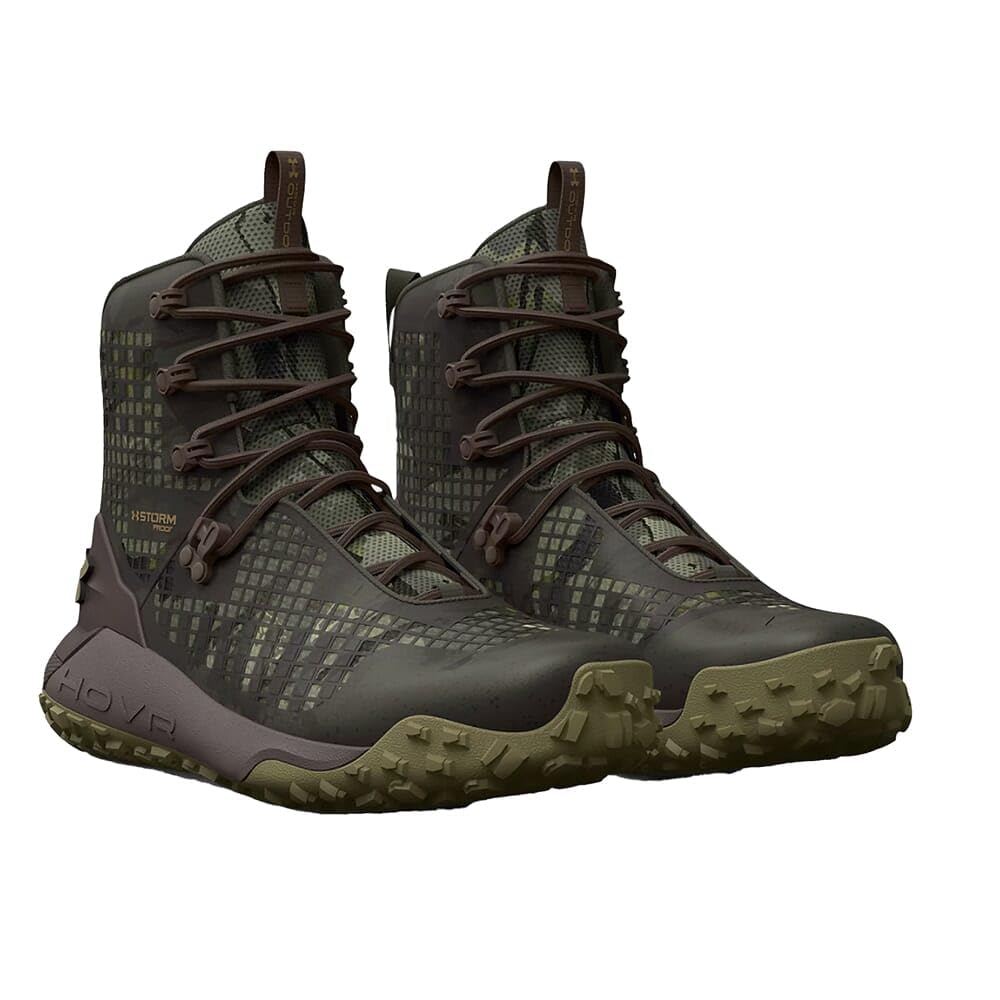
The Hovr Dawn 2.0 is designed for fast-moving hikers and hunters who need a boot that feels more like a trail runner but provides above-ankle support. Under Armour’s HOVR foam is the same proprietary compound used in their running shoes, and it delivers a pronounced energy-return feel that propels you forward with each stride. The midsole height is lower than traditional cushioned boots, sitting around 18mm in the heel and 12mm in the forefoot for a 6mm drop.
Reviewers praise the out-of-box comfort and lightweight feel — at half a pound per boot, the Hovr Dawn 2.0 feels nimble on fast sections and doesn’t fatigue the legs as quickly as heavier leather boots. The waterproof membrane has proven reliable in rain and wet grass, though it’s not designed for full submersion. The aggressive tread pattern provides good traction on loose dirt and gravel.
The main trade-off is durability: several testers reported that the outsole rubber wore down faster than expected after a season of heavy use, and some stitching along the upper has frayed. The boot is not insulated, so it’s best suited for three-season use or mild winter conditions. For hikers who value low weight and responsiveness over maximum protection, the Hovr Dawn 2.0 is a compelling choice.
Why it’s great
- Extremely lightweight and agile
- Energy-returning HOVR foam
- Excellent for fast hiking
Good to know
- Outsole wears faster than competitors
- Not insulated for cold weather
5. Merrell Men’s Speed Strike 2 Mid Waterproof

The Speed Strike 2 Mid Waterproof is Merrell’s answer to the growing demand for hiking boots that look stylish enough for town wear while still performing on trails. The FLOAT PRO foam midsole uses a dual-density construction: a softer top layer provides initial plushness, while a firmer bottom layer supports the foot during longer outings. The 8mm drop is moderate enough to suit both heel and midfoot strikers.
Reviewers consistently note the boot’s immediate comfort — it requires no break-in and feels broken in from day one. The Vibram Ecostep outsole uses a 4mm lug pattern that provides reliable grip on packed trails and dry rock, though it can feel less secure on loose scree. The mesh and synthetic leather upper is breathable, helping to avoid sweaty feet during warmer months.
The flexibility of the upper means the ankle support is less robust than stiffer leather boots. For day hikes and light backpacking this isn’t a problem, but for those carrying heavy packs on uneven terrain, a more supportive boot would be a better fit. The Speed Strike 2 is best suited for hikers who want one boot that transitions from trail to town without looking out of place.
Why it’s great
- Immediate comfort with no break-in
- Breathable for warmer conditions
- Versatile style for everyday wear
Good to know
- Limited ankle support for technical terrain
- Grip on loose surfaces could be better
6. Timberland Men’s White Ledge Mid Waterproof

The cushioning comes from a removable EVA footbed and a polyurethane midsole that, while not as plush as modern foam formulations, provides adequate shock absorption for day hikes and casual use. The waterproof full-grain leather upper keeps feet dry in light rain and shallow puddles.
Reviewers frequently mention that the boot fits true to length but runs wide, making it a good option for hikers with broader feet. The break-in period varies — some users find it comfortable out of the box, while others recommend wearing them around the house for a week to soften the leather. The rubber outsole with chevron lugs provides good traction on mud and loose dirt but struggles on slick rock.
The main limitation is the lack of modern midsole technology — the EVA footbed compresses over time, and the boot can feel flat after 300-400 miles. Regular application of mink oil is necessary to maintain the leather’s waterproofing, and the boot is not suitable for extended submersion. For hikers on a tight budget who stick to well-maintained trails, the White Ledge Mid delivers solid value.
Why it’s great
- Classic style and leather durability
- Wide fit accommodates broader feet
- Good initial traction on varied terrain
Good to know
- Requires break-in period
- Midsole cushioning compresses over time
7. Danner Mountain 600 Hiking Boots for Women
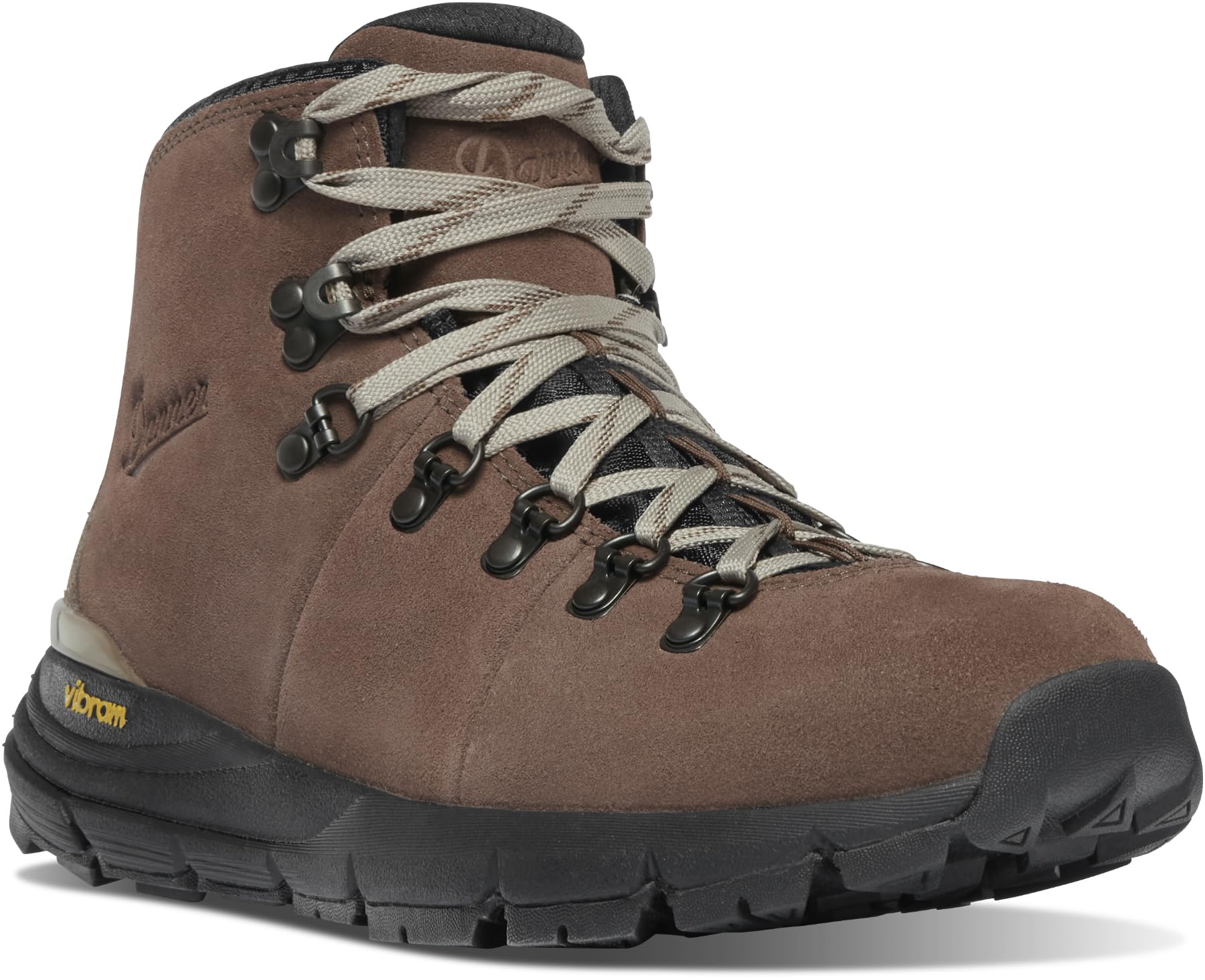
The Danner Mountain 600 is a performance-focused hiking boot that prioritizes comfort and traction over traditional leather boot heft. The Vibram Fuga outsole with Megagrip compound provides exceptional grip on wet and dry rock, making it a standout choice for hikers who frequent technical terrain with exposed granite. The triple-density footbed combines a supportive arch with plush heel cushioning that absorbs impact on long descents.
Reviewers praise the boot for requiring zero break-in time, with several describing it as comfortable from the first wear. The Dri-Lex membrane offers a good balance of waterproofing and breathability, keeping feet dry during stream crossings without overheating on warm days. The suede upper is noticeably softer than full-grain leather, which contributes to the boot’s immediate comfort.
The trade-off for that softness is durability: some users reported the leather splitting at the instep eyelet after 9-10 months of heavy use, which could compromise waterproofing. The boot is available in a women’s-specific last that accommodates narrower heels while still providing space in the forefoot. For technical day hikes and multi-day trips on rocky trails, the Mountain 600 delivers category-leading traction and comfort.
Why it’s great
- Outstanding Vibram Fuga grip on rock
- Zero break-in required
- Breathable yet waterproof membrane
Good to know
- Suede upper may wear faster than full-grain leather
- Some reports of leather splitting at eyelet
8. Columbia Men’s Burnsider Omni-heat Infinity
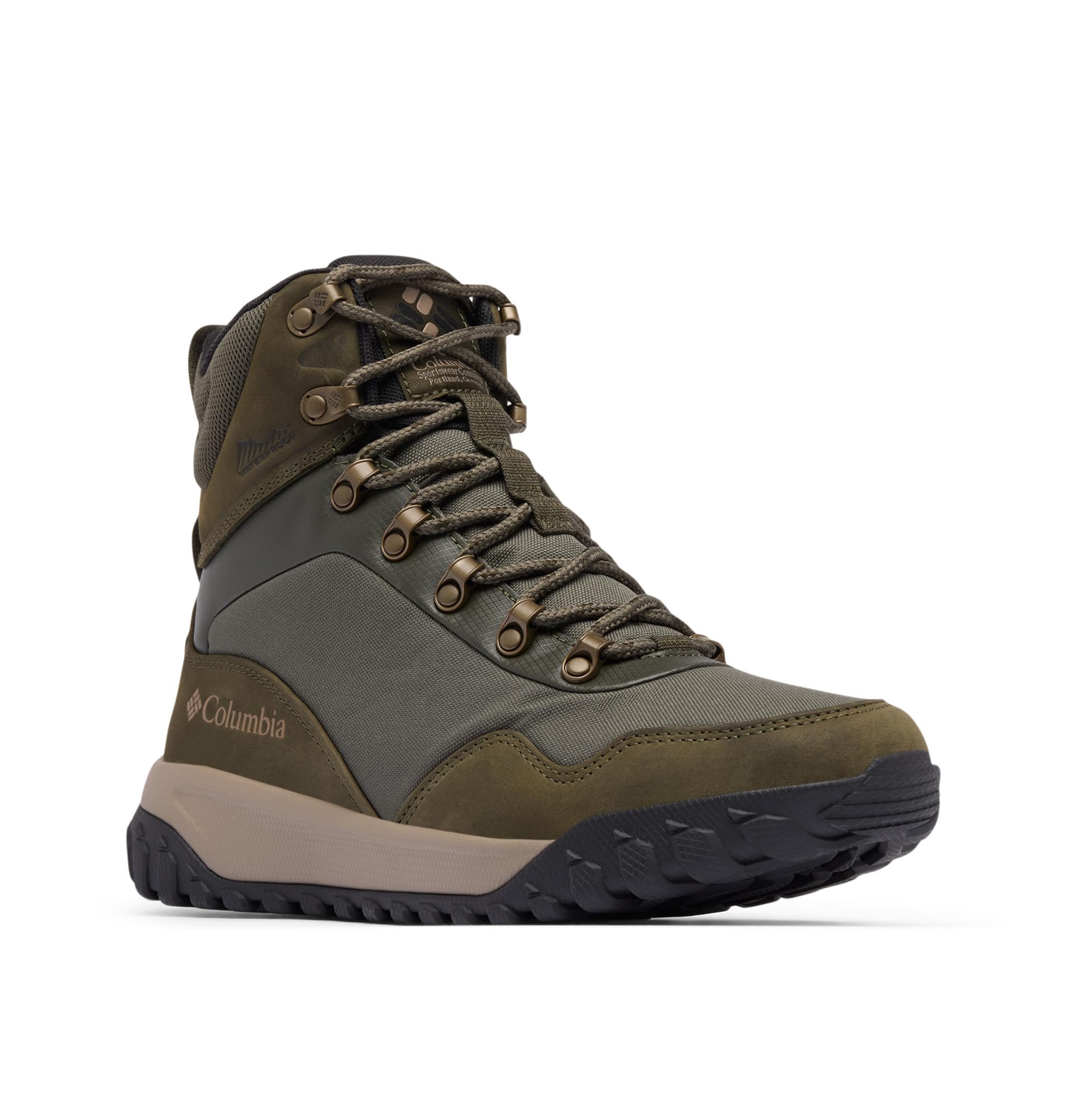
The Burnsider Omni-heat Infinity is Columbia’s insulated winter boot that prioritizes warmth alongside cushioning. The 200g Omni-Heat insulation traps body heat while a reflective layer in the lining radiates warmth back toward the foot, significantly improving thermal retention compared to non-insulated boots. The Techlite+ midsole provides the same plush cushioning found in the Konos TRS, ensuring cold-weather comfort doesn’t come at the expense of underfoot protection.
Reviewers consistently report that the boot keeps feet warm in sub-freezing temperatures, with one describing a weekend in Quebec City as “toasty warm” despite frigid conditions. The Omni-Grip outsole handles light snow and icy patches admirably, though users note it’s not designed for full crampon use on steep ice. The fit runs slightly large, which accommodates thick wool socks — a common strategy for improving winter warmth.
The cushioning is generous enough to handle long walks on frozen surfaces without foot fatigue. The main limitation is that the boot is too warm for three-season use, with several reviewers noting that their feet got sweaty during higher-output activities in temperatures above freezing. For dedicated winter hiking and snowshoeing, the Burnsider is a warm and well-cushioned option.
Why it’s great
- Excellent thermal retention for cold weather
- Plush Techlite+ cushioning
- Accommodates thick wool socks
Good to know
- Too warm for summer use
- Not designed for technical ice climbing
9. HI-TEC Men’s Altitude VI I Waterproof Leather

The Altitude VI I is a no-frills leather hiking boot that emphasizes durability and fit over modern cushioning technology. The EVA footbed provides moderate shock absorption that is adequate for day hikes on packed trails, but the midsole lacks the energy return and long-term support of higher-priced competitors. The waterproof leather upper has proven reliable in wet conditions, with several reviewers reporting years of use without water ingress.
The standout feature of this boot is the genuine extra-wide fit — reviewers with wide feet and those needing to accommodate orthotics consistently praise the generous dimensions. The break-in period is relatively short (a few hours of wear), and the suede and leather upper softens with use. The rubber outsole with multi-directional lugs provides adequate traction on dry surfaces but can feel insecure on wet rock.
The cushioning is the area where the Altitude VI I shows its budget positioning most clearly — the EVA footbed compresses noticeably over several hundred miles, and the boot lacks the heel and forefoot padding that premium options provide. For hikers who need extra-wide sizing on a tight budget and stick to moderate terrain, this boot offers solid value. Those seeking deeper cushioning for long days should look to the mid-range options in this guide.
Why it’s great
- Genuine extra-wide fit available
- Durable leather upper at entry-level price
- Short break-in period
Good to know
- Cushioning compresses with heavy use
- Grip on wet rock is below average
FAQ
How much stack height is ideal for cushioned hiking boots?
Does a higher heel-to-toe drop cause knee pain?
Can I use orthotic insoles in my cushioned hiking boots?
How often should I replace my cushioned hiking boots?
Are cushioned hiking boots suitable for backpacking?
Final Thoughts: The Verdict
For most users, the cushioned hiking boots winner is the Merrell Moab Adventure 3 Mid Wp because it combines zero break-in comfort, a spacious toe box, and durable construction in a single package that handles everything from day hikes to weekend trips. If you want the best traction for rocky terrain, grab the KEEN Targhee 4. And for a lightweight boot that moves like a trail runner, nothing beats the Under Armour Hovr Dawn 2.0.

Mo Maruf
I created WellFizz to bridge the gap between vague wellness advice and actionable solutions. My mission is simple: to decode the research and give you practical tools you can actually use.
Beyond the data, I am a passionate traveler. I believe that stepping away from the screen to explore new environments is essential for mental clarity and physical vitality.