Our readers keep the lights on and my smoothie glass nicely filled. As an Amazon Associate, I earn from qualifying purchases.
Cucumbers are notoriously hungry plants. They gulp nitrogen, crave potassium for fruit set, and demand a steady supply of calcium to ward off blossom-end rot. The wrong fertilizer leaves you with yellowing leaves, bitter fruit, or vines that flower but never fill out. The right one turns a few seeds into a sprawling, productive patch.
I’m Mohammad Maruf — the founder and writer behind WellFizz. I’ve spent hundreds of hours analyzing N-P-K ratios, organic certifications, solubility ratings, and micronutrient profiles to understand exactly what feeds a cucumber vine through every growth stage.
Whether you grow in raised beds, containers, or a hydroponic tower, finding the right support can feel overwhelming. This guide breaks down the five most effective options to help you find the best cucumber fertilizer for your garden setup and growing style.
How To Choose The Best Cucumber Fertilizer
Feeding cucumbers is not a one-size-fits-all calculation. The ideal formula shifts depending on whether your vines are in the vegetative stretch or the fruiting phase. Understanding the label is the first step to avoiding common mistakes like over-feeding nitrogen late in the season, which produces bushy leaves at the expense of actual cucumbers.
N-P-K Ratios: What Cucumbers Actually Need
Cucumbers require a moderate nitrogen level early on for leaf and stem growth, then a higher phosphorus and potassium boost once flowers appear. A ratio around 5-7-3 or 3-4-4 works well for soil gardens. For hydroponic or precision feeding, a water-soluble formula like 8-16-36 allows you to dial in the exact bloom-phase support cucumbers crave. Avoid high-nitrogen lawn fertilizers — they push foliage over fruit.
Organic vs. Synthetic: Readiness and Speed
Organic granular blends like Down To Earth or Espoma Garden-tone feed the soil microbiome slowly, releasing nutrients over weeks. They are forgiving if you apply a little extra and improve long-term soil structure. Synthetic or liquid formulas, such as GT Vegetable Focus or Greenway Biotech, provide immediate uptake — useful for correcting a deficiency fast or for hydroponic systems where microbes are not breaking down organic matter.
Micronutrients and Calcium for Fruit Quality
Cucumbers are susceptible to blossom-end rot, a condition caused by calcium deficiency during fruit set. A fertilizer that includes calcium — either as a listed ingredient or as a separate supplement — dramatically reduces the risk. Chelated micronutrients (iron, zinc, manganese, boron) help the plant actually use the primary nutrients, leading to darker green leaves and firmer fruit.
Quick Comparison
On smaller screens, swipe sideways to see the full table.
| Model | Category | Best For | Key Spec | Amazon |
|---|---|---|---|---|
| Greenway Biotech Cucumber Fertilizer | Water-Soluble | Hydroponic & Precision Feeding | 8-16-36 with chelated micronutrients | Amazon |
| FoxFarm Happy Frog Tomato & Vegetable | Granules | Vigorous Soil Feeders | 5-7-3 with calcium & mycorrhizae | Amazon |
| Growth Technology GT Vegetable Focus | Liquid Concentrate | Container & Hydroponic Gardens | 250mL with 12 essential minerals | Amazon |
| Espoma Organic Garden-tone | Organic Granules | Beginner-Friendly Soil Feeding | 3-4-4 with Bio-tone & 5% calcium | Amazon |
| Down To Earth All Purpose Mix | Organic Granules | Broad Garden & Container Use | 4-6-2 OMRI-listed blend | Amazon |
In‑Depth Reviews
1. Greenway Biotech Cucumber Fertilizer 8-16-36
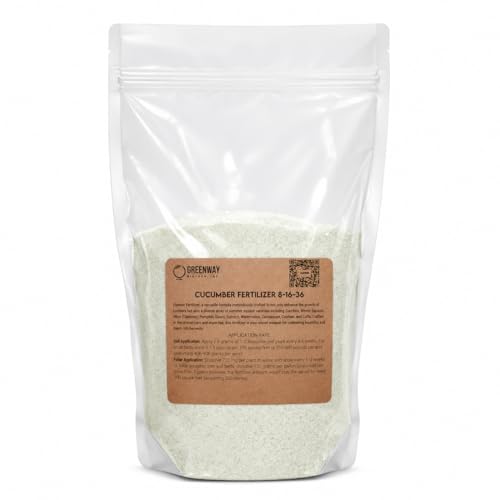
This is the most category-specific formula on the list — Greenway Biotech engineered an 8-16-36 ratio specifically for cucumbers and summer squash. The phosphorus and potassium numbers are notably higher than general vegetable blends, which matches exactly what flowering and fruiting vines demand. The 2-pound bag makes roughly 400 gallons of solution, which translates to a low per-gallon cost despite the initial sticker.
Every scoop delivers chelated iron, manganese, zinc, copper, boron, and molybdenum. These trace elements prevent the pale interveinal chlorosis that shows up when soil pH or root conditions block micronutrient uptake. Users report visibly greener leaves and more flowers within one week of weekly watering. For hydroponic towers, a mix of 60 grams with 60 grams of calcium nitrate in a 20-gallon reservoir is a proven revival recipe.
The powder dissolves fast in warm water with no sediment. It works equally well as a soil drench or a foliar spray. The only real adjustment is to store the bag in a dry, airtight container to keep the powder from clumping during humid seasons.
Why it’s great
- Exact 8-16-36 ratio built for cucumber fruiting
- Works for soil, hydro, and aeroponic setups
- Makes 400 gallons — concentrated value
- Full chelated micronutrient profile
Good to know
- Requires mixing and measuring tools
- Bag can split if shipped roughly
2. FoxFarm Happy Frog Tomato & Vegetable Fertilizer

FoxFarm’s Happy Frog blend uses a 5-7-3 analysis that leans hard into phosphorus for flower and fruit development, which is exactly what cucumbers need once they begin setting fruit. The calcium addition directly targets blossom-end rot prevention — a leading cause of deformed or sunken cucumber ends. Mycorrhizal fungi colonies are also included to expand root surface area for better water and nutrient capture.
The granules are easy to work into the top few inches of soil around each plant. Gardeners report seeing a noticeable difference in fruit set within two weeks, with larger and more uniform cucumbers compared to unfertilized controls. The lack of strong odor is a practical advantage for anyone working in tight spaces or near open windows.
One consideration is that the 4-pound bag covers a smaller garden area compared to the 5-pound boxes in the same price tier. For larger plantings, you will need to buy multiple bags. The price per pound is higher than some organic granules, but the focused nutrient profile justifies the cost for serious home growers.
Why it’s great
- 5-7-3 ratio is ideal for fruiting stage
- Calcium prevents blossom-end rot
- Mycorrhizae boost root efficiency
- Low odor, easy to handle
Good to know
- Smaller bag size for the price
- Best for soil, not hydroponics
3. Growth Technology GT Vegetable Focus
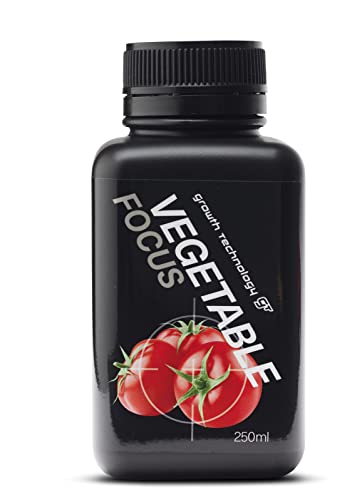
GT Vegetable Focus is a liquid concentrate that supplies all 12 essential minerals including calcium, making it a complete single-bottle feed for container cucumbers or hydroponic reservoirs. The mixing instructions are straightforward — 3 to 5 ml per liter for soil, 5 to 7 ml per liter for hydro. A single 250-milliliter bottle goes a long way, especially for small-space growers with a few plants.
The liquid form absorbs instantly, so you see results fast. Indoor gardeners report faster leaf growth and noticeably larger leaf surface area within days of the first application. The SPT (Specialist Plant Technology) in the formula helps keep minerals in a plant-available form rather than precipitating out of solution, which is a common frustration with cheap liquid feeds.
Some users mention that the original bottle cap can leak during shipping — transferring the concentrate to a squeeze bottle or sealing the cap with tape before shipping solves this. The per-bottle cost feels high for the volume, but the dilution rate is so low that the cost per feeding is competitive with granular options.
Why it’s great
- Complete mineral profile including calcium
- Instant absorption — no waiting for breakdown
- Great for containers and hydroponics
- Low dosage per feeding extends bottle life
Good to know
- Small bottle can leak in transit
- Higher upfront cost per ounce
4. Espoma Organic Garden-tone 3-4-4

Espoma Garden-tone is a time-release organic granular feed with a 3-4-4 analysis and 5 percent calcium, making it a reliable choice for gardeners who prefer a set-and-forget approach. The Bio-tone formula uses beneficial microbes to break down the organic matter, releasing nutrients gradually over roughly one month. That slow release makes it very forgiving — even an accidental double dose is unlikely to burn cucumber roots.
The 3-4-4 ratio is slightly lower in nitrogen than some competitors, which works well for cucumbers during the fruiting phase. Too much nitrogen encourages leafy growth at the expense of female flowers, which are the ones that produce fruit. Garden-tone supports a balanced vine that focuses energy on fruit development without going haywire on foliage.
This pack contains two 4-pound bags, which together match or beat the coverage of single 5-pound bags in the same price tier. The only real downside is the smell — it has a distinct organic compost odor for a day or two after application, though it fades quickly once watered in. For beginning gardeners, this is about as foolproof as organic granular feeding gets.
Why it’s great
- 5% calcium targets rot prevention
- Slow-release formula won’t burn plants
- Two-bag pack delivers good coverage
- OMRI-listed for organic gardening
Good to know
- Noticeable organic smell at first
- Slower results than liquid feeds
5. Down To Earth All Purpose Mix 4-6-2

Down To Earth’s All Purpose Mix combines fish bone meal, blood meal, feather meal, rock phosphate, langbeinite, greensand, humates, and kelp meal into a 4-6-2 formula that feeds the soil as much as it feeds the plant. The higher phosphorus number (6) supports strong root development and early flower formation, which benefits cucumbers during transplant and the first few weeks of growth.
The 5-pound box is a generous size for the price tier, often lasting a home gardener an entire season for a moderate patch of cucumbers and other vegetables. The OMRI listing confirms it meets organic production standards, and the ingredients list is entirely transparent with no fillers. Gardeners note that the granules are fine enough to work easily into potting mix without clumping.
The primary trade-off is the smell — the fish and blood meal give it a strong, earthy odor that lasts several days after application. Digging it into the soil rather than top-dressing helps contain the aroma. For anyone who wants a versatile, multi-species organic feed that also builds long-term soil biology, this is the most economical option on the list.
Why it’s great
- Rich organic ingredient list with no fillers
- 5-pound box covers a full season
- OMRI-listed for organic production
- Gentle 4-6-2 ratio works for transplants
Good to know
- Strong fish/blood meal odor for a few days
- Not suited for hydroponic systems
FAQ
How often should I fertilize cucumber plants during the growing season?
Can I use a tomato fertilizer on my cucumbers?
What does blossom-end rot look like and how do I stop it with fertilizer?
Final Thoughts: The Verdict
For most users, the best cucumber fertilizer winner is the Greenway Biotech Cucumber Fertilizer 8-16-36 because it was formulated specifically for cucumber nutrition with a precise N-P-K ratio and full chelated micronutrients, working equally well in soil, hydroponics, and foliar feeding. If you want a ready-to-use granular option you can sprinkle and forget, grab the Espoma Organic Garden-tone. And for container growers who need fast results from a liquid concentrate, nothing beats the Growth Technology GT Vegetable Focus.

Mo Maruf
I created WellFizz to bridge the gap between vague wellness advice and actionable solutions. My mission is simple: to decode the research and give you practical tools you can actually use.
Beyond the data, I am a passionate traveler. I believe that stepping away from the screen to explore new environments is essential for mental clarity and physical vitality.