Our readers keep the lights on and my smoothie glass nicely filled. As an Amazon Associate, I earn from qualifying purchases.
The difference between a PR and a disappointing finish in a cross country race often comes down to what you have on your feet. Course conditions shift from hard-packed dirt to slick grass to muddy hills within a single mile, demanding a shoe that provides both aggressive traction and a secure, stable platform for the entire race.
I’m Mohammad Maruf — the founder and writer behind WellFizz. I’ve spent hundreds of hours analyzing cross country shoe specifications, comparing spike configurations, outsole rubber compounds, and midsole densities to understand what truly separates a race-ready shoe from a casual trainer.
This guide breaks down the top models so you can confidently choose the best cross country shoes for your next meet, whether you’re chasing a personal best or helping a young athlete find their stride.
How To Choose The Best Cross Country Shoes
Cross country racing places unique demands on footwear that road running simply doesn’t. The constant changes in surface, elevation, and direction mean your shoe must do more than just feel light. Focus on four key areas to find the right pair for your next race.
Spike Configuration: Fixed vs. Removable
Fixed-spike plates use molded nubs that provide consistent grip without maintenance, making them perfect for newer runners or those who race on mixed grass and dirt courses. Removable spike plates let you swap pin length for deep mud or short pins for hard-packed sections. Serious competitors usually prefer removable spikes for their adaptability.
Midsole Cushioning and Drop
Cross country shoes typically use a firmer midsole than road racers to prevent energy loss on soft surfaces. A lower heel-to-toe drop (4mm to 8mm) is common because it encourages a midfoot strike that improves stability on uneven ground. Too much cushion can make you feel disconnected from the terrain, which increases the risk of rolling an ankle.
Outsole Traction and Lug Pattern
Look for aggressive, multi-directional lugs made from durable rubber. Shoes designed for steep hills need deeper chevron-shaped lugs at the heel for braking. Shoes for flat grass courses benefit from wider, shallower lugs that shed mud quickly. The right pattern keeps you driving forward instead of spinning your wheels.
Quick Comparison
On smaller screens, swipe sideways to see the full table.
| Model | Category | Best For | Key Spec | Amazon |
|---|---|---|---|---|
| Nike ZoomX DragOnfly XC Spikes | Spike | Varsity racers on mixed turf | ZoomX foam midsole | Amazon |
| Brooks Draft XC | Spikeless | High school meets on grass | 4mm drop | Amazon |
| New Balance FuelCell XC7 V5 | Spike | Dual track and cross training | FuelCell midsole | Amazon |
| Saucony Peregrine 13 | Trail | Wet, muddy courses | 5mm lug depth | Amazon |
| New Balance Dynasoft Tektrel V1 | Trail | Daily training on dirt | Dynasoft midsole | Amazon |
| Hoka Rincon 4 | Road/Trail | Pre-race jogging and warmups | Flat heel | Amazon |
| The North Face Altamesa 300 | Trail | Long trail runs | High-rebound midsole | Amazon |
In‑Depth Reviews
1. Nike Men’s ZoomX DragOnfly XC Spikes
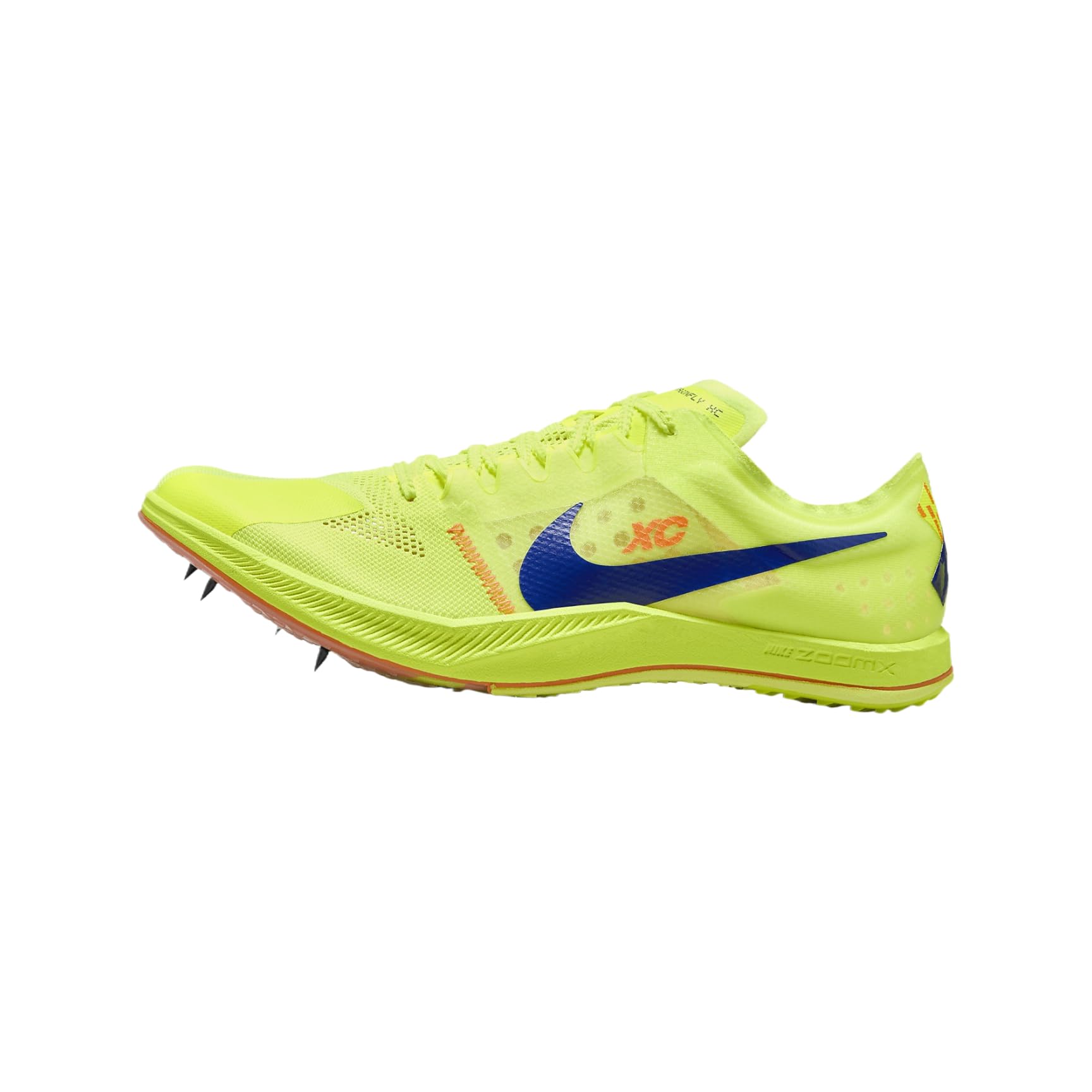
The ZoomX DragOnfly XC is engineered for the starting line, pairing a supercritical foam midsole with a dedicated cross country spike plate. Runners consistently report a responsive toe-off and a secure wrap that keeps the foot locked in during sharp turns on grass. The removable spike system allows you to dial in grip depth for specific course conditions, from short pins on dry turf to longer pins for mud.
Reviewers highlight the exceptional comfort out of the box and the confidence the shoe inspires on mixed-surface courses. One experienced parent noted this is the go-to choice when racing on golf course terrain, while a lighter spike is preferred for manicured courses. The ZoomX foam provides race-day energy return without excessive squish, which helps maintain ground feel on uneven stretches.
A single review reported a material separation at the spike plate after one race, suggesting that durability under heavy, aggressive use may vary. The shoe runs true to size for most buyers, with several noting the fit as “perfect” for their athlete. For serious competitors seeking a spike-ready premium option, this model consistently delivers at the finish line.
Why it’s great
- Snappy ZoomX foam delivers excellent energy return for fast starts
- Removable spike system suits diverse course conditions
- Secure upper keeps the foot stable on tight turns
Good to know
- Spike plate material may separate under very high-intensity use
- Premium-tier investment for dedicated racers
2. Brooks Draft XC Spikeless Supportive Cross-Country Running Shoe
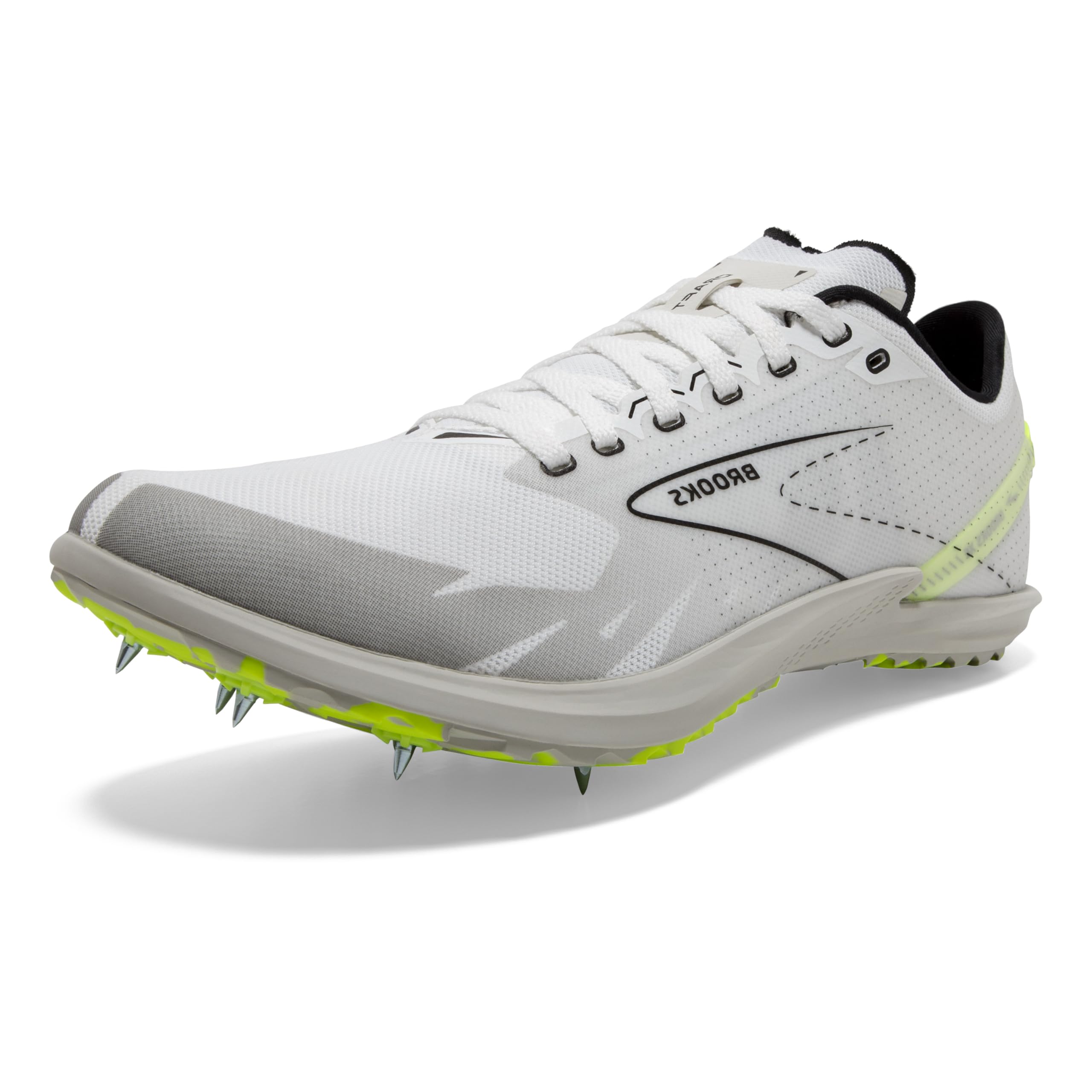
The Brooks Draft XC is a spikeless cross country shoe built for athletes who want reliable traction without the hassle of changing pins. Its low-profile outsole uses aggressive rubber lugs that bite into grass and hard-packed dirt, making it a strong choice for high school meets and practice runs. The 4mm drop encourages a natural midfoot gait, which is particularly beneficial on undulating courses where stability is paramount.
Multiple buyers purchased these for their sons’ cross country seasons and reported they held up well into the following track season. The shoe runs true to size and provides a solid, supportive platform that younger athletes find comfortable for both racing and interval workouts. The spikeless design also means less worry about losing pins or violating course-specific spike restrictions.
The durability appears strong for a full season of practice and meets, with one reviewer noting the same pair carried their athlete through their entire senior year. The shoe is not intended for deep mud — its lug pattern is optimized for dry-to-damp grass and dirt. For a budget-friendly entry-level spike alternative, the Draft XC punches well above its weight.
Why it’s great
- Spikeless design eliminates pin maintenance and rules issues
- Proven durability through a full high school season
- Low 4mm drop supports stable midfoot form
Good to know
- Limited traction in deep or wet mud
- Lightweight feel trades some cushion for speed
3. New Balance Unisex Adult FuelCell Xc7 V5 Cross Trainer Shoes
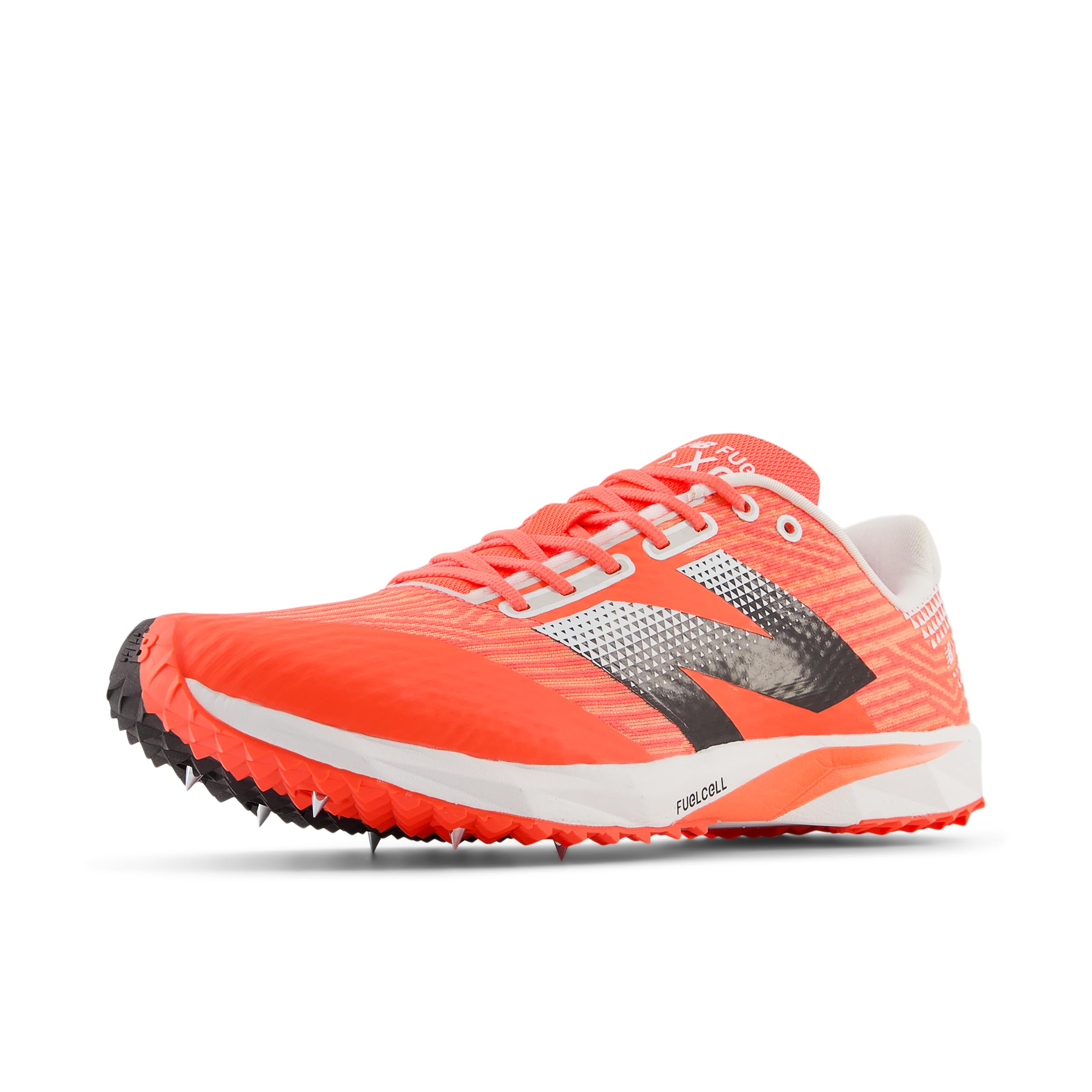
The New Balance FuelCell Xc7 V5 is a spike-ready cross country shoe that doubles as a track flat, giving budget-conscious families one shoe for two seasons. The FuelCell midsole provides a responsive, springy feel that helps maintain turnover on grass and track alike. The removable spike plate lets you use cross country pins during the fall and swap them out for flat rubber plugs during track season.
Parents appreciate the dual-use capability, with one reviewer specifically noting the value of not buying separate shoes for fall and spring seasons. The shoe runs narrow according to some feedback, with one buyer describing it as “very narrow” and another noting the advertised red color appears as bright orange. Sizing is generally true, but athletes with wider feet should consider going up half a size for a comfortable fit.
Several runners found the shoe comfortable right away, and the quality appears solid for the price. A single negative review cited a return dispute, but the majority of feedback points to a functional, well-built shoe for its tier. If you need a single shoe that handles grass, track, and some trail, the Xc7 V5 is a smart choice.
Why it’s great
- Dual-purpose for cross country and track training
- FuelCell foam offers responsive energy return
- Removable spike plate adds seasonal flexibility
Good to know
- Narrow fit may not suit wider feet
- Color shown may differ from the delivered product
4. Saucony Men’s Peregrine 13 Trail Running Shoes

The Saucony Peregrine 13 is a trail-running shoe with a cross country heart, featuring 5mm aggressive lugs that excel in mud, wet grass, and loose dirt. Its lower 28mm heel and 24mm forefoot stack height keeps your foot closer to the ground for better proprioception on uneven terrain. Many cross country runners use the Peregrine as a training companion on sloppy days when spike pins would be impractical or dangerous.
One reviewer completed their first 50k in these shoes, praising the grip and lightweight feel. Another noted they are excellent for grass volleyball, where the low drop prevents ankle rolls. The shoe runs large according to multiple users, so sizing down by half a step may be necessary for a snug race-day fit. The PWRTRAC outsole rubber provides outstanding bite on soft surfaces without being overly stiff.
The trade-off is a firmer ride and less padding than mainstream road shoes, which some runners found less comfortable than cushion-focused brands like Brooks. The right shoe in some pairs reportedly felt tighter than the left, suggesting minor manufacturing inconsistency. For runners who face wet, technical courses, the Peregrine 13 offers race-like traction in a durable training package.
Why it’s great
- Huge 5mm lugs grip deep mud and wet grass
- Low 4mm drop reduces ankle roll risk
- Lightweight and responsive for varied terrain
Good to know
- Firmer ride with less padding than cushioned trainers
- Runs large; half-size down recommended
5. New Balance Men’s Dynasoft Tektrel V1 Suede Trail Running Shoes

The New Balance Dynasoft Tektrel V1 is a durable trail trainer that carries over well to cross country training runs on dirt paths and uneven fields. Its Dynasoft midsole provides a balanced blend of cushion and ground feel, making it suitable for athletes who log high mileage in preparation for race season. The suede upper adds a touch of everyday style that blends into casual wear, but the real story is the traction: one reviewer praised its grip on snow and ice.
Multiple users confirmed the shoe fits true to size and found it comfortable straight out of the box, with one reviewer reporting 7-11 miles of daily walking for eight months without issues. The flexibility and support are appropriate for both walking and easy-paced off-road running. The Tektrel V1 does not have a spike plate, so it is not intended for race-day competition on grass courses.
A single review noted the shoe ran short lengthwise, but that appears to be an edge case rather than the norm. The return process was described as slow for that buyer. For a versatile training companion that handles everything from packed dirt to pavement transitions, the Dynasoft Tektrel V1 is a solid, budget-friendly foundation.
Why it’s great
- Reliable traction on snow, ice, and loose dirt
- Comfortable out of the box for all-day mileage
- Flexible midsole suits daily training volume
Good to know
- No spike plate — not for competition
- Occasional length inconsistency reported
6. Hoka Mens Rincon 4
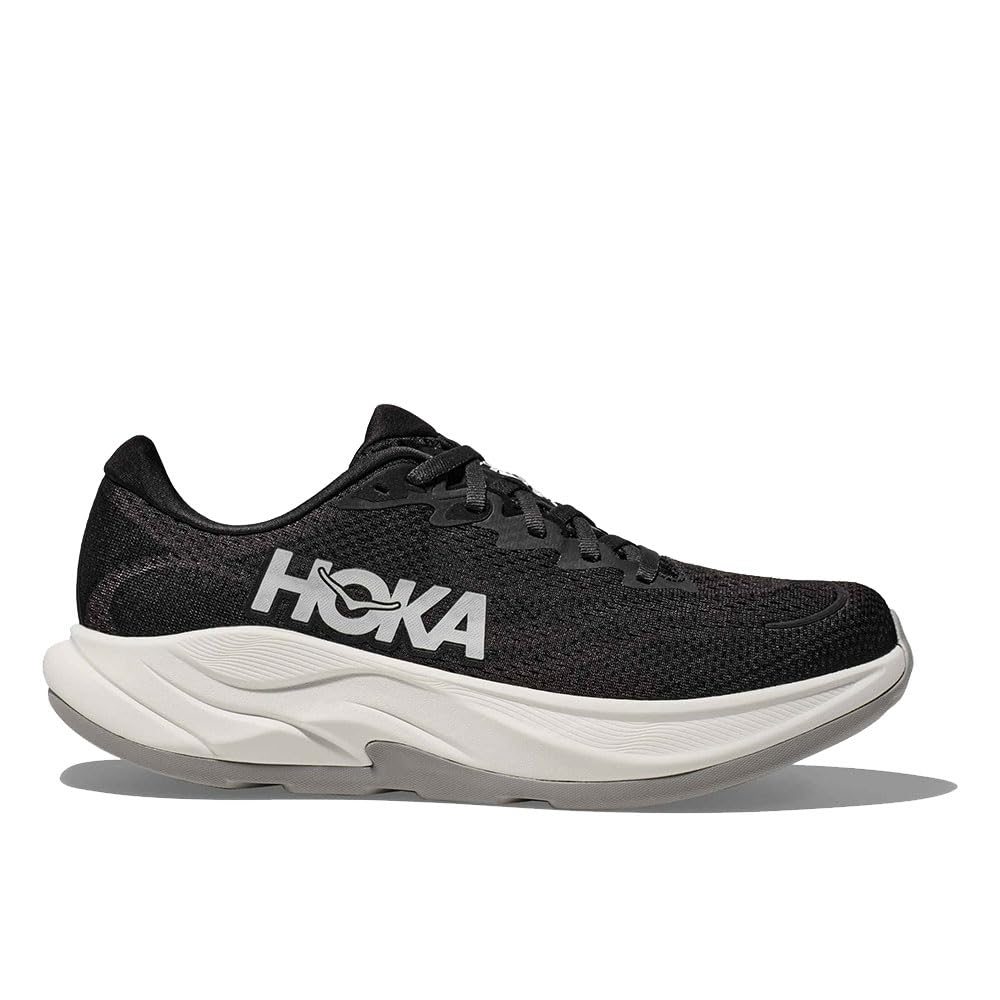
The Hoka Rincon 4 is a lightweight road-running shoe that serves as a pre-race warmup and post-workout recovery option for cross country athletes. Its flat heel geometry and generous cushioning provide a plush, comfortable ride that runners love for easy days and travel. While not designed for grass or trail racing, the Rincon 4 offers a reliable platform for road miles or jogging to the start line.
Users report exceptional comfort with a roomy toe box and no pressure points, making it a favorite for all-day wear during meets or travel. The shoe is less squishy than other Hoka models, which gives it a more stable feel for quicker paces on pavement. Several buyers noted the outsole wears quickly, becoming slippery on wet surfaces after moderate use.
The Rincon 4 is not a replacement for a dedicated cross country spike or trail shoe, but it fills a crucial role in an athlete’s rotation. For pre-race warmups, travel, and recovery days, its lightweight construction and proven comfort make it a worthwhile addition. Pair it with a spike shoe like the Nike DragOnfly for a complete cross country kit.
Why it’s great
- Plush cushioning ideal for recovery and warmup runs
- Lightweight design with a roomy toe box
- Stable ride less squishy than other Hoka models
Good to know
- Outsole wears down and becomes slippery with use
- Not suitable for grass or trail racing
7. The North Face Men’s Altamesa 300 Trail Running Shoe
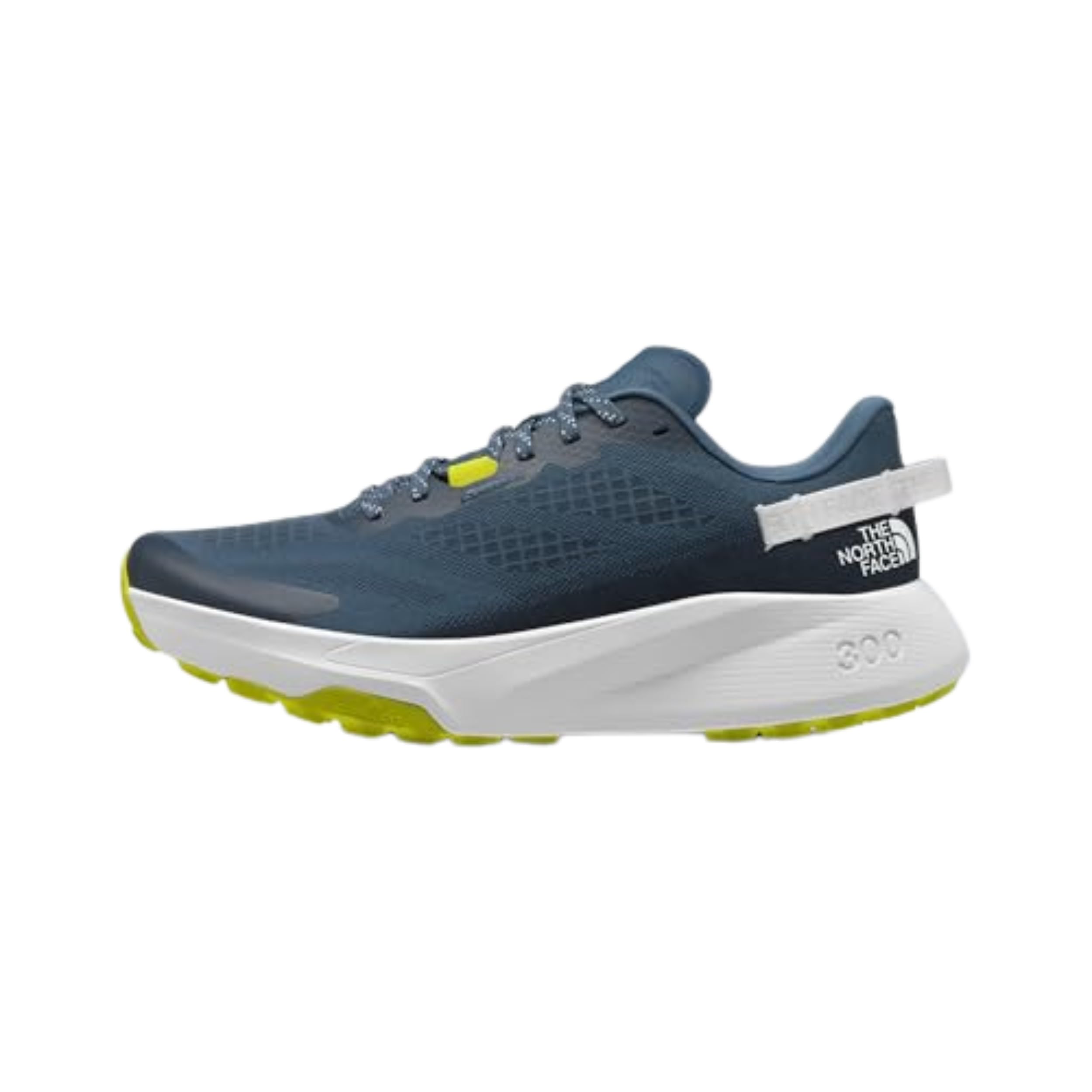
The North Face Altamesa 300 is a lightweight trail runner built for long distances on technical terrain, making it an ideal training shoe for cross country athletes who hit the trails for base mileage. The high-rebound midsole returns energy efficiently on climbs and descents, while the roomy toe box allows the forefoot to splay naturally during the gait cycle. Reviewers consistently praise the grip on dirt and rocky paths, noting it feels sturdy without adding bulk.
One reviewer described it as “Cadillacs” for all-day standing comfort, highlighting the breathable upper and slip-resistant outsole. Another found the shoe highly functional for travel, though the white colorway attracted negative fashion comments in a European city. The Altamesa 300 is not water-resistant, so it is best suited for dry or well-drained trails rather than deep mud.
The shoe is not a cross country competition model — it lacks a spike plate and its deeper tread is optimized for forest trails rather than manicured grass courses. For athletes who need a dependable companion for long training runs on varied terrain, the Altamesa 300 delivers comfort and traction without the weight of a traditional hiking shoe.
Why it’s great
- High-rebound midsole adds pop on hills
- Roomy toe box for natural foot movement
- Excellent grip on dirt and rocky trails
Good to know
- No spike plate — training only
- White colorway shows dirt and may not suit all tastes
FAQ
What is the difference between cross country spikes and track spikes?
Can I use regular trail running shoes for cross country races?
How tight should cross country shoes fit?
Final Thoughts: The Verdict
For most users, the best cross country shoes winner is the Nike ZoomX DragOnfly XC Spikes because its race-ready spike plate and responsive ZoomX foam deliver the fastest feel for competitive meets. If you want a versatile spikeless option that handles grass and dirt without pin maintenance, grab the Brooks Draft XC. And for wet, muddy courses where deep traction is everything, nothing beats the Saucony Peregrine 13.

Mo Maruf
I created WellFizz to bridge the gap between vague wellness advice and actionable solutions. My mission is simple: to decode the research and give you practical tools you can actually use.
Beyond the data, I am a passionate traveler. I believe that stepping away from the screen to explore new environments is essential for mental clarity and physical vitality.