Our readers keep the lights on and my smoothie glass nicely filled. As an Amazon Associate, I earn from qualifying purchases.
The difference between a personal best and a slip in the mud comes down to a few millimeters of spike placement and a plate that doesn’t flex at the wrong moment. Cross country terrain shifts every stride—from wet grass to loose gravel to hard-packed dirt—and your shoes must adapt instantly or you lose seconds. The foam compound, the spike configuration, and the upper’s drainage all determine whether you float over the course or fight it.
I’m Mohammad Maruf — the founder and writer behind WellFizz. I’ve spent hundreds of hours analyzing spike plates, outsole lugs, midsole foams, and real-runner feedback across dozens of cross country racing shoes to separate marketing promises from true race-day performance.
If you are hunting for the fastest, most reliable footwear for uneven terrain, this guide breaks down every critical spec so you can confidently choose the best cross country racing shoes for your next meet.
How To Choose The Best Cross Country Racing Shoes
Cross country racing demands a shoe that balances aggressive traction with a lightweight build. Unlike road racers, you need a spike plate that bites into soft turf without slowing you on hard pack. The right shoe matches your local course conditions, foot strike, and preferred spike length.
Spike Plate Stiffness and Configuration
A rigid plate maximizes energy return on firm ground but can feel harsh on rocky sections. Flexible plates offer more surface contact on uneven terrain but may sacrifice snap. Most cross country spikes use a Pebax or Pebax-blend plate with four to six spike receptacles—more spikes provide better grip in deep mud, fewer spikes reduce weight for shorter races.
Midsole Foam and Stack Height
Lower stack heights (around 15-20mm) keep you closer to the ground for better proprioception and stability on cambered turns. Softer foams like ZoomX or FuelCell absorb shock but can feel unstable on steep downhills. Firmer foams like Kinvara’s PWRRUN offer a more direct ground feel at the cost of some comfort.
Upper Fit and Drainage
Wet grass and puddles are inevitable. Look for thin, mesh-like uppers that shed water quickly and avoid heavy overlays that retain moisture. A secure heel lock and midfoot wrap prevent lateral slippage during sharp turns. Some shoes use welded overlays for structure without adding weight.
Quick Comparison
On smaller screens, swipe sideways to see the full table.
| Model | Category | Best For | Key Spec | Amazon |
|---|---|---|---|---|
| Nike ZoomX DragOnfly XC | Mid-Range | Mixed surfaces | ZoomX foam + spike plate | Amazon |
| Saucony Endorphin Pro 4 | Premium | Race-day speed | Speedroll + carbon plate | Amazon |
| Brooks Hyperion Elite 5 | Premium | PR attempts | DNA Gold + carbon plate | Amazon |
| Nike Zoom Victory XC 5 | Premium | Hard-pack courses | Pebax plate + 5 spike receptacles | Amazon |
| Nike Vaporfly 3 | Premium | Lightweight speed | ZoomX + carbon fiber plate | Amazon |
| Nike Structure 26 | Mid-Range | Stability-focused training | Supportive frame + heel crash pad | Amazon |
| New Balance FuelCell Supercomp Trainer V3 | Mid-Range | High-mileage training | Energy Arc plate + FuelCell foam | Amazon |
| Saucony Kinvara 16 | Mid-Range | Low-stack feel | PWRRUN foam + 22mm stack | Amazon |
| Nike Zoom Rival XC 6 | Mid-Range | Entry-level value | Spike plate + 4 spike receptacles | Amazon |
In‑Depth Reviews
1. Nike ZoomX DragOnfly XC Spikes

The DragOnfly XC uses the same bouncy ZoomX foam found in Nike’s top marathon racers but pairs it with a dedicated spike plate for off-road grip. That combination gives you a soft, energetic ride underfoot while still biting into turf and dirt. Runners report great comfort and a secure fit that feels true to size, making it a favorite for athletes who race across both manicured courses and rougher mixed terrain.
One review noted that on a well-groomed cross course they prefer the lighter regular DragOnfly spikes, but for everyday mixed-surface training and racing this version provides better foot protection and a more versatile outsole. The midsole absorbs shock from rocky patches without sacrificing the responsive feel needed for fast starts and sharp turns.
A single report of the sole material peeling after one race raises a durability flag for the most aggressive buyers. Most owners, however, report no issues across a full season and praise the balance of cushion and traction at this price point.
Why it’s great
- Versatile spike plate handles turf, dirt, and gravel
- ZoomX foam delivers soft rebound without losing ground feel
- Secure, true-to-size fit praised by most runners
Good to know
- One report of sole peeling at the spike area after one race
- Heavier than dedicated spike-only models
2. Saucony Endorphin Pro 4
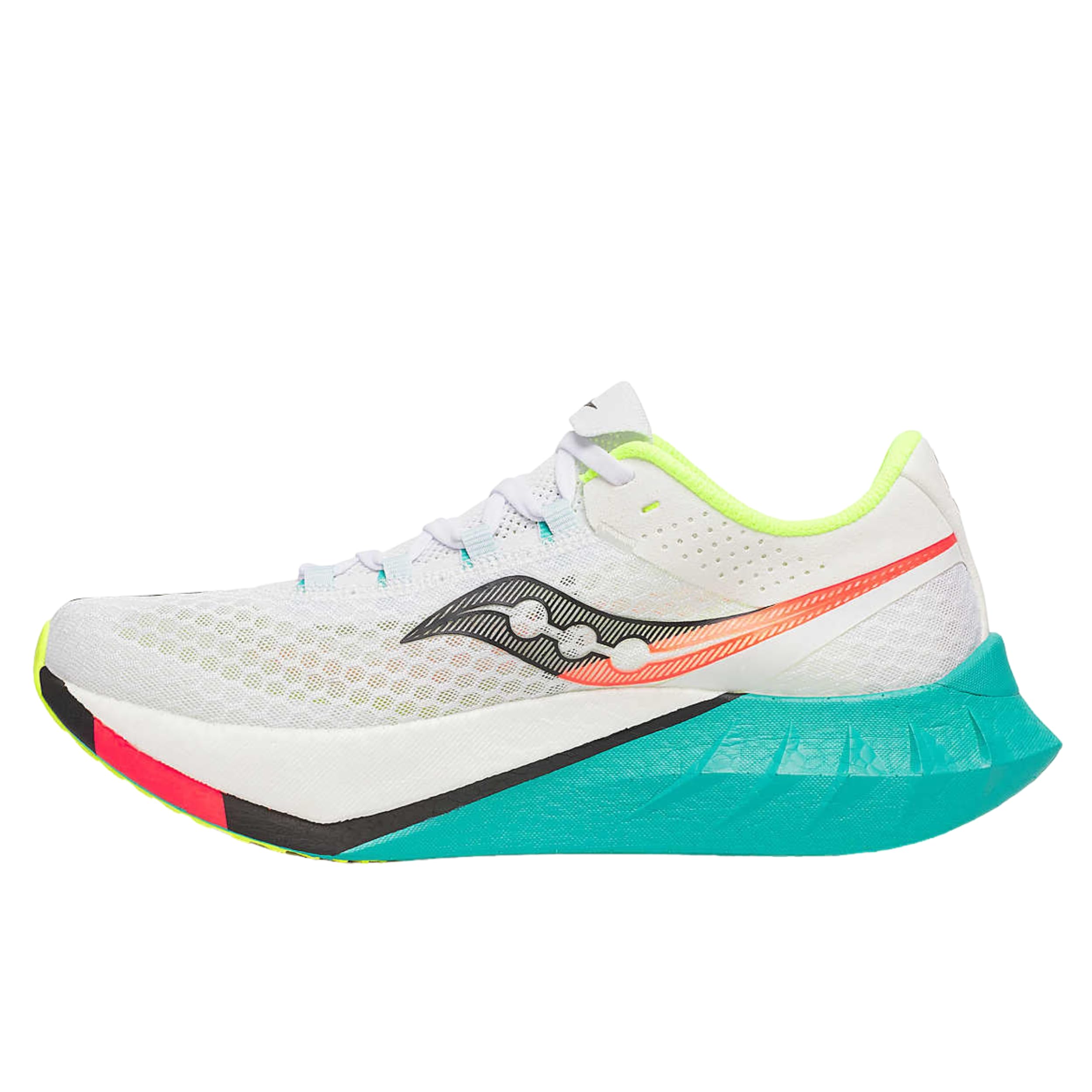
The Endorphin Pro 4 is a premium race shoe built around Saucony’s Speedroll rocker and a full-length carbon plate. Designed primarily for road racing, its aggressive forward geometry makes it a strong option for firmer cross country courses where you want maximum energy return. Multiple owners call it their go-to daily trainer and race shoe, reporting durability up to 400 miles with the same responsive feel.
The Speedroll technology encourages a quick toe-off that translates directly to faster turnover on straightaways. Runners praise the lightweight build and perfect fit, though some note the heel wing tips can wear down over time. The shoe runs true to size and offers excellent stability for a carbon-plated model, making it approachable for athletes who haven’t used super shoes before.
For cross country specific use, the outsole lacks aggressive lugs, so it performs best on hard-packed dirt or grass rather than deep mud. Owners who want a more cushioned but less expensive alternative compare it favorably to the Endorphin Elite, making it a smart value in the premium tier.
Why it’s great
- Speedroll rocker encourages fast turnover and forward momentum
- Carbon plate delivers high energy return for race-day efforts
- Long-lasting midsole foam holds up through hundreds of miles
Good to know
- Outsole lugs are mild, not ideal for deep mud or loose gravel
- Heel wing tips may erode with extended use
3. Brooks Hyperion Elite 5
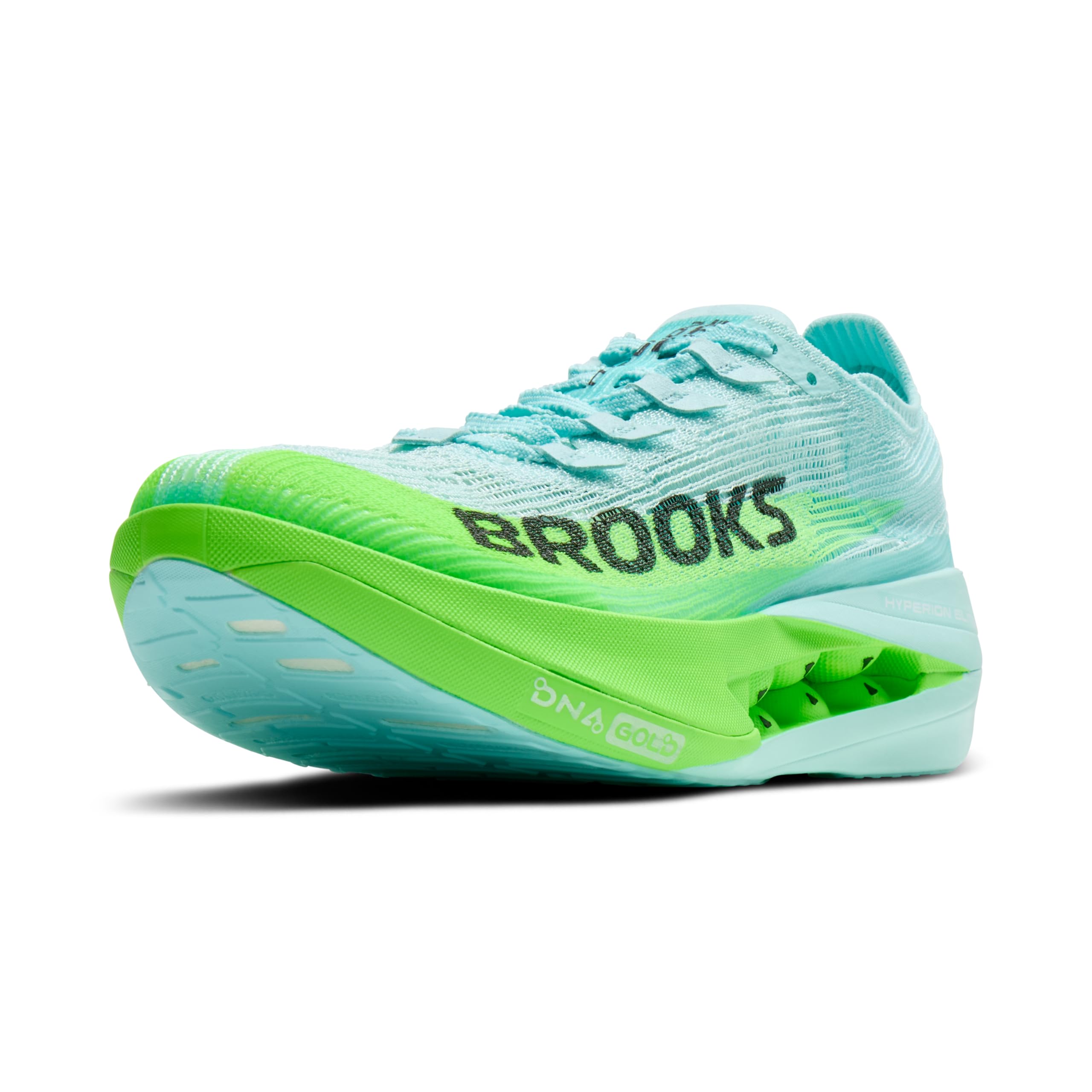
The Hyperion Elite 5 is a strict race-day shoe meant for athletes chasing personal records. It features Brooks’ DNA Gold foam and a carbon fiber SpeedVault Race+ plate that together create a springy, propulsive ride. Owners report immediate speed improvements—one 58-year-old runner dropped 30-45 seconds per mile compared to their daily trainer during a half marathon in snow.
The shoe’s narrow heel and aggressive forward geometry enforce proper form but can be uncomfortable for runners with wider feet. Multiple reviews advise ordering a half size up or seeking the wide version if available. The upper uses a lightweight, breathable mesh that sheds water well, though some found the plastic-mesh construction cheap-feeling and the oversized box disappointing.
On grass and snow the outsole traction proved excellent, but the shoe slipped on wet pavement. For cross country use, it excels on soft turf and dirt where you need a combination of lightweight speed and midfoot stability. It is not built for casual jogging or daily training—its purpose is to shave seconds off race time.
Why it’s great
- Carbon plate and PEBA foam create a highly responsive race-day feel
- Excellent traction on grass and snow during wet conditions
- Noticeable pace improvement reported by multiple competitive runners
Good to know
- Narrow heel and upper not suitable for wide feet without sizing up
- Outsole grip is weak on wet pavement and smooth surfaces
4. Nike Zoom Victory XC 5

The Zoom Victory XC 5 is a dedicated cross country spike built for speed on firm courses. Its Pebax plate is stiff and responsive, giving you direct power transfer with every stride. The five-spike configuration provides ample grip for hard-packed dirt and short grass, while the low-profile design keeps your foot close to the ground for superior cornering stability.
Buyers consistently praise the fit and comfort, with many recommending ordering a half size down for a locked-in feel that prevents heel slip during sharp turns. The spike receptacles accept standard 1/4-inch cross country spikes, and the plate is designed to hold them securely through repeated races. Some owners were disappointed that spikes were not included in the box, so account for that when budgeting.
A few users mistakenly bought these for sprinting and were unhappy, but for cross country distances from 5K to 10K the Victory XC 5 is a proven performer. The upper is thin and breathable, making it one of the lightest options in this list, though that minimal construction means less protection from debris and moisture.
Why it’s great
- Stiff Pebax plate provides efficient power transfer on hard ground
- Five-spike setup offers excellent grip for firm turf and dirt
- Lightweight, low-profile design enhances cornering stability
Good to know
- Spikes are not included with purchase
- Thin upper offers minimal protection from wet grass and debris
5. Nike Vaporfly 3 Racing Shoes
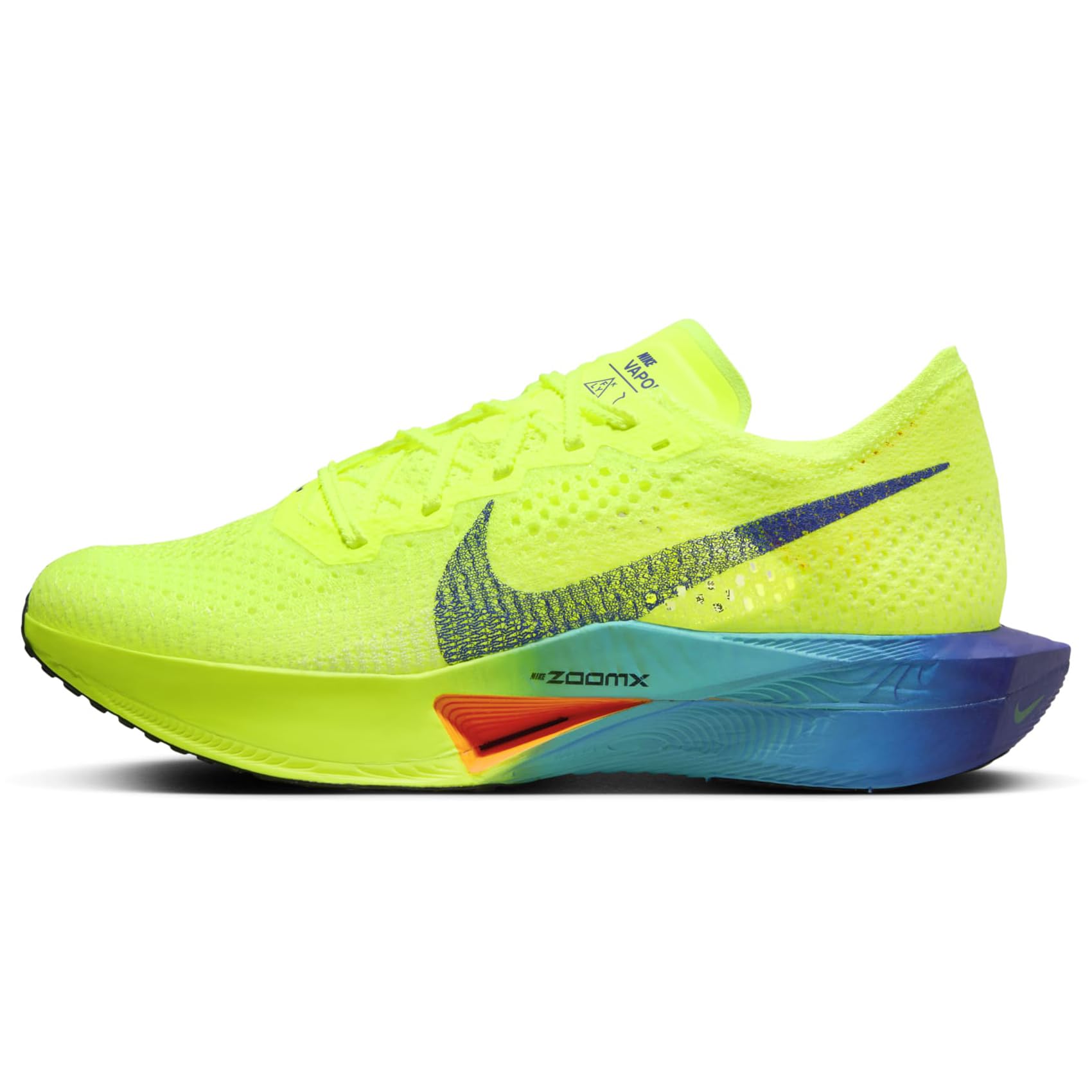
The Vaporfly 3 is Nike’s iconic road racing shoe, and while it is not a traditional cross country spike, its extraordinary lightweight build and aggressive geometry make it a legitimate option for very firm, flat cross country courses. The full-length carbon plate combined with ZoomX foam delivers a bouncy, propulsive feel that makes runners feel faster instantly—multiple owners confirm that sensation.
True to Nike sizing, the Vaporfly 3 runs a half size small, so ordering up is recommended. The upper is paper-thin for maximum weight savings but offers little protection from wet grass or mud. Runners using these for cross country should expect limited grip on soft or uneven terrain due to the road-focused outsole design.
A concerning report of the sole separating after two weeks of Air Force basic training suggests durability is not its strong suit. For strictly cross country racing on manicured courses, the Vaporfly 3 can work, but most buyers will get better value from a dedicated off-road spike with more aggressive traction.
Why it’s great
- Extremely lightweight at under 7 ounces for most sizes
- ZoomX and carbon plate create a responsive, energy-returning ride
- Runners report feeling faster and more efficient during races
Good to know
- Road-focused outsole lacks grip for soft turf and mud
- Sole durability is questionable based on one failure report
- Runs a half size small; order up for proper fit
6. Nike Structure 26
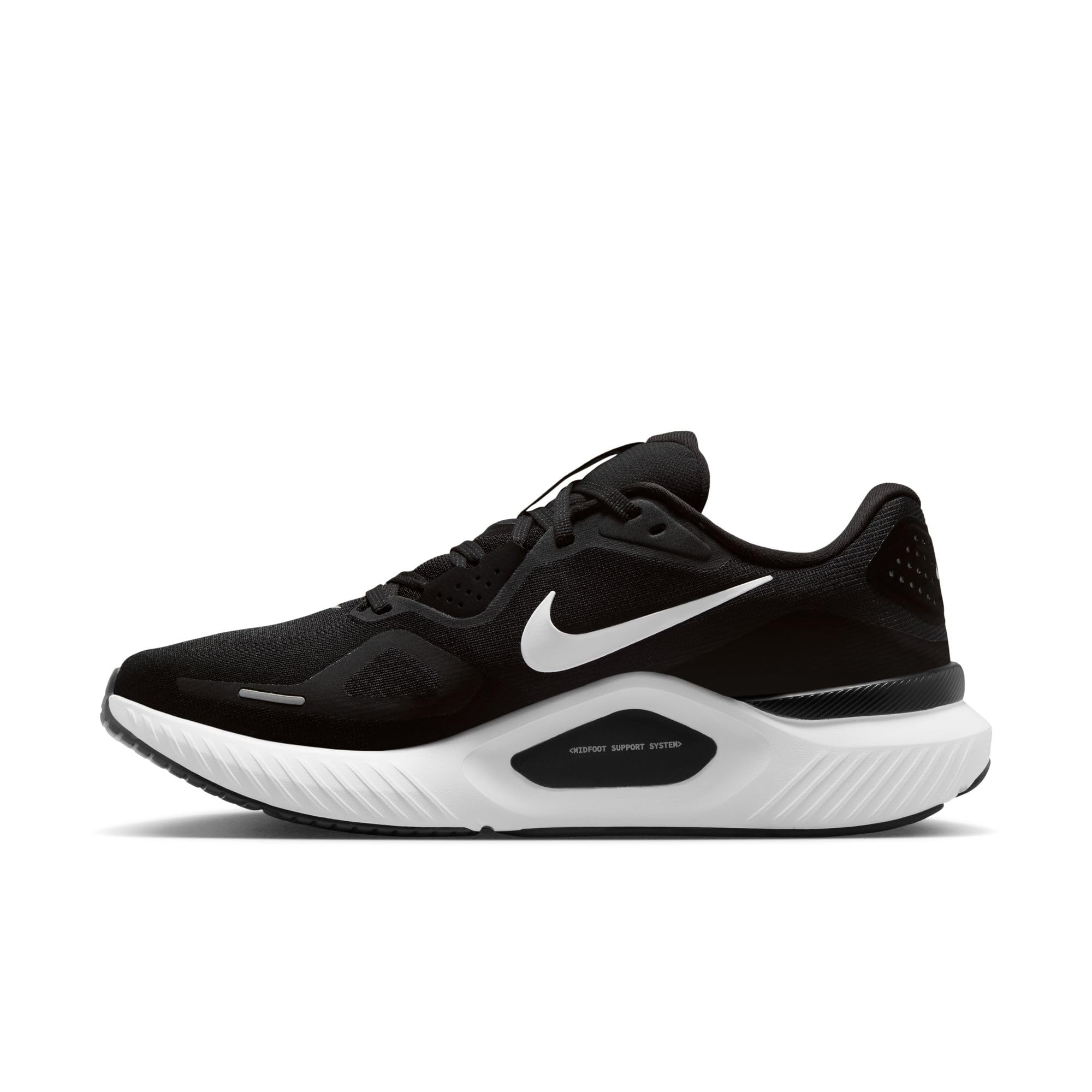
The Structure 26 is Nike’s stability-focused training shoe, designed to support overpronators during daily runs rather than race-day efforts. It features a supportive frame and a heel crash pad that guides the foot through a smooth transition. On dry, firm cross country training loops it provides a stable platform for building endurance and form.
Spanish-language reviewers describe it as excellent for stability with good cushioning, and some use it for tennis and running interchangeably, praising the traction. The midsole is responsive enough for tempo runs but lacks the snappy plate or aggressive geometry needed for race-level speed.
The shoe arrived without an original box for one buyer, which is a packaging complaint rather than a product flaw. For runners who need a stability version of a cross country trainer, the Structure 26 offers reliable support, but it is not a race shoe and will not compete with dedicated spikes on the starting line.
Why it’s great
- Supportive frame effectively guides overpronation during training
- Heel crash pad smooths the foot strike transition
- Versatile enough for general running and court sports
Good to know
- Not a race shoe; heavier and less responsive than dedicated spikes
- Some units shipped without original packaging
7. New Balance FuelCell Supercomp Trainer V3
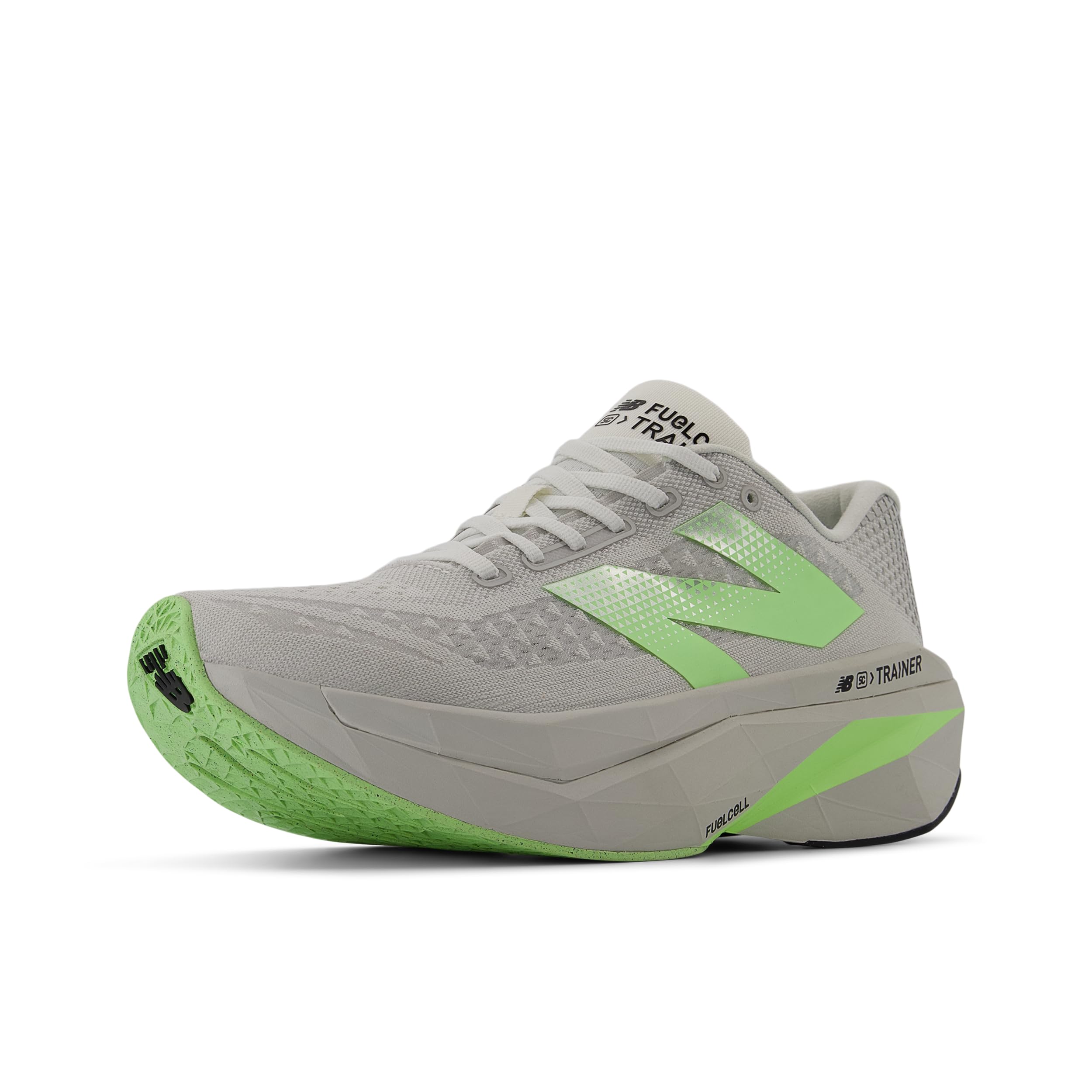
The FuelCell Supercomp Trainer V3 is a super trainer that blends massive cushioning with a surprisingly agile feel. New Balance’s FuelCell foam and Energy Arc plate work together to deliver a soft yet responsive ride that absorbs impact on long runs while still providing a snappy toe-off. Runners describe it as a “super shoe feel with daily durability” that handles high-mileage training weeks without breaking down.
The high stack height offers excellent comfort for heavy runners—one owner weighing 240-245 pounds reported that the shoe stays stable and comfortable. The upper is breathable and fits true to size for most, though a few find it runs a half size large. The rocker geometry encourages a smooth forward roll, making it easier to maintain pace on gradual hills and flat sections.
Because of its taller stack and training-oriented design, the Supercomp Trainer V3 is not a race-day spike. It is ideal for the miles between meets—long runs, recovery jogs, and tempo efforts where you want cushion without sacrificing speed.
Why it’s great
- Soft, high-rebound FuelCell foam with Energy Arc plate for a responsive ride
- Stable at high speeds despite tall stack height
- Works well for heavy runners seeking long-lasting cushion
Good to know
- Runs a half size large for some buyers
- Not a race shoe—too heavy and tall for competitive starting lines
8. Saucony Kinvara 16
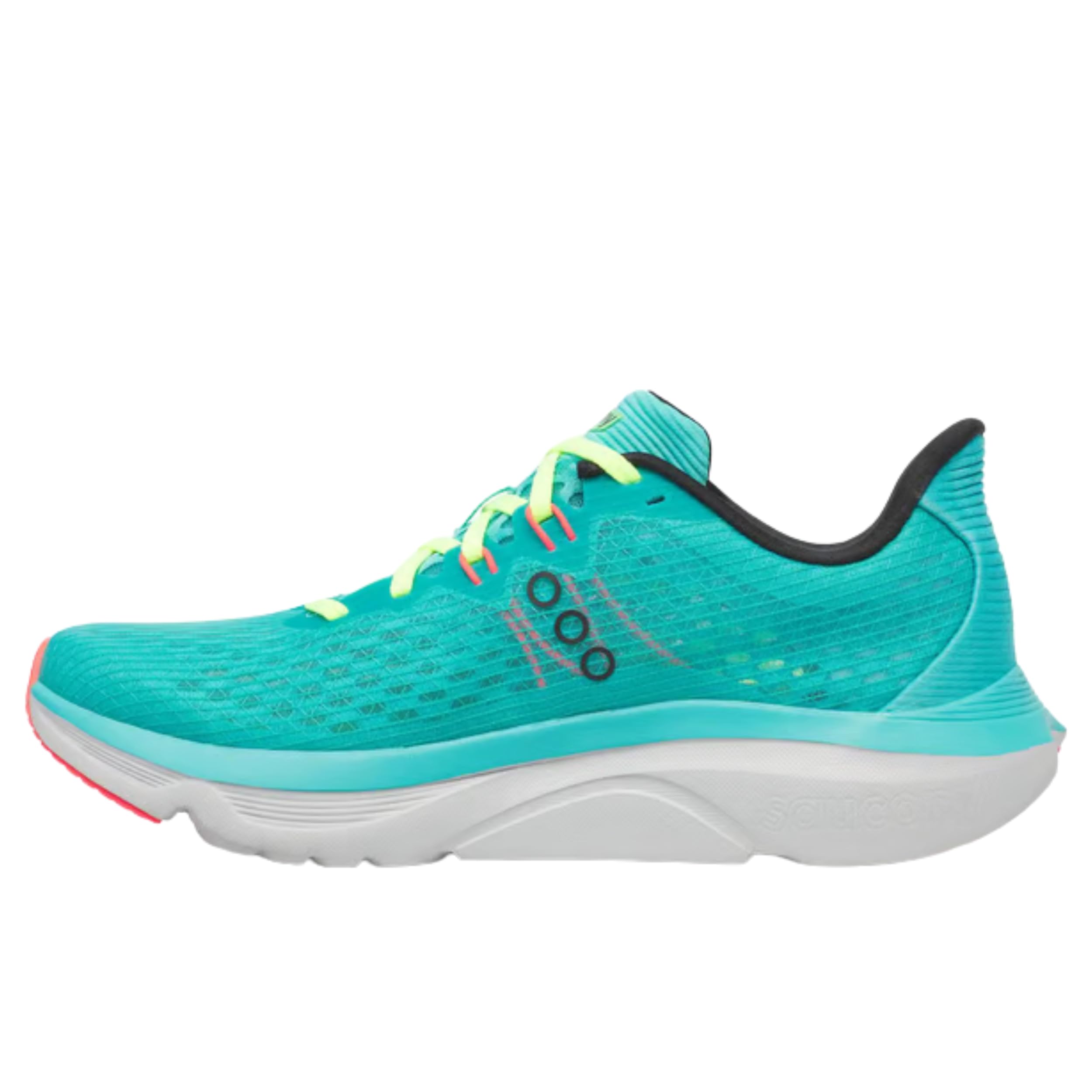
The Kinvara 16 is a stubbornly low-stack shoe in a world of max-cushion trainers. With 22mm of PWRRUN foam, it sits much closer to the ground than most modern running shoes, giving you direct ground feel and encouraging natural foot strength. Multiple reviewers praise it as feather-light and comfortable, calling it the most comfortable sneakers they have ever owned.
The upper is thin and breathable, making it ideal for warm-weather cross country training. Owners who use it on treadmills and stair masters report no performance drop after 100 miles. The stack height is lower than the Kinvara 15, and the cushioning is slightly stiffer, which provides better stability on uneven trails and grassy sections.
The low volume and stretchy upper accommodate slightly wide feet, but runners who need serious shock absorption or aggressive traction should look elsewhere. The Kinvara 16 shines as a lightweight daily trainer for runners who prioritize ground feel and foot strengthening over maximum cushion.
Why it’s great
- Low 22mm stack height provides excellent ground feel and stability
- Feather-light construction at under 8 ounces
- Breathable upper and stretchy fit work for slightly wide feet
Good to know
- Minimal cushioning is not suited for hard-packed or rocky courses
- Outsole lugs are mild, limiting grip on wet grass and mud
9. Nike Zoom Rival XC 6

The Zoom Rival XC 6 is Nike’s entry-level cross country spike, designed for athletes who need a reliable shoe without jumping into the premium price bracket. It features a traditional spike plate with four receptacles—enough for solid grip on most course conditions—and a lightweight, sturdy upper. Multiple owners confirm it lasted a full season of practices and races with easy lace replacement and a comfortable fit that stretches over time.
Buyers report the shoe starts tight but loosens through the midfoot after a few runs, leading to a secure, custom feel. One young runner set a personal best in his first race wearing these, a testament to the capable spike plate and balanced cushioning. The shoe works well on mixed terrain—road, flat sections, and hilly courses—without feeling unstable or heavy.
A small number of units arrived with sand, debris, and missing spikes, suggesting occasional quality-control issues from the seller. If you get a clean pair, the Rival XC 6 is a fantastic value that offers 90% of the performance of more expensive models for a fraction of the cost.
Why it’s great
- Solid spike plate with four receptacles for reliable traction
- Lightweight yet durable enough to last a full competitive season
- Stretches comfortably after initial break-in period
Good to know
- Some units arrive with debris and missing spikes
- Thin outsole offers less protection on very rocky courses
FAQ
Do I need a spike plate shoe for cross country racing?
How many spikes should my cross country shoes have?
Can I use road racing shoes for cross country?
Should I size down for cross country spikes?
How long do cross country racing shoes last?
Final Thoughts: The Verdict
For most runners, the cross country racing shoes winner is the Nike ZoomX DragOnfly XC because it blends soft ZoomX cushioning with a versatile spike plate that handles mixed terrain without sacrificing speed. If you want a low-stack trainer that builds foot strength, grab the Saucony Kinvara 16. And for PR attempts on firm courses, nothing beats the Brooks Hyperion Elite 5 with its aggressive carbon plate and lightweight construction.

Mo Maruf
I created WellFizz to bridge the gap between vague wellness advice and actionable solutions. My mission is simple: to decode the research and give you practical tools you can actually use.
Beyond the data, I am a passionate traveler. I believe that stepping away from the screen to explore new environments is essential for mental clarity and physical vitality.