Our readers keep the lights on and my smoothie glass nicely filled. As an Amazon Associate, I earn from qualifying purchases.
The best XC helmet is the one you forget you’re wearing until you need it most — and in cross-country riding, every gram and every degree of ventilation directly affects your lap times and your safety. Racing over technical singletrack demands a helmet that combines deep rear head coverage with aggressive airflow, all while integrating a rotational impact system that doesn’t weigh you down at mile 30.
I’m Mohammad Maruf — the founder and writer behind WellFizz. I’ve spent hundreds of hours analyzing the EPS foam densities, MIPS slip-plane architectures, fit-system adjustability, and real-world ventilation performance across the most popular cross-country helmets on the market to give you a clear, data-driven comparison.
This guide dives into nine leading models, from budget-friendly options to premium race-ready designs, helping you find the ideal cross country mountain bike helmet for your riding style and budget.
How To Choose The Best Cross Country Mountain Bike Helmet
Choosing an XC-specific helmet comes down to balancing protection, weight, and airflow. Unlike downhill helmets, which prioritize maximum coverage and structural rigidity, cross-country helmets must shed heat efficiently during sustained climbs while still providing enough rear and temple coverage for off-road crashes. Understanding a few key specs will help you make an informed decision.
MIPS and Rotational Impact Protection
Multi-directional Impact Protection System (MIPS) is a low-friction liner designed to reduce rotational forces on the brain during angled impacts. For cross-country riding, where falls often happen at speed on uneven terrain, MIPS is a critical feature to look for. Some helmets use integrated MIPS layers that combine with the fit system, while others use a separate floating liner beneath the padding — both are effective, but the integrated designs often feel more seamless.
Ventilation and Airflow Channel Design
XC riders generate enormous body heat during climbs. Look for helmets with at least 18-22 vents and internal channeling that actively pulls cool air over the top of the head while exhausting hot air out the rear. Dual-flow or wind-tunnel ventilation systems, which pair intake vents with exhaust channels, are the most effective at maintaining a stable internal temperature during long efforts.
Fit System and Adjustability
An adjustable fit system is essential for both safety and comfort. The best XC helmets offer three-way adjustability — height, pad width, and tension — often with a dial at the back of the head that can be operated with one hand while wearing gloves. Systems like Bell’s Float Fit Race, Giro’s Roc Loc 5, and Smith’s VaporFit allow you to fine-tune the helmet’s position and snugness in seconds.
Weight and Foam Density
Every 100 grams you save on your helmet translates to less neck fatigue over a multi-hour race or training ride. High-end XC helmets typically weigh between 280 and 380 grams for a medium shell. Look for helmets that use progressive layering — variable EPS foam densities that manage both low-speed and high-speed impacts — rather than a single-density liner.
Quick Comparison
On smaller screens, swipe sideways to see the full table.
| Model | Category | Best For | Key Spec | Amazon |
|---|---|---|---|---|
| Bell Super DH MIPS | Premium Convertible | XC with park laps | Removable chin bar / 550g | Amazon |
| Smith Engage MIPS | Premium XC | All-day trail rides | Koroyd core / 20 vents | Amazon |
| POC Tectal Race MIPS | Premium Race | Enduro and race XC | Aramid bridges / 370g | Amazon |
| Troy Lee Designs Flowline MIPS | Mid-Range | Value protection | Dual-density EPS / 14 vents | Amazon |
| Fox Racing Speedframe MIPS | Mid-Range | Aggressive XC riding | 360° Fit / 375g small | Amazon |
| Bell Sixer MIPS | Mid-Range | Value MIPS with camera mount | Float Fit Race / 26 vents | Amazon |
| Giro Radix MIPS | Mid-Range | Entry-level MIPS | Roc Loc 5 / 16oz | Amazon |
| POC Tectal | Premium | RECCO equipped riding | Unibody shell / RECCO | Amazon |
| Troy Lee Designs Stage MIPS | Premium Full-Face | Downhill and enduro | EPP+EPS / 690g | Amazon |
In‑Depth Reviews
1. Bell Super DH MIPS
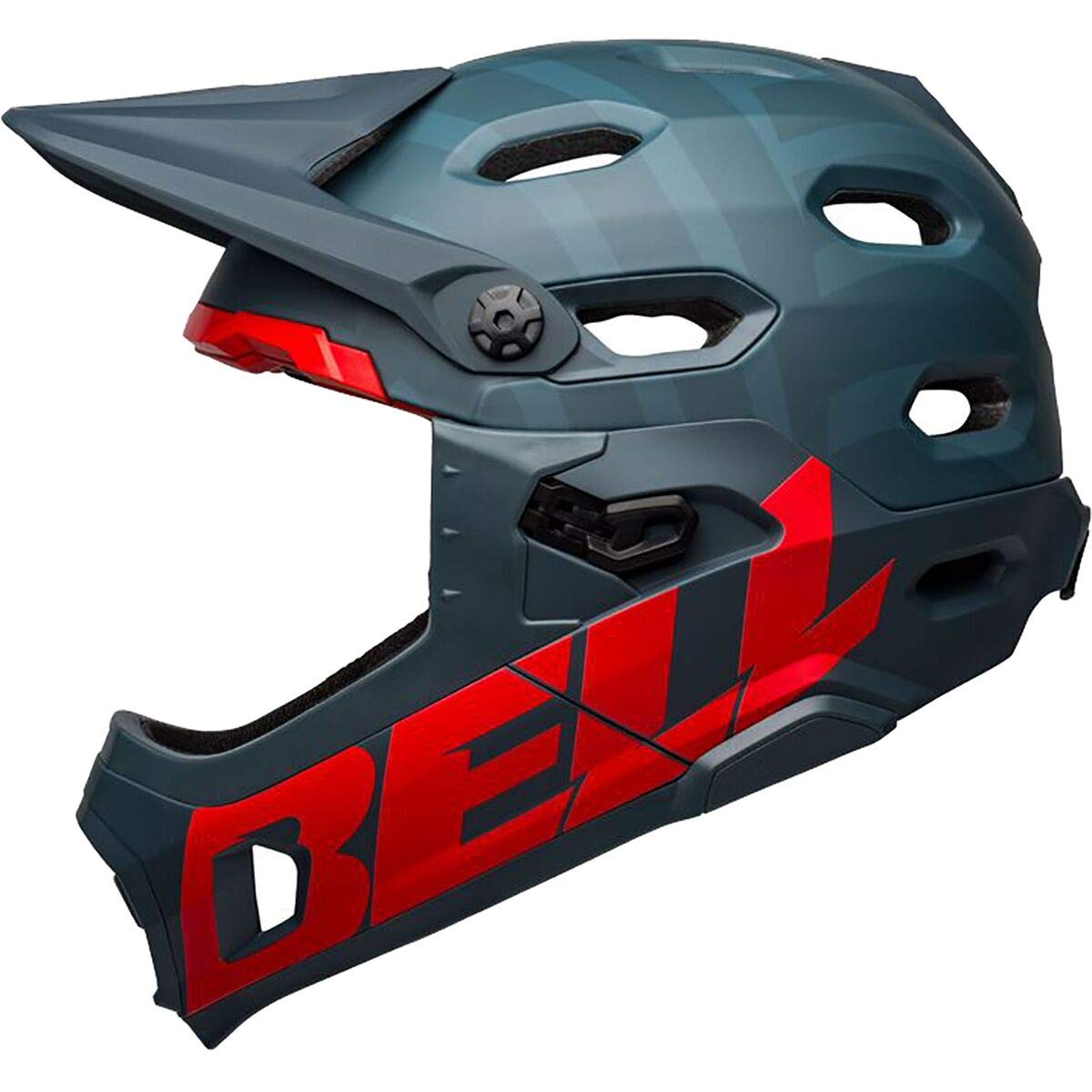
The Bell Super DH MIPS is the most versatile helmet in this guide, offering a removable wraparound chin bar that transforms it from an open-face XC helmet into a downhill-certified full-face lid. The Fusion In-Mold polycarbonate shell uses progressive layering with variable EPS foam densities to handle both low-speed tech crashes and high-speed impacts on park days. Spherical MIPS technology, Bell’s ball-and-socket rotational system, sits between the foam layers for smooth, silent rotation without adding bulk to the fit.
Overbrow ventilation and the GoggleGuide adjustable visor keep you cool on long climbs, while the magnetic chin strap buckle makes one-handed operation fast with gloves. The helmet’s 550-gram weight with the chin bar attached is notably lighter than most dedicated full-face lids, so carrying the jaw piece in a hydration pack for descent-only use is practical. Riders report excellent durability after thousands of miles, with the drip guard effectively channeling sweat away from eyewear during sustained efforts.
Fit adjustments include a 360° tension dial and three-way height positioning. Some users note that the chin guard’s re-attachment mechanism requires a bit of practice, but once dialed, the system feels secure and rattle-free. The Bell Super DH MIPS earns the top spot because it eliminates the need to own two separate helmets for XC racing and bike park days.
Why it’s great
- DH-certified with removable chin bar for maximum versatility
- Spherical MIPS provides smooth rotational protection without fit interference
- Magnetic buckle and drip guard enhance long-ride convenience
Good to know
- Replacement pad availability can be spotty from third parties
- Chin guard re-attachment takes a few tries to learn
2. Smith Engage MIPS

The Smith Engage MIPS uses zonal Koroyd coverage — a lightweight, energy-absorbing honeycomb material that sits between the outer shell and EPS liner — to deliver ventilated protection that exceeds standard foam-only designs. With 20 fixed vents and internal channeling, the Engage actively pulls cool air through the front intake ports and exhausts heat out the rear, keeping your head temperature stable even during sustained 4-hour rides on exposed ridgelines. The low-bulk single-layer webbing reduces strap irritation under the chin.
The Ionic+ antimicrobial lining uses silver fibers to control odor on multi-day trips, while the two-position adjustable visor accommodates goggle storage above the brow without any screwdriver adjustments. The VaporFit system uses a dial at the rear to micro-adjust tension, and riders report that the helmet hugs the skull without creating pressure points on the forehead or temples. At roughly 340 grams in medium, the Engage is one of the lighter options in this guide.
Some users note that the buckle can occasionally be tricky to fasten one-handed, and the matte color finishes tend to look slightly washed out compared to glossy competitors. However, the Koroyd structure gives the Engage a distinct advantage in managing side-impact forces during XC tumbles on rocky terrain. For riders prioritizing all-day comfort without sacrificing protection, this is a top-tier choice.
Why it’s great
- Koroyd core offers superior energy absorption with more airflow than standard EPS
- Very lightweight at ~340g in medium, reducing neck fatigue on long climbs
- Ionic+ lining resists odor buildup across multiple rides
Good to know
- Buckle can be finicky to fasten with one hand while wearing gloves
- Color options lack the vibrancy found on competing models
3. POC Tectal Race MIPS
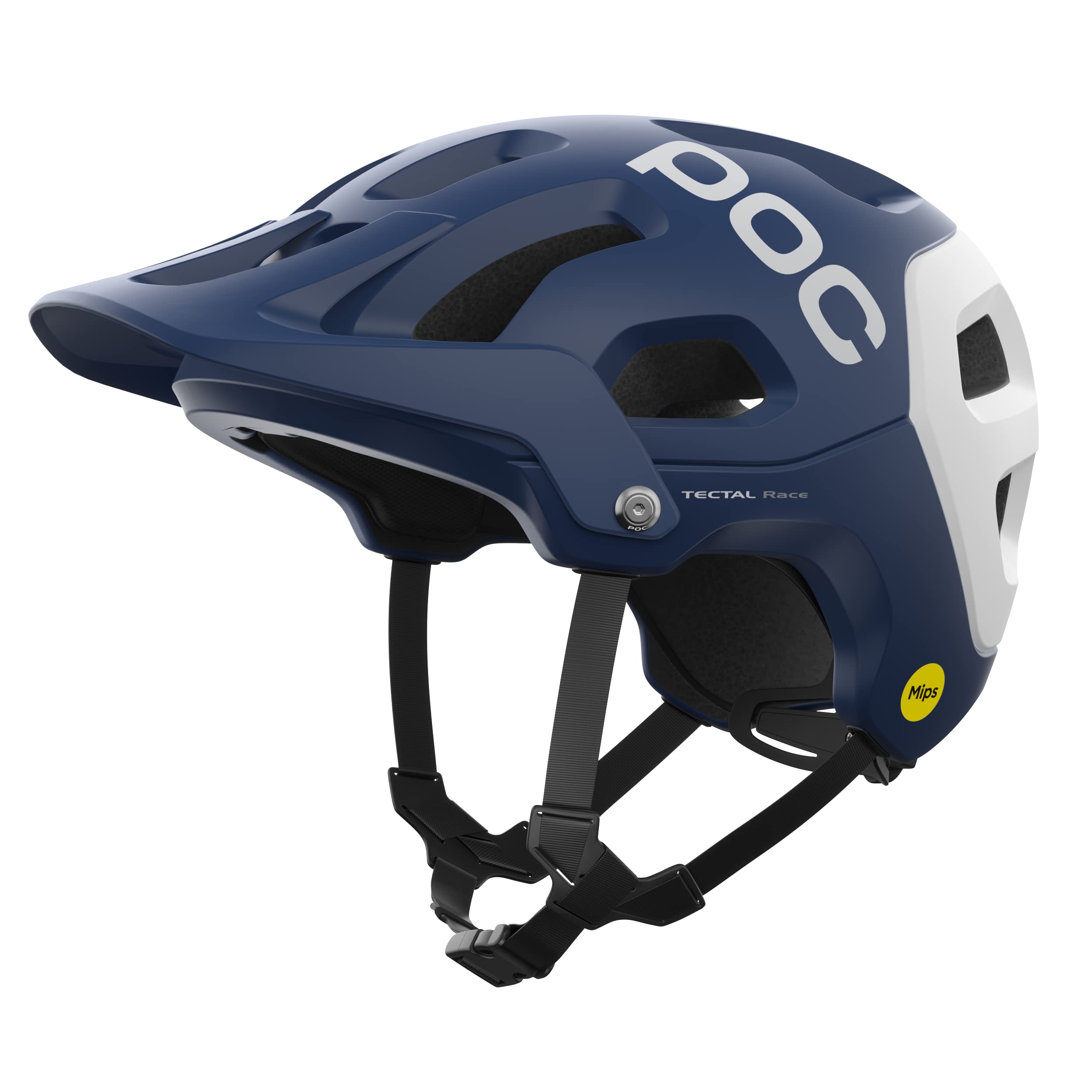
The POC Tectal Race MIPS is purpose-built for aggressive XC and enduro riding, featuring a unibody PC shell reinforced with aramid bridges that improve the structural stability of the EPS liner without adding noticeable weight. At roughly 370 grams for the medium shell, it sits in the lightweight category while offering deeper temple and rear coverage than many standard XC helmets. The MIPS Brain Protection System is integrated directly into the helmet’s fit, creating a seamless low-friction interface that rotates independently of the outer shell during angled impacts.
Ventilated airflow channels run from the front intake ports through internal ducting to the rear exhaust vents, maintaining consistent airflow even at low climbing speeds. The adjustable peak can be lifted to accommodate goggle storage above the brim, and the 360° size adjustment system provides fine-grained tension control via a dial at the back. The aramid bridges add a layer of protection against sharp objects penetrating the EPS foam, which is especially relevant when riding on loose, rocky singletrack.
Riders consistently praise the Tectal Race for its comfortable fit out of the box, with some calling it the best-fitting mountain bike helmet they’ve owned. One minor criticism is that the snap clasp feels less premium than the magnetic buckles found on helmets at a similar price point. For serious XC racers who demand both low weight and enhanced safety engineering, the Tectal Race MIPS is a strong contender.
Why it’s great
- Aramid bridges improve penetration resistance without adding weight
- Deep temple and rear coverage for better protection in XC crashes
- Excellent fit out of the box with minimal adjustment needed
Good to know
- Snap clasp feels less refined than magnetic alternatives
- Limited colorway options compared to other premium helmets
4. Troy Lee Designs Flowline MIPS
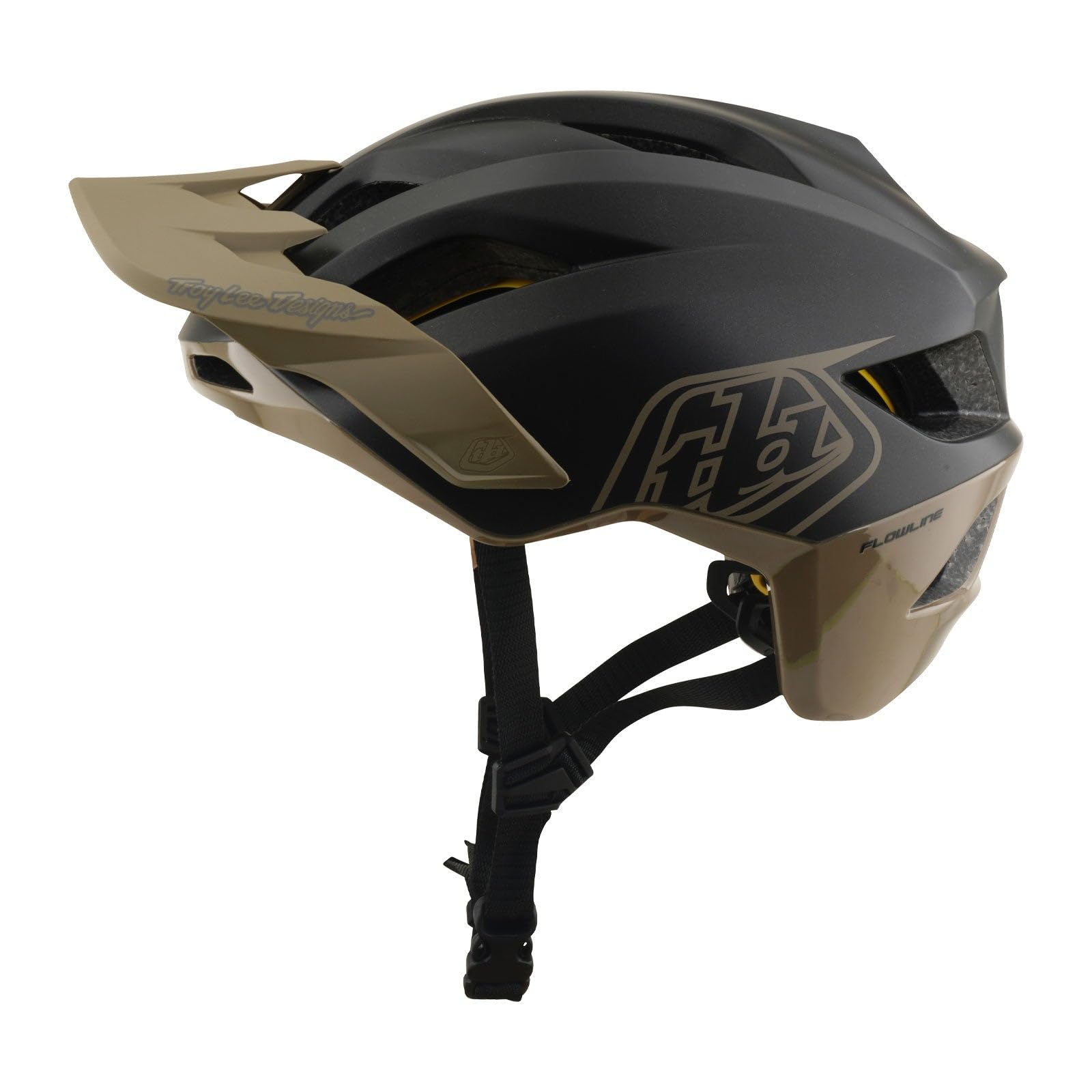
The Troy Lee Designs Flowline MIPS brings dual-density EPS foam — featuring both a low-speed impact layer and a high-speed impact layer — to a mid-range price point that competes directly with entry-level MIPS helmets from larger brands. The MIPS B-Series rotational impact system sits between the EPS liner and the comfort padding, managing rotational forces during oblique crashes without altering the fit tension. The 14 vented intake ports work with internal channeling to pull cool air across the scalp, and the rear exhaust ports help evacuate heat during sustained efforts on warm days.
The 360-degree full retention system offers three-way rear height adjustment plus a tension dial that can be operated with one hand while wearing gloves. The screwless adjustable visor can be lifted to three different positions without any tools, accommodating both glasses and goggles. At roughly 380 grams in a medium shell, the Flowline is slightly heavier than the lightest options here, but the dual-density construction justifies the extra grams for riders who crash frequently on tech terrain.
Reviewers consistently praise the Flowline for its comfortable fit and secure hold, with several noting that it feels more premium than its price suggests. The Quick Dry Premium Liner wicks moisture effectively, and the helmet comes in a wide range of color options. The main trade-off is the 14-vent count — riders in extremely hot climates may find the ventilation less aggressive than 20-vent competitors.
Why it’s great
- Dual-density EPS foam manages both low-speed and high-speed impacts
- 360-degree retention system with three-way height adjustability
- Screwless visor offers tool-free position changes mid-ride
Good to know
- Higher weight than some similarly priced MIPS helmets
- Vent count is lower than many XC-specific competitors
5. Fox Racing Speedframe MIPS

The Fox Racing Speedframe MIPS offers channeled, in-molded EPS construction with optimized venting that creates a direct airflow path from the front intake ports over the top of the head to the rear exhaust channels. The MIPS slip-plane liner is integrated into the helmet’s fit system, reducing rotational forces while maintaining a clean interior profile that doesn’t create pressure ridges on your scalp. The 360° Fit System uses a rear dial that adjusts both tension and vertical positioning, allowing you to fine-tune the helmet’s angle on your head in seconds.
At roughly 375 grams for a small shell, the Speedframe is slightly heavier than some premium competitors, but the extra structure offers a confidence-inspiring fit that feels custom-molded to the head. The one-hand-adjustable visor moves through multiple positions and is compatible with both sunglasses and goggles, making it easy to switch between bright and shaded sections of trail. The removable, washable moisture-wicking liner uses quick-dry materials that reduce sweat pooling during high-output efforts.
Reviewers note that the Speedframe scores a 13 on the Virginia Tech Helmet Rating System, which places it in the mid-tier for protection — a consideration for riders who prioritize lab-tested safety scores above all else. The absence of a magnetic buckle at this price point feels like a missed opportunity, and some riders find the visor screw integration visually odd. Still, the overall build quality and secure fit make it a reliable choice for aggressive XC riders.
Why it’s great
- Optimized channeled ventilation provides excellent airflow on climbs
- 360° Fit System allows precise angle and tension adjustments
- One-hand visor adjustment works seamlessly with glasses and goggles
Good to know
- Virginia Tech score of 13 is below some competitors
- No magnetic buckle at this price point
6. Bell Sixer MIPS
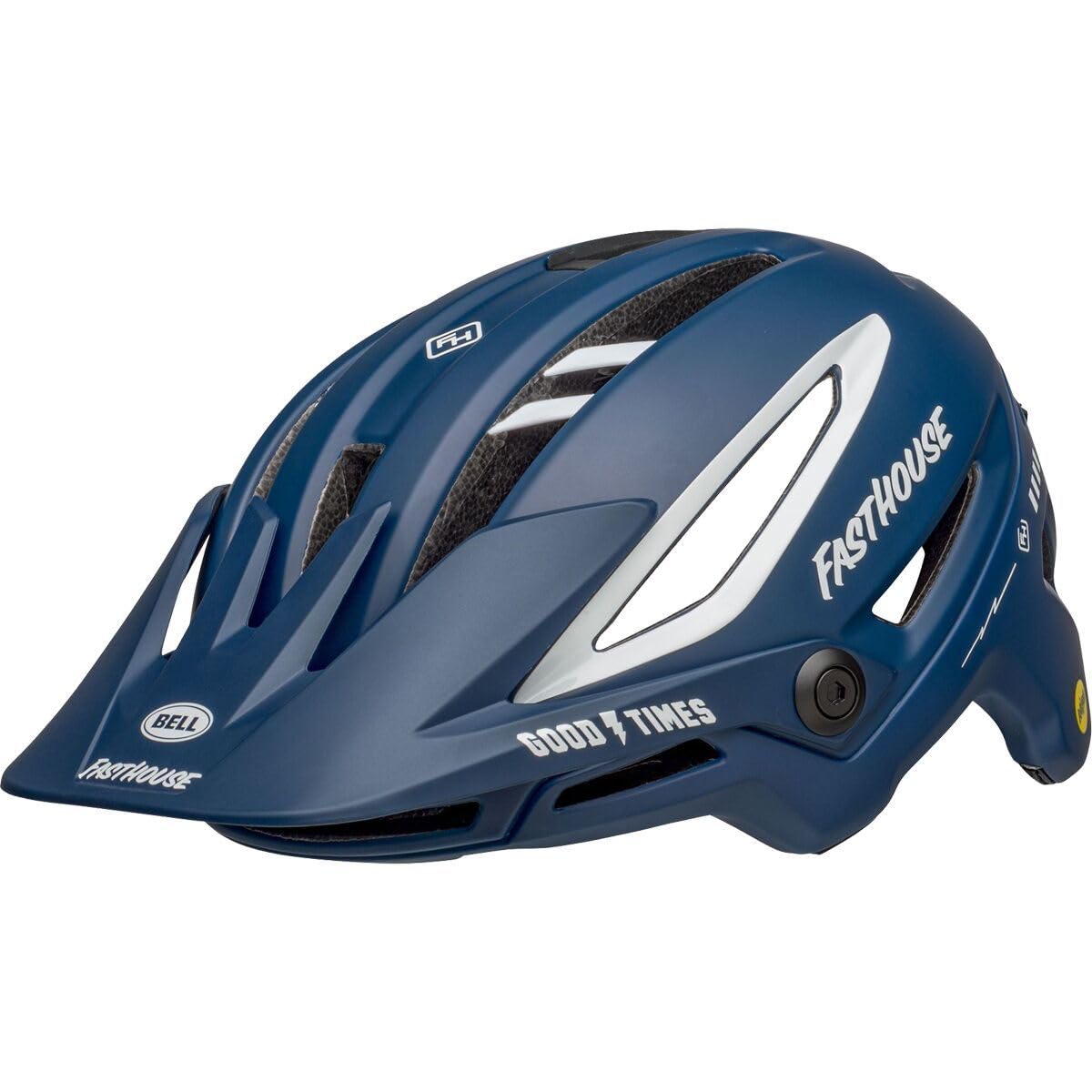
The Bell Sixer MIPS stands out for its massive 26-vent configuration combined with Dual-Flow Ventilation that actively ushers cool air into the front intake ports and circulates it through a matrix of internal air channels before exhausting heat through the rear ports. This makes it one of the best options for riders who prioritize head cooling above all else, especially during hot summer XC races where every degree of temperature matters. The Float Fit Race system integrates seamlessly with the MIPS slip plane, offering three-way adjustability — height, pad width, and tension — all controlled through a single dial.
Fusion In-Mold bonding attaches the polycarbonate outer shell to the EPS foam liner, creating a unified structure that resists delamination during impacts. The Progressive Layering uses variable EPS foam densities to manage energy transfer at different impact speeds, while the exposed polycarbonate roll cage adds structural rigidity around the lower rim. An integrated breakaway camera mount — designed to snap off during a crash to reduce injury risk — is included for riders who film their rides.
Some users report that the rubber parts of the MIPS retention system can become brittle and break within the first year, and the plastic visor bolts have a tendency to loosen and fall out during rough descents. The X-Static and XT2 padding uses real silver fibers for antimicrobial protection, and the Sweat Guide pad design pulls moisture away from the brow area. For XC riders who run hot and want maximum airflow without breaking the bank, the Sixer is a compelling choice.
Why it’s great
- 26 vents with Dual-Flow internal channeling provide class-leading ventilation
- Integrated breakaway camera mount for ride recording
- Float Fit Race system with three-way adjustability
Good to know
- Rubber MIPS parts may degrade and break within a year
- Visor bolts can loosen and fall out during rough rides
7. Giro Radix MIPS
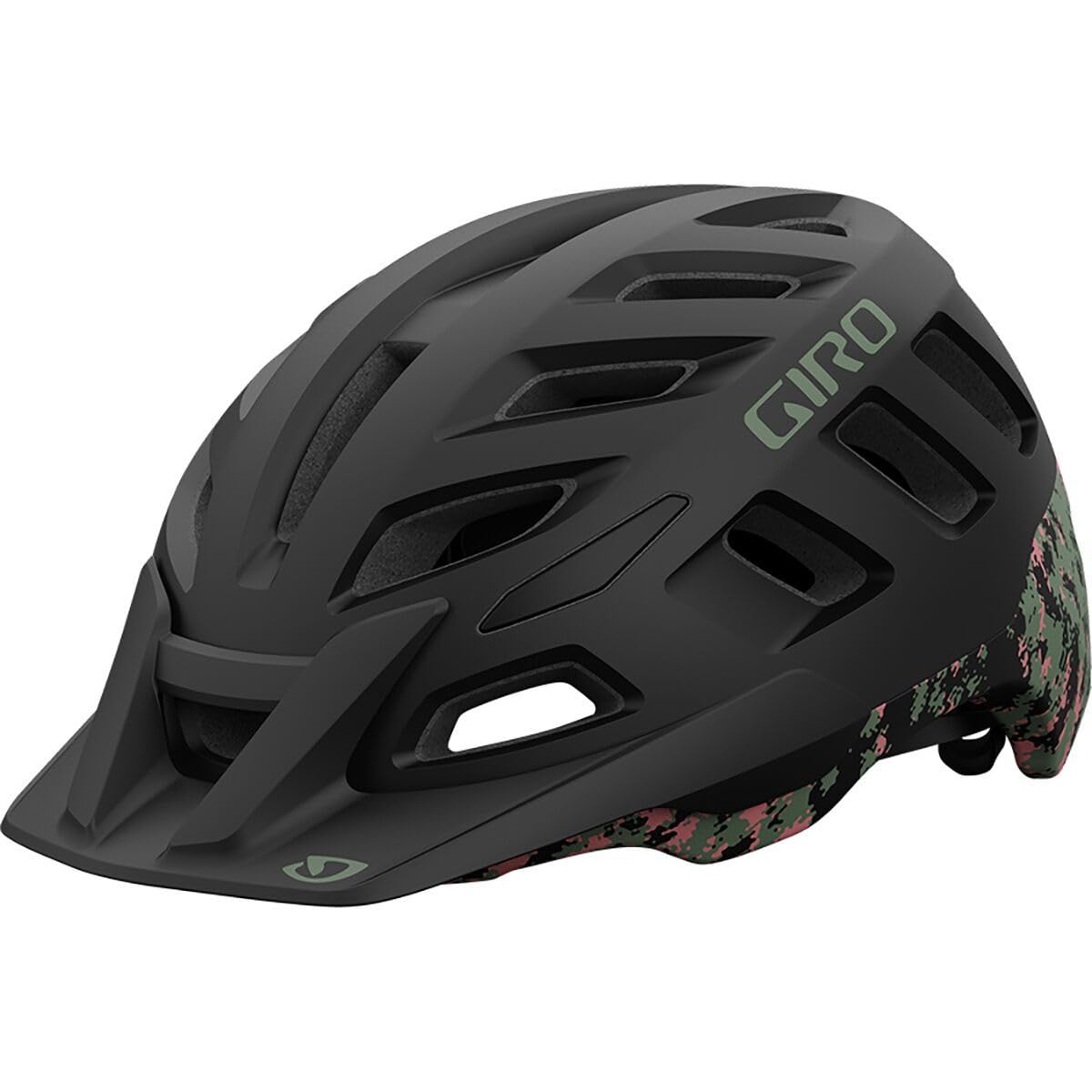
The Giro Radix MIPS combines a two-piece hardshell construction — a tough outer hard shell bonded to a polycarbonate lower shell — with Giro’s benchmark Roc Loc 5 fit system, offering an entry point into MIPS protection without sacrificing fit quality. The hardshell design means the helmet has a lower wrap around the back of the head and temples compared to in-mold-only helmets, providing better resistance to abrasion during slide-outs on gravel or rock. The MIPS slip plane is integrated with the Roc Loc 5 system, creating a unified rotation mechanism that doesn’t add bulk inside the helmet.
Wind Tunnel Ventilation uses active intake vents combined with exhaust channels that draw fresh air through the internal ducting while forcing stale hot air out the rear. The P.O.V. adjustable visor moves in indexed steps, including three riding positions plus a high position for goggle storage above the brow. At 16 ounces (455 grams), the Radix is heavier than many comparable XC helmets, but the hardshell construction offers enhanced durability for riders who frequently handle their helmet or transport it in a pack.
Riders with larger goggles may find that the helmet lacks built-in goggle guides, requiring zip ties as a DIY solution. However, the Y-connector strap webbing sits securely under the ears, and the quick-dry padding helps manage sweat during long efforts. For budget-conscious cross-country riders who want MIPS protection without the premium price tag, the Giro Radix is a solid starting point.
Why it’s great
- Hardshell lower wrap provides superior abrasion resistance
- Roc Loc 5 system offers industry-leading fit adjustability
- P.O.V. visor includes a dedicated goggle storage position
Good to know
- Heavier than most in-mold XC helmets at 455 grams
- No built-in goggle or headlamp guides
8. POC Tectal

The POC Tectal is purpose-built for mountain biking from trail to enduro, featuring a unibody PC shell and reinforced EPS liner that improve structural stability without added weight. The defining feature here is the integrated RECCO reflector — a passive radar reflector that makes the rider searchable by rescue services using specialized detectors, a meaningful safety upgrade for XC riders who venture into remote backcountry or unfamiliar trail systems. The 360° size adjustment system provides a precise and secure fit, while ventilated airflow channels keep the head cool even during sustained climbing efforts.
At roughly 380 grams in a medium shell, the Tectal balances weight and coverage well, with deeper temple protection than most dedicated XC helmets. The adjustable peak lifts high enough to store goggles or sunglasses underneath without impeding your field of view. The EPS liner is reinforced with aramid bridges, adding puncture resistance against sharp rocks and branches without making the helmet feel bulky or unbalanced on the head.
Some riders note that the Tectal runs slightly smaller than other POC models, so measuring your head circumference before purchasing is recommended. The snap clasp, while secure, lacks the convenience of magnetic fasteners found on some competitors. For cross-country riders who frequently explore unfamiliar or remote trails, the RECCO reflector alone makes the Tectal a standout choice for backcountry safety.
Why it’s great
- Integrated RECCO reflector enables searchability by rescue services
- Unibody shell and aramid-reinforced EPS increase impact durability
- Deep temple coverage provides XC-specific protection
Good to know
- Tends to run slightly smaller than listed sizes
- Snap clasp is less convenient than magnetic alternatives
9. Troy Lee Designs Stage MIPS

The Troy Lee Designs Stage MIPS is the lightest full-face helmet in this guide at approximately 690 grams, making it a viable option for XC riders who want maximum protection on technical descents without the neck fatigue of a traditional downhill helmet. The dual-layer foam construction uses EPP (low-speed) and EPS (high-speed) layers working together to manage impact energy across a broad range of crash forces. The MIPS rotational impact system sits between the foam layers and the comfort liner, reducing rotational forces during angled crashes without affecting the helmet’s fit depth.
The 25 strategically placed intake and exhaust ports create high-flow ventilation that rivals many open-face XC helmets, channeling air through internal ducts that span the full length of the helmet. The Polyacrylite-injected lined chin bar features EXO-Skeleton reinforcement and break-away visor screws designed to snap off during a crash rather than transferring rotational energy to the neck. The FIDLOCK magnetic buckle makes one-handed operation fast and easy, even with thick gloves, and the helmet ships with two liners, three sets of cheek pads, and two neck rolls for dialing in the perfect fit.
The Stage is downhill-certified while maintaining ventilation levels that work for all-day XC riding in hot climates, with Florida riders reporting acceptable cooling even in summer humidity. The M/L size maxes out at 59cm, which may exclude riders with larger heads. The cheek pad pins can sometimes recess into the foam, making them difficult to remove for washing. For any cross-country rider who also hits bike parks or pedals aggressive enduro lines, the Troy Lee Designs Stage MIPS is the ultimate one-helmet solution.
Why it’s great
- Extremely light 690g full-face construction reduces neck fatigue on climbs
- Dual-layer EPP+EPS foam manages both low and high-speed impacts
- 25 vents provide class-leading full-face airflow for hot conditions
Good to know
- M/L size maxes out at 59cm, limiting fit for larger heads
- Cheek pad pins can recess into the foam over time
FAQ
What does MIPS actually do for an XC helmet?
How many vents do I need for hot-weather XC riding?
Can I use a full-face XC helmet for cross-country riding?
How should a cross-country helmet fit?
Are more expensive helmets always safer?
Final Thoughts: The Verdict
For most riders, the best cross country mountain bike helmet winner is the Bell Super DH MIPS because it offers DH-rated protection with a removable chin bar, making it a true do-everything helmet for riders who split time between XC trails and bike park laps. If you want a ultra-lightweight helmet for all-day comfort on the trail, grab the Smith Engage MIPS, which pairs Koroyd impact protection with 20 vents at just 340 grams. And for riders seeking premium rotational impact engineering with aramid-reinforced structural integrity, the POC Tectal Race MIPS delivers race-ready performance with the added confidence of enhanced penetration resistance.

Mo Maruf
I created WellFizz to bridge the gap between vague wellness advice and actionable solutions. My mission is simple: to decode the research and give you practical tools you can actually use.
Beyond the data, I am a passionate traveler. I believe that stepping away from the screen to explore new environments is essential for mental clarity and physical vitality.