Our readers keep the lights on and my smoothie glass nicely filled. As an Amazon Associate, I earn from qualifying purchases.
The right pair of cross country flats can mean the difference between a PR and a frustrating slide on the final kick. Between mud, grass, and uneven terrain, you need a shoe that offers ground feel without sacrificing protection, and a spike plate that bites when you push off.
I’m Mohammad Maruf — the founder and writer behind WellFizz. I’ve spent hundreds of hours studying the engineering of competitive running spikes and analyzing material specs so you don’t have to guess what fits your gait.
This guide breaks down the seven most compelling options available right now, covering everything from spike plates to midsole drop, so you can confidently pick the best cross country flats for your next season.
How To Choose The Best Cross Country Flats
Cross country flats are a specialized piece of kit. Unlike road trainers or trail runners, they prioritize ground feel and a secure lockdown over plush cushion. The right choice comes down to the distance you race, the terrain underfoot, and your preferred level of support.
Spike Plate Configuration
The spike plate is the rigid insert that runs from the forefoot to the midfoot. A full-length plate gives you stiffness and energy return on hard-packed courses, while a partial plate offers more flexibility on soft, muddy tracks. Look for at least four pin positions for maximum grip variability.
Heel-to-Toe Drop
Most cross country flats sit between 0mm and 6mm drop. A lower drop encourages a midfoot strike which is generally more efficient on uneven surfaces. Runners who heel strike on hills may prefer a 4mm or 6mm drop to reduce calf strain and provide a slightly softer landing.
Upper Material and Lockdown
The upper should be lightweight but durable enough to handle the abrasion of a grass-and-dirt course. Look for a mesh that breathes while offering a heel counter that locks your foot in place. A seamless toe box reduces the risk of hotspots over 5K and 8K distances.
Quick Comparison
On smaller screens, swipe sideways to see the full table.
| Model | Category | Best For | Key Spec | Amazon |
|---|---|---|---|---|
| Saucony Kilkenny XC9 Flat | Flat | Minimalists seeking ground feel | 4-pin spike plate | Amazon |
| Brooks Draft XC | Supportive Flat | Runners needing arch support | 6mm drop | Amazon |
| Mizuno Wave Creation 11 | Cushioned Flat | Recovery runs and long races | Wave plate cushioning | Amazon |
| Saucony Peregrine 8 | Trail Flat | Mixed terrain and hiking | 8mm drop | Amazon |
| Xero Mesa Trail II | Barefoot Flat | Zero-drop fans | 0mm drop, wide toe box | Amazon |
| Brooks Catamount | Premium Flat | Aggressive trail runners | Rock plate protection | Amazon |
| La Sportiva Prodigio | Lightweight Flat | Fast packers and racers | Low-profile outsole | Amazon |
In‑Depth Reviews
1. Saucony Women’s Kilkenny XC9 Flat Sneaker
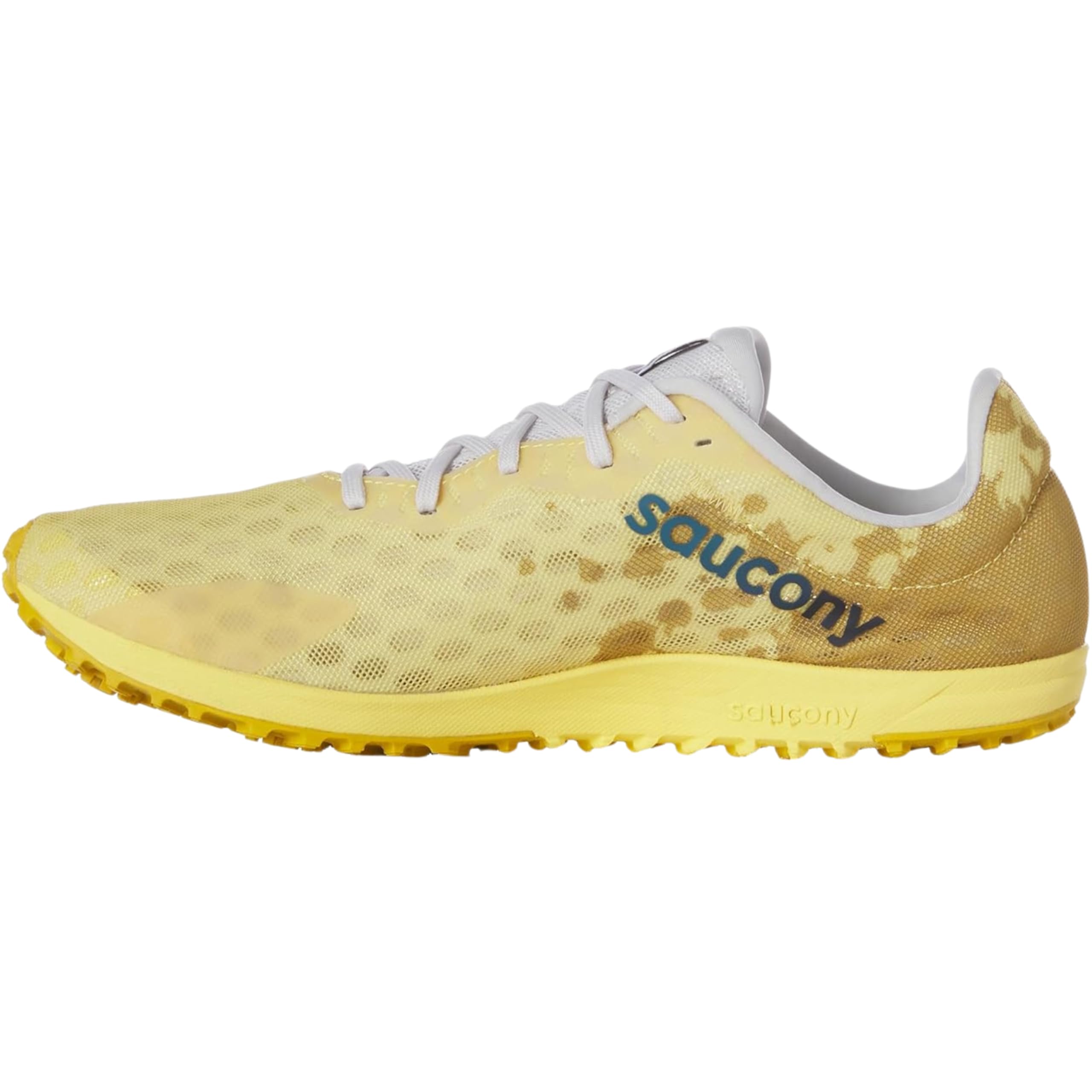
The Saucony Kilkenny XC9 is built for the runner who wants a direct connection to the ground. Its 4-pin spike plate delivers reliable traction on grass and packed dirt, and the minimal midsole stack keeps your foot low to the surface for better proprioception. The stretch mesh upper adapts well to different foot shapes, which reviewers noted as a huge plus for avoiding hotspots.
Multiple users praised the fit as true to size, though a handful recommended going up half a size for a snug race fit. The shoe works best for 5K to 8K distances where feel and feedback matter more than plush cushion. One reviewer called it a refreshing departure from overshoed trainers.
The lack of included spikes is worth noting — you’ll need to source your own pins depending on your course conditions. For the price and performance, this is the most well-rounded flat for competitive runners on a budget.
Why it’s great
- Excellent ground feel through the minimal midsole
- Soft upper stretches for a customized fit
Good to know
- No spikes included in the box
- Runs slightly snug — consider sizing up
2. Brooks Draft XC Spikeless Supportive Cross-Country Running Shoe
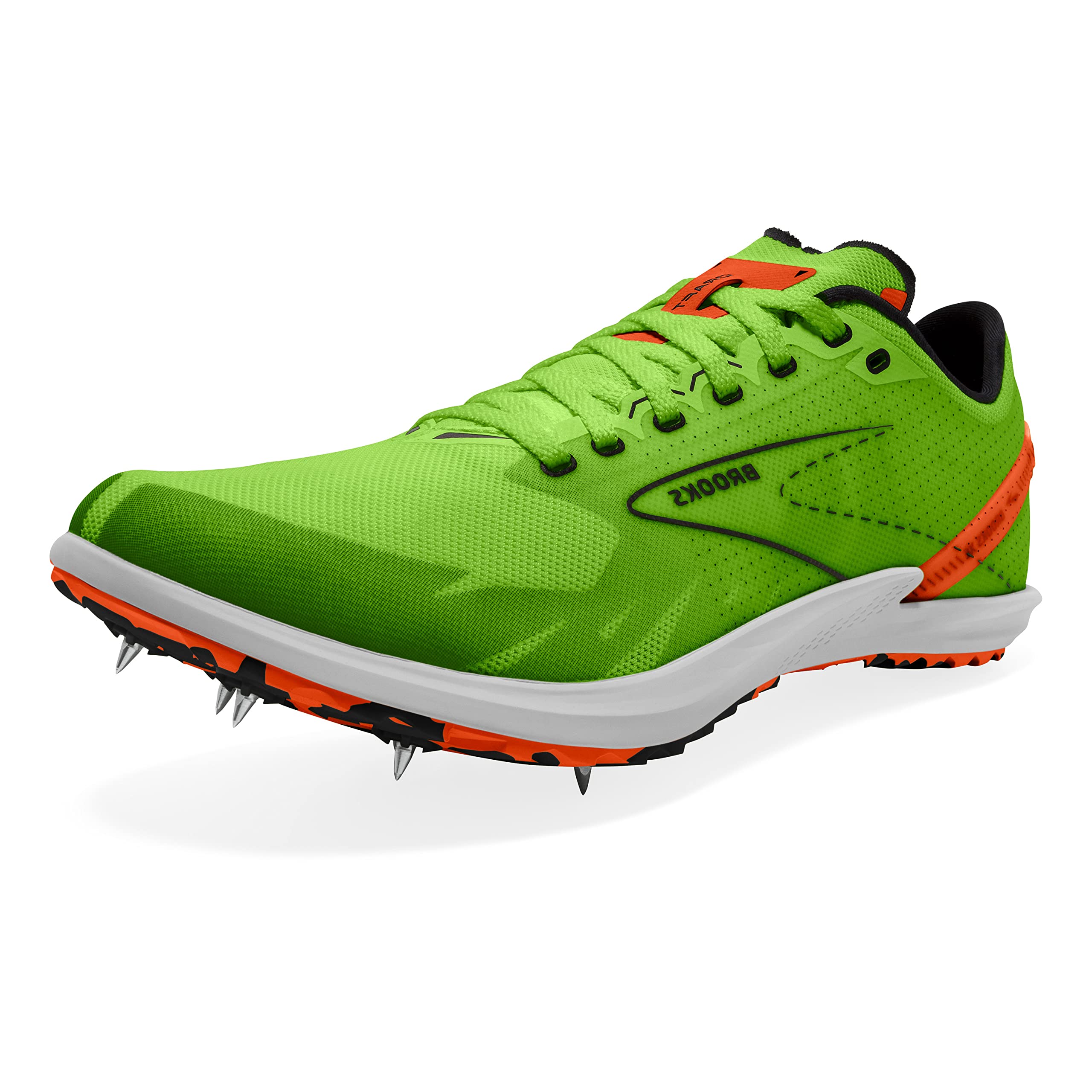
The Brooks Draft XC offers a higher heel-to-toe drop than most cross country flats, making it a solid choice for runners who need extra arch support or are transitioning from road shoes. The spikeless outsole performs well on dry grass and gravel, though hard-packed mud may challenge its grip without pins.
Reviewers consistently mention the shoe’s durability — multiple users reported the shoe lasting through an entire season of practice and meets with minimal wear. The upper is traditional mesh that breathes well but doesn’t stretch as much as a knit material, which provides a secure lockdown for the midfoot.
It’s a good entry-level XC flat that doesn’t punish your calves with an aggressive zero-drop stance. If you tend toward overpronation or want a shoe that feels more like a lightweight trainer, this is a reliable option.
Why it’s great
- Supportive arch reduces fatigue on longer distances
- Durable construction holds up to daily practice
Good to know
- Spikeless outsole loses grip on wet/muddy courses
- Upper lacks stretch for wider feet
3. Mizuno Men’s Wave Creation 11 Running Shoe
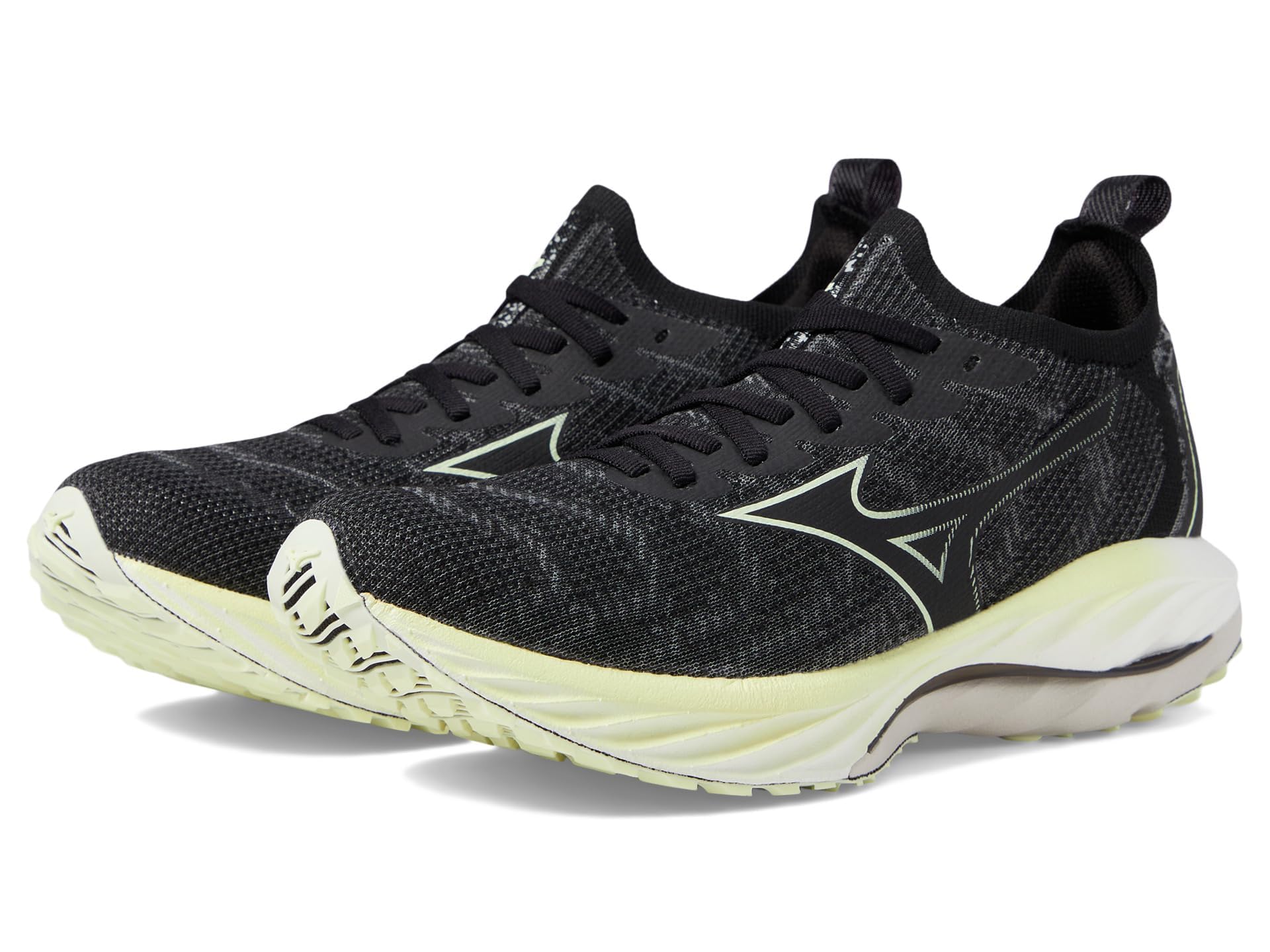
The Mizuno Wave Creation 11 is technically a road trainer, but its lightweight build and flat heel make it a viable crossover for cross country runners who want more cushion than a traditional flat. The Wave plate provides a unique blend of stability and shock absorption that runners with shin splint history have praised highly in reviews.
Multiple reviewers noted the shoe eliminated lower-leg pain during runs up to 60 minutes. The heel counter is firm, which helps lock the foot, and the outsole rubber is durable enough for mixed terrain. It’s also a good option for walkers and recovery day shoes.
Because it sits at a higher stack, ground feel is less direct than a dedicated XC flat. If you’re racing a 5K on a grass course, you might want something with a spike plate, but for training runs and longer distances, this shoe is a comfortable companion.
Why it’s great
- Wave plate reduces shin and Achilles pain
- Durable build with minimal sole wear after months
Good to know
- Higher stack reduces ground feel for racing
- Not designed for wet grass or mud traction
4. Saucony Women’s Peregrine 8 Running Shoe

The Saucony Peregrine 8 is a trail runner that doubles as a capable cross country flat for runners who face mixed terrain including roots, stones, and loose dirt. Its 8mm drop is the highest in this roundup, catering to heel strikers who want a bit more cushion under the heel. The outsole features aggressive lugs that grip surprisingly well on grass despite being designed for trails.
Reviewers with narrow feet found the fit comfortable, though a few noted the toe box feels slightly roomy. Sizing is inconsistent compared to Asics — expect to go up a full size if you’re switching brands. The mesh upper is breathable but some users reported early wear near the little toe after a couple months of regular use.
This shoe is ideal for training runs and shorter races. The high drop and moderate cushion make it less efficient for flat-out PR attempts, but it’s a versatile workhorse for the runner whose XC course includes technical sections.
Why it’s great
- Aggressive tread works on grass and loose dirt
- 8mm drop suits heel strikers
Good to know
- Upper mesh may wear near the toe box
- Sizing runs small — order a full size up
5. Xero Shoes Men’s Mesa Trail II Barefoot Trail Run Shoes
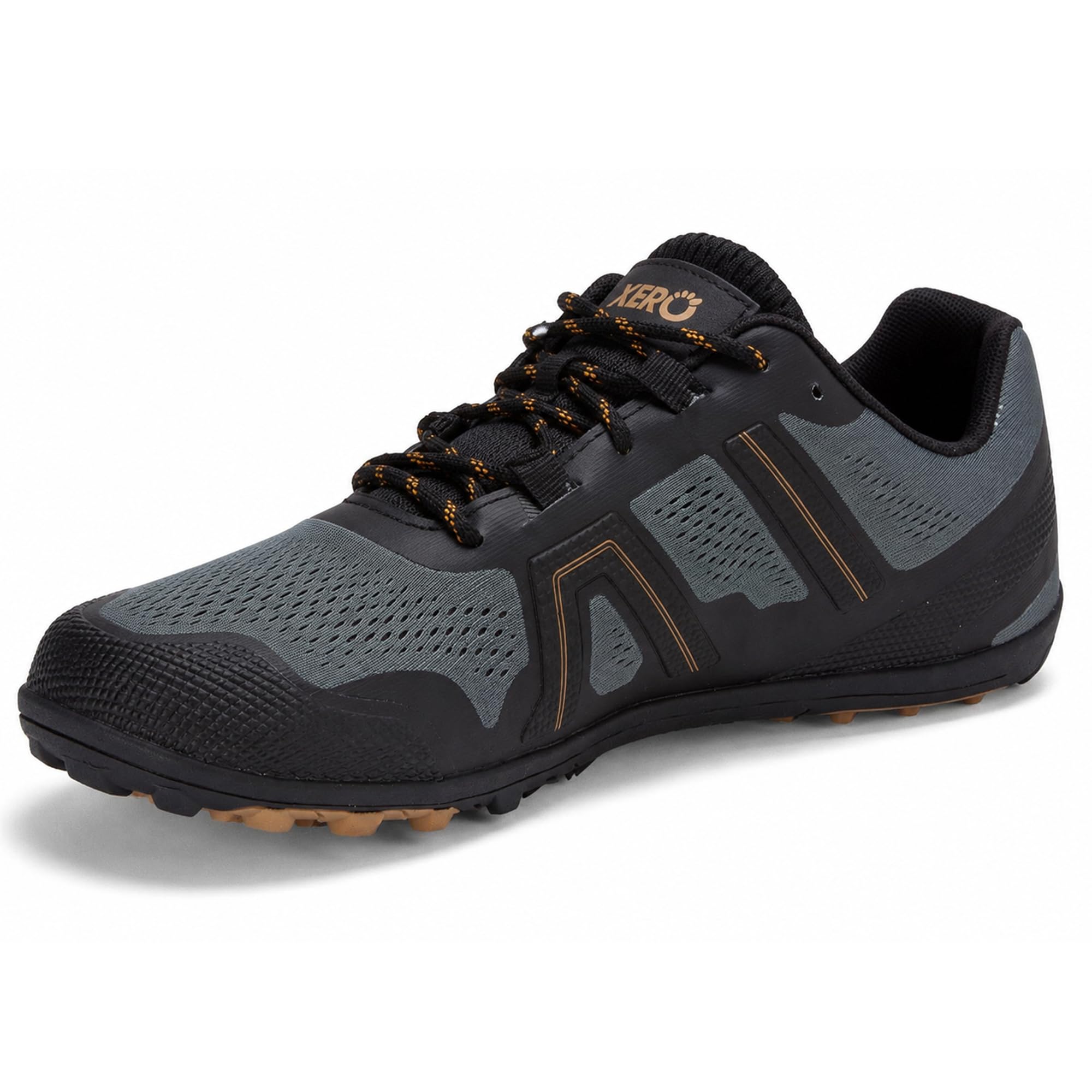
The Xero Mesa Trail II is the most extreme option here — a zero-drop, barefoot-style shoe with a wide toe box and minimal cushion. It’s built for runners who have already transitioned to minimalist footwear and want ground feel on trail runs. The outsole uses a grippy rubber pattern that handles dry grass and dirt well, but can be slippery on greasy surfaces.
Users who love the barefoot feel rave about the comfort and lightness. The shoe weighs almost nothing, and the wide toe box allows toes to splay naturally. However, the lack of cushion means sharp rocks are felt immediately, and some reviewers reported durability issues with the outsole wearing through after less than 1,000 miles.
This shoe is not for beginners. If you’re used to traditional cross country flats with some stack height, the Mesa Trail II will feel jarring. But for the dedicated minimalist runner, it offers a genuine ground connection that can improve form on soft, forgiving courses.
Why it’s great
- True zero-drop for efficient midfoot strike
- Wide toe box allows natural splay
Good to know
- Minimal cushion — sharp rocks are painful
- Reported outsole durability concerns
6. Brooks Men’s Catamount Trail Running Shoe
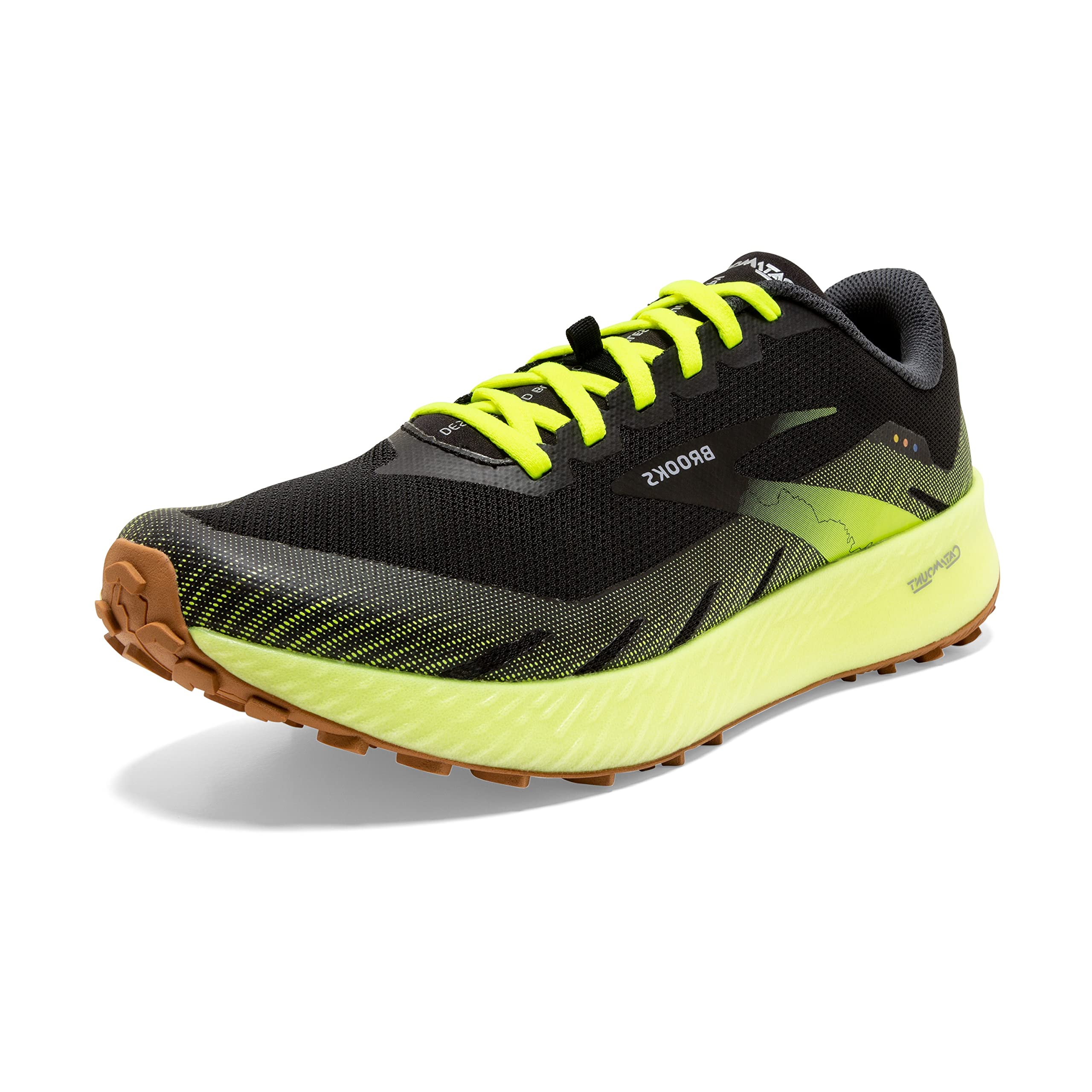
The Brooks Catamount sits at the premium end of the spectrum with a rock plate that protects against roots and stones without adding excessive weight. The midsole offers a responsive feel that reviewers describe as bouncy, and the outsole uses mud lugs that clean easily and grip well in wet conditions. Several users noted the shoe dried quickly after stream crossings, which is handy for cross country courses with water hazards.
The upper is a water-resistant mesh that kept one runner’s feet dry during a rainy 90km race. The fit works for wide feet, and the heel lockdown is secure. The only downside is the price point — it’s an investment for serious trail runners who race on technical terrain regularly.
For cross country use, the Catamount excels on courses that mix grass with gravel and loose dirt. The rock plate gives you confidence to push hard on downhill sections where a standard flat might leave you vulnerable.
Why it’s great
- Rock plate protects against roots and stones
- Water-resistant upper dries quickly
Good to know
- Higher price point than most XC flats
- May feel overbuilt for simple grass courses
7. La Sportiva Mens Prodigio Lightweight Performance Trail Running Shoes
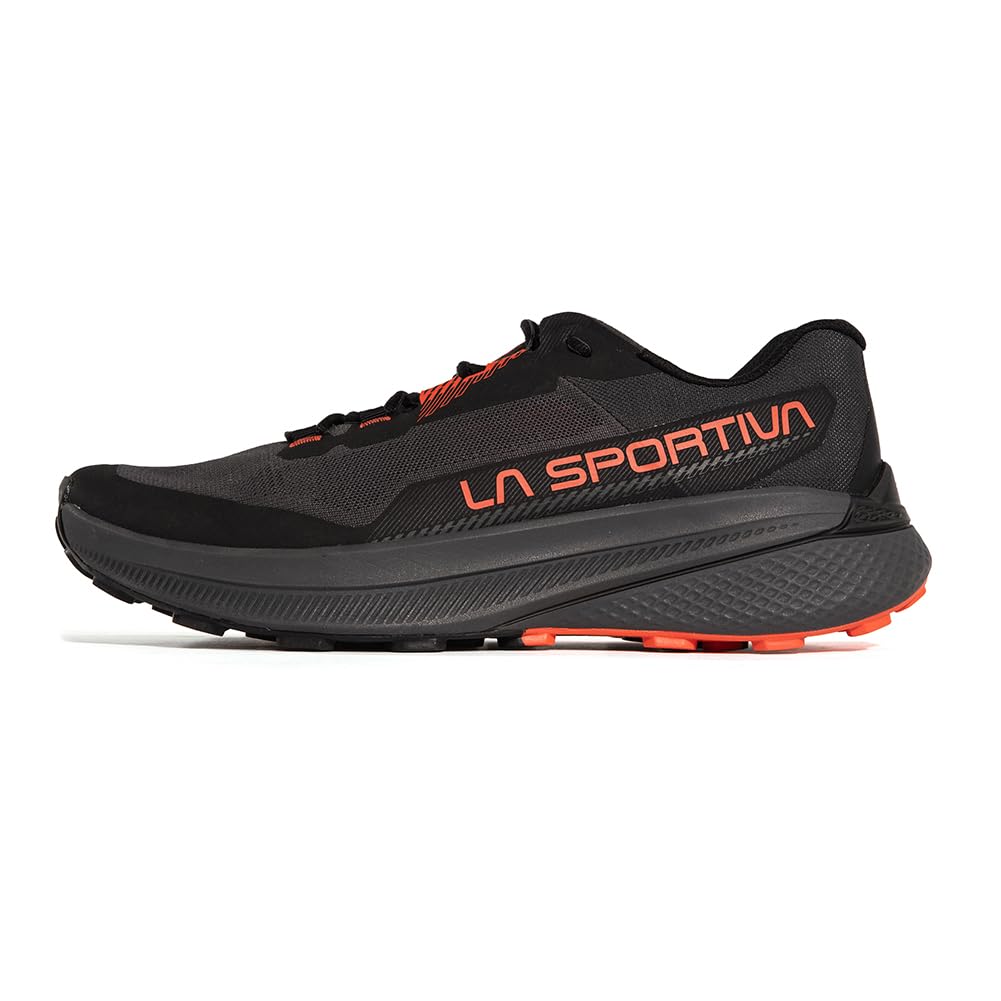
The La Sportiva Prodigio is a lightweight trail running shoe that feels like a race flat on technical terrain. The outsole is low-profile with a grippy pattern that works on grass, gravel, and dry mud. Reviewers consistently note the moderate cushion level offers enough protection for long efforts without sacrificing ground feel.
The fit runs small — typical Italian sizing — so ordering a half size up is recommended. The instep is snug, which provides a secure midfoot hold but may not suit runners with high-volume feet. The upper is breathable, and the midsole has enough rigidity to maintain stability on uneven ground.
This shoe is a great pick for fast packers and racers who want a shoe that disappears on the foot. It’s not a traditional XC flat with a spike plate, but for dry grass courses and trail races, it competes well with purpose-built flats.
Why it’s great
- Lightweight design reduces fatigue on long runs
- Midsole rigidity offers stability on uneven terrain
Good to know
- Runs small — order half a size up
- Snug instep may not suit high-volume feet
FAQ
Do cross country flats require spikes for racing?
What is the difference between an XC flat and a trail runner?
How should cross country flats fit compared to training shoes?
Final Thoughts: The Verdict
For most runners, the best cross country flats winner is the Saucony Kilkenny XC9 because it nails the balance of ground feel, fit, and spike plate performance at a value that’s hard to beat. If you want extra arch support and a higher drop, grab the Brooks Draft XC. And for zero-drop purists who need a wide toe box, nothing beats the Xero Mesa Trail II.

Mo Maruf
I created WellFizz to bridge the gap between vague wellness advice and actionable solutions. My mission is simple: to decode the research and give you practical tools you can actually use.
Beyond the data, I am a passionate traveler. I believe that stepping away from the screen to explore new environments is essential for mental clarity and physical vitality.