Our readers keep the lights on and my smoothie glass nicely filled. As an Amazon Associate, I earn from qualifying purchases.
The difference between a croissant that shatters into ethereal, buttery shards and one that falls flat as a pancake comes down to a single, often overlooked ingredient: the flour. Standard all-purpose flour lacks the sheer protein power to build the strong, elastic gluten network needed to trap steam and lift dozens of delicate layers. Choosing the right flour transforms your baking from a frustrating disaster into a reliable, flaky triumph.
I’m Mohammad Maruf — the founder and writer behind WellFizz. I’ve spent hundreds of hours analyzing the protein percentages, ash content, and milling methods that separate mediocre flour from the kind that produces bakery-worthy lamination, so you don’t have to guess which bag belongs in your pantry.
This guide breaks down the five top contenders to help you find the best croissant flour for your home kitchen, whether you are chasing a classic French viennoiserie or a hearty, heritage-inspired bake.
How To Choose The Best Croissant Flour
Selecting the right flour for croissants goes beyond just picking a bag off the shelf. You need to look for specific qualities that ensure your dough can handle the rigorous lamination process and still produce a light, airy interior. The two most critical factors are protein content and the type of wheat used.
Protein Content and Gluten Strength
For proper lamination, your flour needs a protein content of at least 12% to 14%. The protein forms gluten when mixed with water, giving the dough the elasticity to stretch without tearing as you fold in the butter block. A higher protein percentage (like the 14% found in high-gluten flours) creates a stronger dough that can withstand multiple turns and a long cold fermentation without collapsing.
Milling and Blend Type
The milling method and wheat variety impact both flavor and dough handling. Heritage and stone-ground flours retain more of the bran and germ, which adds a nutty flavor but can also physically cut gluten strands, reducing dough strength. Many bakers prefer a blend of unbleached white bread flour with a small percentage of whole wheat or heritage flour for complexity without compromising structure.
Quick Comparison
On smaller screens, swipe sideways to see the full table.
| Model | Category | Best For | Key Spec | Amazon |
|---|---|---|---|---|
| King Arthur High Gluten | High-Gluten | Classic laminated croissants | 14% protein content | Amazon |
| Sunrise Flour Mill Heritage Organic | Heritage Organic | Digestible artisan croissants | Pre-hybridized wheat blend | Amazon |
| Glicks Unbleached High Gluten | High-Gluten | Bagels and chewy pastries | Presifted, enriched formula | Amazon |
| Palouse Brand Whole Wheat Bread | Whole Wheat | Nutty whole-grain croissants | Glyphosate residue free | Amazon |
| Blue Bird Flour | High-Gluten | Fry bread and rustic pastries | Fine grind, high gluten content | Amazon |
In‑Depth Reviews
1. King Arthur High Gluten Flour

The King Arthur High Gluten Flour sits at the top of this list because its 14% protein content is precisely what a croissant dough demands. That high gluten strength provides the backbone to trap steam from the butter layers, resulting in a dramatic, puffy rise and a lacy interior crumb that shatters when bitten. Bakers who have used this flour for decades consistently praise its ability to deliver a light, crispy texture in pizza crusts and bagels, and those same qualities transfer directly to viennoiserie.
This flour is unbleached and is produced on equipment that processes common allergens, but the brand’s rigorous quality control ensures reliable results batch after batch. Its fine texture hydrates evenly during the initial mix, which helps create a smooth dough that rolls out without tearing during lamination. Many users mention using it for artisan hearth breads and long-fermentation recipes, meaning it excels in the cold overnight proofing that develops complex flavor in croissants.
For home bakers ready to move beyond all-purpose and into true bakery territory, this bag represents the safest, most consistent upgrade. It handles high hydration well and gives you the forgiveness you need while mastering the fold technique. If you only buy one flour for croissants, make it this one.
Why it’s great
- 14% protein provides maximum gluten strength for tall, flaky layers
- Consistent performance across multiple batches and hydration levels
Good to know
- Large 3 lb bag may be more than needed for occasional baking
- Produced on shared equipment with common allergens
2. Sunrise Flour Mill Heritage Organic Bread Flour
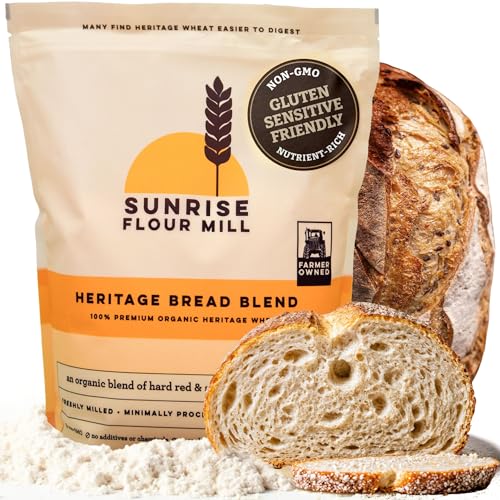
Sunrise Flour Mill’s Heritage blend offers a unique proposition for the croissant baker who also cares about digestibility. Milled from pre-hybridized Turkey Red and White Sonora wheat, this organic flour is known to cause less bloating and gastric discomfort even in those with mild gluten sensitivities. The protein content is high enough for solid dough strength, and the single-pass unifine milling produces a superfine, fluffy texture that integrates butter blocks seamlessly.
Users consistently report noticeable improvements in flavor compared to conventional bread flours, describing a nutty, creamy-gold finish that adds depth to the final pastry. The lower level of modern gluten hybridization means the dough may feel slightly less elastic than a pure high-gluten flour, so you should aim for a slightly lower hydration (around 66%) to maintain structure during lamination. Many enthusiastic sourdough bakers have switched to this brand exclusively, citing excellent results even with long, cold fermentations.
If your stomach reacts poorly to standard wheat products but you refuse to give up laminated dough, this flour is a game-changer. The trade-off is a slightly more delicate handling process, but the payoff is a digestible croissant with a rich, heritage wheat flavor that stands out from the crowd.
Why it’s great
- Superfine grind creates a smooth, easily laminated dough
- Heritage wheat is far easier to digest than modern strains
Good to know
- May require slightly lower hydration due to softer gluten network
- Premium price point compared to standard high-gluten flours
3. Glicks Unbleached High Gluten Flour
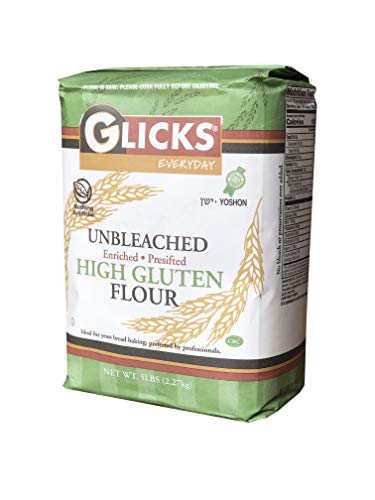
Glicks offers an entry-level path into high-gluten territory without the premium price tag. This flour is enriched, presifted, and contains malted barley flour, which provides a consistent source of amylase enzymes that support yeast activity and browning during baking. While it is often marketed toward bagel and pizza makers, its high gluten content makes it a viable option for croissant dough, especially for bakers who are still practicing their lamination technique and want a forgiving, cost-effective canvas.
Customer reviews highlight its reliability for creating chewy, crusty breads and bagels, with several users specifically noting that it produces excellent homemade bagels with the right density and chew. The absence of preservatives is a plus, though the flour is not organic. When used for croissants, you will find the dough feels robust and holds up well during multiple folds, though the flavor profile is less complex than that of heritage or stone-ground alternatives.
For a budget-friendly option that lets you experiment with high-gluten baking without a major financial commitment, Glicks performs admirably. Its main limitation is the lack of the nuanced flavor that higher-end flours offer, but if you are aiming to perfect your technique first, this bag will serve you well.
Why it’s great
- Very affordable way to access high-gluten flour for practice
- Presifted texture saves a step in preparation
Good to know
- Flavor profile is less complex than heritage or organic options
- Not organic and may not suit those seeking chemical-free ingredients
4. Palouse Brand Whole Wheat Bread Flour

Palouse Brand takes a farm-to-table approach, growing their wheat on a family farm in Washington and milling it without stripping any part of the berry. This 100% whole wheat bread flour is certified glyphosate residue free, giving you peace of mind about chemical exposure. For croissant baking, this flour introduces a significant amount of bran, which adds fiber and a robust, nutty flavor but will also physically interfere with gluten strand formation, so it should be blended with a high-gluten white flour for best results.
Users rave about the delicious, old-school homemade texture it imparts to bread, with one reviewer noting its slightly sweet, non-bitter taste. The flour performs best in lower hydration doughs, so you will need to adjust your croissant recipe to compensate, and the bran can make the dough feel a bit more dense. The new packaging design has received some criticism for not standing upright, making it a bit messy to scoop from.
This is not a standalone croissant flour, but it is an excellent choice for bakers who want to incorporate whole grain goodness into a blend. Mix it with a high-gluten white flour at a 20-30% ratio to create a croissant with a hearty flavor profile and added nutritional value, while retaining enough structure to laminate properly.
Why it’s great
- Certified glyphosate residue free for a clean ingredient profile
- Stone-ground from whole wheat provides superior fiber and flavor
Good to know
- Best used in a blend with high-gluten white flour for croissants
- New packaging design is difficult to store and measure from
5. Blue Bird Flour
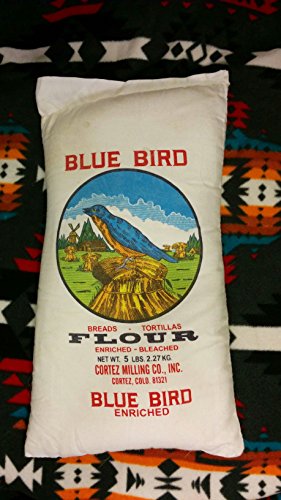
Blue Bird Flour is a cult favorite for a very specific purpose: authentic Native American Frybread. Milled in Cortez, Colorado, with a fine grind and high gluten content, this flour is packed in a beautiful, reusable cotton bag that speaks to its rustic, artisan origins. While not a traditional French Type 55 flour, its high gluten strength and fine texture make it a surprisingly good candidate for laminated doughs, especially if you enjoy a heartier, more rustic croissant.
Users consistently praise its versatility, using it for everything from tortillas to cakes, with many noting that it produces tender, delicious results across the board. The high gluten content will provide enough structure for a decent lamination, but the flour is not bleached or enriched, so you will get a more natural, slightly darker crumb compared to commercial white flours. Some buyers have noted the price can be higher when purchased through third-party sellers rather than directly from the mill.
For bakers who appreciate a flour with a story and a working-class heritage, Blue Bird brings something unique to the table. It works best when you want a croissant that feels less delicate and more substantial, perfect for a breakfast sandwich or a savory application where the pastry needs to hold up to heartier fillings.
Why it’s great
- High gluten content supports robust, less delicate pastry structure
- Comes in a reusable, eco-friendly cotton bag
Good to know
- May be overpriced when purchased through third-party sellers
- Not a traditional croissant flour; yields a more rustic crumb
FAQ
Can I use all-purpose flour to make croissants?
What is the ideal protein percentage for croissant flour?
Should I use bleached or unbleached flour for croissants?
Final Thoughts: The Verdict
For most users, the best croissant flour winner is the King Arthur High Gluten Flour because its 14% protein content provides the maximum gluten strength needed for reliable, flaky lamination every time. If you want a deeply flavorful, heritage grain that is easier on digestion, grab the Sunrise Flour Mill Heritage Organic Bread Flour. And for budget-friendly practice without sacrificing structure, nothing beats the Glicks Unbleached High Gluten Flour.

Mo Maruf
I created WellFizz to bridge the gap between vague wellness advice and actionable solutions. My mission is simple: to decode the research and give you practical tools you can actually use.
Beyond the data, I am a passionate traveler. I believe that stepping away from the screen to explore new environments is essential for mental clarity and physical vitality.