Our readers keep the lights on and my smoothie glass nicely filled. As an Amazon Associate, I earn from qualifying purchases.
Fresh ink is an open wound, and slathering the wrong balm can trap bacteria, clog pores, and dull the very art you just paid for. The difference between a tattoo that heaves with vibrant color and one that fades into a muddy mess starts with the first layer of moisture you apply. Your skin’s healing window is narrow, and every ingredient that touches it either accelerates recovery or invites irritation.
I’m Mohammad Maruf — the founder and writer behind WellFizz. I’ve spent hundreds of hours dissecting ingredient decks, analyzing dermatological healing protocols, and cross-referencing real user outcomes to separate the soothing balms from the petroleum-laden greases that suffocate new ink.
Whether you’re nursing a fresh sleeve or reviving a decade-old piece, this guide breaks down the exact formulations that support the skin barrier without clogging pores, so you can find the best cream for tattoo aftercare that matches your healing stage and skin type.
How To Choose The Best Cream For Tattoo Aftercare
Picking an aftercare cream isn’t about grabbing the thickest goo on the shelf. Your tattoo’s healing journey has distinct phases — the oozy first 48 hours, the flaky week two, and the dry month three — and each demands a different texture and ingredient profile. Ignoring your skin’s oiliness or sensitivity is the fastest route to a blotchy heal.
Match the Formula to the Healing Stage
Fresh wounds need breathable occlusion, not suffocating slabs of petroleum. A water-free ointment like Aquaphor works during the initial weepy phase because it lets oxygen pass while locking moisture in. Once the peeling starts, switch to a lighter balm or cream with fast-absorbing butters to avoid clogging the regenerating skin cells.
Scan the Ingredient Deck for Irritants
Fragrance, essential oils, and alcohol are the three biggest enemies of fresh pigment. Even if a balm smells pleasant, those botanical extracts — think citrus or mint — can trigger contact dermatitis and pull color out of the dermis. Stick to formulas that list panthenol, bisabolol, shea butter, or coconut oil as primary actives and skip anything with “parfum” in the first five ingredients.
Consider Your Skin’s Oil Production
Oily skin doesn’t need heavy butters; a gel-cream or lightweight lotion that absorbs in under a minute will prevent breakouts around the tattoo site. Dry skin, on the other hand, craves thick emollients like mango butter or lanolin-free balms that sit on the surface for hours. Match the cream’s viscosity to your natural sebum output, or you’ll deal with either clogged follicles or a tight, cracking surface.
Quick Comparison
On smaller screens, swipe sideways to see the full table.
| Model | Category | Best For | Key Spec | Amazon |
|---|---|---|---|---|
| Stories & Ink Aftercare Cream | Premium | Fresh tattoo healing | Panthenol + Bisabolol formula | Amazon |
| Ebanel Tattoo Balm | Mid-Range | Color enhancement | Mango + Shea Butter base | Amazon |
| Hustle Butter Revitalizing Stick | Premium | On-the-go moisture | Solid balm stick format | Amazon |
| Aquaphor Healing Ointment | Budget-Friendly | Dermatologist-recommended base | Water-free petrolatum base | Amazon |
| Aquaphor Baby Healing Ointment | Budget-Friendly | Ultra-sensitive skin | Preservative-free formula | Amazon |
In‑Depth Reviews
1. Stories & Ink Aftercare Cream
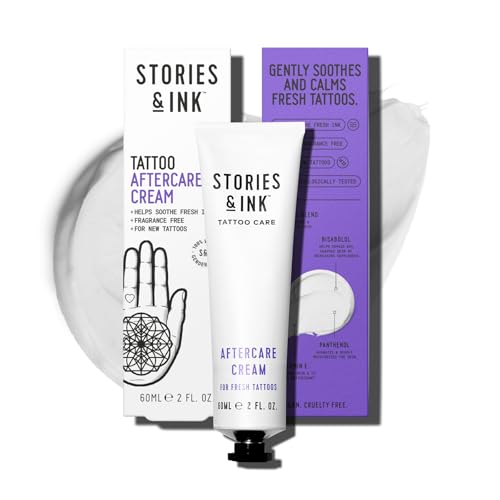
This UK-formulated cream skips the heavy petrolatum entirely, relying on panthenol and bisabolol — two proven skin-soothing actives — to calm redness and reduce the maddening itch that hits around day four. Independent patch testing confirms it’s safe for sensitive skin, and multiple users reported less irritation compared to generic ointments.
Unlike thick balms that leave a sticky film on clothes, this formula absorbs in under a minute while still delivering lasting hydration for several hours. The 60 mL tube is compact enough for a gym bag, and the absence of fragrance means zero chemical interference with fresh pigment.
Studio-tested at an actual tattoo parlor, it earned a reputation for slashing healing time by roughly half when compared to traditional petroleum-based methods. Users with larger pieces — full sleeves and back panels — found two daily applications sufficient to keep the skin supple without over-moisturizing.
Why it’s great
- Clinically proven calming agents target redness directly
- No petroleum or skin-suffocating ingredients
- Only 2 applications per day needed for deep hydration
Good to know
- Texture feels slightly tacky before full absorption
- Premium-tier pricing per ounce
2. Ebanel Tattoo Balm
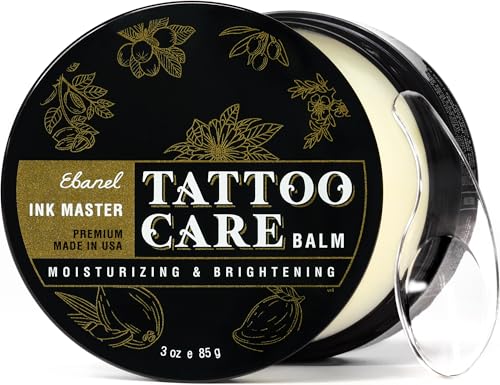
Ebanel packs a dense blend of mango butter, shea butter, and sweet almond oil into a balm that doubles as a color brightener for both fresh and faded ink. The inclusion of manuka oil and frankincense provides natural antimicrobial support without the sting of synthetic preservatives.
Users with older tattoos reported a visible “pop” in contrast after a week of daily use, while those healing new work appreciated the non-greasy finger glide that didn’t leave residue on pillowcases. The formula is also free of lanolin and mineral oil, making it suitable for those with contact allergies.
Dermatologist-tested and manufactured in an FDA-registered facility, this balm covers the full timeline — from pre-stencil prep through the dry flaking phase. The light herbal scent (natural, not synthetic) fades within seconds after application, so it won’t compete with your daily grooming products.
Why it’s great
- Rich butter base revitalizes dull, old ink
- Manuka oil offers natural antimicrobial protection
- No greasy residue after absorption
Good to know
- Essential oils may irritate extremely reactive skin
- Ingredient list is long — may overwhelm purists
3. Hustle Butter Revitalizing Stick

This solid stick format solves the messiest problem of tattoo aftercare: applying cream with unwashed hands. Glide it directly over healed or fully settled ink without dipping fingers into a jar, making it ideal for desk drawers, car consoles, and TSA-friendly carry-ons. The shea butter and coconut oil base hydrates without pooling in crevices.
Users praised the tropical scent as light and refreshing, not cloying, and noted that the stick leaves a subtle gloss that makes colors look punched-up under direct light. It’s not intended for fresh tattoos (the brand itself warns against open wounds), so this belongs in your rotation once the scabbing phase is complete.
Vegan and cruelty-free certification adds a clean conscience to the purchase. The 1.6 oz size lasts roughly two months of daily application on a medium-sized forearm piece, making it a low-maintenance option for maintaining healed art.
Why it’s great
- Zero-mess stick format perfect for on-the-go use
- Pleasant tropical scent that fades quickly
- Adds visible shine and enhances color contrast
Good to know
- Not suitable for fresh, unhealed tattoos
- Texture feels slightly rough — may drag on very dry skin
4. Aquaphor Healing Ointment
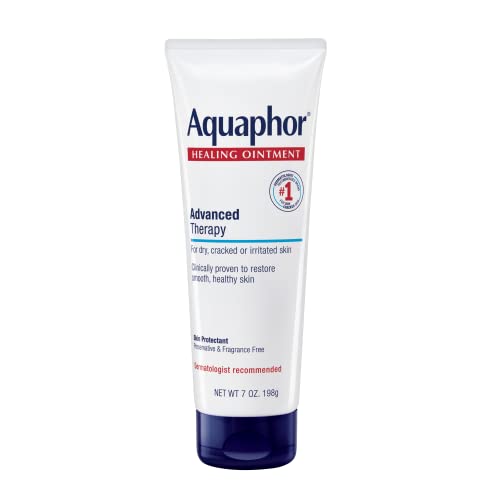
Aquaphor has been the gold standard in dermatology clinics for decades, and its water-free formula creates a semi-occlusive layer that lets oxygen exchange happen while keeping bacteria out. The chamomile-derived bisabolol adds a soothing touch that straight petroleum jelly lacks, making it gentler on weeping fresh ink.
Licensed cosmetologists and tattoo artists alike recommend this for the first three to five days post-session because it prevents the scab from drying too fast — the primary cause of cracking and color loss. The large 7 oz tube is cost-effective for those covering large surface areas or using it on multiple tattoos simultaneously.
It’s thick and stays put for hours, which means you won’t need reapplications during the workday. The lack of fragrance and preservatives makes it a safe baseline choice for anyone whose skin reacts unpredictably to botanical-heavy alternatives.
Why it’s great
- Decades of clinical trust and dermatologist recommendation
- Oxygen-permeable barrier supports natural healing
- Cost-effective large tube for extensive coverage
Good to know
- Very greasy texture may stain clothing and bedding
- Not ideal for oily or acne-prone skin near tattoos
5. Aquaphor Baby Healing Ointment
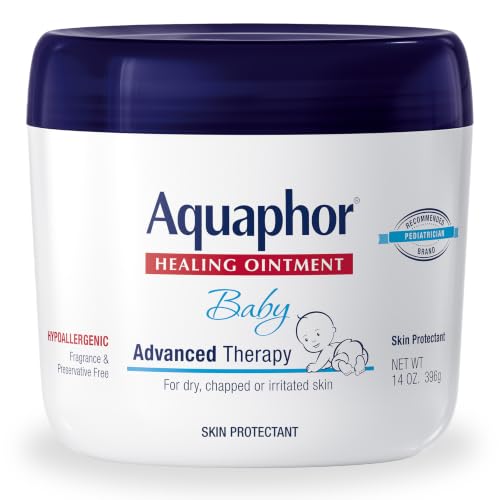
The baby version of Aquaphor drops the preservatives and tightens the ingredient list to a bare minimum, making it the safest option for those who develop contact dermatitis from standard ointments. Parents often dual-purpose this on diaper rash and tattoo healing alike, confirming its gentle occlusion profile.
With added panthenol and glycerin, it actively repairs the skin barrier while protecting from external irritants. Users with eczema reported that this formula didn’t aggravate their condition, a crucial factor for anyone healing ink on or near existing flare zones.
The 14 oz jar is the largest capacity in this lineup, offering months of usage for a single tattoo or shared use among family members. While the jar format is less hygienic than a tube, the sheer value per gram makes it a solid staple for multi-use households.
Why it’s great
- Stripped-down formula with zero preservatives
- Panthenol actively strengthens the skin barrier
- Massive jar provides exceptional longevity
Good to know
- Jar format risks contamination if fingers are not clean
- Same greasy feel as standard Aquaphor
FAQ
Can I use regular lotion instead of dedicated tattoo aftercare cream?
How many times per day should I apply aftercare cream on a fresh tattoo?
Do I need a different cream for black-and-gray versus color tattoos?
What ingredient should I avoid on a tattoo that is less than 48 hours old?
Final Thoughts: The Verdict
For most users, the cream for tattoo aftercare winner is the Stories & Ink Aftercare Cream because it balances breathable hydration with clinically proven anti-itch actives, shaving days off the healing timeline without suffocating the skin. If you want a color-brightening butter that works on both new and old ink, grab the Ebanel Tattoo Balm. And for a zero-mess stick that keeps healed art glossy on the go, nothing beats the Hustle Butter Revitalizing Stick.

Mo Maruf
I created WellFizz to bridge the gap between vague wellness advice and actionable solutions. My mission is simple: to decode the research and give you practical tools you can actually use.
Beyond the data, I am a passionate traveler. I believe that stepping away from the screen to explore new environments is essential for mental clarity and physical vitality.