Our readers keep the lights on and my smoothie glass nicely filled. As an Amazon Associate, I earn from qualifying purchases.
Radiation burns create a unique, painful challenge — your skin feels raw, tight, and hypersensitive, yet most lotions sting on contact. Finding a cream that actually soothes without aggravating the compromised barrier is the real test, not just keeping skin hydrated.
I’m Mohammad Maruf — the founder and writer behind WellFizz. I’ve spent countless hours analyzing dermatological studies, combing through clinical trial data, and cross-referencing formulation ingredients specifically for radiation dermatitis to build a guide based on what the science and real patient feedback confirm.
This guide cuts through the marketing to focus on the formulations that deliver genuine relief, so you can make an informed choice for the best cream for radiation burns that fits your specific stage of treatment and skin sensitivity.
How To Choose The Best Cream For Radiation Burns
Radiation burns, or radiodermatitis, require a formula that hydrates without irritation, supports the skin barrier, and often includes active ingredients to manage pain or inflammation. Here are the critical factors to evaluate before purchasing.
Active Ingredients: Lidocaine vs. Calendula vs. Aloe
The most important distinction is between anesthetic creams (lidocaine) that numb pain and soothing botanicals (calendula, aloe vera) that reduce inflammation and hydrate. Lidocaine-based creams are ideal once burning pain is significant, while calendula and aloe are safer for daily, long-term use starting from the first session of radiation.
Texture & Absorption
A cream that is too thick may pull at sensitive skin during application, while one that is too thin may evaporate before providing lasting moisture. Look for formulas described as non-greasy and fast-absorbing, but still rich enough to create a protective barrier. Avoid anything with alcohol or heavy fragrances, as these can trigger stinging on compromised skin.
Certifications & Safety
Check for dermatologist testing, FSA/HSA eligibility, and whether the formula is paraben-free, steroid-free, and fragrance-free. These indicators matter more for radiation patients than for general skincare, because the skin barrier is already broken down. A product used by radiation oncology centers is a strong vote of confidence.
Quick Comparison
On smaller screens, swipe sideways to see the full table.
| Model | Category | Best For | Key Spec | Amazon |
|---|---|---|---|---|
| Rejuvaskin Skin Recovery Cream | Premium | Pre-treatment & daily barrier support | Hyaluronic Acid + Calendula | Amazon |
| Miaderm-L Radiation Relief Lotion | Premium | Active pain relief during burning phase | 4% Lidocaine + Aloe | Amazon |
| TriDerma Radia-Soothe Skin Relief Cream | Mid-Range | Daily soothing & FSA-eligible care | AP4 Aloe Complex + Colloidal Oats | Amazon |
| PhysAssist Oncology Cream | Mid-Range | Deep moisture & post-treatment recovery | Jojoba + Sweet Almond + Calendula | Amazon |
| Jeans Maximum Skin Therapy Cream | Budget-Friendly | Budget-friendly everyday moisture | Aloe + Vitamin E (2 oz) | Amazon |
In‑Depth Reviews
1. Rejuvaskin Skin Recovery Cream
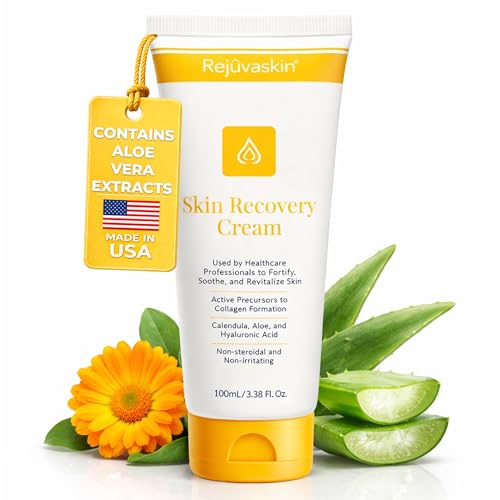
This formula is trusted by over 200 radiation centers and carries the National Eczema Association Seal of Acceptance — a rare combination that validates its safety for the most sensitive skin. The inclusion of hyaluronic acid for deep moisture retention and glucosamine for collagen support makes it uniquely suited to fortify skin before and after each session. It is also physician-recommended specifically for radiodermatitis.
The lightweight, non-greasy texture absorbs quickly without pulling at fragile skin, and the calendula aloe blend works to calm redness and itching from the first application. Patients report that starting it from the first radiation session helps maintain skin resilience, reducing the severity of burns compared to skipping daily care.
At a premium price point, this cream delivers on both immediate soothing and long-term barrier repair, making it the most complete option for anyone beginning or currently undergoing radiation therapy. The 100 ml tube provides a generous supply for consistent daily application.
Why it’s great
- Approved by the National Eczema Association for sensitive skin
- Contains hyaluronic acid and glucosamine for deeper recovery
- Non-greasy and absorbs without stinging
Good to know
- Higher price may not suit all budgets
- Not formulated with lidocaine for numbing pain
2. Miaderm-L Radiation Relief Lotion

When the burning sensation becomes severe and topical pain relief is the priority, Miaderm-L stands out by pairing 4% lidocaine with aloe vera and calendula. This water-based, non-steroidal lotion is supported by evidence from phase III randomized trials, which is uncommon in this category and gives it strong credibility for managing radiation-related pain.
The formula is free of alcohol and nut oils, making it safe for the most compromised skin areas. Patients report that it provides immediate relief from itching and soreness, and its lightweight consistency makes it comfortable to apply multiple times daily during the peak of radiation treatment.
Because it contains lidocaine, this is not a daily preventive moisturizer — it is a targeted pain management tool best used when significant skin discomfort has set in. The 4 oz bottle is premium-priced and may require a switch from a lidocaine-free cream for the earlier stages of treatment.
Why it’s great
- 4% lidocaine provides effective, targeted numbing
- Backed by phase III clinical trial data
- Non-steroidal, alcohol-free, and nut oil-free
Good to know
- Premium pricing per ounce
- Best used during later, more painful stages of treatment
3. TriDerma Radia-Soothe Skin Relief Cream

TriDerma has been trusted for skin healing since 1992, and their Radia-Soothe cream is a standout mid-range option formulated specifically for radiodermatitis. The proprietary AP4 Aloe Vera Gel Complex delivers over 200 healing properties, and is combined with allantoin, colloidal oats, and vitamins to nourish and protect compromised skin after each session.
This cream is FSA and HSA eligible, making it a practical choice for patients managing treatment costs. It is dermatologist-tested, fragrance-free, and free of parabens, steroids, sulfates, mineral oil, and phthalates. The texture is rich and creamy but absorbs quickly without greasiness, and it glides on gently without causing additional irritation.
Users consistently note its effectiveness at softening damaged skin, alleviating itching, and keeping skin healthy enough to stay on track with radiation schedules. The 4 oz tube offers good value for a specialized cream, and the long brand history adds confidence.
Why it’s great
- FSA/HSA eligible for cost-effective purchasing
- Proprietary AP4 Aloe Complex with 200+ healing properties
- Free of common irritants like fragrance, steroids, and parabens
Good to know
- Not formulated for advanced pain relief (no lidocaine)
- Some users prefer a thinner lotion texture
4. PhysAssist Oncology Cream

PhysAssist takes a botanical approach with a blend of jojoba, sweet almond, and calendula oils to deliver ultra-moisturizing care for parched, stressed skin. Its formula is free of color, alcohol, and parabens, and it is designed for use from chin to toe — not on open wounds. The included USDA organic lip balm is a welcome bonus for patients dealing with dry, cracked lips from treatment.
The cream is non-greasy and non-staining, and absorbs well even on sensitive post-surgery or post-radiation areas. Some users note that the formula has a noticeable peppermint scent, which can feel cooling but may be too strong for those who prefer fragrance-free products. The cream is thicker than some lotions, which works well for targeted hydration but may require more product for full-body coverage.
As a mid-range option, this cream offers solid value with the added lip balm making it a practical kit for patients. The botanical blend is gentle enough for daily use throughout treatment, though the scent may be a dealbreaker for those with heightened sensitivity.
Why it’s great
- Includes a bonus USDA organic lip balm
- Rich botanical blend without alcohol or parabens
- Non-greasy and absorbs effectively on sensitive skin
Good to know
- Contains a noticeable peppermint scent
- Thicker consistency requires more product for large areas
5. Jeans Maximum Skin Therapy Cream
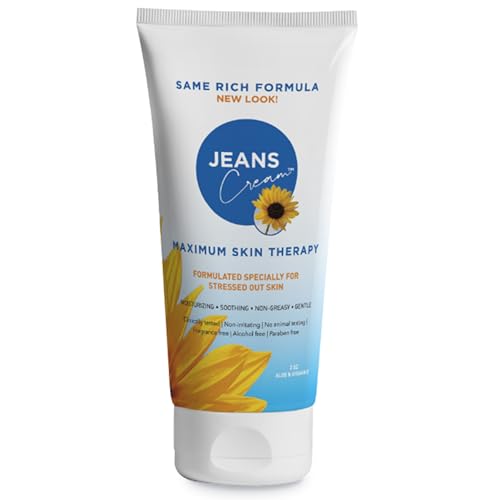
Jeans Cream is a straightforward, no-frills option that focuses on high-potency vitamin E and aloe vera to soothe irritated skin from radiation, sunburn, and general dryness. It is an affordable entry-level choice for patients who need reliable hydration without specialized additives. The 2 oz tube is smaller than other options, but the formula is potent enough that a little goes a long way.
It is alcohol-free, paraben-free, and fragrance-free, making it gentle enough for sensitive, compromised skin. The lightweight, non-greasy texture absorbs quickly and does not sting. It also works well for other skin issues like cracked heels and sunburn, adding versatility beyond radiation care.
While it lacks the advanced ingredients like lidocaine or hyaluronic acid found in premium options, it performs consistently as a daily moisturizer. Many patients who used it during radiation continue using it afterward, citing its effectiveness at keeping skin soft and irritation-free.
Why it’s great
- Budget-friendly price point
- No alcohol, parabens, or fragrance
- Versatile for other skin irritations like sunburn and rashes
Good to know
- 2 oz tube is smaller than most competitors
- No lidocaine or advanced barrier-repair ingredients
FAQ
Can I use a cream with lidocaine from the start of radiation treatment?
Should I apply cream before or after each radiation session?
What ingredients should I avoid in a cream for radiation burns?
Final Thoughts: The Verdict
For most users, the best cream for radiation burns winner is the Rejuvaskin Skin Recovery Cream because it combines deep hydration with barrier-repairing ingredients like hyaluronic acid, is approved by the National Eczema Association, and is trusted by hundreds of oncology centers. If you need targeted pain relief during the most intense burning phase, grab the Miaderm-L Radiation Relief Lotion with its 4% lidocaine and clinical trial backing. And for an FSA-friendly, high-quality daily option that soothes without irritation, the TriDerma Radia-Soothe delivers reliable care without breaking the bank.

Mo Maruf
I created WellFizz to bridge the gap between vague wellness advice and actionable solutions. My mission is simple: to decode the research and give you practical tools you can actually use.
Beyond the data, I am a passionate traveler. I believe that stepping away from the screen to explore new environments is essential for mental clarity and physical vitality.