Our readers keep the lights on and my smoothie glass nicely filled. As an Amazon Associate, I earn from qualifying purchases.
Treating a leg ulcer is a delicate balancing act between keeping the wound moist enough to encourage new tissue growth and preventing bacteria from turning the moist environment into a breeding ground. The wrong cream can dry out the wound bed, slow healing, or cause maceration of the surrounding skin — three outcomes that extend recovery time and increase the risk of complications. Choosing a product that actively supports autolytic debridement while maintaining the ideal moisture level is the single most important decision you’ll make.
I’m Mohammad Maruf — the founder and writer behind WellFizz. My research for this guide involved cross-referencing clinical wound care protocols with hundreds of verified buyer experiences to isolate which formulations actually deliver measurable healing progress for venous and arterial leg ulcers.
Below you’ll find the five most effective formulations currently available, ranked by their ability to maintain a moist healing environment, manage exudate, and reduce bacterial burden. This is your definitive resource for the best cream for leg ulcers, built around real-world outcomes and category-specific technical specifications.
How To Choose The Best Cream For Leg Ulcers
Selecting the right product for a leg ulcer requires matching the formulation’s active mechanism to the wound’s stage, drainage level, and infection risk. The wrong choice stalls healing; the right one accelerates it measurably.
Moisture Balance vs. Exudate Level
A leg ulcer needs a moist environment to heal, but not all moistures are equal. Low-exudate wounds benefit from a hydrogel that donates water to the wound bed, while moderately draining ulcers need a product like alginate that absorbs excess fluid while keeping the wound hydrated. Using a hydrogel on a heavily draining wound can cause maceration, and applying an absorbent dressing to a dry wound can pull moisture out and delay healing.
Infection Control: The Role of Silver
Chronic leg ulcers are susceptible to bacterial colonization, which can stall the inflammatory phase of healing. Silver ions provide broad-spectrum antimicrobial activity by disrupting bacterial cell walls and DNA replication. Products containing ionic silver — whether in a hydrogel, foam, or alginate format — reduce the bacterial burden without the resistance issues common with topical antibiotics. For ulcers with confirmed infection or high bioburden, a silver-impregnated dressing is the standard of care.
Autolytic Debridement and Hydrocolloid Technology
Non-viable tissue in the wound bed physically blocks new cell growth. Autolytic debridement uses the body’s own enzymes to break down necrotic tissue, and it requires a moist environment to function. Hydrocolloid-based formulations like DuoDERM create a gel-like barrier over the wound that traps moisture and enzymes against the tissue, accelerating the sloughing of dead cells without the pain of mechanical debridement. This makes them ideal for ulcers with slough or eschar.
Quick Comparison
On smaller screens, swipe sideways to see the full table.
| Model | Category | Best For | Key Spec | Amazon |
|---|---|---|---|---|
| DuoDERM Hydroactive Gel | Hydrocolloid Gel | Autolytic debridement & dry wounds | 30g tube with pectin & CMC | Amazon |
| SilvrSTAT First Aid Gel | Silver Gel | Infection-prone wounds | 32 PPM SilverSol particles | Amazon |
| Dimora Silver Hydrogel Gel | Silver Hydrogel | Hydration + antimicrobial coverage | Over 90% water content | Amazon |
| JJ CARE Silver Calcium Alginate | Alginate Dressing | Moderate to heavy exudate | 300ppm silver + calcium ions | Amazon |
| Dimora Silicone Foam Dressing Ag | Silver Foam Pad | High exudate & fragile skin | Absorbs 15x fluid weight | Amazon |
In‑Depth Reviews
1. ConvaTec DuoDERM Hydroactive Sterile Gel

DuoDERM is the clinical gold standard for a reason — its hydrocolloid formulation creates a moisture barrier that actively supports autolytic debridement. The gel, composed of natural hydrocolloids, pectin, and sodium carboxymethyl-cellulose, traps wound exudate and the body’s own enzymes against the wound bed, breaking down necrotic tissue without the need for painful mechanical scraping. It is indicated for partial and full-thickness wounds, including pressure sores, leg ulcers, and diabetic ulcers, which makes it the most versatile single product on this list.
Each tube delivers 30 grams of preservative-free, latex-free hydrogel, and the box of three tubes provides a two-to-three week supply for a typical ulcer. The gel applies cleanly and dries to a non-sticky film that adheres well under secondary dressings. Customers report noticeable healing progress within days on stage 1 bedsores and chronic ulcers, with the gel reducing friction against dressings and preventing new tissue from tearing during bandage changes. DuoDERM is recommended by wound care specialists and has decades of clinical data behind it.
The primary trade-off is that DuoDERM is a gel, not a dressing — you must cover it with a secondary gauze or foam pad. It is also best suited for low to moderately exudating wounds; heavy drainage may require a more absorbent format. For the buyer who wants the most researched, physician-trusted formulation available, this is it.
Why it’s great
- Clinically proven hydrocolloid technology for autolytic debridement
- Preservative-free, latex-free, and gentle on fragile skin
- Three tubes per box provide excellent value for ongoing care
Good to know
- Requires a secondary dressing for wound coverage
- Not designed for wounds with heavy exudate
2. SilvrSTAT First Aid Kit Gel

SilvrSTAT differentiates itself through its patented SilverSol technology — each particle of silver is engineered to carry a charge that allows it to penetrate bacterial cell walls and disrupt multiple infectious organisms simultaneously. The 32 PPM concentration is lower than some silver dressings, but the proprietary Ag₄O₄ particle structure increases the surface area of active silver available to the wound, making it effective against a broad spectrum of bacteria including MRSA strains commonly found in chronic ulcers.
The gel format applies smoothly and dries to a transparent, non-greasy film that does not stain clothing or bedding. Users report visible reduction in swelling and redness within 24 to 72 hours of application, with the gel continuing to work between dressing changes. It is safe for 1st and 2nd degree burns in addition to leg ulcers, making it a versatile component of any home first aid kit for wound management. The compact 3 oz tube fits easily into a travel bag or bedside drawer, and the pump dispenser reduces contamination risk.
SilvrSTAT is a gel, not a dressing — it must be covered with a secondary bandage or foam pad. It is also priced at the premium end of the spectrum. For ulcers with confirmed infection or high bacterial load, the targeted silver delivery makes it a strong choice.
Why it’s great
- Patented SilverSol particles offer broad antimicrobial coverage
- Non-greasy, transparent finish that won’t stain
- Works within 24 hours on swelling and redness
Good to know
- Requires secondary dressing for wound coverage
- Premium price point compared to basic hydrogels
3. Dimora Silver Hydrogel Wound Dressing
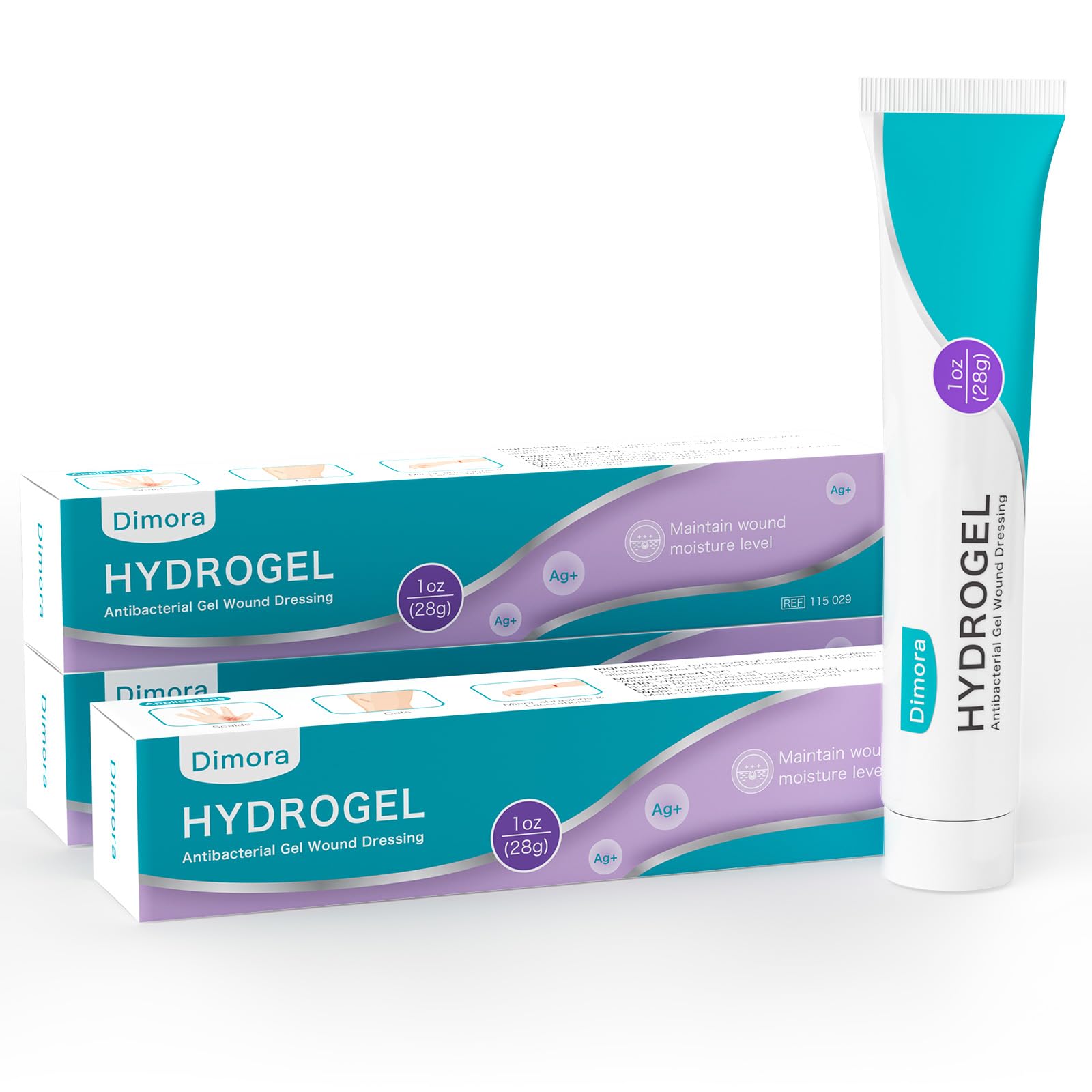
Dimora’s Silver Hydrogel combines the moisture-donating properties of a classic hydrogel with the antimicrobial action of silver ions, all at a price point that undercuts many single-ingredient alternatives. With over 90% water content, this gel actively hydrates dry wound beds while the silver component reduces bacterial colonization — a dual approach that is particularly valuable for leg ulcers that are neither heavily draining nor clearly infected but carry a background risk of contamination.
The gel is free from dyes and fragrances, making it suitable for sensitive skin that may react to additives found in other wound care products. It applies easily with a gloved finger or applicator and spreads evenly across the wound surface. Customers report using it successfully for heel blisters, surgical incisions, and minor burns, as well as leg ulcers. The non-amorphous formula means it stays in place well under a secondary dressing without running or pooling in low areas of the wound bed.
The three-pack format provides a generous total of 84 grams of gel, enough for several weeks of daily application. The primary limitation is that the hydrogel format is best for low to moderately exudating wounds — heavy drainage will dilute the gel and require more frequent changes. For the buyer who wants silver protection without a premium price, this is the smart pick.
Why it’s great
- High water content provides deep wound hydration
- Silver ions add antimicrobial protection at a value price
- Dye-free and fragrance-free for sensitive skin
Good to know
- Not ideal for heavily exudating wounds
- Requires secondary dressing for full coverage
4. JJ CARE Silver Calcium Alginate Wound Dressing

When a leg ulcer moves into a phase of moderate to heavy exudate, a gel alone won’t suffice — you need a dressing that can wick fluid away from the wound bed while releasing antimicrobial silver ions. JJ CARE’s alginate dressing, derived from 100% natural seaweed, forms a gel on contact with wound fluid that absorbs excess moisture and traps bacteria within its fibrous matrix. Each dressing contains 300 ppm of silver ions and calcium ions that support hemostasis, making it effective for wounds that are both draining and prone to minor bleeding.
The 4×5 inch pads are individually wrapped and sterile, ensuring that each application remains contamination-free. The dressing is non-adherent, meaning it will not stick to the wound bed and cause trauma during removal — a critical feature for leg ulcers where fragile skin tears easily. Customers report using these pads for venous leg ulcers, pressure sores, and full-thickness burns, with wound care physicians noting a 25% acceleration in healing compared to standard gauze. The recommended change interval of 3 to 7 days between dressing swaps reduces nursing visits and patient discomfort.
The alginate format requires a secondary dressing to hold it in place, and it is not intended for dry wounds — the fibers need fluid to activate. For the buyer managing a draining leg ulcer, this dressing provides the absorbency and antimicrobial protection that gels alone cannot deliver.
Why it’s great
- High absorbency for moderate to heavy exudate
- 300 ppm silver + calcium for antimicrobial and hemostatic action
- Non-adherent to wound bed for pain-free removal
Good to know
- Requires a secondary dressing for secure placement
- Not suitable for dry or low-exudate wounds
5. Dimora Silicone Foam Dressing Silver Ag 4″x 8″

For leg ulcers located on the lower leg or heel where pressure from clothing and compression bandages is constant, a foam dressing provides both absorbency and cushioning. Dimora’s silicone foam pad features a 5-layer construction that absorbs up to 15 times its own weight in wound fluid, while the silver ions embedded in the foam (0.25-0.35 mg/cm²) reduce bacterial colonization within the dressing itself. The silicone wound contact layer is medical-grade, hypoallergenic, and designed to adhere to dry skin without sticking to the moist wound bed — eliminating the pain and tissue trauma that comes with traditional adhesive dressings.
The 4×8 inch size fits wounds up to 2×6 inches, making it suitable for larger ulcers that require extended coverage. The semi-permeable PU film outer layer is waterproof and breathable, providing a barrier against external contamination while allowing oxygen exchange. Customers recovering from tummy tucks and sacral pressure sores report that these pads stay in place for multiple days without migration, and that removal is painless even on fragile skin. The dressing is indicated for venous leg ulcers, neuropathic ulcers, arterial ulcers, and skin tears, which covers the full spectrum of lower-extremity wounds.
The foam pad is more expensive per unit than a tube of gel, and it is designed for single use — you cannot reapply it once removed. For the buyer with a moderate to highly draining ulcer on a pressure-prone area, the combination of cushioning, fluid management, and atraumatic removal makes this the most comfortable option available.
Why it’s great
- Absorbs 15x fluid weight for heavy-drainage wounds
- Silicone layer prevents sticking and reduces change pain
- Waterproof, breathable PU film isolates external contamination
Good to know
- Single-use dressing with higher per-unit cost
- Best for wounds sized 2×6 inches or smaller
FAQ
Can I use a hydrogel on a draining leg ulcer?
How often should I change a silver alginate dressing on a leg ulcer?
Is silver in wound dressings safe for long-term use?
Final Thoughts: The Verdict
For most users, the best cream for leg ulcers winner is the ConvaTec DuoDERM Hydroactive Gel because it combines proven hydrocolloid technology, autolytic debridement support, and a format that works across the widest range of wound stages. If you need targeted infection control, grab the SilvrSTAT First Aid Gel. And for heavy drainage with fragile skin, nothing beats the Dimora Silicone Foam Dressing for comfort and fluid management.

Mo Maruf
I created WellFizz to bridge the gap between vague wellness advice and actionable solutions. My mission is simple: to decode the research and give you practical tools you can actually use.
Beyond the data, I am a passionate traveler. I believe that stepping away from the screen to explore new environments is essential for mental clarity and physical vitality.