Our readers keep the lights on and my smoothie glass nicely filled. As an Amazon Associate, I earn from qualifying purchases.
Cellulitis turns a simple scrape into a spreading nightmare of redness, heat, and swelling that demands immediate medical attention. Oral antibiotics do the heavy lifting, but the surrounding skin often stays angry, dry, and hypersensitive long after the infection starts to retreat.
I’m Mohammad Maruf — the founder and writer behind WellFizz. I’ve spent hundreds of hours analyzing wound care ointments, cross-referencing ingredient safety profiles, and mapping customer recovery reports to identify which formulations actually support skin repair without trapping moisture or feeding bacteria.
The best topical ally calms inflammation, maintains a moist healing environment, and creates a breathable barrier that prevents secondary infection. This guide breaks down the best cream for cellulitis recovery, ranked by ingredient safety, clinical evidence, and real-world results.
How To Choose The Best Cream For Cellulitis Recovery
Cellulitis is a bacterial skin infection that lives in the deeper dermal layers, so a surface-only moisturizer will do nothing to support recovery. The right cream needs to check four critical boxes.
Active Antimicrobial Protection
Look for ingredients that actively suppress bacterial growth without disrupting the skin microbiome. Allantoin, zinc oxide, and natural antiseptics like propolis or tea tree oil (in controlled concentrations) offer proven protection. Avoid creams loaded with fragrances, alcohol, or petroleum that trap heat against inflamed skin.
Moist Wound Healing Compatibility
Cellulitis-damaged skin cracks easily, creating entry points for reinfection. A cream that maintains a moist environment without macerating the tissue speeds epithelial regeneration. Linoleic acid, beeswax, and honey-based formulations excel here because they lock in moisture while still allowing the skin to breathe.
Hypoallergenic And Non-Sensitizing Base
Inflamed skin rejects harsh preservatives, parabens, and synthetic dyes. Any product applied to a cellulitis-adjacent area should be dermatologist-tested and free of common irritants. Fragrance-free and paraben-free formulations dramatically reduce the risk of contact dermatitis complicating the infection.
Application Consistency And Absorption
Thick, greasy pastes can tug at fragile skin during application and block oxygen exchange. A cream that spreads thinly, absorbs within a minute, and leaves a light protective film is ideal for covering larger surface areas without pulling at sensitive tissue.
Quick Comparison
On smaller screens, swipe sideways to see the full table.
| Model | Category | Best For | Key Spec | Amazon |
|---|---|---|---|---|
| Terrasil Wound Care 3X | Mid-Range | Bed sores & infection barrier | Allantoin + Activated Minerals | Amazon |
| LMNOOP Wound Healing Ointment | Premium | Chronic wounds & deep ulcers | Linoleic Acid + Honey Base | Amazon |
| EMUAIDMAX Ointment | Mid-Range | Severe itching & fungal overlap | Bacillus Ferment + Tea Tree | Amazon |
| Rawleigh Small Antiseptic | Premium | Travel & multi-surface protection | Turpentine + Phenol Base | Amazon |
| LMNOOP Wound Care Cream | Mid-Range | Everyday minor wound prevention | Propolis + Beeswax Formula | Amazon |
In‑Depth Reviews
1. Terrasil Wound Care 3X

Terrasil Wound Care 3X delivers a potent antimicrobial barrier through its patented Activated Minerals technology combined with Allantoin. This combination kills 99.99% of surface bacteria while actively promoting new tissue formation — a critical dual action when recovering from cellulitis. The formula is completely fragrance-free, paraben-free, and alcohol-free, so it won’t trigger contact dermatitis on already reactive skin.
Patient reports highlight noticeable relief within two to three days, especially for bed sores and pressure ulcers where constant moisture and friction slow recovery. The cream applies thinly, absorbs into the skin without leaving a greasy film, and can be covered with a standard bandage without causing maceration. For elderly patients or immobile individuals, this consistency makes repeated application comfortable and practical.
Users transitioning from prescription Santyl for debridement have reported equivalent or faster healing with Terrasil at a significantly lower cost. The 0.5-ounce tube covers multiple applications over a week, making it a budget-conscious choice for ongoing wound management without sacrificing antimicrobial protection.
Why it’s great
- Clinically validated 99.99% bacterial kill rate
- Dermatologist-tested and hypoallergenic approved
- Absorbs quickly without sticky residue
Good to know
- Small 0.5 oz tube for higher-frequency use
- Requires consistent daily application for best results
2. LMNOOP Wound Healing Ointment (Chronic Care)

This LMNOOP formulation is engineered specifically for chronic, non-healing wounds and deep ulcers — exactly the type of tissue damage that cellulitis leaves behind. The base combines linoleic acid, sesame oil, flax oil, propolis, and honey, creating a moist healing environment that supports cell regeneration while maintaining a natural antimicrobial shield. The texture is thicker than standard lotions but spreads evenly without pulling at tender skin.
User documentation from caregivers reports that deep leg wounds healed 50 percent within 10 days and completely closed by day 17 with twice-daily application. The ointment has been used clinically on diabetic wounds, varicose ulcers, and surgical incisions, earning recommendations from wound care nurses and surgeons. The brown coloration comes from the natural honey and propolis content — it stains clothing but proves the absence of artificial dyes.
One important caveat: some users treating cellulitis discoloration reported no change in skin redness after five months of use. This product targets wound healing and infection prevention rather than cosmetic redness reduction, so set expectations accordingly. The 1.76-ounce jar offers better value per application than smaller tubes at a premium price point.
Why it’s great
- Proven rapid closure of deep, non-healing wounds
- 100 percent organic herbal base with no synthetic additives
- Safe for sensitive skin, babies, and elderly patients
Good to know
- Strong herbal scent that some find unpleasant
- Not effective for reducing cellulitis skin discoloration
3. EMUAIDMAX Ointment
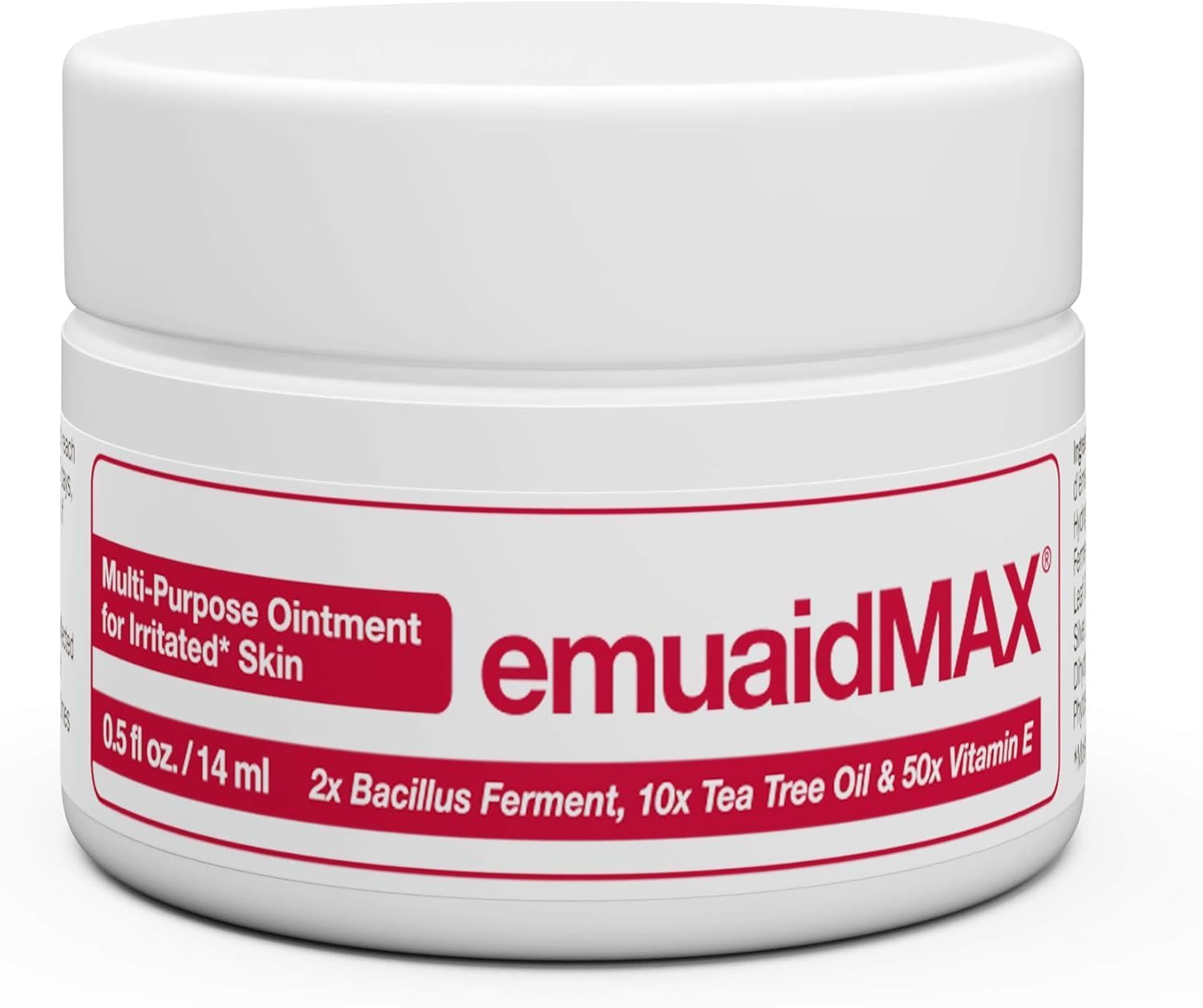
EMUAIDMAX takes a different approach by targeting over 100 skin conditions, including the severe itching and fungal overlaps that often complicate cellulitis recovery. The formula uses 2x Bacillus Ferment, 10x Tea Tree Oil, and 50x Vitamin E, creating a potent anti-inflammatory and antimicrobial cocktail that penetrates deep into skin layers. The tea tree oil base provides a cooling sensation that soothes the burning that accompanies post-infection inflammation.
Clinical reports from users show success treating severe anal fissures, skin tags, and persistent athlete’s foot — all conditions involving compromised skin barriers similar to post-cellulitis tissue. The ointment applies with a thin layer and penetrates quickly, making it suitable for sensitive areas like the groin, armpits, and skin folds where cellulitis commonly recurs. A 30-day commitment with three to four daily applications is recommended for visible results on tough cases.
Some users have reported disappointment with the packaging, noting that the 0.5-ounce container appears larger than the actual product volume due to a false bottom. While the formula is effective for a wide range of skin issues, the cost per ounce is higher than many alternatives, and results for eczema specifically have been inconsistent across reviews.
Why it’s great
- Covers 100+ skin conditions with one formula
- Fast-absorbing and cooling on inflamed skin
- Non-steroidal with strong natural antimicrobials
Good to know
- False bottom in packaging reduces actual content
- Tea tree scent is strong and persistent
4. Rawleigh Small Antiseptic (Original)
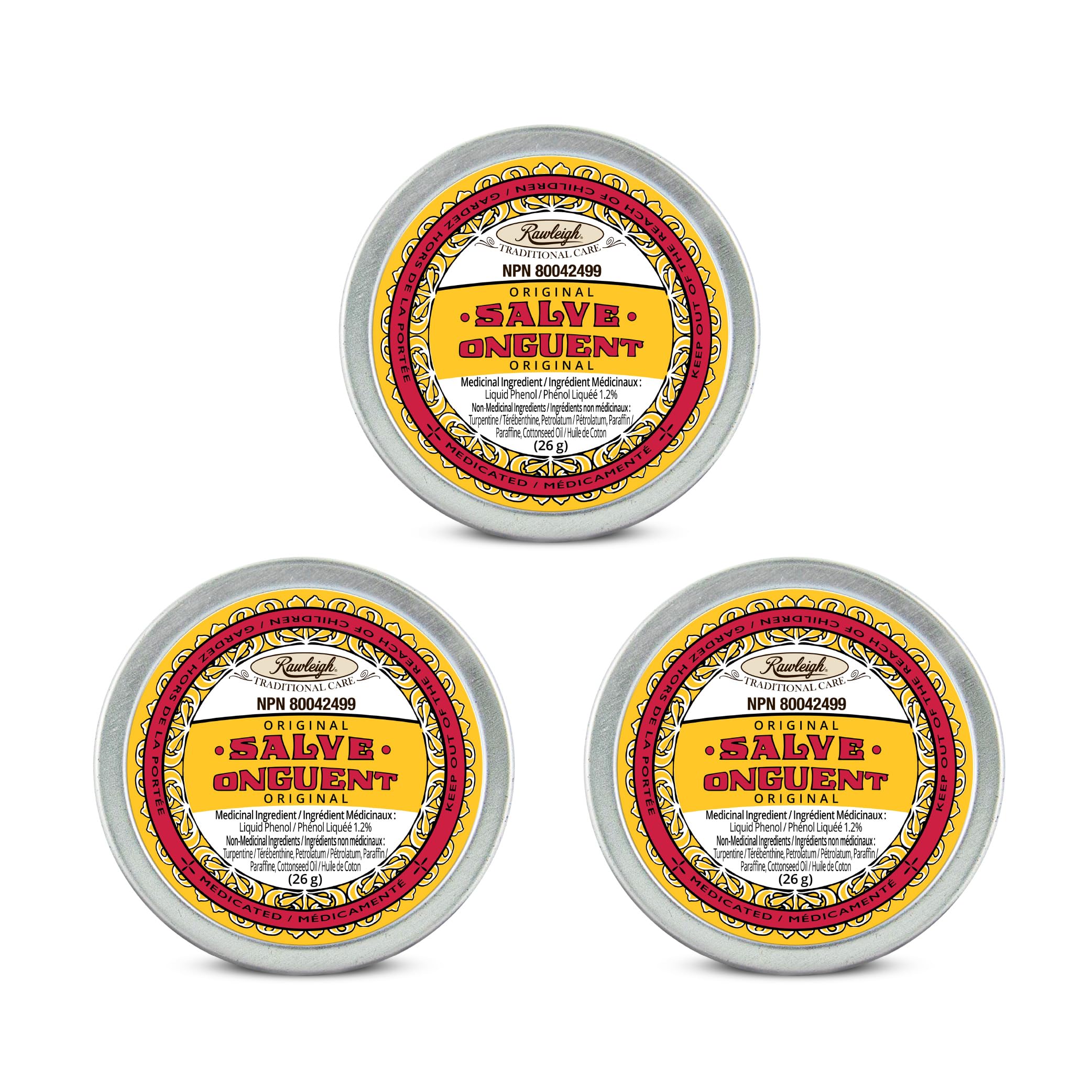
Rawleigh’s Antiseptic Salve has remained unchanged since 1889, relying on turpentine and liquefied phenol in a petrolatum, paraffin, and cottonseed oil base. This century-old formula creates an impermeable protective barrier that suffocates surface bacteria while keeping environmental contaminants out — a functional approach that still works for minor cuts, burns, and chapped skin adjacent to cellulitis-affected areas. The iconic yellow tin is instantly recognizable and fits easily into a pocket or first aid kit.
The salve is particularly useful for farm and outdoor environments where dirt and moisture constantly threaten healing skin. Users report excellent results on saddle chafing, cracked heels, and insect bites, with the thick barrier lasting through heavy activity. Unlike modern creams, this formulation does not absorb into the skin — it sits on top, physically blocking bacteria. For post-cellulitis skin that is still fragile but no longer infected, this physical barrier can prevent reinfection during the final healing phase.
A few important considerations: the 0.96-ounce tin is much smaller than it appears in photos, and the turpentine-phenol combination has a medicinal smell that lingers. The salve is best suited as a protective layer over nearly-healed skin rather than a treatment for active, weeping cellulitis wounds where breathability is essential.
Why it’s great
- Unchanged, time-tested antiseptic formula since 1889
- Works on both humans and animals for versatile use
- Creates a durable physical barrier against contaminants
Good to know
- Small tin size relative to price
- Not suitable for open, weeping wounds
5. LMNOOP Wound Care Cream (Standard)
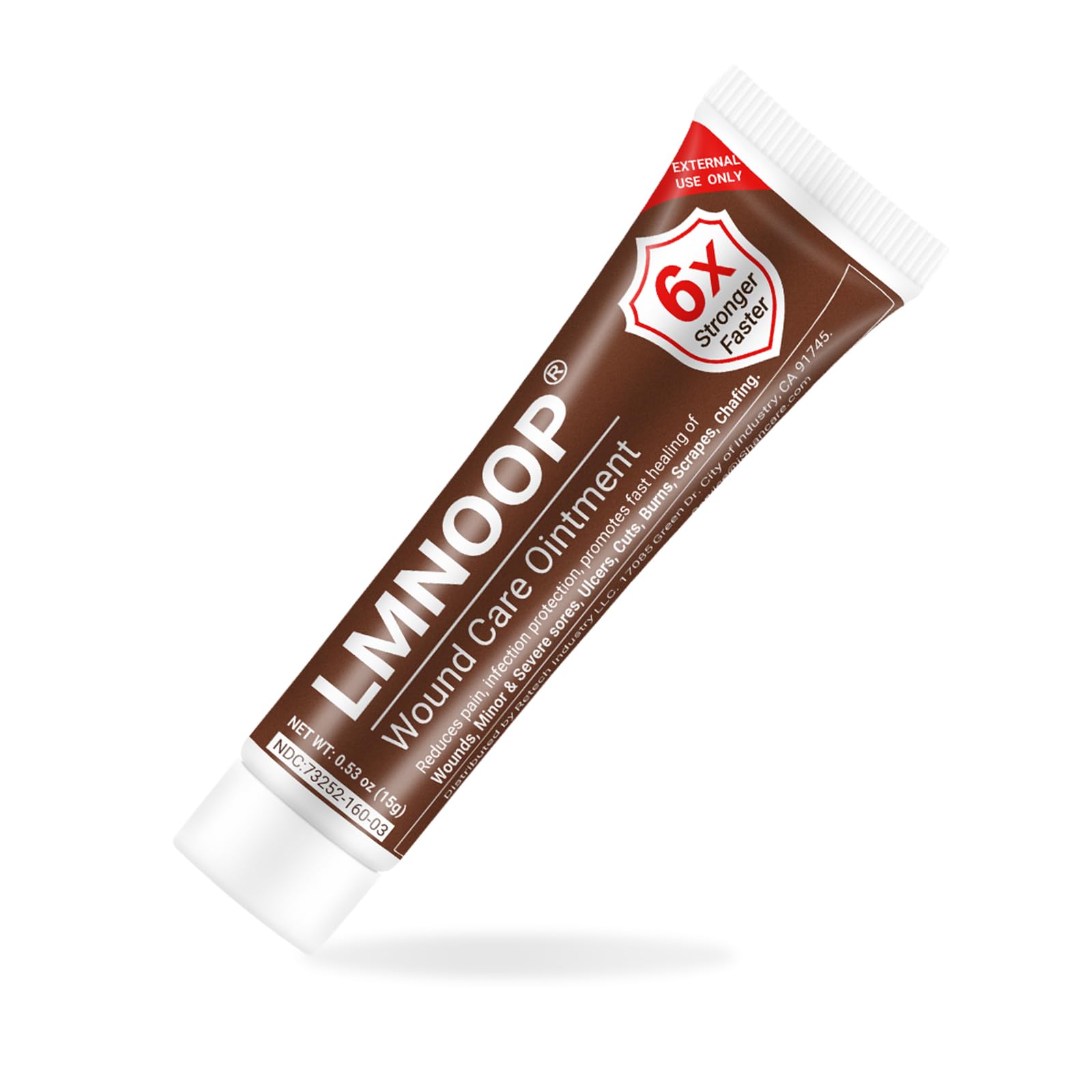
The standard LMNOOP Wound Care Cream offers a softer, more spreadable alternative to the chronic care version, using the same core ingredients — linoleic acid, sesame oil, flax oil, Cear Flava, propolis, and beeswax — in a lighter base. This formulation excels for everyday wound management: scratches, abrasions, minor burns, and the small cuts that often precede cellulitis in diabetics or immunocompromised individuals. The cream glides on without stickiness and dries down to a barely-there film that doesn’t restrict movement on joints.
Users caring for bedridden elderly patients report that this cream speeds healing of pressure sores while keeping the surrounding skin hydrated and less prone to tearing. The natural ingredient profile makes it safe for babies, pregnant women, and anyone avoiding antibiotic resistance or hormone dependence. A 365-day money-back guarantee backs every purchase, reducing the financial risk for first-time buyers in the wound care category.
The main trade-off is potency: the standard formula lacks the deeper tissue penetration needed for chronic ulcers or advanced cellulitis recovery. It works best as a preventive and maintenance cream for minor wounds that could escalate into cellulitis, rather than a standalone treatment for active infection. The 0.32-ounce pot is compact enough for a purse or backpack but requires more frequent reapplication than thicker alternatives.
Why it’s great
- Ultra-gentle natural base suitable for all ages
- Non-sticky application ideal for joint areas
- Backed by a full 365-day guarantee
Good to know
- Lower potency for deep chronic wounds
- Small pot size requires frequent reordering
FAQ
Can I use these creams as a replacement for oral antibiotics for cellulitis?
How soon after starting cellulitis treatment should I apply a healing cream?
Will these creams bleach or stain my clothing?
Final Thoughts: The Verdict
For most users, the best cream for cellulitis winner is the Terrasil Wound Care 3X because it combines proven antimicrobial protection with a fragrance-free, hypoallergenic base that won’t aggravate sensitive skin. If you need deep chronic wound support for bed sores or non-healing ulcers, grab the LMNOOP Wound Healing Ointment (Chronic Care). And for a versatile multipurpose formula that also tackles fungal overlaps and severe itching, nothing beats the EMUAIDMAX Ointment.

Mo Maruf
I created WellFizz to bridge the gap between vague wellness advice and actionable solutions. My mission is simple: to decode the research and give you practical tools you can actually use.
Beyond the data, I am a passionate traveler. I believe that stepping away from the screen to explore new environments is essential for mental clarity and physical vitality.