Our readers keep the lights on and my smoothie glass nicely filled. As an Amazon Associate, I earn from qualifying purchases.
A blister is your skin’s loudest alarm — a liquid-filled warning that friction, moisture, or ill-fitting shoes are causing real damage. Whether you’re training for a marathon, breaking in new boots, or just walking the dog farther than usual, that raw spot can sideline you fast. The right treatment cream doesn’t just soothe the pain; it actively creates a protective barrier so the skin underneath can repair itself without reopening the wound.
I’m Mohammad Maruf — the founder and writer behind WellFizz. I’ve spent hundreds of hours cross-referencing ingredient labels, deciphered clinical studies on wound occlusion and barrier repair, and weighed real-world user feedback to find out which formulations actually prevent blisters from worsening and accelerate healing.
This guide breaks down the top candidates and explains the specific compounds and application methods that matter most. Whether you need a heavy-duty ointment or a friction-proof balm, you’ll find the right cream for blisters based on your activity level and skin sensitivity.
How To Choose The Best Cream For Blisters
Not all blister treatments are created equal. A lightweight hand lotion does nothing for a heel rubbing against a boot, while a thick wound ointment might feel too greasy under a running sock. The key is matching the formulation to the stage of the blister and the intensity of the activity.
Barrier Strength vs. Breathability
The most effective creams create a semi-occlusive film that seals moisture in without trapping bacteria. Look for petrolatum or dimethicone as the base — these ingredients allow oxygen exchange while preventing the blister roof from tearing off too early. Products that are purely water-based evaporate too quickly during sweaty activities.
Keratolytic Agents for Calloused Feet
If you have thick, dry skin on your heels or toes, a cream with urea (5% to 10%) or lactic acid helps soften the outer layer so that friction doesn’t shear the skin underneath. This is preventive, not curative — apply daily before long walks. Without exfoliation, pressure builds beneath rigid calluses and causes deep blood blisters.
Lubrication vs. Healing
There are two distinct product camps: friction-lubrication balms that prevent hot spots before they form, and occlusive ointments that treat blisters after the fluid-filled pocket appears. A cream that does both well is rare. Know whether you’re planning ahead or recovering, and choose accordingly.
Quick Comparison
On smaller screens, swipe sideways to see the full table.
| Model | Category | Best For | Key Spec | Amazon |
|---|---|---|---|---|
| Aquaphor Healing Ointment | Occlusive Ointment | Post-blister healing & dry cracked skin | Petrolatum + panthenol, 7 oz tube | Amazon |
| Foot Kinetics RunGoo | Preventive Balm | Running, hiking & high-friction sports | Specialty hard waxes, 3.4 oz | Amazon |
| Spenco 2nd Skin Blister Kit | Hydrogel Dressing | Immediate pain relief on open blisters | Hydrogel pad + adhesive knit, 24 count | Amazon |
| Nordic Care Foot Cream | Treatment Cream | Deep heel cracks & thickened calluses | Urea + glycerin + lactic acid, 3.6 oz | Amazon |
| GEHWOL Foot Cream | Therapeutic Paste | Long hikes & tired, achy feet | Thick paste formula, 2.6 oz | Amazon |
In‑Depth Reviews
1. Aquaphor Healing Ointment Advanced Therapy
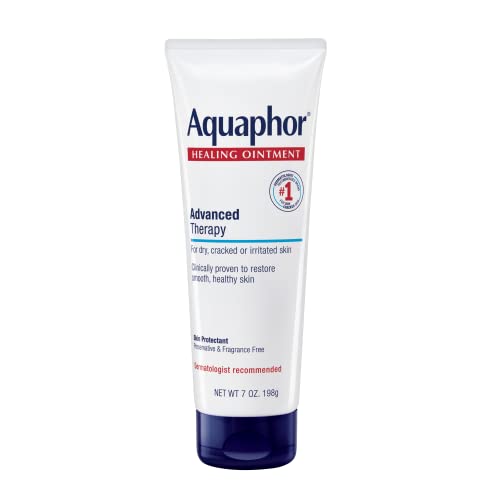
Aquaphor is the dermatologist-recommended staple that works across nearly every skin breakdown scenario, including blisters. Its water-free petrolatum base creates a semi-occlusive barrier that lets oxygen reach the wound while keeping the blister roof intact — the single most important factor in preventing infection and reducing healing time. The addition of panthenol (pro-vitamin B5) and bisabolol (chamomile derivative) calms the inflammation around the blister without stinging.
This is not a prevention balm for hot spots during a run; it is a post-activity treatment that you apply after the blister has formed or when you notice raw, chafed skin. The 7-ounce tube is extremely economical. Users report using it on cracked heels, surgical incision sites, and even chapped lips, making it a one-tube solution for multiple skin issues. The squeezable tube design is more hygienic than a jar — you never dip fingers into the product.
A licensed cosmetologist in the reviews noted that a nightly application to calloused feet healed deep cracks and left skin noticeably softer within days. The grease factor is real — expect it to feel heavy and not fully absorb into the skin. That is by design: the ointment stays on top of the epidermis where it belongs, rather than vanishing into the deeper layers.
Why it’s great
- Clinically proven to create an ideal healing environment with oxygen exchange
- No fragrance, no dyes, no preservatives — safe for sensitive or post-procedure skin
Good to know
- Not designed for friction prevention during active sports
- Feels greasy and may stain clothing if applied too thickly
2. Foot Kinetics RunGoo Blister Prevention Cream
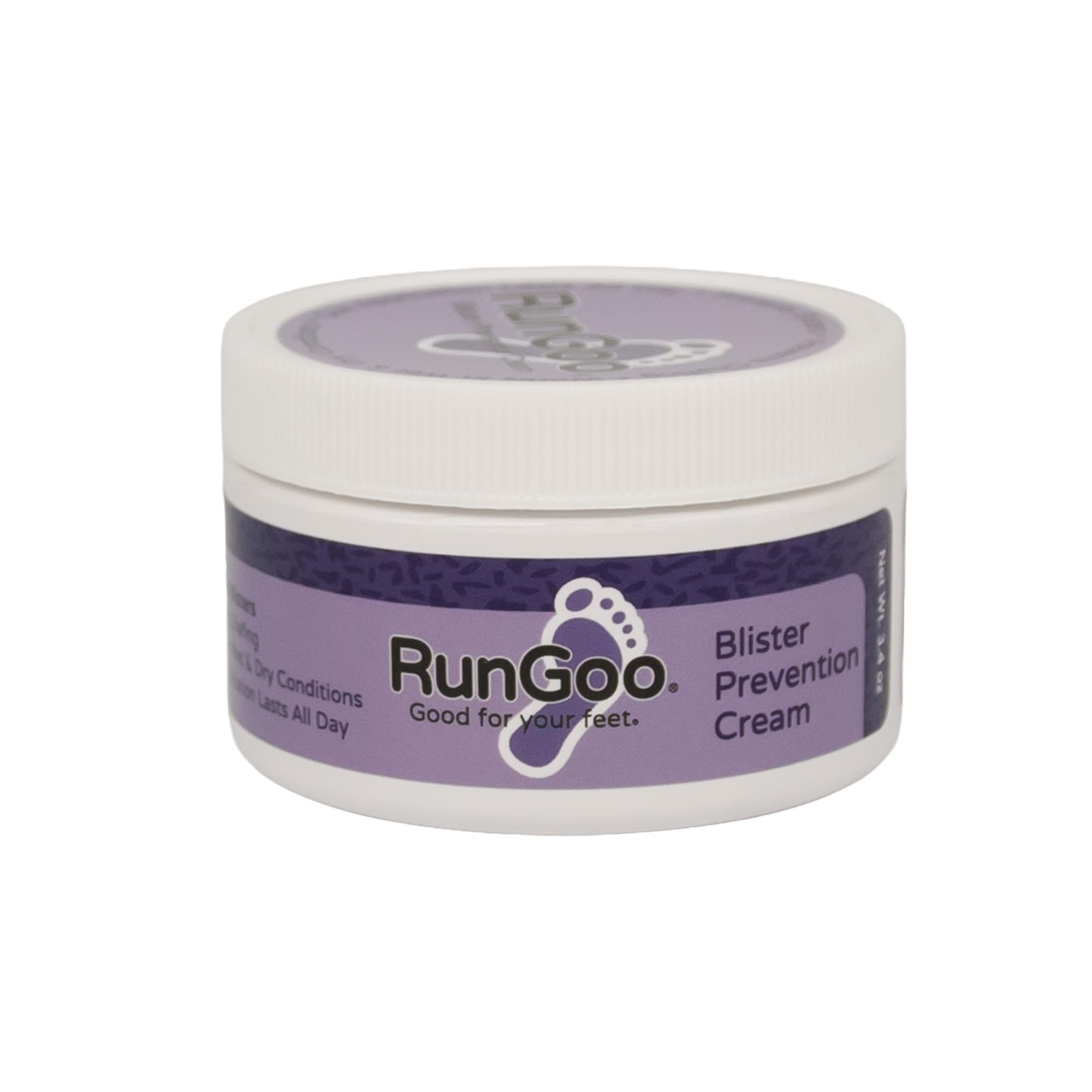
RunGoo is engineered specifically for athletes who need to preempt blisters before the first hot spot appears. The formula relies on specialty hard waxes rather than traditional oils, which gives it a unique property: it stays put on the skin even under heavy sweat, rain, or river crossings. Multiple ultramarathoners in the reviews confirmed that a single application held up through a 50K race with wet feet, a scenario that defeats most lubricants.
Application requires a small amount massaged into blister-prone zones — heels, toes, the ball of the foot, and between toes. The texture is waxy and slightly tacky, not greasy like petrolatum. This means it won’t transfer to your socks immediately, but it can still leave residue on synthetic fabrics over time. Users warn that it may degrade sock fibers after repeated washing cycles, so consider dedicating a pair of socks to long-run days.
Unlike the Aquaphor ointment, RunGoo is a preventive product only — it will not heal an existing blister. But for people who consistently develop blisters on runs longer than 10 kilometers, the feedback is unanimous: this cream eliminates the problem entirely. One reviewer reported that daily 5-mile walks that previously caused bleeding blisters became pain-free after switching to RunGoo.
Why it’s great
- Confirmed sweat-resistant through wet ultramarathon conditions
- Also works on nipple chafing and other high-friction body areas
Good to know
- Can stain or degrade socks after repeated machine washing
- Squeeze tube applicator is awkward; most users apply with fingers
3. Spenco 2nd Skin Blister Kit

This is not a cream in the traditional sense, but a hydrogel dressing that provides immediate, cooling relief the moment you apply it to an open blister. The kit includes individual gel pads that sit directly on the raw skin and an adhesive knit tape that holds everything in place. Because the gel is mostly water, it actively hydrates the exposed dermis and reduces the burning sensation that comes when air hits a broken blister.
The Spenco pads are ideal for people who are already mid-activity — think theme park days, hiking trips, or long walks where stopping isn’t an option. The frictionless surface of the pad allows the shoe to slide against the dressing rather than the skin, which stops the blister from tearing further. Users who walked 11 miles per day at Disneyland reported that the pads made blisters feel nonexistent.
One important caveat: the adhesion relies on dry skin. If your feet are sweaty or wet, the knit tape will peel off within minutes. A smart workaround from experienced users is to leave the clear plastic backing on the gel side — this keeps the gel moist longer and improves the staying power of the whole assembly. It is a consumable product, so a 24-count kit will not last through a multi-day event if you need fresh pads each morning.
Why it’s great
- Provides near-instant pain relief by hydrating and cooling the wound
- Frictionless surface prevents the blister from enlarging during activity
Good to know
- Adhesive tape fails immediately if skin is sweaty or wet
- Gel pads lose moisture and stop sticking if stored in hot conditions
4. Nordic Care Foot Care Cream Intensive Repair

If your blisters are the result of deep heel fissures or thick, dry calluses, Nordic Care targets the root cause. The active ingredient is urea — a gentle keratolytic that breaks down the hardened protein bonds holding dead skin together. Combined with lactic acid and beeswax, this cream softens the stratum corneum so that friction is distributed evenly across the foot rather than concentrating on one rigid ridge that becomes a blister site.
This is a treatment cream meant for nightly application. Users with deep foot cracks saw 50 percent improvement within three days and completely crack-free feet after one week. The creamy, non-greasy base absorbs fully, which means you can apply it before bed and put socks on without feeling slippery residue in the morning. The addition of eucalyptus oil provides a mild cooling sensation and counters foot odor.
One reviewer noted a light mentholated scent that takes getting used to if you are accustomed to fragrance-free products. Others found the texture slightly slippery immediately after application. It does not work as a friction balm during activity — use it as a 7-to-14-day preparatory treatment before a long hiking trip or race to pre-soften the skin and reduce the chance of blisters forming in the first place.
Why it’s great
- 10% urea and lactic acid rapidly dissolve thick calluses that cause blister-prone pressure points
- Non-greasy finish absorbs quickly, making it comfortable for overnight wear
Good to know
- Scent includes menthol notes that some users find medicinal
- Not designed for open wound care or immediate blister treatment
5. GEHWOL Foot Cream

GEHWOL is a German brand with decades of history in podiatry, and this cream remains a cult favorite among long-distance hikers and travelers. The texture is unusually thick — almost a paste rather than a cream — which means you have to vigorously massage it into the soles and heels for full absorption. Once worked in, it does not leave a greasy film and provides a noticeable cushioning effect that reduces next-day tenderness after long hours on your feet.
The formula contains a blend of antimicrobial and deodorizing agents that help keep foot odor in check during multi-day treks. Users who have relied on GEHWOL for over 20 years describe it as the most consistent product they have found for preventing skin breakdown. The paste-like consistency also means it stays on the skin longer than standard creams, making it better suited for all-day wear under hiking socks.
Some users find the price hard to justify given the small tube size. Others argue that because you need only a pea-sized amount per foot, the tube lasts for months of daily use. It performs best as a general foot-health maintenance cream rather than a targeted blister intervention — use it to keep feet resilient so blisters do not form in the first place.
Why it’s great
- Thick paste texture stays in place under socks for full-day protection
- Contains natural antimicrobial agents that reduce foot odor on long trips
Good to know
- Small tube size and higher cost per ounce than comparable foot creams
- Requires vigorous rubbing to fully absorb; does not spread easily on calloused skin
FAQ
Should I pop the blister before applying cream?
Can I use a foot cream with urea on an open blister?
How do I reapply prevention cream during a long run or hike?
Final Thoughts: The Verdict
For most users, the cream for blisters winner is the Aquaphor Healing Ointment because it covers both treatment and prevention across the widest range of skin issues — from cracked heels to chafed toes — at a very low cost per ounce. If you need sweat-resistant protection for running or hiking, grab the Foot Kinetics RunGoo. And for soft, callus-free feet that resist blisters in the first place, nothing beats the Nordic Care Urea Foot Cream.

Mo Maruf
I created WellFizz to bridge the gap between vague wellness advice and actionable solutions. My mission is simple: to decode the research and give you practical tools you can actually use.
Beyond the data, I am a passionate traveler. I believe that stepping away from the screen to explore new environments is essential for mental clarity and physical vitality.