Our readers keep the lights on and my smoothie glass nicely filled. As an Amazon Associate, I earn from qualifying purchases.
When skin breaks down from constant pressure and moisture, every touch hurts. Bed sores — also called pressure ulcers — develop fast in people who are bedridden or use a wheelchair, turning minor red spots into painful wounds that are hard to reverse. The right cream does two things at once: it seals out urine, sweat, and bacteria while actively soothing raw, damaged skin.
I’m Mohammad Maruf — the founder and writer behind WellFizz. I analyze consumer health products by cross-referencing ingredient science, clinical protocols used in hospital and hospice settings, and thousands of verified buyer experiences to identify the creams that actually perform under real-world conditions.
Whether you are caring for an aging parent, a post-surgery patient, or managing incontinence yourself, finding the right formula matters more than any medication. This guide breaks down the top five options available to help you choose the best cream for bed sores for your specific situation.
How To Choose The Best Cream For Bed Sores
Not every cream is designed for the same stage of skin breakdown. Some form an impenetrable film for prevention, while others actively soothe broken skin. Understanding the formulation type helps you avoid wasting time on products that are too thin or too weak for your specific need.
Zinc oxide percentage and barrier durability
The active ingredient that matters most is zinc oxide. Concentrations between 20% and 40% create a physical shield that keeps moisture and bacteria from reaching the skin. Lower concentrations work for mild diaper rash but fail under the extended pressure and wetness of bed sores. Higher percentages create a paste-like layer that stays put for hours, reducing how often you need to reapply.
Texture: Paste versus ointment versus cream
Pastes — thick, opaque, and tacky — adhere best to broken or weeping skin and resist being wiped away by friction. Ointments are greasier and spread easily over large areas for routine prevention. Creams are lighter and better suited for areas where the skin is intact but irritated. The viscosity determines whether the product lasts through the night or washes off with the first linen change.
Additional healing and soothing ingredients
Beyond zinc, look for ingredients that address specific symptoms. Calamine dries oozing wounds and relieves itch. Manuka honey has documented antimicrobial properties that support tissue repair. Aloe vera and chamomile calm inflammation without interfering with the barrier function. Avoid products with fragrances, parabens, or harsh preservatives that can further irritate compromised skin.
Compatibility with wound dressings and ostomy supplies
Some barrier creams are CHG-compatible, meaning they work alongside chlorhexidine gluconate used in hospital cleaning protocols. Others leave a residue that prevents adhesive dressings and ostomy pouches from sticking. If the patient uses medical adhesives, choose a formula designed to be compatible with skin barriers and tape.
Quick Comparison
On smaller screens, swipe sideways to see the full table.
| Model | Category | Best For | Key Spec | Amazon |
|---|---|---|---|---|
| Coloplast Critic-Aid Paste (1947) | Paste | Weeping or eroded skin | CHG-compatible thick paste | Amazon |
| Chamosyn Moisture Barrier Ointment | Ointment | Early-stage bed sores | Manuka honey + aloe | Amazon |
| Thera Calazinc Body Shield | Cream | Weeping control + itch | 20% zinc + calamine | Amazon |
| Critic-Aid Clear Moisture Barrier | Ointment | Daily prevention | Non-staining clear formula | Amazon |
| TD Naturals Zinc and Castor Oil | Cream | Natural ingredient preference | Petrochemical-free formula | Amazon |
In-Depth Reviews
1. Coloplast Critic-Aid Skin Paste (1947)

Coloplast designed this paste for the toughest conditions: it adheres to both intact and eroded skin, forming a thick, reliable moisture barrier that withstands incontinence, ostomy drainage, and prolonged bed rest. The zinc oxide base sits in a CHG-compatible formulation, allowing nurses to clean with chlorhexidine without breaking down the protective layer. Users report clearing severe rashes in one to two days, often after a single application outperformed multiple prescription creams.
This is a paste, not a cream — it has a dense, tacky consistency that stays in place on weeping or broken skin. You have to pat the area dry before applying for the paste to bond correctly. Once on, it resists rubbing off against sheets and garments, which is critical for patients who cannot be repositioned every hour.
Multiple reviewers mention it as the only product that worked for elderly patients with severe diaper rash and for babies with GI-related skin burns. NICU staff have recommended it as a miracle for healing. The main trade-off is that the paste is difficult to remove — a gentle oil-based cleanser works better than soap and water for cleanup.
Why it’s great
- Adheres to broken skin and creates a thick moisture seal that lasts
- Compatible with CHG cleaning agents used in clinical settings
- Clears serious irritation faster than most prescription alternatives
Good to know
- Paste texture is thick and requires pat-dry prep for best adhesion
- Removal needs oil or a dedicated barrier wipe, not just water
2. Chamosyn Moisture Barrier Ointment (Pack of 2)

Chamosyn stands out because of its tri-action ingredient stack: manuka honey for antimicrobial support, aloe vera for cooling inflammation, and chamomile for soothing sensitive skin. The combination targets early-stage bed sores before they become open wounds. Hospice nurses specifically recommend this product for the first signs of pressure breakdown because it both protects and actively treats the area.
The texture is a semi-thick ointment that spreads smoothly over larger areas like the sacrum, hips, and heels. It has a slight initial cooling sensation — some users describe it as similar to peppermint — that provides immediate relief on raw, hot skin. Unlike paste formulas, it absorbs partially into the skin while still leaving a protective film on the surface.
Reviewers praise it for conditions beyond bed sores: underarm rashes, peristomal skin irritation, and even minor burns. The pack of two 4-ounce tubes provides good value, especially for facilities managing multiple patients or for long-term home care. The ointment washes off more easily than paste, which simplifies diaper changes and daily hygiene routines.
Why it’s great
- Manuka honey promotes healing while zinc oxide protects the barrier
- Immediate cooling sensation soothes hot, irritated skin on contact
- Recommended specifically for early-stage bed sores by hospice professionals
Good to know
- Ointment consistency is not thick enough for deep weeping wounds
- Cooling sensation may be surprising for first-time users
3. Thera Calazinc Body Shield Barrier Cream (2-Pack)
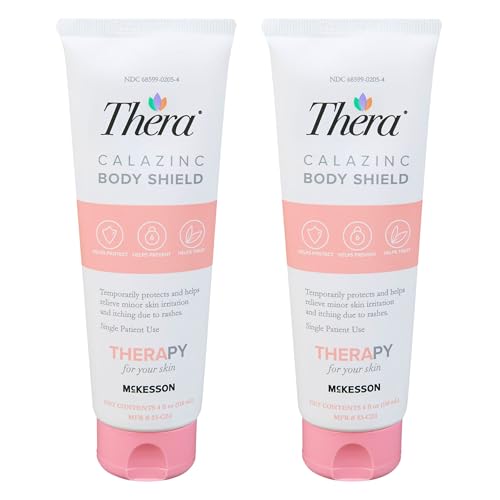
McKesson combined 20% zinc oxide with 3% calamine to create a cream that handles two problems at once: it blocks moisture while actively drying oozing areas. Calamine is traditionally used for poison ivy and weeping rashes, but it works just as effectively for bed sores where the skin is wet and macerated. The formula also includes hyaluronic acid and a vitamin blend to support skin integrity beneath the protective layer.
This is a heavy cream that sits between an ointment and a paste in texture. It has a mild, clean scent — unusual in this category where most products are unscented — which some caregivers appreciate for masking odor. Users report noticeable relief from burning and itching within one to two minutes of application. The 4-ounce snap-lid tube prevents spilling, making it practical for bedside use.
One important practical note: the cream is very heavy and can be difficult to fully wash off from skin folds and under the nails. Several reviewers warn that it takes several washes to remove completely. The calamine can also leave a faint pink residue on light-colored fabrics, so using a washable pad over the area is recommended.
Why it’s great
- Dual-action zinc plus calamine both protects and dries weeping sores
- Effective itch and burn relief within minutes of application
- Snap-lid tube is spill-proof and easy to store at the bedside
Good to know
- Very heavy consistency is difficult to fully remove from skin folds
- Calamine may leave a faint pink stain on light-colored fabrics
4. Critic-Aid Clear Moisture Barrier Ointment

Unlike the white paste version, this Critic-Aid formula dries clear, which makes it easier for caregivers to monitor the skin underneath without wiping the product off. It is designed for routine prevention and mild irritation rather than deep wound treatment. The clear ointment spreads thinly and evenly, creating a transparent barrier that does not transfer onto clothing or bed sheets.
Users report fast results on irritated skin — often within the first two applications the redness noticeably decreases. The tube has a long shelf life because the product lasts a while: a single 6-ounce tube can cover many weeks of daily use on one patient. Application is simple and the ointment wipes off easily during bathing, which reduces skin friction compared to scrubbing off thick paste.
Several parent reviewers also use this for severe diaper rash in babies, particularly those with acidic stool burns from GI conditions. The NICU recommendation carries weight for gentleness. The limitation is that the clear ointment is not thick enough for Stage 2 or deeper pressure ulcers where a heavy paste is needed to fill gaps and protect eroded tissue.
Why it’s great
- Dries clear so caregivers can inspect skin condition without removing the layer
- Does not stain sheets, clothing, or adult briefs
- Easy to apply and remove, reducing friction on sensitive skin
Good to know
- Thin consistency is not adequate for open or weeping bed sores
- Designed for prevention and mild irritation, not deep wounds
5. TD Naturals Zinc and Castor Oil Barrier Cream

TD Naturals uses only five ingredients — non-nano zinc oxide, cold-pressed castor oil, beeswax, shea butter, and coconut oil — with no petroleum derivatives, parabens, phthalates, or synthetic fragrances. This minimalist formula appeals to caregivers who avoid petrochemical-based products and prefer food-grade ingredients for prolonged skin contact. The base is a firm cream that softens upon application and creates a solid barrier against moisture.
Reviewers use it for bed sore prevention as well as facial eczema, dry cheeks, and general rash protection. The cream leaves the skin feeling conditioned rather than greasy. The hand-batched production means each batch can vary slightly in consistency, but most users find the texture reliable for daily preventive use. The 4.5-ounce jar is smaller than the other options here, so facility-scale use requires multiple purchases.
The main limitation is that it lacks the heavy zinc concentration (it does not disclose a specific percentage) and the adhesive properties required for open bed sores. Users with active pressure ulcers report better results with the thicker pastes from Coloplast. This cream works best as a daily protectant for intact skin in individuals who are at risk of sores developing.
Why it’s great
- Contains no petroleum, parabens, phthalates, or synthetic chemicals
- Conditions the skin while forming a protective moisture barrier
- Safe for sensitive facial skin and eczema as well as body use
Good to know
- Lacks the adhesiveness needed for treatment of open wounds
- Small jar requires frequent repurchase for multi-patient care
FAQ
Can I use diaper rash cream for bed sores?
How often should I reapply a bed sore cream?
What does CHG compatible mean on a cream label?
Final Thoughts: The Verdict
For most users, the cream for bed sores winner is the Coloplast Critic-Aid Paste (1947) because its thick, CHG-compatible paste adheres to eroded skin and clears serious irritation faster than any other formula reviewed. If you want a healing ingredient boost for early-stage sores, grab the Chamosyn Moisture Barrier Ointment with manuka honey and aloe. And for managing weeping, itchy wounds with calamine drying power, nothing beats the Thera Calazinc Body Shield.

Mo Maruf
I created WellFizz to bridge the gap between vague wellness advice and actionable solutions. My mission is simple: to decode the research and give you practical tools you can actually use.
Beyond the data, I am a passionate traveler. I believe that stepping away from the screen to explore new environments is essential for mental clarity and physical vitality.