Our readers keep the lights on and my smoothie glass nicely filled. As an Amazon Associate, I earn from qualifying purchases.
Acne heals, but the marks it leaves behind hang around for weeks or months — stubborn dark spots, red patches, and uneven texture that makeup can only hide temporarily. Treating post-acne hyperpigmentation requires a formula that targets both melanin production and skin turnover without stripping your barrier or causing further irritation.
I’m Mohammad Maruf — the founder and writer behind WellFizz. My research for this guide involved cross-referencing ingredient stacks, clinical studies on depigmenting agents, and analyzing real-world user experiences across hundreds of reviews to identify which creams actually deliver measurable fading over consistent use.
Whether you’re dealing with fresh red marks or years-old brown spots, the right texture and active concentration make the difference between visible progress and wasted shelf space. This guide breaks down the best cream for acne scars and dark spots by ingredient profile, skin type compatibility, and real-world results so you can choose with confidence.
How To Choose The Best Cream For Acne Scars And Dark Spots
Post-acne marks fall into two categories: red or brown flat spots (post-inflammatory hyperpigmentation or PIH) and raised or depressed scars (atrophic or hypertrophic). A single cream rarely treats both types equally well. Understanding your mark type, skin sensitivity, and ingredient tolerance is the first step toward selecting a formula that actually works.
Match the Active to the Mark Type
For flat brown or red spots, ingredients that inhibit melanin production — vitamin C (as sodium ascorbyl phosphate), kojic acid, licorice root extract, and niacinamide — gradually fade discoloration. For raised or textured scars, silicone-based gels flatten and soften tissue by maintaining a hydrated barrier over the scar area while reducing collagen overproduction. Retinol works across both categories by accelerating cellular turnover so pigmented cells shed faster while smoothing rough texture.
Consider Your Skin’s Tolerance
Retinol and high-concentration vitamin C can cause stinging, peeling, or purging on sensitive or acne-prone skin. If your barrier is compromised, start with a lower-potency formula that pairs brighteners like licorice root or niacinamide with ceramides to repair while treating. Products labeled non-comedogenic are safer for active acne, while thicker creams may clog pores on oily skin types. A gentle formula used consistently beats a harsh cream abandoned after two applications.
Look Beyond the Label Claims
Terms like “brightening” or “scar reducing” are not regulated. Instead of relying on marketing language, check the ingredient list for proven actives and their position in the formulation. An ingredient lower than the preservative or fragrance line is present in trace amounts unlikely to produce visible changes. Real fading typically takes 4 to 12 weeks of daily application — visible progress in under a week is rare unless the formula contains a high concentration of tyrosinase inhibitors paired with an exfoliant.
Quick Comparison
On smaller screens, swipe sideways to see the full table.
| Model | Category | Best For | Key Spec | Amazon |
|---|---|---|---|---|
| CeraVe Resurfacing Retinol Serum | Mid-Range Retinol | Post-acne marks + texture refinement | Encapsulated retinol + 3 essential ceramides | Amazon |
| VALITIC Vitamin C Serum | Premium Brightening | Dark spots + dullness on all skin types | Kojic acid + niacinamide + hyaluronic acid | Amazon |
| Melasma Treatment for Face | Premium Pigment | Stubborn melasma + age spots | Dermatologist-recommended pigment control | Amazon |
| TruSkin Vitamin C Serum | Mid-Range Vitamin C | Sensitive skin + daily brightening | Sodium ascorbyl phosphate + hyaluronic acid | Amazon |
| Rejuvaskin RejuvaSil Silicone Scar Gel | Mid-Range Scar Gel | Raised + textured acne scars | Liquid silicone with emu oil + vitamin C | Amazon |
In‑Depth Reviews
1. CeraVe Resurfacing Retinol Serum

CeraVe’s Resurfacing Retinol Serum uses encapsulated retinol — a delivery system that releases the active gradually so it penetrates deeper while reducing the irritation that keeps many users from sticking with retinol long enough to see results. The addition of licorice root extract directly targets post-inflammatory hyperpigmentation by inhibiting tyrosinase, the enzyme responsible for melanin overproduction after a pimple heals. Niacinamide rounds out the formulation by calming redness and supporting the skin barrier, which is especially valuable when your acne scars are still red or inflamed rather than brown.
From a texture standpoint, the serum feels lightweight and absorbs fully within about thirty seconds — no greasy residue, no pilling under moisturizer or sunscreen. Users with oily and combination skin report that it doesn’t clog pores or trigger new breakouts, a critical advantage when treating scars on acne-prone skin. The pump dispenser delivers 1.06 ounces of product, and because a pea-sized amount covers the whole face, a single bottle lasts roughly two to three months of nightly use.
Real-world reviews consistently show measurable fading of both red marks and dark spots within four to eight weeks of consistent application, with some users reporting dramatic improvement in cystic acne scarring and overall skin smoothness by week eight. The initial slight dryness some experience resolves quickly when layered over a moisturizer. For most people seeking a single product that addresses both flat pigmented marks and slightly textured scarring, this is the most complete option in this price tier.
Why it’s great
- Encapsulated retinol minimizes irritation for retinol beginners
- Licorice root directly targets hyperpigmentation at the enzyme level
- Non-comedogenic formula won’t clog active acne-prone pores
Good to know
- May cause slight flaking in the first week without a buffer moisturizer
- Not effective on raised or hypertrophic scars
2. VALITIC Vitamin C Serum

VALITIC combines vitamin C with kojic acid, niacinamide, and hyaluronic acid in a single formula designed to fade dark spots while maintaining hydration. Kojic acid is a well-studied tyrosinase inhibitor often used in clinical settings for melasma and stubborn hyperpigmentation, making this serum a strong option for brown spots that have resisted other brighteners. The inclusion of retinol in the ingredient stack adds a gentle exfoliating effect that helps pigmented surface cells shed faster, though the concentration appears to be toward the lower end of the spectrum, so it’s less likely to cause purging compared to standalone retinol serums.
The texture is watery and lightweight, absorbing almost instantly without any sticky or tacky feel. Users with oily and combination skin appreciate the matte finish it leaves behind, which layers well under sunscreen and makeup. The 1-ounce bottle uses a dropper dispenser, and three to four drops are sufficient to cover the entire face. Because it lacks fragrance and dyes, it performs reliably on sensitive skin types — though the potent brightener blend may still produce a slight tingling sensation in the first few applications for the most reactive users.
Customer feedback highlights visible dark spot reduction within the first week of use, particularly when paired with daily SPF and complementary products like a turmeric-based cleanser. Some users note that the serum is strong enough that starting with every-other-day application helps avoid any initial irritation. For anyone whose primary concern is brightening uneven tone and fading stubborn brown spots rather than addressing red inflammation or scar texture, this formula delivers a noticeable glow relatively fast.
Why it’s great
- Multiple brighteners (kojic acid, vitamin C, niacinamide) attack pigmentation from different pathways
- Absorbs instantly with no greasy residue
- Visible fading reported within one week by many users
Good to know
- Strong blend may irritate very sensitive skin if used daily from day one
- Not formulated for raised or textured scars
3. Melasma Treatment for Face
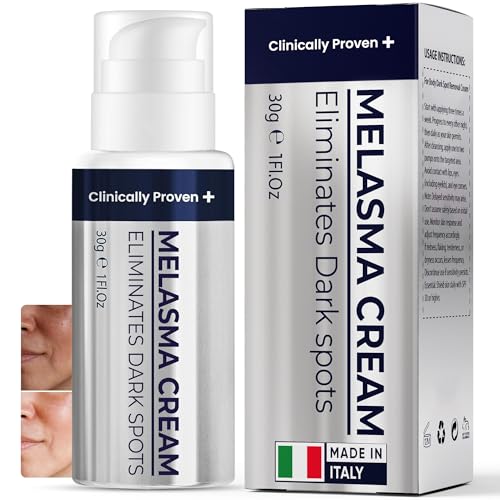
This cream from Pharmlitalia targets the most stubborn forms of pigmentation — melasma, age spots, and long-standing post-acne marks that have not responded to vitamin C or retinol alone. The formula is designed with a gradual introduction protocol, encouraging users to apply it once daily for the first week before ramping up to twice daily as tolerance builds. This approach is especially relevant for treating melasma, which involves deeper dermal pigmentation that requires sustained penetration of active ingredients over weeks rather than immediate surface exfoliation.
The cream has a thicker, balm-like consistency compared to the serums on this list, but it absorbs without leaving a greasy film when applied in a thin layer. Users report that it layers well under sunscreen during the day and feels comfortable when used as a spot treatment at night. The 2.82-ounce tube offers more product by volume than the other options here, which matters for those applying it to larger areas like the neck or chest in addition to the face.
Real-world results show visible brightening and evening of skin tone within the first week, with significant fading of sunspots, underarm pigmentation, and melasma patches after two to four weeks of consistent use. A minority of users with highly reactive skin reported irritation and rash — underscoring the importance of patch testing and the gradual introduction protocol the manufacturer recommends. For those seeking a dedicated pigment-lightening treatment that pairs well with a separate SPF routine, this cream represents a specialized tool rather than an all-in-one solution.
Why it’s great
- Designed for deep pigmentation like melasma and age spots
- Gradual protocol reduces risk of reaction for most users
- Large 2.82-ounce tube offers extended use
Good to know
- Not intended for red inflammatory acne marks
- Can cause rash in sensitive individuals — patch test strictly required
4. TruSkin Vitamin C Serum

TruSkin’s serum uses sodium ascorbyl phosphate (SAP), a stabilized, water-soluble derivative of vitamin C that is significantly less acidic than L-ascorbic acid. This makes it a strong candidate for sensitive or easily irritated skin that cannot tolerate the tingling or stinging of pure vitamin C. SAP still inhibits melanin production and supports collagen synthesis, but it does so at a slower pace, meaning results take longer but come with a much lower risk of barrier disruption. The formula also layers hyaluronic acid, vitamin E, aloe vera, and jojoba oil to maintain moisture balance during the brightening process.
The serum has a thin, water-like viscosity that spreads easily and dries within seconds, leaving a smooth, dewy finish rather than a slick or sticky layer. Users with normal to dry skin find the added hydration beneficial, while those with very oily skin may prefer to follow it with a lightweight gel moisturizer. The 1-ounce bottle comes with a dropper, and a single bottle used once daily lasts roughly six to eight weeks.
Reviewers consistently report that this serum brightened their complexion and faded dark spots more gently than other vitamin C serums they had tried, with no redness, dryness, or breakouts. Some noted that it worked well on non-Caucasian skin tones, helping to even out pigmentation without leaving a gray or ashy cast. The serum is unscented, paraben-free, and cruelty-free, which appeals to clean-beauty buyers. It is not designed to treat raised scars or deep cystic acne marks, but for daily brightening maintenance on sensitive skin, it is one of the most reliable options in its tier.
Why it’s great
- Gentle SAP form of vitamin C ideal for reactive skin
- Hydrating base supports barrier function during treatment
- Unscented and free from harsh additives
Good to know
- Brightening results appear more slowly than L-ascorbic acid formulas
- Not effective on raised or textured scars
5. Rejuvaskin RejuvaSil Silicone Scar Gel
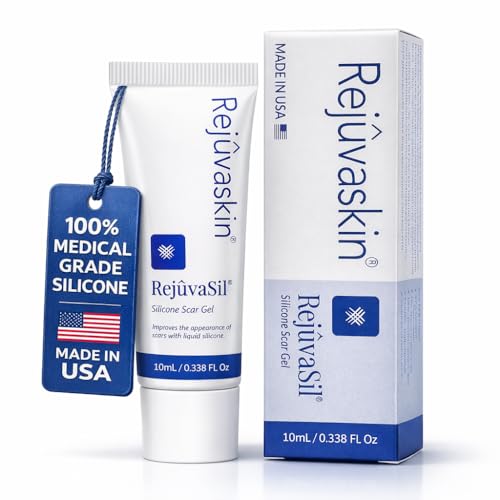
RejuvaSil takes a fundamentally different approach from the other products on this list. Rather than targeting pigment through melanin-inhibiting ingredients, it relies on liquid silicone to create an occlusive barrier over the scar tissue. This barrier hydrates the scar, regulates collagen production, and flattens raised or hypertrophic tissue over time. For acne scars that have a visible texture — pitted, raised, or bumpy — silicone is the only ingredient with consistent clinical evidence supporting its ability to physically alter scar appearance. The formula also includes emu oil and squalene to reduce itchiness and discomfort often associated with scar healing.
The gel dries to a clear, flexible film that is virtually invisible once set, making it suitable for daytime use on the face or body. It takes about two to three minutes to fully dry depending on the thickness of the layer applied. A pea-sized amount covers a small scar, and the 0.33-ounce tube is relatively small — roughly the size of a sample — so it is best used as a targeted spot treatment rather than a full-face product. Users with surgical scars, burn scars, and keloids report softening and flattening within several weeks of consistent twice-daily application.
Customer feedback highlights noticeable improvement in scar smoothness and color within the first month, with some open-heart surgery patients reporting that their scar became less visible and easier to shave over. The small size at the entry-level price point means you get less product per dollar compared to the serums on this list, but silicone gel is inherently expensive to formulate. This product is not designed for flat red or brown spots — it is a specialty tool for the subset of users whose primary concern is scar texture rather than scar color.
Why it’s great
- Clinically proven silicone technology flattens raised scar tissue
- Dries clear and works under makeup or sunscreen
- Soothes itchiness and irritation associated with healing scars
Good to know
- Small 0.33-ounce tube limits application area
- Does not fade flat pigmented dark spots — only affects texture
FAQ
How long does it take for a cream to fade acne scars and dark spots?
Can I use a brightening serum and a retinol serum together?
Why do my acne scars stay red instead of turning brown?
Final Thoughts: The Verdict
For most users, the cream for acne scars and dark spots winner is the CeraVe Resurfacing Retinol Serum because it combines encapsulated retinol, licorice root, and niacinamide to treat both red and brown marks while repairing the skin barrier. If you want faster brightening through multiple pigment-targeting actives, grab the VALITIC Vitamin C Serum. And for raised or textured acne scars where pigment is not the primary concern, nothing beats the Rejuvaskin RejuvaSil Silicone Scar Gel.

Mo Maruf
I created WellFizz to bridge the gap between vague wellness advice and actionable solutions. My mission is simple: to decode the research and give you practical tools you can actually use.
Beyond the data, I am a passionate traveler. I believe that stepping away from the screen to explore new environments is essential for mental clarity and physical vitality.