Our readers keep the lights on and my smoothie glass nicely filled. As an Amazon Associate, I earn from qualifying purchases.
Building a gaming PC that delivers high frame rates without turning your room into a sauna requires more than just a powerful chip—it demands a processor engineered for thermal efficiency. The difference between a stable 1080p or 1440p session and a system that thermal-throttles mid-game often comes down to CPU architecture, core count strategy, and the wattage curve your processor follows under load. Knowing which CPUs stay cool under pressure saves you from investing in expensive liquid cooling just to keep things stable.
I’m Mohammad Maruf — the founder and writer behind WellFizz. I’ve spent hundreds of hours analyzing thermal performance data, customer-reported load temperatures, and real-world wattage draws to help you choose a processor that runs fast and stays frosty.
Whether you are upgrading an existing AM4 or LGA1700 build or starting fresh on AM5 or LGA1851, this guide evaluates the cpu right now for low temp gaming based on efficiency, real-world thermals, and value.
How To Choose The Best CPU Right Now For Low Temp Gaming
Choosing a processor for low-temperature gaming goes beyond comparing core counts. You need to consider how efficiently the chip converts power into performance, what cooler it will require, and whether its architecture runs hot by design. Here are the critical factors.
Core Architecture and Node Size
A smaller fabrication node (like 5nm on AMD’s Zen 4 or Intel’s refined Intel 7 process) generally means lower voltage requirements and less waste heat per transistor. Zen 4 and Zen 5 chips run notably cooler at equivalent performance levels than older 14nm or 10nm designs. Hybrid architectures, like Intel’s P-core/E-core layout, help by offloading background tasks to efficient cores, reducing thermal load during less demanding moments.
TDP, PPT, and Real-World Wattage
TDP (Thermal Design Power) is a rough guide, but Package Power Tracking (PPT) tells you the actual electrical draw under load. A CPU rated at 65W TDP that peaks at 88W PPT will generate less heat than a chip rated at 125W TDP that bursts to 250W under boost. For low-temp gaming, look for chips with a sustained all-core draw under 150W, or ones that are easy to power-limit in BIOS without losing gaming performance.
Cooling Requirements and Headroom
Even the most efficient chip needs adequate cooling. The stock cooler included with some processors is barely adequate for office workloads—gaming typically requires an aftermarket tower cooler or a 240mm AIO at minimum. Chips with a history of thermal throttling on budget coolers (like some Intel K-series parts) will demand a bigger upfront investment in cooling. If you want low temps, plan for a cooler that can handle at least 180W of sustained load.
Quick Comparison
On smaller screens, swipe sideways to see the full table.
| Model | Category | Best For | Key Spec | Amazon |
|---|---|---|---|---|
| AMD Ryzen 5 7600X | AM5 | 1080p/1440p gaming | 6C/12T, 5.3 GHz, 65W TDP | Amazon |
| AMD Ryzen 5 5600X | AM4 | Budget 1080p gaming | 6C/12T, 4.6 GHz, 65W TDP | Amazon |
| Intel Core i5-14400F | LGA1700 | Quiet budget PC | 10C/16T, 4.7 GHz, 65W TDP | Amazon |
| AMD Ryzen 7 5800XT | AM4 | 8-core AM4 refresh | 8C/16T, 4.8 GHz, 105W TDP | Amazon |
| Intel Core i5-14600KF | LGA1700 | 1440p high-FPS | 14C/20T, 5.3 GHz, 125W TDP | Amazon |
| Intel Core i7-12700F | LGA1700 | Silent mid-tower | 12C/20T, 4.9 GHz, 65W TDP | Amazon |
| Intel Core i7-14700KF | LGA1700 | Productivity + gaming | 20C/28T, 5.6 GHz, 125W TDP | Amazon |
| Intel Core i9-14900K | LGA1700 | Max single-thread | 24C/32T, 6.0 GHz, 125W TDP | Amazon |
| Intel Core Ultra 9 285K | LGA1851 | Future-proof workstation | 24C/24T, 5.7 GHz, 125W TDP | Amazon |
In‑Depth Reviews
1. AMD Ryzen 5 7600X

The Ryzen 5 7600X hits a near-ideal balance for low-temp gaming, combining a 5nm Zen 4 architecture with a 65W TDP that peaks around 88W under all-core load. Real-world gaming loads keep it well below that, meaning a solid dual-tower air cooler or a 240mm AIO will hold it in the mid-70s°C range even during extended sessions. The 5.3 GHz boost clock and built-in Radeon Graphics serve as a reliable fallback if your dedicated GPU ever needs troubleshooting. Out of the box, users report 80-85°C with a basic air cooler—manageable but not ideal; investing in a better cooler drops temps significantly.
The AM5 platform gives you DDR5 support and PCIe 5.0, plus a future upgrade path to Zen 5 chips without swapping the motherboard. That longevity offsets the slightly higher platform cost compared to DDR4 builds. Customer feedback specifically mentions pairing it with a 4070 Super or 5070 for smooth Cyberpunk 2077 and Baldur’s Gate 3 performance at 1080p and 1440p. The 6 cores and 12 threads handle gaming and light productivity without breaking a sweat.
One thing to note: the 7600X does not include a stock cooler, so factor that into your total cost. Users have reported BIOS compatibility quirks with certain Asus boards, so check your motherboard’s BIOS version before installing. If you want a chip that runs cool, games fast, and leaves room to upgrade later, this is the centerpiece of a smart mid-range build.
Why it’s great
- 65W TDP keeps heat output low for sustained gaming
- AM5 socket offers a clear upgrade path to future Ryzen chips
- 5.3 GHz boost delivers strong single-core performance
Good to know
- No cooler included — you must buy an aftermarket solution
- Runs warm out of the box with budget air coolers
- Some motherboards may need a BIOS update before booting
2. AMD Ryzen 5 5600X

The Ryzen 5 5600X remains one of the most thermally efficient gaming processors you can buy. Built on 7nm Zen 3, it sips power with a 65W TDP and typically stays in the mid-60s to low-70s°C with the included Wraith Stealth cooler during gaming. That means you can build a quiet, low-heat rig without spending extra on cooling. The 4.6 GHz max boost and 35MB of cache push strong frame rates in titles like Cyberpunk 2077 and Shadow of the Tomb Raider, where reviews cite around 90 FPS at 1080p Ultra with a 3060 Ti.
The AM4 platform keeps the total build cost low because you can use affordable DDR4 memory and older motherboards with a simple BIOS update. Customer reviews consistently praise the 5600X for running “rock-solid stable” and notably cooler than Intel alternatives at the same price tier. It is also unlocked, so you can overclock if you add a better cooler, though most gamers find the stock performance more than adequate.
On the downside, it lacks integrated graphics, so you will need a dedicated GPU from the start. It also does not support PCIe 5.0 or DDR5, which means less headroom for future upgrades. But if you want a proven, cool-running chip that delivers elite 100+ FPS in popular titles without breaking your budget or your thermal budget, the 5600X is a time-tested choice.
Why it’s great
- 65W TDP runs very cool even with the stock Wraith Stealth cooler
- Low platform cost with affordable DDR4 and AM4 motherboards
- Unlocked multiplier allows easy overclocking
Good to know
- No integrated graphics — requires a discrete GPU
- No PCIe 5.0 or DDR5 support
- Stock cooler is adequate but louder under sustained load
3. Intel Core i5-14400F

The Core i5-14400F delivers a surprising amount of thermal headroom for its price, using Intel’s hybrid architecture with 6 performance cores and 4 efficiency cores. Users report gaming temperatures hovering around 60°C with a cheap air cooler and 67°C under sustained loads—numbers that rival many AMD chips at a similar price point. The 4.7 GHz turbo speed and 20MB cache are enough for smooth 1080p and 1440p gaming, with reviewers noting a 25+ FPS uplift over older i7-9700F builds.
It supports both DDR4 and DDR5 memory, giving you flexibility to reuse an old kit or invest in faster RAM for future builds. The RM1 thermal solution included in the box is basic but functional for light use, though upgrading to a proper tower cooler will unlock its full potential. The hybrid architecture helps keep power draw low during desktop tasks, contributing to a quieter overall system.
Because it is an F-series chip, there is no integrated graphics, so you will need a dedicated GPU. Additionally, 600-series motherboards may require a BIOS update before this 14th-gen chip works. Still, for a budget-friendly build that stays frosty without breaking a sweat, the 14400F is a silent contender.
Why it’s great
- Gaming temps as low as 60°C with a budget air cooler
- Works with affordable DDR4 memory to keep costs low
- Hybrid architecture efficiently manages background tasks
Good to know
- No integrated graphics — requires a discrete GPU
- Some B660/B760 boards need a BIOS update for compatibility
- Stock cooler is insufficient for sustained heavy loads
4. AMD Ryzen 7 5800XT

The Ryzen 7 5800XT is essentially a refreshed 5800X with a higher 4.8 GHz boost clock, built on the mature Zen 3 architecture. For an 8-core/16-thread chip, its thermal behavior is well understood: it runs hot out of the box, with reviewers cautioning that the included Wraith Prism cooler is not sufficient for sustained gaming loads. With a proper aftermarket cooler like a Noctua NH-D14 or a 240mm AIO, Cinebench peaks land around 78°C—entirely manageable for a processor of this core count.
It shines as an AM4 upgrade for anyone currently on a Ryzen 5 5600X or older Zen 2 chip. You can drop it into an existing B550 or X570 board without changing your RAM or motherboard, instantly boosting multitasking and 1440p gaming performance. Customer reviews highlight massive gains in boot times and heavy task handling, making it an ideal final upgrade for the AM4 platform before a full platform swap.
The key trade-off is its 105W TDP, which demands better cooling than its 65W siblings. It also lacks integrated graphics and PCIe 5.0 support. But if you already own an AM4 board and want more cores for streaming or productivity without moving to a new socket, the 5800XT is a thermally manageable way to get there.
Why it’s great
- 8 cores and 16 threads handle multitasking and streaming smoothly
- Drop-in upgrade for existing AM4 builds with a BIOS update
- 4.8 GHz boost delivers strong single-core performance
Good to know
- Runs hot; the stock cooler is not adequate for gaming loads
- No integrated graphics — requires a discrete GPU
- No support for PCIe 5.0 or DDR5 memory
5. Intel Core i5-14600KF

The 14600KF packs 14 cores (6 P-cores + 8 E-cores) and 20 threads into a chip that, with decent cooling, stays remarkably cool for its class. Users report solid thermals when paired with a good tower cooler, with the efficiency cores handling background tasks while the P-cores focus on gaming. Boost clocks up to 5.3 GHz give it excellent single-threaded performance, and customer feedback mentions hitting 60+ FPS at 8K Ultra in less demanding titles—a testament to its raw throughput.
It supports both DDR4 and DDR5, as well as PCIe 5.0, making it flexible for various build budgets. The KF suffix means it is unlocked for overclocking but lacks integrated graphics, so a dedicated GPU is mandatory. Reviews consistently praise it as an “extremely cheap for the performance” chip when compared to equivalent AMD offerings, especially for pure gaming-focused builds.
On the heat side, the 125W base power can spike under all-core load, so a 240mm AIO or high-end air cooler is recommended if you plan to push it. The lack of integrated graphics also means you cannot use the system for basic tasks without a GPU. But for gamers who want 1440p high-FPS performance with reasonable thermal demands, the 14600KF is a well-balanced mid-range choice.
Why it’s great
- 14 cores offer strong multitasking and gaming performance
- 5.3 GHz boost delivers excellent single-core speed
- Compatible with affordable DDR4 memory
Good to know
- No integrated graphics — requires a discrete GPU
- 125W base power can spike, needing a good cooler
- LGA1700 platform is at the end of its socket lifecycle
6. Intel Core i7-12700F

The Core i7-12700F is often called a hidden gem for thermal-conscious gamers. With 12 cores (8 P + 4 E) and 20 threads, it delivers performance on par with the 12700K but runs significantly cooler, never exceeding 70°C under load in customer tests with a Scythe Mugen 5 air cooler. The “F” variant locks out overclocking, which actually helps keep voltage and temperature in check—most users find the stock turbo behavior more than adequate for gaming.
Customer reviews specifically note that Cyberpunk 2077 runs all cores at a cool 56°C, and the chip is incredibly stable with no thermal throttling. The 65W TDP is deceiving for a 12-core part, but the 12700F stays well within thermal limits with even a modest 240mm AIO. This makes it an excellent choice for silent mid-tower builds or anyone sensitive to fan noise.
On the downside, it requires a discrete GPU and uses the LGA1700 platform, which has no guaranteed future upgrade path beyond 13th-gen. It also lacks DDR5 support if paired with a B660 board, though that keeps the build cost lower. If you want a powerful, stable, and exceptionally cool-running i7 without worrying about overclocking, the 12700F is a fantastic pick.
Why it’s great
- Runs under 70°C under load with a quality air cooler
- 12 cores provide strong multi-threaded performance
- Locked multiplier keeps voltage and heat in check
Good to know
- No integrated graphics — requires a discrete GPU
- LGA1700 platform has limited upgrade path
- No overclocking capability (locked multiplier)
7. Intel Core i7-14700KF

The i7-14700KF is a productivity and gaming monster, but its thermal profile requires respect. With 20 cores (8 P + 12 E) and 28 threads, this chip draws significant power under heavy loads, so Intel recommends a good tower cooler (Noctua or Thermalright) or a 360mm AIO. Customers who use a 360 AIO report stable temperatures even during AI generation and intensive gaming, noting it “stays very cool” when paired with a 4080 Super.
Where this chip really shines is in mixed workloads—gaming while streaming, video editing, or running massive databases. Business users report zero lag with multiple high-res images, spreadsheets, and point-of-sale systems open simultaneously. The 5.6 GHz Turbo Boost Max 3.0 provides snappy responsiveness for both gaming and professional applications.
The main caution is a known instability issue in some 13th/14th-gen Intel chips that requires a motherboard BIOS with microcode 0x12F to fix. Customers advise checking your BIOS version before installing and avoiding used chips that may have degraded voltage controllers. If you need workstation-level core counts and are willing to invest in serious cooling, the 14700KF delivers immense value for its price tier.
Why it’s great
- 20 cores handle heavy multitasking and productivity with ease
- 5.6 GHz boost provides excellent single-core performance
- DDR4 and DDR5 support offers build flexibility
Good to know
- Requires a robust cooler (360mm AIO or high-end air cooler)
- Some chips have voltage instability—check BIOS version before buying
- No integrated graphics — requires a discrete GPU
8. Intel Core i9-14900K
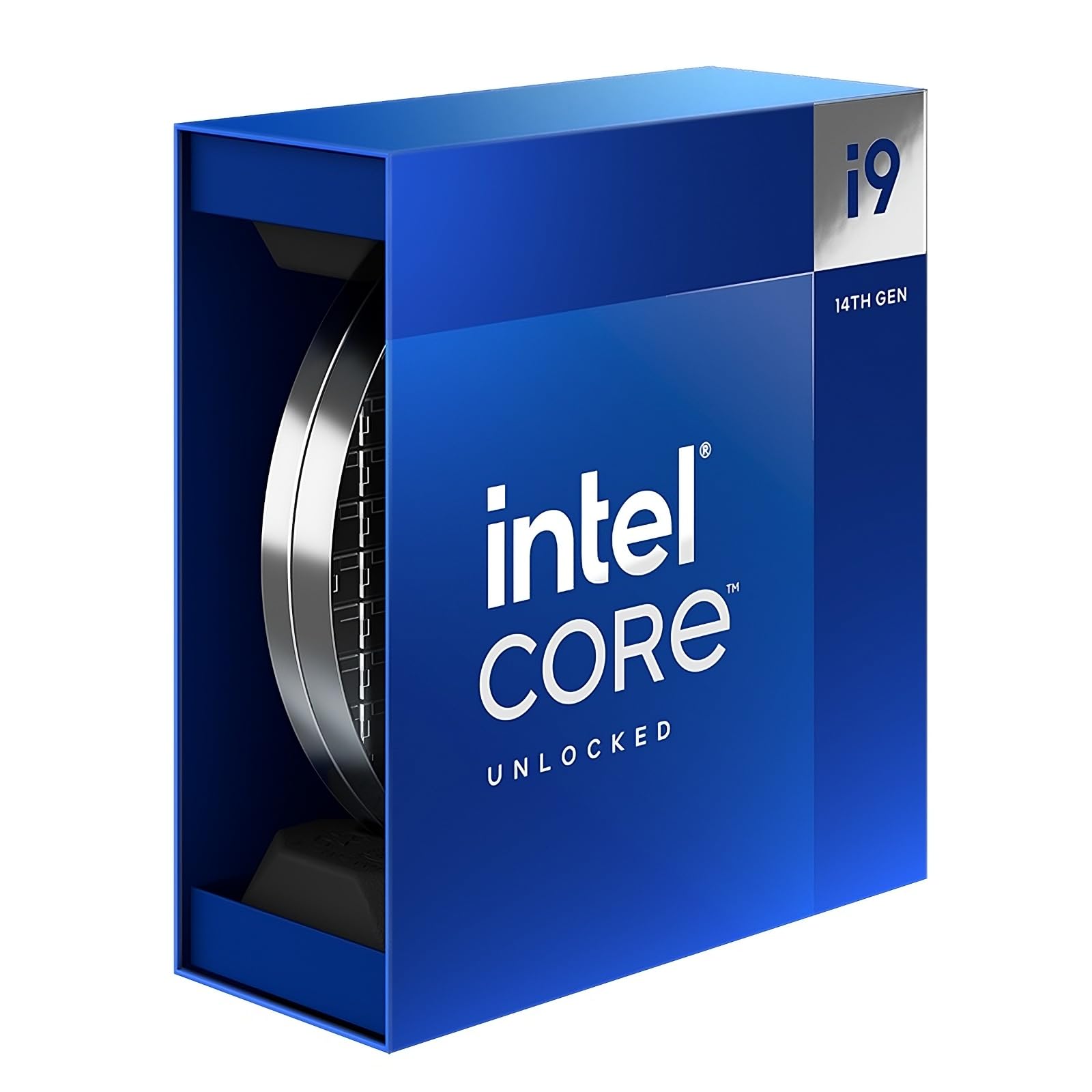
The i9-14900K is Intel’s halo gaming chip, reaching up to 6.0 GHz out of the box. It absolutely crushes single-threaded workloads and delivers the highest frame rates in CPU-bound scenarios. However, it runs extremely hot, with reports of 250W-plus power spikes that can overwhelm even high-end 360mm AIOs. Several customer reviews detail stability issues and voltage-related failures, including “ring collapse and memory controller failure” that bricked chips within months at stock settings.
Intel has acknowledged microcode instability problems in the 13th/14th-gen high-core-count chips, and multiple customers report dying CPUs within 2-3 months despite “low voltages (1.25V core, 1.35V VCCSA).” Some users have had success by switching to specific motherboard brands (Gigabyte Z690I worked where Asus Z790 D4 Strix did not), but the risk is real. When working, the performance is undeniably the “best desktop experience” available.
For low-temp gaming specifically, this is a risky choice. The 14900K demands a top-tier cooling solution and carries a nontrivial chance of voltage-related degradation. If you absolutely need the highest possible single-core performance and are willing to run an aggressive power limit or undervolt, it can be tamed—but most gamers will find a cooler-running chip with 95% of the gaming performance a smarter buy.
Why it’s great
- 6.0 GHz boost clock is unmatched for single-threaded gaming
- 24 cores handle any productivity task without breaking a sweat
- Excellent overclocking headroom with proper cooling
Good to know
- Runs extremely hot; requires an expensive 360mm AIO or custom loop
- Multiple reports of chip failure due to voltage issues
- Intel’s support process for RMA is slow and expensive
9. Intel Core Ultra 9 285K

The Core Ultra 9 285K represents Intel’s fresh start with the Arrow Lake architecture, moving to the LGA1851 platform. This chip focuses on efficiency without sacrificing performance, drawing around 205W in Cinebench stress tests and holding steady at 73-78°C with spikes only reaching 82°C—a significant improvement over the 14900K’s thermal volatility. Built on a performance hybrid architecture with 8 P-cores and 16 E-cores, it handles professional CAD work, rendering, and AI workloads while remaining quieter than its predecessors.
Customer feedback from engineering teams specifically praises its stability compared to earlier 13th/14th-gen chips, with no overheating or crashing issues reported even during 24-hour burn-in tests. It requires a Z890 motherboard and LGA1851 mounting, so this is a full platform investment. The integrated Intel Graphics are a nice bonus for basic display output without a GPU, though gaming still demands a discrete card.
The 285K is currently the most future-proof option for low-temp gaming, with a new socket that will support at least one more generation of CPUs. The only downsides are the high cost of entry and the fact that no cooler is included, so budget for a proper 360mm AIO. If you want the most thermally refined, stable, and efficient high-end Intel chip available today, the 285K is the clear choice.
Why it’s great
- Runs 10-15°C cooler than the 14900K under similar loads
- Arrow Lake architecture offers a reliable, stable platform
- LGA1851 socket provides future upgrade headroom
Good to know
- Requires an all-new Z890 motherboard and LGA1851 cooler bracket
- No cooler included — budget for a 360mm AIO
- High platform cost for early adopters
FAQ
What is the ideal temperature range for a gaming CPU under load?
Does a lower TDP always mean lower gaming temperatures?
Can I use the stock cooler for low-temp gaming builds?
Why does my CPU run hotter than reviews show?
What is undervolting and does it help with low-temp gaming?
Final Thoughts: The Verdict
For most users, the cpu right now for low temp gaming winner is the AMD Ryzen 5 7600X because it offers a near-ideal combination of 65W TDP, 5.3 GHz boost, and the future-proof AM5 platform for a very accessible price. If you want the lowest possible thermal footprint and are building on a tight budget, grab the AMD Ryzen 5 5600X — it runs exceptionally cool even with the included cooler. And for a silent mid-tower build that demands i7-level performance without the heat, nothing beats the Intel Core i7-12700F, which stays under 70°C under load with a modest air cooler.

Mo Maruf
I created WellFizz to bridge the gap between vague wellness advice and actionable solutions. My mission is simple: to decode the research and give you practical tools you can actually use.
Beyond the data, I am a passionate traveler. I believe that stepping away from the screen to explore new environments is essential for mental clarity and physical vitality.