Our readers keep the lights on and my smoothie glass nicely filled. As an Amazon Associate, I earn from qualifying purchases.
Selecting a new CPU means choosing the engine that determines whether your system feels responsive, bottlenecks your GPU, or crushes multi-threaded renders. With new architectures from both Intel and AMD releasing on overlapping sockets, the decision between high-core-count productivity chips and lower-latency gaming monsters has never demanded more attention to specific workload patterns.
I’m Mohammad Maruf — the founder and writer behind WellFizz. This guide is the result of hundreds of hours spent cross-referencing benchmark databases, analyzing socket compatibility matrices, and isolating the thermal and power characteristics that define real-world performance across the current desktop processor landscape.
The research behind this guide is built to help you identify the best cpu processor for your specific build, whether that means peak gaming framerates, heavy content creation throughput, or a balanced mid-range daily driver.
How To Choose The Best CPU Processor
Every CPU choice is a trade-off between core count, single-threaded speed, platform cost, and thermal demands. Your ideal pick depends entirely on whether your workloads scale across many cores or depend on raw clock speed and large caches.
Workload Alignment
Gaming benefits most from high single-core boost frequencies and large L3 caches, which reduce latency when fetching game assets. AMD’s 3D V-Cache technology delivers a measurable framerate advantage in simulation and strategy titles. Content creation and compilation tasks scale with core and thread count — a 16-core processor will render video significantly faster than an 8-core chip at the same architecture.
Socket and Platform Longevity
AMD’s AM5 platform supports multiple generations, offering a future upgrade path without replacing the motherboard. Intel’s LGA1700 socket spans 12th, 13th, and 14th generation processors, but the new Arrow Lake architecture shifts to the LGA1851 socket. Consider whether you plan to reuse the motherboard for a future upgrade before committing to a platform.
Thermal and Power Requirements
High-core-count processors can draw over 250 watts under sustained load, requiring robust cooling solutions. An air cooler like the Peerless Assassin 120 handles mid-range chips well, but flagship models like the i9-14900KF or the 13900KS demand a 360mm AIO liquid cooler or a high-end dual-tower air cooler to avoid thermal throttling during all-core workloads.
Quick Comparison
On smaller screens, swipe sideways to see the full table.
| Model | Category | Best For | Key Spec | Amazon |
|---|---|---|---|---|
| AMD Ryzen 7 9800X3D | Gaming Flagship | High-FPS Gaming | 104 MB Cache, Zen 5 | Amazon |
| Intel Core i9-14900KF | Hybrid Performance | Gaming & Productivity | 6.0 GHz Boost, 24 Cores | Amazon |
| AMD Ryzen 9 9900X3D | Creator & Gaming | Content Creation & Gaming | 140 MB Cache, 12 Cores | Amazon |
| Intel Core i9-13900KS | Special Edition | Enthusiast Overclocking | 6.0 GHz, 24 Cores | Amazon |
| Intel Core i9-13900KF | High-Core Workstation | Multithreaded Workloads | 5.8 GHz, 24 Cores | Amazon |
| AMD Ryzen 9 5900XT | AM4 Value | AM4 Upgrade / Server | 16 Cores, 72 MB Cache | Amazon |
| Intel Core i5-14600KF | Mid-Range Gaming | 1440p Gaming | 5.3 GHz, 14 Cores | Amazon |
| Intel Core Ultra 7 265KF | New Architecture | Moderate Gaming & Encoding | 5.5 GHz, 20 Cores | Amazon |
| Intel Core i5-14400F | Budget Entry | Light Gaming & Productivity | 4.7 GHz, 10 Cores | Amazon |
In‑Depth Reviews
1. AMD Ryzen 7 9800X3D
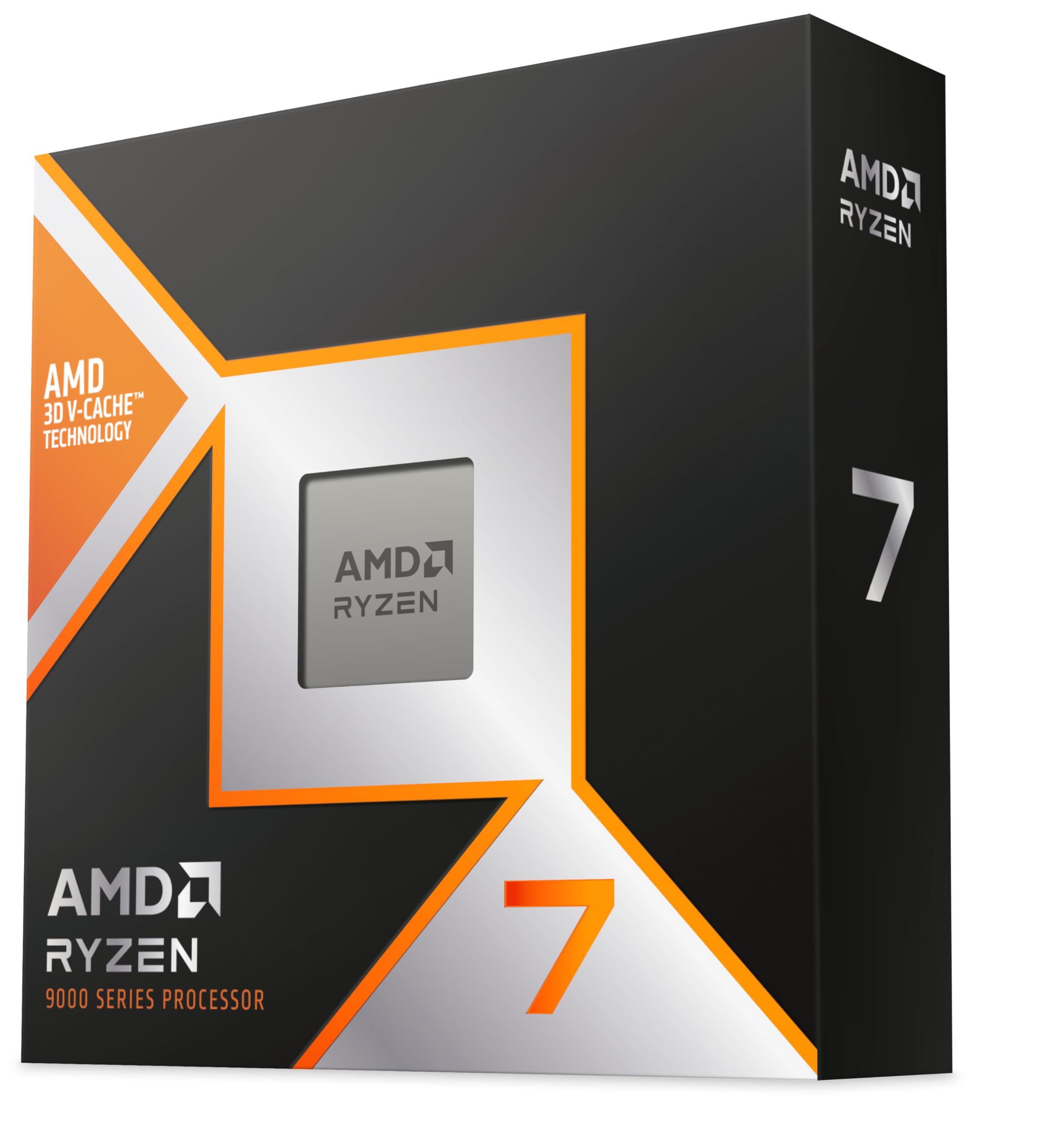
The AMD Ryzen 7 9800X3D represents the current pinnacle of gaming CPU design, combining Zen 5 architecture with a second-generation 3D V-Cache implementation. The 96 MB of L3 cache on a single CCD dramatically reduces memory latency, producing exceptional frame consistency in CPU-bound titles. This processor delivers measurable gains even at 1440p and 4K resolutions where the GPU is typically the bottleneck.
Thermal performance is markedly improved over the previous X3D generation, allowing the chip to sustain higher all-core boost clocks under load. Users report idle temperatures around 40°C and gaming temps in the 60-70°C range with a quality air cooler or 240mm AIO, making it more forgiving in cooling selection than competing flagship Intel SKUs. The default power envelope stays manageable without aggressive undervolting.
Productivity performance sees a healthy IPC uplift over Zen 4, though the 8-core/16-thread configuration means heavily multithreaded workloads will naturally be slower than a 16-core Ryzen 9 or a 24-core Intel Core i9. For a pure gaming build where framerate and latency are the primary metrics, this processor is unmatched in its current price tier.
Why it’s great
- Best gaming framerate consistency of any consumer CPU
- Improved thermals allow air cooling with good case airflow
- AM5 platform offers future upgrade path
Good to know
- Limited to 8 cores for heavily parallel workloads
- Cooler not included in the box
2. Intel Core i9-14900KF

The Intel Core i9-14900KF delivers a 24-core hybrid architecture with 8 performance cores and 16 efficiency cores, capable of reaching 6.0 GHz on single-threaded workloads. This configuration excels in multitasking scenarios where background applications are offloaded to E-cores while the P-cores handle the active game or rendering task. Users report sustained 240 FPS in competitive titles like Fortnite without overclocking.
Gaming performance is excellent, but the chip requires serious cooling infrastructure. Under an all-core workload like Cinebench R23, the processor can draw over 250 watts, pushing temperatures into the 70-80°C range even with a 240mm AIO. The 14900KF is compatible with both DDR4 and DDR5 motherboards on the LGA1700 platform, offering flexibility depending on your existing RAM investment.
Some users have reported stability issues with 14th generation processors, including system crashes and blue screens after several months of use. Intel has acknowledged internal quality concerns with the Raptor Lake refresh generation. Ensuring a properly updated BIOS with the latest microcode mitigates some of these risks, but it is a factor to weigh when considering this chip for a long-term build.
Why it’s great
- Unmatched single-core clock speed for legacy game compatibility
- High core count for parallel productivity workloads
- Compatible with budget DDR4 or fast DDR5 platforms
Good to know
- Very high power draw requires robust cooling
- Known stability issues with earlier BIOS versions
3. AMD Ryzen 9 9900X3D

The AMD Ryzen 9 9900X3D bridges the gap between pure gaming performance and productivity throughput with a 12-core, 24-thread configuration and a massive 140 MB total cache. This chip is built for users who game and create on the same system, offering strong single-threaded performance from the Zen 5 architecture while providing enough cores for video encoding, 3D rendering, and software compilation without forcing a platform upgrade.
Thermal behavior is remarkably efficient for a high-core-count processor. Users report that a Peerless Assassin 120 air cooler or a 240mm AIO keeps temperatures well within safe limits even during extended rendering sessions, with no throttling observed in real-world testing. The extra cache contributes to snappy system responsiveness and reduced load times in large project files.
The 9900X3D occupies a unique space in the lineup. If your priority is pure gaming framerate, the 8-core 9800X3D delivers slightly better results due to lower inter-CCD latency. But if you need 12 cores for work and still want the gaming advantage of 3D V-Cache, this processor provides a compelling balance that no Intel current-gen chip can match in the same power envelope.
Why it’s great
- Excellent blend of gaming and productivity performance
- Runs cool enough for air cooling despite 12 cores
- AM5 socket supports future processor upgrades
Good to know
- Gaming performance slightly behind the 9800X3D due to dual-CCD latency
4. Intel Core i9-13900KS

The Intel Core i9-13900KS is a binned special edition chip guaranteed to reach 6.0 GHz on two performance cores out of the box, offering the highest factory clock speed of any consumer processor. This binning process also yields improved voltage characteristics compared to standard 13900K units, with some users reporting stable all-core speeds of 5.6 GHz on P-cores and 4.5 GHz on E-cores at reduced voltages.
Power consumption is extreme under full load, with maximum TDP figures reaching 300-360 watts even with a slight undervolt. A high-end 360mm AIO or custom loop is essentially mandatory for sustained all-core workloads. The memory controller is also binned, enabling some kits to reach DDR5 speeds above 8000 MT/s on dual-DIMM boards, which benefits memory-sensitive applications.
The 13900KS sits on the LGA1700 platform, meaning it is compatible with 600 and 700 series motherboards. However, this socket is a dead end for future upgrades, as Intel’s Arrow Lake architecture moves to LGA1851. If you are building a maxed-out system today with no plans to upgrade the motherboard, the 13900KS offers the highest raw clock speeds on the Intel side.
Why it’s great
- Guaranteed 6.0 GHz boost clock from factory binning
- Superior memory overclocking potential with high-quality IMC
- All P-cores often stable at 5.6 GHz with reasonable voltage
Good to know
- Extreme power draw demands top-tier liquid cooling
- LGA1700 platform is at end of life
5. Intel Core i9-13900KF

The Intel Core i9-13900KF delivers 24 cores with an 8 P-core and 16 E-core hybrid architecture reaching up to 5.8 GHz, providing flagship-level performance without the integrated graphics that most dedicated-GPU builds never use. This processor is a strong choice for developers running Docker containers, VMs, and compilation workloads simultaneously, with users noting significant multitasking improvements over previous generation CPUs.
Thermal management is achievable with a high-end air cooler like the Noctua D15 if you set a reasonable power limit around 250W. Users report idle temperatures around 42°C and full-load temperatures in the high 80s after limiting the power target. The chip supports both DDR4 and DDR5 memory, allowing builders to reuse existing DDR4-4000 kits that can be unstable on AMD platforms.
Compatibility with 600 and 700 series motherboards is broad, but the processor requires a dedicated GPU since it lacks integrated graphics. The 13900KF offers a significant price-to-performance advantage over the newer 14900K series if you can find it at a discount, making it a smart choice for budget-conscious builders who still need 24-core throughput.
Why it’s great
- High core count for heavy multitasking and workstation use
- DDR4 compatibility saves platform cost
- Lower price than 14th gen with comparable performance
Good to know
- No iGPU requires a discrete graphics card
- May need BIOS update on 600-series boards
6. AMD Ryzen 9 5900XT
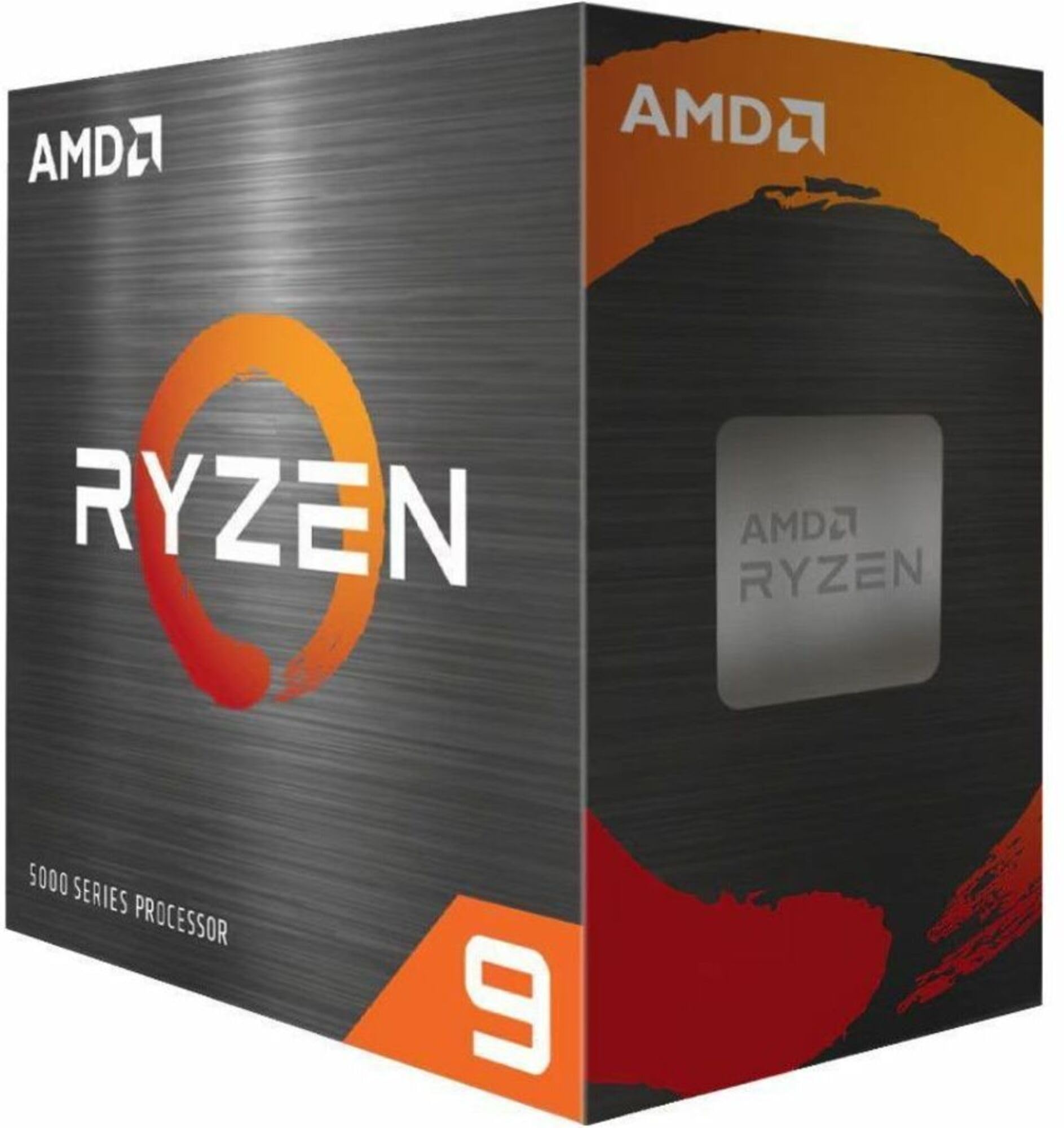
The AMD Ryzen 9 5900XT is a 16-core, 32-thread processor based on the Zen 3 architecture on the AM4 socket, designed as a drop-in upgrade for existing B450, B550, and X570 motherboards. This chip breathes new life into the AM4 platform, offering workstation-level core counts for transcoding, compression, and virtualization workloads without requiring a full platform migration to AM5.
Power consumption is impressively efficient for a 16-core chip, with a 130W TDP that runs cooler than the 5950X it effectively replaces. Users report temperatures peaking in the 70-80°C range with a 360mm AIO during all-core AVX2 workloads. The processor works well for gaming, though the split CCD design introduces some inter-core latency that makes it slightly less responsive than the 5800X3D or 5700X3D in simulation-heavy titles.
The 5900XT is an excellent home server or workstation CPU for users already invested in the AM4 ecosystem. It allows a meaningful core-count upgrade without buying new RAM or a motherboard, which significantly reduces total upgrade cost. For pure gaming, the X3D variants on AM4 offer better latency, but for mixed workloads, this chip provides a superior balance of cores and efficiency.
Why it’s great
- 16 cores on mature AM4 platform with no motherboard swap needed
- Runs cooler than previous 16-core AMD flagships
- Excellent for server/transcoding workloads
Good to know
- Split CCDs cause higher gaming latency vs X3D chips
- Requires aftermarket cooler
7. Intel Core i5-14600KF

The Intel Core i5-14600KF features 6 performance cores and 8 efficiency cores for a total of 14 cores and 20 threads, making it one of the strongest mid-range options for 1440p gaming and streaming. The max turbo frequency of 5.3 GHz provides snappy single-threaded performance, while the E-cores handle background tasks without causing game stutter.
Paired with an RTX 3080 or similar GPU, this processor delivers strong 1440p gaming performance without bottlenecking. Users report that a 240mm AIO keeps temperatures under control during gaming sessions, with thermals hovering around 60-70°C. The chip supports both DDR4 and DDR5 memory, offering flexibility depending on your existing platform investment.
The 14600KF requires a BIOS update on 600-series motherboards before installation. A contact frame is also recommended to prevent bending of the LGA1700 socket. For users building a new mid-range gaming PC, this processor provides excellent value, but the AM5 platform options from AMD offer a clearer upgrade path for future processor generations.
Why it’s great
- Strong 1440p gaming performance without GPU bottleneck
- DDR4 and DDR5 platform flexibility
- Efficient hybrid core design for multitasking
Good to know
- BIOS update required on 600-series boards
- Contact frame recommended for socket protection
8. Intel Core Ultra 7 265KF

The Intel Core Ultra 7 265KF represents a shift to the new Arrow Lake architecture on the LGA1851 socket, offering 8 performance cores and 12 efficiency cores running up to 5.5 GHz. This processor is designed for moderate gaming and light encoding tasks, providing a solid foundation for a new build on Intel’s latest platform.
Users report that the chip runs stable after BIOS updates, with good performance in games like Call of Duty and Battlefield 4 at moderate settings. The 20-core count helps with multitasking, but the architecture is not optimized for extreme high-core workloads compared to the Raptor Lake i9 series. The chip requires an 800 series motherboard, which is a new platform investment.
The 265KF delivers good value when purchased on sale, but early adopters face a platform cost premium for the LGA1851 motherboards. If you are building a new system today and want to be on Intel’s latest socket, this processor offers a reasonable entry point, but the performance-per-dollar of the previous-generation 14600KF is generally higher for pure gaming.
Why it’s great
- Latest Arrow Lake architecture on new LGA1851 socket
- Good moderate gaming and encoding performance
- Stable after BIOS update
Good to know
- New platform requires expensive 800-series motherboard
- Not optimized for extreme high-core workloads
9. Intel Core i5-14400F

The Intel Core i5-14400F offers 6 performance cores and 4 efficiency cores running up to 4.7 GHz, providing a solid foundation for entry-level gaming, light productivity, and home server builds. The chip runs cool and stable, with users reporting gaming temperatures around 60°C and heavy editing workloads peaking at 75°C with a basic air cooler.
Compared to older i7 models like the 9700F, the 14400F delivers roughly 25+ FPS higher in games and provides smoother overall system responsiveness. The processor supports both DDR4 and DDR5 memory, as well as PCIe 5.0 and 4.0, making it surprisingly modern for a budget chip. The included RM1 stock thermal solution is adequate for basic workloads, though an aftermarket cooler improves noise and temperatures under load.
The 14400F is ideal for users building a light gaming rig, a hybrid home server, or a budget productivity workstation. The integrated graphics are disabled on the F variant, so a discrete GPU is required. For pure value, this processor represents the most affordable entry into the LGA1700 platform while still supporting modern memory and storage interfaces.
Why it’s great
- Excellent value for entry-level gaming and productivity
- Runs cool on basic air cooling
- Supports DDR4, DDR5, PCIe 5.0
Good to know
- No integrated graphics requires a discrete GPU
- Limited core count for heavy multitasking
FAQ
What is the difference between Intel’s K, KF, and F suffixes?
Does a higher core count always mean better gaming performance?
Do I need an AIO cooler or is air cooling sufficient?
What is AMD 3D V-Cache and why does it help gaming?
Can I use DDR4 RAM with a modern CPU?
Final Thoughts: The Verdict
For most users, the best cpu processor winner is the AMD Ryzen 7 9800X3D because it delivers unmatched gaming frame consistency with manageable thermals and a platform that supports future upgrades. If you want maximum core count for content creation and heavy multitasking, grab the Intel Core i9-14900KF. And for an AM4 upgrade that extends the life of your existing platform, nothing beats the AMD Ryzen 9 5900XT.

Mo Maruf
I created WellFizz to bridge the gap between vague wellness advice and actionable solutions. My mission is simple: to decode the research and give you practical tools you can actually use.
Beyond the data, I am a passionate traveler. I believe that stepping away from the screen to explore new environments is essential for mental clarity and physical vitality.