Our readers keep the lights on and my smoothie glass nicely filled. As an Amazon Associate, I earn from qualifying purchases.
The difference between a fluid coding session and a frustrating one often comes down to how fast your processor can chew through a massive compilation or spin up a dozen Docker containers without breaking a sweat. Choosing the right processor for development work is about matching core count, clock speed, and platform longevity to your specific workflow.
I’m Mohammad Maruf — the founder and writer behind WellFizz. This guide is the product of hundreds of hours researching benchmark data, parsing technical specifications, and analyzing user reports to isolate what truly matters for programmers when selecting a desktop CPU.
Whether you are compiling a kernel, running a full virtualized test lab, or editing 4K video alongside your IDE, choosing the best cpu for coding is the single most impactful hardware decision you can make for your daily productivity.
How To Choose The Best CPU For Coding
Selecting a processor for development isn’t the same as picking one for pure gaming. Your workflow — whether it involves heavy parallel compilation, running multiple VMs, or single-threaded IDE work — dictates which specs you should prioritize.
Core Count and Thread Count
Compilers like GCC, Clang, and MSBuild thrive on parallel processing. A CPU with at least 8 cores and 16 threads will dramatically reduce build times compared to a 4-core part. For containerized development or running multiple virtual machines, higher thread counts (16 to 32 threads) are a genuine productivity multiplier.
Single-Core Performance
Not all coding tasks scale across cores. Code editors, linters, and terminal responsiveness depend heavily on single-threaded speed. A high boost clock — ideally 4.7 GHz or higher — ensures that your environment stays snappy even when the system is under partial load.
Cache Size
Large L2 and L3 caches reduce memory latency, which directly benefits compile times and database query performance. Processors with 24 MB of L3 cache or more offer a measurable advantage when working with large codebases or running data-intensive algorithms locally.
Platform and Memory Support
DDR5 memory offers higher bandwidth, which is an advantage for data-heavy workloads and advanced multitasking. However, DDR4 remains a cost-effective option with mature platforms. Consider whether you want an upgrade path (AM5) or prefer a proven, stable platform (AM4 or LGA1700).
Quick Comparison
On smaller screens, swipe sideways to see the full table.
| Model | Category | Best For | Key Spec | Amazon |
|---|---|---|---|---|
| AMD Ryzen 9 9900X3D | Premium | Heavy compilation & AI | 12 Cores / 24 Threads / 140MB Cache | Amazon |
| Intel i9-14900KF | Premium | Single-thread speed | 24 Cores (8P+16E) / 6.0 GHz Boost | Amazon |
| Intel i9-14900K | Premium | Max productivity | 24 Cores (8P+16E) / 6.0 GHz / iGPU | Amazon |
| AMD Ryzen 9 5900XT | Mid-Range | High-core AM4 upgrade | 16 Cores / 32 Threads / 72MB Cache | Amazon |
| AMD Ryzen 7 8700G | Mid-Range | Compact dev builds | 8 Cores / 16 Threads / RDNA3 iGPU | Amazon |
| Intel Core Ultra 7 265KF | Mid-Range | Balanced workstation | 20 Cores (8P+12E) / 5.5 GHz | Amazon |
| AMD Ryzen 7 5800X | Mid-Range | Value AM4 productivity | 8 Cores / 16 Threads / 36MB Cache | Amazon |
| Intel Core i5-14400F | Budget | Entry-level dev rig | 10 Cores (6P+4E) / 4.7 GHz | Amazon |
| Intel Core i7-3770 | Budget | Legacy budget build | 4 Cores / 8 Threads / 3.4 GHz | Amazon |
In-Depth Reviews
1. AMD Ryzen 9 9900X3D 12-Core Processor

The 9900X3D sits at the intersection of brute-force parallel processing and elite single-thread responsiveness, making it the most well-rounded processor for developers on this list. Its 12 Zen 4 cores and 24 threads handle compilation pipelines and extensive test suites without breaking a sweat, while the generous 140 MB of total cache eliminates the micro-stuttering that can plague IDE responsiveness when working with massive codebases.
In real-world use, this chip stays cool under sustained load when paired with a proper AIO cooler, with users reporting no thermal throttling even during multi-hour compile marathons. The extra 3D V-Cache is not just a gaming gimmick—it provides tangible benefits for database queries, algorithm prototyping, and any development task that benefits from reduced memory latency.
The AM5 platform ensures you have access to DDR5 memory and a clear upgrade path for future generations, which protects your investment. For developers who need a machine that can compile, run containers, and keep the editor responsive all at once, the 9900X3D is the definitive choice.
Why it’s great
- Massive 140 MB cache dramatically reduces memory latency for compilers and databases.
- 12-core, 24-thread layout handles parallel builds and virtualization simultaneously.
- Runs cool under load with a quality AIO, no thermal throttling reported.
- AM5 platform provides DDR5 support and future upgradeability.
Good to know
- Requires a discrete graphics card.
- Higher upfront cost compared to mid-range AM4 options.
2. Intel i9-14900KF 24-Core Processor
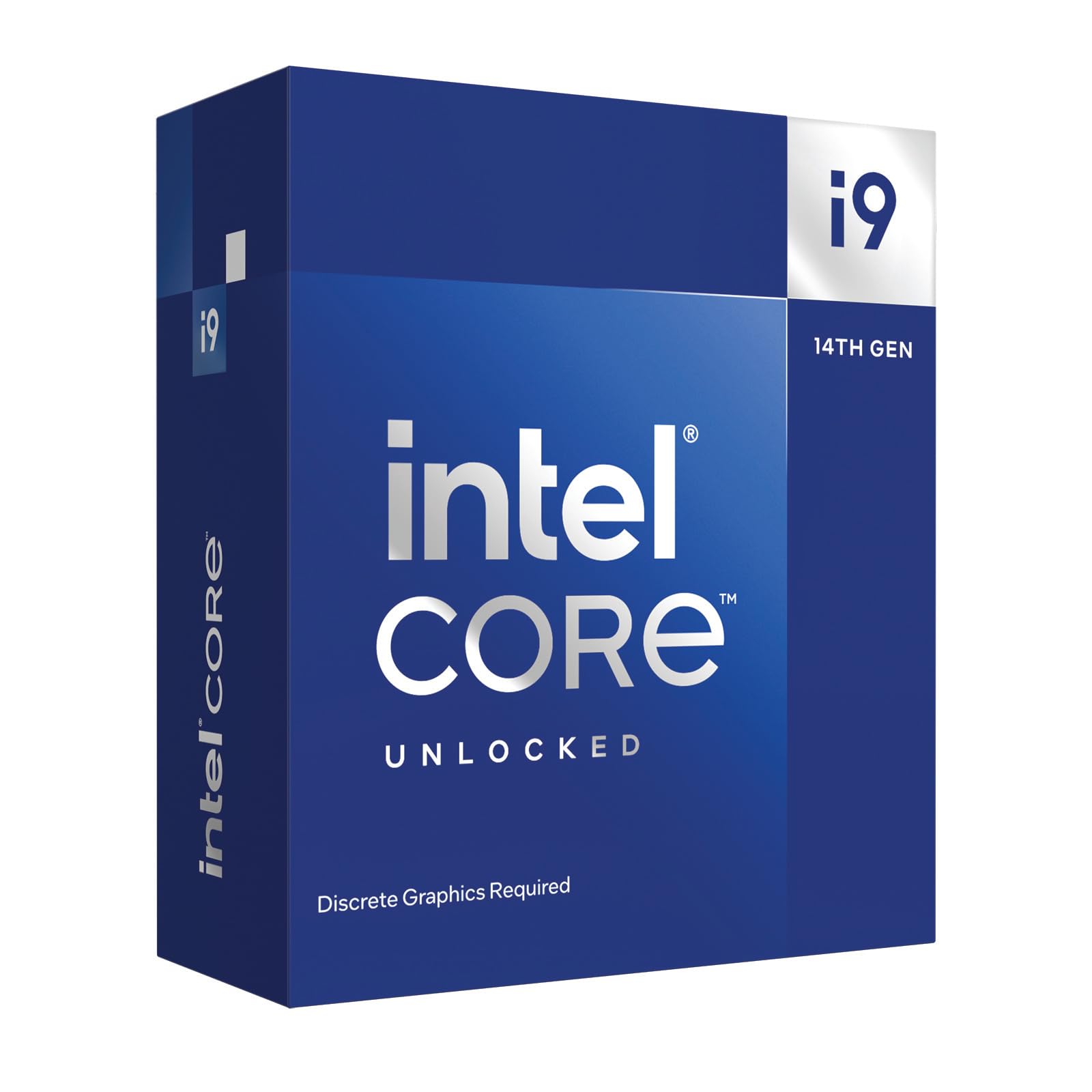
The 14900KF delivers the highest single-core clock speed on this list, hitting a blistering 6.0 GHz with Thermal Velocity Boost. For developers, that translates to the fastest possible response from editors, linters, and quick single-threaded tasks. When you are jumping between files in a massive monorepo, that clock headroom prevents the cursor from ever feeling laggy.
With 24 cores split into 8 Performance-cores and 16 Efficient-cores, this CPU is a multitasking monster. The P-cores handle your active IDE and compile thread, while the E-cores manage background services, Docker containers, and system overhead without stealing resources. Users consistently report excellent multitasking performance, keeping 50-70% CPU usage during heavy workloads without stuttering.
The thermal demands are real—this chip peaks at 90°C under full load and requires a 360mm AIO or premium air cooler. The KF variant lacks an iGPU, so a dedicated graphics card is mandatory. For developers who value absolute single-threaded speed and have the cooling to match, this is the processor to beat.
Why it’s great
- 6.0 GHz boost clock is the fastest single-core speed available for snappy IDE performance.
- Hybrid architecture with P-cores and E-cores excels at background multitasking.
- Compatible with both DDR4 and DDR5 motherboards, offering flexible memory choices.
Good to know
- Runs very hot; requires a high-end 360mm AIO cooler.
- No integrated graphics, so you need a discrete GPU.
3. Intel i9-14900K 24-Core Processor
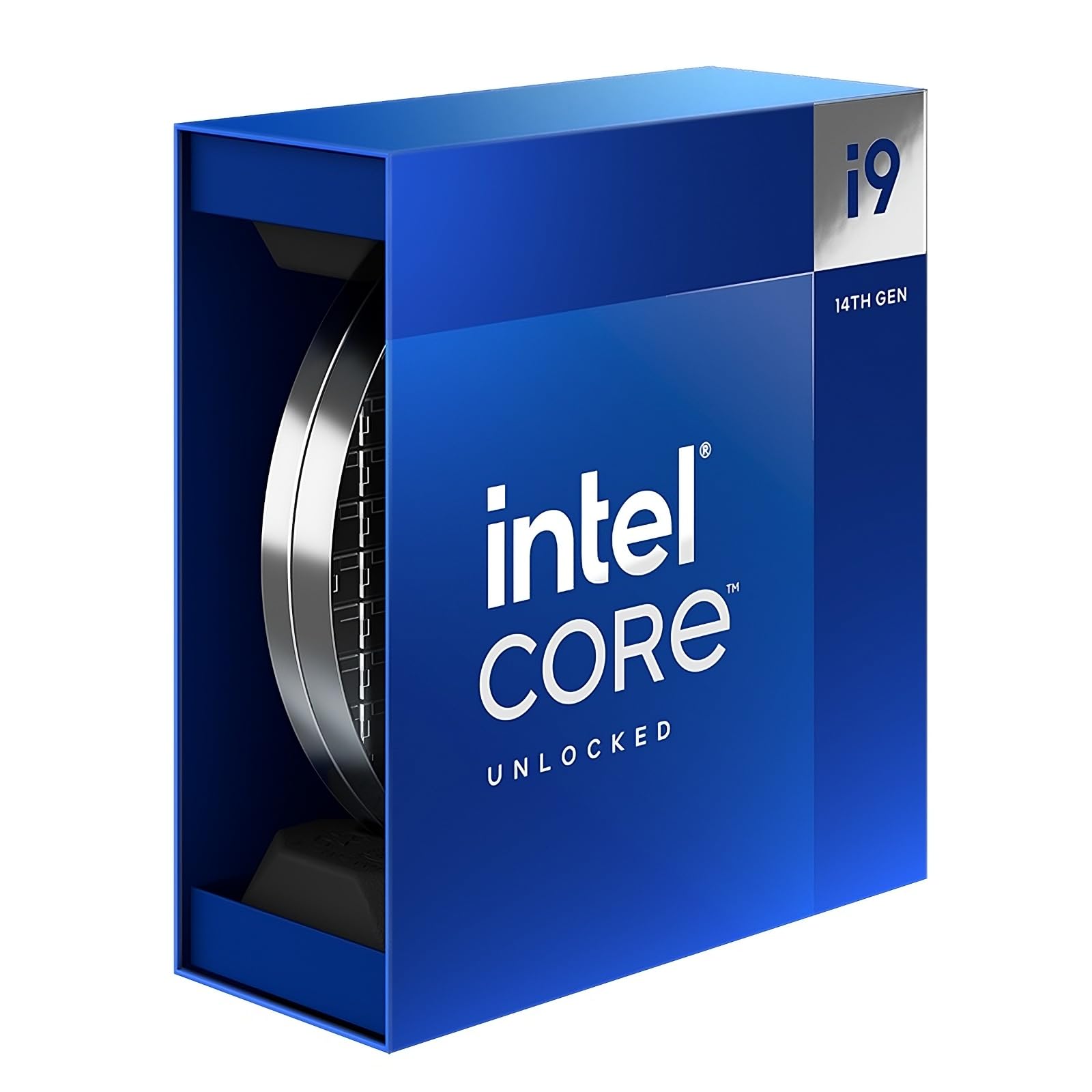
The 14900K is nearly identical to the KF variant but includes an integrated GPU, which is a critical distinction for developers. The iGPU allows you to debug display issues, run a headless test server, or troubleshoot GPU-related problems without needing a separate card. For developers building a workstation where the GPU may change frequently, the iGPU provides essential fallback capability.
This chip shares the same 24-core hybrid architecture and 6.0 GHz boost as the KF, delivering identical single-threaded and multi-threaded performance for coding tasks. Users running Proxmox nodes and home-lab servers report exceptional stability and performance over months of 24/7 operation, making it a reliable choice for development servers and heavy CI/CD runners.
The same thermal considerations apply—you need robust cooling to keep it under control. The iGPU adds a slight power overhead, but the trade-off is worthwhile for developers who benefit from a self-contained troubleshooting environment. If you need the absolute best performance with the convenience of onboard graphics, this is the Intel flagship to choose.
Why it’s great
- Integrated GPU provides a full debug and fallback display solution without a discrete card.
- Same 6.0 GHz boost and 24-core hybrid architecture as the KF variant.
- Proven stability in 24/7 server and home-lab environments.
- Supports both DDR5 and DDR4 memory platforms.
Good to know
- Runs hot and demands high-end cooling (360mm AIO recommended).
- Base power consumption of 125W, with peaks well above that under load.
4. AMD Ryzen 9 5900XT 16-Core Processor
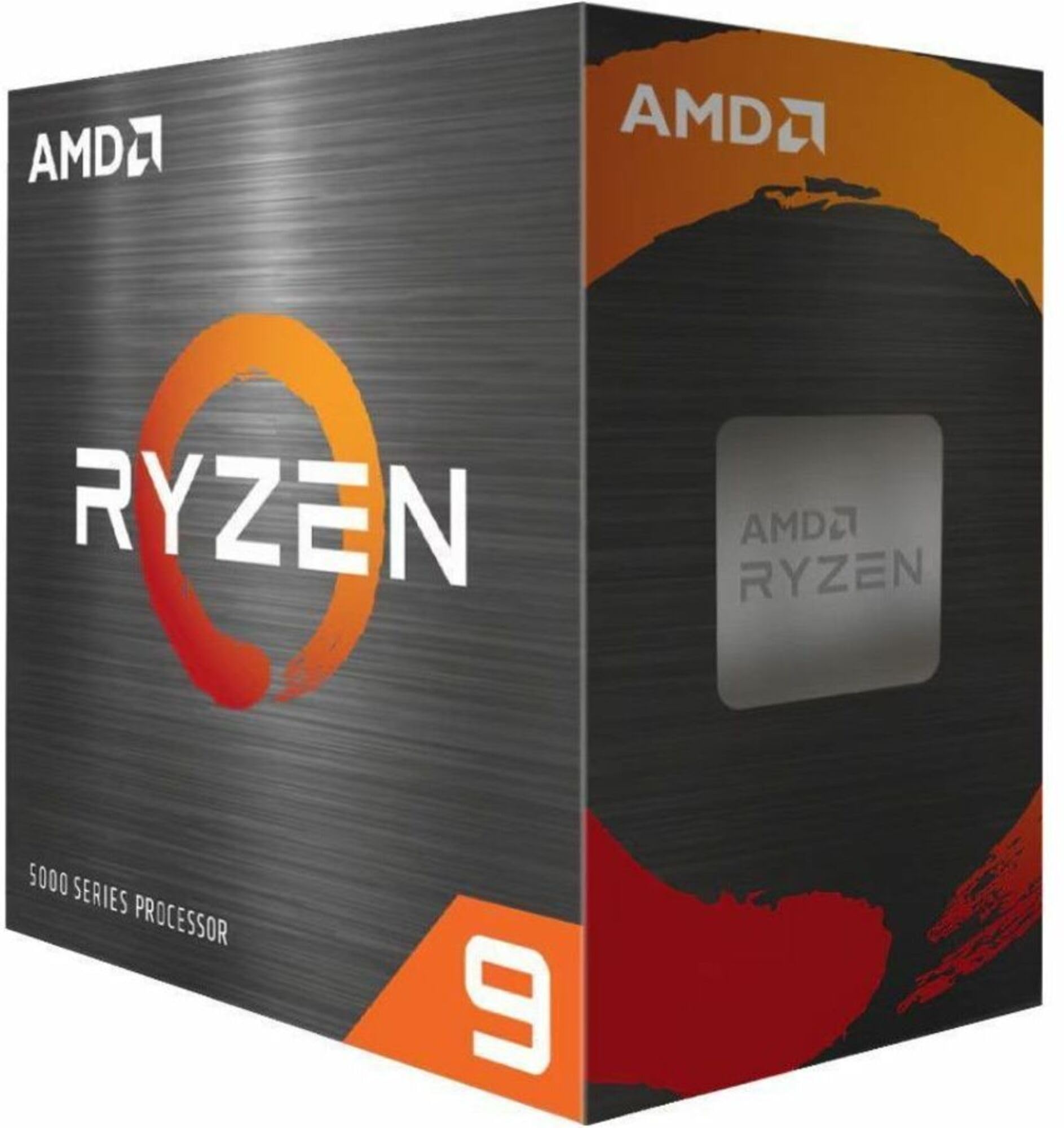
The 5900XT brings 16 Zen 3 cores and 32 threads to the AM4 platform, making it a beast for developers on a budget who need massive parallel processing power. For compilation, transcoding, and running multiple virtual machines, this chip offers performance that rivals much more expensive processors, thanks to its 72 MB total cache and 4.8 GHz boost clock.
Users report that the 5900XT runs cooler than the 5950X in similar workloads, with lower thermal throttling, which means sustained performance during marathon compile sessions. In applications like AutoCAD and CPU-heavy development tools, the multi-threaded performance is outstanding, and the chip keeps the AM4 platform viable for high-end workstations without requiring a platform upgrade.
One consideration is that the dual CCD design can introduce inter-core latency in some gaming scenarios, but for pure development work, this rarely matters. The chip is also limited by the AM4 platform’s PCIe 4.0 and DDR4 support. If you have a mature AM4 system and want the most cores you can get, the 5900XT is the smartest upgrade available.
Why it’s great
- 16 cores and 32 threads offer exceptional multi-threaded value on AM4.
- Runs cooler than the 5950X, allowing sustained performance without throttling.
- 72 MB cache provides fast data access for large codebases and compilers.
Good to know
- Dual CCD design can cause latency in some latency-sensitive applications.
- Limited to DDR4 memory and PCIe 4.0; no upgrade path to newer platforms.
5. AMD Ryzen 7 8700G 8-Core Processor

The 8700G is a unique proposition for developers: an 8-core, 16-thread Zen 4 processor with integrated RDNA3 graphics that is genuinely usable for basic gaming and GPU compute prototyping. For developers who build small form factor machines or want a system that can run Linux without a discrete GPU, this chip delivers solid performance at just 65W TDP, making it ideal for compact, quiet builds.
The integrated GPU is roughly 20% as powerful as an RTX 4060 Ti, which means you can test basic rendering, run lightweight AI models, and even play casual games at 1080p without a separate card. The included Wraith Spire cooler handles the 65W load easily, keeping temperatures in check even in sub-3L cases. For developers working on embedded systems or those who travel with a mini ITX rig, the 8700G is a compelling all-in-one solution.
On the AM5 platform, this chip supports DDR5 memory and provides an upgrade path to future Ryzen processors. The trade-off is that the GPU performance is limited compared to discrete solutions, and for serious CUDA or AI work, you will still need a dedicated card. For a compact dev box that does everything reasonably well, the 8700G is unmatched.
Why it’s great
- Excellent integrated RDNA3 GPU eliminates the need for a discrete card in compact builds.
- 65W TDP allows for small form factor, quiet systems.
- AM5 platform provides DDR5 support and future CPU upgradeability.
Good to know
- Integrated GPU is not suitable for heavy CUDA or 4K workloads.
- Comes with a Wraith Stealth cooler (65W), not the advertised Wraith Spire (95W).
6. Intel Core Ultra 7 265KF 20-Core Processor

The Core Ultra 7 265KF represents Intel’s latest architecture, offering 20 cores (8 Performance + 12 Efficient) and a 5.5 GHz boost clock. For developers, this delivers strong single-threaded performance for IDE responsiveness and solid multi-threading for compilation, all on the new 800-series chipset platform with support for PCIe 5.0 and DDR5 memory.
Users upgrading from older Ryzen processors report a noticeable boost in OS boot times and everyday snappiness. The chip handles modern games and daily development tasks with ease, remaining stable after BIOS updates. The lack of memory instability issues that plagued some 12th to 14th gen Intel parts is a welcome improvement, making this a reliable pick for a balanced workstation.
The 265KF requires an 800-series motherboard, which is a new platform investment, but it offers the best features of Intel’s current architecture. For developers who want a modern platform with great all-around performance and are willing to invest in the latest chipset, this is a forward-looking choice that will remain competitive for years.
Why it’s great
- Modern architecture with 20 cores and 5.5 GHz boost for balanced performance.
- No memory instability issues typical of some prior Intel generations.
- PCIe 5.0 and DDR5 support on the 800-series chipset.
Good to know
- Requires a new 800-series motherboard, adding platform cost.
- Performance difference over mid-range options may not justify the cost for light workloads.
7. AMD Ryzen 7 5800X 8-Core Processor

The Ryzen 7 5800X remains a benchmark for mid-range workstation performance. Its 8 cores and 16 threads at 4.7 GHz boost provide a perfect balance for developers who need solid compilation speed and responsive single-threaded performance without stepping into the premium tier. Users report it handles stock trading platforms, 4K upscaling, and video editing without bottlenecking the rest of the system.
The 36 MB of cache and Zen 3 architecture deliver snappy performance for most development tasks. Users upgrading from older Ryzen generations see massive performance gains, with up to 30-40% less FPS loss during streaming or rendering. The chip is a drop-in upgrade for AM4 motherboards, making it an excellent choice for extending the life of an existing build.
The 5800X does run warm—idle temperatures in the 35-40°C range and load temperatures in the high 70s to low 80s with a good air cooler. AMD states 90°C is safe, but a quality aftermarket cooler is essential. For developers on a budget who want reliable, proven performance, the 5800X is the gold standard on AM4.
Why it’s great
- 8 cores and 16 threads provide a solid baseline for compilation and multitasking.
- Compatible with the widely available AM4 platform, making it a cheap upgrade.
- Proven stability and performance across a wide variety of development workloads.
Good to know
- Runs warm and requires a quality aftermarket cooler.
- No integrated graphics; a discrete GPU is needed.
8. Intel Core i5-14400F 10-Core Processor

The i5-14400F is the entry-level champion on this list, offering 10 cores (6 Performance + 4 Efficient) and 16 threads at a price that leaves room in the budget for fast RAM and storage. For developers starting out or building a secondary rig, this processor handles light productivity, coding, and even some gaming without breaking a sweat.
Users upgrading from older i7 processors report 25+ FPS gains in games and smoother overall system responsiveness. The chip runs cool at 60-67°C under load with a cheap air cooler, making it easy to build a quiet system. It supports both DDR4 and DDR5 memory, giving you flexibility to reuse existing components or invest in a modern platform.
Compatibility with 600-series and 700-series motherboards means you can use an affordable board without sacrificing modern features. The lack of an integrated GPU means you need a dedicated graphics card, but for a coding-focused build, that is likely already part of the plan. For the budget-conscious developer, the 14400F delivers exceptional value per thread.
Why it’s great
- 10 cores and 16 threads offer strong multi-threading for the price.
- Runs cool with a cheap air cooler, ideal for quiet builds.
- Supports both DDR4 and DDR5 memory and LGA1700 motherboards.
Good to know
- Requires a discrete graphics card; no iGPU included.
- Slightly slower single-core speed compared to higher-end options.
9. Intel Core i7-3770 4-Core Processor

The i7-3770 is a legacy part that still holds relevance for extreme budget builds or dedicated test rigs. Its 4 cores and 8 threads with 3.4 GHz base clock are enough for basic coding, light web development, and simple script running, making it a viable option when the budget is the absolute constraint. Users upgrading from Core 2 Duo and i3 parts report a massive leap in multitasking capability.
The 8 MB cache and hyper-threading support mean that lightweight virtualization with VT-x is possible, allowing you to run a couple of small VMs or Docker containers. The processor runs with reasonable temperatures—idle 35-45°C and load 80°C with a stock cooler—though in hotter climates, airflow management becomes critical to avoid thermal throttling.
The i7-3770 is limited to DDR3 memory and older platforms, which means no PCIe 4.0 or modern I/O. It is best suited for learning environments, retro builds, or as a temporary processor while saving for a modern upgrade. For anyone building a serious development workstation, this chip’s age is its biggest limitation—but for the price, it still works.
Why it’s great
- Extremely budget-friendly processor for entry-level coding builds.
- Hyper-threading and VT-x support enable lightweight virtualization.
- Stable and reliable with a large install base of compatible motherboards.
Good to know
- Limited to DDR3 memory and older platforms; no modern I/O standards.
- 4 cores and 8 threads are insufficient for heavy compilation or multiple VMs.
- Runs hotter than modern equivalents and needs careful airflow.
FAQ
Do I need a high-end CPU for web development?
Is an iGPU useful for a coding machine?
How much does RAM speed affect compilation?
Should I prioritize single-core or multi-core performance?
Final Thoughts: The Verdict
For most users, the best cpu for coding winner is the AMD Ryzen 9 9900X3D because it combines a massive 140 MB cache, 12 high-performance cores, and the future-proof AM5 platform into a single package that handles everything from compilation to virtualization without compromise. If you need the fastest single-core speed for snappy IDE performance, grab the Intel i9-14900KF. And for a core-dense upgrade on a mature AM4 platform, nothing beats the AMD Ryzen 9 5900XT.

Mo Maruf
I created WellFizz to bridge the gap between vague wellness advice and actionable solutions. My mission is simple: to decode the research and give you practical tools you can actually use.
Beyond the data, I am a passionate traveler. I believe that stepping away from the screen to explore new environments is essential for mental clarity and physical vitality.