Our readers keep the lights on and my smoothie glass nicely filled. As an Amazon Associate, I earn from qualifying purchases.
Pairing a Radeon RX 7900 XT with a mismatched processor means leaving performance on the table—stuttering frame times, CPU bottlenecks at 1440p, and GPU utilization that never hits 99%. The 7900 XT is a 20GB VRAM beast built for high-resolution raster and ray tracing, but it only flexes when fed by a CPU that can keep the pipeline full. This guide isolates the processors that actually unlock the 7900 XT’s potential across gaming, rendering, and mixed workloads.
I’m Mohammad Maruf — the founder and writer behind WellFizz. I’ve spent hundreds of hours dissecting benchmark databases, reading through real owner reports, and cross-referencing memory controller quirks, thermal limits, and platform costs to find which CPUs extract the most from the 7900 XT across every use case.
Whether you are building fresh or upgrading on an existing AM5 or LGA1851 board, this guide identifies the precise silicon that eliminates GPU starvation and delivers consistent frames. This is the definitive buyer’s guide to the best cpu for 7900 xt.
How To Choose The Right CPU For Your 7900 XT
The RX 7900 XT thrives on consistent high-resolution raster performance, but its behavior changes depending on whether you game at 1080p, 1440p, or 4K. At lower resolutions, the CPU works harder—making single-threaded speed and cache size critical. At 4K, memory bandwidth and core count become more relevant. Choosing wrong means the GPU idles while the CPU struggles.
3D V-Cache vs. Raw Core Count
AMD’s 3D V-Cache adds extra L3 cache stacked directly on the die, which reduces latency when the GPU requests data that would normally require a trip to system RAM. For the 7900 XT, this translates directly into higher 1% lows and smoother frame pacing—especially at 1440p. Processors without this cache, like the standard non-X3D Ryzen chips or Intel’s Ultra series, rely on faster memory clocks and lower core-to-core latency to compensate. For pure gaming on a 7900 XT, 3D V-Cache offers the most predictable gains.
Platform Cost and Upgrade Path
The 7900 XT sits at a mid-premium GPU price point, so overspending on a motherboard and DDR5 memory that outlasts the GPU’s relevance doesn’t always make sense. AM5 has at least one more generation confirmed, while LGA1851 is new and unproven long-term. Consider whether you want to reuse the board across multiple upgrades or if this is a final build. Memory controller support—especially for 4-stick DDR5 configurations—also differs between AMD and Intel platforms and affects real stability at high transfer rates.
Thermals and Cooler Compatibility
Some of these processors run hot under sustained loads. The Core Ultra 9 285K pulls over 200W in a Cinebench loop, while the 7800X3D sips power and stays under 75°C with a basic air cooler. A powerful 7900 XT build already generates substantial heat inside the case; adding a CPU that runs at the edge of its thermal limit means you need robust case airflow and a premium cooler. Budget for a dual-tower air cooler or a 360mm AIO if you choose a high-core part.
Quick Comparison
On smaller screens, swipe sideways to see the full table.
| Model | Category | Best For | Key Spec | Amazon |
|---|---|---|---|---|
| AMD Ryzen 7 9800X3D | Premium Gaming | Ultimate 1440p/4K gaming with 7900 XT | 104MB cache, 5.2GHz boost | Amazon |
| AMD Ryzen 7 7800X3D | Mid-Range Gaming | Best value gaming + 7900 XT pairing | 104MB cache, 5.0GHz boost | Amazon |
| AMD Ryzen 9 7900X | AM5 All-Rounder | Gaming + heavy content creation | 12 cores, 5.6GHz boost, 76MB cache | Amazon |
| Intel Core Ultra 9 285K | Intel Flagship | Multi-threaded workstation + gaming | 24 cores, 5.7GHz boost, 40MB cache | Amazon |
| AMD Ryzen 9 9850X3D | X3D Hybrid | High-FPS gaming + creator hybrid | 104MB cache, 5.6GHz boost | Amazon |
| Intel Core Ultra 7 270K | Intel Value | VR gaming and multi-tasking | 24 cores, 5.5GHz boost, 40MB cache | Amazon |
| Intel Core Ultra 7 265KF | Entry Intel | Budget Intel gaming build | 20 cores, 5.5GHz boost, 36MB cache | Amazon |
| Micro Center 265K + Z890 Bundle | Intel Combo | One-box Intel platform upgrade | 20 cores + Asus Z890 motherboard | Amazon |
| ASUS TUF RX 7900 XT OC | GPU Reference | GPU being matched in this guide | 20GB GDDR6, 3x DP 2.1 | Amazon |
In‑Depth Reviews
1. AMD Ryzen 7 9800X3D
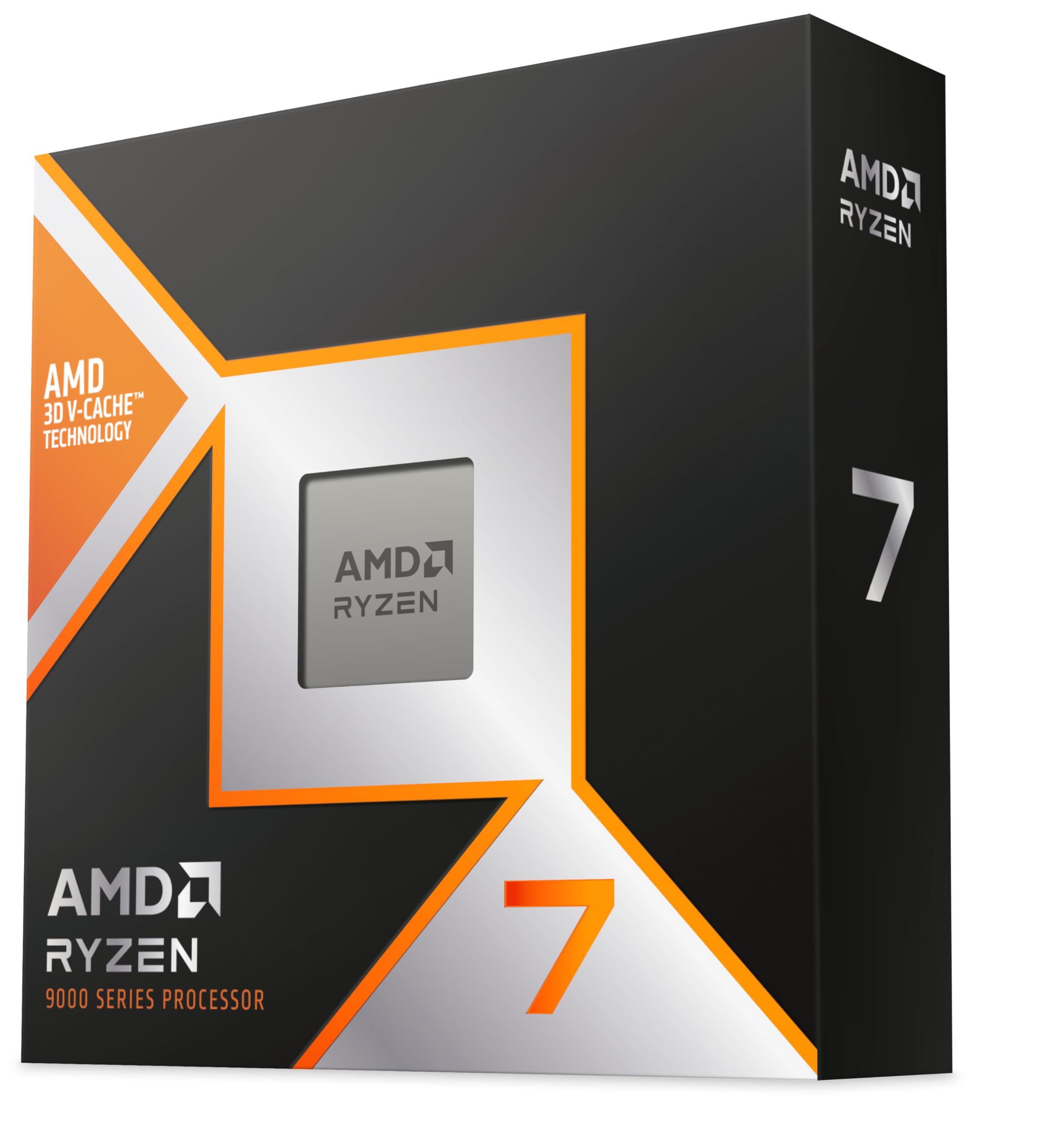
The 9800X3D is the current apex of gaming silicon, and when paired with a 7900 XT, it eliminates CPU-side frame drops almost entirely. The combination of 8 Zen 5 cores, a 5.2GHz boost clock, and the stacked 96MB 3D V-Cache on top of the standard L3 yields the lowest 1% lows available at 1440p. Owners report consistent GPU utilization above 95% even in CPU-heavy titles like Starfield and Cyberpunk 2077.
Thermal behavior is excellent for an X3D part—the 9800X3D runs noticeably cooler than its predecessor under load, with peak temps around 60-65°C with a 360mm AIO. The 16% IPC uplift over Zen 4 also helps single-threaded applications that don’t use the extra cache. It drops into existing AM5 boards with a simple BIOS update, making it an easy choice for those already on the platform.
Productivity tasks like video editing and 3D rendering run smoothly, but the 8-core count doesn’t match the multi-threaded throughput of 12- or 16-core parts. If you prioritize frame time consistency above all else, this is the processor that makes the 7900 XT feel limitless at 1440p and 4K.
Why it’s great
- Highest 1% lows of any gaming CPU today
- Runs cool and efficient under gaming loads
- Drop-in upgrade for existing AM5 builds
Good to know
- Only 8 cores limits heavy multi-threaded rendering
- Premium price tier compared to non-X3D alternatives
2. AMD Ryzen 7 7800X3D

The 7800X3D remains the single most cost-effective processor for extracting maximum gaming performance from a 7900 XT. Its 8-core Zen 4 design with 3D V-Cache delivers 95% of the 9800X3D’s gaming frame rates at a significantly lower investment. In real-world 1440p tests, the difference between the two is often under 5%, making the 7800X3D the rational choice for builders who want to allocate budget toward the GPU.
Power efficiency is outstanding—this chip draws around 75W during gaming sessions, so it runs cool with even a budget air cooler like the Peerless Assassin. Owners report stable temperatures in the 60-70°C range without any undervolting. The AM5 platform support means you can upgrade later without changing the board, though the 7800X3D itself will remain relevant for years.
The only real compromise is in synthetic multi-threaded loads. If you do heavy video encoding or 3D rendering alongside gaming, a 12-core part like the 7900X will finish those tasks faster. But for pure gaming focus with the 7900 XT, the 7800X3D hits the sweet spot of price and frame-rate consistency.
Why it’s great
- Near-flagship gaming performance for less
- Very low power draw—easy to cool
- AM5 upgrade path intact for future CPUs
Good to know
- Multi-threaded productivity slower than 12-core parts
- No significant overclocking headroom
3. AMD Ryzen 9 7900X

The Ryzen 9 7900X trades the 3D V-Cache for two additional Zen 4 cores, giving it a real advantage in threaded workloads that don’t benefit from stacked cache. When paired with a 7900 XT, this combination handles 4K gaming capably while crushing rendering, compiling, and multi-tasking scenarios. The 5.6GHz boost clock ensures single-threaded responsiveness stays high for everyday use.
Thermals require attention—this chip runs hot under full load, reaching 80-85°C even with a quality 360mm AIO. Many owners choose to undervolt slightly or enable Eco Mode to drop temps without sacrificing meaningful performance. The 7900X includes integrated RDNA 2 graphics, which can be useful for troubleshooting or a secondary display without taxing the 7900 XT.
The value proposition here depends heavily on your workload mix. If you game and edit video on the same machine, the 7900X finishes render tasks 30-40% faster than an 8-core part while still delivering smooth 1440p gaming. For pure frame-rate chasers, the 7800X3D will often feel snappier in games, but the 7900X is the more versatile chip.
Why it’s great
- 12 cores handle rendering and compiling much faster
- High 5.6GHz boost for responsive single-threaded tasks
- Integrated GPU useful for secondary displays or troubleshooting
Good to know
- Runs hot; needs a high-end AIO for sustained loads
- Gaming 1% lows lower than V-Cache equipped chips
4. Intel Core Ultra 9 285K

The Core Ultra 9 285K brings 24 cores (8 P-cores + 16 E-cores) and a 5.7GHz boost clock to the table, making it the dominant Intel choice for mixed workloads with the 7900 XT. In SolidWorks and CAD environments, engineers report stable daily operation with zero of the instability issues that plagued 13th/14th gen parts. The 40MB of L3 cache helps with data-intensive applications, though it doesn’t match the raw latency reduction of AMD’s 3D V-Cache in gaming.
Thermal behavior is a step forward from previous Intel generations. Under a Cinebench load, the 285K draws around 205W and peaks at 73-78°C with a 360mm AIO, which is well within safe limits. The integrated memory controller handles four sticks of DDR5 without the training instability seen on older architectures—a key advantage for workstation builders who need 64GB or more. The LGA1851 platform requires a new board, but support for Thunderbolt 4 and PCIe 5.0 is robust.
Gaming performance is strong, but in CPU-bound scenarios at 1080p, the 9800X3D pulls ahead noticeably. At 4K with the 7900 XT, the difference narrows to a few frames, making the 285K a viable choice for those who need workstation power and gaming capability in one box. The absence of a bundled cooler means factoring an extra cost into the total build budget.
Why it’s great
- Highest multi-threaded throughput in this list
- Stable memory controller supports 4-stick DDR5
- Excellent for CAD, rendering, and virtualization
Good to know
- Requires LGA1851 motherboard—no upgrade path yet
- Gaming 1% lows behind X3D parts at lower resolutions
5. AMD Ryzen 9 9850X3D
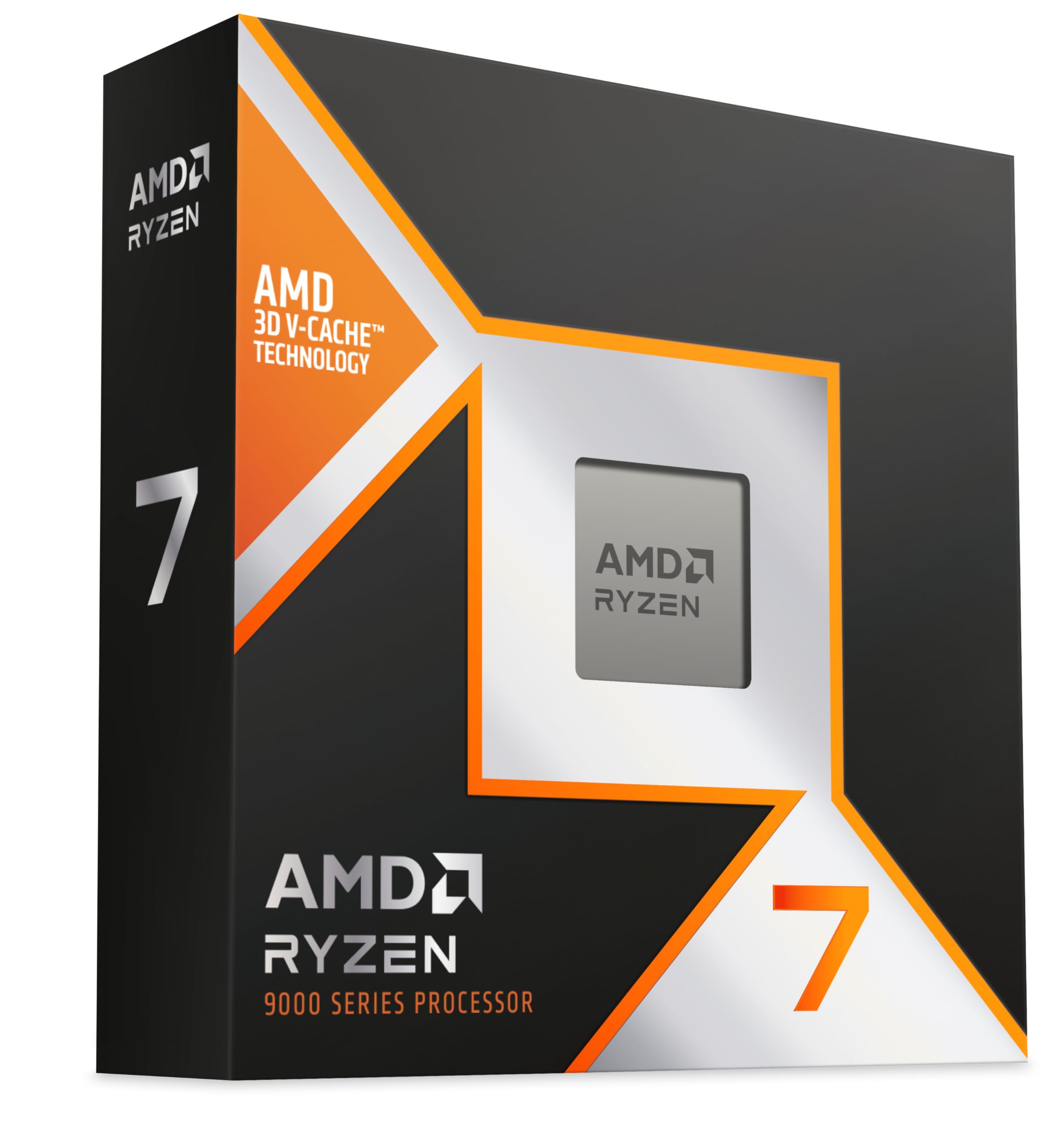
The 9850X3D sits in a unique position—it offers 3D V-Cache benefits while running at a higher 5.6GHz boost clock than the standard X3D parts. This translates to excellent gaming frame rates that rival the 9800X3D, but with slightly better single-threaded burst performance for tasks that don’t rely on cache. Owners pairing it with a 7900 XT report frame rates between 140-160 FPS at 1440p in demanding titles.
Thermal efficiency is strong; users report max temperatures around 60°C under full gaming load with a 360mm AIO, and the chip stays quiet even during extended sessions. The 9850X3D also undervolts well, with many owners reducing voltage without sacrificing stability. It uses the standard AM5 socket, so it’s a direct drop-in for most X670 and B650 boards after a BIOS update.
The 8-core limit means it can’t match the 7900X in purely threaded productivity, but the cache arrangement makes it uniquely capable as a gaming-first chip that still handles light to moderate editing without complaint. If you want X3D gaming performance with a slight edge in clock-sensitive workloads, this is the hybrid to consider.
Why it’s great
- Combines 3D V-Cache with high boost clocks
- Runs cool and quiet under gaming loads
- Direct AM5 compatibility with simple BIOS update
Good to know
- 8 cores limit heavy multi-threaded throughput
- Price premium over 7800X3D for modest gaming gains
6. Intel Core Ultra 7 270K
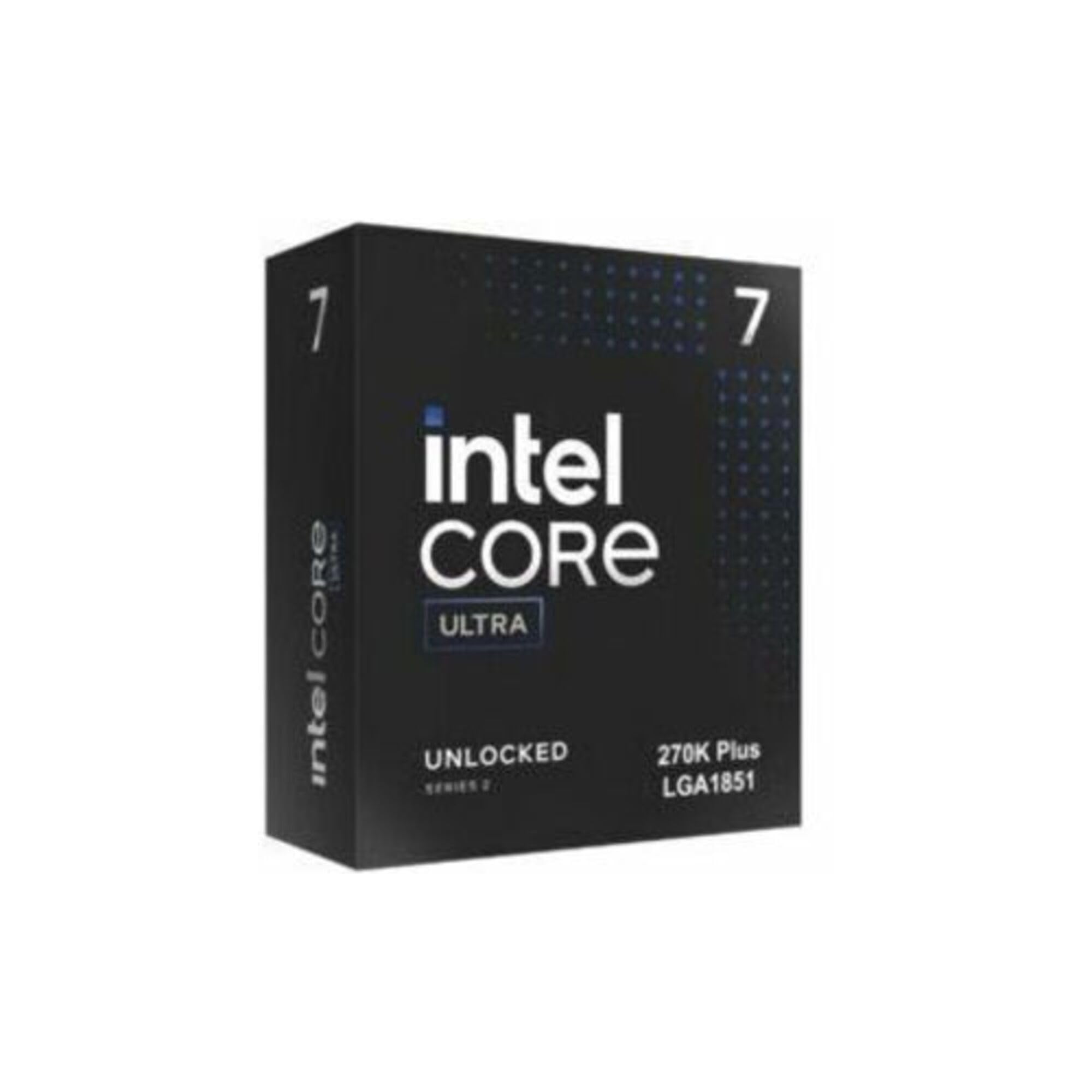
The Core Ultra 7 270K offers 24 cores for a fraction of the 285K’s cost, making it the most sensible Intel choice for a 7900 XT build that balances gaming and multitasking. Owners report it matches or occasionally exceeds the 285K in gaming benchmarks, while costing significantly less. The 5.5GHz boost clock and 40MB cache provide snappy responsiveness across everything from browser-heavy workflows to VR simulation.
Platform requirements mirror the 285K—you need an LGA1851 board with an 800-series chipset, and a solid cooler is essential since the chip can pull over 200W under sustained loads. For VR gaming at 4K per eye, multiple users confirm that the 270K delivers CPU/GPU timings under 9ms when paired with a 7900 XT or even an RTX 5090, making it a sleeper hit for sim racers and flight sim enthusiasts.
The real advantage here is cost savings that can be redirected toward faster DDR5 or a better cooler. Owners moving from 13th/14th gen Intel chips note the 270K runs cooler and more stable than the previous architecture, with none of the voltage degradation issues. If you prefer the Intel ecosystem but don’t need the absolute core count of the 285K, this is the balanced pick.
Why it’s great
- Great price-to-core-count ratio for Intel builders
- Matches 285K in many gaming scenarios
- Excellent VR performance with low frame times
Good to know
- Requires LGA1851 board—no upgrade path yet
- Needs high-end cooling for sustained multi-threaded loads
7. Intel Core Ultra 7 265KF

The 265KF enters as the most affordable Intel option that still avoids bottlenecking a 7900 XT. Its 20 cores (8 P-cores + 12 E-cores) and 5.5GHz boost handle modern games and daily multitasking without issue. Owners upgrading from older Ryzen chips note it runs cool and stable with a Peerless Assassin air cooler, and it’s powerful enough for moderate gaming in titles like Call of Duty and Battlefield 4 while handling light encoding tasks on the side.
The caveat is that this chip lacks the integrated graphics found on the standard 265K (the “F” suffix indicates no iGPU). This doesn’t matter for a build with a discrete 7900 XT, but it means troubleshooting a display issue requires a spare GPU. The 36MB L3 cache is smaller than the 40MB on the 270K, but in practice, the difference in gaming frame rates is marginal at 1440p and above where the 7900 XT carries most of the load.
Platform cost for LGA1851 remains the real barrier. The motherboard investment makes the 265KF less appealing than a comparable AM5 build unless you specifically want Intel’s feature set or already own an 800-series board. If you’re starting fresh, the AMD alternatives offer better value, but for the price-conscious Intel loyalist, the 265KF is a solid pairing with the 7900 XT.
Why it’s great
- Lowest entry cost for Intel LGA1851 platform
- Runs cool with affordable air coolers
- Sufficient core count for gaming and moderate productivity
Good to know
- No integrated graphics if you need a backup display
- Smaller cache than higher-tier Intel parts
8. Micro Center 265K + Asus Z890 Wi-Fi Bundle

This bundle packages the Intel Core Ultra 7 265K with an Asus TUF Gaming Z890-Plus Wi-Fi motherboard, removing the platform cost sting of LGA1851. The 265K (with integrated graphics) and the Z890 board together form a complete Intel foundation for the 7900 XT. The board features 16+1+2+1 80A DrMOS power stages, Thunderbolt 4 USB-C, Wi-Fi 7, and a PCIe 5.0 M.2 slot—all essentials for a modern high-end build.
Owners report excellent thermal performance, with CPU temperatures staying around 52°C during gaming sessions. The Z890 BIOS is intuitive and supports extensive memory overclocking up to 9066 MHz. The bundle simplifies the purchase decision and ensures compatibility, which is valuable for builders who don’t want to hunt for individual component deals. The board’s 8-layer PCB and robust VRM heatsinks provide a stable power delivery platform for any future LGA1851 upgrades.
The main drawback is that you’re locked into the LGA1851 socket, which has a shorter confirmed lifespan than AM5. If you plan to keep the platform for a single generation and then replace the whole system, this bundle represents excellent value. For those who want a clear upgrade path to future CPUs, AM5 remains the safer bet.
Why it’s great
- One-box solution for Intel platform upgrade
- Z890 board has premium VRM and connectivity features
- Simplified purchase; no compatibility guesswork
Good to know
- LGA1851 socket limits future CPU upgrade options
- Bundle format may not suit those who already own a board
9. ASUS TUF RX 7900 XT OC Edition

This is the GPU that every CPU in this guide is matched against. The ASUS TUF RX 7900 XT OC Edition carries 20GB of GDDR6 memory across a 320-bit bus, delivering massive bandwidth for 4K texture streaming and high-resolution rendering. The Axial-tech fans provide 14% more airflow than standard designs, and the dual ball-bearing construction extends fan lifespan significantly. Owners note that the card handles 1440p max settings easily and can push 4K with FSR and frame generation enabled.
Build quality is exceptional—the aluminum shroud and metal backplate minimize PCB sag, and the military-grade capacitors are rated for 20,000 hours at 105°C. The three DisplayPort 2.1 ports support high refresh rate monitors without bandwidth constraints. Temperatures typically settle around 70°C under load with a reasonable fan curve, and the card responds well to undervolting, with some owners dropping to 1040mV while maintaining stability at 3000GHz.
For any of the processors listed above, the 7900 XT will be the primary bottleneck at 4K, meaning the CPU choice matters most for consistent minimum frames and multi-threaded task completion. Understanding this card’s 20GB buffer and RDNA 3 architecture helps contextualize whether a specific CPU’s cache or core count actually translates to visible gains.
Why it’s great
- 20GB VRAM future-proofs high-resolution gaming
- Robust cooling with dual ball bearing fans
- Solid overclocking and undervolting headroom
Good to know
- Large card—measure case clearance before buying
- Price fluctuates; shop for sales to maximize value
FAQ
Will the 7900 XT bottleneck a 12-core CPU at 1440p?
Is PCIe 5.0 necessary for the 7900 XT?
Does the 7900 XT benefit from the 3D V-Cache at 4K?
Should I buy a bundle like the 265K + Z890 or build on AM5?
Final Thoughts: The Verdict
For most users, the best cpu for 7900 xt is the AMD Ryzen 7 7800X3D because it delivers 95% of the ultimate gaming performance at a price that leaves room for other components. If you want absolute minimum frame times and the smoothest experience possible, grab the AMD Ryzen 7 9800X3D. And for mixed workloads that demand strong gaming and serious multi-core rendering, the Intel Core Ultra 9 285K is the workstation powerhouse that never compromises on threaded performance.

Mo Maruf
I created WellFizz to bridge the gap between vague wellness advice and actionable solutions. My mission is simple: to decode the research and give you practical tools you can actually use.
Beyond the data, I am a passionate traveler. I believe that stepping away from the screen to explore new environments is essential for mental clarity and physical vitality.