Our readers keep the lights on and my smoothie glass nicely filled. As an Amazon Associate, I earn from qualifying purchases.
Finding a CPAP mask that doesn’t aggravate ear pain, pressure, or infections can feel like an impossible puzzle. Standard headgear often pulls on the ears, while bulky frames transfer weight that radiates discomfort straight to the temples and ear canals, ruining sleep before therapy even begins.
I’m Mohammad Maruf — the founder and writer behind WellFizz. I’ve spent countless hours analyzing CPAP mask designs, reading user reports on fit-related ear problems, and studying the physics of how frame geometry and strap placement affect pressure points around the ears.
After reviewing dozens of models, I’ve pinpointed the designs that genuinely relieve this pain. This guide covers the best cpap mask for ear problems, focusing on solutions that route straps away from sensitive areas and keep the frame stable without tugging at your head.
How To Choose The Best CPAP Mask For Ear Problems
Ear problems from CPAP use typically stem from strap pressure that compresses the ear cartilage, or from frame weight that pulls on the temple area near the ear canal. Selecting a mask that avoids these triggers is essential for comfortable therapy.
Top-of-Head vs. Front-of-Face Hose Routing
Masks that connect the hose at the top of the head, rather than directly at the nose or mouth, prevent the weight of the tubing from pulling down on the side straps near your ears. This offset reduces the leverage that typically causes the headgear to dig into the ear area during side-sleeping.
Headgear That Bypasses the Ears
Look for masks with straps that route over the crown or back of the head rather than directly over the ears. Some designs use a cradle-like frame that holds the cushion without any material touching the ears at all, which is a critical feature for users with ear infections, cartilage sensitivity, or prior ear surgery.
Cushion Type and Pressure Transfer
Full-face masks that drape over the nose and mouth often create a rigid seal that transfers vibration and pressure to the nasal bridge and cheekbones — and from there to the ear region via bone conduction. Softer silicone cushions or nasal pillows that sit directly under the nose reduce this mechanical transfer, making them a better choice for ear-sensitive users.
Quick Comparison
On smaller screens, swipe sideways to see the full table.
| Model | Category | Best For | Key Spec | Amazon |
|---|---|---|---|---|
| AirFit F30i Frame | Full Face | Ear-free seal & side sleeping | Top hose routing, medium frame | Amazon |
| DreamWear Nasal Swivel Frame | Nasal Pillow | Zero ear contact | 360° swivel, frame sits below ears | Amazon |
| AirTouch N30i Frame System | Nasal Cushion | Fabric wrap, no ear pull | ComfiSoft cushion, tube-up design | Amazon |
| Elviros CPAP Pillow 2-Pack | Sleep Pillow | Pillow that prevents mask shift | Memory foam, cutout for tubing | Amazon |
| AirFit F40 Frame System | Full Face | Minimalist for open-mouth sleepers | Magnetic clips, flexible silicone | Amazon |
| p10 Nasal Pillow Assembly | Nasal Pillow | Ultra-light, quiet therapy | 3 pillow sizes, soft silicone | Amazon |
| Gbbazu DreamWear Nasal Frame | Nasal Pillow | Breathable all-night use | Top tube, 3 pillow sizes, cloth | Amazon |
| Evora Full Set | Nasal Cushion | Custom sizing for comfort | 3 cushion sizes, quick assembly | Amazon |
| Bleep Eclipse Starter Pack | Maskless | Strap-free, no ear contact | Adhesive Halos, no headgear | Amazon |
In‑Depth Reviews
1. ResMed AirFit F30i Headgear Only Medium

The AirFit F30i uses a top-of-the-head hose connection that keeps tubing weight off your face, which directly reduces the pulling force on the side straps near your ears. Users consistently report that this design prevents the mask from shifting during side-sleeping, a common trigger for ear pain.
Extensive feedback from verified buyers notes that the F30i’s wide frame distributes pressure evenly across the cheeks rather than concentrating it at the temples. This is crucial for anyone who experiences ear tenderness from traditional masks that cinch around the back of the skull.
Note that this listing includes the headgear and cushion are not included, so you will need to purchase the complete system to get the full ear-friendly experience. The headgear itself, however, is the critical component that reroutes pull away from the ears.
Why it’s great
- Top hose routing prevents tubing weight from tugging on ears
- Full-face design allows mouth breathing without shifting seal
- Multiple users report zero leaks even while side-sleeping
Good to know
- Only the headgear is sold here — you must buy cushion and frame separately
- Straps may stretch over 3-4 months and require replacement
2. Legend M.D. DreamWear Nasal Swivel Elbow Frame with Headgear

The DreamWear-inspired frame from Legend M.D. positions the hose connection at the top of the head, but its real ear-saving feature is the frame design that sits completely below the ears. The headgear uses wide back straps that never contact the ear cartilage, making it an excellent option for those with ear infections or outer ear sensitivity.
Buyers highlight that the kit includes four cushion sizes (Small, Medium, Large, Medium Wide) so you can dial in the perfect nasal pillow fit without over-tightening the headgear. Over-tightening is a common mistake that compresses the ear area, and this mask’s slip-resistant arms reduce the need to crank the straps.
The 360-degree swivel elbow makes it easy to connect the hose from any angle, which further prevents torque on the frame that could transfer to the ears during restless sleep.
Why it’s great
- Frame sits below ears, eliminating direct strap pressure on cartilage
- Four cushion sizes for precise fit without overtightening
- Slip-resistant headgear arms stay secure through the night
Good to know
- Nasal pillows require a comfortable nose — not ideal for full-face breathers
- Some users need a few nights to select the correct cushion size
3. ResMed AirTouch N30i Frame System (Standard/Medium Cushion)
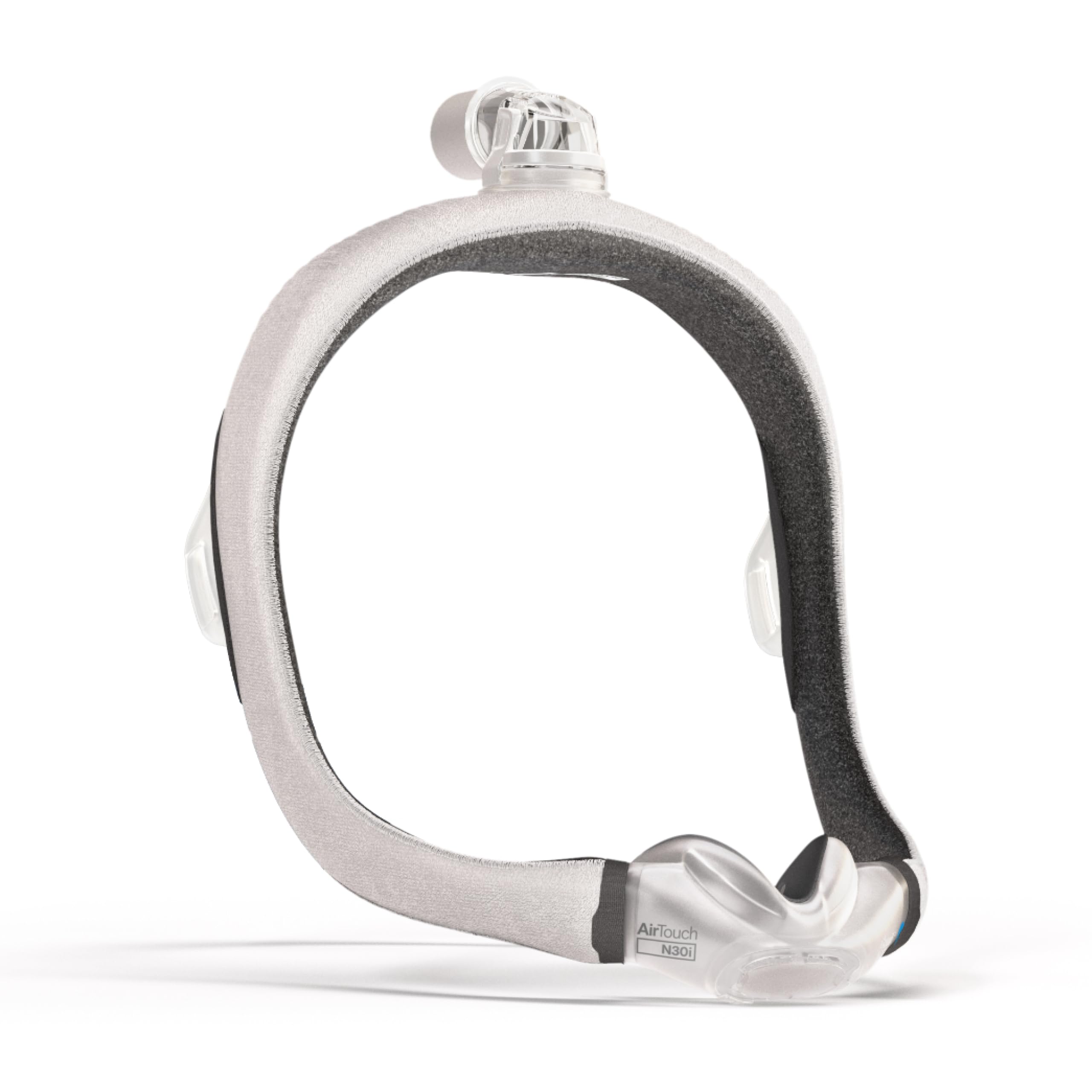
The AirTouch N30i is one of the quietest masks available, and its top-vent design directs exhaust air away from both your face and your partner — but for ear-sensitive users, the key feature is the SpringFit fabric-wrapped frame. This flexible construction adapts to your head shape without the rigid plastic that typically pulls on the temple region near the ears.
Verified buyers mention that the all-fabric headgear does not snag or pull hair, which indirectly reduces the overall tension on the head and prevents the straps from migrating downward onto the ears overnight. The ComfiSoft nasal cushion is exceptionally soft, minimizing the contact pressure on the nose that can radiate discomfort to the ear canal.
This frame system does not include headgear, so you will need to purchase the complete N30i system or reuse existing ResMed headgear. The tube-up design is particularly helpful for side sleepers who need slack tubing that won’t tug at the ear area.
Why it’s great
- Fabric-wrapped frame reduces rigid pressure near the temples
- Quiet top-vent design doesn’t disturb sleep close to the ear
- ComfiSoft cushion creates a gentle seal without transmitting vibration
Good to know
- No headgear included with this frame-only kit
- Nasal pillow size options are limited compared to other ResMed models
4. Elviros Neck Pillow for Pain Relief Sleeping (2-Pack)
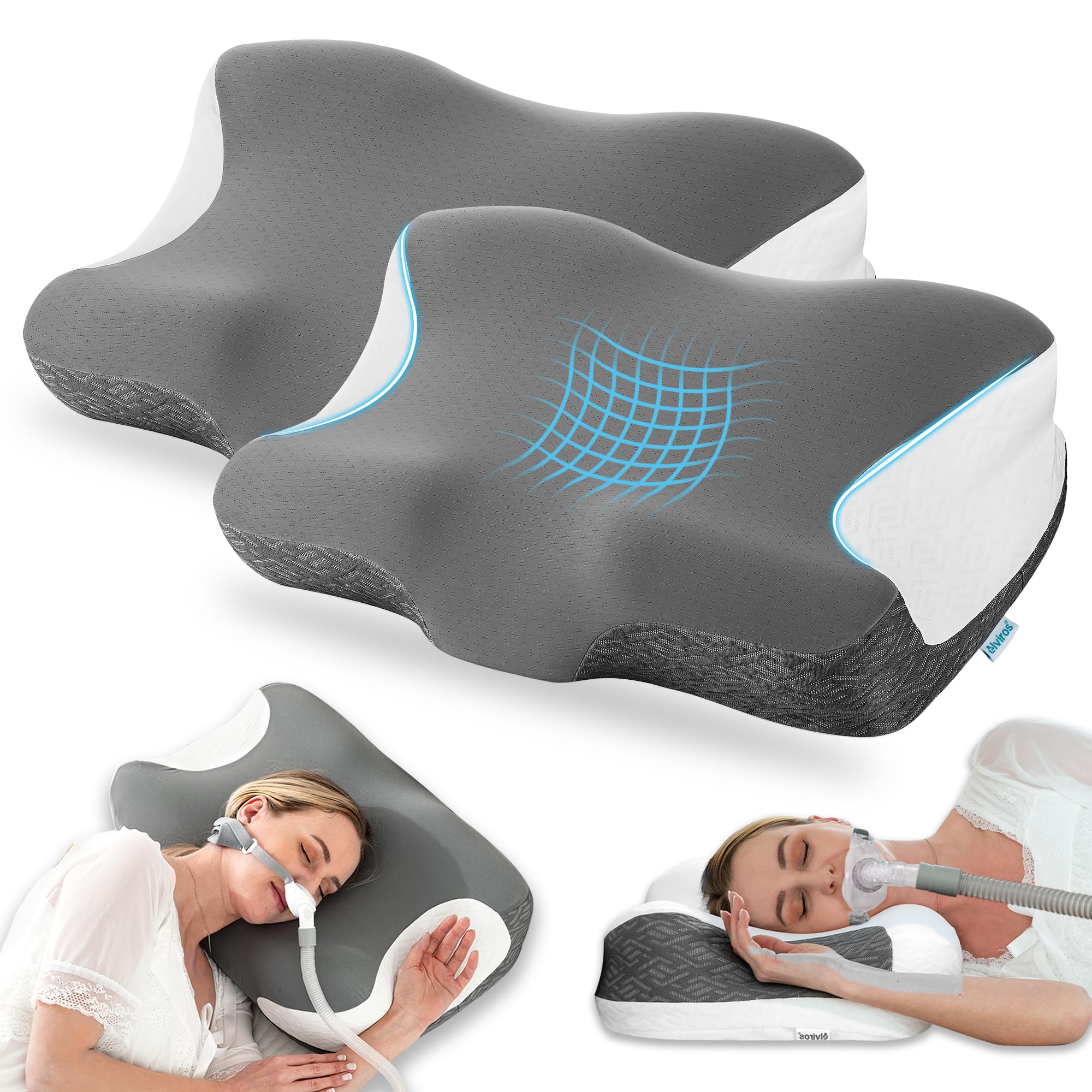
Many ear problems from CPAP actually originate from the pillow, not the mask itself. A standard pillow pushes the mask into the side of the face, putting leverage on the straps and transferring force to the ear. The Elviros CPAP pillow solves this with a central cutout that accommodates full-face and nasal masks alike, keeping the seal intact and preventing the mask from grinding into the ear area.
Reviewers with chronic neck pain and ear pressure have reported significant improvement after switching to this pillow. The adjustable firmness system — with two foam inserts — lets you customize loft so your head sits at a neutral angle, reducing the pull of gravity on the mask frame toward the ears.
The open-cell memory foam is CertiPUR-US certified, and the breathable Nylon-Spandex cover wicks heat away. Side sleepers in particular benefit from the indentations that keep the CPAP tubing organized and off the pillow surface.
Why it’s great
- Central cutout prevents mask from being pressed into the ear area
- Adjustable foam inserts let you set the ideal height for neutral spine
- Breathable cover reduces heat buildup and sweating near the ears
Good to know
- Some users find the loft too low even with the spacer insert
- Memory foam has a new-foam smell that requires 3-5 days of ventilation
5. ResMed AirFit F40 Replacement Frame System (Large)
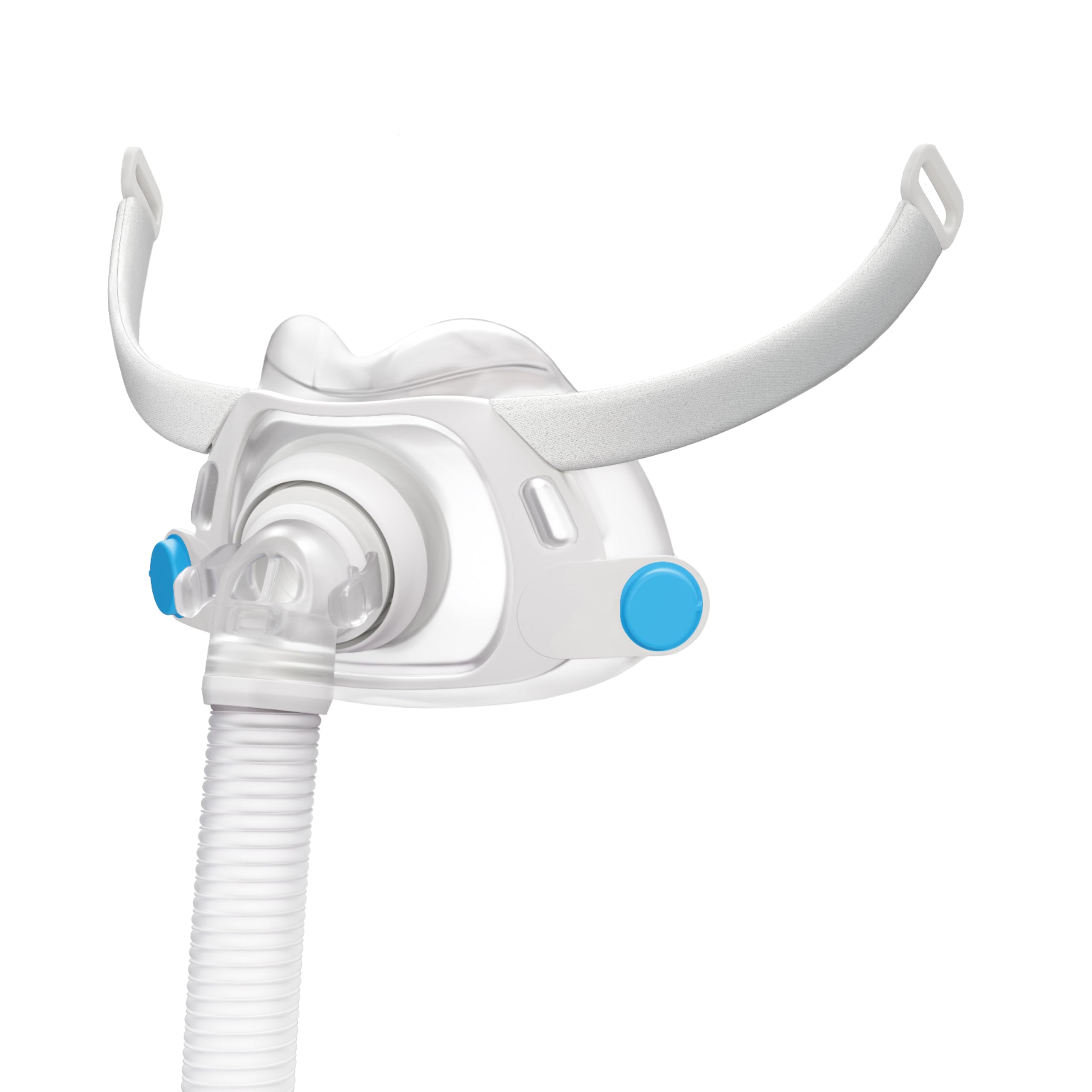
The AirFit F40 uses a fully flexible silicone cushion that adapts to facial movements without transferring shear forces to the headgear. For ear-sensitive users, this means the mask can shift slightly with your sleep position without the straps sliding down and compressing the ear cartilage.
Magnetic clips make this one of the easiest masks to put on and take off, reducing the frustration that often leads users to overtighten straps. The frame itself is deliberately slim — the straps sit high on the cheek, well away from the ear, and the fabric-covered frame feels softer than older hard-plastic designs.
Several verified reviews mention that the F40 is the best full-face mask they have used because it stays sealed even when pillows push against it from the side, which is the exact scenario that typically drives a mask into the ear area.
Why it’s great
- Flexible silicone cushion moves with you, reducing ear-area tension
- Magnetic clips prevent overtightening by making removal effortless
- Straps sit high on the cheek, far from the ear cartilage
Good to know
- Hose connection can slip out easily for some users
- Some units may ship with the wrong cushion size despite labeling
6. p10 Nasal Pillow Assembly Kit (Frame, Pillows, Strap)
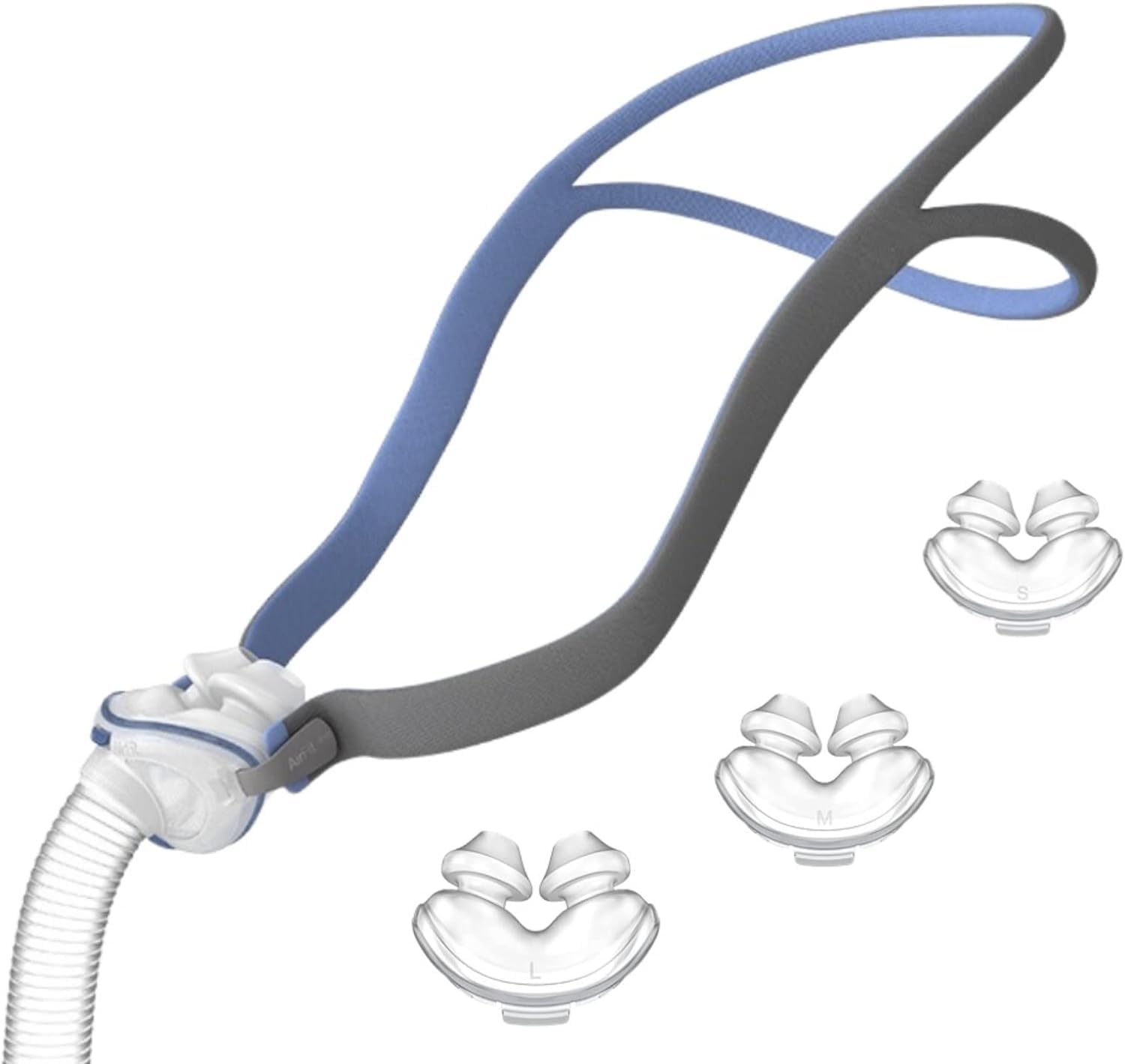
The p10 system is the lightest mask setup in this guide, weighing less than half a pound including the frame. This minimal weight is critical for ear comfort because it reduces the gravitational pull on the straps, which is the primary cause of mask-related ear pain. The nasal pillows sit just inside the nostrils with no rigid frame touching the sides of the head.
Buyers consistently praise the p10 for its quiet operation and excellent seal. The absence of a front-mounted hose elbow means there is no leverage point to twist the mask during sleep. The soft silicone pillows are gentle on the nasal passages and generate minimal vibration that could resonate toward the ear canal.
This kit includes three pillow sizes, a tube frame, and an adjustable strap, giving you the flexibility to find the right fit without buying additional parts. It is especially popular among users who have struggled with full-face masks causing ear soreness.
Why it’s great
- Extremely low weight reduces strap tension on the ear area
- Three included pillow sizes help you dial in a leak-free fit
- Quiet operation with minimal vibration transfer
Good to know
- Nasal pillows require a clear nasal airway — not for mouth breathers
- Some users experience mild nostril irritation during the first nights
7. Gbbazu Nasal Frame Assembly for DreamWear (3 Pillow Sizes)

The Gbbazu Nasal Frame Assembly is designed around the DreamWear platform, which routes the hose over the head and keeps the frame entirely clear of the ears. This is one of the few designs where the headgear never touches the ear cartilage, making it a top recommendation for users with ear infections or very sensitive outer ears.
Buyers note that the soft cloth protectors on the frame prevent skin irritation, and the silicone pillows come in three sizes so you can find the perfect snug without overtightening. The frame is lightweight at just 0.16 kilograms, further minimizing the downward pull that can cause mask slippage onto the ear area.
One common small issue is that the back straps can slip slightly during the night, which may require periodic adjustment. However, users who wear a sleep bonnet or use ear-friendly strap holders find this mask delivers consistent comfort all night.
Why it’s great
- Frame and straps never touch the ear cartilage
- Ultra-light frame reduces gravity-induced mask shift
- Soft cloth protectors prevent skin rub near the hairline
Good to know
- Back straps may loosen slightly; some users add ear strap holders
- Nasal pillow fit requires accurate nostril alignment
8. Evora Full Set (XS, SM, Large Cushions Included)
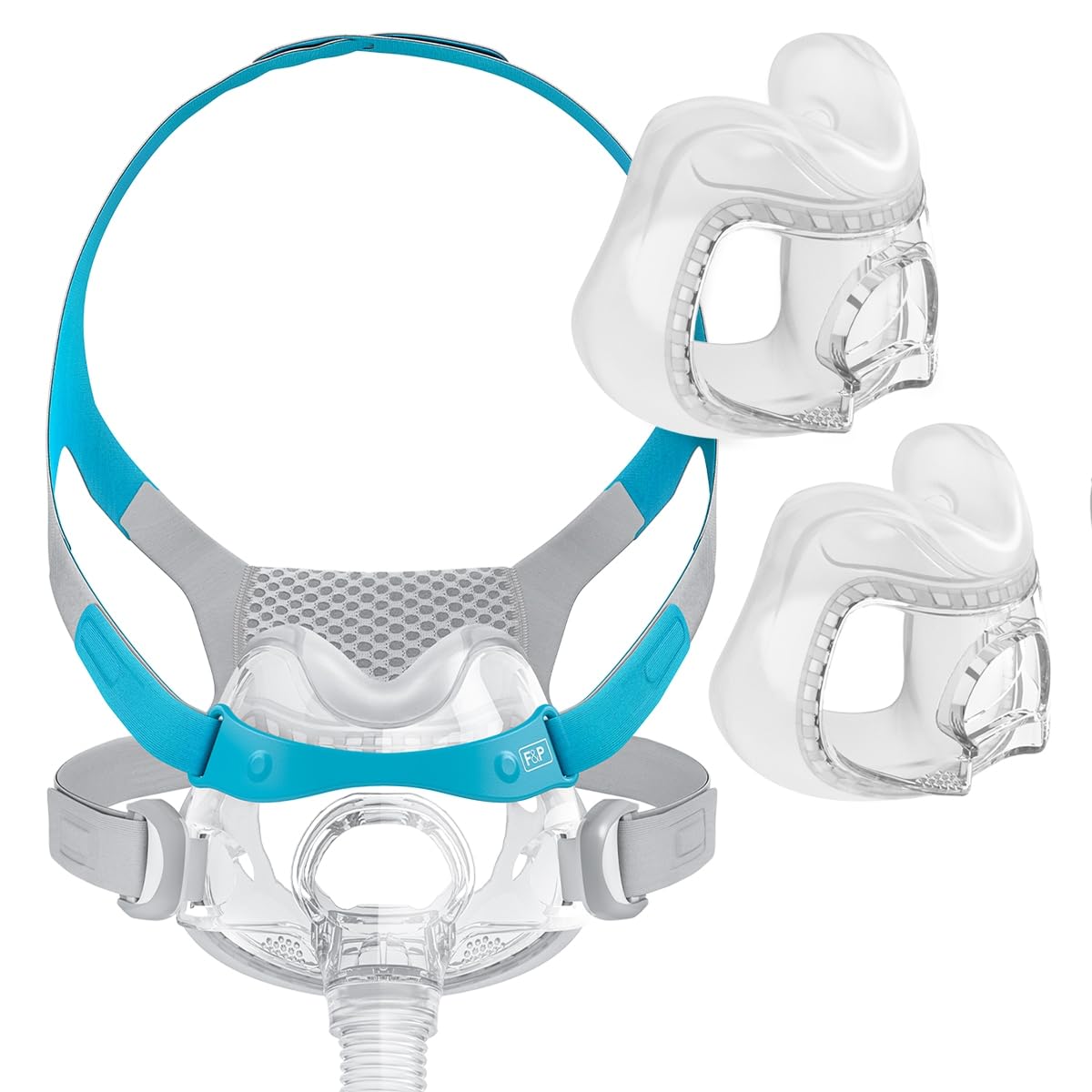
The Evora Full Set is a comprehensive kit that includes Extra Small, Small-Medium, and Large cushions, giving ear-sensitive users the ability to find a precise fit without buying separate components. A proper fit reduces the need for tight straps, which is the number one cause of ear pressure and pain from CPAP masks.
Users appreciate that this mask does not require being strapped tightly to the face to achieve a seal. The cushion design conforms gently to the nose without the rigid plastic bridge that typical full-face masks use, which also reduces bone-conducted vibration to the ear area.
Note that some buyers have reported receiving units with opened packaging, so it is worth checking the seal upon delivery. The set is also compatible with the Evora system, offering an affordable way to try multiple cushion sizes.
Why it’s great
- Three included cushion sizes allow fine-tuning without extra purchases
- Soft seal design reduces need for tight straps near ears
- Quick assembly and adjustment for hassle-free setup
Good to know
- Some units may have been previously opened
- Not a one-to-one replacement for all OEM parts — check compatibility
9. Bleep Eclipse All-in-One CPAP Starter Pack
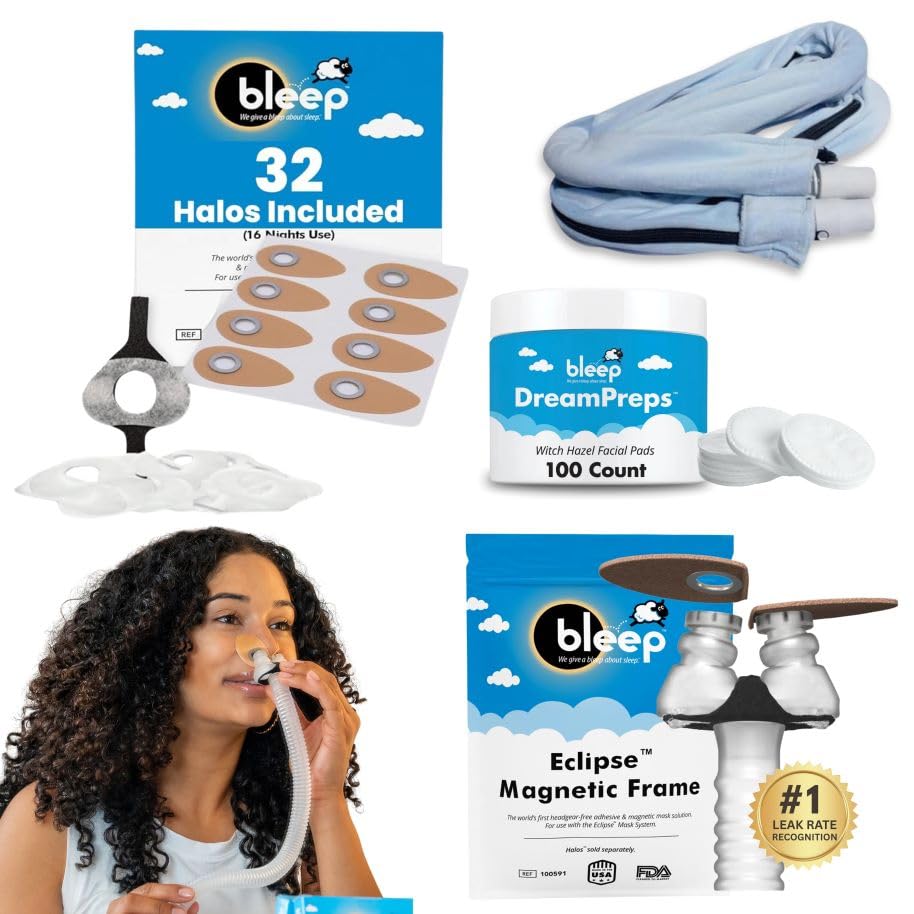
The Bleep Eclipse completely eliminates the headgear that typically compresses the ears. Instead of straps, it uses adhesive Halos that stick to your nostrils and connect directly to the tubing via a small port. There is literally no material touching the ears, the temples, or the side of the head — making this the single best option for anyone whose ear problems are caused or worsened by headgear pressure.
Users who have tried every traditional mask without relief often report that the Eclipse is the only system that works for them. It prevents hair pulling, eliminates face lines, and — most importantly — allows full freedom of sleep position without any mask shift that could tug at the ear area.
The downside is the learning curve: the adhesive requires clean, dry skin and the Halos are disposable, adding a recurring cost. Some users experience mild nose itching or soreness during the initial adjustment period, but for severe ear sensitivity, the strap-free design is hard to beat.
Why it’s great
- Zero headgear means zero pressure on the ears
- No leaks, no face lines, no hair pulling
- Compatible with standard and heated CPAP tubing
Good to know
- Disposable Halos create a recurring cost
- Requires nightly skin prep and cannot be used on oily or wet skin
FAQ
Can a CPAP mask cause ear infections or worsen existing ear pain?
Should I choose a nasal pillow or full-face mask for ear sensitivity?
How often should I replace CPAP headgear to keep ear pressure low?
Will a CPAP-specific pillow help with ear pain from my mask?
Final Thoughts: The Verdict
For most users, the best cpap mask for ear problems winner is the ResMed AirFit F30i because its top-hose routing and wide frame keep straps off the ear cartilage while still allowing full-face breathing. If you want zero headgear contact for the ultimate ear relief, grab the Bleep Eclipse Starter Pack. And for side sleepers whose mask gets pushed into the ear area by their pillow, nothing beats the Elviros CPAP Pillow as a supportive accessory.

Mo Maruf
I created WellFizz to bridge the gap between vague wellness advice and actionable solutions. My mission is simple: to decode the research and give you practical tools you can actually use.
Beyond the data, I am a passionate traveler. I believe that stepping away from the screen to explore new environments is essential for mental clarity and physical vitality.