Most people walk around with a silent copper gap—low enough to disrupt collagen weaving, dim neural firing, and throttle iron transport—yet few supplements actually deliver the mineral in a form your gut can use. The wrong copper salt bypasses your cells and lands in the toilet. The right one changes how you feel by lunch.
I’m Mohammad Maruf — the founder and writer behind WellFizz. I’ve spent hundreds of hours dissecting third-party test results, chelation chemistry, and bioavailability data to separate the supplements that actually move the needle from the ones that just fill a bottle.
Whether you’re correcting a known deficiency or optimizing your trace mineral stack, this guide breaks down the top contenders for finding the best copper supplement for your specific needs and biochemistry.
How To Choose The Best Copper Supplement
A jar of yellow pills is not automatically a good copper supplement. The difference between a therapeutic result and expensive urine trace mineral status comes down to the copper compound, the chelation method, and whether the dose aligns with your existing zinc and iron levels. Here are the critical filters to apply before you click “buy.”
Copper Form: Oxide, Gluconate, Citrate, or Bisglycinate?
Copper oxide is cheap filler—your body absorbs less than 15% of it. Copper gluconate improves absorption slightly, but still relies on passive transport. Copper citrate (bonded to citric acid) offers moderate bioavailability and works well for people with adequate stomach acid. Copper bisglycinate (chelated with glycine) bypasses stomach acid entirely and moves through amino acid transport channels, delivering the highest absorption rate with the least gastric irritation. For daily supplementation, bisglycinate is the gold standard; citrate is a solid second if you tolerate it well.
Dosage: Matching Your Zinc and Iron Intake
Copper and zinc compete for the same binding sites in the gut. A common ratio is 10-to-15 mg of zinc for every 1 mg of copper—so if you take 30 mg of zinc daily, you likely need 2–3 mg of copper to maintain balance. Long-term high-dose zinc without copper creates a deficiency state that mimics low iron. Similarly, high-dose copper without enough zinc can lead to fatigue and mood shifts. Unless you have a diagnosed deficiency, stay in the 2–5 mg range per day.
Purity and Third-Party Testing
Because copper is a heavy metal in its raw form, low-grade supplements can carry contaminant loads from mining runoff. Look for brands that publish independent lab results for heavy metals, potency, and microbial purity. The absence of magnesium stearate, silicon dioxide, and titanium dioxide is a bonus—not a requirement—but a clean label with minimal excipients strongly correlates with a manufacturer who cares about the active ingredient’s performance inside your body.
Quick Comparison
On smaller screens, swipe sideways to see the full table.
| Model | Category | Best For | Key Spec | Amazon |
|---|---|---|---|---|
| NutraBio Chelated Copper Bisglycinate | Chelated | Maximum absorption & gentle stomach | 3 mg Albion bisglycinate | Amazon |
| Trace Minerals Ionic Copper | Liquid | Customizable dosing & quick uptake | 72+ ionic trace minerals | Amazon |
| Pure Encapsulations Copper (Citrate) | Citrate | Clinically-tested purity & hypoallergenic | 4 mg copper citrate | Amazon |
| Carlson Chelated Copper | Chelated | Cardiovascular & nervous system support | 5 mg chelated copper | Amazon |
| The Vitamin Shoppe Copper | Gluconate | Budget-friendly daily maintenance | 2 mg copper gluconate | Amazon |
In‑Depth Reviews
1. NutraBio Chelated Copper Bisglycinate
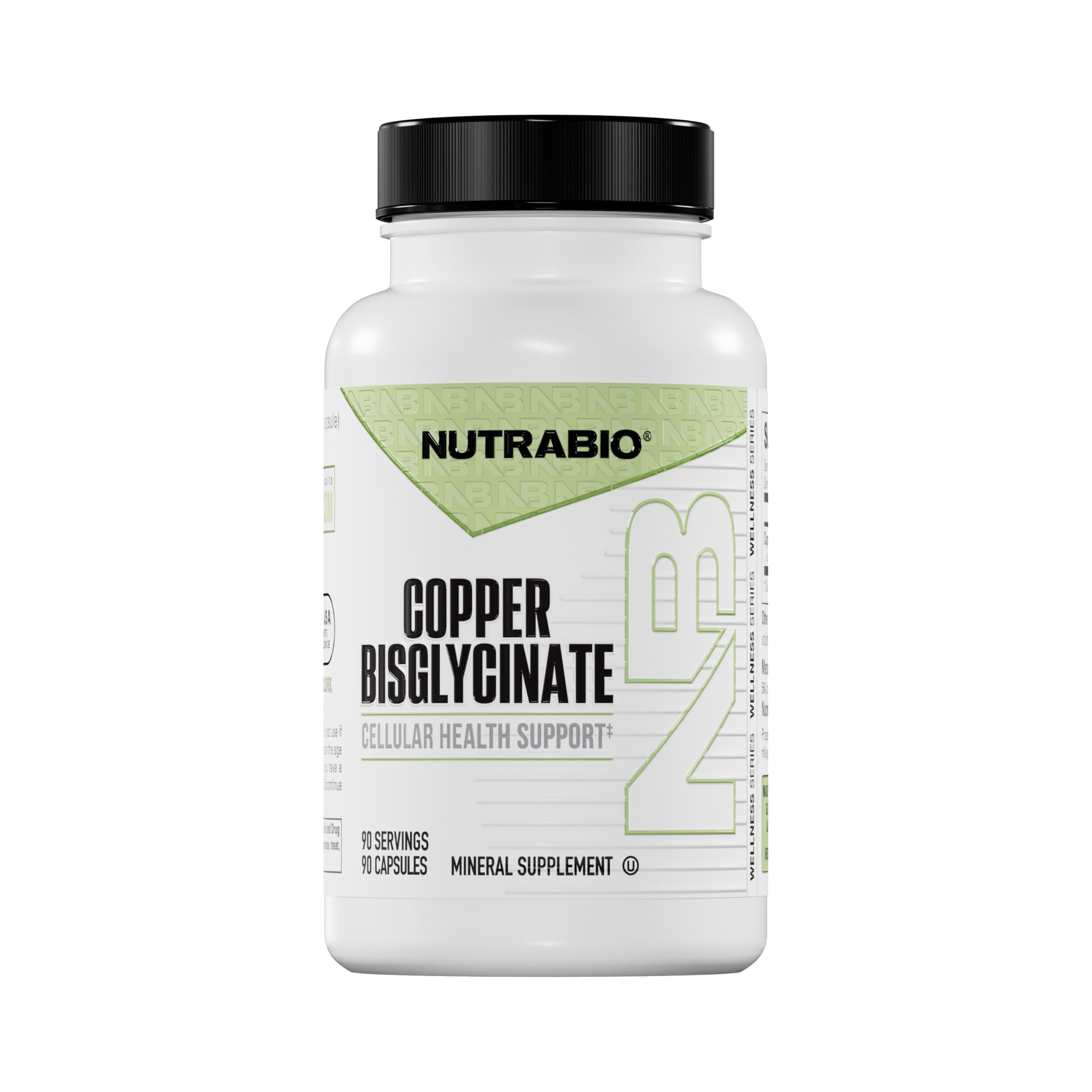
NutraBio uses Albion copper glycinate chelate, a patented form where each copper molecule is bonded to two glycine molecules. This dipeptide structure passes through the intestinal wall via peptide transporters rather than the mineral transporters that zinc and iron compete for, meaning you absorb a higher percentage regardless of what else you ate that day. At 3 mg per capsule, it hits the sweet spot for most adults—enough to correct a marginal deficiency without pushing you over the upper limit.
Customer reports consistently mention improved skin texture, stronger nail beds, and better tolerance compared to copper citrate, which can cause mild nausea on an empty stomach. Several users on high-dose zinc protocols (30+ mg) found this dose perfectly balanced their ratio without requiring a separate zinc-copper combo product. The absence of magnesium stearate and silicon dioxide keeps the capsule clean for sensitive digestive systems.
The bottle provides 90 capsules, giving you three months of daily supplementation from a single purchase. While the per-capsule cost is slightly above generic drugstore brands, the difference in bioavailable copper delivered per milligram makes it a more efficient choice for anyone serious about correcting a true deficiency or optimizing collagen production.
Why it’s great
- Patented Albion bisglycinate bypasses mineral competition for superior absorption
- Gentle on the stomach even without food
- Third-party tested for purity and heavy metals
Good to know
- Priced at the upper end of mid-range
- Not suitable if you need a higher 4-5 mg dose per capsule
2. Trace Minerals Ionic Copper
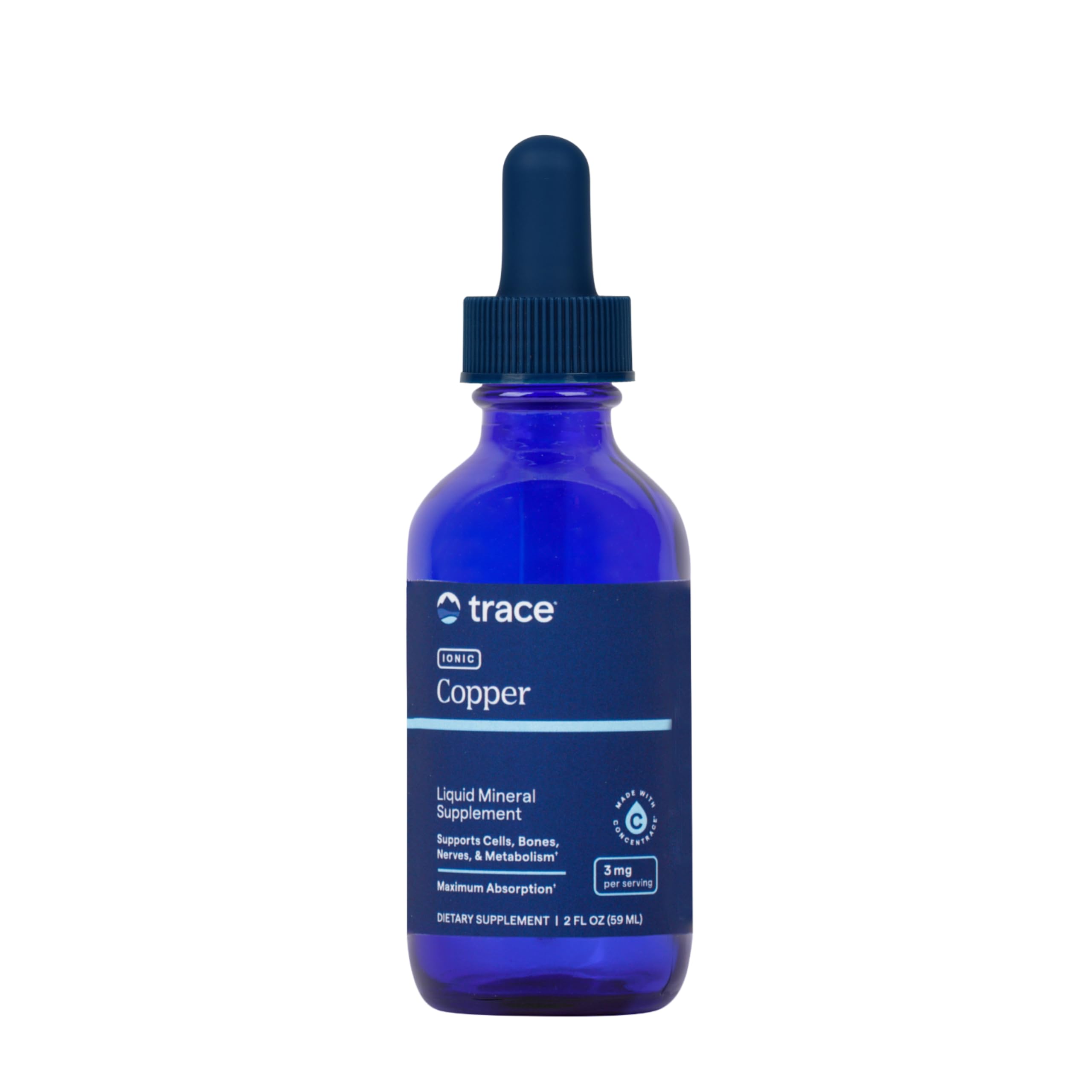
If you prefer adjusting your dose drop by drop rather than committing to a fixed capsule, this liquid concentrate from Trace Minerals gives you control. Each serving delivers ionic copper alongside 72 other trace minerals sourced from Utah’s inland sea concentrate, providing a broad mineral matrix that supports metabolic enzyme function. The ionic form stays in solution and is ready for sublingual absorption or mixing into water or juice.
The taste is the trade-off—multiple users describe it as “liquid penny” or “metallic chalk,” and it is widely considered the roughest-tasting supplement in a daily stack. Most people chase it with a protein shake or citrus juice to mask the flavor. On the plus side, one 2-ounce bottle provides 48 servings, making it very economical despite the mid-range up-front cost.
Users with chronic zinc supplementation (15 mg or more per day) found the flexibility to dial in exactly 1 mg of copper per 10-15 mg of zinc, something fixed-dose capsules cannot offer. Reports note improvements in energy levels, skin clarity, and occasional deep sleep. The Non-GMO Project and third-party heavy-metal testing add a layer of safety that liquid supplements often lack.
Why it’s great
- Customizable dosing with the dropper—perfect for balancing zinc
- 72+ ionic trace minerals for broad support
- Vegan, gluten-free, and Non-GMO Project Certified
Good to know
- Strong metallic taste requires masking with juice or food
- Liquid form has a shorter shelf life once opened
3. Pure Encapsulations Copper (Citrate)
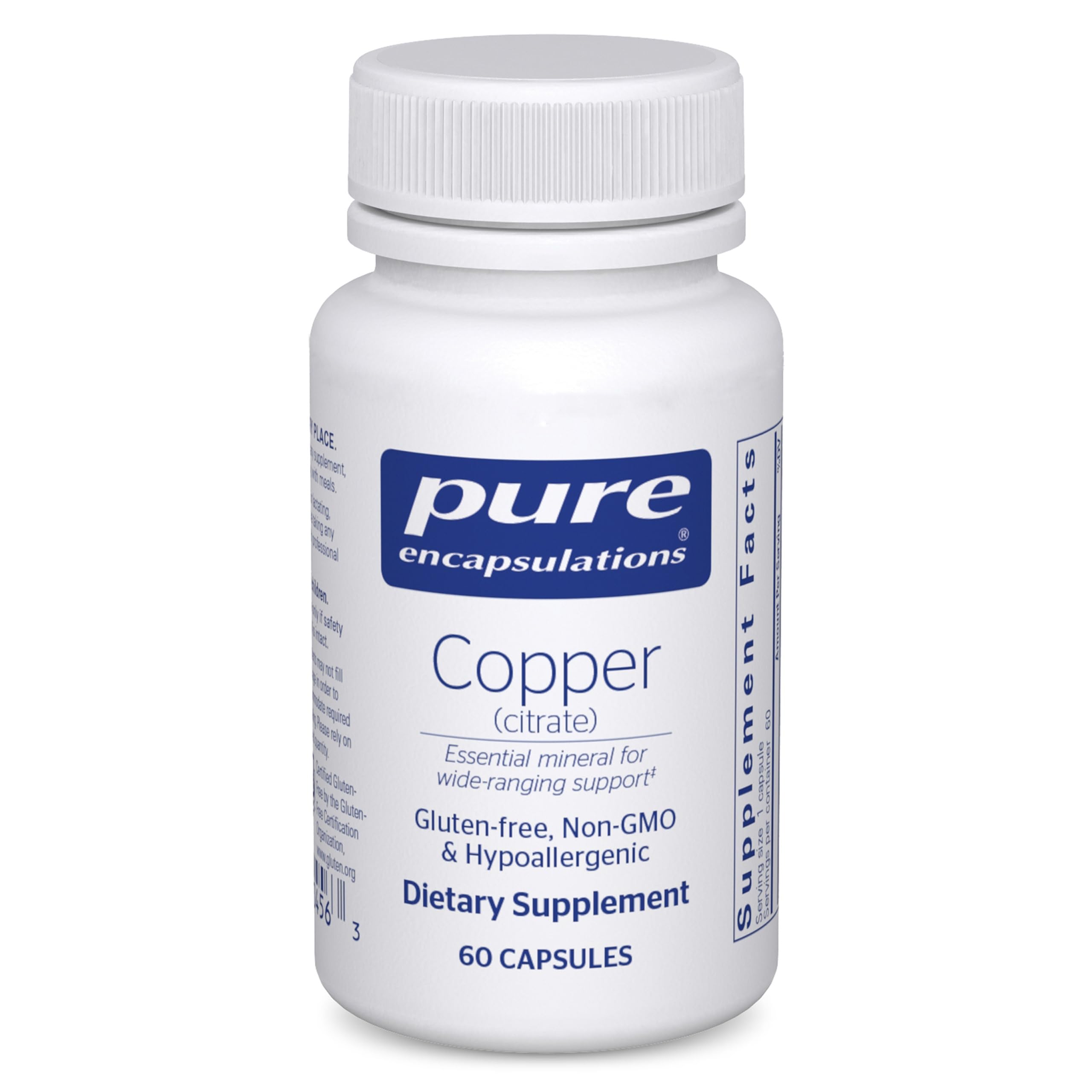
Pure Encapsulations targets clinicians and patients who require absolute ingredient clarity. Every batch is free from common allergens—no gluten, no soy, no dairy, no GMOs—making it the default recommendation for anyone with multiple food sensitivities or histamine intolerance. The 4 mg dose of copper citrate delivers a moderately high amount for those with confirmed deficiency or for individuals taking high-dose iron, since copper catalyzes the enzyme hephaestin that loads iron onto transferrin.
User experiences highlight dramatic cognitive clearing: several reviewers with copper deficiency reported that circular thinking, poor focus, and mild depression resolved within days of starting this product. The citrate form does require adequate stomach acid for optimal absorption, so taking it with a meal that contains protein or citrus can improve results. A few users noted that taking it on an empty stomach triggered mild nausea, which resolved when they moved it to lunchtime.
The 60-capsule bottle covers two months at the standard single-capsule dose, though some practitioners recommend two capsules daily for short-term correction. Because the brand is widely used by functional medicine doctors, you can cross-reference the lot number with published CoA reports on the manufacturer’s website—a transparency level not all supplement companies offer.
Why it’s great
- Hypoallergenic formula with no common allergens or artificial ingredients
- Copper citrate form supports iron absorption effectively
- Transparent batch testing with public CoA access
Good to know
- May cause nausea if taken on an empty stomach
- Higher 4 mg dose may exceed needs for those already eating copper-rich diets
4. Carlson Chelated Copper
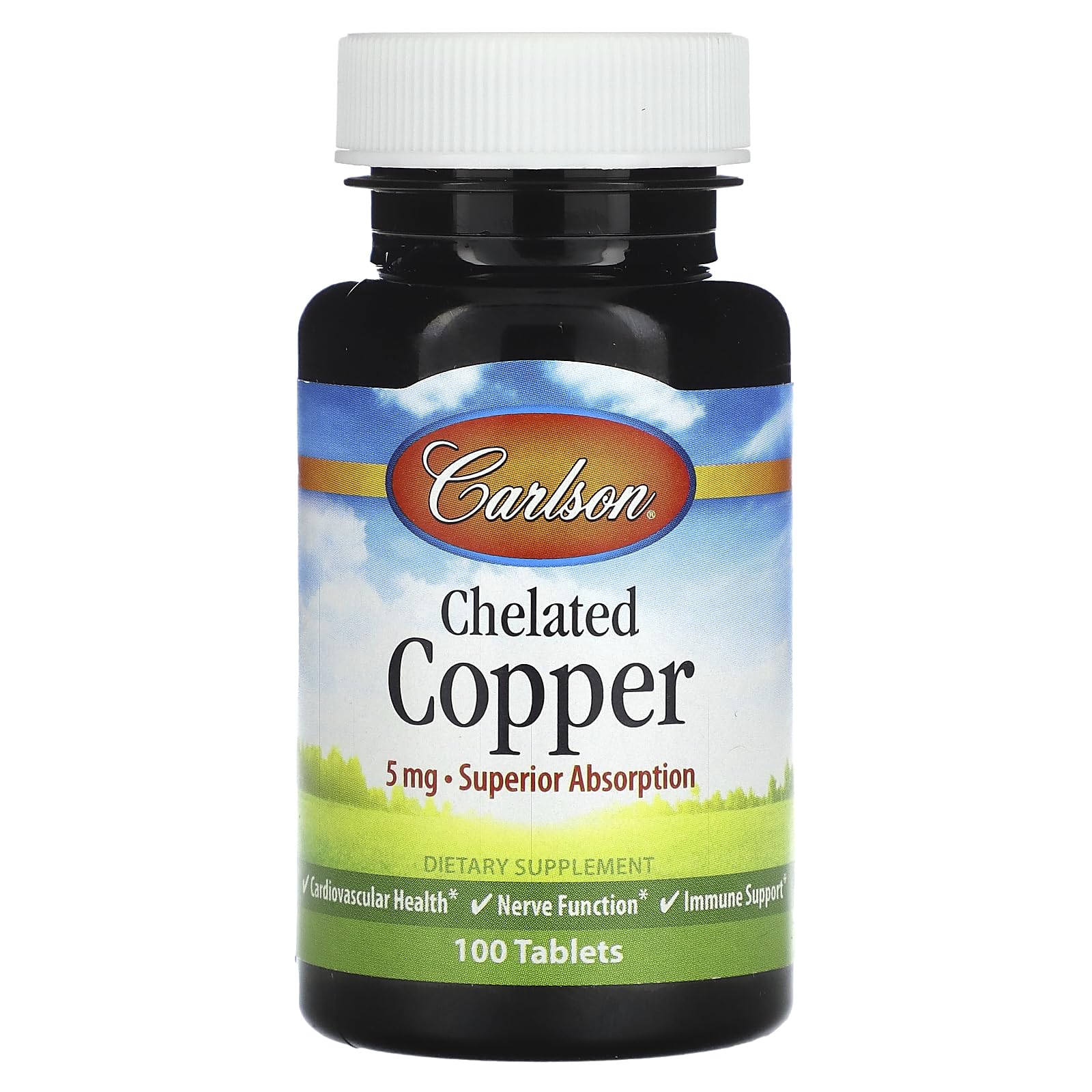
Carlson offers one of the highest per-tablet doses on the market at 5 mg of chelated copper, making it a strong choice for individuals with diagnosed deficiency or for those whose dietary intake is consistently low. The chelation process binds copper to amino acids, improving absorption relative to basic mineral salts. The label explicitly mentions support for cardiovascular health, nerve function, and connective tissue formation—claims backed by copper’s role in lysyl oxidase, an enzyme that cross-links collagen and elastin in arterial walls.
Users with swayback disease (a copper-dependent connective tissue disorder) specifically cited this product as medically necessary in their reviews, noting that lower-dose options failed to maintain their symptom control. The 100-tablet supply provides 100 days of coverage, though the cost per bottle sits at a premium relative to other brands. Several long-term users said they repurchase regularly despite the price because they feel a noticeable difference in joint stability and energy when they switch to a cheaper alternative.
The main consideration with 5 mg is the risk of copper overload if you already eat red meat, shellfish, nuts, or seeds regularly. Anyone using this dose should monitor their zinc-to-copper ratio and consider periodic blood work. The tablets are small and easy to swallow, with no aftertaste or burping compared to some fish-oil-adjacent supplements.
Why it’s great
- Highest dose per tablet for targeting deficiency
- Chelated form for improved absorption
- 100-day supply from a single bottle
Good to know
- Higher cost per dose compared to mid-range options
- 5 mg may be excessive for maintenance without blood testing
5. The Vitamin Shoppe Copper
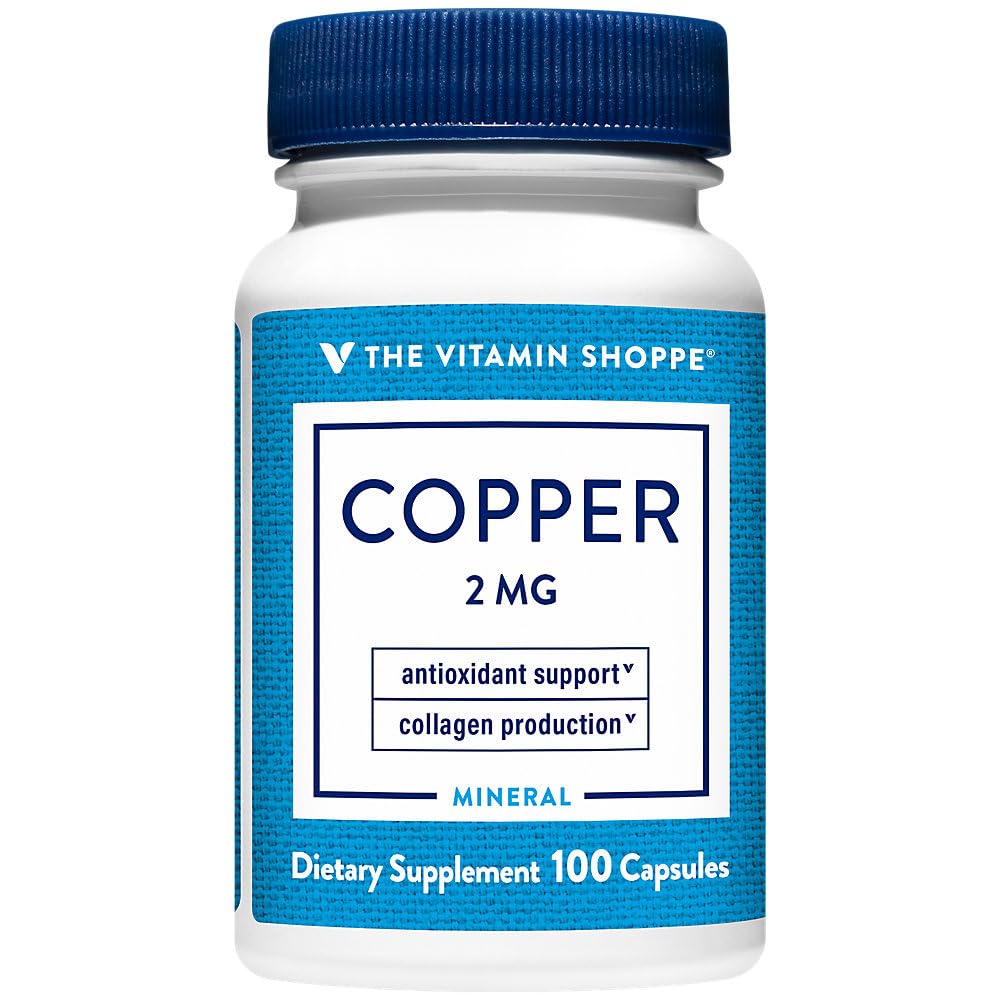
The Vitamin Shoppe’s house brand delivers copper gluconate at 2 mg per capsule, which is the standard dietary reference intake for most adults. Copper gluconate offers better absorption than oxide but lags behind bisglycinate and citrate in bioavailability—still, for basic maintenance in someone eating a varied diet, 2 mg is sufficient to prevent deficiency without risk of overload. The 100-capsule count makes this one of the lowest cost-per-serving options available.
Reviewers consistently mention using this product alongside zinc supplements to maintain proper mineral balance, and several endocrinologist patients reported that their doctors specifically recommended it to keep serum copper levels in range. One user noted they also give it to their puppy for coat color maintenance, suggesting a purity level safe for extended use. The capsules are free from gluten, soy, dairy, and artificial colors, though they do contain silicon dioxide as a flow agent.
The biggest limitation is the 2 mg dosage: if you have a confirmed deficiency or take high-dose zinc (above 30 mg daily), you may need two capsules per day, reducing the supply to 50 days. The gluconate form also requires stomach acid for dissociation, so individuals with low gastric output (common in older adults and those on acid reducers) may absorb less than expected.
Why it’s great
- Extremely low cost per capsule for daily maintenance
- Clean formula free from major allergens
- Easy-to-swallow capsule size
Good to know
- Gluconate form has lower bioavailability than bisglycinate or citrate
- 2 mg dose may be too low for deficiency correction or high-zinc users
FAQ
Can I take copper if I also take zinc and iron supplements?
How do I know if I need a copper supplement rather than just eating more food?
Why do some copper supplements cause nausea while others do not?
Final Thoughts: The Verdict
For most users, the best copper supplement winner is the NutraBio Chelated Copper Bisglycinate because its Albion chelate delivers the highest absorption with zero gastric irritation and a perfect 3 mg dose for daily maintenance. If you want the flexibility of customizing each dose to your exact zinc ratio, grab the Trace Minerals Ionic Copper. And for a hypoallergenic, clinically-trusted option with a higher 4 mg dose, nothing beats the Pure Encapsulations Copper (Citrate).

Mo Maruf
I created WellFizz to bridge the gap between vague wellness advice and actionable solutions. My mission is simple: to decode the research and give you practical tools you can actually use.
Beyond the data, I am a passionate traveler. I believe that stepping away from the screen to explore new environments is essential for mental clarity and physical vitality.