Our readers keep the lights on and my smoothie glass nicely filled. As an Amazon Associate, I earn from qualifying purchases.
Specs are compiled from manufacturer listings and verified buyer reviews and can change over time — please confirm the key details on the product page before buying.
Nursing school runs on long hours, heavy textbooks, and digital tools that cannot afford to stutter. Between charting assignments, video lectures, and endless browser tabs open to research databases, your laptop needs to keep pace with a schedule that starts before sunrise and ends after dark. The ideal laptop slips into your bag, lasts through back-to-back classes, and opens apps instantly.
I’m Mohammad Maruf — the founder and writer behind WellFizz. This guide is built by comparing the manufacturers’ published specifications and the patterns across verified customer reviews, so you get each pick’s real strengths and trade-offs instead of marketing spin.
Every model here earned its spot by passing the real test of a nursing student’s daily grind. This is the straight story on what matters for a computer for nursing school, and you will know exactly which one fits your budget, your study habits, and your workload by the end of this page.
Quick Picks
- HP OmniBook 5 14 inch Next Gen AI PC — Best Overall
- Dell 15 Laptop DC15250 — Smooth Operator
- Lenovo IdeaPad Slim 3X — AI Ready
- Acer Aspire Go 15 — Mid-Range Powerhouse
- HP 15 Laptop (32GB, 1TB) — Power User Pick
- Apple 2026 MacBook Neo 13” — Apple Ecosystem
- Microsoft Surface Laptop (2024) — Touchscreen Power
- Samsung Galaxy Book5 Pro 360 — Premium 2-in-1
- Dell 16 Plus DB16250 — Raw Power
- ASUS Vivobook Go 15.6” — Budget Champion
How To Choose The Best Computer For Nursing School
Nursing students live between the classroom, the library, and clinical rotations. Your laptop needs to be portable enough to carry around campus all day, powerful enough to run multiple applications at once, and reliable enough to last through a long shift of studying. These are the three things that really matter.
Processor and Memory
The processor (the brain of the laptop) and RAM (the working memory it uses to run multiple programs) are the most important parts for a nursing student. You will likely have several browser tabs, a word processor, a PDF reader, and maybe a communication app like Zoom all open at the same time. A modern processor like an Intel Core i5 or an AMD Ryzen 5, paired with at least 16GB of RAM, keeps everything running smoothly without freezing or slowing down. 8GB of RAM can work for very light use, but you will feel the difference when multitasking.
Battery Life and Portability
On a typical day, you might not have access to a power outlet between classes. A laptop that lasts a full day on a single charge — at least 8 to 10 hours of real-world use — is a necessity, not a luxury. Also pay attention to the weight. A laptop under 3.5 pounds is easier to carry in your backpack without straining your shoulders. A larger, heavier laptop might be fine for a desk but becomes a burden during a long campus walk.
Display and Keyboard
A 15.6-inch screen is a popular choice for nursing students because it gives enough room to view documents and two browser windows side by side. A Full HD (1920×1080) resolution ensures text is sharp and clear, reducing eye strain during long reading sessions. A comfortable keyboard with a separate numeric keypad can be a big help if you are entering data or working with spreadsheets, though it is not a dealbreaker for everyone.
Storage and Connectivity
A 512GB solid-state drive (SSD) is the balance for storing textbooks, lecture files, and projects without worrying about space. SSDs are much faster than older hard drives, so your laptop boots up and opens apps quickly. Also check for at least one USB-A port for a flash drive, a USB-C port for modern accessories, and an HDMI port if you plan to connect to an external monitor for studying.
Quick Comparison
| Model | Best For | RAM / Storage | Processor Speed | Battery Life | Amazon |
|---|---|---|---|---|---|
| ASUS Vivobook Go 15.6” | Budget-friendly starter | 8GB / 512GB | 4.3 GHz | Long (claimed) | Amazon |
| Acer Aspire Go 15 | Performance on a mid-range budget | 16GB / 512GB | 4.5 GHz | Exceptional (claimed) | Amazon |
| Lenovo IdeaPad Slim 3X | AI-powered daily driver | 16GB / 512GB | 2.97 GHz | All-day (15 hours) | Amazon |
| Dell 15 Laptop DC15250 | Everyday computing with a high-refresh screen | 16GB / 512GB | 4.6 GHz | Standard | Amazon |
| Apple 2026 MacBook Neo 13” | smooth Apple ecosystem experience | 8GB / 256GB | A18 Pro chip | Up to 16 hours | Amazon |
| HP 15 Laptop (32GB, 1TB) | Heavy multitasking with a touchscreen | 32GB / 1TB | 4.6 GHz | Up to 10 hours | Amazon |
| HP OmniBook 5 14” | Ultra-portable with a stunning OLED display | 16GB / 1TB | 3.4 GHz | Up to 34 hours | Amazon |
| Microsoft Surface Laptop (2024) | Touchscreen versatility with long battery life | 16GB / 256GB | Snapdragon X Elite (12 core) | Up to 20 hours | Amazon |
| Dell 16 Plus DB16250 | Powerhouse performance for demanding tasks | 32GB / 2TB | 5.1 GHz | All-day (claimed) | Amazon |
| Samsung Galaxy Book5 Pro 360 | Premium 2-in-1 for notes and media | — / — | Intel Core 7 Ultra | Up to 25 hours | Amazon |
In‑Depth Reviews
1. HP OmniBook 5 14 inch Next Gen AI PC
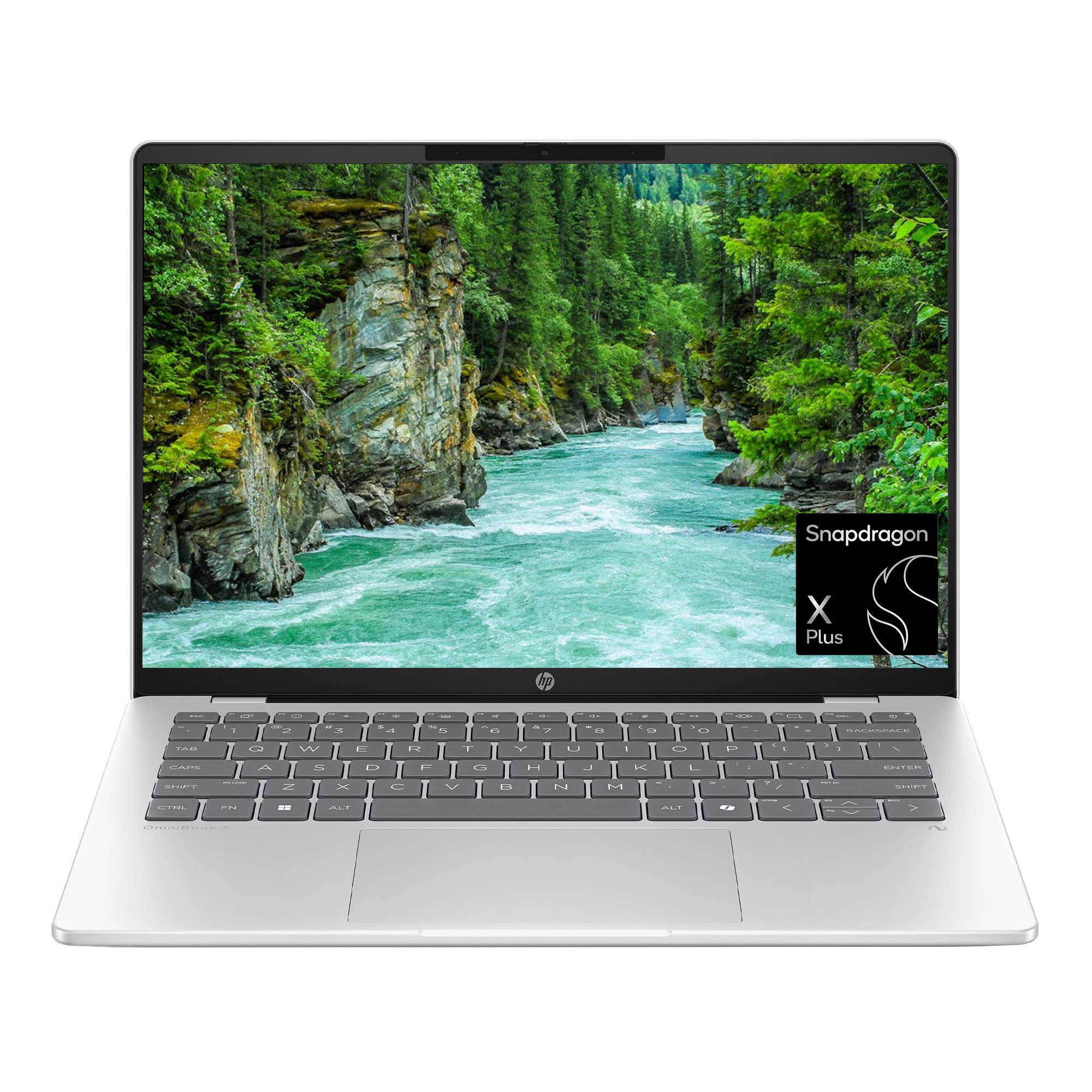
A featherlight AI companion that powers through double shifts without needing an outlet.
If you carry your laptop from a morning lecture to an afternoon clinical to an evening study session, the HP OmniBook’s battery life is genuinely game-changing — up to 34 hours between charges, and when it does run low you can go from 0 to 50% in about 30 minutes with HP Fast Charge. That kind of endurance means you can leave the power brick in your dorm room most days. The Snapdragon X Plus processor and 16GB of RAM are more than enough to juggle Canvas, ATI, and four research tabs without stuttering.
The 14-inch 2K OLED display delivers rich colors and crisp text, so reading dense nursing journals feels less straining on your eyes. At just over 1.3 pounds you barely notice it in your backpack, making it one of the lightest full-performance laptops at this price. One trade-off buyers mention is the lack of a touchscreen and only a single USB-C port along with two USB-A ports, so plan your accessories accordingly. Buyers report it runs cool and stays quiet even under load, which is a real plus in a quiet library or during a Zoom lecture.
Compared to the Dell 15 Laptop DC15250 which hits 4.6 GHz, the OmniBook’s 3.4 GHz Snapdragon X Plus is a different architecture designed for power efficiency rather than raw peak speed, but in everyday nursing school tasks the difference is barely noticeable. This is the pick for the student who values all-day unplugged freedom above all else.
Who this fits: The commuting student who wants one less thing to remember each morning — plugging in a laptop.
One honest catch: The ARM-based chip may not run every obscure clinical program or legacy software; check your school’s required software compatibility first.
2. Dell 15 Laptop DC15250
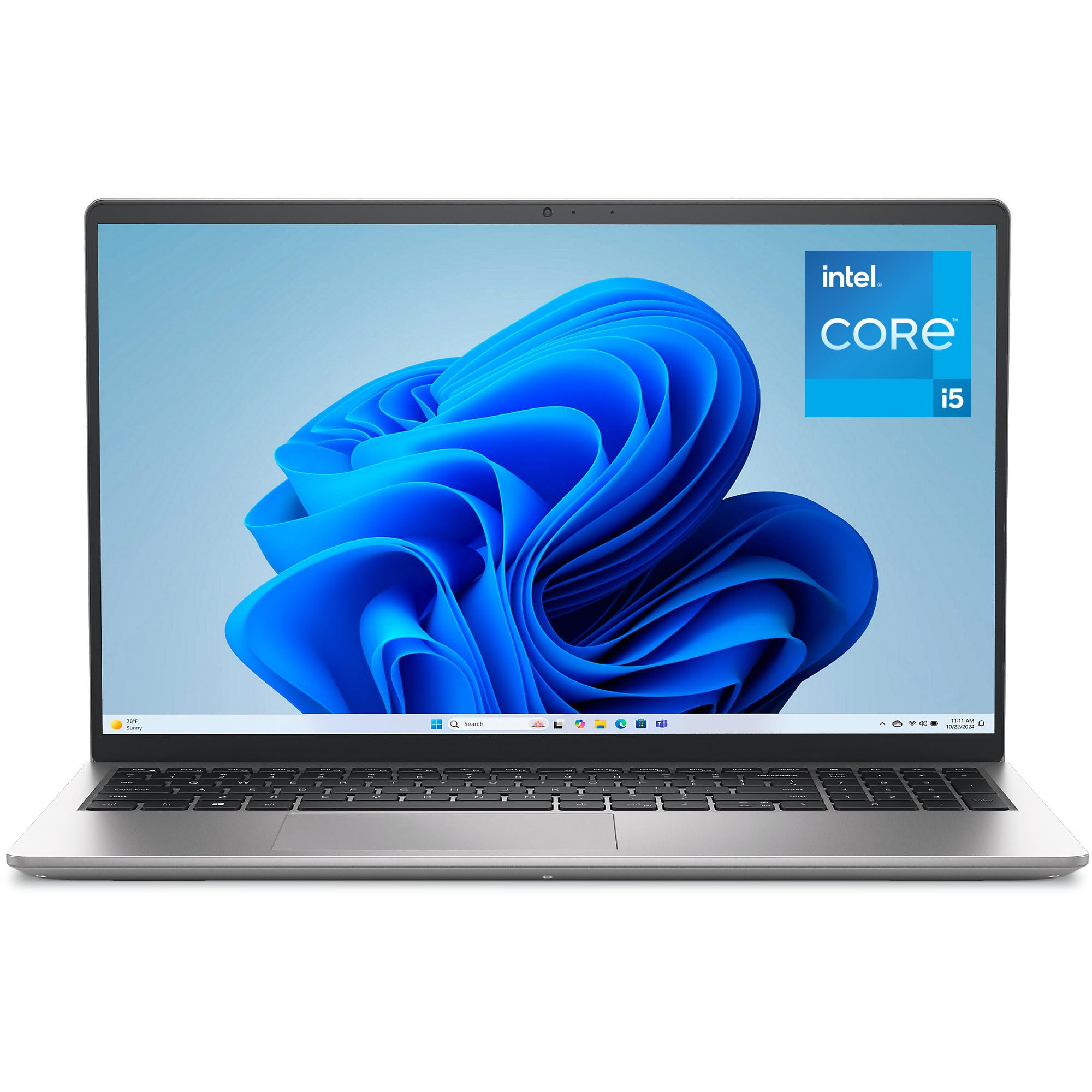
A fast workhorse with a 120Hz screen that reduces eye strain during long reading sessions.
Dell’s 15-inch laptop is built for the student who wants every app to open instantly and every scroll to feel fluid. At 4.6 GHz, its Intel Core i5-1334U processor is 55% faster than the Lenovo IdeaPad Slim 3X’s 2.97 GHz Snapdragon X, which means less waiting when you are bouncing between PowerPoint, a PDF textbook, and the school portal. The 16GB of RAM gives you a 2.0x memory advantage over the 8GB in the ASUS Vivobook Go, so you can leave a dozen browser tabs open without a slowdown.
The big standout here is the 120Hz display refresh rate — double the 60Hz you get on most laptops in this class — making the screen feel noticeably smoother and reducing eye strain during long study sessions. It also includes a separate numeric keypad, which is handy for entering patient data or calculating dosage problems. Owners mention the build quality feels high, the keyboard is comfortable, and the setup process is straightforward. The battery life is standard, not exceptional, so plan to keep the charger nearby.
This Dell is the best choice for the nursing student who prioritizes raw processing speed and screen smoothness over battery endurance or portability.
Your move: Pick this if you often run multiple heavy databases at once and want a display that reduces visual fatigue.
Its limit: No fingerprint reader and a battery that needs topping up by late afternoon on heavy-use days.
3. Lenovo IdeaPad Slim 3X

A sleek, AI-powered machine that stays cool through a full day of nursing school.
Lenovo’s 2025 IdeaPad Slim 3X is built for the student who wants a modern, efficient laptop that feels premium without the ultra-premium price. The Snapdragon X processor handles 20+ Chrome tabs, Zoom, and Excel without stutter and stays cool, as customers note. The 16GB of RAM keeps everything flowing whether you are in a lecture, doing research, or writing papers. With a 15.3-inch WUXGA display (1920×1200 resolution) and a metal chassis that passed military-grade MIL-STD 810H tests, it is durable enough for your backpack and the daily commute to campus.
Battery life is rated for 15 hours, so you can unplug in the morning and still have power left for evening study sessions. The Copilot+ AI features can help summarize meeting notes or find files faster, which is a nice bonus for the organized student. It also has a physical webcam shutter and a fingerprint reader for quick logins. A ready-to-expand SSD slot lets you add more storage later, which is a rare and welcome feature for this price tier.
Because it uses an ARM-based Snapdragon processor, some older software designed for Intel or AMD chips may require emulation or may not run at all. Reviewers point out it is light, fast, and quiet, making it a top contender for the student who wants a dependable daily driver that lasts.
Reach for this if: You want a modern AI laptop with excellent battery life and a durable metal body that handles multitasking without complaint.
Look elsewhere if: You rely on legacy clinical software that might have ARM compatibility issues.
4. Acer Aspire Go 15
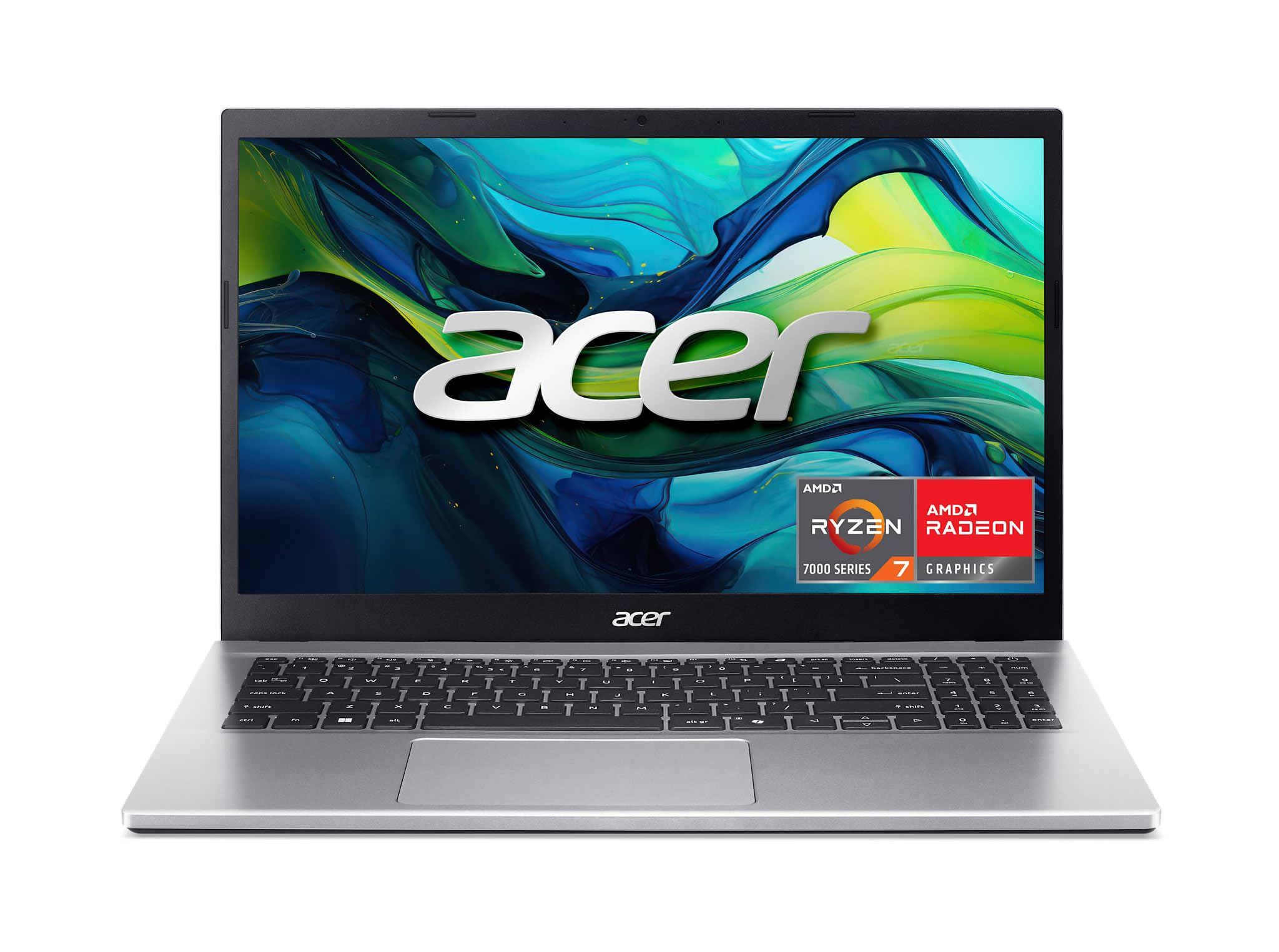
A Ryzen 7 laptop with 16GB RAM that handles heavy multitasking without breaking your budget.
The Acer Aspire Go 15 is proof that you do not need to spend big money for serious performance. Its AMD Ryzen 7 7730U processor (4.5 GHz) and 16GB of DDR4 RAM make it a multitasking monster for the price. Whether you are running the school’s online testing platform, watching a lecture video, and taking notes in OneNote simultaneously, this laptop does not flinch. Reviewers praise its speed and say it runs games like Sims 4 and Cities Skylines without issues, which is a bonus for unwinding after a tough exam week.
The 15.6-inch Full HD IPS display offers sharp visuals with Acer BluelightShield to reduce eye strain during late-night study. It also includes Wi-Fi 6 for fast internet connections and a USB Type-C port for charging and data transfer. One buyer, however, reported the sound was almost inaudible even when turned up all the way, so plan to use headphones for video lectures or media. The keyboard is backlit and the fan stays quiet, making it a solid pick for a shared study space.
Compared to the Dell 15 Laptop DC15250, the Acer trades a bit of peak clock speed (4.5 GHz vs 4.6 GHz) for a more affordable entry point with the same RAM capacity. This is a great pick for the nursing student who needs a powerful, no-nonsense laptop that handles everyday schoolwork with room to spare.
Best for: The budget-conscious student who still demands snappy performance for heavy multitasking and the occasional study break game.
skip it if: Audio quality matters to you for lectures and videos — you will want external speakers or headphones.
5. HP 15 Laptop (32GB, 1TB)

Massive 32GB RAM and 1TB storage for the student who never closes tabs or deletes files.
If you are the kind of nursing student who has 20 Chrome tabs, a research PDF, PowerPoint, and Spotify all running without closing anything, this HP 15 laptop is your match. With an enormous 32GB of DDR4 RAM, it will handle anything you throw at it without a hiccup. The 1TB PCIe NVMe SSD means you can store your entire digital textbook library, recorded lectures, and project files without worrying about space. The Intel Core i5-1334U processor at 4.6 GHz ensures quick boot times and snappy app launches. It also features a 15.6-inch Full HD touchscreen, so you can swipe through documents or zoom in on diagrams directly.
The HP Fast Charge technology gets the battery to 50% in about 45 minutes, and the battery is rated for up to 10 hours of use. A numeric keypad is included for easy data entry. This model is a reseller-upgraded unit (a new laptop resealed to upgrade the memory and storage) with a one-year HP warranty and a three-year warranty on the upgrade from the seller. Reviewers report it is a reliable workhorse, with one buyer noting their grandson said it was perfect for his school needs.
Against the Dell 16 Plus DB16250, this HP offers the same 4.6 GHz peak speed but at a lower price point, making it a better value for students who prioritize RAM and storage over raw processor speed.
Who it serves: The multitasking student who refuses to close apps and wants a comfortable touchscreen experience.
Its trade-off: It is a bulkier 15.6-inch model that is less portable than the OmniBook or MacBook Neo, and the audio output is only through speakers or headphones.
6. Apple 2026 MacBook Neo 13”

An affordable Apple laptop that syncs smoothly with your iPhone and lasts a full school day on one charge.
If you already own an iPhone, the MacBook Neo is the most smooth way to manage your student life because features like iPhone Mirroring let you control your phone right from the laptop screen. The A18 Pro chip delivers smooth performance for browsing, writing papers, and streaming lectures. The 13-inch Liquid Retina display (2408-by-1506 resolution, up to 500 nits brightness) is sharp and bright enough to use in a sunlit library. At just 2.71 pounds and only half an inch thick, it slips into any bag easily.
Battery life reaches up to 16 hours, so it will comfortably last through back-to-back classes and study sessions without needing a recharge. The 1080p FaceTime HD camera and dual-mic array make you look and sound clear during video calls. However, the 8GB of unified memory is half of what most Windows competitors offer, so heavy multitasking (like keeping 15+ browser tabs and a virtual machine open) may cause slowdown. The 256GB SSD will fill up fast if you save recorded lectures, so consider an external drive. Reviewers praise the build quality, battery life, and screen, while some note the lack of a backlit keyboard and only two USB-C ports (one USB 2.0) as minor compromises.
Compared to the Acer Aspire Go 15 which offers 16GB RAM at a similar price, the MacBook Neo relies on macOS efficiency rather than raw memory to keep things smooth. Choose this if you love the Apple ecosystem and want a lightweight, long-lasting laptop for standard nursing school tasks.
What shines
- smooth integration with iPhone and iPad
- Impressively long 16-hour battery life
- Super light and portable design
What holds it back
- 8GB RAM limits heavy multitasking compared to Windows rivals
- 256GB storage fills quickly if you save video lectures
- No backlit keyboard and only two USB-C ports
Best fit: The Apple ecosystem devotee who values portability, battery life, and a premium feel for everyday tasks.
Alternative needed if: You run memory-hungry clinical simulations or need to store large media files without an external drive.
7. Microsoft Surface Laptop (2024)

A premium touchscreen laptop that rivals the MacBook Air with a display that gets brighter and a battery that lasts all day.
The Microsoft Surface Laptop delivers a polished Windows experience with a 13.8-inch PixelSense touchscreen that Shoppers say is brighter and has better colors than the MacBook Air M3. The Snapdragon X Elite (12-core) processor provides snappy performance for everyday tasks, with apps like Office opening in just 1-2 seconds. The battery lasts up to 20 hours on a single charge, making it ideal for long campus days without a charger.
It features a 120Hz touchscreen, a haptic trackpad that feels similar to a MacBook, and Windows Hello facial recognition for instant secure login. The design is sleek magnesium-aluminum alloy at just 2.96 pounds. However, because it runs on an ARM-based Snapdragon chip, some software has compatibility issues. One reviewer noted that certain programs block installation, and heavy development work felt underwhelming. The base model only comes with a 256GB SSD, which is small for the price, but the SSD is replaceable if you are comfortable with a DIY upgrade.
For nursing students who want a beautiful, fast, touch-enabled laptop that integrates well with Windows and Microsoft 365, this is a top-tier choice — just be sure your required clinical software runs on ARM.
Standout spec: The 20-hour battery life and 120Hz touchscreen make it among the most versatile Windows laptops for students.
The catch: ARM compatibility is still a gamble for some niche software, and the base storage is stingy for the price.
8. Samsung Galaxy Book5 Pro 360

A stunning 2-in-1 with a S Pen that lets you write notes naturally on a brilliant AMOLED screen.
The Samsung Galaxy Book5 Pro 360 is a premium convertible laptop that doubles as a tablet for note-taking. The 16-inch 3K AMOLED touchscreen (2880×1800 resolution) with a 120Hz refresh rate is arguably the best display on this list — colors are vivid, blacks are true, and text is razor sharp. The included S Pen with enhanced tilt sensitivity makes it feel natural to write handwritten study notes or annotate PDFs directly on the screen. The Intel Core 7 Ultra processor, 16GB RAM, and fast SSD ensure smooth performance for multitasking. The battery supports up to 25 hours, so you can go a full day plus some evening study without recharging.
It is built for the student who wants a single device for both laptop productivity and tablet-style organization. The quad AKG speakers with Dolby Atmos sound excellent for video lectures and media. Connectivity is generous with HDMI, USB-A, two Thunderbolt 4 ports, a headphone jack, and a microSD slot, so you do not need a dongle. One buyer mentioned the keyboard feels a bit soft and rubbery, and the laptop is a large, thin slab that can feel heavy to carry despite being lightweight for a 16-inch model. A small number of alarming reviews mention screen fragility and performance issues, so buy from a retailer with a solid return policy.
If you want the best display and writing experience for note-taking and media, this Samsung is in a league of its own. If you just need a standard clamshell laptop, you can save money with a more traditional pick.
Perfect for: The visual learner who wants to handwrite notes, annotate slides, and enjoy a top-tier screen for media.
Consider carefully if: You are concerned about long-term durability reports or want a more standard laptop form factor.
9. Dell 16 Plus DB16250

A desktop-class processor crammed into a lightweight chassis, built for the student who needs uncompromising speed.
The Dell 16 Plus is the most powerful laptop on this list, packing an Intel Core Ultra 9 288V processor that clocks up to 5.1 GHz — the highest base peak speed here. With 32GB of LPDDR5X memory and a massive 2TB SSD, it is built for the nursing student who might also be into light video editing, data analysis, or just wants zero lag for the next four years. The 16-inch 2.5K display (2560×1600 resolution) provides plenty of screen real estate for side-by-side windows, and the 16:10 aspect ratio gives you more vertical space for reading documents.
The webcam is FHD+ for clear video calls, and the laptop is surprisingly light for its size and power. Buyers report it runs cool and quiet thanks to efficient engineering. The backlit keyboard is comfortable, though one user found the auto-off feature for the keyboard light annoying. The main trade-offs are the limited ports (only one USB-A, two USB-C with one used for power) and the embedded RAM that cannot be upgraded later. It also lacks a built-in SD card reader, which some photographers may miss.
This is overkill for typical nursing school work, but if you want the fastest processor and most storage for future-proofing, it is a worthy investment. A far more affordable option like the Acer Aspire Go 15 with 16GB RAM will handle the same school tasks at a fraction of the price.
Ideal for: The power user who wants the fastest chip possible and a large, high-resolution display for complex multitasking.
Not for: The budget-conscious student who just needs a dependable laptop for standard schoolwork and wants good port selection.
10. ASUS Vivobook Go 15.6”

An affordable, lightweight laptop that handles basic school tasks without emptying your wallet.
The ASUS Vivobook Go is the entry-level option that gets the job done for nursing students on the strictest budget. Its AMD Ryzen 5 7520U processor (4.3 GHz) and 8GB of RAM handle basic web browsing, word processing, and light multitasking. The 512GB SSD gives you enough space for documents and a few applications. Owners mention it is a good beginner laptop for college, and one noted the size is easy to take to class and the battery lasts a long time.
The 15.6-inch NanoEdge display has a 60Hz refresh rate and 250 nits of brightness, which is adequate for indoor use but can be hard to see in bright light. A critical limitation, flagged by multiple buyers, is that the 8GB RAM is soldered and unupgradable, so you are stuck with that capacity for the life of the laptop. The build is light and plasticky, and one owner reported a hardware internet connection issue from the start. The included SonicMaster speakers deliver crisp audio, making it decent for YouTube lectures.
If your nursing school workload is mostly cloud-based apps, browser research, and writing papers, this ASUS will work fine. But if you anticipate running memory-hungry clinical software or keeping many tabs open, the extra money for 16GB of RAM on the Acer Aspire Go 15 is a much smarter investment.
Good for the price
- Very affordable entry point for a 15.6-inch laptop
- Plenty of storage (512GB SSD) for school files
- Light enough to carry around campus
Know before you buy
- 8GB RAM is soldered and unupgradable, limiting future multitasking
- Display is dim (250 nits) and only 60Hz, not great for bright environments
Only buy if: Your absolute maximum budget is below the mid-range level and you use your laptop for only the lightest tasks.
Otherwise skip: The 16GB RAM in the Acer Aspire Go 15 costs only a little more and will save you from frustration when multitasking.
Understanding the Specs
Processor (CPU) and RAM
The processor, or CPU, is the brain of your laptop. A faster processor speed (measured in GHz) means applications open quicker and multitasking feels smoother. RAM is your laptop’s short-term memory — it holds the data for everything you are currently doing. More RAM (16GB is the balance for a nursing student) allows you to keep many browser tabs, documents, and apps open simultaneously without the computer slowing down. 8GB can work but you may notice lag when juggling several programs at once. Processors from Intel (Core i5 or i7) and AMD (Ryzen 5 or 7) are both excellent choices for schoolwork.
Battery Life and Weight
Battery life is measured in hours, but real-world usage is often less than the manufacturer’s estimate. Look for a laptop that is rated for at least 10 to 12 hours of video playback to comfortably get through a full school day. Weight matters more than you think — a laptop under 3.5 pounds is easy to carry in a backpack without strain. A laptop over 4 pounds can feel heavy by the end of a long day walking across campus. The best “Computer For Nursing School” balances long battery life with a lightweight design so you never have to bring your charger or feel weighed down.
FAQ
Is 8GB of RAM enough for a nursing school laptop?
Do I need a touchscreen laptop for nursing school?
How much storage do I need as a nursing student?
Is Mac or Windows better for nursing school?
Will a Chromebook work for nursing school?
Do I need a dedicated graphics card?
What is the ideal screen size for a nursing student?
How long should a laptop last for nursing school?
Is it important to have a numeric keypad?
Can I buy a refurbished laptop for nursing school?
Final Thoughts: The Verdict
For most nursing students, the best computer for nursing school is the HP OmniBook 5 14 inch because its astonishing 34-hour battery life and lightweight OLED design let you get through back-to-back classes and clinicals without ever looking for an outlet. If you want the smoothest screen and raw processing speed for heavy multitasking, grab the Dell 15 Laptop DC15250. And for the absolute best note-taking and media experience, the Samsung Galaxy Book5 Pro 360 with its gorgeous 3K AMOLED touchscreen and S Pen is a premium tool that doubles as a study aid.
How We Picked
We do not accept paid placement. Every pick is matched to a real buyer and a real use-case; we do not hands-on test units.
Sources & Methodology
Specifications: manufacturer listings and product documentation. Review insights: verified customer reviews, as of July 2026. Pricing: not shown on this page (it changes often); check the current price via the retailer link.
As an Amazon Associate, WellFizz earns from qualifying purchases. This does not affect which products we feature.

Mo Maruf
I created WellFizz to bridge the gap between vague wellness advice and actionable solutions. My mission is simple: to decode the research and give you practical tools you can actually use.
Beyond the data, I am a passionate traveler. I believe that stepping away from the screen to explore new environments is essential for mental clarity and physical vitality.