Our readers keep the lights on and my smoothie glass nicely filled. As an Amazon Associate, I earn from qualifying purchases.
Specs are compiled from manufacturer listings and verified buyer reviews and can change over time — please confirm the key details on the product page before buying.
Picking the wrong processor can leave you with a new PC that chokes on basic tasks. You need a chip that matches your workload without wasting cash on cores or speeds you will not use. This guide breaks down the ones that actually deliver, from budget daily drivers to flagship monsters, using manufacturer specs and real buyer feedback to cut through the hype.
I’m Mohammad Maruf — the founder and writer behind WellFizz. This guide is built by comparing the manufacturers’ published specifications and the patterns across verified customer reviews, so you get each pick’s real strengths and trade-offs instead of marketing spin.
This breakdown of the best computer chips helps you match the right CPU to your actual use case, whether you are building a gaming rig, a workstation, or a general-purpose desktop.
Quick Picks
- Intel® Core™ Ultra 7 Processor 270K Plus — Best Overall
- Intel Core Ultra 7 Desktop Processor 265KF — Top Performer
- Intel® Core™ i9-14900KF — Max Multitasking
- AMD Ryzen 9 9900X3D — Best Value
- AMD Ryzen™ 7 9850X3D Desktop Processor — Gaming King
- Boxed INTEL CORE Ultra 9 Processor 285K — Workstation King
- AMD Ryzen™ 9 5900XT 16-Core — AM4 Upgrade King
- Intel Core i5-14400F Desktop Processor — Budget Gaming
- Intel® Core™ i5-12600 Desktop Processor — Entry Level
How To Choose The Best Computer Chips
The processor (CPU) is your computer’s brain — it decides how fast your system handles games, video editing, and everyday apps. You do not need to be a hardware expert, but knowing a few key specs stops you from overpaying for a CPU your tasks do not need.
Core Count vs. Clock Speed
More cores let your processor handle multiple tasks at once (great for video rendering, 3D modeling, or streaming while gaming), while a higher clock speed (measured in GHz) makes single tasks feel faster (important for most games). You want at least 6 cores for general use. Get 8 or more if you do heavy creative work.
Cache Memory — The Hidden Speed Booster
The cache is a small, ultra-fast pool of memory built directly into the processor. A bigger cache (measured in MB) means the CPU keeps more data close at hand, so it spends less time waiting for your main system RAM. That is why AMD’s X3D chips with their large 3D V-Cache (a physically stacked layer of extra cache) often lead in gaming benchmarks.
Socket and Chipset Compatibility
Every processor fits a specific socket on the motherboard (like Intel’s LGA1700 or AMD’s AM5), and they are not interchangeable. Always confirm your motherboard supports the chip you want, and plan for a possible BIOS update. Picking a newer platform (like AM5 or the Intel 800 series) leaves you room to upgrade later.
Power Draw and Cooling
High-end chips draw more power and run hotter, so you need a better cooler (and sometimes a bigger power supply). A processor with a base power around 65W can usually run on the included stock cooler. A 125W+ chip needs aftermarket cooling, ideally a liquid AIO (a closed-loop liquid cooler) or a large air tower.
Quick Comparison
| Model | Best For | Cores / Threads | Max Clock Speed | Cache Memory | Amazon |
|---|---|---|---|---|---|
| Intel Core Ultra 7 270K Plus | Enthusiast Gaming & Creator | 24 / 24 | 5.5 GHz | 40 MB | Amazon |
| Intel Core Ultra 7 265KF | High-Performance Gaming | 20 / 20 | 5.5 GHz | 36 MB | Amazon |
| Intel Core i9-14900KF | Maximum Multitasking | 24 / 32 | 6.0 GHz | 36 MB | Amazon |
| AMD Ryzen 9 9900X3D | Gaming & Content Creation | 12 / 24 | — | 140 MB | Amazon |
| AMD Ryzen 7 9850X3D | Pure Gaming Power | 8 / 16 | — | 104 MB | Amazon |
| Intel Core Ultra 9 285K | Productivity & Workstation | 24 / 24 | 5.7 GHz | 40 MB | Amazon |
| AMD Ryzen 9 5900XT | AM4 Productivity Upgrade | 16 / 32 | 4.8 GHz | 72 MB | Amazon |
| Intel Core i5-14400F | Budget Gaming & Home Use | 10 / 16 | 4.7 GHz | 20 MB | Amazon |
| Intel Core i5-12600 | Entry-Level Productivity | 6 / 12 | 4.8 GHz | 18 MB | Amazon |
In‑Depth Reviews
1. Intel® Core™ Ultra 7 Processor 270K Plus
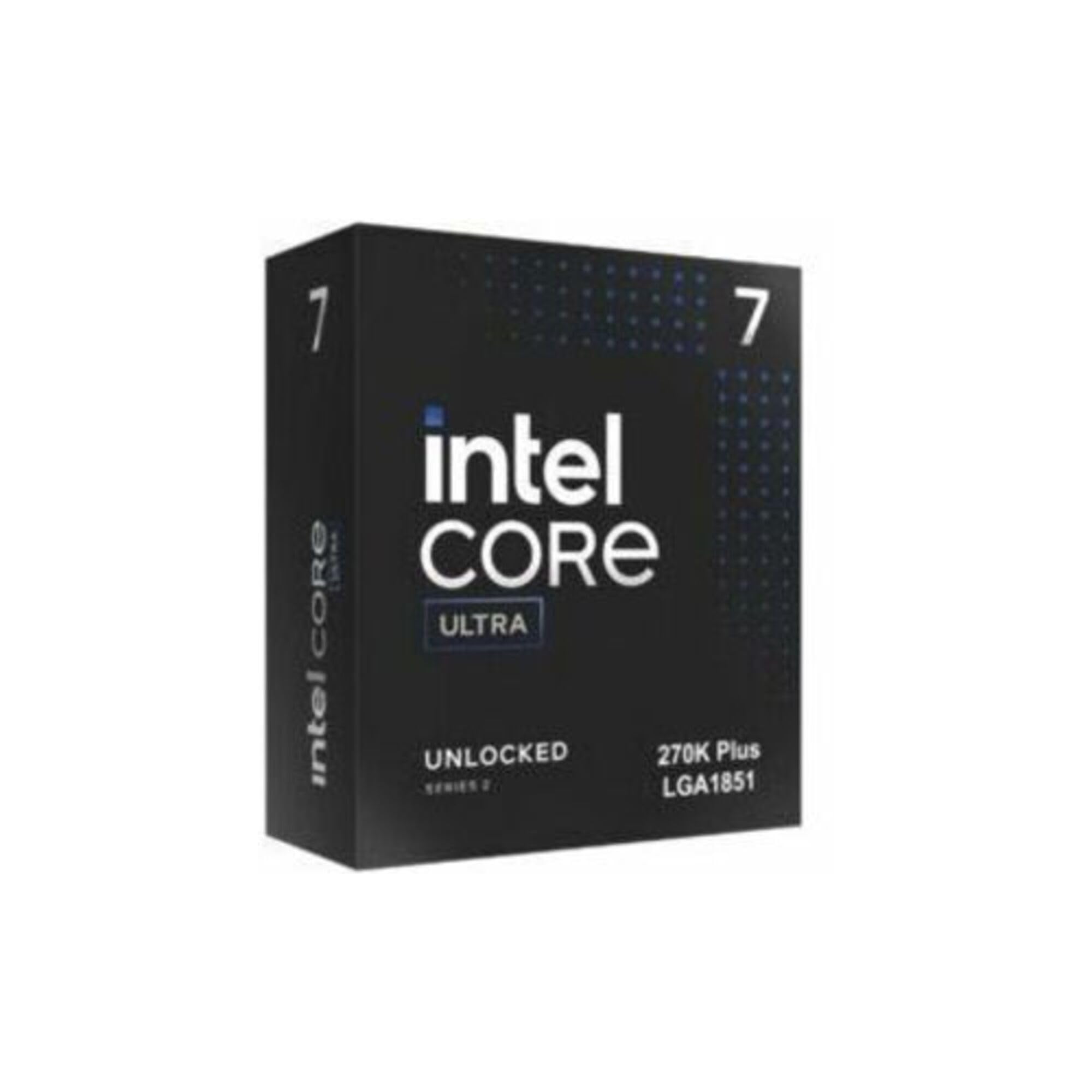
Matches AMD’s best for almost half the cost thanks to its 24-core layout.
You get 8 high-performance P-cores (for demanding tasks) and 16 efficiency E-cores (for background chores), hitting a max turbo frequency of 5.5 GHz so games and creative apps feel instant. The 40 MB of cache keeps frequently used data close, cutting load times in heavy multitasking. It is open up for overclocking (overclocking = running the chip faster than the default speed) when paired with an Intel Z-series chipset motherboard.
Buyers report a clear uplift in VR simracing, maintaining stable 87-90 FPS at high/ultra settings with an RTX 5090. One reviewer upgraded from a 14700k and noted the chip runs cool, reaching just 60°C under load with a good cooler. However, its max turbo power can hit 250W under full stress, so you do need a capable cooler.
What It Does Best
- Matches performance of top-tier AMD chips at a lower cost
- Excellent for VR, gaming, rendering, and multitasking
- Stable and efficient with proper cooling
What to Watch Out For
- Arrow Lake platform may be obsolete in roughly 6 months
- Requires a decent cooler (AIO recommended)
Best for: Enthusiasts who want flagship-tier performance without the flagship price, especially for VR, gaming, and creative work.
One catch: The LGA1851 platform is new, so you are locked into a motherboard with limited future upgrade options compared to a mature socket.
2. Intel Core Ultra 7 Desktop Processor 265KF

Holds 130fps in 2k gaming with its 20 cores, pulling ahead of a Ryzen 9 in some benchmarks.
This processor packs 8 P-cores and 12 E-cores, reaching 5.5 GHz for smooth, responsive gaming and daily tasks. The 36 MB of cache and support for DDR5 memory means your system feels fast whether loading a game or multitasking between dozens of browser tabs. It works with Intel’s 800 Series chipset motherboards and supports PCIe 5.0, giving you the fastest possible storage and GPU speeds.
Owners mention it outperforms a Ryzen 9 in several workstation benchmarks, and one reviewer recorded a steady 130fps in 2k gaming using a 5070Ti. A couple of users reported stability issues that turned out to be motherboard-specific (requiring a BIOS update), so check the motherboard’s compatibility list before buying.
Where It Shines
- Excellent gaming performance with high frame rates
- Good value, especially if found on sale
- Strong for multitasking and light content creation
Where It Falters
- Stability may require a motherboard BIOS update
- Not the top choice for extreme multi-core workloads
Ideal for: Gamers who want a high frame rate at 2k resolution and also do some light encoding or multitasking.
Pick something else if: You need the absolute highest core count for heavy, all-core rendering or simulation work.
3. Intel® Core™ i9-14900KF

Pushes to 6.0 GHz from the start, the highest single-core speed on this list, for silky-smooth gaming.
This open up processor gives you the highest single-core speeds here for near-instant app launches and smooth gameplay. With 24 cores (8 P-cores and 16 E-cores) and 32 threads, it handles heavy multitasking like live streaming while gaming or running a virtual machine alongside daily apps. It supports both DDR4 and DDR5 memory, so you can reuse older RAM to save money.
Customers note it delivers a stable 240 FPS in Fortnite endgame without even overclocking, with one reviewer calling it “an absolute monster” for gaming and multitasking. The big trade-off is power and heat: it can pull serious wattage under load, and some users report needing a solid 240mm AIO liquid cooler to keep temps in check. A few also mention stability issues that required a BIOS update on 600 or 700 series motherboards.
Strengths
- Highest max clock speed at 6.0 GHz
- Excellent for gaming and multitasking simultaneously
- Compatible with DDR4 and DDR5 motherboards
Weaknesses
- Runs hot — requires a capable cooler
- Some users experienced instability (BIOS-dependent)
Choose this if: You want the fastest single-core speed available for gaming and do not want to compromise on multitasking ability.
skip it if: You are on a strict cooler budget or need an out-of-the-box plug-and-play experience without any BIOS tinkering.
4. AMD Ryzen 9 9900X3D

Its 140 MB cache makes every game feel instant, balancing gaming and work equally well.
This processor uses AMD’s second-generation 3D V-Cache technology (a larger, stacked cache that sits right on the CPU die to reduce data-travel time), giving you 140 MB of total cache for snappy responsiveness in games and creative apps. The 12-core, 24-thread configuration (based on the “Zen 5” architecture) handles both high-frame-rate gaming and demanding productivity like video editing or 3D modeling.
Reviewers point out it “tears through heavy workloads, gaming, and multitasking easily” and runs cool with an AIO cooler, with no stutter or thermal throttling. One reviewer who switched from Intel says it is “beyond anything I could have imagined.” For pure gaming, the 8-core 9800X3D is a slightly better value, but the 9900X3D is easier to find and offers more cores for work tasks.
Advantages
- Massive 140 MB cache for top-tier gaming and productivity
- Balanced 12-core design fits both gaming and work
- Easy to cool and stable under load
Disadvantages
- For pure gaming, the cheaper 8-core X3D is marginally faster
- Requires an AM5 motherboard (newer platform investment)
Reach for this if: You want one processor that does everything well — gaming, content creation, and heavy multitasking — without a huge price jump to the top-tier models.
Look elsewhere if: Gaming is your only focus and you want to save a few dollars on an 8-core X3D chip.
5. AMD Ryzen™ 7 9850X3D Desktop Processor
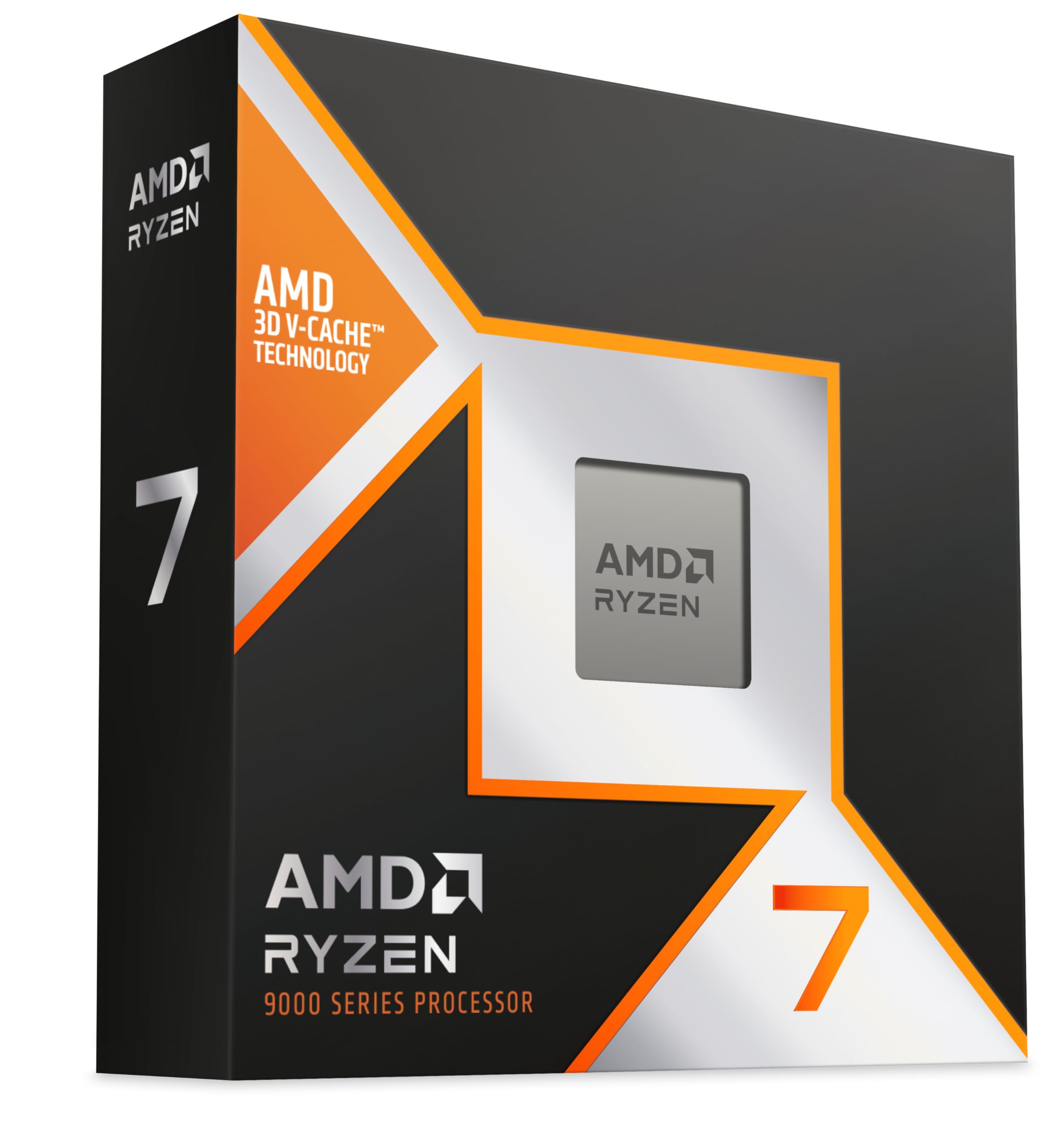
A focused gaming legend that idles at 38°C and never breaks a sweat, thanks to its 104 MB cache.
This chip is built on AMD’s “Zen 5” architecture and features 104 MB of total cache — the secret to its stellar gaming performance. It keeps more game data instantly accessible, reducing stutter and boosting minimum frame rates. With 8 cores and 16 threads, it is a focused gaming machine that also handles content creation and daily tasks. It fits the AM5 socket, giving you a modern platform with PCIe 5.0 support.
Shoppers say it is easy to cool, with one user noting it idles at 38°C and never exceeds 70°C under load with a Thermalright 360mm AIO. Another reviewer upgraded from a 7800X3D and praised the 5.6 GHz boost clock and improved thermal layout, calling it “the best CPU in the world right now.” For a dedicated gamer, this is the chip to beat.
Gaming Prowess
- top-tier gaming performance with huge 104 MB cache
- Runs cool and quiet, even under load
- Stable, with no reported crashing issues
Considerations
- 8 cores may limit heavy multi-core productivity vs. a 12 or 16 core chip
- Requires a premium AM5 motherboard and cooling
Perfect for: Gamers who want the highest possible frame rates in demanding titles and do not mind paying a premium for a focused gaming processor.
Not the right fit if: You need to do heavy video rendering, 3D simulation, or other tasks that scale well beyond 8 cores.
6. Boxed INTEL CORE Ultra 9 Processor 285K

A 24-core productivity workhorse that stays quiet and stable through a 24-hour stress test.
This flagship Intel processor uses a performance hybrid architecture (mixing P-cores and E-cores) to balance raw speed with energy efficiency, reaching up to 5.7 GHz while running cooler than the previous generation. With 24 cores and 24 threads, plus a 40 MB cache, it is built for demanding professional workloads like CAD, compiled programming, and video rendering. It comes with integrated Intel Graphics, so you can use it without a dedicated graphics card for basic tasks.
Buyers building SolidWorks workstations report it passes a 24-hour Cinebench stress test with all cores at 100%, reaching temps of 73-78°C (spikes to 82°C) while staying quiet and stable. One reviewer noted it is “often the fastest consumer-grade CPU” for compiled programming. Gaming performance is a letdown compared to similarly priced AMD X3D chips, however.
Where It Excels
- Extremely strong productivity and workstation performance
- Easy to cool with a good air cooler or AIO
- Stable, no overvoltage issues reported
Where It Lags
- Gaming performance is disappointing for the price
- Requires an LGA1851 motherboard (800 series chipset)
Select this if: Your primary use is professional content creation, CAD, modeling, or heavy rendering — you need the all-core throughput and stability.
Avoid if: You are building a dedicated gaming rig; an X3D chip will give you more frames for less money.
7. AMD Ryzen™ 9 5900XT 16-Core, 32-Thread open up Desktop Processor
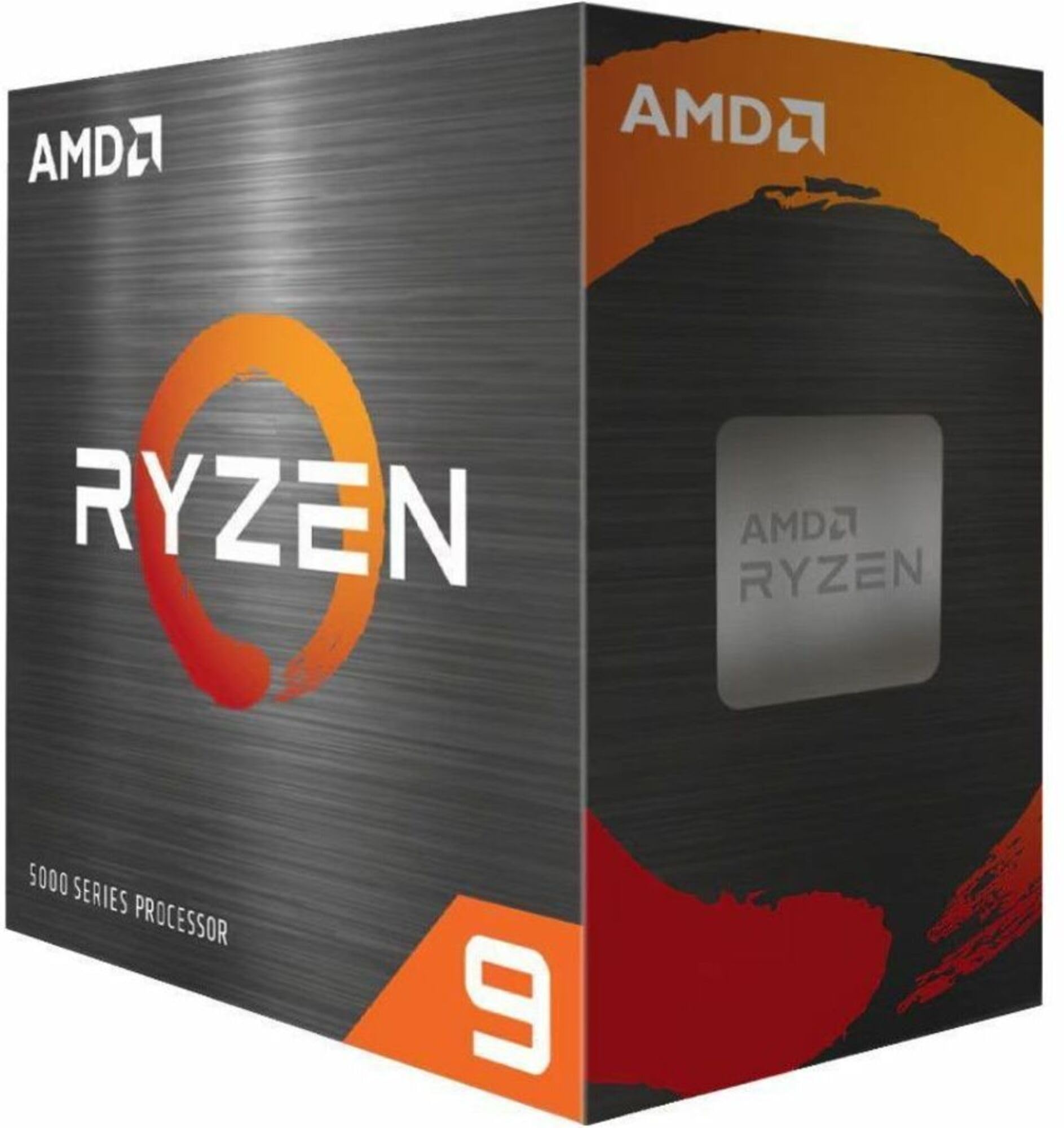
A drop-in upgrade for old AM4 motherboards, giving you 16 Zen 3 cores for serious productivity.
This processor fits into older AM4 motherboards, giving you 16 Zen 3 cores and 32 threads plus 72 MB of cache for a massive boost in multitasking and content creation. With a maximum boost clock of 4.8 GHz, it handles heavy workloads like video transcoding, compression, and server tasks. It is open up for overclocking, so you can push for more speed with a good cooler.
Buyers report it “never reaches 4.8 GHz boost” in all-core scenarios, with all-core boost varying depending on the instruction set (e.g., 4.1 GHz on SSE, 3.6-4.0 GHz on AVX). However, one reviewer says it runs cooler than the 5950X and is faster in multi-threaded tasks without thermal throttling. It is not a great gaming CPU compared to newer X3D chips due to its split CCD design (two separate core chiplets, which adds a small latency penalty in games).
Strengths
- Excellent for productivity, transcoding, and server tasks
- Runs cooler than the 5950X with similar core counts
- Extends the life of your AM4 motherboard and DDR4 RAM
Weaknesses
- All-core boost clocks fall short of the 4.8 GHz max
- Poor gaming performance vs. X3D chips
Best for: Anyone with an older AM4 system (like a Ryzen 3000 series) who wants a serious core-count upgrade for productivity without replacing the motherboard and RAM.
Not for: Gamers chasing high frame rates — the X3D chips are much better for that.
8. Intel Core i5-14400F Desktop Processor

A value-packed 10-core chip that runs everything a typical gamer needs at a budget price.
This processor combines 6 P-cores and 4 E-cores for a total of 10 cores and 16 threads, using Intel’s performance hybrid architecture to balance heavy gaming and background tasks. With a max boost of 4.7 GHz and 20 MB of cache, it handles modern games and light productivity like video editing or office work. It supports both DDR4 and DDR5 memory and works with 600 and 700 series motherboards, giving you build-budget flexibility.
Owners mention it runs cool, with one user noting temps of 60°C while gaming and up to 75°C during heavy editing using only a cheap air cooler. Another reviewer upgraded from an i7 9700F and saw about 25+ FPS higher in games, calling it “excellent value.” The “F” suffix means it lacks integrated graphics, so you must pair it with a discrete graphics card (a separate, dedicated GPU).
Pros
- Excellent value for gaming and light productivity
- Runs cool even with a budget air cooler
- Compatible with inexpensive DDR4 motherboards
Cons
- No integrated graphics — a discrete GPU is mandatory
- Not as fast as the higher-core i5/i7 for heavy rendering
Choose this if: You are building a budget gaming PC and want a capable, modern processor that leaves room in the budget for a better graphics card.
Pass on it if: You do not already own a dedicated graphics card, or you need high performance for intensive multi-core workloads like 4K video editing.
9. Intel® Core™ i5-12600 Desktop Processor

A 6-core entry point that still delivers for everyday gaming and office tasks on a tight budget.
This 12th-generation Intel processor features 6 performance cores and 12 threads, reaching up to 4.8 GHz for solid everyday responsiveness. It supports both PCIe 5.0 and 4.0, as well as DDR5 and DDR4 memory, so you can build a future-ready system on a budget. The included Intel Laminar RM1 cooler gets you started right away, and its 65W base power is easy to cool.
Customers note that the LGA1700 socket has an ILM (Independent Loading Mechanism) that can cause cooling issues, with one reviewer recommending a replacement metal ILM for better contact. Despite that, the chip is praised for gaming at 1440p, where the non-K version nearly matches its K-series sibling in frame-rate performance while running cooler and drawing less power.
What Works
- Solid gaming and office performance at 1440p
- Low 65W power draw, easy to cool
- Includes a stock cooler
What Doesn’t
- LGA1700 socket may need a replacement ILM for optimal cooling
- 6 cores limit heavy multitasking and rendering
Grab this if: You need a reliable, low-power processor for everyday tasks, light gaming, or an office PC, and you want the option to upgrade to a K-series chip later on the same board.
Think twice if: You do heavy video editing or multitasking that benefits from more than 6 cores, or you do not want to tinker with the cooler mounting.
Understanding the Specs
Core Count and Threads
The number of physical cores (each core is a separate processing unit inside the chip) is the best predictor of how well a processor can handle multiple tasks at once. A 6-core chip is great for gaming and daily use, while 8-12 cores are ideal for gaming plus streaming or light editing. For heavy rendering and professional workloads, you want 16 or more cores. Each core typically handles two threads (a virtual core that helps the operating system distribute tasks), so a 6-core chip with 12 threads can juggle more instructions per second.
Cache Memory (L2 and L3)
Cache is a small pool of ultra-fast memory built directly onto the processor that stores frequently accessed data. A larger cache (measured in MB) means the CPU spends less time waiting for data from your main system RAM, which directly improves performance in games and applications. This is why AMD’s X3D chips with their 3D V-Cache (a physically stacked extra layer of cache) can often beat higher-clocked Intel chips in gaming benchmarks.
Clock Speed and Turbo Boost
The base clock (GHz) is the speed the processor runs at under normal load, while the max turbo or boost clock is the peak speed it can hit when needed, usually for a short burst. A higher boost clock, like 5.5 GHz or 6.0 GHz, directly improves single-threaded tasks like gaming and app launches. Turbo boost is automatic on modern chips, but some CPUs are “open up” (designated with a K or X) so you can manually overclock them for even more speed.
Socket and Chipset Compatibility
The physical socket (LGA1700, LGA1851, AM4, AM5) defines which motherboards the processor physically fits into. The chipset on the motherboard also matters — a Z-series chipset (like Z790) supports overclocking, while a B-series (like B760) does not. Always check that your motherboard’s BIOS supports your chosen processor, especially if you are buying a newer chip for an older board. Choosing the right platform is your single most important decision for future upgrades.
FAQ
Will an Intel LGA1700 cooler fit on the new LGA1851 socket?
Can I use DDR4 RAM with an Intel Core Ultra 7 270K Plus?
What does the “F” and “KF” suffix mean on Intel processors?
Is the AMD Ryzen 9 5900XT good for gaming?
How much cache do I need for gaming?
What is the difference between a P-core and an E-core?
Do I need to update my BIOS before installing a new processor?
Which processor is better for a home server: AMD Ryzen 9 5900XT or Intel Core i5-14400F?
Can I overclock an Intel Core i5-12600 processor?
What power supply do I need for an Intel Core i9-14900KF?
Final Thoughts: The Verdict
If you want one dependable pick, the best computer chips winner is the Intel Core Ultra 7 270K Plus because it delivers flagship-level gaming and creative performance at a price that undercuts both Intel’s own 285K and AMD’s top 3D V-Cache chips. If you want the absolute highest frame rates for competitive gaming, grab the AMD Ryzen 7 9850X3D. And for heavy professional workloads like video rendering and CAD, the standout is the Intel Core Ultra 9 285K for stability and all-core throughput.
How We Picked
We do not accept paid placement. Every pick is matched to a real buyer and a real use-case; we do not hands-on test units.
Sources & Methodology
Specifications: manufacturer listings and product documentation. Review insights: verified customer reviews, as of July 2026. Pricing: not shown on this page (it changes often); check the current price via the retailer link.
As an Amazon Associate, WellFizz earns from qualifying purchases. This does not affect which products we feature.
Related Guides

Mo Maruf
I created WellFizz to bridge the gap between vague wellness advice and actionable solutions. My mission is simple: to decode the research and give you practical tools you can actually use.
Beyond the data, I am a passionate traveler. I believe that stepping away from the screen to explore new environments is essential for mental clarity and physical vitality.