Our readers keep the lights on and my smoothie glass nicely filled. As an Amazon Associate, I earn from qualifying purchases.
Specs are compiled from manufacturer listings and verified buyer reviews and can change over time — please confirm the key details on the product page before buying.
Living with POTS (Postural Orthostatic Tachycardia Syndrome) means your legs can feel heavy, swollen, or just worn out by midday because your blood isn’t circulating as well as it should. The right compression socks push blood back toward your heart, easing fatigue, dizziness, and lower-leg pooling. This guide breaks down six options at 20-30 mmHg or higher, the level most often recommended for POTS, so you can find the pair that fits your life and your legs.
I’m Mohammad Maruf — the founder and writer behind WellFizz. This guide is built by comparing the manufacturers’ published specifications and the patterns across verified customer reviews, so you get each pick’s real strengths and trade-offs instead of marketing spin.
Whether you are managing daily symptoms, recovering from a flare-up, or simply looking to stand and walk with less discomfort, the best compression socks for pots combine a firm medical-grade squeeze with a fit you can actually tolerate for hours — and that balance is exactly what we explore here.
Quick Picks
- JOBST Relief Knee High 20-30 mmHg Compression Stockings — Best Overall
- JOBST Relief Knee High 20-30 mmHg Compression Stockings, Closed — Premium Pick
- BraceAbility Compression Socks for Circulation — Best for POTS
- LEVSOX Cotton Compression Socks — Best Cotton Option
- NEENCA Copper Compression Socks — Best for Swelling Relief
- Physix Gear Compression Socks 20-30 mmHg — Best Budget Pick
How To Choose The Best Compression Socks For POTS
Choosing compression socks for POTS means balancing strength with comfort. You need a compression level that supports circulation without sacrificing daily comfort, especially for all-day wear.
Focus on 20-30 mmHg Compression
This range is the medical-grade standard for POTS. It pushes blood upward and reduces lower-leg pooling, a key POTS symptom. Anything below 20 mmHg is generally considered fashion-level and will not deliver the circulatory support you need.
Pay Attention to Graduated Compression
Graduated compression means the sock is tightest at the ankle and loosens up the leg. This design helps veins move blood against gravity. Most picks here use this design; check product descriptions for the term, a reliable sign of a medical-grade sock.
Match the Toe Style to Your Day
Some compression socks have a closed toe, others are open toe. The BraceAbility pick comes in an open-toe style, and the LEVSOX review mentions the toe seam is nearly invisible. If you wear sandals or have sensitive toes, an open-toe style can be more comfortable. If you need full coverage for colder days, closed toe works well. Your daily footwear should guide this choice.
Size by Measurement, Not Shoe Size
Compression socks fit based on your ankle circumference, calf circumference, and leg length. Many brands in this list provide a sizing chart that requires these measurements. One reviewer of the JOBST Relief noted that ordering a size up based on measurement was the right call. Measure first, then order, and pay attention to reviews that mention fit for shorter or taller legs.
Quick Comparison
| Model | Best For | Compression | Weight | Material | Amazon |
|---|---|---|---|---|---|
| JOBST Relief (Open Toe) | Premium everyday wear | 20-30 mmHg | 3.84 oz | Nylon/Spandex | Amazon |
| JOBST Relief (Closed Toe) | All-day breathable support | 20-30 mmHg | — | Nylon/Spandex | Amazon |
| BraceAbility | POTS-specific open-toe relief | 20-30 mmHg | 2.56 oz | Moisture-wicking fabric | Amazon |
| LEVSOX Cotton | Cotton comfort with seam-free toes | 20-30 mmHg | — | Cotton | Amazon |
| NEENCA Copper | Copper-infused fabric for swelling | 20-30 mmHg | 5.29 oz | Copper-infused fiber | Amazon |
| Physix Gear | Budget-friendly daily squeeze | 20-30 mmHg | — | High-quality knit | Amazon |
In‑Depth Reviews
1. JOBST Relief Knee High 20-30 mmHg Compression Stockings, Open Toe

The physician-favorite pick that combines strong 20-30 mmHg compression with a thin, breathable fabric you can wear all day.
This JOBST Relief sock earns its top spot because it is the number 1 physician recommended brand in the US among physicians who recommend a brand. The 20-30 mmHg graduated compression (tightest at the ankle, looser up the calf) pushes blood upward to reduce that heavy, pooling feeling in your lower legs. At 3.84 ounces, it is light enough to wear under clothes without feeling bulky. The open-toe design works with sandals and helps if your toes are sensitive. One reviewer noted that after four months of daily hand washing, the sock still held its pressure well.
The heel pocket keeps the sock aligned so the compression stays where it needs to be. Buyers report the fabric is thin and breathable, which helps you stay cool during long wear. The main trade-off is the high price — several reviewers mention the cost as a downside, though they also note the durability justifies it. Compared to the NEENCA Copper at 5.29 ounces, this pair is noticeably lighter, which matters when you layer them under regular clothes. The open toe can feel chilly in colder weather, but for warm-season or indoor use, it is a premium choice.
Relief knee high: You can invest in a top-tier brand with real physician backing and need an open-toe sock for sensitive or swollen toes.
Limited color options: The price is high, and the sock runs long, so measure carefully — one reviewer at 5’5″ wished they ordered a Petite size.
Daily wear: You want a durable, breathable, doctor-trusted sock and plan to wear it daily for months. The material holds up, the compression stays consistent, and the open toe gives you freedom.
Fashion priority: You need a budget-friendly option or prefer a closed-toe style for warmth — the closed-toe version of this sock is listed below.
2. JOBST Relief Knee High 20-30 mmHg Compression Stockings, Closed Toe

The JOBST Relief in closed-toe form gives you the same medical-grade support with full foot coverage for cooler days.
If you prefer a sock that covers your toes completely, this version delivers the same 20-30 mmHg graduated compression as the open-toe style but in a full-coverage design. One buyer mentioned it was recommended by their vein doctor for edema (leg swelling from fluid buildup). Owners mention that the fabric is breathable enough for 12-14 hour wear without making your feet feel hot. The heel pocket is another strong point — it keeps the sock aligned so the compression does not shift.
The real edge here is durability. Customers note machine washing and drying (on gentle) does not cause the fabric to pill or lose shape quickly. A reviewer shared that the sock reduced their edema dramatically and even improved their skin condition as the swelling went down. One trade-off is that the strong compression creates a firm grip on your calf, which can make the sock tricky to pull off at the end of the day. Compared to the LEVSOX Cotton, the JOBST fabric is thinner and less cushioned, so it fits inside most shoes without crowding. One owner reported it stays up well for 4 to 6 hours of walking before needing a small pull-up.
Consistent compression: You need a closed-toe, all-day sock with a trusted brand name and a proven track record for reducing leg swelling.
Narrow sizing: The price is higher than mid-range options, and the sock is long — shorter buyers may need a Petite size to avoid bunching behind the knee.
Medical need: You want a premium closed-toe sock that your doctor likely knows and respects. The compression is consistent, the fabric breathes, and it lasts through repeated washing.
Budget pick: You need an open toe for sandals or have very sensitive toes — the open-toe version above is a better match.
3. BraceAbility Compression Socks for Circulation – 20-30 mmHg Knee High Open Toe
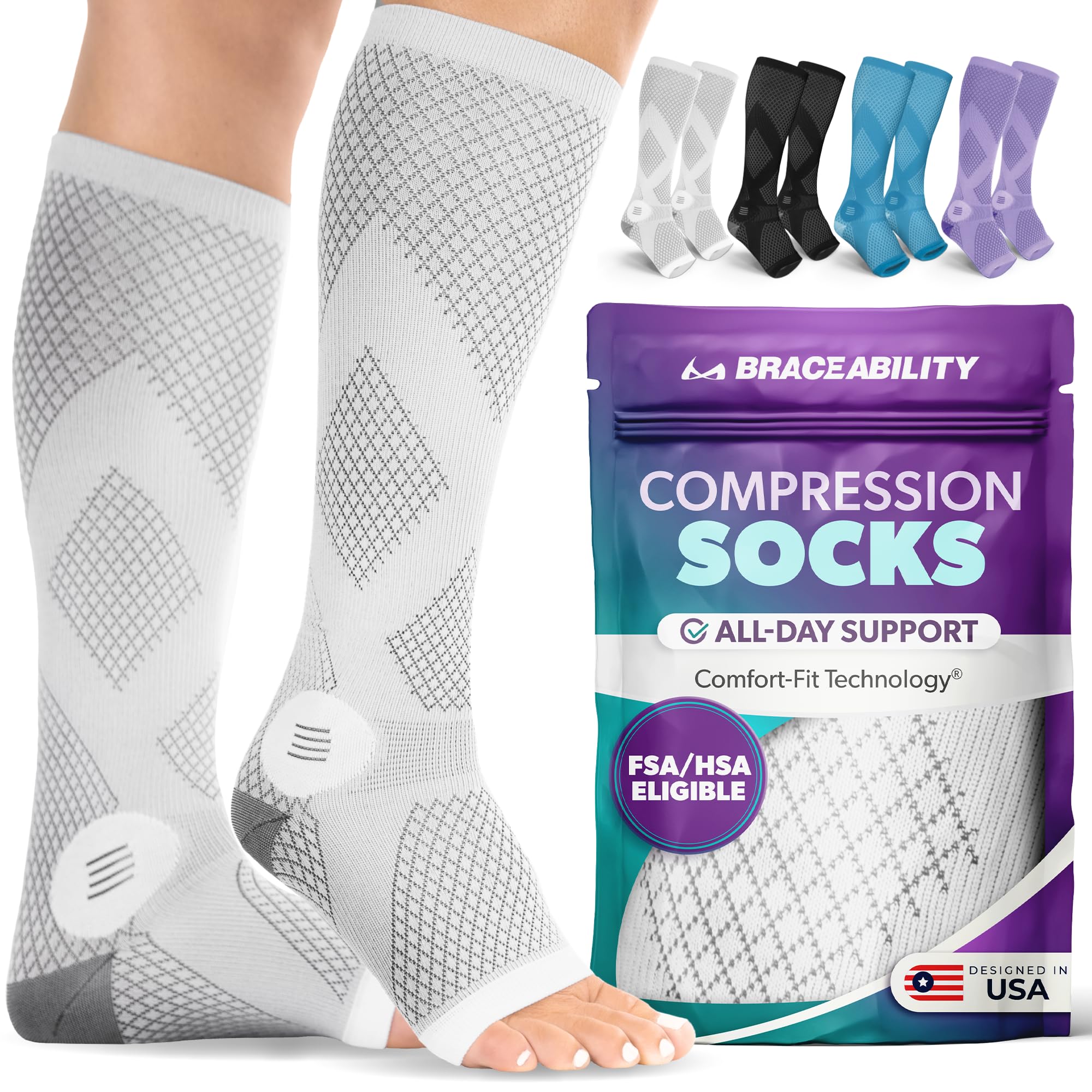
The featherweight that offers open-toe flexibility and a targeted design for POTS and restless leg symptoms.
This sock specifically names POTS in its product description, so the manufacturer designed the 20-30 mmHg graduated compression with your condition in mind. At just 2.56 ounces, it is noticeably lighter than the NEENCA Copper at 5.29 ounces — a difference you feel when wearing them under pants all day. The open-toe design fits sandals and helps if your toes are sensitive. Reviewers point out one person walked 6,000 steps on day four after cast removal without pain, and another said the open toe worked well with sandals while reducing foot and shin swelling from sitting. The fabric is moisture-wicking, but shoppers say the knit runs warm and thick, so tight dress shoes may feel crowded.
The trade-off is that the material is thicker than the JOBST options, meaning it works best with looser shoes like sneakers or clogs. One reviewer at 5’4″ with a 16-inch calf found the fit perfect for their proportions.
Circulation boost: You want a light, open-toe sock that is specifically marketed for POTS symptoms and can handle a full walking day.
Thick fabric: The knit is warm and thick, so it runs slightly bulky in closed-toe shoes — open-toe footwear is a natural pairing.
Cold weather: POTS-related leg swelling, post-surgery recovery, or any day you need a lightweight open-toe sock with real medical-grade compression.
Summer use: You need a thin, unnoticeable sock for tight leather shoes — the bulk of the fabric may bother you.
4. LEVSOX Cotton Compression Socks for Women & Men 20-30 mmHg Knee High

The cotton-based sock that trades some stretch for soft breathability and a nearly invisible toe seam.
If synthetic blends make your skin feel clammy, the LEVSOX Cotton sock is a standout because its main material is cotton rather than nylon or spandex. The 20-30 mmHg graduated compression is still present, but the cotton knit feels more like a normal sock than a medical garment. One reviewer with 50 years of sock experience said the toe area was the most comfortable they had ever worn — there is no thick seam rubbing against your toes. The product data confirms the sole uses thicker cushioned fabric, which adds comfort when you stand on hard floors.
Buyers report the sock holds up well compared to other brands they tested in the same order. One person bought multiple brands and found the LEVSOX to be their favorites because they are cool, durable, and fit well. The cotton construction means they are warmer than the JOBST socks, but several users note they breathe better than full-synthetic options. A word of caution: one customer observed the sock was too long for their legs and bunched behind the knee, so check your leg length against the size chart. Compared to the NEENCA Copper, the LEVSOX feels more like an everyday sock and less like a medical device. Owners mention they stay in place and the top band does not roll down.
Cotton comfort: You want a mostly-cotton compression sock that breathes well and has a seam-free toe for all-day comfort.
Less durable: The length may be too long for shorter legs, and the cotton fabric is less elastic than nylon blends, so sizing is critical.
Sensitive skin: You prefer natural fibers against your skin and want a sock that looks and feels more like a normal sock while still delivering 20-30 mmHg compression.
Heavy activity: You have short legs or need a very thin sock for tight formal shoes — the cushioned sole adds bulk.
5. NEENCA Copper Compression Socks, Medical Graduated Socks with Patented Design
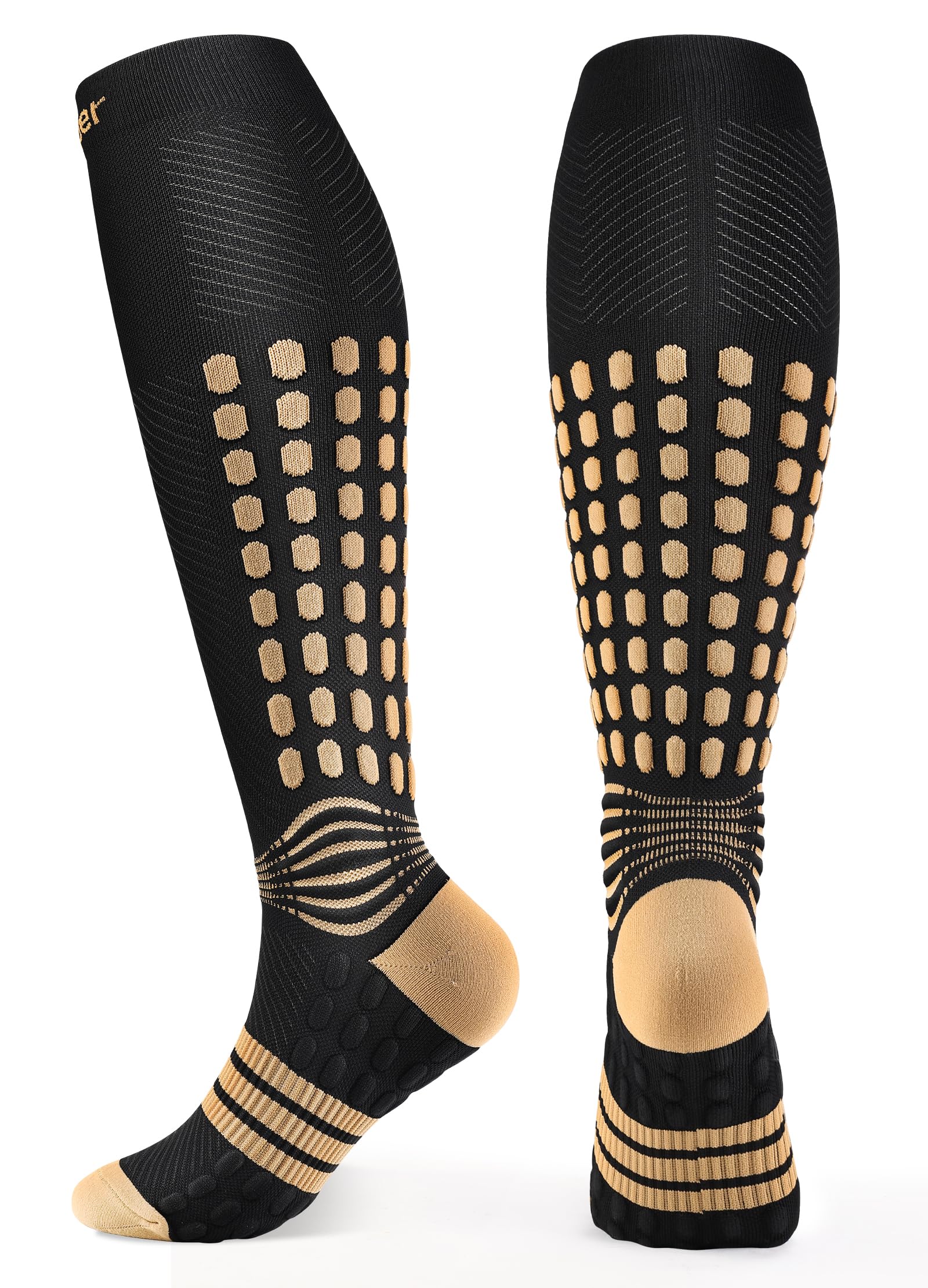
A copper-infused, patented design that one buyer credits with noticeable improvement in leg pain within just eight hours.
The NEENCA Copper sock stands out because its copper-infused fiber is designed to disperse pressure and keep feet warm, and the patented Ankle Tuck Compression Tech uses six compression rings around your ankle to boost circulation. At 20-30 mmHg, it hits the medical-grade standard. One reviewer wrote they needed something to relieve steadily worsening leg pain, and within eight hours of wearing these, they noticed an improvement — a vivid example of real-world relief for POTS-related discomfort. At 5.29 ounces, this is the heaviest sock on the list, so it is worth considering if you want an ultra-light feel.
Buyers consistently mention that the compression feels evenly distributed across the whole sock rather than just at the top band. One user described them as hitting a “balance between firmness and comfort.” The copper infusion is meant to help with odor and skin comfort, though the product data does not include specific claims about antibacterial effectiveness. The main trade-off is the weight — compared to the BraceAbility at 2.56 ounces, these are more than twice as heavy, which could feel bulky under slim pants. Reviewers also report the socks stay in place throughout the day and do not roll down, and sizing is true to size.
Copper infused: You want copper-infused support and a patented ankle design, and you prioritize relief from pain over ultra-light weight.
Odor after wash: At 5.29 ounces, it is noticeably heavier than the other socks here, so it is best for lounging, recovery, or wide-leg pants rather than skinny jeans.
Anti-microbial: Targeted ankle compression and a copper-infused fabric that reviewers credit with fast pain relief for swollen, aching legs.
Longevity: You need the lightest possible sock for active wear or tight clothing — the weight may feel cumbersome by midday.
6. Physix Gear Compression Socks 20-30 mmHg

A reliable entry-level option that delivers solid 20-30 mmHg compression without the steep price of premium brands.
If you are new to compression socks for POTS or need a backup pair that still meets the medical-grade standard without a high price, the Physix Gear sock is worth considering. It provides 20-30 mmHg graduated compression aimed at reducing leg fatigue and swelling, and it comes in a range of colors. Customers note they work well for compression, but one reviewer cautioned they are quite hard to get on — a senior buyer said they needed help pulling them up. The top band is described as comfortable and not overly tight, a relief if you have found other brands too restrictive around the knee.
One buyer shared a story about how these socks helped them manage severe leg pain and swelling from a knee injury and long work shifts, saying “these have given my legs new life.” The material is a comfortable weight and stays up during the day without sliding down. The main compromise is the effort required to pull them on — reviewers point out they are significantly harder to get on than the JOBST options. If you have limited hand strength, you may need a donning aid. Compared to the BraceAbility, the Physix Gear lacks an open-toe option and is not specifically marketed for POTS, but the 20-30 mmHg level means it can serve the same purpose. Multiple reviewers noted the durability holds up through repeated washes.
Slim fit: You want a budget-friendly entry into 20-30 mmHg compression and you have the hand strength or help to pull them on.
Firm grip: The difficult donning process is a common complaint — if getting socks on is already a struggle, look at the JOBST or BraceAbility for easier application.
Smooth under pants: You are budget-conscious, need a true 20-30 mmHg sock, and can handle a tight-fitting pull-on routine. The compression works well once they are up.
Easy on/off: You need an open-toe or easy-on design — the effort to get these on may frustrate you daily.
Understanding the Specs
20-30 mmHg Compression
This number measures how much pressure the sock applies to your leg, in millimeters of mercury (mmHg), which is the same unit used for blood pressure. The 20-30 range is considered medical-grade and is the level most commonly recommended for POTS because it is strong enough to push blood upward and reduce pooling in your lower legs, but not so tight that it cuts off circulation or becomes unbearable to wear. Below 20 mmHg, socks are generally called “fashion” compression — they feel snug but do not deliver the circulatory support your veins actually need.
Graduated Compression
Graduated means the pressure is highest at your ankle and decreases as the sock moves up your calf. The design helps your veins fight gravity and move blood back toward your heart, which is exactly what you need for POTS-related blood pooling. A well-made graduated sock will feel noticeably tighter around your ankle than at the top band near your knee. If a sock feels equally tight all over or is tightest at the top, it is not graduated compression — it is just a tight sock that could actually restrict blood flow rather than help it.
Weight in Ounces
The weight of a compression sock may not seem important, but it affects how the sock feels against your skin throughout the day. The data here ranges from the BraceAbility at 2.56 ounces, which is light enough to feel barely there, to the NEENCA Copper at 5.29 ounces, which has more fabric and copper-infused fibers. A heavier sock can feel supportive and warm, but it also adds bulk under pants, especially skinny jeans or tight trousers. Lighter socks fit more easily into daily footwear but may offer less cushioning.
Open Toe vs. Closed Toe
The toe style is a personal comfort choice that also depends on your footwear. An open-toe sock leaves your toes exposed, which is convenient for wearing with sandals or if your toes are swollen and sensitive. Some open-toe designs also allow for easier checking of circulation in your toes. A closed-toe sock covers the entire foot and is warmer and more protective, but the seam across the toe can be irritating for some people. The LEVSOX and JOBST closed toe are noted for having minimal seam feel, which helps with that issue.
FAQ
Can I wear 20-30 mmHg compression socks all day with POTS?
How tight should compression socks feel for POTS?
Should I choose open-toe or closed-toe compression socks for POTS?
Can I sleep in compression socks for POTS?
How do I measure my legs for compression socks?
Do copper-infused compression socks work better for POTS?
Why do my compression socks roll down or bunch behind my knee?
How many pairs of compression socks do I need for daily use?
Can I wear these compression socks with sneakers or work shoes?
Final Thoughts: The Verdict
If you want one dependable pick, the best compression socks for pots winner is the JOBST Relief Open Toe because it combines a physician-trusted brand with thin, breathable fabric and durable 20-30 mmHg graduated compression that lasts through daily wear. If you want a lighter, open-toe option named specifically for POTS, grab the BraceAbility Compression Socks at just 2.56 ounces. And for a budget-friendly entry into medical-grade compression that still gets the job done, the standout is the Physix Gear Compression Socks.
How We Picked
We do not accept paid placement. Every pick is matched to a real buyer and a real use-case; we do not hands-on test units.
Sources & Methodology
Specifications: manufacturer listings and product documentation. Review insights: verified customer reviews, as of July 2026. Pricing: not shown on this page (it changes often); check the current price via the retailer link.
As an Amazon Associate, WellFizz earns from qualifying purchases. This does not affect which products we feature.
Related Guides

Mo Maruf
I created WellFizz to bridge the gap between vague wellness advice and actionable solutions. My mission is simple: to decode the research and give you practical tools you can actually use.
Beyond the data, I am a passionate traveler. I believe that stepping away from the screen to explore new environments is essential for mental clarity and physical vitality.