Our readers keep the lights on and my smoothie glass nicely filled. As an Amazon Associate, I earn from qualifying purchases.
Finding the right compression sock when diabetic neuropathy is in the picture means balancing firm graduated pressure with a fabric that won’t irritate or cut into sensitive skin. The wrong top band can leave bruises, while insufficient compression does nothing for circulation and the tingling that keeps you up at night.
I’m Mohammad Maruf — the founder and writer behind WellFizz. My focus is on analyzing material blends, pressure gradients, and seam constructions that directly affect how a sock performs for neuropathic legs.
After combing through hundreds of verified reviews and technical specs, I’ve narrowed the field to the five options that consistently solve the core problems of this condition. This guide covers the best compression socks for diabetic neuropathy at different price tiers and fit needs.
How To Choose The Best Compression Socks For Diabetic Neuropathy
Diabetic neuropathy makes the feet and lower legs vulnerable to pressure points, poor circulation, and slow healing. The right compression sock must provide therapeutic pressure without creating new problems. Here are the three factors that separate an effective medical tool from a wardrobe mistake.
Compression Level and Graduated Design
Most neuropathy sufferers benefit from 20-30 mmHg, a medical-grade range that pushes blood back toward the heart and reduces fluid pooling. The sock must be graduated — tightest at the ankle, gradually looser toward the knee — to avoid a tourniquet effect. A true graduated design will feel noticeably tighter around the foot and calf than at the top band.
Non-Binding Top Band and Skin-Friendly Fabric
A tight, pinching band at the top can cut off circulation and leave deep red lines on sensitive skin. Look for a wide, soft band that stays in place without digging in. Fabric matters just as much: nylon-spandex blends are durable and lightweight, while bamboo viscose feels softer against the skin and wicks moisture better. Seamless or flat toe stitching prevents irritation between numb toes.
Fit for Neuropathy: Width and Length Considerations
Standard calf sizes often don’t work for diabetic patients who retain fluid or have naturally larger calves. Measure your calf circumference at the widest point before ordering. Plus-size or wide-calf designs reduce the risk of the sock rolling down or compressing unevenly. Some brands also offer open-toe versions if you have toe ulcers or extreme sensitivity.
Quick Comparison
On smaller screens, swipe sideways to see the full table.
| Model | Category | Best For | Key Spec | Amazon |
|---|---|---|---|---|
| SB SOX 20-30mmHg | Premium | All-day wear and longevity | 80% nylon/20% spandex, 5 size options | Amazon |
| BraceAbility Open Toe | Premium | Toe sensitivity and neuropathy relief | Open toe design, 20-30 mmHg | Amazon |
| BBFREY 3-Pair | Mid-Range | Value and multi-pair rotation | German machine knit, 20-30 mmHg | Amazon |
| LEVSOX Plus Size | Mid-Range | Wide calves and larger legs | Plus-size fit, 20-30 mmHg | Amazon |
| Wellow Bamboo Viscose | Budget | Soft feel and travel comfort | 18-25 mmHg, bamboo viscose fabric | Amazon |
In‑Depth Reviews
1. SB SOX Compression Socks (20-30mmHg)

SB SOX has built a strong reputation among long-haul flyers and medical professionals, and their 20-30 mmHg knee-high remains a reference point for durability. Customers report that a single pair can last six years or more when air-dried, with no loss of elasticity in the graduated compression zones. The 80% nylon and 20% spandex blend provides a firm, consistent squeeze from the ankle up while the top band stays in place without cutting into the leg — a critical feature for neuropathy patients who cannot tolerate a tight tourniquet.
The reinforced heel and cushioned toe area offer a rare combination: enough padding to protect sensitive feet without making the sock feel thick or sweaty. Multiple real-world reviews note that this sock eliminates foot swelling and the purplish discoloration caused by blood pooling during long shifts or flights. The large and extra-large sizes accommodate wider calves and larger shoe sizes without rolling or bunching behind the knee.
The only downsides reported are mild pilling on the fabric surface after extended use — purely cosmetic and does not affect compression. Some users with very sensitive skin found the size guide slightly aggressive and needed to size up to avoid red lines. Despite that, the consensus is clear: this is the sock that outperforms prescription-grade brands at a fraction of the cost.
Why it’s great
- Remarkable 6+ year lifespan with proper care
- Top band stays up without digging in
- Wide size range, up to 20-24 inch calves
Good to know
- Some surface pilling occurs over time
- Not designed for overnight wear
2. BraceAbility Compression Socks (Open Toe, 2-Pair)
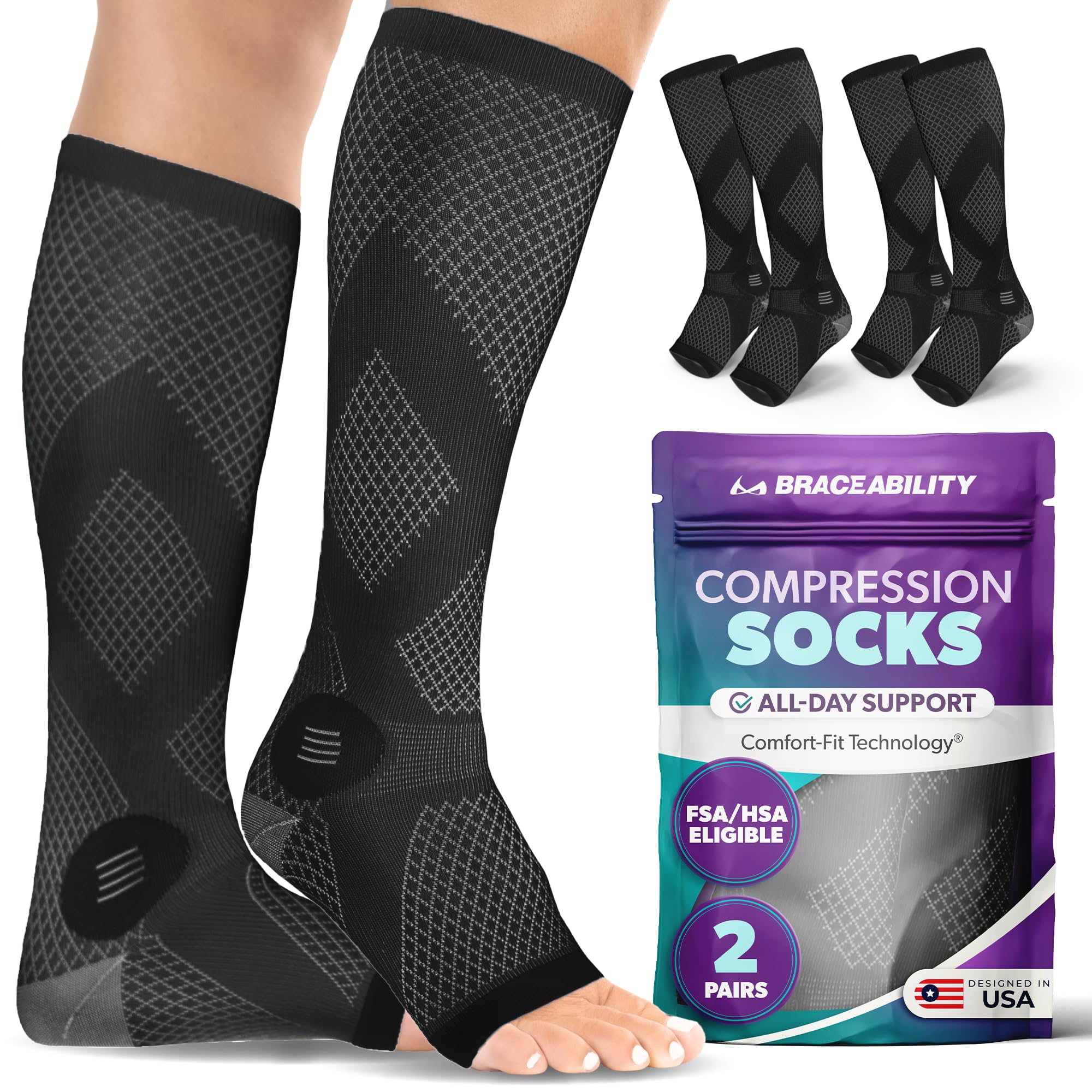
BraceAbility designed these socks specifically for conditions like neuropathy and restless leg syndrome, and you can feel the difference in the details. The open-toe option is a game-changer for anyone with toe ulcers, extreme sensitivity, or ingrown nails — it allows full freedom of movement while the rest of the foot receives therapeutic 20-30 mmHg compression. The fabric is a medium-weight knit that feels substantial without being stiff, and the moisture-wicking properties keep the skin dry enough to prevent fungal problems.
User reports are striking: one reviewer with severe lower-leg edema saw the swelling completely disappear after a single day and night of wear and did not recur even after a night without the socks. The graduated compression is firm but not punishing, and the non-binding top band stays in place without rolling. The closed-toe version is also available for those who prefer full coverage, but the toeless design is what makes this pair stand out for diabetic feet.
The main drawback is warmth and thickness — several users noted that the sock is bulky inside closed shoes and too hot for all-day wear in warm climates. The sizing also runs slightly large; if you are between sizes, going down will give you the proper compression level. For home use, night wear, or cooler months, this is an exceptionally effective medical tool.
Why it’s great
- Open toe design ideal for sensitive or ulcerated toes
- Eliminates severe edema in one day per customer reports
- Moisture-wicking fabric reduces fungal risk
Good to know
- Thick and warm, not ideal for summer or tight shoes
- Sizing runs large; size down for proper compression
3. BBFREY Medical Compression Socks (3-Pair)
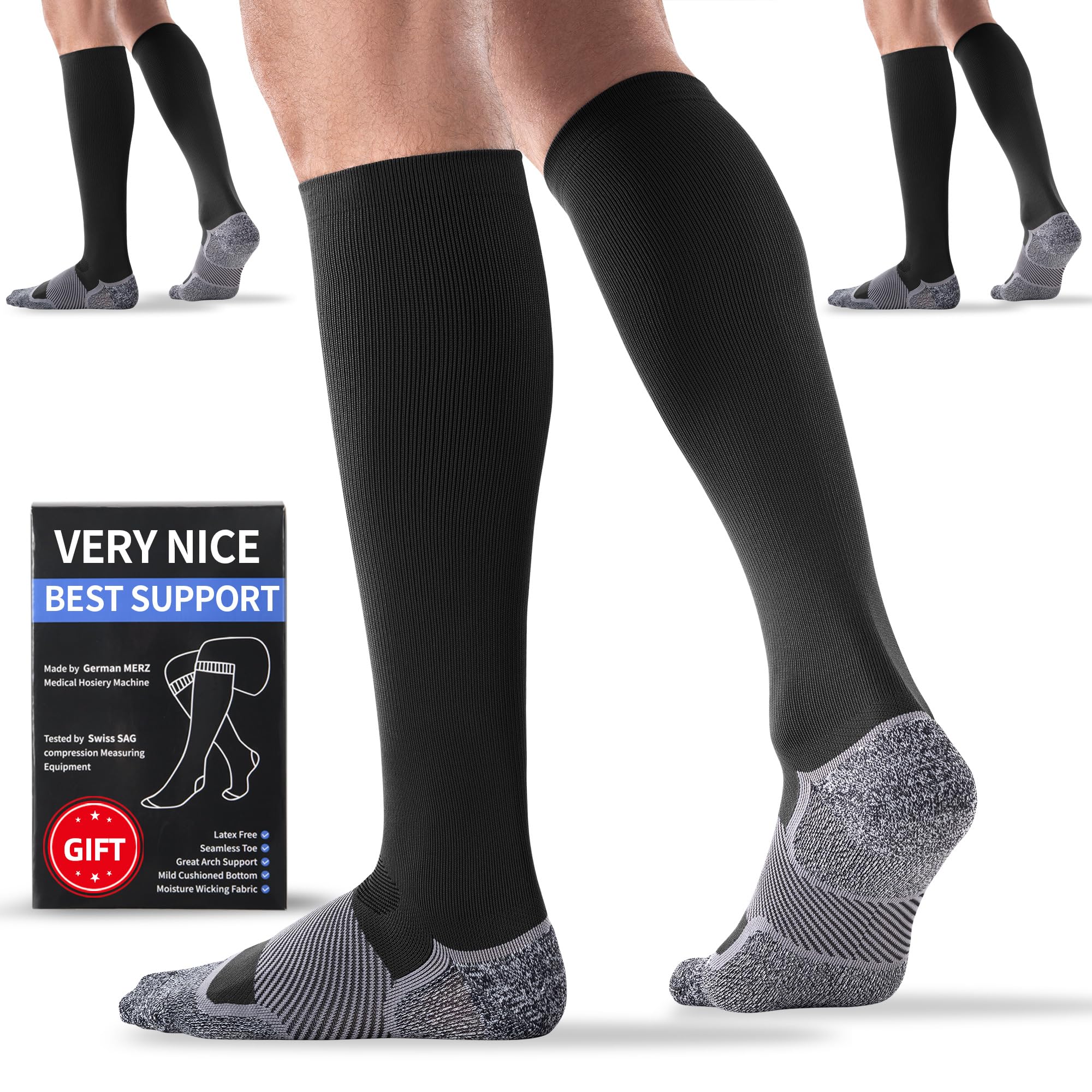
BBFREY uses German medical sock machines to knit these socks, and the result is a precise, consistent pressure profile that rivals more expensive brands. The three-pair pack is the standout value here — you can rotate, wash, and always have a clean, dry pair ready. The graduated compression from 20-30 mmHg is strongest at the ankle and foot, providing real therapeutic benefit for edema and poor circulation, while the top band is engineered to hold without bruising.
The anatomical left-right fit and seamless toe stitching prevent blisters and irritation, and the lightly cushioned heel and toe add comfort without bulk. Multiple reviewers with diabetic neuropathy report that these socks effectively reduce pain and swelling, and that the fabric (70% microfiber nylon) stays breathable even during 11-hour workdays. The size chart is based on calf circumference and shoe size — measure carefully, as the S/M fits a women’s 10.5 shoe and 14.5-inch calves accurately.
The trade-off is a limited color palette, and some users with very muscular or large calves found the sizing restrictive despite the diagrams. The fabric also runs slightly thin compared to premium single-pair options. But for the price of one premium pair, you get three socks that perform at a comfortably high level.
Why it’s great
- Three pairs per pack for rotation and savings
- German machine-knit for accurate graduated pressure
- Seamless toe and left-right anatomical fit
Good to know
- Limited color options
- Fabric runs thin; may not suit very cold climates
4. LEVSOX Plus Size Compression Socks (20-30mmHg)

For diabetic patients with larger calves or fluid retention in the lower legs, LEVSOX offers a dedicated plus-size fit that solves the most common fit failure: a top band that rolls down and becomes a constrictive ring. The 20-30 mmHg graduated compression is consistent and supportive, and the fabric includes 20% spandex, giving it enough stretch to avoid a cast-like feel. Real-world reviews confirm that these socks fit wide ankles and wide calves without digging, rolling, or leaving marks.
One user reported that severe edema and cracked skin on the lower legs healed within a week of wearing these socks daily. The toe area is thin and soft, which reduces the risk of irritation between numb toes, and the seam is flat enough to avoid poking.
The downsides are minor but worth noting: the socks run slightly long, and some users felt the top band rested too close to the back of the knee, causing discomfort when sitting. A strong soapy or mothball odor out of the package fades after the first wash. For anyone who has struggled with standard calf sizes, this is the most dependable wide-calf option in the mid-range.
Why it’s great
- Designed specifically for plus-size and wide calves
- Soft, thin toe fabric prevents irritation
- Rapid edema reduction reported by users
Good to know
- Slightly long; may hit behind the knee when sitting
- Strong initial odor that requires washing
5. Wellow Knee High Compression Socks (18-25mmHg)
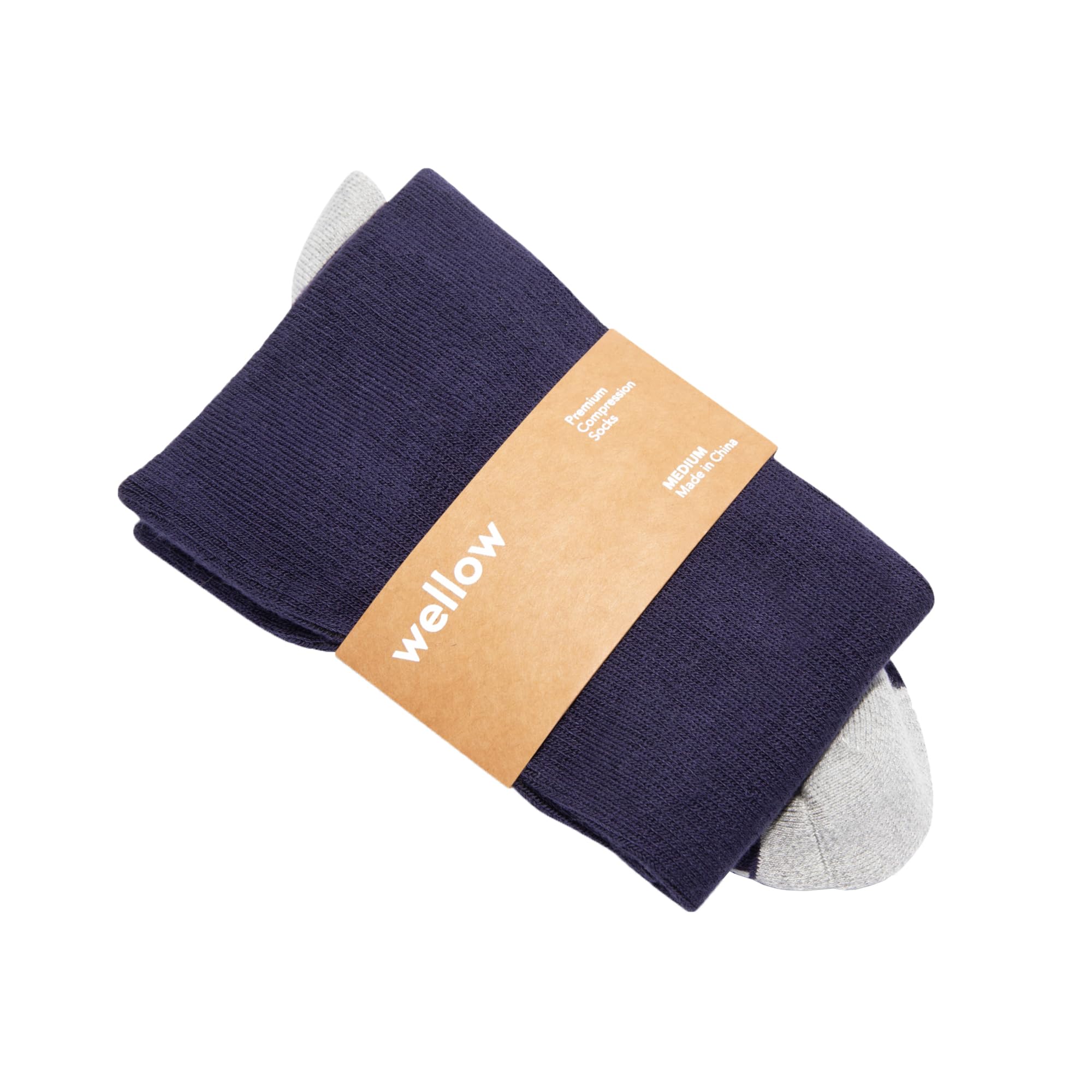
Wellow takes a different approach: instead of aggressive medical-grade pressure, they offer a gentler 18-25 mmHg compression in a bamboo viscose blend that feels thick, soft, and plush against the skin. For neuropathy patients who find 20-30 mmHg socks too constricting or hard to don, this lower pressure is easier to get on and still delivers meaningful circulation benefits. Multiple users on long flights reported zero post-travel swelling, and those with varicose vein pain noted significant relief.
The fabric is the star here — bamboo viscose is naturally moisture-wicking, breathable, and softer than nylon, which reduces friction on sensitive skin. The compression is graduated and consistent, even if it feels less intense than the 20-30 mmHg competition. The size Medium fits a women’s 10 with normal calves comfortably, and the sock stays in place without slipping down the calf.
The compromise is that the thick fabric may be too warm for summer wear or for people who run hot. The 18-25 mmHg range may not be strong enough for patients with severe edema or advanced neuropathy who need maximum fluid displacement. For travel, daily comfort, and preventing mild swelling, Wellow is the entry-level soft option that still delivers real results.
Why it’s great
- Ultra-soft bamboo viscose feels gentle on skin
- Lower pressure is easier to put on and remove
- Effective at preventing travel-related swelling
Good to know
- Thick fabric, not ideal for warm weather
- 18-25 mmHg may be too mild for severe edema
FAQ
Can I wear compression socks overnight with diabetic neuropathy?
What is the difference between 15-20 mmHg and 20-30 mmHg for neuropathy?
Should I choose open-toe or closed-toe compression socks for neuropathy?
Final Thoughts: The Verdict
For most users, the compression socks for diabetic neuropathy winner is the SB SOX 20-30mmHg because it delivers consistent graduated pressure, a non-binding top band, and proven long-term durability — all critical for daily neuropathic care. If you need an open-toe design for sensitive toes, grab the BraceAbility Open Toe. And for wide calves or fluid retention, nothing beats the LEVSOX Plus Size for a secure, comfortable fit.

Mo Maruf
I created WellFizz to bridge the gap between vague wellness advice and actionable solutions. My mission is simple: to decode the research and give you practical tools you can actually use.
Beyond the data, I am a passionate traveler. I believe that stepping away from the screen to explore new environments is essential for mental clarity and physical vitality.