Our readers keep the lights on and my smoothie glass nicely filled. As an Amazon Associate, I earn from qualifying purchases.
Garden bed soil is the single biggest variable between a so-so harvest and a truly spectacular yield. The wrong compost leaves your plants hungry, the right one feeds them for months.
I’m Mohammad Maruf — the founder and writer behind WellFizz. I’ve spent hundreds of hours digging into lab reports, customer experiences, and real-world application data to separate the products that actually build soil from those that just fill a bag.
This guide cuts through marketing fluff to help you select the exact best compost for garden beds that matches your planting style and budget.
How To Choose The Best Compost For Garden Beds
Not all compost is created equal. A bag that smells sour or contains visible wood chips is a sign of incomplete breakdown, which can rob your soil of nitrogen as it finishes decomposing. The key is to match the compost type to what you’re growing and how you intend to use it.
Manure-Based vs. Plant-Based vs. Worm Castings
Cow manure compost delivers a broad NPK profile with slow-release nitrogen that leafy greens and heavy feeders love. Plant-based composts, especially those with lobster or crab meal, add chitin that naturally suppresses soil-borne pests while providing calcium. Worm castings are the most biologically active option, teeming with beneficial microbes that improve soil structure over time.
Texture and Filtration
Coarse, unfinished compost can create air pockets that cause roots to dry out unevenly. Look for a finely sifted texture free of large sticks, rocks, or synthetic debris. High-quality compost should feel crumbly and moist, not sludgy or bone-dry.
Certifications and Additives
An OMRI listing confirms the compost meets organic standards and contains no prohibited synthetic chemicals. Some premium blends also include mycorrhizal fungi, which form a symbiotic relationship with plant roots to boost nutrient and water uptake — a legitimate advantage for transplanting and new beds.
Quick Comparison
On smaller screens, swipe sideways to see the full table.
| Model | Category | Best For | Key Spec | Amazon |
|---|---|---|---|---|
| Brut Cow Compost | Cow Manure | Vegetable gardens & flower beds | 10 quarts, OMRI certified | Amazon |
| Worm Bliss | Worm Castings | Indoor plants & moisture retention | 8 quarts, vegan diet | Amazon |
| Espoma Land and Sea | Seafood Blend | Transplants & container gardens | 1 cubic foot, with Myco-Tone | Amazon |
| Coast of Maine Bar Harbor | Potting Compost | Container vegetables & hanging baskets | 16 quart bag, with perlite | Amazon |
| Blue Ribbon Organics | Pure Organic | Augmenting existing raised beds | 7.9 gallons, OMRI certified | Amazon |
In‑Depth Reviews
1. Brut Cow Compost

This cow manure compost is finely sifted and completely odor-free, making it one of the most user-friendly soil amendments for both raised beds and indoor containers. The nitrogen, calcium, and iron content provides immediate feeding for heavy feeders like tomatoes and peppers without the risk of burning delicate roots.
Gardeners consistently report faster seedling growth when mixing this compost at a 3:2 ratio with standard potting soil. The texture is crumbly and consistent — no chunks of undecomposed material or synthetic filler that you sometimes find in cheaper blends.
As an OMRI-listed product, it’s suitable for organic gardening programs. The 10-quart bag is enough to amend a 4×4 foot bed or fill several large containers, giving you solid value for a premium mid-range option.
Why it’s great
- No offensive smell even when wet
- Fine, consistent texture that mixes evenly
- Safe for seedlings and tender transplants
Good to know
- Bag size is modest for large in-ground beds
- May need additional phosphorus for flowering plants
2. Worm Bliss Worm Castings

Worm castings are the gold standard for biological soil activity, and Worm Bliss delivers a very clean product with no sand, dirt, or synthetic additives. The castings are produced from worms fed a strictly vegan diet, which means no risk of unwanted hormones or antibiotics entering your garden soil.
The humus content dramatically improves water retention — a major advantage if you live in a dry climate or tend to forget watering. Users note that the castings stay consistently moist in the bag, a sign that the material is alive and active rather than heat-sterilized and inert.
For edible gardens where you want to avoid any manure-derived inputs, this is an excellent alternative. It also works beautifully as a top dressing for container plants that need a gentle nutrient boost without disturbing root systems.
Why it’s great
- Exceptionally clean with no debris or rocks
- Vegan production process eliminates contamination risk
- Improves soil aeration and moisture-holding capacity
Good to know
- Price per quart is higher than raw manure composts
- Not a complete fertilizer for heavy-feeding plants alone
3. Espoma Organic Land and Sea

Espoma’s Land and Sea blend is unique because it combines lobster and crab meal with a proprietary mix of endo and ecto mycorrhizae. The seafood-based ingredients provide chitin, which encourages beneficial soil fungi that naturally suppress root-feeding nematodes and other pests.
Gardeners report noticeably larger tomato yields and healthier leafy greens after using this as a soil amendment. The texture is dry and lightweight, which makes it easy to mix into existing beds, but it does require thorough incorporation to avoid dry pockets.
At one cubic foot, this bag covers significant ground and is ideal for transplanting day when you want to give new plants the best possible start. The inclusion of mycorrhizae is a real differentiator for sandy or degraded soils where root establishment is a challenge.
Why it’s great
- Lobster and crab meal add natural pest resistance
- Mycorrhizal fungi boost nutrient uptake in poor soils
- Long-standing brand with consistent quality
Good to know
- Dry texture needs thorough mixing to prevent dust when handling
- Strong seafood smell can attract animals if left uncovered
4. Coast of Maine Bar Harbor Blend
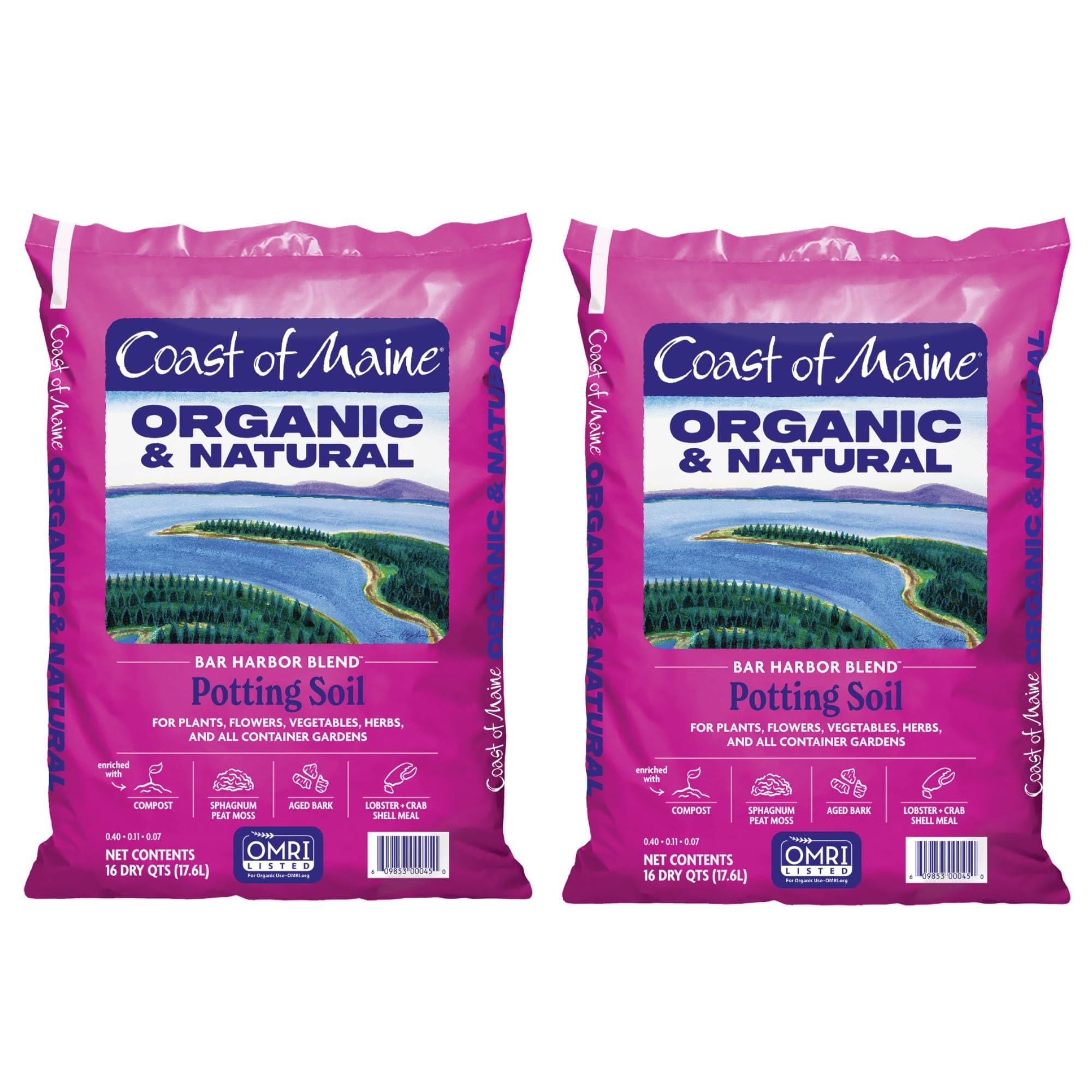
This is technically a potting soil, but its rich compost base — featuring sphagnum peat moss, lobster shell meal, and kelp meal — makes it a fantastic ready-to-use option for container garden beds. The perlite ensures excellent drainage and aeration, reducing the risk of waterlogged roots during heavy rain.
Users consistently praise the dark, crumbly texture that indicates a high compost-to-peat ratio. Unlike many mass-market bagged soils, this blend contains minimal wood debris or filler, and reviewers note the absence of weed seeds or fungus gnats.
For raised beds and large container gardens, this is a pour-and-plant solution that reduces the need for additional fertilizers early in the season. The slow-release nitrogen from natural sources feeds plants steadily without the burn risk associated with synthetic fertilizers.
Why it’s great
- Ready to use straight from the bag with no mixing required
- Excellent drainage from balanced perlite content
- No weed seeds or synthetic contaminants reported
Good to know
- Designed for containers, not pure in-ground bed filling
- Coastal availability can be limited in some regions
5. Blue Ribbon Organics OMRI Compost

Blue Ribbon Organics is widely referred to as “black gold” by experienced gardeners, and for good reason — this compost is uniformly dark, rich, and free of any sticks, plastic shards, or metal debris. The OMRI certification guarantees it’s suitable for certified organic operations, not just home gardens.
The texture holds moisture exceptionally well while remaining porous enough for good aeration. Many users report seeing live worms and beneficial insects in the bag, which is actually a positive indicator of a healthy, biologically active compost that hasn’t been sterilized into inertness.
Because of its premium price point per bag, this compost is best used strategically — as a top dressing for established beds, a soil amendment for specific planting holes, or mixed with cheaper bulk soil to upgrade the overall quality. It’s not the most economical choice for filling entire raised beds, but it’s unmatched for targeted improvement.
Why it’s great
- Extremely clean with zero synthetic contaminants
- Rich earthy smell indicates proper composting process
- Excellent for seed starting and container plants
Good to know
- High cost makes it impractical for large-scale bed filling
- Bag size is relatively small for the price
FAQ
Can I use compost straight out of the bag as potting soil?
How often should I add compost to my raised garden beds?
Is there a difference between composted manure and raw manure?
Final Thoughts: The Verdict
For most users, the best compost for garden beds winner is the Brut Cow Compost because it combines OMRI certification, a finely sifted texture, and a balanced nutrient profile that works for both vegetables and ornamentals without any odor issues. If you want to supercharge soil biology and improve water retention, grab the Worm Bliss Worm Castings. And for container gardeners who want a pour-and-plant solution, nothing beats the Coast of Maine Bar Harbor Blend for immediate results with zero mixing effort.

Mo Maruf
I created WellFizz to bridge the gap between vague wellness advice and actionable solutions. My mission is simple: to decode the research and give you practical tools you can actually use.
Beyond the data, I am a passionate traveler. I believe that stepping away from the screen to explore new environments is essential for mental clarity and physical vitality.