Our readers keep the lights on and my smoothie glass nicely filled. As an Amazon Associate, I earn from qualifying purchases.
A flower bed that barely blooms or looks ragged by mid-season isn’t failing because of bad luck. The real culprit is almost always soil that’s missing the steady microbial food web and slow-release organic matter only well-made compost provides. Think of compost as a living pantry for your flower roots — it feeds the soil biology, which in turn feeds your blooms, all while improving drainage and moisture retention exactly where annuals and perennials need it most.
I’m Mohammad Maruf — the founder and writer behind WellFizz. I’ve spent hundreds of hours analyzing the chemical breakdown, particle texture, organic certifications, and real-world user outcomes of the most popular bagged composts to find which ones actually deliver visible results in flower beds.
Whether you’re planting a new border, top-dressing established perennials, or amending heavy clay before spring, the right bag matters. This guide cuts through the marketing to find the best compost for flower beds based on nutrient content, soil structure benefits, and verified performance from seasoned gardeners.
How To Choose The Best Compost For Flower Beds
Not all bagged compost is created equal. Some are meant for vegetable gardens, others for lawns, and many are little more than glorified topsoil. When you’re feeding flower beds — where aesthetics, long-term soil health, and root depth matter — you need a compost that builds structure without burning tender ornamentals. Here’s what to look for.
Texture and Screening Grade
Flower beds benefit from a consistent, crumbly texture that integrates easily without leaving large woody chunks on the surface. A finely screened compost (typically ⅜-inch or smaller) spreads evenly as a top dressing and mixes uniformly into planting holes. Avoid products with large bark fragments or uncomposted wood fibers, which can tie up nitrogen as they break down.
Organic Certification and Ingredient Source
For flower beds, you want a compost free of synthetic additives, pesticides, and heavy metals. Look for OMRI-listed products or bags that explicitly state their source ingredients (dairy manure, worm castings, lobster meal, or plant-based materials). Manure-based composts are excellent for heavy feeders like roses and dahlias, while worm castings provide gentle, balanced nutrition without risk of burning.
Moisture Retention and Drainage Balance
Ideal flower bed compost holds moisture like a sponge yet drains well enough to prevent root rot. High-quality compost is dark, moist (but not muddy), and slightly springy when squeezed. This structure aerates clay soils and helps sandy soils retain water — a dual benefit that granular fertilizers simply cannot replicate.
Quick Comparison
On smaller screens, swipe sideways to see the full table.
| Model | Category | Best For | Key Spec | Amazon |
|---|---|---|---|---|
| Espoma Land and Sea | Premium | Nutrient boost for heavy bloomers | 1.0 cu ft bag | Lobster & Crab Meal | Amazon |
| Michigan Peat Wholly Cow | Mid-Range | Large beds & soil building | 40 Quart bag | Peat & Manure Blend | Amazon |
| R&M Organics Premium | Mid-Range | Targeted rescue & containers | 10 lb bag | Dairy Cow Manure | Amazon |
| Worm Bliss Castings | Premium | Gentle feeding & potted flowers | 8 Quart bag | 100% Pure Castings | Amazon |
| Brut Cow Compost | Budget | Value-minded bed amendments | 10 Quart bag | OMRI-Listed Manure | Amazon |
In‑Depth Reviews
1. Espoma Organic Land and Sea Gourmet Compost

Espoma’s Land and Sea is a specialized blend that stands apart from standard manure-based composts. The inclusion of lobster and crab meal provides a unique source of chitin — a natural polymer that stimulates soil microbes known to suppress certain fungal pathogens. Combined with Myco-Tone, a proprietary mix of endo and ectomycorrhizae, this compost actively colonizes flower roots to improve nutrient uptake from the very first season.
Gardeners using this product consistently report visibly larger blooms on hostas, roses, and flowering shrubs. The texture is dry and lightweight — almost like fine, dark coffee grounds — making it easy to mix into potting soil for containers or to broadcast over established beds. At a full cubic foot, it covers roughly 12 square feet at a 1-inch depth, giving you serious coverage for the weight.
Because it contains marine-based ingredients, the compost has a faint oceanic scent when first opened, but it dissipates quickly after application. It’s an excellent choice for heavy-feeding ornamentals that demand a steady supply of micronutrients beyond basic NPK. For gardeners who want to push their blooms to peak performance without synthetic fertilizers, this is the front-runner.
Why it’s great
- Unique marine-sourced nutrition boosts bloom size
- Mycorrhizae improve root efficiency immediately
- Lightweight, uniform texture mixes cleanly
Good to know
- Initial ocean smell may surprise indoor users
- Pricier per cubic foot than basic manure blends
2. Michigan Peat Baccto Wholly Cow Horticultural Compost
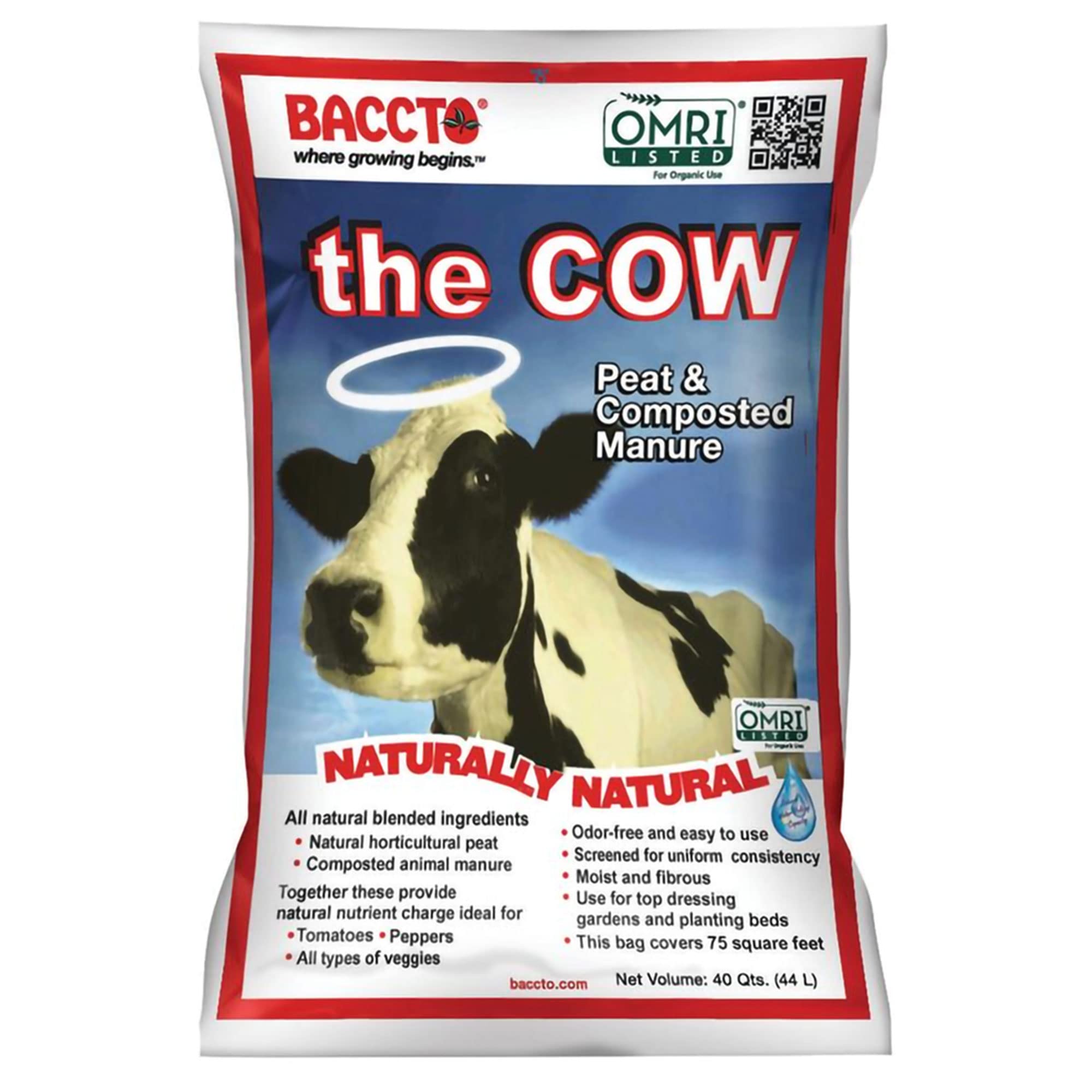
For gardeners tackling large flower beds or building soil from scratch, the Michigan Peat Wholly Cow bag is a workhorse. This 40-quart blend combines composted animal manure with natural peat to create a dark, fluffy, odor-free soil conditioner that improves both heavy clay and sandy loam. The peat component is key here — it adds organic matter that holds moisture without becoming waterlogged, while the manure provides a balanced nutrient release.
Users rave about its uniform consistency and lack of large debris. Unlike some bulk composts that arrive littered with sticks and bark chips, Wholly Cow is screened to a smooth, almost silty texture that integrates beautifully into planting beds. It has been used successfully as a mushroom substrate, which speaks to its cleanliness and microbial activity.
This is an outstanding option if you’re amending a new bed before planting or top-dressing a large area in spring. The 40-quart volume gives you roughly 1.6 cubic feet of material, enough to cover about 20 square feet at a 1-inch depth. It’s a premium volume play that saves you multiple trips to the garden center.
Why it’s great
- Large 40-quart bag offers best coverage per bag
- Virtually odorless with a pleasant earthy scent
- Fine, consistent texture with minimal waste
Good to know
- Heavy bag at 34 pounds may be hard to carry
- Peat content means slower initial microbial activation
3. R&M Organics Premium Organic Compost
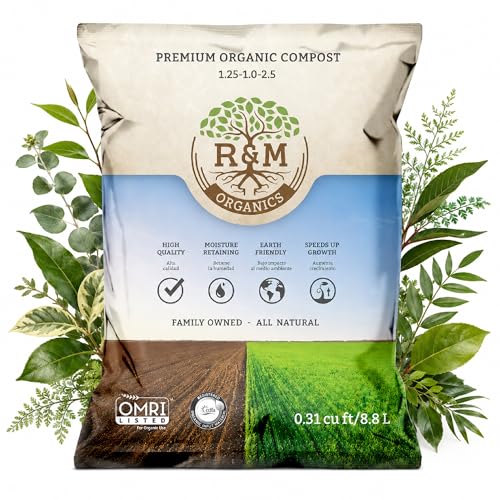
R&M Organics has carved a reputation as the “rescue compost” among gardeners with ailing plants. Its fully composted dairy cow manure is processed through continuous aeration, which eliminates the strong ammonia smell associated with raw manure and produces a clean, earthy product that won’t burn delicate roots. The 5:1 mixing ratio means it goes a long way — a 10-pound bag can treat multiple beds when used sparingly as a quarter-inch top dressing.
Verified customer stories include reviving azaleas damaged by chemical cleaners and turning yellow tomato leaves green within a week. This points to a compost that’s both biologically active and nutrient-dense. The texture is fine and soil-like, with no clumps or large fibers, making it suitable for indoor containers as well as outdoor beds.
This is the bag to grab when you need a targeted, high-impact amendment for a specific section of your flower bed. It’s also a great choice for raised beds where you want fast results without the bulk of a larger bag. Just keep in mind the 10-pound bag covers less area than larger volume options, so it’s best for smaller projects or spot treatments.
Why it’s great
- Low odor formula suitable for indoor use too
- Fine, crumbly texture integrates instantly
- Proven track record reviving stressed plants
Good to know
- Small bag size limits coverage for large beds
- Manure-based nitrogen may be too strong for native wildflowers
4. Worm Bliss Organic Earthworm Castings

Worm castings are the gold standard for gentle, balanced nutrition, and Worm Bliss delivers them without any diluting fillers. This is 100% pure earthworm castings — no manure, no synthetic additives, no sand or rocks. The worms are fed a strict vegan diet in a climate-controlled facility, ensuring a consistent product free from weed seeds and pathogens. The result is a dark, moist, almost fluffy material that smells like fresh forest floor.
What makes this ideal for flower beds is its ability to improve soil structure without the risk of nutrient burn. The humic acids in castings chelate nutrients, making them more available to plants over a longer period. Houseplant enthusiasts report monsteras and philodendrons pushing new leaves within weeks, while outdoor gardeners see roses and annuals produce deeper colors and sturdier stems.
The 8-quart bag is small by volume, but a little goes a long way. Mix it into potting soil at a 1:5 ratio or use it as a top dressing for container flowers. For gardeners who want the safest, most bioavailable compost for delicate ornamentals or seedlings, this is the premium choice. It’s also entirely vegan and manure-free, a significant consideration for some growers.
Why it’s great
- Zero risk of burning even sensitive seedlings
- Vegan, manure-free production process
- High humic acid content improves nutrient uptake
Good to know
- Small bag size means less coverage per dollar
- Moist consistency can attract gnats if stored improperly
5. Brut Cow Compost

Brut Cow Compost is an OMRI-listed, 100% pure composted cow manure that offers the most straightforward value proposition on this list. No additives, no fancy meals, no mycorrhizae — just thoroughly composted manure that’s been tested for safety and finely sifted for easy handling. It’s odor-free and safe for all plants, making it a reliable baseline for any flower bed amendment.
First-time gardeners find this compost especially forgiving. It won’t burn plants even when used generously, and it provides a steady supply of nitrogen, calcium, and iron that supports green growth and flower development. A 3:2 ratio of this compost to potting soil was used successfully by a beginner grower to raise tomatoes from seed, demonstrating its versatility.
For the budget-conscious gardener who needs to improve soil across a medium-sized bed without spending heavily, Brut delivers dependable results. The 10-quart bag is smaller than the Wholly Cow option but costs less per quart, making it a sensible entry point. Just be aware that it lacks the specialized fungal boosters or unique ingredients found in premium blends.
Why it’s great
- OMRI-listed organic certification
- Virtually no odor even in enclosed spaces
- Safe for delicate seedlings and first-time gardeners
Good to know
- No added mycorrhizae or specialized amendments
- Smaller bag may need multiple purchases for large beds
FAQ
How much compost do I need for a standard flower bed?
Can I mix different compost types together in one bed?
Is bagged compost safe for flower beds if it smells like ammonia?
Final Thoughts: The Verdict
For most flower bed gardeners, the hands-down winner for compost for flower beds is the Espoma Organic Land and Sea Gourmet Compost because its unique marine-ingredient formula and mycorrhizae deliver the most noticeable bloom boost with excellent soil-building properties. If you want massive volume for a large bed without sacrificing texture, grab the Michigan Peat Wholly Cow Compost. And for the gentlest, most foolproof amendment for delicate ornamentals and seedlings, nothing beats the Worm Bliss Pure Castings.

Mo Maruf
I created WellFizz to bridge the gap between vague wellness advice and actionable solutions. My mission is simple: to decode the research and give you practical tools you can actually use.
Beyond the data, I am a passionate traveler. I believe that stepping away from the screen to explore new environments is essential for mental clarity and physical vitality.