Our readers keep the lights on and my smoothie glass nicely filled. As an Amazon Associate, I earn from qualifying purchases.
A commuter helmet must balance weight, ventilation, and visibility features because you’re riding through traffic, not a mountain trail. A clunky, poorly ventilated lid turns every ride into a sweaty, miserable experience, and a helmet lacking integrated lights forces you to remember yet another gadget.
I’m Mohammad Maruf — the founder and writer behind WellFizz. My research involved cross-referencing safety certifications with real buyer feedback on fit, durability, and lighting performance across the daily commuter spectrum.
After analyzing dozens of models, I’ve narrowed the field to the seven helmets that genuinely serve the daily rider. This guide covers the best commuter bike helmet options for every budget and riding style.
How To Choose The Best Commuter Bike Helmet
Choosing a commuter helmet means prioritizing visibility accessories, ventilation at slow speeds, and a low-profile shape that doesn’t look out of place off the bike. Safety standards like CPSC are baseline, but rotational-impact systems (MIPS, KinetiCore, Koroyd) and dual certifications (NTA-8776 for e-bikes) are the differentiators.
Lighting and Visibility Features
Integrated LED lights remove the risk of forgetting or losing a separate tail light. Look for rechargeable front and rear units with multiple flash modes. Premium helmets now include turn signals controlled by a wireless remote — a feature that substantially improves hand‑signaling safety.
Fit, Ventilation, and Weight
A dial‑fit retention system is essential for a wobble‑free fit. For urban riding, aim for 15–20 vents to avoid overheating during stop‑and‑go traffic. Weight under 1 pound (450 grams) reduces neck fatigue on longer commutes. Magnetic buckles are a bonus for quick one‑handed fastening.
Safety Certifications Beyond CPSC
Standard CPSC certification covers pedal bicycles. If you ride an e-bike, look for NTA-8776 certification, which tests high‑speed impacts up to 28 mph. Rotational‑impact systems like MIPS, KinetiCore, or Koroyd add a layer of protection against angled crashes — a real concern in urban environments with curbs and vehicles.
Quick Comparison
On smaller screens, swipe sideways to see the full table.
| Model | Category | Best For | Key Spec | Amazon |
|---|---|---|---|---|
| Smith Engage MIPS | Premium | Trail & multi‑use commuters | Zonal Koroyd + MIPS, 20 vents | Amazon |
| Lumos Ultra | Premium | High‑visibility urban riding | Integrated turn signals, TÜV certified | Amazon |
| XNITO Urban | Premium | E‑bike & speed‑commute safety | Dual CPSC & NTA-8776 certified | Amazon |
| Thousand Heritage 2.0 | Mid‑Range | Style‑focused daily commuters | PopLock anti‑theft channel, leather liner | Amazon |
| LAZER Tempo KinetiCore | Mid‑Range | Entry‑level rotational protection | Built‑in KinetiCore rotational foam | Amazon |
| Giro Register II MIPS | Budget‑Friendly | Budget MIPS with reliable fit | Integrated MIPS, 280g weight | Amazon |
| Schwinn Beam Lighted | Budget‑Friendly | Affordable integrated rear light | Rear LED + reflective strips | Amazon |
In‑Depth Reviews
1. Smith Engage MIPS

The Smith Engage MIPS combines zonal Koroyd coverage with the MIPS rotational‑impact system, creating dual‑layer protection that vent far better than traditional EPS‑only designs. The 20 fixed vents channel airflow aggressively — reviewers consistently report staying cool even during hot, hard efforts. The adjustable visor moves into two positions, accommodating goggles or clearing your line of sight during high‑sun commutes.
At 20 grams listed item weight (the actual production weight is roughly 350–400g), this helmet feels notably light on the head. The Ionic+ lining manages sweat‑activated odor control, which is a real advantage for riders who wear the same helmet daily. The low‑bulb single‑layer webbing reduces strap bulk and irritation against the skin — a subtle ergonomic detail that makes a difference on long rides.
Owner feedback highlights the deep rear coverage that prevents the “mushroom head” look while securing the occipital region better than many urban helmets. The magnetic buckle is smooth but some users find it slightly fiddly when rushing. For riders who want maximum certified protection in a package that still ventilates and fits unobtrusively under a bike lock, this is the benchmark.
Why it’s great
- Koroyd + MIPS dual rotational protection
- Exceptional ventilation for hot‑weather commutes
- Low‑profile shape with deep rear coverage
- Ionic+ lining controls odor after daily riding
Good to know
- Buckle can feel stiff during fast fastening
- Color finishes appear washed out compared to renders
- No integrated LED lights for night riding
2. Lumos Ultra Bike Helmet
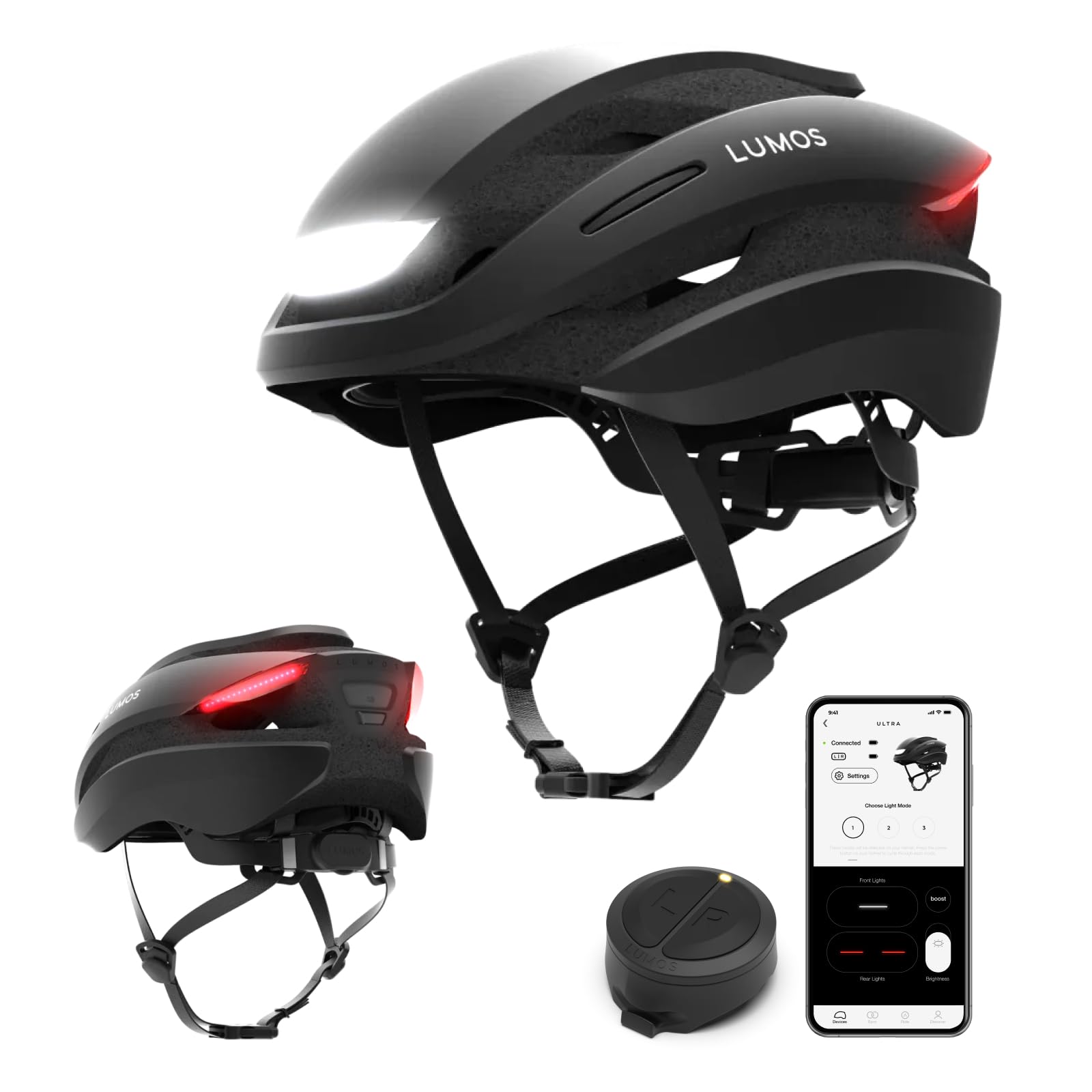
The Lumos Ultra redefines commuter visibility with a fully integrated LED lighting system that includes front lights, rear lights, and wireless turn signals activated by the included Remote Lite. This TÜV‑certified system provides 360° conspicuity that standalone clip‑on lights cannot match — the turn signals in particular remove ambiguity for drivers behind you at intersections.
Weighing 390 grams, it’s lighter than many smart helmets while still accommodating EPS foam and the electronics stack. The rear dial retention system locks the helmet in place without pressure points, and the matte charcoal finish blends seamlessly with urban gear. Battery life reaches up to 10 hours on lower light modes, and the USB‑C port makes nightly top‑ups trivial. The companion Lumos app allows brightness adjustment and light‑sync with compatible rear bike lights.
Users with rounder head shapes (often described as “Asian head syndrome”) report that the Ultra’s shape fits without the side‑pressure common in narrower helmets. The only real trade‑off is the absence of a rotational‑impact system on the non‑MIPS version — you can upgrade to a MIPS model at a higher cost. For daily riders who prioritize being seen over every ounce of weight savings, this is the most advanced lighting platform available.
Why it’s great
- Built‑in turn signals and brake light with remote
- USB‑C rechargeable, up to 10 hours battery
- Comfortable fit for round head shapes
- App‑controllable brightness and light modes
Good to know
- MIPS version costs more than standard model
- Weight is slightly higher than a pure road helmet
- Lights are complement, not replacement, for a dedicated headlight
3. XNITO Urban LED Helmet

The XNITO Urban is one of the few commuter helmets that carries both CPSC and NTA-8776 certification, meaning it passed the Dutch high‑speed e‑bike test for impacts at up to 28 mph. This makes it the safest choice for riders on Class 3 e‑bikes, e‑scooters, or onewheels. The EPS foam layer is thicker than typical CPSC‑only helmets, providing extra coverage around the temples and rear of the skull.
The integrated LED lights cover both front and rear, with three modes (flash, static, and wavy) that improve night visibility by up to 100 percent according to the manufacturer. The USB‑C rechargeable system is water‑resistant, and the magnetic clasp makes one‑handed fastening effortless — a feature that garners repeated praise from reviewers who survived crashes and noted the buckle held without failure. At 13.28 ounces (376g), it’s impressively light for a dual‑certified helmet.
Ventilation is handled by 10 strategically placed inlets and internal cooling channels, which keep air moving even at slower urban speeds. The removable fabric visor provides sun protection without adding aerodynamic drag. The only notable drawback is the lack of high/low brightness adjustment on the lights — they’re either on or off. For commuters who ride an e‑bike or simply want an extra safety margin, the XNITO Urban delivers class‑leading crash protection.
Why it’s great
- Dual CPSC & NTA-8776 certification for high‑speed impacts
- Integrated front/rear USB‑C rechargeable lights
- Magnetic buckle for quick one‑handed fastening
- Lifetime accident replacement guarantee
Good to know
- No high/low light brightness setting
- Fits smaller heads better; XL options limited
- Charger not included (USB‑C cable only)
4. Thousand Heritage 2.0

The Thousand Heritage 2.0 proves a commuter helmet can be genuinely stylish without compromising safety. Its low‑profile, retro‑inspired shape with a subtle brim looks natural off the bike — you won’t feel awkward wearing it into a coffee shop. The interior leather liner and magnetic clasp (which takes a few rides to master) create a premium feel that justifies the mid‑range price point.
The defining commuter feature is the PopLock channel hidden behind the front logo: slide your U‑lock or chain lock through it, and you can leave the helmet locked to your bike while you shop or work. This eliminates the need to carry a bulky helmet around — a major quality‑of‑life improvement for daily riders. The Dial Fit System provides micro‑adjustment for a snug, wiggle‑free fit, and the 10 vents are arranged inconspicuously for a clean look while still moving air effectively.
Reviewers consistently describe the Heritage 2.0 as the most comfortable helmet they’ve worn, with padding that contours to oval head shapes without pressure points. The rear reflector slot is a small but welcome touch. The main trade‑off is the absence of integrated lights — you’ll need to add your own for night riding. For the urban rider who values aesthetics and convenience over flashy electronics, this is a near‑perfect daily companion.
Why it’s great
- PopLock channel lets you lock helmet to your bike
- Elegant leather interior with magnetic buckle
- Extremely comfortable for oval head shapes
- Anti‑theft & accident replacement guarantees
Good to know
- No integrated lighting for night visibility
- Magnetic clasp takes practice to close confidently
- Limited vent count compared to sportier helmets
5. LAZER Tempo KinetiCore
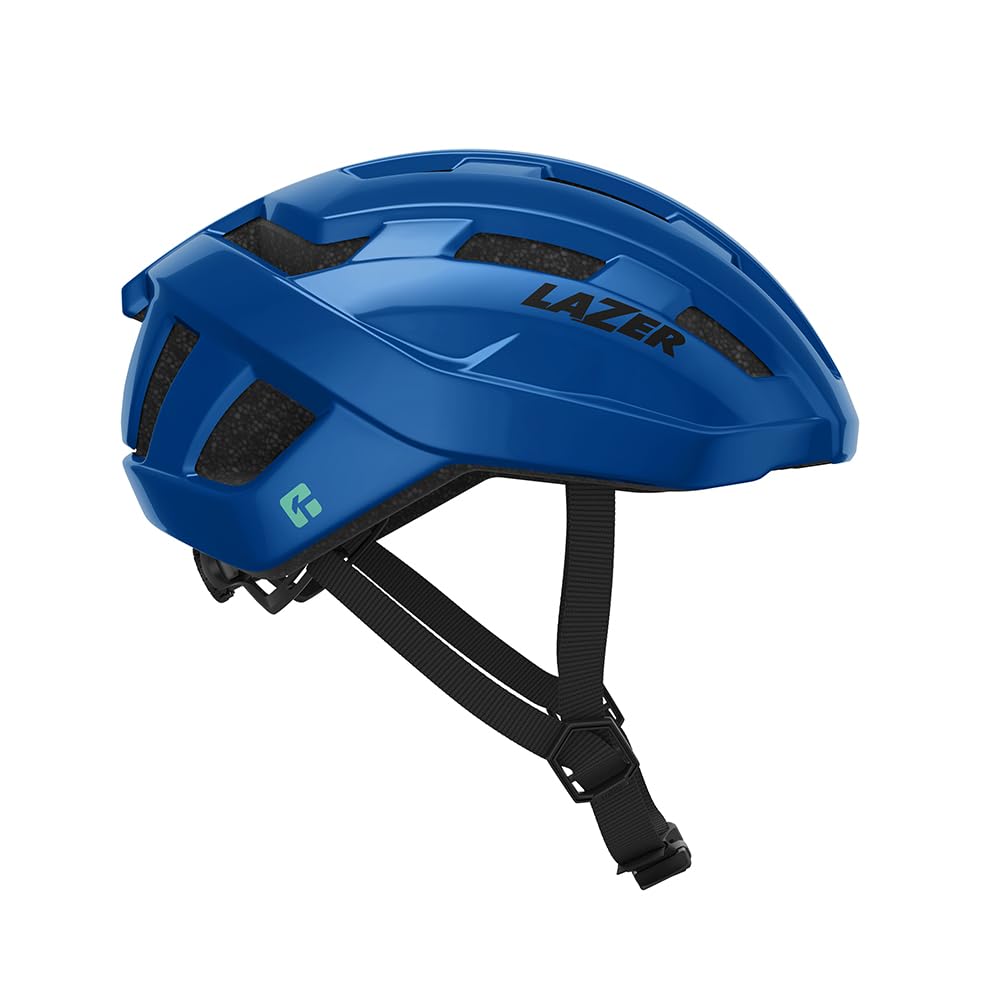
LAZER’s Tempo KinetiCore brings rotational‑impact protection to a price point that undercuts most MIPS helmets. Rather than adding a separate slip‑plane liner (as MIPS does), KinetiCore integrates collapsible blocks directly into the EPS foam. This keeps the helmet lighter (475g) and simpler, with no extra parts that could wear or break over time.
The TurnSys dial adjustment is bright and intuitive — one twist locks the helmet securely against the occipital curve. The shell accommodates the Universal LAZER LED, a clip‑on rear light that attaches cleanly to the rear vent. With 18 vents, airflow is generous enough for summer commutes, and the one‑size‑fits‑all approach actually works thanks to the generous adjustment range. Consumer Reports has recommended this model, which adds a layer of third‑party validation that budget‑conscious buyers appreciate.
Owner feedback emphasizes the comfort for first‑time helmet wearers — the padding sits softly without pressure ridges, and the lightweight construction reduces the “I’m wearing a helmet” feeling. The main sacrifice is aesthetic: the Tempo has a traditional road‑helmet silhouette with visible venting, not the clean urban look of the Thousand or Smith. For riders who want certified rotational protection without paying a premium, this is a uniquely strong value.
Why it’s great
- Integrated KinetiCore rotational protection at a competitive price
- LED‑light compatible with official LAZER clip‑on
- Consumer Reports recommended model
- TurnSys dial provides quick, micro‑adjustable fit
Good to know
- Traditional road‑helmet styling, not low‑profile
- LED light sold separately
- One‑size approach may not suit very large or very small heads
6. Giro Register II MIPS
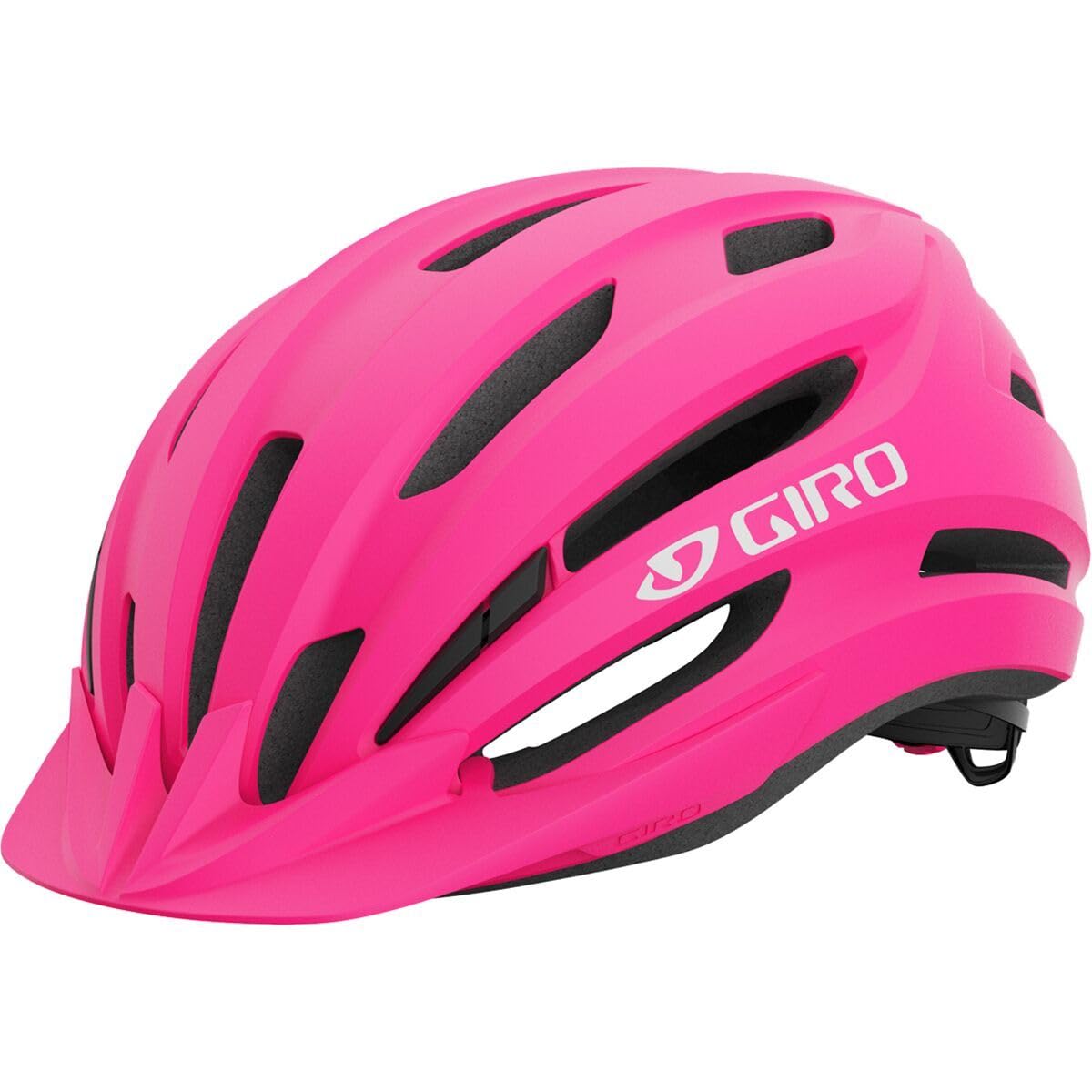
The Giro Register II MIPS is the lightest helmet on this list at 280g, making it virtually unnoticeable during a long commute. The two‑piece shell combines a hard outer shell with an in‑mold polycarbonate lower wrap, striking a balance between durability and weight reduction. The integrated MIPS low‑friction layer is positioned inside the liner, where it can rotate on impact to reduce rotational forces transferred to the brain.
The Universal Fit sizing system uses proprietary shell shapes matched to customer head‑size data, which means most riders get a solid fit out of the box without trying multiple sizes. The Roc Loc dial provides reliable rear adjustment, though some users report the plastic dial can feel fragile after heavy daily use. The 280g weight makes this a favorite for riders who wear a helmet liner in winter and need extra room without adding bulk.
Ventilation is adequate for city riding, with 16 vents and deep internal channels that move air effectively. The matte colors (including the bright pink option chosen by several reviewers for visibility) hold up well to daily wear. The main downsides are the lack of integrated lights and the weak visor attachment — the visor snaps in without pins and can dislodge under wind pressure. For the price, however, getting MIPS at this weight is a remarkable value proposition.
Why it’s great
- Only 280g — extremely lightweight for a MIPS helmet
- Universal Fit system works well for most head shapes
- MIPS rotational protection at a budget‑friendly price
- Bright color options enhance daytime visibility
Good to know
- No integrated lighting for night riding
- Roc Loc dial plastic can break with heavy use
- Visor attachment is weak and may detach easily
7. Schwinn Beam Lighted Helmet

The Schwinn Beam Lighted Helmet is the entry‑level champion for riders who want integrated lighting without spending over entry‑level prices. The rear LED light is bright and easy to toggle, with a simple battery compartment that’s straightforward to replace. Reflective strips on the top and sides add passive visibility when light hits the helmet, making this one of the most conspicuous budget helmets available.
At 0.8 pounds (363g), it’s competitive with helmets costing twice as much. The 17 air vents keep airflow consistent, and the three‑piece microshell construction offers better durability than single‑shell designs at this price. The removable sun visor is a welcome addition for early‑morning or late‑afternoon commutes when glare is at its worst. The dial retention system provides a secure fit, though the padding is less plush than mid‑range options.
Reviewers who crashed while wearing the Beam report that the EPS foam absorbed impact well and the helmet protected their head without fail. The LED battery is easily user‑replaceable, which extends the helmet’s useful life beyond rechargeable models with sealed batteries. The biggest downside is the buckle position — some testers found it sits against the Adam’s apple, a common complaint on budget helmets. For price‑conscious commuters who refuse to compromise on basic visibility, this is a solid, safe choice.
Why it’s great
- Integrated rear LED with user‑replaceable battery
- Lightweight at 363g with 17 vents
- Reflective strips provide additional passive visibility
- Proven crash protection in owner reports
Good to know
- Buckle position can irritate the throat on some riders
- Padding is less plush than mid‑range competitors
- No rotational‑impact system (MIPS/KinetiCore/Koroyd)
FAQ
Is MIPS worth it for a short city commute?
Can I use a mountain bike helmet for commuting?
How do I clean a commuter helmet’s padding?
Final Thoughts: The Verdict
For most users, the best commuter bike helmet winner is the Smith Engage MIPS because it combines dual rotational‑impact protection with exceptional ventilation and a low‑profile shape that works both on trails and city streets. If you want a fully integrated lighting system with turn signals, grab the Lumos Ultra. And for e‑bike riders who need higher‑speed crash certification, nothing beats the XNITO Urban.

Mo Maruf
I created WellFizz to bridge the gap between vague wellness advice and actionable solutions. My mission is simple: to decode the research and give you practical tools you can actually use.
Beyond the data, I am a passionate traveler. I believe that stepping away from the screen to explore new environments is essential for mental clarity and physical vitality.