Our readers keep the lights on and my smoothie glass nicely filled. As an Amazon Associate, I earn from qualifying purchases.
A commercial pellet smoker has to do more than just cook meat—it must hold steady temperatures through a 16-hour brisket cook, produce enough smoke flavor to satisfy a BBQ competition judge, and have the physical capacity to feed a crowd or a catering order without breaking down. The market is split between vertical cabinet smokers that maximize vertical space for volume, traditional offset barrel-style grills that prioritize searing power, and the emerging dual-chamber designs that attempt to do both. The wrong choice means wasted pellets, unevenly cooked food, and a unit that rusts out or suffers controller failure within a year of heavy use.
I’m Mohammad Maruf — the founder and writer behind WellFizz. This guide is built on hundreds of hours analyzing raw customer feedback, technical spec sheets, and real-world performance data to separate the pitmasters’ workhorses from the weekend-warrior grills.
From the massive cabinet-style cookers to the top-tier pellet grill combos, finding the right unit for your operation comes down to construction material, temperature stability, and total usable space. This is the ultimate breakdown of the best commercial pellet smoker options that actually deliver professional-grade results.
How To Choose The Best Commercial Pellet Smoker
Selecting a commercial-tier pellet smoker is a decision that will affect your cook quality, operational costs, and workflow for years. The following factors are what separate a reliable pit machine from a frustrating, high-maintenance grill.
Construction Material and Insulation
The gauge of steel and whether the walls are double- or single-layered determines how well the smoker retains heat, how much pellet fuel it wastes, and whether it can maintain low temperatures in cold or windy environments. Double-wall steel construction is the minimum for any smoker intended for year-round use or long overnight cooks. High-grade stainless steel resists rust far better than painted alloy steel, which is a critical consideration for a unit that will live outdoors or in a commercial kitchen environment.
Cooking Capacity and Shelf Configuration
Total square inches can be misleading if vertical clearance prevents you from fitting full briskets or racks of ribs. Pay attention to the number of racks, the spacing between them, and the internal height. A vertical cabinet smoker with 10 cubic feet of space and 3.5-inch rack spacing is effectively useless for large cuts, while a wider spacing can accommodate whole shoulders and rib racks. For high-volume cooks, the ability to fit multiple hotel pans or full sheet trays is a major workflow advantage.
Temperature Control System (PID vs. Standard)
A PID (Proportional-Integral-Derivative) controller is the industry standard for consistent temperature maintenance, holding the setpoint within a 5–10 degree Fahrenheit window. Smokers without PID control tend to swing by 20 degrees or more during pellet feeding cycles, which ruins the bark development on brisket and can lead to dry meat. Some premium units also add a convection fan to force heat across all racks equally, eliminating hot spots that are common in simple vertical designs.
Pellet Hopper Size and Fuel Efficiency
For commercial use, a hopper that holds 20 pounds or more is the baseline. A 40-pound hopper can run uninterrupted for 30–40 hours at 225°F, which is essential for overnight cooks or multi-day smoking runs. Fuel efficiency is also tied to insulation quality—a poorly insulated smoker burns through pellets at a much higher rate to maintain temperature, directly cutting into your profit margin if you are selling the finished product.
Quick Comparison
On smaller screens, swipe sideways to see the full table.
| Model | Category | Best For | Key Spec | Amazon |
|---|---|---|---|---|
| Pellet Pro 2300 | Vertical Cabinet | High-volume catering | Double-wall 18-gauge steel, 10 cu ft | Amazon |
| Kamado Joe Big Joe III | Ceramic Kamado | Versatile high-heat & smoke | Ceramic body, 450 sq in, 750°F max | Amazon |
| recteq DualFire 1200 | Dual-Chamber | Hot & fast plus low & slow | PID control, dual chambers, 700°F max | Amazon |
| recteq Flagship 1600 | Full-Size Barrel | Whole-hog & large briskets | 1667 sq in, 40 lb hopper, PID | Amazon |
| Traeger Ironwood 885 | Mid-Size Barrel | Smart-controlled smoking | 885 sq in, D2 controller, Super Smoke | Amazon |
| HAKKA DSH-S50B | Vertical Electric | Budget vertical capacity | 8 racks, 111 lb, NSF rated | Amazon |
| Traeger Woodridge Pro | Entry-Level Mid | Weekend bulk batches | 970 sq in, WiFIRE, Super Smoke | Amazon |
In‑Depth Reviews
1. Pellet Pro 2300 Vertical Pellet Smoker

The Pellet Pro 2300 is a vertical cabinet smoker with the most usable cooking volume in this lineup—10 cubic feet across three stainless steel grates plus a rib rack. This is not a grill for backyard burgers; it is a production machine designed to run multiple briskets, dozens of chicken halves, or several pork shoulders simultaneously. The 18-gauge double-wall construction gives it excellent thermal mass and stability, and the integrated convection fan pushes heat evenly across all three cooking levels, which is the single biggest advantage over a standard vertical smoker that suffers from hot and cold zones.
The proprietary PID controller is the heart of this unit, maintaining temperature within 5–10 degrees of setpoint. Owners report that once the initial setup hurdles—vague assembly instructions and a preliminary flue drilling step—are overcome, the smoker performs exceptionally well, holding steady even in cold weather. The hopper is a moderate size, but the double-wall insulation means fuel consumption is noticeably lower than a single-wall barrel grill running the same load.
A few trade-offs exist: the grates are sharp-edged and have caused cuts during handling, and some users note that the convection fan reduces smoke flavor compared to a still-air smoker. Additionally, the control panel sits low to the floor, making it slightly harder to read for taller users. However, for pure production volume and temperature consistency, this smoker stands apart from the rest.
Why it’s great
- Double-wall construction with convection fan for even heat across all racks.
- Massive 10-cubic-foot capacity for high-volume commercial or catering cooks.
- PID controller holds temperature within 5–10°F of setpoint reliably.
- Includes a cover and free home delivery, which is rare for a smoker of this size.
Good to know
- Assembly requires drilling flue holes and interpreting vague instructions.
- Convection fan reduces smoke flavor compared to traditional still-air smokers.
- Stainless steel grates have sharp edges that can cause injuries during handling.
- Control panel placement on the lower front may be difficult to read for some users.
2. Kamado Joe Big Joe Series III 24-inch

The Kamado Joe Big Joe III occupies a unique position in the commercial pellet smoker landscape because it is not a pellet smoker—it is a ceramic charcoal grill that functions as an elite smoker when equipped with the SlōRoller Hyperbolic Smoke Chamber. This distinction matters because ceramic construction offers unmatched temperature retention: owners report holding 320°F for nine hours on just 1.5 pounds of charcoal in freezing 23°F weather. The 24-inch cooking surface provides 450 square inches of direct grate area, but the 3-tier Divide & Conquer system effectively triples your usable space by allowing different cooking methods across multiple levels at different temperatures.
The SlōRoller insert is the key hardware here—a Harvard-science-derived airflow design that rolls smoke and heat in recirculating waves around the food. This produces bark development and smoke penetration that many pitmasters say rivals or exceeds a dedicated offset smoker, while using a fraction of the fuel. The Kontrol Tower top vent and Air Lift hinge make temperature management and dome access effortless, allowing you to smoke at 225°F or sear at 750°F without changing fuel or configuration.
The biggest limitation is total quantity: you cannot fit dozens of racks of ribs or multiple full packer briskets inside a 24-inch ceramic dome. This is a premium smoker for quality over raw volume—ideal for a boutique catering operation or a restaurant that runs small-batch, high-quality smoked meats. The price also places it firmly in the investment tier, and the weight (over 200 pounds) means a permanent placement is required.
Why it’s great
- Ceramic construction with incredible heat retention; uses minimal fuel over long cooks.
- SlōRoller system produces smoke distribution superior to most horizontal pellet smokers.
- 3-tier cooking system allows simultaneous smoking, searing, and roasting at different temps.
- Single-finger Air Lift hinge makes opening the heavy dome effortless and safe.
Good to know
- Not a pellet smoker; requires lump charcoal and wood chunks as fuel.
- Total cooking quantity is limited compared to vertical cabinet units with larger cubic footage.
- Very heavy and requires two people for safe assembly and permanent placement.
- Premium price tier; not a budget option for entry-level commercial operations.
3. recteq DualFire 1200 Wood Pellet Smoker

The recteq DualFire 1200 is the first unit in this list that solves the single biggest problem with pellet smokers: they cannot sear hot enough. This smoker uses two separate cooking chambers—one for low-and-slow smoking at 180°F and one that reaches 700°F for direct high-heat searing, baking, or grilling. This dual-chamber architecture means you can smoke a brisket for 12 hours and then transfer a steak to the sear chamber without lighting a second grill or using a separate skillet. The PID controller is recteq’s rock-solid algorithm, which owners consistently describe as holding temperature within 5 degrees of setpoint.
Build quality on the DualFire 1200 is high-grade stainless steel throughout, and the assembly is straightforward compared to the more complex vertical cabinet units. The Wi-Fi connectivity through the recteq app allows remote temperature monitoring and recipe control. Users who upgraded from other popular brands consistently report that the recteq holds temperature better, uses pellets more efficiently, and feels more solid during assembly and daily use. The optional cold smoke box attachment also adds versatility for cheese or fish smoking.
Potential downsides include the large footprint and the need for adequate clearance to swing the lid open on both chambers. The price is firmly in the premium tier, though owners argue it replaces both a smoker and a searing grill, making it a cost-effective two-in-one for a commercial kitchen or a serious backyard operation. The 1200 is not the largest capacity smoker here, but for operations that need the versatility of high-heat cooking alongside smoking, it is the most functional option.
Why it’s great
- Two separate chambers allow simultaneous smoking and high-heat searing or grilling.
- PID controller delivers exceptional temperature stability within 5°F of setpoint.
- High-grade stainless steel construction with excellent assembly fit and finish.
- Wi-Fi app with remote monitoring and recipe features enhances operational control.
Good to know
- Large physical footprint requires ample patio or deck space for placement.
- Not the highest cooking capacity options are larger.
- Premium price point; considered an investment for dual-function capability.
4. recteq Flagship 1600 Pellet Grill Smoker
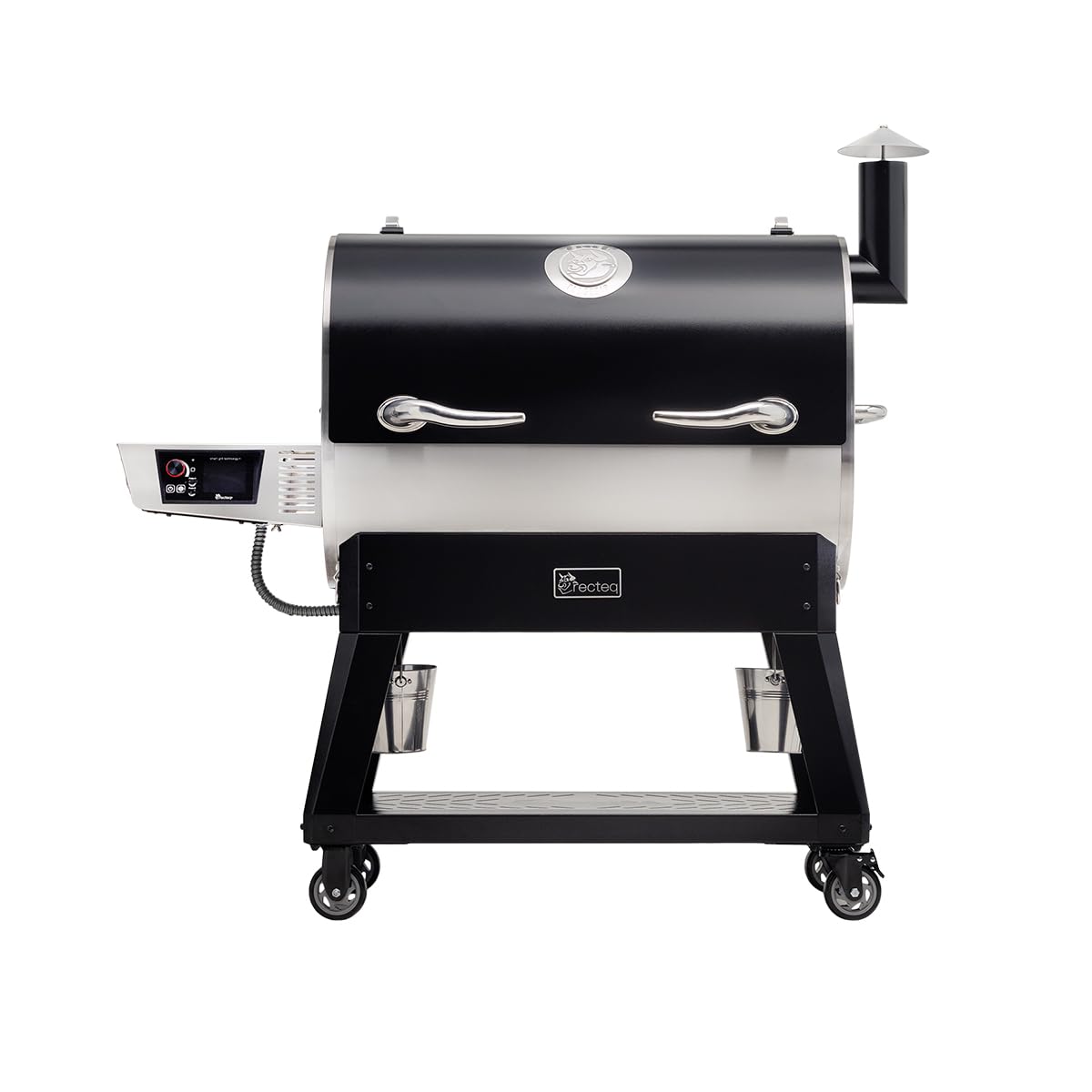
The recteq Flagship 1600 is the largest single-cookbox pellet smoker on this list, with 1,667 square inches of cooking surface spread across multiple shelves. This is the unit to buy if you need to smoke four full-packers at once, multiple pork butts, or enough chicken to serve a wedding reception. The 40-pound hopper is the largest capacity here, enabling up to 40 hours of continuous low-and-slow cooking without refueling—a massive operational advantage for overnight cooks or multi-day smoking runs. The PID temperature control system holds within 5 degrees of the setpoint, producing consistent bark and smoke ring development across every cook.
The construction is all high-grade stainless steel, and recteq backs it with a bumper-to-bumper warranty that users consistently praise as best-in-class. Owners highlight the exceptional customer service—one owner reported a minor wire damage during shipping and had a replacement part shipped overnight without any hassle. The temperature range from 180°F to 700°F covers everything from delicate cold smoking to high-heat searing, and the recteq app is reliable for remote monitoring and recipe creation. The unit weighs 230 pounds, so it requires a permanent location and two-person assembly.
The only real drawback is that, like all single-chamber pellet grills, the Flagship 1600 does not have a dedicated high-heat searing chamber—for searing steaks at 700°F, the grill needs to ramp up from smoking temps, which takes time. The hopper design also leaves a small amount of pellets inaccessible at the bottom. Otherwise, this smoker offers the best combination of raw capacity, build quality, and temperature precision for serious commercial or large-event smoking.
Why it’s great
- Enormous 1,667 sq in capacity fits 4+ briskets or dozens of ribs simultaneously.
- 40-pound hopper enables 30–40 hours of continuous smoking at 225°F without refilling.
- PID controller maintains temperature within 5°F of setpoint for consistent results.
- Stainless steel construction with industry-leading bumper-to-bumper warranty.
Good to know
- No dedicated high-heat searing chamber; searing requires temp ramp-up time.
- Hopper design leaves a small amount of pellets inaccessible at the bottom.
- Extremely heavy at 230 pounds; requires permanent placement and two-person assembly.
5. Traeger Ironwood 885 Wood Pellet Grill

The Traeger Ironwood 885 occupies a sweet spot in the mid-range premiere tier—it is large enough for serious smoking (885 square inches across two tiers) but priced well below the flagship capacity units. The D2 controller with WiFIRE technology is Traeger’s best iteration: it runs a PID algorithm that maintains steady temperatures, supports the Super Smoke mode (which adds extra smoke output at the push of a button), and includes Keep Warm Mode for holding finished food at serving temperature. The app is widely praised for its intuitive interface, allowing you to monitor probe temperatures and pellet levels from anywhere.
Double-wall insulation is standard on the Ironwood, making it functional in cold climates where cheaper single-wall smokers fail to hold temperature. Owners report preheating times under 15 minutes and excellent smoke ring development on brisket and pork shoulder. The cooking capacity is enough for 2–3 packer briskets or up to 7 racks of ribs, which suits a small commercial catering operation or a dedicated home pitmaster. The build quality is solid—steel body with textured grip handles and a built-in pellet sensor with a convenient light.
Criticisms center on pellet efficiency: the Ironwood burns through pellets at a higher rate than some competitors, especially in cold weather or at higher cooking temps. The drip pan liners are proprietary and expensive, and the lid hinge assembly feels slightly lighter than the recteq or Kamado Joe units. For a mid-range smoker that delivers consistent results and smart features at a more accessible price point, the Ironwood 885 remains a strong contender.
Why it’s great
- D2 PID controller with WiFIRE app for remote monitoring and temperature control.
- Super Smoke mode delivers noticeably more wood flavor at low cooking temperatures.
- Double-wall insulation allows stable performance in cold weather climates.
- Ample 885 sq in capacity for small to mid-sized commercial cooks.
Good to know
- Pellet consumption is higher than some comparable mid-range competitors.
- Proprietary drip pan liners are expensive and not available from third-party sellers.
- Lid hinge and overall build feel slightly less robust than premium-tier options.
6. HAKKA Commercial Electric Smoker DSH-S50B
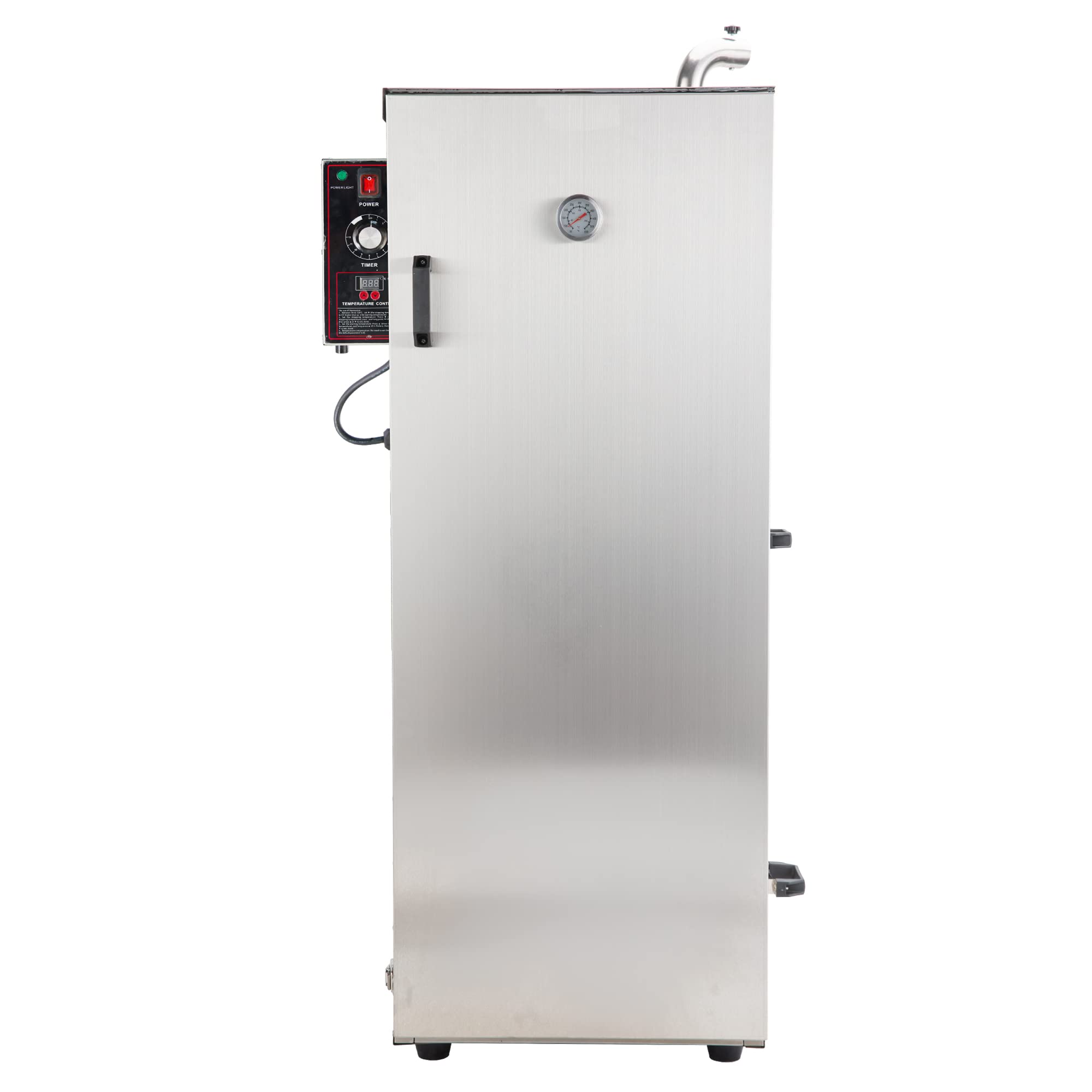
The HAKKA DSH-S50B is a vertical electric smoker that targets the budget-conscious food service operator who needs NSF certification for health code compliance and a large vertical capacity (8 racks) for volume production. The internal volume accommodates four full-size hotel pans or up to 40 pounds of meat across the eight shelves, with 3.5 inches of vertical spacing that fits full briskets and pork butts. The insulated steel body is well-regarded for minimal heat loss, and the temperature range from 30–120°C (86–248°F via the controller conversion) covers most smoking and roasting applications.
Users who have owned this unit for extended periods report that once the initial setup quirks are resolved—primarily the confusion of a Celsius-default controller with Fahrenheit labeling, and a minor smoke leak at the door—the HAKKA performs reliably for volume production. The side-loading wood chip tray is convenient, though some experienced users bypass it by using a shallow stainless steel bowl placed directly on the heating element for more smoke output. The ability to hold four large pans means you can run production batches of bacon, hams, sausages, or chicken quarters without needing to rotate racks.
The biggest concerns are structural quality and customer support. Multiple reports of units arriving with damage or failing within 2–3 years of use, a high return rate, and a confusing refund process. The controller is not a true PID system, which means temperature swings are wider than premium options. The included thermometer is famously inaccurate, and the unit ships without casters, though users report adding them easily. For the price, it offers the most vertical capacity per dollar, but the durability risk is significant for commercial operations that run daily.
Why it’s great
- NSF certified for commercial kitchen compliance in health-inspected facilities.
- 8 racks with 3.5-inch spacing can hold 4 hotel pans or 40+ pounds of meat.
- Insulated steel body minimizes heat loss and improves fuel efficiency.
- Side-loading chip tray allows easy pellet refueling during long cooks.
Good to know
- Controller defaults to Celsius, requires manual setting changes to display Fahrenheit correctly.
- No PID algorithm, leading to wider temperature swings than premium competitors.
- Build quality inconsistencies reported, including units arriving with damage.
- No casters included; heavy unit requires DIY mobility solution.
7. Traeger Woodridge Pro TFB97JLH
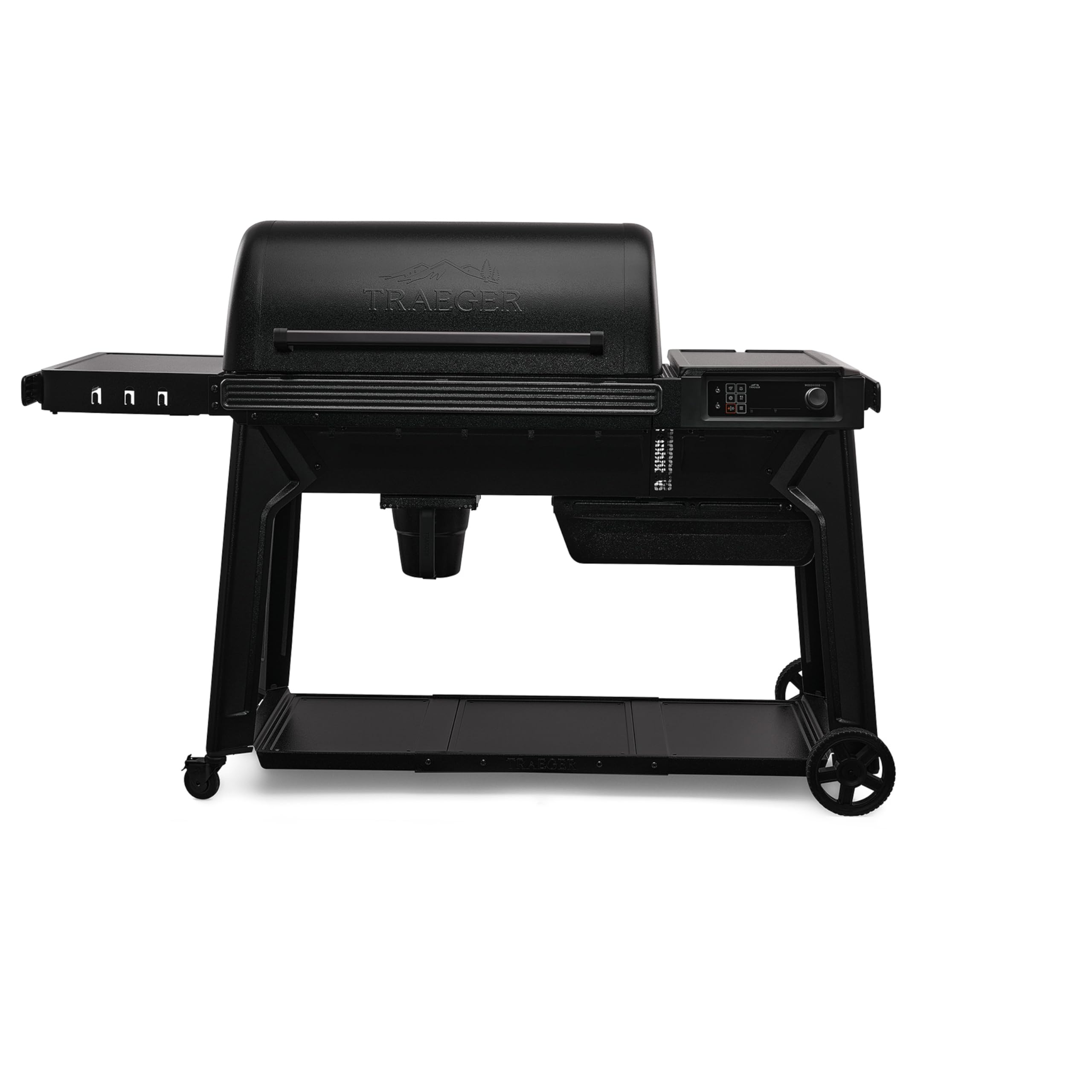
The Traeger Woodridge Pro is the entry point into Traeger’s mid-range smart-smoker ecosystem. With 970 square inches of cooking space, it is actually larger than the Ironwood 885, and it includes the same WiFIRE technology and Super Smoke mode that make the brand famous. This is a solid option for a smaller catering operation or a food truck that needs a reliable, smartphone-controlled smoker at a lower entry cost than premium-tier units. The folding side shelf adds valuable prep space in tight mobile kitchens, and the EZ-Clean Grease & Ash Keg makes daily cleanup straightforward.
Temperature stability is good but not great—the PID algorithm in the Woodridge Pro holds within a 10-15°F window, which is acceptable for most smoking applications but more prone to drift than the recteq or the Ironwood. Owners report excellent results on brisket, pulled pork, and chicken, and the app is consistently praised for its ease of use. The touchpad buttons are a known point of frustration, with multiple reports of unresponsive buttons, particularly the ignite function, which sometimes requires multiple attempts to start the fire.
The steel construction feels solid for the price point, but it is not double-walled, which means it struggles to maintain low temperatures in cold or windy conditions. Pellet consumption is moderate, and the hopper capacity is adequate for 8–12 hour cooks without refueling. The biggest limitation is that the build quality, while good, is not commercial-grade—the touchpad issues and occasional finicky ignition suggest this smoker is best suited for heavy home use or light commercial duty, not daily 16-hour catering runs.
Why it’s great
- Largest cooking area in its price tier at 970 sq in with folding side shelf.
- WiFIRE app provides reliable remote monitoring and probe temperature tracking.
- Super Smoke mode adds significant wood flavor at low cooking temperatures.
- EZ-Clean grease and ash keg design makes post-cook maintenance quick and easy.
Good to know
- Temperature stability has wider swings (10–15°F) compared to premium PID units.
- Touchpad buttons, especially ignite, can be unresponsive and require multiple taps.
- Single-wall construction means poor temperature retention in cold, windy weather.
- Build quality is not commercial-grade; better suited for heavy home or light commercial use.
FAQ
Do I need a commercial-grade pellet smoker for a food truck or can a high-end home unit work?
What is more important for commercial smoking: total cubic feet or temperature precision?
Can I use a charcoal kamado smoker like the Kamado Joe Big Joe for commercial production?
Final Thoughts: The Verdict
For most commercial operations, the best commercial pellet smoker winner is the recteq Flagship 1600 because it combines the largest single-chamber cooking capacity with a PID controller that holds temperature precisely, a 40-pound hopper for unattended overnight cooks, and stainless steel construction backed by an industry-leading warranty. If you need the versatility of a dual-chamber system that can smoke and sear simultaneously, the recteq DualFire 1200 replaces both a smoker and a grill with two independent cooking zones. And for the highest production volume in a dedicated cabinet smoker, the Pellet Pro 2300 offers 10 cubic feet of double-walled cooking space with a convection fan, making it the ultimate catering machine for those willing to work through its assembly and learning curve.

Mo Maruf
I created WellFizz to bridge the gap between vague wellness advice and actionable solutions. My mission is simple: to decode the research and give you practical tools you can actually use.
Beyond the data, I am a passionate traveler. I believe that stepping away from the screen to explore new environments is essential for mental clarity and physical vitality.