Our readers keep the lights on and my smoothie glass nicely filled. As an Amazon Associate, I earn from qualifying purchases.
Specs are compiled from manufacturer listings and verified buyer reviews and can change over time — please confirm the key details on the product page before buying.
You want winter boots you can walk in all day without your feet hurting or freezing. That is harder to find than you think. Many pairs look warm but pinch your toes, soak through in slush, or feel like concrete blocks by lunchtime. The real trick is knowing which insulation, sole, and fit specs matter for your winter routine — and which boots deliver on them without a painful break-in period.
I’m Mohammad Maruf — the founder and writer behind WellFizz. This guide is built by comparing the manufacturers’ published specifications and the patterns across verified customer reviews, so you get each pick’s real strengths and trade-offs instead of marketing spin.
These nine finalists earned their spot through owner feedback across thousands of reviews. They reveal the true standout performers among today’s comfortable winter boots for women.
Our Picks at a Glance

How To Choose The Best Comfortable Winter Boots For Women
Winter boots have to juggle three conflicting jobs: keep you warm, keep you dry, and still let you walk normally. Pick the wrong balance and you end up with sweaty feet, frozen toes, or a boot that feels like a ski lodge slipper. Here is what to look for.
Insulation Weight and Rating
Boot insulation is measured in grams (like 200g) or a temperature rating (like “rated to -25°F”). Heavier insulation traps more heat, but it also adds bulk and can make your feet sweat indoors. For most city commutes and light snow, 100g–200g is the balance. If you stand still outdoors for long stretches (ice fishing, shoveling, watching parades), you want 300g-plus.
The Waterproof Barrier
Not all waterproof boots are built the same. A “waterproof” boot uses a membrane (often a branded layer like KEEN.DRY or Omni-Heat) that lets sweat vapor escape while keeping liquid water out. The key is the seal: seam-sealed construction means every stitch is taped, so puddle splashes stay on the outside. A boot without that seal may leak through the seams after a few slushy puddles.
Outsole Grip on Slick Surfaces
Winter traction comes from the rubber compound and the lug pattern (the teeth on the sole). Deep, multi-directional lugs dig into loose snow. But for solid ice, you need a specialized compound — KEEN.POLAR TRACTION is one example — that uses microscopic shards in the rubber to grip pure ice. Standard winter boots without this feature can feel like skating on wet marble.
Ease of Entry and Fit
A warm, comfortable boot you cannot get on is useless. The entrance opening, the lacing or bungee system, and the overall shaft width determine how easy it is to slide your foot in — especially with thick socks. Many boots now use elastic toggles, side zippers, or wide collars for quick on-off. Fit is personal, but the trend across reviews is clear: boots with a tight, narrow upper opening frustrate owners with higher arches or wider ankles.
Quick Comparison
| Model | Best For | Insulation | Waterproof | Weight | Amazon |
|---|---|---|---|---|---|
| Trudave Rubber Boots★ Best Overall | Farm & wet work | 6mm Neoprene + Warm | 100% Waterproof | 3.5 lb | Amazon |
| ANJOUFEMME Hiking BootsTop Performer | Light snow & errands | Fur-lined | Waterproof | — | Amazon |
| ALEADER Duck BootsStyle Pick | Wet & snowy days | Faux fur + wool | Waterproof shell | — | Amazon |
| SOREL Explorer lll Joan | City winter walking | Just-right warmth | Waterproof | — | Amazon |
| KEEN Revel 4 Mid | Deep snow & hiking | 200g to -25°F | KEEN.DRY membrane | 20.32 oz | Amazon |
| Columbia Moritza Shield | Light & agile daily | Omni-Heat + fleece | Waterproof-breathable | — | Amazon |
| Kamik Momentum 3 | Extreme cold stationary | HEAT-MX technology | Seam-sealed waterproof | — | Amazon |
| Columbia Red Hills | Trail & sidewalk all-rounder | Omni-Heat + insulation | Waterproof | — | Amazon |
In‑Depth Reviews
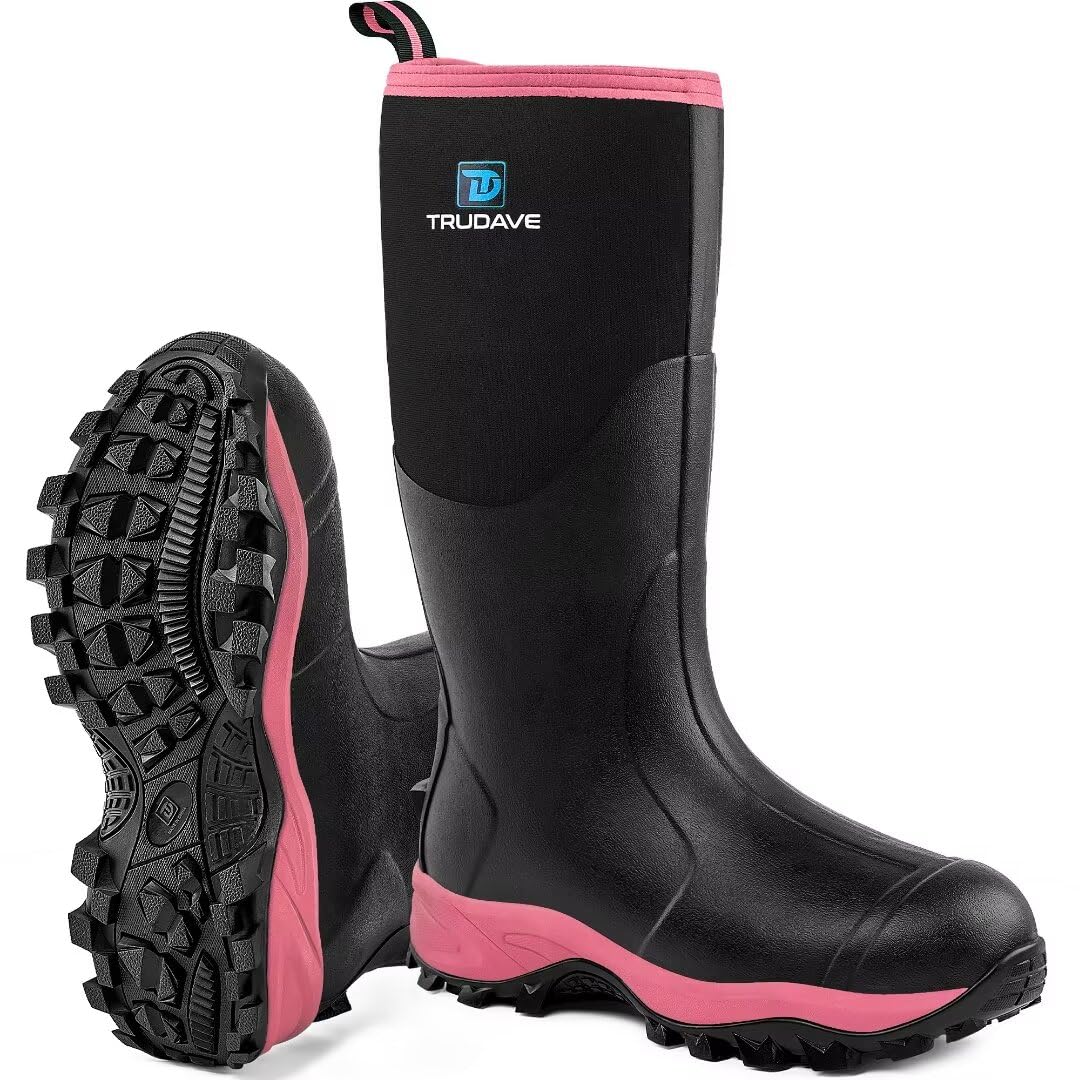
1. Trudave Rubber Boots for Women with Steel Shank
Our pick — over 4.5★ from 400+ verified ratings; the strongest balance of quality and price.
The farm-ready boot that owners say feels like slippers after a 7-hour work day.
These rubber boots deliver the trifecta owners rave about: they are 100% waterproof, warm, and have an anti-slip outsole that bites into mud and snow. The 6mm neoprene (a synthetic rubber that stretches and insulates) upper stretches just enough to seal your calf from ticks and deep snow, while the EVA midsole (foam that absorbs shock) absorbs shock so you do not feel every frozen lump in the field. A stretchy calf panel makes getting them on far easier than typical tall rubber boots, and the steel shank (a stiff metal insert in the sole) provides stability on uneven ground.
The thing owners praise most is comfort — 57 call it out specifically. One buyer with a high arch and a 66-year-old frame put it succinctly: “This is the best boot I have ever worn.” The price-to-value ratio is exceptional: the build quality, with 48 owners praising it, rivals boots costing much more. The honest trade-off is sizing — the boots run a half-size snug for some, so if you plan on thick wool socks, sizing up one full size is a common fix reflected in the reviews.
Why owners love it
- Consensus “most comfortable boots ever” from owners across farm, yard, and winter work
- Excellent traction on snow, ice, and mud — 18 owners cite the grip
- 100% waterproof rubber and 6mm neoprene keep feet bone-dry through deep snow
The real sizing note
- Runs slightly small for some; buying a full size up for thick socks is the workaround
- No half sizes available, so you have to round up
Reach for this if: you need a true all-day waterproof work boot for snow, mud, and farm chores that feels comfortable from the first wear.
Think twice if: you have a very narrow foot or want a fashion-forward silhouette — these are pure utility.
2. ANJOUFEMME Womens Hiking Snow Winter Boots
The waterproof ankle boot that racks up compliments while keeping feet toasty in 5°F weather.
At a glance, these look like a stylish cold-weather hiker, but their real muscle is the all-day comfort that 369 owners single out — the highest comfort count of any boot in this roundup. The interior is lined with fur and decent insulation, and owners consistently report no break-in needed. The boot is waterproof, offers good ankle support, and the tread grips snow well. It is also surprisingly light, so you can wear them through a work day or on a shopping trip without feeling weighed down.
The main friction point is getting them on — the heel opening is stiff, and several owners mention needing a shoehorn or to loosen the laces significantly to slide their foot in. The other honest trade-off: while the fur lining provides decent warmth, one owner noted that in deep snow or prolonged standing in single-digit temps, the insulation is not quite as thick as the most extreme-rated boots. For typical winter errands and light snow, however, they are a crowd-pleaser.
Built for the commute: Comfortable from the first wear, waterproof, and genuinely stylish — the most-mentioned positive fit the 220 owners who praise the fit.
The honest limit: The tight heel entry requires patience or a shoehorn, and the insulation is best for moderate winter rather than sub-zero expeditions.
Best for: daily errands, commuting, and light snow days where you want both function and a flattering silhouette.
skip it if: you face deep snow or very cold temps for hours at a time — consider a taller, heavier boot instead.
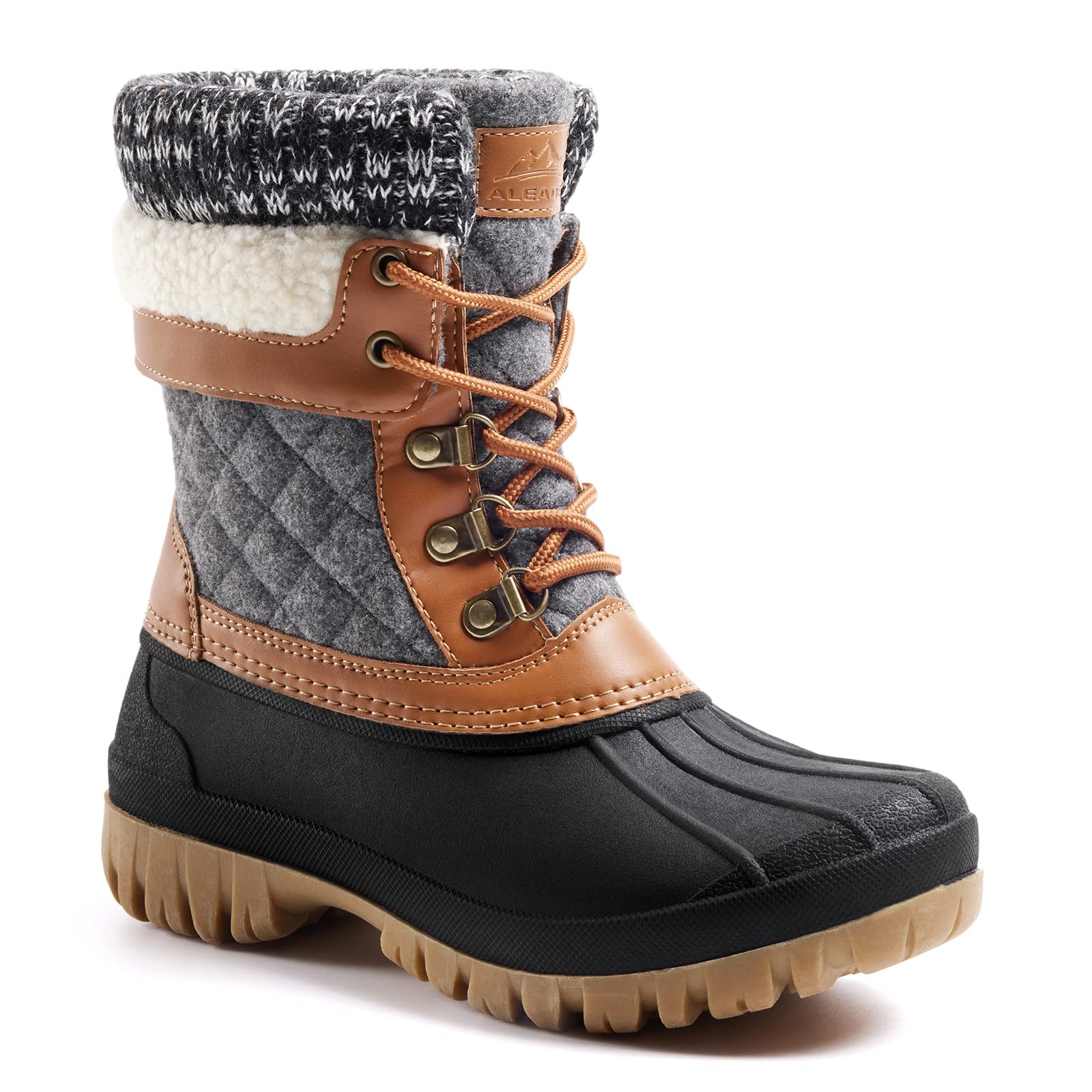
3. ALEADER Womens Winter Snow Boots
The TikTok-beloved duck boot that one owner described as “walking on fuzzy cozy warm clouds.”
Warmth is the thing owners praise most — 219 call it out — and the combination of a waterproof rubber shell with a warm, faux-fur-and-wool lining delivers exactly what you want from a classic duck boot. Owners confirm these keep feet dry even in glacier water (one tested them in Iceland), and the connected tongue liner prevents snow from sneaking in. The boots are also lightweight, with good ankle support, and the soles grip well on snow and ice. They look exactly like the picture, and owners love the style — 145 mention the appearance positively.
The main negotiation is the fit. While many find them true to size, 186 owners weigh in on fit with mixed results: some say they run large enough for thick socks in the regular size; others find them snug in the ankle-to-rubber transition area and need a shoehorn. The durability is also mixed, with 62 owners flagging it — some pairs have held up great, while a few have seen the rubber separate at the seam. For the price, the warmth and style are tough to top, but keep a shoehorn handy and check the return policy.
Cozy and dry: The warmth-to-weight ratio is excellent, and the waterproof shell passes real-world tests in snow and slush.
Fit is the variable: A significant number of owners found the ankle entry tight or the boots slightly off — sizing up is a common, but not universal, fix.
Best for: anyone who wants a warm, stylish duck boot for wet and snowy days at a great value.
pass on it if: you have wide calves or want a guaranteed easy on-off — the ankle transition is a known friction point.
4. SOREL Women’s Explorer lll Joan Waterproof Boot
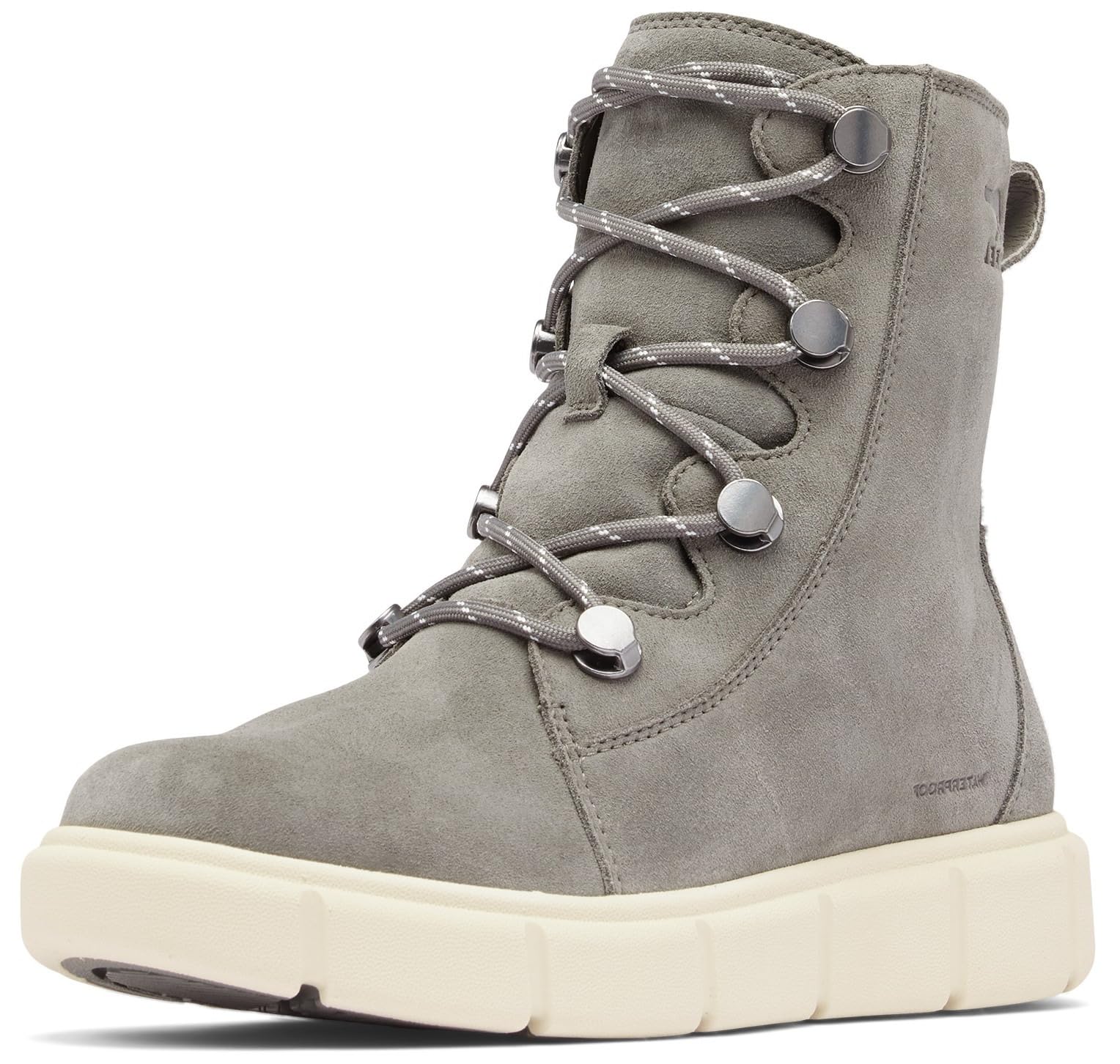
The do-it-all waterproof boot that kept one owner’s feet warm for 10+ hours in rainy NYC.
SOREL has a decades-long reputation, and the Explorer lll Joan lives up to it with a focus on day-long comfort. Owners consistently mention the “just-right” warmth — not too hot for indoor transitions, warm enough for 8-inch snow and 27°F weather. The boot is lightweight, easy to slip on and off, and the waterproofing is sturdy, with no moisture seepage at the seams. The traction is excellent on wet and slick surfaces, giving owners confidence on icy sidewalks and rainy commutes. Fit runs true to size, and 35 owners specifically mention a positive fit experience.
There are two minor trade-offs. First, the tread is less aggressive than a dedicated hiking boot — one owner in Colorado wished for deeper lugs (the teeth on the sole) for security on solid ice. Second, the toe box is on the wider side, which some owners with narrow feet love, but one noted a little extra space that felt slightly loose. For city dwellers who need a winter boot that looks good and works hard, these are a standout choice.
All-day city boot: Comfortable from step one, waterproof, warm enough for most winter conditions, and stylish enough for post-ski dinners.
The fine print: Not a deep-snow expedition boot — the tread is more commute than climb.
Ideal for: urban winter walking, commuting, and travel where you need a boot that can handle 8+ hours without fatigue.
Not for: serious off-trail snow hiking or extreme ice conditions where aggressive lugs are essential.
5. KEEN Women’s Revel 4 Mid Polar Insulated Snow Boots

The light hiker with 200g of insulation and rubber that is lab-tested to grip pure ice.
KEEN built these for real winter. The 200g of KEEN.WARM recycled P.E.T. insulation is rated to -25°F, and the Heat Trapolator technology uses three layers of heat-trapping materials underfoot so cold does not seep up through the sole. The KEEN.POLAR TRACTION outsole uses microscopic shards in the rubber to grip icy, frigid terrain — colder than the standard SOREL Explorer lll Joan’s tread. On top of that, the boot is fully waterproof thanks to the KEEN.DRY membrane, weighs just 20.32 oz, and has the signature KEEN generous toe box so your toes can spread out.
The honest caveat comes from 50 durability mentions, which are mixed. Some buyers report these lasted three-plus seasons; one pair did not hold up to an Alaska winter at the advertised rating. The fit is also a point of attention — while the forefoot is roomy, some owners with wider feet found the toe box not as spacious as expected. For most winter conditions including snowshoeing and cold hikes, these are a powerhouse; for extreme arctic use, you may need a warmer specialist boot.
Serious winter hardware: The 200g insulation, waterproof membrane, and ice-gripping outsole make this a genuine cold-weather boot for active outdoor use.
The durability question: Most owners find them long-lasting, but a few report issues that give pause for extreme cold environments.
Reach for this if: you need a boot for snowshoeing, winter hiking, or daily commutes in harsh Midwest winters where true warmth is non-negotiable.
Consider another if: you need a boot for Alaska-level deep cold every day, or you prefer a very wide toe box throughout.
6. Columbia Womens Moritza Shield Omni-Heat Insulated Snow Boot

The lightweight winter boot that kept one owner’s feet toasty at -15°F with zero bulk.
Columbia’s Omni-Heat thermal-reflective lining is the star here — it bounces your own body heat back at you, which means you stay warm without needing a thick, puffy liner. Owners consistently note how light the boot feels, with 15 specifically calling out the lightweight design. It is also fully waterproof, has a fleece interior for plush comfort, and a grippy outsole for traction on snow and slush. The size 8 fits true to size for many, and owners say it is comfortable right from the start, with no break-in required.
The trade-off is that the boot runs slightly small for some — several owners recommend sizing up half a size, especially if you plan on thick socks. The toe area is also slightly narrow and pointed, which can feel snug if you have wider feet. For light to moderate winter activity (shoveling, commuting, walking the dog), the warmth-to-weight ratio is superb. For deep-snow play where you might sink in, the lower shaft height and narrower profile let a bit more snow in at the top of the foot.
Featherlight and warm: The Omni-Heat lining delivers warmth without bulk, making these a joy for all-day wear in cold, wet conditions.
Sizing note: Plan on a half-size up if you want room for a medium-thick sock, and know that the toe is on the narrower side.
Ideal for: daily winter commuters and walkers who prioritize lightweight comfort and climate-appropriate warmth.
Not ideal for: deep snow play, powder days, or owners with wide feet who need extra forefoot room.
7. Kamik Momentum 3 Snow Boots for Women

The sub-zero specialist that owners say can be worn barefoot in frigid temps.
Warmth is the dominant story here — 123 owners mention it, making it the most-praised aspect of the Kamik Momentum 3. The HEAT-MX technology provides insulation that owners call “excellent” and that keeps feet warm well below freezing, with one owner confirming sub-zero performance. The boot is also fully waterproof with a seam-sealed construction, meaning every stitch is taped shut to prevent leaks. The drawstring closure makes on-off quick, and the fuzzy top keeps snow out while adding a stylish touch. The boot molds to your foot after a short wear, and owners appreciate the cushioned insole.
The durability is the honest concern — 27 owners flag it, and the mixed verdict is fair. While many say these are built for several seasons, some report seams coming apart after months of light use, or the sole separating. One owner in a very cold climate gave them a perfect mark for warmth but noted the longevity was not as strong as they hoped. For the warmth and price, they are a compelling option for extreme cold, but treat them as a mid-life purchase rather than a decade-long investment.
Incredible warmth for the price: The HEAT-MX insulation is legitimately effective, and the seam-sealed waterproofing keeps snow out.
The durability watch: Several owners mention the boots did not hold up past one or two seasons, making longevity the main question mark.
Best for: budget-conscious buyers facing very cold winters who need reliable warmth for stationary or light walking use.
Think twice if: you need a boot to last through many seasons of heavy daily use — durability is not guaranteed.
8. Columbia Women’s Red Hills Omni-Heat Snow Boots
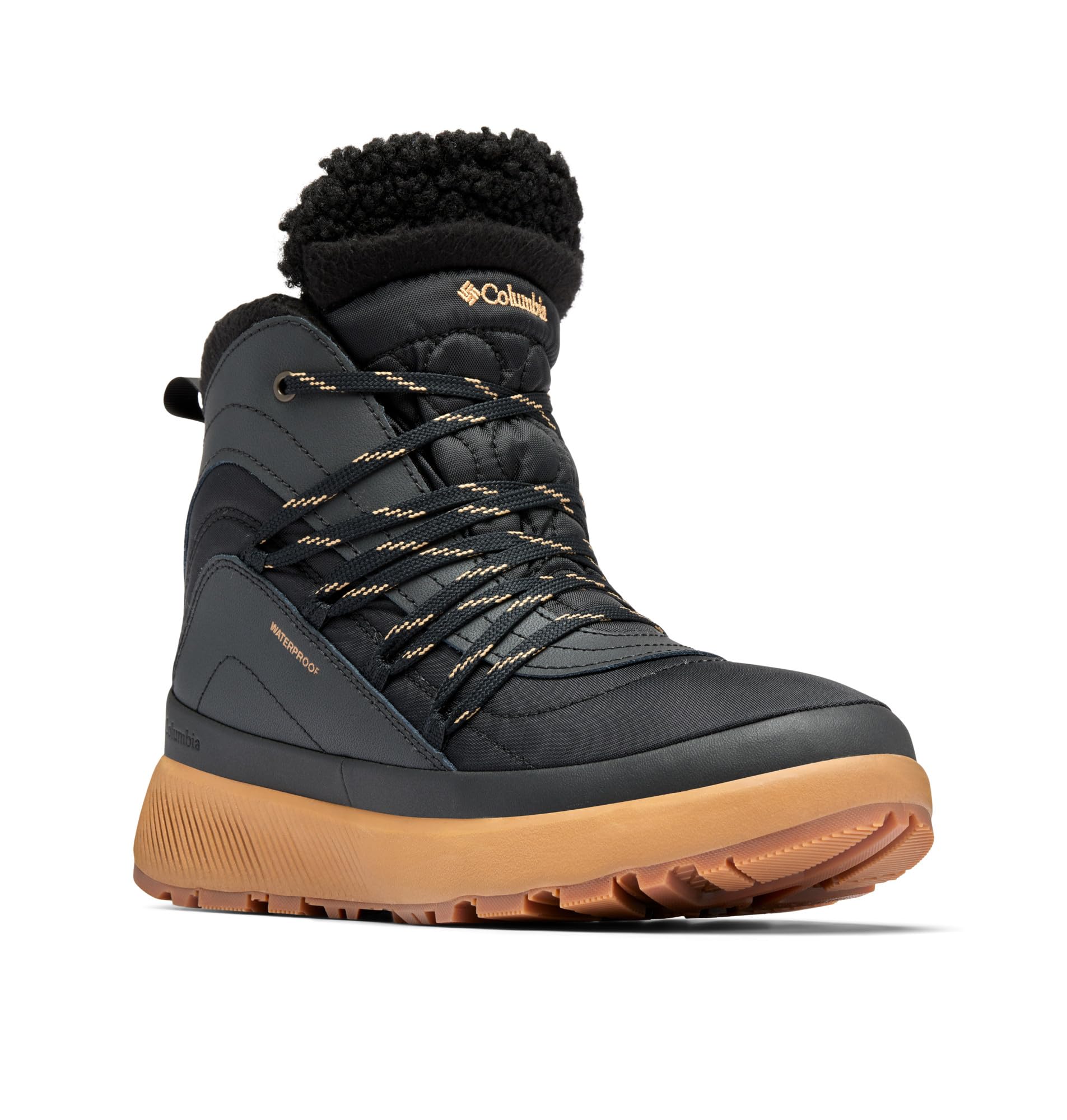
The sidewalk-to-trail boot that owners say feels like an insulated high-top sneaker.
Columbia’s Red Hills boot brings the same Omni-Heat thermal-reflective lining found in the Moritza, but with a taller shaft and a more rugged outsole for trail use. Owners consistently praise it for being lightweight, warm, and fully waterproof — one owner called it “the best winter boot I’ve owned.” The buoyant heel was a pleasant surprise for owners with bone spurs and plantar fasciitis, providing cushion that reduced pain during long walks. The boot dries quickly after wet use, and the plush collar adds comfort around the ankle.
The recurring sizing advice is to go up half a size to a full size — several owners recommend this for thick socks, and the slim ankle area means you might need to loosen the laces more than expected. The boot is also slightly narrower in the ankle than some wide-footed owners would like. For the warmth, comfort, and versatility, it is one of the best-balanced boots on this list, earning a 4.6-star consensus from a confident group of owners.
Comfort and performance balanced: The Omni-Heat lining, waterproof build, and comfortable fit make this a boot you can wear all day without complaint.
Sizing is the one variable: Plan on ordering up a half-size if you want sock room, and expect a snugger ankle fit.
Reach for this if: you want one boot for commuting, walking, and light trail use that is warm, dry, and comfortable from the first step.
it’s not for you if: you have very wide calves or prefer a roomy ankle opening — the ankle is on the slim side.
Understanding the Specs
Insulation Weight (grams)
This number tells you how much synthetic insulation is packed into the boot liner. A higher gram count means more heat-trapping material, which is great for standing still in very cold temps. For active use or milder winters, 100g–200g keeps you warm without turning your feet into sweatboxes the moment you step indoors. Some boots rate their insulation to a specific temperature (like -25°F), which is a more useful real-world guide than grams alone — but personal circulation and sock choice also matter a lot.
Outsole Traction Technology
Not all winter soles are equal. Standard rubber lugs work on snow and loose dirt, but on solid ice they can feel like smooth glass. Some manufacturers add specialized compounds — tiny particles or “microscopic shards” embedded in the rubber — that dig into pure ice and give you actual grip. If you regularly walk on icy sidewalks or packed snow trails, look for a boot that specifically mentions its ice-traction technology rather than just a generic “anti-slip” claim.
FAQ
How should winter boots fit for the best comfort?
How easy are these boots to get on and off?
What is the difference between “waterproof” and “water-resistant”?
Can I wear these boots for snowshoeing or winter hiking?
Why do some boots run small?
How long should a pair of winter boots last?
What is “Omni-Heat” technology?
Do I need a steel shank in a winter boot?
How do I maintain the waterproofing on my boots?
Final Thoughts: The Verdict
If you want one dependable pick, the comfortable winter boots for women winner is the Trudave Rubber Boots because it combines 100% waterproofing, genuine warmth, and comfort that owners call “the best boot ever” at a price that undercuts the premium competition by a wide margin. If you want a lightweight, stylish boot for city commuting and moderate snow, grab the Columbia Red Hills. And for extreme cold and active winter sports — snowshoeing, hiking, or brutal Midwest snowfalls — the KEEN Revel 4 Mid is the one to reach for.
How We Picked
We do not accept paid placement. Every pick is matched to a real buyer and a real use-case; we do not hands-on test units.
Sources & Methodology
Specifications: manufacturer listings and product documentation. Review insights: verified customer reviews, as of July 2026. Pricing: not shown on this page (it changes often); check the current price via the retailer link.
As an Amazon Associate, WellFizz earns from qualifying purchases. This does not affect which products we feature.
Related Guides

Mo Maruf
I created WellFizz to bridge the gap between vague wellness advice and actionable solutions. My mission is simple: to decode the research and give you practical tools you can actually use.
Beyond the data, I am a passionate traveler. I believe that stepping away from the screen to explore new environments is essential for mental clarity and physical vitality.