Our readers keep the lights on and my smoothie glass nicely filled. As an Amazon Associate, I earn from qualifying purchases.
You spent time and money on that salon color, only to watch it dull after a handful of washes. The real culprit isn’t just shampoo—it’s the absence of a formula engineered to seal the cuticle and neutralize the minerals in your water that strip pigment. The right conditioner, shampoo, or treatment acts as a barrier, locking chromophores inside the hair shaft while replenishing the lipids that keep color from leaching out.
I’m Mohammad Maruf — the founder and writer behind WellFizz. I’ve spent countless hours cross-referencing clinical trials, ingredient decks, and real-user feedback on bond-repairing actives, pH-balancing surfactants, and color-sealing polymers to build this guide.
Whether you have balayage, global color, or vivid fashion tones, finding the best color treated hair products means choosing formulas that defend against fading and mechanical damage without stripping your investment.
How To Choose The Best Color Treated Hair Products
Not every bottle labeled “color-safe” delivers the same level of protection. The difference comes down to three core factors: the surfactant system, the pH range, and the presence of active ingredients that address the specific type of damage your color process caused. Understanding these will keep you from wasting money on formulas that do nothing more than rinse away.
Sulfate Content and Surfactant Type
Sodium lauryl sulfate (SLS) and sodium laureth sulfate (SLES) are cheap detergents that create rich foam but aggressively strip the lipid layer that holds color pigments. Look for formulas that use mild surfactants such as cocamidopropyl betaine, sodium cocoyl isethionate, or decyl glucoside. These clean without removing the protective barrier. Some premium shampoos use a combination of amino-acid-based cleansers that generate enough lather for a satisfying wash without fading.
pH Balance and Cuticle Sealing
Healthy hair sits at a pH of 4.5 to 5.5. When a product is too alkaline, the cuticle lifts and color molecules escape. Color-treated hair products formulated with citric acid or a pH-balancing buffer keep the cuticle flat and tightly closed. This is especially important for conditioners and masks, which should fall in the same acidic range. A pH-balanced system also reduces frizz by locking in moisture without swelling the shaft.
Bond Repair vs. Moisture Refill
Color processing—especially bleach and high-lift tints—breaks disulfide bonds inside the hair cortex. Simple moisturizers, like glycerin and panthenol, add hydration but cannot rebuild structural strength. Ingredients such as bis-aminopropyl diglycol dimaleate (the active in Olaplex) or glycine and citric acid combinations (used in Kerastase Premiere) actually reconnect broken keratin chains. If your hair feels mushy or excessively elastic when wet, you need a bond repair formula, not just a hydrating conditioner.
Hard Water and Mineral Buildup
Calcium and magnesium dissolved in your shower water accumulate on the hair surface over time, creating a dull film that makes color appear brassy or faded. Some newer products (like the Kerastase Premiere line) include chelating agents—citric acid, EDTA, or phytic acid—that remove these minerals without sulfates. If you live in an area with hard water, this chemistry is more important than any pigment-depositing ingredient.
Quick Comparison
On smaller screens, swipe sideways to see the full table.
| Model | Category | Best For | Key Spec | Amazon |
|---|---|---|---|---|
| Olaplex N°.5 Conditioner | Conditioner | Daily bond repair + manageability | Bis-aminopropyl diglycol dimaleate | Amazon |
| R+Co Gemstone Conditioner | Conditioner | Color seal + shine enhancement | ChromoHance polymer blend | Amazon |
| Kenra Color Protecting Shampoo | Shampoo | Color vibrancy retention | Maintains 95% color through 40 washes | Amazon |
| Moroccanoil Treatment Oil | Treatment Oil | Frizz control + light shine | Argan oil, no alcohol | Amazon |
| Kerastase Premiere Conditioner | Conditioner | Hard water damage repair | Citric acid + glycine dual action | Amazon |
In‑Depth Reviews
1. Olaplex N°.5 Bond Maintenance Conditioner

Olaplex’s patented bis-aminopropyl diglycol dimaleate is the standout active here—it reconnects broken disulfide bonds in the cortex, which is exactly what color-treated hair needs after chemical processing. The formula also includes panthenol and glycerin to draw moisture into the shaft without leaving a heavy film. Users report significant improvement in detangling and a noticeable reduction in breakage after just one wash, especially on hair that has been bleached or highlighted.
The texture strikes a careful balance: rich enough to provide slip on coarse or curly hair, but light enough that fine hair doesn’t feel weighed down. Many reviewers note that a dime-sized amount is sufficient for shoulder-length hair, which offsets the price of the bottle. The bond repair effect is cumulative—continued use results in stronger, more elastic strands that resist future damage.
Color protection is a secondary benefit here, not the primary claim. While it is explicitly color-safe and free of sulfates, it doesn’t contain polymer sealants that lock in pigment. For users whose main concern is fading rather than breakage, a dedicated color-sealing conditioner may be a better fit. But for anyone with damaged, chemically treated hair that needs structural rebuilding, this is the most effective daily conditioner available.
Why it’s great
- Clinically proven bond repair reduces breakage by 60%
- Highly concentrated formula provides 90% easier detangling
- Dermatologist tested, vegan, and suitable for all curl patterns
Good to know
- Conditioner runs out faster than the shampoo when used as a system
- Some users with very long hair need more product than expected
2. R+Co Gemstone Color Conditioner
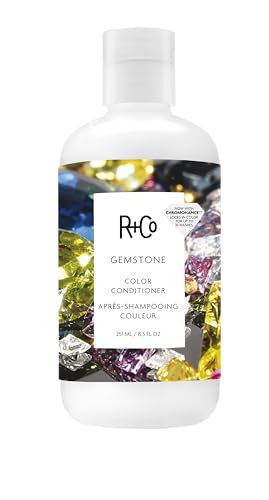
R+Co takes a different approach from bond repair: instead of rebuilding the internal structure, Gemstone uses a proprietary ChromoHance polymer blend that seals the hair shaft to physically lock color molecules inside. This is the kind of mechanical barrier that prevents pigment from leaching out during rinsing. The manufacturer claims clinically proven color protection for up to 10 washes, which puts it in the upper tier of color-preserving conditioners.
The formula is enriched with a blend of vitamins and minerals that support moisture balance on both the hair and scalp. Users consistently mention that the conditioner leaves hair feeling soft and shiny without the buildup that some silicone-heavy sealants create. The scent is described as light and pleasant, without the heavy herbal or woody notes that sometimes accompany luxury conditioners.
For users who want to extend the life of their color between salon visits, this conditioner delivers where generic “color-safe” products fall short. The trade-off is that it does not address structural damage—if your hair feels brittle or elastic, you would benefit from pairing this with a separate bond repair treatment a few times per week. It also comes in a relatively small bottle, so heavy daily users may find it runs out faster than expected.
Why it’s great
- Color-sealing polymer helps maintain multi-dimensional shine
- Clinically proven to protect color for up to 10 washes
- Hydrating without leaving a heavy film on fine hair
Good to know
- Lighter texture may not provide enough slip for very thick or curly hair
- Bottle size is modest; regular use requires repurchasing more often
3. Kenra Color Protecting Shampoo
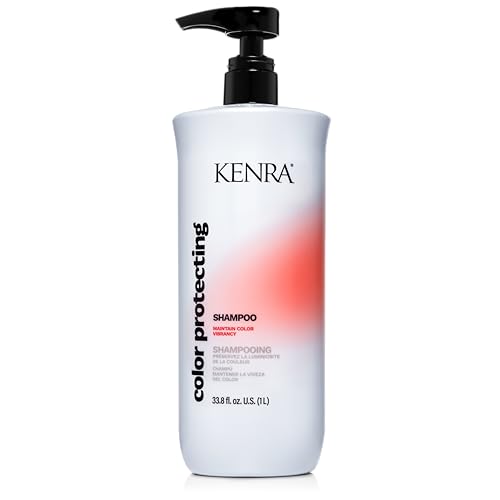
Kenra’s Color Protecting Shampoo makes a bold, testable claim: maintain over 95% color vibrancy through 40 washes when used as a system with the matching conditioner. This is significantly longer than most color-care shampoos, which typically guarantee protection for 20 to 30 washes before noticeable fading. The formula relies on a pH-balancing system to keep the cuticle closed along with Moringa Leaf Extract, which provides antioxidant protection against environmental fading.
The lather quality is noteworthy—users describe it as richer and more satisfying than other sulfate-free shampoos, which often feel thin or produce minimal foam. Hair emerges feeling clean but not stripped, with increased manageability and a noticeable reduction in flyaways. The scent is another strength; multiple reviewers specifically mention enjoying the fragrance, which is unusual for a color-protecting shampoo that often sacrifices scent for gentleness.
Because this is a shampoo, its role is preparation—it cleans the hair and prepares the cuticle for conditioning. It does not deposit any pigment or bond-repairing molecules, so it is best used as part of a complete system. Users who pair it with the matching Kenra conditioner report the best results in terms of color retention and softness. The bottle size is generous, making the per-wash cost lower than many competing professional shampoos.
Why it’s great
- Clinically validated 95% color retention through 40 washes
- Pleasant fragrance that users consistently praise
- Generous bottle size offers strong value for a professional shampoo
Good to know
- Best results require the full shampoo-conditioner system
- Does not address structural damage or hard water buildup
4. Moroccanoil Treatment Hair Oil
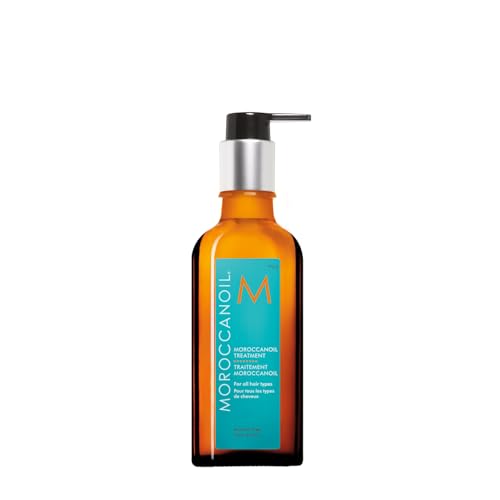
Moroccanoil Treatment has been a mainstay in salons for years, and its application to color-treated hair is straightforward: argan oil penetrates the cuticle to replenish fatty acids that are often stripped during the coloring process. The formula is alcohol-free, which means it won’t cause the drying effect that many styling oils have. Users report dramatic improvements in softness and shine with the very first application, especially on dry ends and porous lengths.
The texture is the key differentiator here. Despite being an oil, it absorbs quickly and does not leave a greasy residue or weigh hair down. Users with wavy and curly hair note that it enhances curl definition without the crunchy cast that some leave-in products create. The signature scent—a sweet, warm fragrance—is often mentioned as one of the reasons people remain loyal to the brand through years of use.
This is a treatment oil, not a conditioner or a shampoo. It works best as a finishing step on damp or dry hair, sealing the cuticle after your regular wash routine. It does not actively protect against hard water minerals or rebuild broken bonds, but it does provide a physical barrier that reduces friction and environmental exposure. For users whose main concern is frizz, shine, and maintaining a healthy look between color treatments, this is the most reliable option.
Why it’s great
- Lightweight, non-greasy argan oil absorbs quickly
- Works on damp or dry hair with versatile application
- Prolonged use reduces breakage and improves overall hair health
Good to know
- Does not contain bond repair or color-sealing polymers
- Signature scent may be too strong for fragrance-sensitive users
5. Kerastase Premiere Hair Repair Conditioner
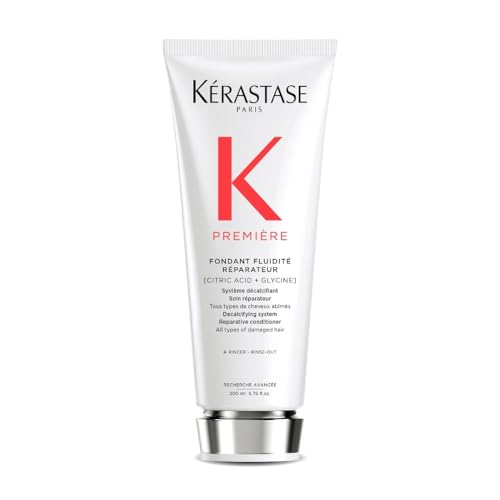
Kerastase Premiere is built around an insight that few competitors address: calcium buildup from hard water is a primary driver of color dullness and structural rigidity. The formula combines citric acid (a gentle chelating agent) with glycine (an amino acid that helps repair broken keratin chains). The dual action claims to restore up to 99% of the hair’s original strength by removing mineral film and reconnecting internal bonds. This makes it uniquely suited for users in areas with hard water who notice their color fading faster than expected.
The texture is intentionally lightweight—Kerastase recommends this conditioner specifically for fine to medium hair types. It provides enough slip for detangling without flattening volume, and users with extensions report that it works well without causing buildup at the bonds. The scent is described as a luxurious Portofino Summer blend with top notes of mandarin and citrus, which distinguishes it from the more medicinal or neutral scents of repair-focused lines.
The price point is higher than any other product in this guide, but the per-application cost is lower than it appears because a small amount covers shoulder-length hair. The inclusion of glycine as an active repair molecule puts it in direct competition with bond repair formulas, but with the added benefit of mineral removal. Users who do not have hard water may not need the chelating action and could get similar results from a simpler bond repair formula at a lower price.
Why it’s great
- Removes calcium buildup that makes color look brassy or dull
- Restores up to 99% of original hair strength with glycine repair
- Lightweight formula suitable for fine hair and extensions
Good to know
- Premium cost may be hard to justify without hard water issues
- Designed for fine to medium hair; thicker hair may need the mask version
FAQ
Can I use a bond repair conditioner like Olaplex if my hair isn’t chemically damaged?
How often should I use a color-depositing conditioner?
Is it better to use a shampoo and conditioner from the same brand?
Final Thoughts: The Verdict
For most users, the color treated hair products winner is the Olaplex N°.5 Conditioner because it combines bond repair with lightweight hydration, making it effective for damaged hair without weighing down fine textures. If you want a dedicated color-sealing formula that preserves multi-dimensional shine, grab the R+Co Gemstone Conditioner. And for hard water struggles where calcium buildup is dulling your color, nothing beats the Kerastase Premiere Conditioner for its dual-action chelating and repair technology.

Mo Maruf
I created WellFizz to bridge the gap between vague wellness advice and actionable solutions. My mission is simple: to decode the research and give you practical tools you can actually use.
Beyond the data, I am a passionate traveler. I believe that stepping away from the screen to explore new environments is essential for mental clarity and physical vitality.