Our readers keep the lights on and my smoothie glass nicely filled. As an Amazon Associate, I earn from qualifying purchases.
That nagging feeling in your gut isn’t just nerves — it’s the silent question about what’s happening inside your colon. Colorectal cancer is the second leading cause of cancer death in the U.S., yet it’s one of the most preventable when caught early. The path to answers has never started in your own bathroom, not a hospital gown.
I’m Mohammad Maruf — the founder and writer behind WellFizz. I’ve spent countless hours analyzing the specifications, user experiences, and clinical accuracy of at-home colorectal screening kits to separate the truly useful from the overpriced gimmicks.
Whether you’re due for a routine check or just want peace of mind, here is your data-backed guide to choosing the best colon cancer test kit for your age, budget, and anxiety level.
How To Choose The Best Colon Cancer Test Kit
The home colorectal screening market splits cleanly into instant-result cassettes (FIT/iFOB) and mail-in lab kits. Your choice boils down to how much certainty you need and whether a lab report matters to your doctor.
FIT vs FIT-DNA: Know What You’re Buying
A standard Fecal Immunochemical Test (FIT) detects invisible blood in your stool. It’s cheap, fast, and the USPSTF recommends it annually. A FIT-DNA test like Cologuard also looks for abnormal DNA shed by cancerous or pre-cancerous cells. It’s more sensitive for advanced adenomas but costs more and requires a prescription. The kits here are all pure FIT — they screen for blood, not DNA.
Instant Versus Mail-in Lab Analysis
Cassette tests and pad tests give you results in two to seven minutes. They’re convenient for privacy and immediate feedback, but they provide no quantitative result your doctor can file. Lab-based kits (Quest, Verisana, myLAB Box) require you to collect a sample, ship it to a CLIA-certified facility, and wait days for a report. That report becomes a medical record your physician can act on.
FDA Clearance and Clinical Accuracy
Every test on this list is either FDA-cleared or uses a lab-based method recognized by clinical guidelines. The instant cassettes claim over 99% accuracy for detecting occult blood, but that figure drops in real-world use due to user error. Look for CLIA-certification on lab kits — it ensures the facility meets federal quality standards.
Quick Comparison
On smaller screens, swipe sideways to see the full table.
| Model | Category | Best For | Key Spec | Amazon |
|---|---|---|---|---|
| Verisana FIT Test | Lab Kit | Report for Doctor | CLIA-certified lab analysis | Amazon |
| myLAB Box Colorectal | Lab Kit | Painless Mail-In | Results in 2-5 days | Amazon |
| Quest Colorectal Screening | Lab Kit | Trusted Brand | CLIA-certified lab analysis | Amazon |
| EZ Detect 15-Pad Pack | Pad Test | No Stool Handling | 15 test pads, 2-min color change | Amazon |
| Alfa FIT 2-Pack | Cassette | Annual At Home | 2 cassettes, 4-7 min results | Amazon |
| Alfa Instant-view Plus | Cassette | Quick Check | 1 cassette, 4-7 min results | Amazon |
| EZ Detect 5-Pad 2-Pack | Pad Test | Low-Commitment Starter | 10 test pads total | Amazon |
In‑Depth Reviews
1. Verisana FIT Test
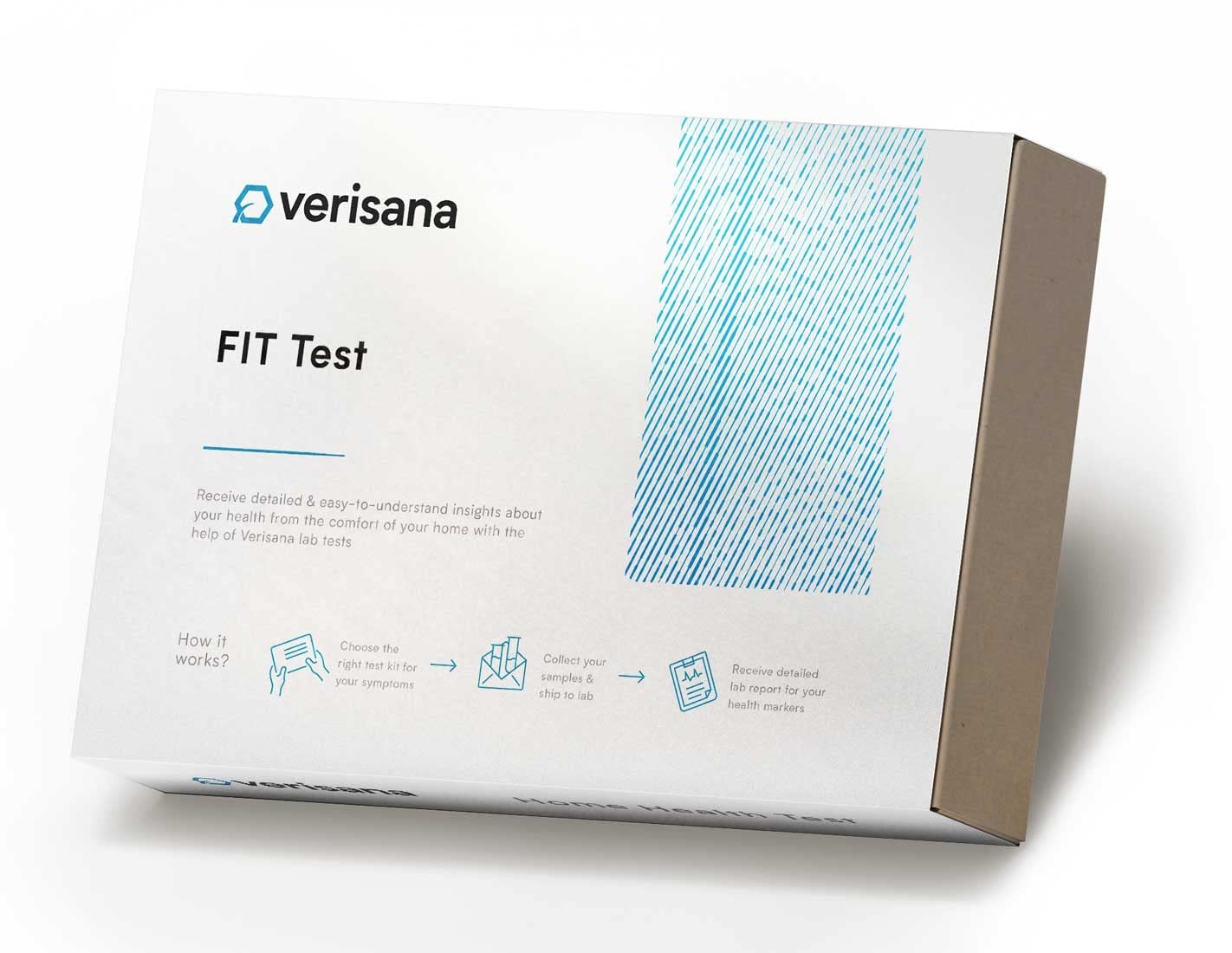
The Verisana FIT Test occupies the sweet spot between price and clinical credibility. You get a real CLIA-certified lab analysis — not a home cassette you interpret yourself — for a fraction of what a doctor’s visit costs. The kit ships to your home, you register the sample online, mail it to the partner lab, and receive results through a HIPAA-compliant portal. That report becomes a document your doctor can file and track year over year.
Users consistently praise the clear instruction booklet and the straightforward collection process. Multiple reviews note this was their first screening and they found it much less intimidating than expected. The turnaround time from mailing to results typically falls within two weeks, though some users reported delays of up to a month when the lab experienced a backlog. The company’s customer service handled those cases by issuing refunds through Amazon, but the lost-sample scenario is a legitimate risk with any mail-in kit.
This test is a pure FIT — it detects hidden blood, not DNA. For annual routine screening it’s excellent, but it won’t catch non-bleeding polyps or cancerous cells that haven’t yet caused bleeding. If you’re at high risk (family history, inflammatory bowel disease, personal history of polyps), your doctor may still recommend a colonoscopy or a FIT-DNA test instead.
Why it’s great
- CLIA-certified lab analysis provides a medical record you can share with your doctor.
- Very affordable for a mail-in lab test compared to colonoscopy or Cologuard.
- Instructions are clear enough for first-time screeners to follow without confusion.
Good to know
- Sample can be lost in transit — a handful of users experienced delays and had to request a refund.
- Only tests for occult blood; does not detect abnormal DNA from non-bleeding polyps.
2. myLAB Box At Home Colorectal Cancer Screening
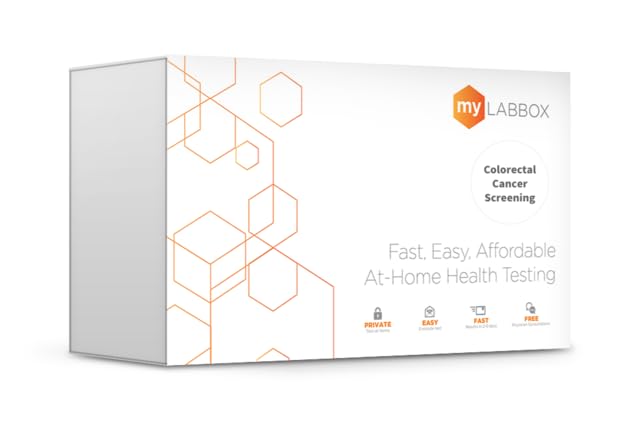
myLAB Box markets itself as the minimalist’s screening option, and the packaging reflects that philosophy — a sleek, compact box with few components and an app-based workflow. The collection process takes about five minutes, and the lab typically returns results within two to five business days after receiving the sample. For someone who wants the convenience of a mail-in test without the complexity of a multi-component kit, this is a solid option.
User feedback is mixed but instructive. Many customers report a smooth experience: easy collection, straightforward mailing, and fast results delivered to the mobile app. However, a significant minority experienced delays exceeding three weeks, and some reported that the results never appeared online. One reviewer noted the kit lacks gloves, and another flagged that the test only screens for blood (FIT), not DNA — a point the marketing material could communicate more clearly. The QR code linking to a demonstration video also failed for one user.
The myLAB Box kit occupies the higher end of the price spectrum for a FIT-only test. You’re paying for the streamlined user experience and the app integration, not for deeper analytical capability. If you want a clean, modern workflow and can tolerate occasional logistical hiccups, it’s a reasonable choice. If your priority is maximum data for your dollar, the Verisana or Quest kits deliver a similar lab result for less.
Why it’s great
- Minimal components and clear instructions make this one of the easiest home collection kits to complete.
- Results delivered through a mobile app within days, which fits a modern, on-the-go lifestyle.
- Compact packaging is discreet and easy to ship back without extra supplies.
Good to know
- Results not delivered within stated 2-5 days for some users; a few never received results at all.
- No gloves included, and the QR code linked to an unhelpful or broken video for some buyers.
- Priced at a premium compared to other mail-in FIT tests with the same analytical scope.
3. Quest Colorectal Screening (FIT) Home Collection Kit
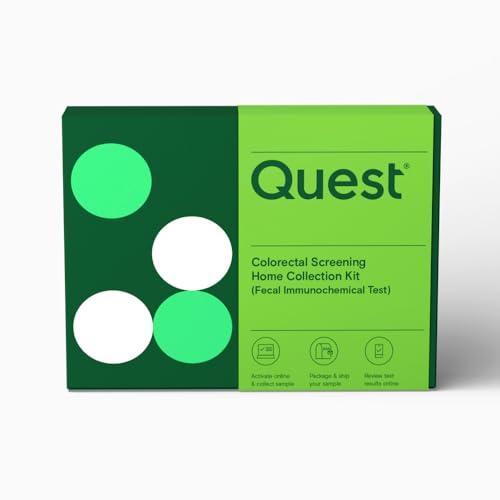
Quest Diagnostics is a household name in clinical lab testing, so their entry into the at-home screening market carries immediate authority. This FIT kit uses the same laboratory infrastructure that processes samples from doctor’s offices across the country. You collect a water-based stool sample at home, ship it back on the same day you activate the kit, and view the results through a secure online portal. The purchase price includes a Physician Service Fee for ordering and follow-up — a detail that adds a layer of professional oversight many other kits skip.
The user experience mirrors what you’d expect from a lab giant: the instructions are precise, the collection materials resemble clinical-grade hemocult cards, and the reporting format matches what your doctor is used to seeing. Several users noted it gave them peace of mind before scheduling a colonoscopy. The dark side of that institutional scale is customer service. When things go wrong — as they did for multiple reviewers whose samples were received but never processed — the Quest support system proved frustratingly slow. One user waited 60 days without results and reported being unable to reach anyone who could resolve the issue.
This kit is ideal for someone who trusts the Quest brand and wants a lab report their doctor will instantly recognize and accept. The trade-off is that Quest’s customer service is less agile than smaller companies. If your sample goes missing, you may spend hours on the phone chasing answers rather than getting a quick refund or replacement.
Why it’s great
- Uses the same CLIA-certified lab infrastructure as doctor-prescribed tests, ensuring clinical-grade accuracy.
- Includes a Physician Service Fee for independent oversight, ordering, and follow-up — a unique value-add.
- Lab report format is directly compatible with what your primary care provider expects to see.
Good to know
- Must activate, collect, and ship the sample on the same weekday, which adds scheduling pressure.
- Customer service is notoriously slow — lost samples and unprocessed results are recurring complaints.
- Processing time can take up to 14 business days after the lab receives your sample.
4. EZ Detect Colon Disease Test Kit – 5 Test Pads, Pack of 3

The EZ Detect system is the most hygienic concept in home colorectal screening: you drop a test pad into the toilet after a bowel movement, wait two minutes, and observe whether a blue color appears. No stool handling, no collection tubes, no cassettes. The pad uses a chemical reaction to detect the presence of blood in the water surrounding your stool. It’s FDA-cleared and comes in a pack of 15 individual pads — enough for three days of testing or multiple family members.
User feedback is overwhelmingly positive, with the vast majority of reviews giving the product five stars. Retired medical professionals in the reviews confirm the accuracy matches what they used in practice. The key caveat is that the toilet must be clean before each test, and no one else should use the toilet during the multi-day testing period. Some new users found the instructions confusing on first read, but once they understood the procedure, they described the test as “super easy” and “not messy.”
The drawback is the same as with cassette tests: you get a binary result (color change or no color change) without a quantitative blood level or DNA analysis. The test also cannot tell you where the bleeding is coming from — hemorrhoids, fissures, polyps, or malignancy all produce the same blue pad. It’s a solid first-pass screening tool, especially for people who are needle-phobic or put off by handling stool samples, but a positive result still requires follow-up with a doctor for a definitive diagnosis.
Why it’s great
- Zero stool handling — drop a pad in the toilet and wait two minutes for results.
- FDA-cleared and confirmed accurate by retired medical professionals in user reviews.
- Fifteen pads per package, which covers multiple testing days or several family members.
Good to know
- Only detects the presence of blood; cannot differentiate between benign and malignant sources.
- Requires a clean toilet and no other bathroom use during the testing period for accurate results.
- Some users found the instructions confusing on first read and needed to review them multiple times.
5. Alfa FIT 2-Pack
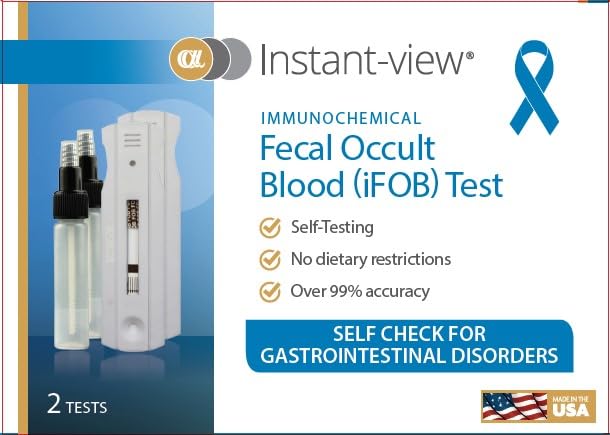
Alfa Scientific Designs manufactures their FIT cassettes in California, a detail that reassures buyers who prefer medical products made under U.S. quality controls. The two-pack includes two cassettes, two sample tubes, and two collection papers — enough for an annual test for one person or a single test for two people. The claimed accuracy is over 99% for detecting occult blood, and results appear as colored lines within four to seven minutes.
Customers consistently describe the test as easy to use with clear instructions. One reviewer noted that a negative result eased their anxiety about side pain before a scheduled colonoscopy. Another flagged a minor inconsistency between the printed instructions and the company’s YouTube demonstration video regarding timing — the printed guide and the video recommend different wait periods. Users who measured at both checkpoints still got consistent results, but the discrepancy is worth noting for anyone who follows directions literally.
The FIT cassette format strikes a good balance for budget-conscious buyers who still want a test they can trust. It’s faster than a mail-in lab kit and cheaper than the premium options. The trade-off is that you’re interpreting the result yourself without a lab’s confirmation. If you’re confident reading a two-line result and understand that a negative result means no detectable blood right now — not a guarantee of a clean colon — this is a solid annual screening tool.
Why it’s great
- Manufactured in California under U.S. quality control standards.
- Two cassettes in one pack allow for a full year of screening or a test for two people.
- Results appear clearly within minutes, removing the waiting anxiety of mail-in lab kits.
Good to know
- Minor discrepancy between printed instructions and the manufacturer’s YouTube video regarding timing.
- User-interpreted result is not a medical record your doctor can file directly.
- Requires handling a stool sample, which some users find unappealing.
6. Alfa Instant-view Plus FIT/iFOB Home Test

The Instant-view Plus is the single-test version of the Alfa FIT cassette — same California manufacturer, same over-99% accuracy claim, same result window of four to seven minutes. It’s designed for someone who wants a one-time screening without committing to a multi-pack or a mail-in lab process. The kit includes a quick guide, one cassette, one sample tube, and one collection paper.
User reviews highlight the value of reproducibility: multiple customers bought this test alongside a clinic visit and confirmed the results matched. That’s a powerful endorsement for a home test. The instructions are described as well-organized and easy to follow, and the compact packaging ships discreetly. One reviewer flagged a practical issue — keeping the collection paper dry is critical, and urine contamination can invalidate the test. That’s a real-world user error that doesn’t reflect on the product’s accuracy but does affect whether you get a usable result.
This is the entry point into the Alfa product line. If you’re testing for the first time and want to validate the process before buying a multi-pack, it’s a low-risk investment. The per-test price is higher than the two-pack, so buyers who plan to test annually should step up to the 2-pack. But for a single “let me just check” scenario, this cassette delivers results quickly and reliably.
Why it’s great
- Reproduced clinic test results in multiple user reviews, confirming real-world accuracy.
- Very low cost for a quick, reliable screening that avoids the wait of a lab test.
- California-based manufacturer with a strong reputation in diagnostic testing.
Good to know
- Only one test per purchase — more expensive per use than the two-pack version.
- Urine contamination of the sample paper is a common user error that ruins the test.
- User-interpreted cassette result is not a medical document for your file.
7. EZ Detect Colon Disease Test Kit – 5 Test Pads, Pack of 2
The two-pack version of EZ Detect gives you ten test pads in individual boxes — five per pack. The core technology is identical to the larger 15-pad package: no stool handling, no diet restrictions, just drop a pad into the toilet after a bowel movement and look for blue within two minutes. This pack size makes sense for someone who wants to try the system before committing to a full box, or for testing two people separately.
Customer reviews lean very positive, with several users — including a retired medical professional — confirming the product works as advertised. The simplicity is the biggest selling point: one reviewer called it the “easiest enema test possible,” which is faint praise but accurate. The main friction point is the same as with any EZ Detect kit: the instructions are not immediately intuitive to non-medical users. One reviewer admitted they never used the test because the directions felt confusing, calling it “my fault” rather than a product defect. Reading the instructions twice before starting is the consistent advice from successful users.
For the price, you get ten screening events. At the recommended frequency of every six months for annual screening between colonoscopies, that’s five years of coverage from one purchase. That’s exceptional value if you’re willing to learn the procedure and follow it correctly. Just be prepared to read the instructions carefully and keep the bathroom off-limits to others during testing.
Why it’s great
- Ten test pads in one purchase cover years of routine screening at the lowest per-test cost here.
- No stool handling, no diet changes, no lab shipping — just drop a pad in the toilet.
- FDA-cleared and recommended by retired medical professionals for home use.
Good to know
- Instructions are not intuitive for non-medical users and require careful reading to avoid user error.
- Test only detects blood; cannot differentiate between benign sources (hemorrhoids) and malignancy.
- Some users found the directions confusing and never used the kit at all.
FAQ
How often should I use a home colon cancer test kit?
Can a FIT test replace a colonoscopy?
Will a home colon cancer test detect polyps that are not bleeding?
Final Thoughts: The Verdict
For most users, the best colon cancer test kit winner is the Verisana FIT Test because it delivers CLIA-certified lab results at a price that undercuts competitors while keeping the process simple enough for first-time screeners. If you want zero stool handling and plan to screen regularly, grab the EZ Detect 15-Pad Pack. And for a quick, cheap check from a trusted U.S. manufacturer, nothing beats the Alfa FIT 2-Pack.

Mo Maruf
I created WellFizz to bridge the gap between vague wellness advice and actionable solutions. My mission is simple: to decode the research and give you practical tools you can actually use.
Beyond the data, I am a passionate traveler. I believe that stepping away from the screen to explore new environments is essential for mental clarity and physical vitality.