Our readers keep the lights on and my smoothie glass nicely filled. As an Amazon Associate, I earn from qualifying purchases.
Specs are compiled from manufacturer listings and verified buyer reviews and can change over time — please confirm the key details on the product page before buying.
Finding the right cold gear means you stay warm without feeling like you are wrapped in a sleeping bag. The wrong jacket or base layer leaves you either shivering or sweating. That does not help when you are commuting, hiking, or just running errands in chilly weather. This guide compares the top options by their real specs and what actual buyers report, so you know which piece fits your winter routine.
I’m Mohammad Maruf — the founder and writer behind WellFizz. This guide is built by comparing the manufacturers’ published specifications and the patterns across verified customer reviews, so you get each pick’s real strengths and trade-offs instead of marketing spin.
You want a reliable way to stay warm without complicating your wardrobe. This roundup of the best cold gear shows you which jacket or thermal layer delivers real warmth for your specific needs and climate.
Our Picks at a Glance

How To Choose The Best Cold Gear
Picking the right cold-weather layer depends on reading the labels for three things: insulation type, weight, and weather protection. A jacket built for a dry mountain hike fails you in a wet city winter. A base layer meant for casual wear will not cut it when you are actually working up a sweat. Here is what to check before you buy.
Insulation Type — Down vs Synthetic vs Fleece
The biggest decision is if you want natural down, synthetic fill, or fleece. Down (measured in “fill power,” like 600-fill) packs the most warmth for the least weight, but it loses all insulating power when wet. Synthetic insulation, like 3M Thinsulate or recycled polyester sheeting, keeps you warm even damp and dries faster. Fleece liners trap heat well as a mid-layer but typically need a shell to block wind.
Layer System — Shell vs Mid vs Base
Your cold gear only works if each layer has a job. The base layer (thermal shirt) wicks sweat off your skin — look for fleece-lined compression fabrics that breathe. The mid-layer (puffer jacket) traps body heat — check the fill weight or insulation grams. The outer layer (shell coat) blocks wind, rain, and snow — look for a DWR (Durable Water Repellent) finish or WindWall fabric. Many all-in-one jackets combine mid and outer layers, but they trade off breathability in return.
Weather Resistance — DWR, Windproofing, and Seams
Water repellency comes from a DWR coating that makes rain bead up and roll off — this is not the same as a waterproof membrane. Wind resistance matters more than most buyers realize because wind chill cuts through thin jackets fast. Check for “Wind Fighter” or “WindWall” technologies. Stitched seams let water through eventually, while sealed or taped seams keep you drier longer. If you expect steady rain or wet snow, a simple DWR finish may not be enough.
Quick Comparison
| Model | Best For | Insulation Type | Weight | Weather Resistance | Amazon |
|---|---|---|---|---|---|
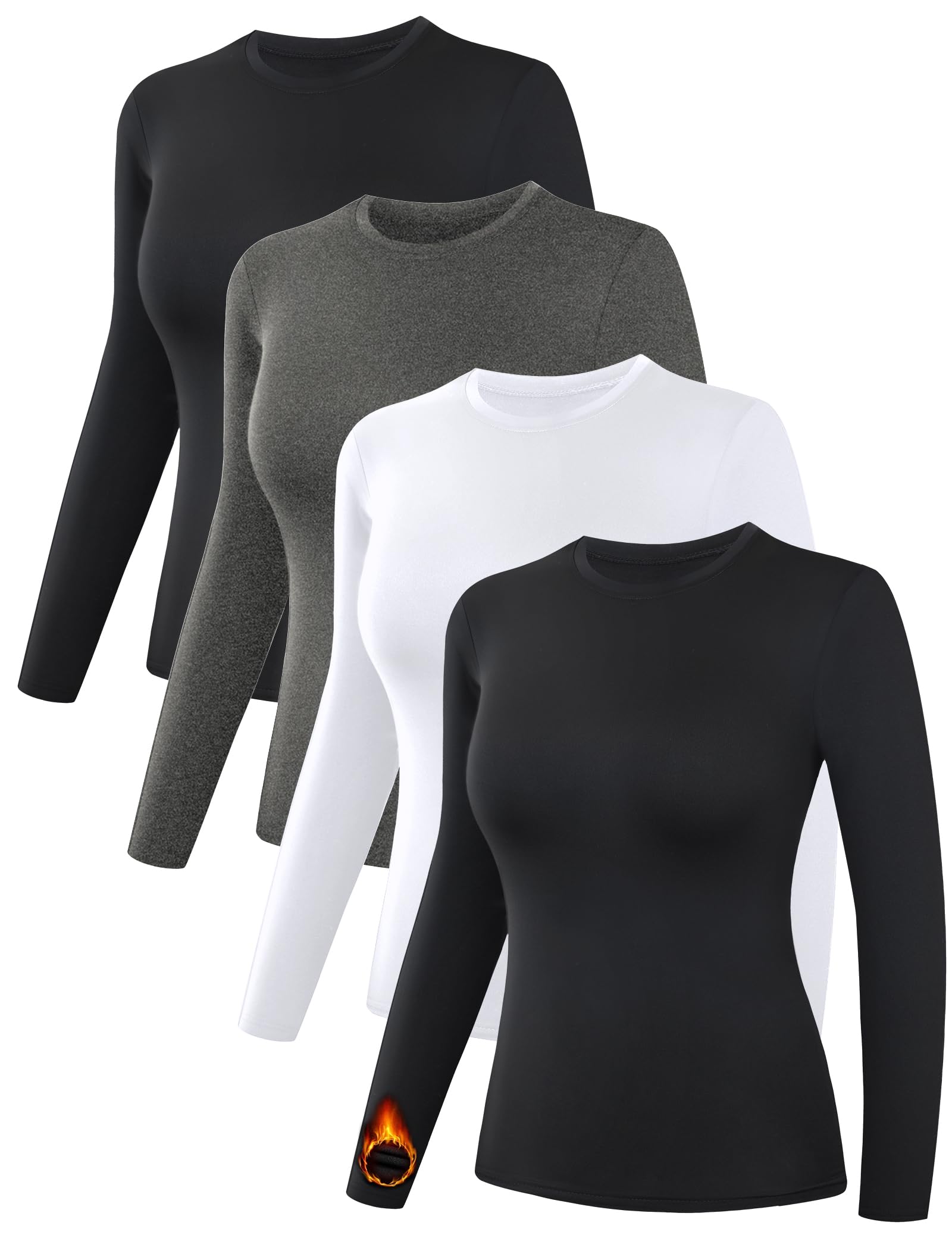
| Dalavch 4 Pack Women’s Thermal Shirts★ Best Overall | Base layer for extreme cold | Fleece lined compression | 3.53 ounces each | None (base layer) | Amazon |
| Carhartt Men’s Yukon Extremes CoatAlso Great | Extreme cold & work | 150g 3M Thinsulate | Heavy | Wind Fighter + Rain Defender | Amazon |
| Carhartt Men’s Camden Cryder Jacket | City wear & durability | 3M insulation | Mid | Wind & water resistant nylon | Amazon |
| THE NORTH FACE Men’s Aconcagua 3 Hooded | Versatile all-round jacket | 600-fill down blend | Lightweight | DWR + WindWall | Amazon |
| THE NORTH FACE Women’s Aconcagua 3 | Women’s travel & hiking | 600-fill recycled down blend | Lightweight | DWR + WindWall | Amazon |
| Columbia Men’s Powder Lite II Jacket | Budget warmth with tech | Recycled synthetic + Omni-Heat | Mid | Rain & stain repellent | Amazon |
| MAGCOMSEN Men’s Puffer Jacket | Light packable layer | Insulation lining | Package weight 7.05 oz | Water repellent, windproof | Amazon |
In‑Depth Reviews
1. Dalavch 4 Pack Women’s Thermal Shirts, Women Fleece Lined Compression Long Sleeve Base Layer Tops for Winter Cold Weather
Our pick — over 4.5★ from 850+ verified ratings; the strongest balance of quality and price.
The four-pack thermal that held up in Alaska at 30 below zero.
Stay warm at the base layer level with these fleece-lined compression shirts. When you need a base layer that fits snug, wicks moisture, and traps heat, these deliver serious warmth for their weight. Each shirt weighs just 3.53 ounces. The tailored fit is designed to be worn under other clothes without bunching up. The length is cut long enough to prevent a gap between your jeans and shirt when you bend or reach. Sizes range from XS (bust 30.7-32.2 inches) up to XXL (bust 40.8-43.1 inches).
Buyers are emphatic about the warmth. One reviewer wrote “these shirts were amazing on our trip to Alaska in -30° weather!” and noted they wore them under T-shirts as a base layer. Another commented on the softness and stretchiness, calling them “perfect base layer” material. A few owners mentioned they run slightly small, so sizing up is a common recommendation. At this price for a four-pack, they cost less per shirt than most single thermals — a serious budget edge for anyone layering up all winter.
What stands out
- Each shirt weighs only 3.53 ounces — ultra-light for a fleece-lined compression layer
- Four-pack pricing gives you a full week’s worth of base layers at a single-shirt price
- Real-world buyers confirm warmth at -30°F when layered properly
Points to know
- Runs small according to several buyers — order one size up for a comfortable fit
- As a base layer only, they do not block wind or rain on their own; you need an outer shell
For the serious layering system: If you plan to spend time in extreme cold and need a reliable, comfortable base layer that wicks and insulates, this four-pack delivers proven value that buyers have tested in Alaska.
Skip if: You want a standalone top — these are designed strictly as a base layer under other clothing.
2. Carhartt Men’s Yukon Extremes Loose Fit Insulated Coat
The workhorse coat that shrugs off subzero wind with 150g of Thinsulate.
Stay warm for hours in punishing cold with this coat. The key is 150g of 3M Thinsulate insulation — that is the weight of synthetic fill that traps heat even when damp, so you stay warm in wet conditions. The shell is a 6.5-ounce, 500-denier Cordura nylon that resists abrasion far better than typical puffer fabrics. You also get Wind Fighter technology that blocks wind chill and Rain Defender DWR coating (a water-repellent finish) that sheds light moisture, so a wet commute will not soak through quickly.
Buyers who work in construction and oilfield conditions report wearing it for hours in temperatures down to 25 below zero when paired with the matching bibs. One reviewer noted “it was effective with those temps for hours.” The rib-knit storm cuffs and a droptail hem seal warmth in, and the triple-stitched main seams hold up to daily abuse. One trade-off mentioned by a long-time owner: the sleeve area around the armpits can feel tight at first until the fabric loosens up. This coat is warmer than the North Face Aconcagua 3 because of its thicker insulation, but it is heavier and less packable.
Where it dominates
- 150g 3M Thinsulate insulation handles extreme cold better than any other pick here — buyers confirm it works at -25°F
- Cordura shell with triple-stitched seams is the most abrasion-resistant shell in the roundup
- Rain Defender and Wind Fighter tech keep you dry and warm in wet wind
Where it compromises
- Loose fit runs large — several buyers recommend sizing down for a trimmer cut
- No hood included, so you need a hoodie underneath or a separate hat
- Heavier and stiffer than lighter puffer jackets, making it less packable for travel
For the cold-hardy worker: If you stand outside in subzero conditions for hours or work in construction, oilfields, or snow country, this coat’s Thinsulate and Cordura shell are class-leading for durability and warmth.
skip it if: You need a light jacket for mild winter errands or something that packs into a backpack — this one is built tough and stays heavy.
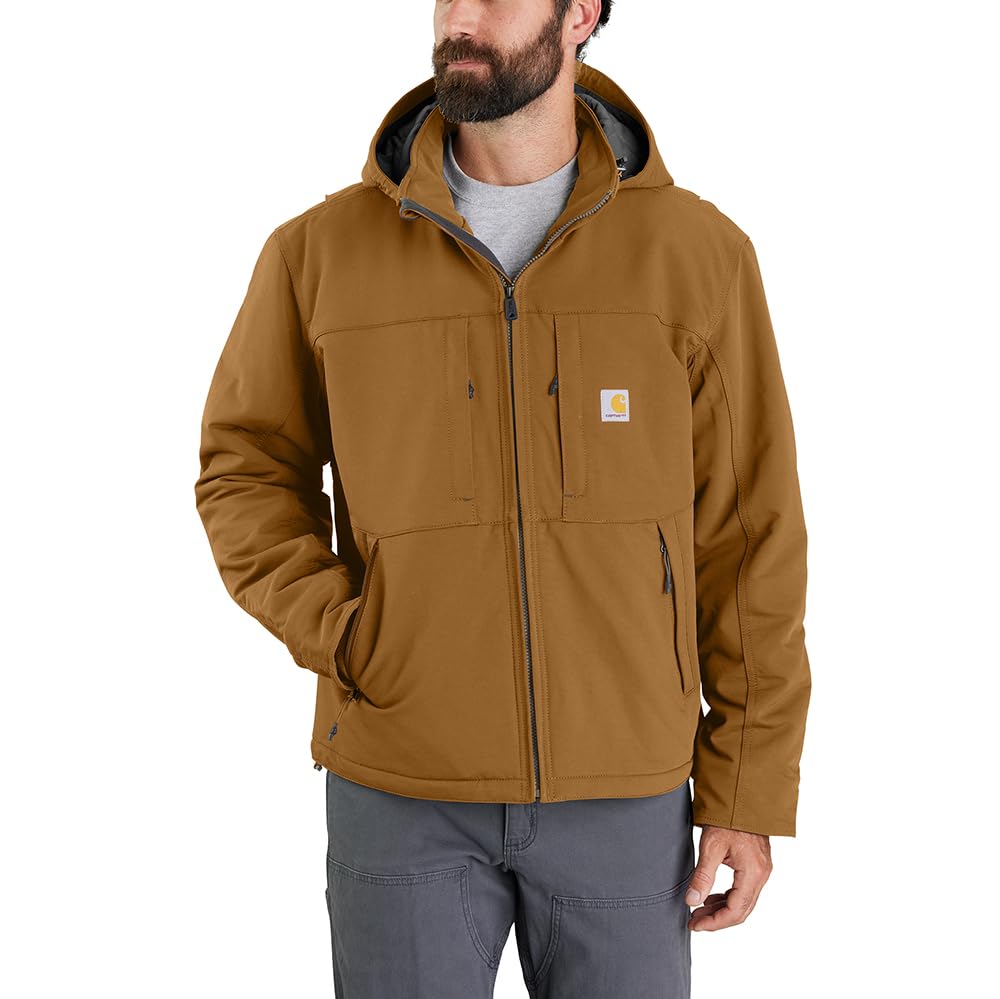
3. Carhartt Men’s Camden Cryder Jacket
The city coat that fights wind and rain without fighting your movement.
Move freely while staying warm with this jacket. It trades the heavy-duty Cordura of the Yukon for an ultra-durable stretch nylon that is lighter and more flexible than Carhartt’s classic duck fabric. The 3M insulation keeps you warm without the bulk of a full winter parka. The adjustable hood plus six exterior pockets make city life more convenient — you can stash your phone, wallet, keys, and gloves without filling your pants. This stretch nylon shell handles wind and light rain well, though it is not a heavy-duty rain coat for sideways downpours.
Buyers consistently mention the relaxed fit allows layering underneath, though several point out it runs large and they sized down. One buyer mentioned the “6 pockets are perfect for city life.” Another who has worn it for a few winters says both the inner liner and outer fabric still look brand new. The Camden Cryder is lighter and more flexible than the Yukon Extremes, but it is not as warm in prolonged subzero conditions without a thicker mid-layer.
Strengths
- Stretch nylon shell is lighter and more flexible than traditional duck or Cordura
- Six pockets (including interior) give you city-ready storage without a bag
- 3M insulation and adjustable hood provide solid warmth for freezing temps with layering
Limitations
- Runs large — a common tip from buyers is to go down one size
- Not a heavy winter coat for subzero extended exposure without a thicker mid-layer
For the daily commuter: If you walk, take transit, or drive and want a jacket that resists wind and rain while keeping you warm without the bulk of a construction coat, this is the pick.
Not for deep cold: For prolonged subzero or heavy snow, the Yukon Extremes or a layered system is a better bet.
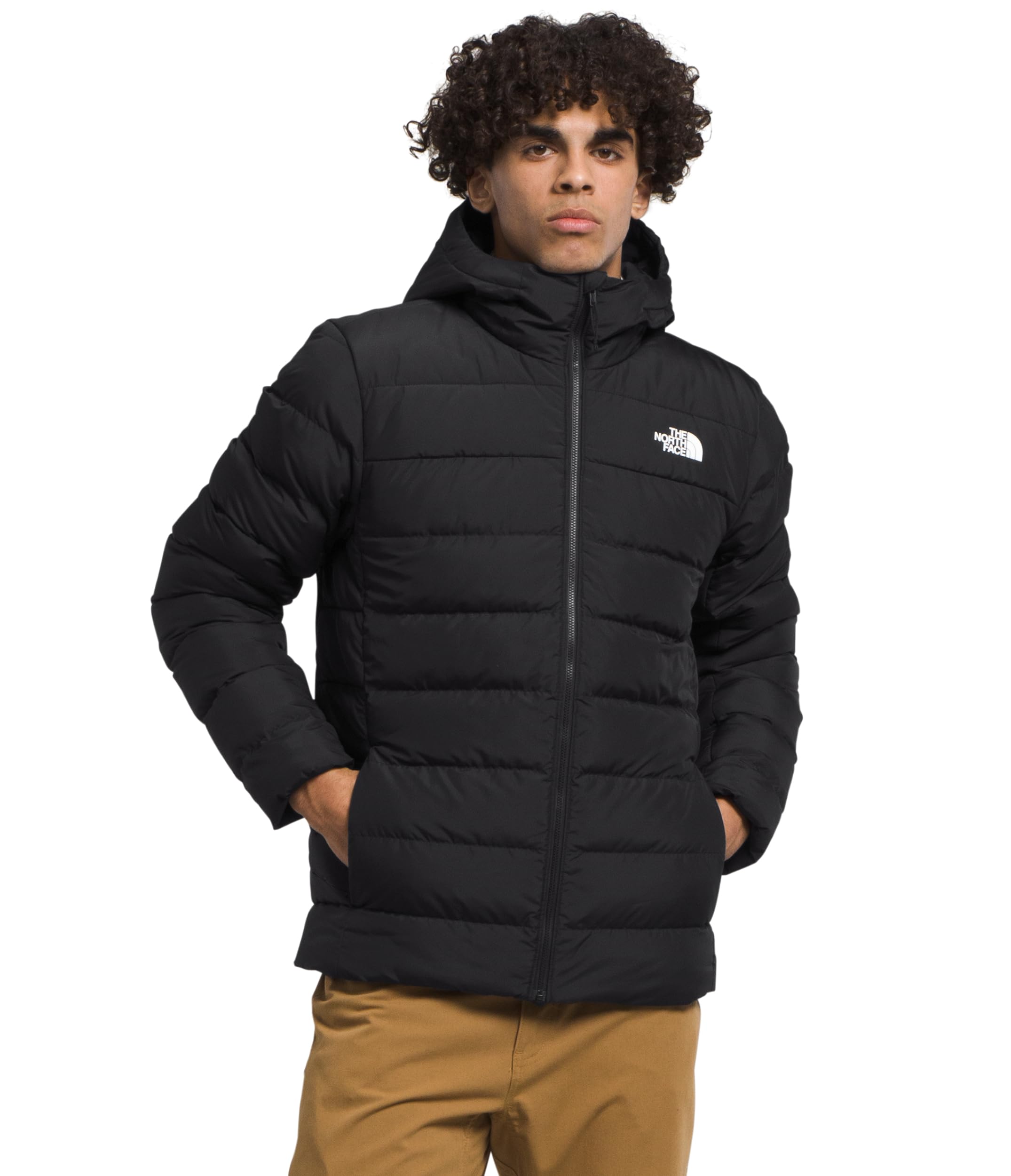
4. THE NORTH FACE Men’s Aconcagua 3 Hooded Jacket
The down-blend jacket that compresses small but warms like a much heavier coat.
Pack down this jacket small for travel, yet stay warm like you are wearing a much heavier coat. It uses a 50/50 blend of 600-fill recycled waterfowl down and recycled polyester insulation. The down part gives you high loft and warmth, while the polyester adds wet-weather resilience. The WindWall fabric blocks gusts, and the non-PFC DWR finish (a water-repellent coating without perfluorinated chemicals) sheds light rain and snow. You also get a three-piece attached hood with a cinch cord, which the non-hooded Columbia Powder Lite II lacks. This jacket feels more refined than the MAGCOMSEN or Columbia options, but it costs more.
Buyers love the warmth-to-weight ratio. One reviewer called it “super light weight and warm.” Another bought it as a gift and said the recipient “has been wearing his nonstop.” A few owners noted feather leakage, which is common with down-filled jackets, but it did not change their overall positive recommendation. The Aconcagua 3 is lighter than the Yukon Extremes and warmer than the Powder Lite II, making it the best middle ground for variable conditions.
Why you want it
- 600-fill down blend offers superior warmth-to-weight over synthetic-only jackets
- WindWall fabric and DWR finish block wind and light precipitation effectively
- Attached hood with cinch cord adds weather protection the Powder Lite II lacks
Consider this
- Some owners mention feathers poking through the shell — a common down-jacket nuisance
- Pricier than the mid-range options, so it is a splurge for casual use
For the outdoor enthusiast: If you hike, travel, or commute in variable winter weather and want one jacket that does it all — warm, light, wind-resistant, and packable — this is the top-tier pick.
Not for: Those who work in extreme cold or rough conditions where a Cordura shell and heavy insulation are necessary.
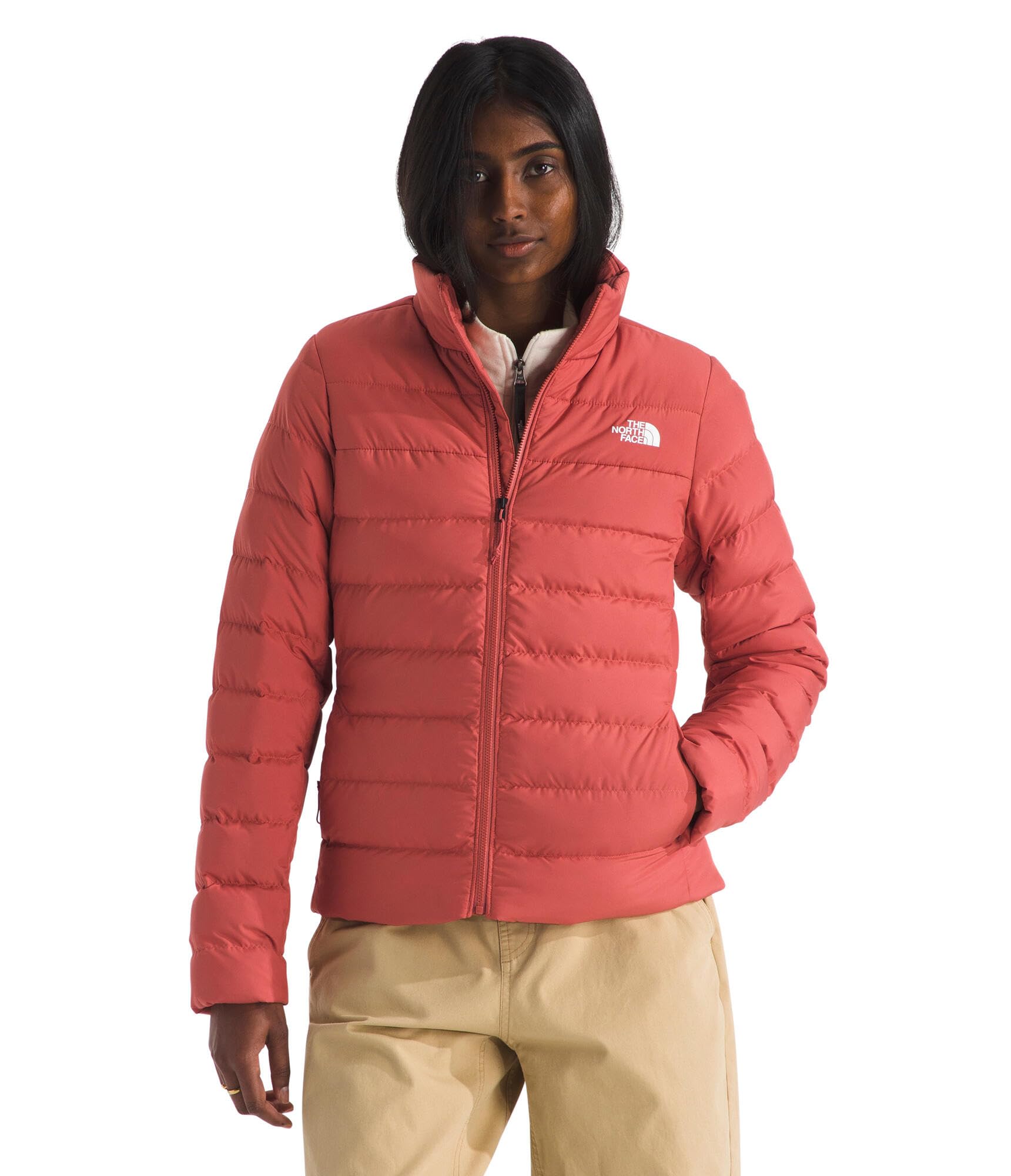
5. THE NORTH FACE Women’s Aconcagua 3 Jacket
The women’s jacket that keeps you warm without the weight — even in Alaska.
Move freely while staying warm with this women’s jacket designed for active use. The women’s version of the Aconcagua shares the same 50/50 blend of 600-fill recycled waterfowl down and recycled polyester insulation. But it adds zoned sheet insulation in the arms. That means your torso stays warm with down fill while your arms remain flexible for hiking or carrying gear. The 100% recycled polyester WindWall fabric blocks wind, and the non-PFC DWR finish handles light snow and drizzle.
One owner reported “I ordered this specifically for a trip to Alaska” and it kept her warm, though she recommended sizing up to a Large instead of Medium for a comfortable fit. Another reviewer who wore it in snow noted the jacket got wet and was “not good for skiing.” So it is more of a cold-and-dry or light-precipitation jacket than a hard-shell waterproof piece. The standard fit with hood provides a flattering silhouette that works for both trail and town. The Aconcagua 3 is lighter and more mobile than the Yukon Extremes, but it lacks the extreme cold durability.
What makes it special
- Zoned sheet insulation in the arms allows full range of motion without sacrificing warmth
- 600-fill recycled down blend with WindWall fabric is warm, windproof, and sustainable
- Standard fit with a hood works for both outdoor adventures and casual daily wear
Watch out for
- DWR finish is not enough for heavy snow or wet conditions — does not hold up to skiing
- Runs slightly snug, so buyers recommend sizing up for layering underneath
For the active woman: If you need a warm, lightweight jacket for hiking, travel, or daily errands in cold but mostly dry winters, this hits the balance between mobility and warmth.
Skip for wet snow: If you plan to ski or work in steady wet precipitation, look for a fully waterproof shell instead.
6. Columbia Men’s Powder Lite II Jacket
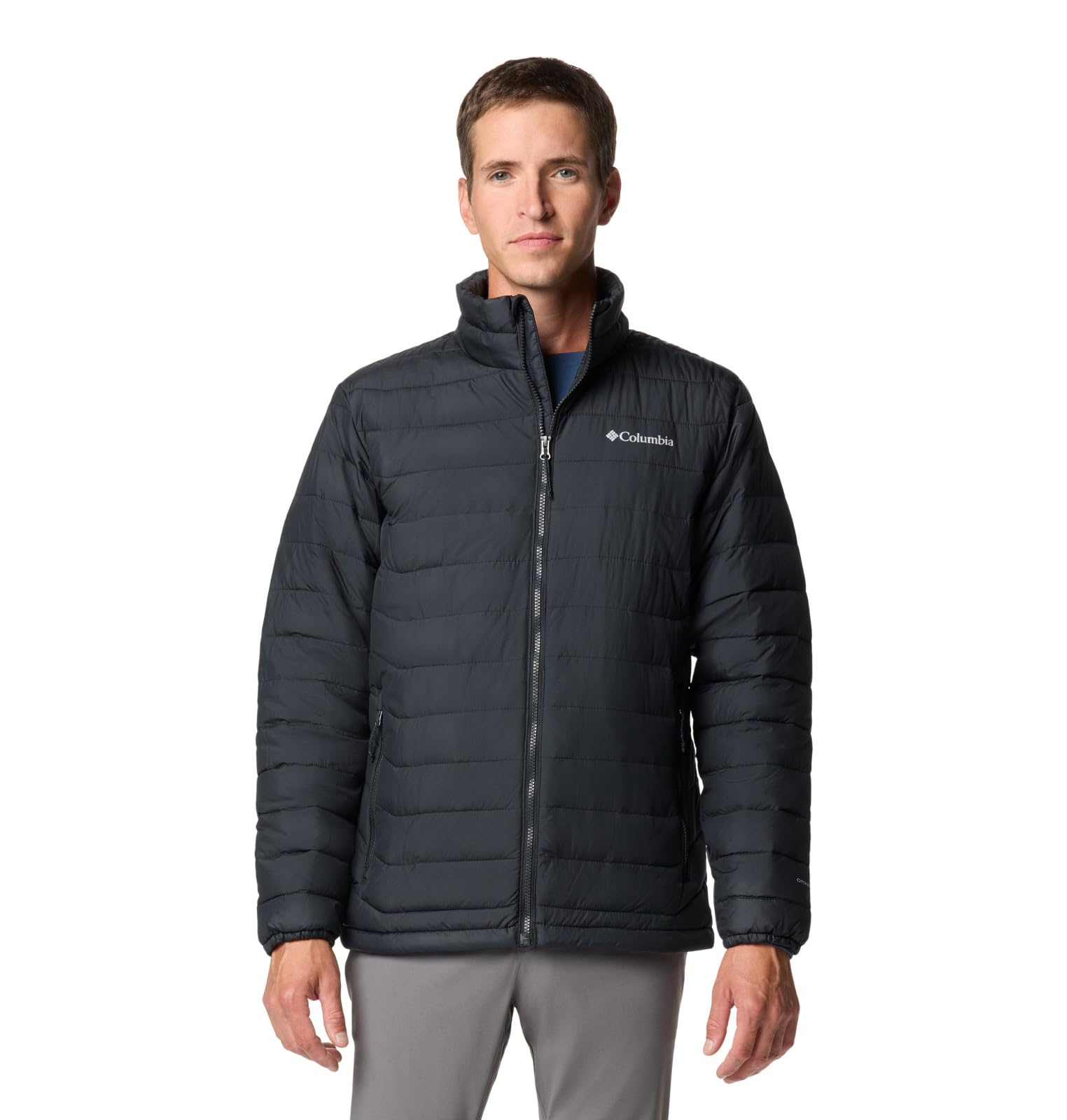
The budget jacket that quietly reflects your own body heat back at you.
Stay warmer than the thin insulation suggests with this budget-friendly jacket. Columbia’s Omni-Heat technology uses a reflective silver lining that bounces body heat back toward you. The shell is rain- and stain-repellent, so light showers and splashes roll off rather than soak in. Recycled synthetic insulation fills the body, and the active fit trims well without being restrictive. Extended and tall sizing is available for a wider range of body types. The Powder Lite II is cheaper and lighter than the North Face Aconcagua 3, but it lacks a hood and a wind flap over the zipper.
One buyer with years of experience wearing Columbia noted “I think I can tell the difference with the Omni-Heat technology” and described a subtle sensation of warmth reflecting back. Others confirm the jacket packs down and compresses nicely for travel. The main downsides are the lack of a hood and no external flap over the zipper to block wind. So a scarf or hoodie is probably needed on real winter days. The Powder Lite II is lighter and cheaper than the North Face options but less weather-resistant.
Advantages
- Omni-Heat reflective lining adds warmth without extra weight — feels noticeably warmer than the insulation alone
- Compresses small for easy packing in luggage or a backpack
- Extended and tall sizing offers better fit options for different body types
Disadvantages
- No hood included, so you need a separate hat or hoodie for windy days
- Zipper lacks a wind flap, which lets cold air sneak in through the front
For the value-focused buyer: If you want a lightweight, warm jacket for fall and mild winter without spending a lot, the Omni-Heat tech gives you an edge over plain synthetic puffers at the same price point.
Not for wet or windy days: Without a hood and with an unflapped zipper, this is best for dry, cold weather or as a mid-layer under a waterproof shell.
7. MAGCOMSEN Men’s Puffer Jacket Lightweight Warm Winter Coats Water Repellent Windproof Insulated Jacket

The ultralight puffer that hides in a backpack until you need it.
Carry this jacket without noticing it until you need it. The premium Nylon and Polyester shell has a water-repellent finish and windproof construction, making it a practical emergency layer for mild wet weather. The insulation lining traps warmth without the bulk, and the whole thing packs into a backpack or suitcase in seconds.
One Seattle-area buyer reported that during a downpour, “the water-repellent fabric worked well against the rain while walking to the car.” However, another reviewer from the same city noted it is not a “below freezing winter coat” and suggested layering with a hoodie underneath. The MAGCOMSEN is noticeably lighter than the Columbia Powder Lite II, but it also has less insulation. So it is a better backup or mild-weather piece than a primary winter coat.
Why you would grab it
- At 7.05 ounces, it weighs practically nothing — easy to carry for unpredictable weather
- Water-repellent and windproof fabric works well for light rain and gusty days
- Packs down small, fitting into a backpack or glove compartment
Where it falls short
- Not warm enough for extended below-freezing temperatures without layering
- Thinner insulation means it works best as a light outer layer or backup, not a main winter coat
For the traveler and commuter: Keep this in your bag for chilly evenings, unexpected cold snaps, or as a second layer under a shell — its lightweight design means you barely notice it until you need it.
Not for winter warriors: If you face regular sub-20°F weather, choose the Yukon or Aconcagua instead.
Understanding the Specs
Fill Power and Insulation Weight
Fill power (like the 600-fill down in the North Face jackets) measures how much loft one ounce of down creates — higher numbers trap more air and more warmth per ounce. For synthetic insulation, look at the grams (like 150g Thinsulate in the Yukon Extremes). Heavier grams mean more warmth but also more bulk and weight. A 150g synthetic jacket is roughly comparable to a mid-weight down jacket for warmth, but it stays insulating when wet while down does not.
DWR vs Waterproof
DWR stands for Durable Water Repellent — it is a coating that makes water bead up and roll off the outer fabric. It handles light rain and snow but will wet out in steady or heavy precipitation. Waterproof membranes (like Gore-Tex or fully taped seams) block water completely but cost more and breathe less. Most of the jackets here use DWR only, meaning they work well for drizzly commutes but are not rain jackets for a downpour.
Base Layer Fabrics and Compression
A thermal base layer needs to wick sweat away from your skin so you do not get cold when you stop moving. Fleece-lined compression shirts like the Dalavch 4 Pack combine stretchy polyester with a soft inner fleece — the compression traps a thin layer of heated air against your body, while the fleece adds insulation. The same principle means a snug fit is critical: if the shirt is too loose, cold air circulates and reduces warmth.
Wind Resistance Technology
Terms like WindWall (North Face) and Wind Fighter (Carhartt) refer to fabric construction that blocks wind from passing through the outer shell. This is important because wind chill dramatically reduces the effective temperature your body feels. A jacket with good wind resistance can feel 10-15°F warmer than a non-windproof jacket of the same insulation weight. If you live in a windy area, prioritize one of these technologies.
FAQ
How many layers do I need in freezing weather?
Can I wear a down jacket in the rain?
What does 600-fill down mean?
Will the Carhartt Yukon Extremes fit me if I am 6’4″ and 240 lbs?
How do I wash a puffer jacket without ruining the insulation?
What is the difference between WindWall and DWR?
Are fleece-lined compression shirts good for active use?
Why do some down jackets lose feathers?
Can I use the MAGCOMSEN puffer as a primary winter coat?
Final Thoughts: The Verdict
For the majority of shoppers, the cold gear winner is the Carhartt Men’s Yukon Extremes Coat because it offers the warmest proven insulation (150g Thinsulate) and the most durable shell for extreme conditions. If you want a premium all-rounder with down warmth and packability, grab the THE NORTH FACE Men’s Aconcagua 3 Hooded Jacket. And for the best value in a lightweight insulator, the standout is the Columbia Men’s Powder Lite II Jacket for combining Omni-Heat tech and a budget-friendly price.
How We Picked
We do not accept paid placement. Every pick is matched to a real buyer and a real use-case; we do not hands-on test units.
Sources & Methodology
Specifications: manufacturer listings and product documentation. Review insights: verified customer reviews, as of July 2026. Pricing: not shown on this page (it changes often); check the current price via the retailer link.
As an Amazon Associate, WellFizz earns from qualifying purchases. This does not affect which products we feature.
Related Guides

Mo Maruf
I created WellFizz to bridge the gap between vague wellness advice and actionable solutions. My mission is simple: to decode the research and give you practical tools you can actually use.
Beyond the data, I am a passionate traveler. I believe that stepping away from the screen to explore new environments is essential for mental clarity and physical vitality.