Our readers keep the lights on and my smoothie glass nicely filled. As an Amazon Associate, I earn from qualifying purchases.
Spending hours outside when the mercury drops below freezing demands a first layer that traps heat without trapping sweat. A standard cotton undershirt fails instantly — it soaks up moisture, chills against the skin, and leaves you shivering within minutes. The right thermal base layer uses engineered knit structures, fabric weights, or natural fibers to create a warm air pocket against your body while actively moving moisture vapor outward, keeping your skin dry and your core temperature stable.
I’m Mohammad Maruf — the founder and writer behind WellFizz. My research for this guide involved cross-referencing fiber composition, knit density, customer durability reports, and real-world temperature ratings across dozens of product listings to identify the seven base layers that actually deliver on their warmth promises.
Whether you need a budget-friendly set for daily commuting or a premium merino kit for backcountry expeditions, this guide breaks down the exact specs and trade-offs to help you find the best cold gear base layer for your specific winter activity.
How To Choose The Best Cold Gear Base Layer
Choosing the right thermal base layer depends on three primary factors: the temperature range you’ll face, your activity level (which dictates sweat output), and whether you prioritize odor control over drying speed. Getting this wrong means either overheating during exertion or freezing once you stop moving.
Fabric Weight and Temperature Rating
Base layer weight is measured in grams per square meter (gsm). Lightweight options (150-200 gsm) work best for high-output activities in moderately cold weather (30°F to 50°F). Midweight (200-280 gsm) handles most winter conditions from 10°F to 30°F. Heavyweight (280 gsm and above) is designed for stationary use or extreme cold below 10°F. Always match weight to your specific activity — a heavyweight layer under a ski shell during active runs will cause you to overheat quickly.
Merino Wool vs Synthetic Fibers
Merino wool is the premium choice for all-day wear because its natural fibers trap air efficiently and resist bacterial growth, meaning you can wear it multiple days without odor. The trade-off is slower drying time and higher cost. Synthetic materials like polyester and elastane blends wick moisture faster, dry quickly, and are more durable against abrasion, but they trap odors after a single heavy sweat session. For multi-day trips without washing access, merino wins. For high-intensity sports where you’ll wash after every use, synthetic is the smarter buy.
Fit and Seam Construction
A cold gear base layer must fit snugly against the skin — any gap allows cold air to circulate and reduces the insulating air pocket. Look for a close or compression fit with flatlock seams that sit off high-abrasion zones (shoulders, underarms, inner thighs). Dropped hems in the back prevent ride-up during bending, and gusseted crotches in bottoms allow full range of motion without sagging or bunching.
Quick Comparison
On smaller screens, swipe sideways to see the full table.
| Model | Category | Best For | Key Spec | Amazon |
|---|---|---|---|---|
| Smartwool Classic Thermal Merino Bottom | Premium | Extreme cold outdoor work | 250 gsm Merino wool | Amazon |
| Icebreaker Merino 175 Crew | Premium | All-day versatile merino layer | 175 gsm 100% Merino wool | Amazon |
| Meriwool Heavyweight 400g Pants | Premium | Stationary extreme cold | 400 gsm heavyweight Merino | Amazon |
| Rothco ECWCS Gen III Bottoms | Mid-Range | Military-grade cold weather layering | Grid fleece polyester blend | Amazon |
| Thermajohn Men’s Long Johns Set | Value | Budget everyday warmth | Fleece-lined polyester set | Amazon |
| Under Armour HeatGear Compression Top | Mid-Range | High-intensity training in cool weather | 87/13 Polyester/Elastane compression | Amazon |
| Under Armour Kids ColdGear Mock | Mid-Range | Youth sports in cold weather | Dual-layer with brushed interior | Amazon |
In‑Depth Reviews
1. Smartwool Men’s Classic Thermal Merino Base Layer Bottom
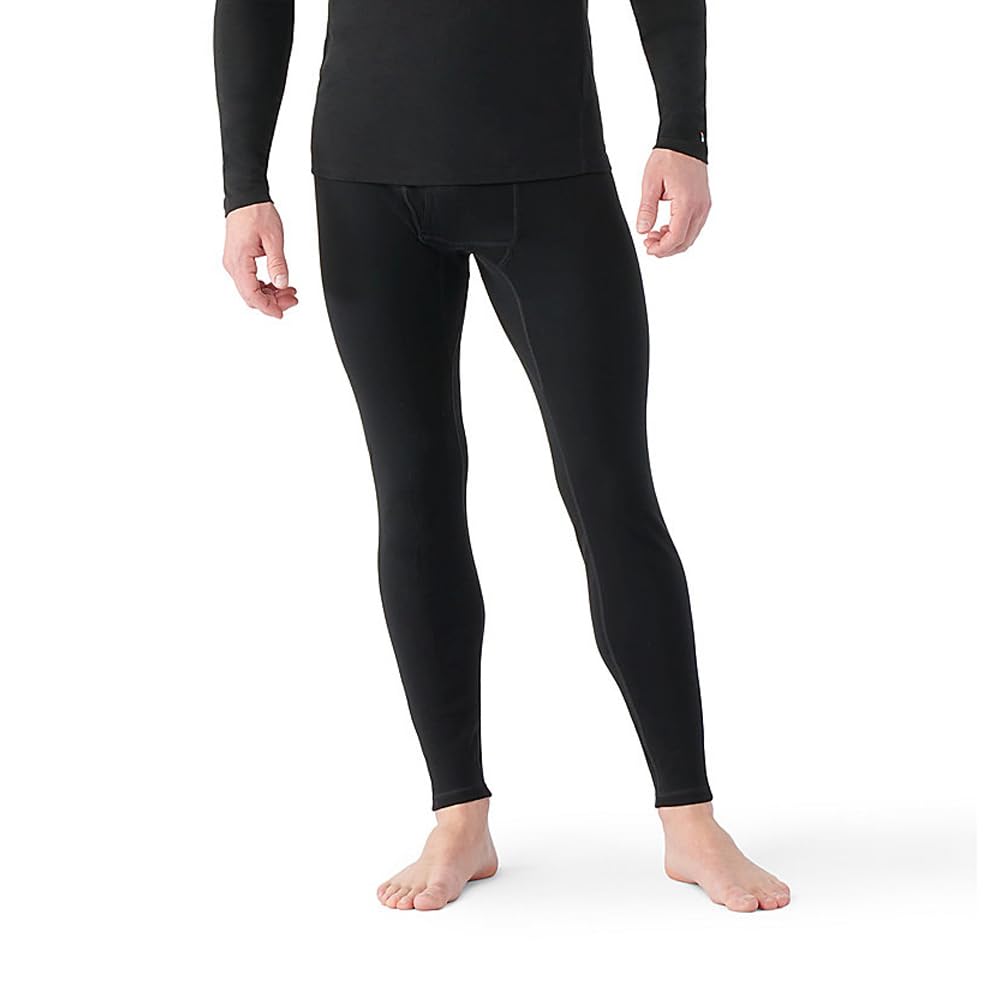
Smartwool’s Classic Thermal Bottom uses a 250 gsm midweight merino wool knit that hits the perfect balance between warmth and breathability for most sub-freezing conditions. The interlock construction enhances moisture vapor transport, so even during high-output outdoor work or hiking, your skin stays dry while the wool fibers trap a stable layer of warm air. Customer reports confirm reliable performance at temperatures below freezing, with one reviewer noting it replaced their synthetic base layers entirely.
The slim fit is designed to reduce sag and excess fabric, which prevents bunching inside waterproof shell pants. Flatlock seams sit off high-friction zones to minimize chafing during long walks or repeated bending. The 21.5-inch inseam works well for taller builds, though the non-stretch fabric means sizing needs to be precise — consult the size chart before ordering.
A one-piece front pocket adds a small storage option for keys or lip balm, a rare convenience in a base layer bottom. This is the premium pick for anyone who needs a single layer that manages odor across multiple days while keeping legs warm during cold-weather construction, hunting, or backcountry skiing.
Why it’s great
- Premium merino wool resists odor for multi-day use
- Midweight 250 gsm fabric works from 10°F to 30°F
- Flatlock seams prevent chafing during repetitive motion
Good to know
- Non-stretch fabric requires accurate sizing
- Premium price point compared to synthetic equivalents
2. Icebreaker Merino Womens 175 Everyday Cold Weather Base Layer Crew

The Icebreaker 175 Everyday Long Sleeve Crewe uses a 100% merino wool rib-knit fabric at 175 gsm, placing it in the lightweight category. This makes it a true four-season base layer — warm enough to cut the chill during fall hikes and morning ski laps, yet breathable enough to wear alone in 50°F transitional weather. Customers consistently praise the non-itchy feel, noting it feels like premium cotton against the skin rather than traditional wool.
The slim fit is flattering without being compressive, and the rib-knit structure provides enough stretch for full arm rotation during climbing or cross-country skiing. Cold-weather users report comfort down to 5°F when paired with a mid-layer. The natural odor resistance of merino means you can rewear the shirt multiple times on a trip without washing — a major advantage for backpackers and travelers.
One caveat: the lightweight fabric is slightly sheer in certain colors, and while the sleeves are generously long, the overall cut is relaxed enough to avoid feeling restrictive. This is the best option for women who want a single base layer that transitions from active outdoor use to casual daily wear without looking like technical gear.
Why it’s great
- Soft 100% merino with zero itch or pilling
- Versatile 175 gsm weight works across 5°F to 50°F
- Natural odor resistance enables multi-day rewear
Good to know
- Lightweight fabric can be slightly sheer in bright colors
- Not warm enough alone below 30°F — needs mid-layer
3. MERIWOOL Mens Base Layer 100% Merino Wool Heavyweight 400g Thermal Pants

At 400 gsm, these Meriwool thermal pants are among the heaviest merino base layers on the market, designed specifically for stationary cold exposure — think ice fishing, stand hunting, or sitting on a snowmobile. The fabric is thick enough to feel like a soft, dense blanket against the legs, and customers report comfort in temperatures as low as 16°F under a single layer of jeans. The 100% merino construction provides excellent odor resistance and temperature regulation.
Despite the heavyweight fabric, reviewers note zero stiffness or itchiness. The pants layer easily under insulated bibs or shell pants, though the bulk does require sizing up one waist size for a comfortable fit beneath multiple layers. The crotch is reinforced for durability, though at least one long-term user reported thinning in that area after extended hiking use.
The most common criticism is the lack of a waist drawstring — during active hiking with multiple layers, the pants can slide down. This limits them to stationary or low-motion use cases. For anyone whose winter activity involves sitting still in sub-zero temperatures for hours, these pants provide unmatched passive warmth.
Why it’s great
- Ultra-thick 400 gsm merino for extreme cold below 0°F
- Soft, non-itchy fabric with excellent odor control
- Durable crotch reinforcement for repeated wear
Good to know
- No waist drawstring — can sag during active movement
- Bulky fit requires sizing up for layered use
4. Rothco ECWCS Gen III Mid-Weight Underwear Bottoms

The Rothco ECWCS Gen III bottoms are built on the Extended Cold Weather Clothing System used by the U.S. military. The grid fleece interior uses a pattern of raised squares that trap warm air while leaving channels open for moisture vapor to escape. This design makes the bottoms highly breathable during active use — one reviewer reported wearing them on a rainy Alaska rafting trip with excellent moisture management and no chill.
The polyester-spandex blend provides 4-way stretch that moves with the body during high-knee or squatting motions. The mid-weight fabric is rated for conditions down to -40°F when used as part of a full ECWCS layering system. Customers consistently praise the durability, with many stating the bottoms outlast multiple winters of heavy use without pilling or seam failure.
Taller users should note the sizing chart tends to run long in both rise and inseam — the XL at 6’4″ had 6+ inches of extra length. The crotch area is also cut generously. These are a fantastic value for anyone who needs a tough, breathable, mid-weight synthetic layer rated for extreme cold, as long as you can dial in the fit.
Why it’s great
- Breathable grid fleece design prevents overheating during activity
- Durable military-spec construction lasts multiple seasons
- Effective moisture wicking in wet conditions
Good to know
- Sizing chart inaccurate — bottoms run long in rise and inseam
- Crotch cut is roomy, may not fit all body types
5. Thermajohn Men’s J-t-m-1836 Long Johns Thermal Underwear Set

The Thermajohn set delivers impressive warmth for its price point thanks to a fleece-lined interior that adds a soft, insulating layer against the skin. The polyester-based fabric manages moisture well enough for daily commuting, casual outdoor walks, and light work shifts in temperatures down to around 30°F. Customers note the set is stretchy and non-restrictive, with a waistband that stays in place without digging in.
The top and bottom fit like a second skin with no bunching or riding up during normal movement. The fabric is thin enough to layer easily under jeans or work pants without adding noticeable bulk. Multiple reviewers mention the set holds up well after repeated washing cycles, with no noticeable shrinkage or pilling.
The main limitation is the warmth ceiling — at temperatures in the 20s and below, air infiltration through woven pants reduces effectiveness. The fleece lining, while cozy, does not wick moisture as efficiently as grid fleece or merino options. This set is the right choice for mild winter climates or for users who need an affordable, comfortable first layer for daily errands and light recreation.
Why it’s great
- Extremely affordable fleece-lined thermal set
- Soft, stretchy, and non-restrictive for all-day wear
- Holds shape and resists pilling after washing
Good to know
- Loses effectiveness below 30°F, especially in wind
- Fleece lining wicks moisture slower than grid or merino designs
6. Under Armour Women’s HeatGear Compression Long-Sleeve T-Shirt

The Under Armour HeatGear top is a compression-performance layer, not a thermal insulation layer. The 87/13 polyester-elastane fabric is ultra-lightweight and engineered specifically to wick sweat and dry rapidly during high-intensity exercise. This makes it ideal for running, indoor training, or cycling in cool weather ranging from 40°F to 55°F, where you need moisture management more than heat retention.
The 4-way stretch construction moves with the body through full range of motion without restricting breathing. Flatlock seams eliminate chafing under pack straps or sports bras. The compression fit is genuinely tight — one reviewer at 5’9″ and 155 lb noted it provides a second-skin feel that is not forgiving for a loose fit preference. The fabric is slightly sheer when stretched, so consider a darker color for modesty.
This is not a cold-weather base layer in the traditional sense. If your goal is warmth during rest or low-output cold exposure, choose a heavier option. For runners, cyclists, and gym-goers who need a breathable, quick-drying first layer that prevents chill from sweat evaporation, the HeatGear compression top excels at exactly that task.
Why it’s great
- Ultra-fast moisture wicking prevents clammy skin during workouts
- Compression fit reduces muscle vibration during high-impact activity
- Flatlock seams eliminate chafing under gear
Good to know
- Not designed for insulation — limited warmth in cold conditions
- Compression fit runs tight and fabric is slightly sheer
7. Under Armour Kids ColdGear Armour Mock Long Sleeve T-Shirt (Big Kids)
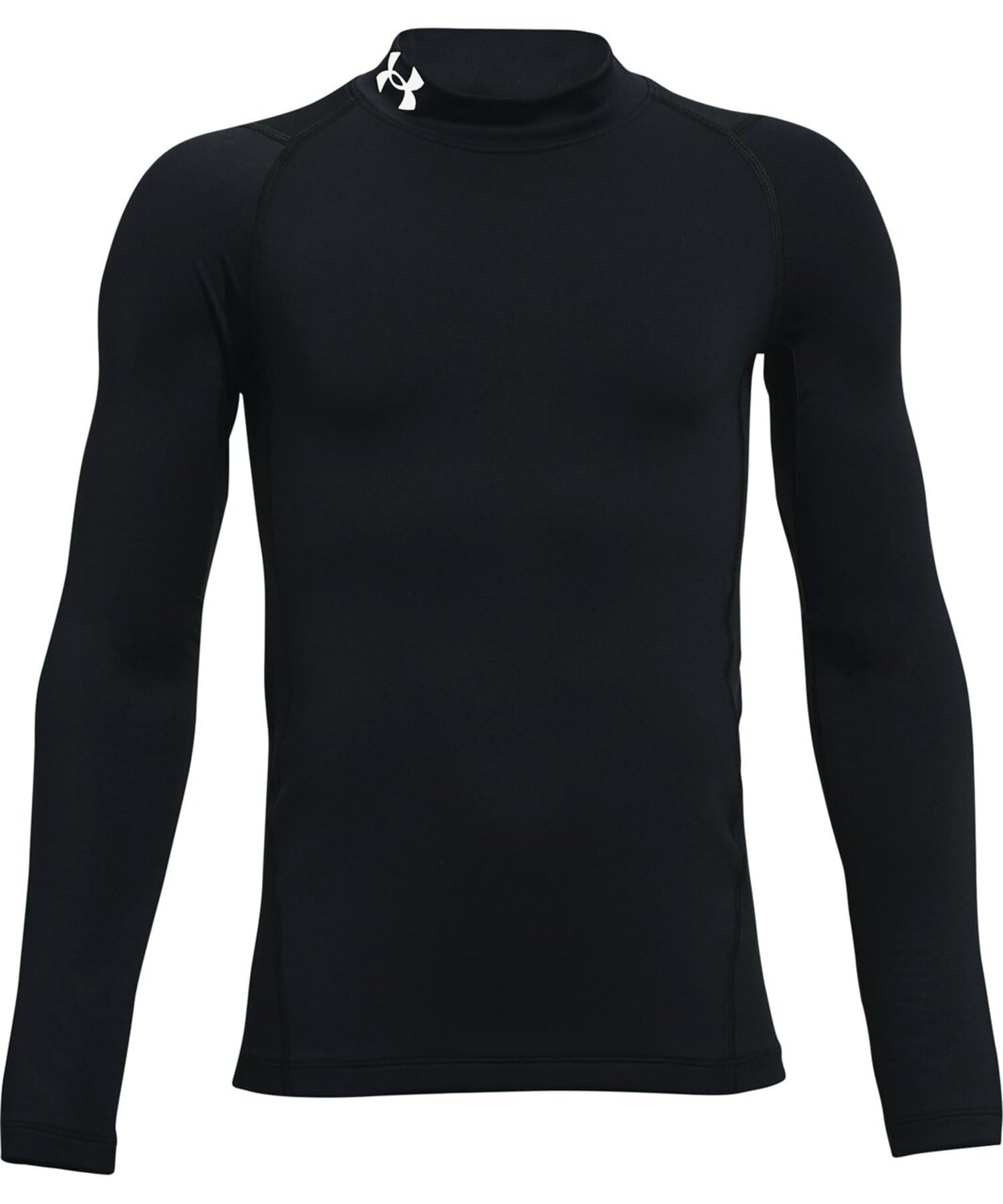
The Under Armour Kids ColdGear Mock uses a dual-layer fabric system: a smooth, fast-drying polyester exterior that slides easily under uniforms, and a brushed interior that traps body heat against the skin. The mock neck design adds coverage for the neck and chest, which is critical for young athletes who lose heat rapidly through exposed areas during cold-weather soccer, football, or baseball practices.
Stretch-mesh panels at the back and underarms provide strategic ventilation, preventing overheating during active play. The 4-way stretch material allows full sprinting and throwing range without restriction. The fitted silhouette is streamlined enough to fit under a jersey without causing bulk, and the dropped, shaped hem stays tucked in during sliding or diving movements.
Parents report the material holds up well through repeated machine washing without losing softness or shape. The sizing matches standard big-kid size charts, and the top is frequently paired with the matching ColdGear leggings for full-body coverage. This is the definitive base layer for youth winter sports — warm enough to keep kids comfortable on the sideline, breathable enough to prevent overheating during play.
Why it’s great
- Dual-layer fabric provides warmth without bulk under uniforms
- Mock neck seals in heat at a vulnerable area
- Ventilation panels prevent overheating during active sports
Good to know
- Fitted design may run snug for wider builds
- Designed for youth sports — not insulated enough for stationary cold
FAQ
What is the difference between HeatGear and ColdGear from Under Armour?
Can I wear a merino base layer for high-intensity sports like running?
How should a cold gear base layer fit to be effective?
Final Thoughts: The Verdict
For most users, the cold gear base layer winner is the Smartwool Classic Thermal Merino Bottom because the 250 gsm midweight merino fabric balances warmth, breathability, and odor resistance for virtually any winter activity. If you want a lightweight, versatile merino top that transitions from outdoor adventures to daily wear, grab the Icebreaker Merino 175 Crew. And for extreme cold where you’ll be sitting still for hours, nothing beats the sheer insulation of the Meriwool Heavyweight 400g Pants.

Mo Maruf
I created WellFizz to bridge the gap between vague wellness advice and actionable solutions. My mission is simple: to decode the research and give you practical tools you can actually use.
Beyond the data, I am a passionate traveler. I believe that stepping away from the screen to explore new environments is essential for mental clarity and physical vitality.