Our readers keep the lights on and my smoothie glass nicely filled. As an Amazon Associate, I earn from qualifying purchases.
Specs are compiled from manufacturer listings and verified buyer reviews and can change over time — please confirm the key details on the product page before buying.
Most coconut water ads promise the taste of a fresh island nut, but the reality is you are often drinking something that tastes like grass clippings mixed with sweat. This guide cuts through the shelf noise to give you the nine most effective options for genuine hydration.
I’m Mohammad Maruf — the founder and writer behind WellFizz. This guide is built by comparing the manufacturers’ published specifications and the patterns across verified customer reviews, so you get each pick’s real strengths and trade-offs instead of marketing spin.
if you need a post-workout recovery drink, a travel-friendly electrolyte stick, or a pure no-sugar bottle for daily sipping, you’ll find the right fit in this breakdown of the best coconut water for hydration.
How To Choose The Best Coconut Water For Hydration
Not all coconut water is created equal for actually quenching your thirst. The first thing to check is whether it is “from concentrate” or “not from concentrate” — the latter means the water was bottled straight from the coconut without being cooked down and reconstituted, which preserves the natural electrolyte profile and a fresher taste. Bottles labeled “100% pure” with no added sugars are your baseline for clean hydration.
The Electrolyte Game
Your body loses sodium, potassium, magnesium, and calcium when you sweat. Look for a potassium content comparable to a banana (around 400–600 mg per serving) and a meaningful amount of sodium (anywhere from 50 mg to over 600 mg, depending on how much you sweat). If you are doing intense cardio or working in the heat, a higher sodium count helps you retain the water you drink.
Added Sugar vs. Natural Sweetness
Young green coconuts naturally yield a sweeter, milder water than mature brown ones, which can taste bitter or grassy. The best brands use no added sugar or artificial sweeteners — just the natural sugar from the fruit itself. If the label lists “cane sugar” or “fruit juice concentrate” as an ingredient, you are paying for a sweetened beverage, not pure hydration. Stevia-sweetened powders are a clean alternative if you find straight coconut water too bland.
Format: Ready-to-Drink vs. Powder
Bottles or cans give you instant hydration with no prep, but they are heavy to carry around. Powder sticks (which include real coconut water powder as an ingredient) are lighter, portable, and let you control the strength of your drink. The trade-off is that you need a water source and a few seconds to mix them, which is not always convenient mid-run or on a job site.
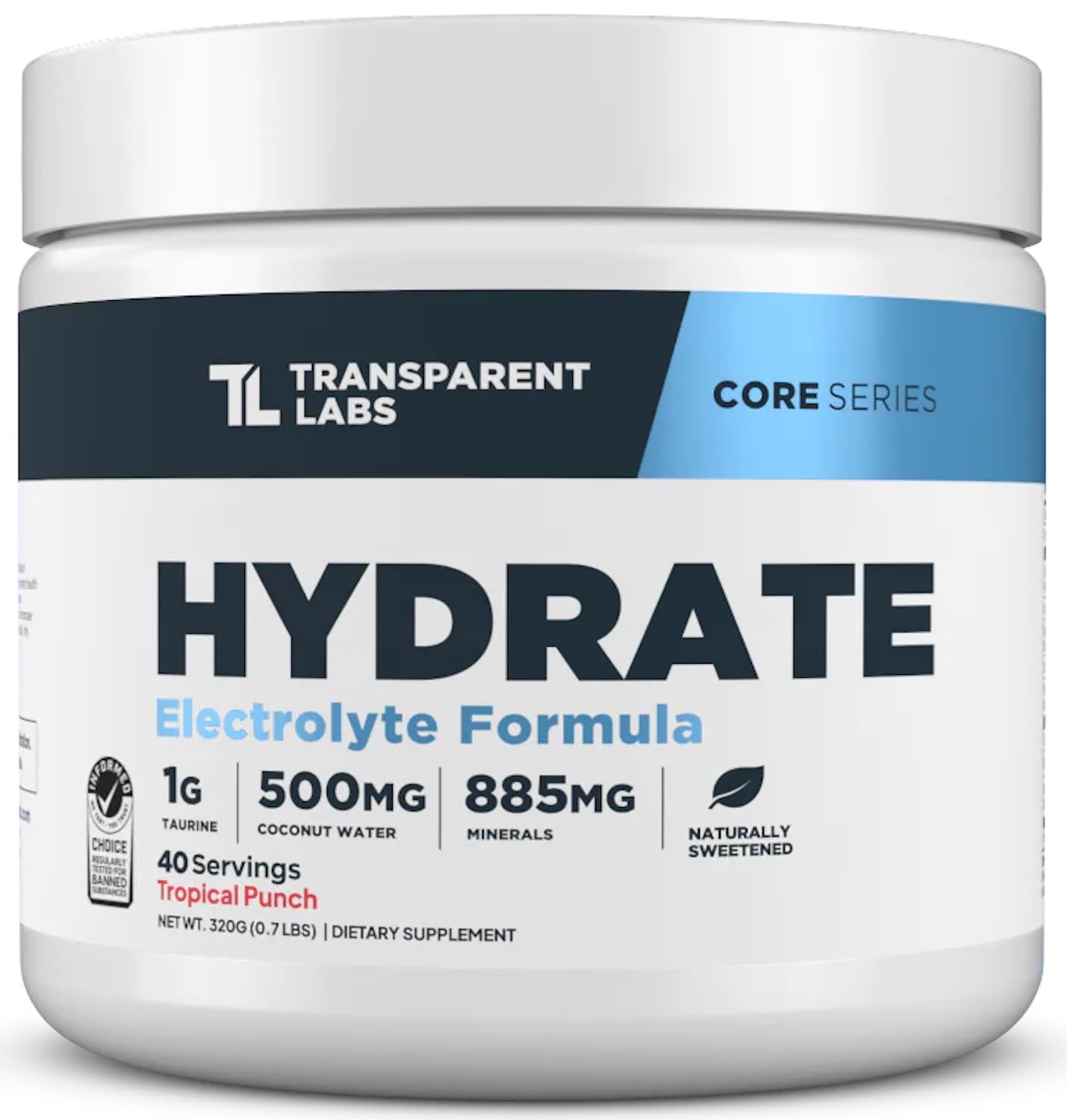
A lab-engineered hydration powder that uses real coconut water powder with no artificial taste.
The thing that wins people over with Transparent Labs Hydrate is the taste — it is the most-discussed feature by a significant margin, and for good reason. It mixes into water with a tropical punch flavor that buyers describe as identical to classic Hawaiian Punch, with no clumping and no weird aftertaste. The formula includes Aquamin (a seaweed-sourced calcium), Himalayan rock salt, and sodium citrate for rapid rehydration, plus organic coconut water powder for a natural potassium boost. As buyers report, it is “the best electrolytes in the market” and hydrates “really quickly.”
Each scoop delivers a bioavailable mineral blend with calcium bisglycinate and taurine, which supports cardiovascular function and muscle recovery during serious sweat sessions. At 40 servings per container, this powder matches the total volume of most bottle cases while taking up a fraction of the shelf space. The catch is that it is a powder — you need a water bottle and 30 seconds to shake it up, which is less convenient than cracking open a pre-filled bottle mid-run. If you are willing to mix, this is the most effective and clean-tasting hydration you will find.
Why it leads
Naturally sweetened with stevia — no artificial sweeteners, colors, or cheap sugars
Includes Senactiv and Taurine for endurance and faster post-workout recovery
Taste is the top praised feature (96 mentions); buyers consistently call it their “favorite electrolyte powder”
The trade-off
Requires water and mixing — not a grab-and-go drink
At 13.76 ounces per container, it is heavier than a pack of drink sticks
Reach for this if: You want a clean, science-backed electrolyte drink that actually tastes good and supports heavy workouts without any sugar crash.
Think twice if: You need a pre-mixed bottle to toss in a gym bag without any preparation — the powder format requires a shaker or bottle.
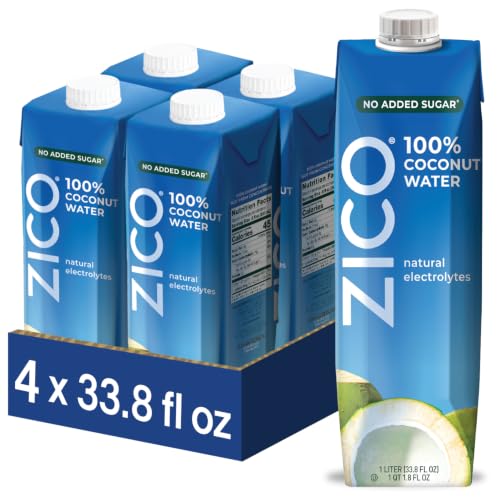
A single-ingredient coconut water with no added sugar that made post-surgery recovery bearable for some.
Zico uses a blend of coconuts from Southeast Asia and the naturally sweet Nam Hom variety from Thailand to deliver a consistent flavor with 45 calories per serving and zero added sugar. At 135.2 fluid ounces total, this pack offers just slightly more volume than the Vita Coco pack (a 2% gap), but the real difference is the taste profile — owners mention it is “not too sweet and just perfect,” making it easier to drink throughout the day without feeling like you are sipping dessert. As one buyer put it: “These coconut water made my first 6 months after bariatric surgery bearable.”
The packaging is the one recurring frustration — the box is oversized at 10.31 x 6.69 x 6.18 inches with minimal bubble wrap, which sometimes leads to damaged bottles in transit. If you order this, set delivery expectations accordingly. The upside is that you get pure, gluten-free, dairy-free, and NON-GMO hydration that is fat-free and cholesterol-free, with naturally occurring potassium equal to a banana.
Clean Fuel for Daily Life: Zico delivers straightforward, pure coconut water with no additives or sugar — the kind of simple drink that keeps you hydrated without any fuss. The taste is polarizing for some (a few find it slightly bitter), but most agree it is the real deal for clean hydration.
Grab it when: You want a no-nonsense, pure coconut water that you can drink every day without worrying about hidden sugars or artificial ingredients.
Skip if: You expect a sweet, candy-like coconut flavor — this is closer to what comes out of a real young coconut.
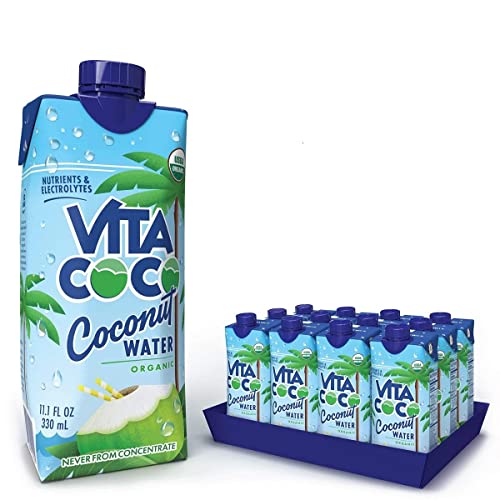
The world’s best-selling coconut water brand that packs more potassium than a banana in every bottle.
Vita Coco Pure Organic is the most recognizable name in the category for a reason: it tastes reliably good, with a mild coconut flavor that makes you want to drink more water throughout the day. At 60 calories per 11.1 ounce bottle, it is a smart alternative to soda, sports drinks, and fruit juice — lower in sugar and calories while still delivering natural electrolytes. The bottle size (11.1 oz) is compact enough for a lunchbox or a car cup holder, making it easy to grab and go. As buyers put it: “Provides the necessary HYDRATION I NEED LOL very delicious.”
The main issue reported is expiration — several buyers have received cases where the bottles were past their best-by date. The taste itself is widely praised (the top aspect with 29 positive mentions), and the hydration value is clear, with one buyer noting it “helps with dehydration.” If you buy this, check the dates on delivery and contact Amazon immediately if they are off. It is also the lighter option between the two comparable bottle packs at 11.1 ounces per bottle vs Zico’s 33.8 fl oz format.
Reliable Daily Hydration: Vita Coco is the safe, crowd-pleasing choice — the taste is mild enough for anyone, the nutritional profile is clean, and the small bottle size encourages sipping throughout the day. The only real risk is receiving a case with expired dates, so inspect immediately.
Best for: Anyone who wants a familiar, accessible coconut water that their whole family will actually drink — including picky kids.
Watch for: Expiration dates on delivery; some cases have arrived past their shelf life, so check and return if necessary.
Budget Champion
4. Real Coco All Natural Pure Coconut Water (12-Pack)
A single-ingredient, never-from-concentrate coconut water that fits perfectly in a mini fridge.
Real Coco All Natural is as simple as it gets — 100% all-natural coconut water bottled at the source with 60 calories and no added anything. The bottle size is what makes this stand out: each 330mL (roughly 11.1 oz) bottle is compact enough for office desk drawers, mini fridges, and gym bags. Customers note it is “not watered down like some brands,” and the taste is described as perfectly sweet with no artificial fillers. One owner called it their “GO TO for keeping hydrated,” noting it has over 100mg more potassium than a banana and has replaced electrolyte powder for daily sauna use.
The value for money is described as mixed — at a competitive price point, it offers great quality, but some buyers find it overpriced compared to larger cartons. The taste is clean and mild, though a few find it bland; as one buyer suggested, adding a little honey makes it more palatable if you need sweetness. With 281 ratings and a 4.5-star average, the consensus is that this is a quality, honest product that does what it says without gimmicks.
Compact Quality: Real Coco delivers a clean, single-ingredient coconut water in a convenient bottle size that works for small spaces. The trade-off is a taste that some find too bland, but the quality and origin are consistently praised.
Choose this if: You want a small-bottle format that fits in tight spaces and you value single-ingredient purity over a strong coconut flavor.
Skip if: You need a bold, naturally sweet taste — this one is mild and may require a flavor boost for some palates.
Authentic Texture
5. NILO 100% Pure Coconut Water with Pulp (12-Pack)
The closest you will get to drinking straight from a fresh coconut without a machete.
NILO 100% Pure stands apart from every other option in this list because it contains real coconut pulp in every sip. This is not a smooth, filtered liquid — you get actual pieces of coconut meat floating in the water, creating an authentic texture that mimics drinking from a young Thai coconut. The taste is the most praised aspect by a huge margin (105 mentions), and buyers consistently call it the “best tasting coconut water” they have found. It is slightly sweet from the natural fruit, with no added sugar and no preservatives, and it is freshly pressed rather than made from concentrate.
The value for money is the only mixed note — at 129.84 fluid ounces total, this pack costs more than some alternatives, and buyers acknowledge it is “a little expensive” but worth it for the quality. The 10.8 oz (320 ml) cans are slightly smaller than the standard 11.1 oz bottles you find at Walmart, but the taste and texture make up for it. As one buyer put it: “Tastes too good to be good for you.” This is a special reward after the gym, not an everyday hydration workhorse, unless you are willing to pay the premium.
what separates it
Real coconut pulp provides an authentic, nutrient-dense texture you won’t find in filtered brands
No added sugar — all natural sweetness from the fruit itself
Freshly pressed, not from concentrate, preserving maximum flavor and nutrients
The honest trade-off
Premium price point compared to standard coconut water options
Slightly smaller cans (10.8 oz) than many competitors
Reach for this: When you want the full coconut experience — pulp, texture, and all — and are willing to pay for the authenticity. Ideal as a post-gym treat or a special daily drink.
Consider something else if: You want a large, affordable volume of coconut water for everyday chugging — the smaller cans and higher price make it a splurge.
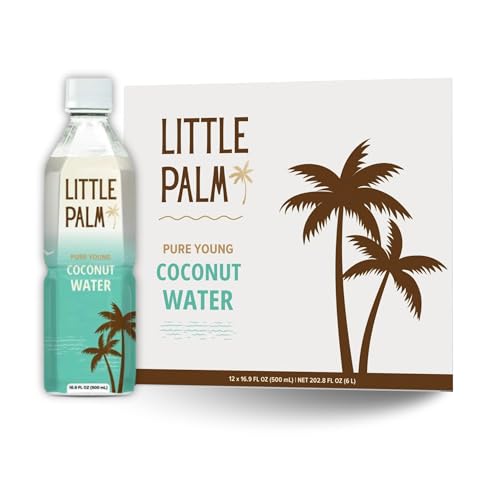
Young Vietnamese green coconuts bottled for a flavor so clean it tastes like you cracked it yourself.
Little Palm sources exclusively from young Vietnamese green coconuts, known for their peak flavor and natural sweetness without any added sugar. What makes this unique is the size — each bottle holds 16.9 fluid ounces, making the total volume of the 12-pack a massive 202.8 fluid ounces, which beats every other bottle-based option in this guide by a wide margin. Reviewers point out it “tastes like fresh coconut” with no weird aftertaste and no added ingredients; as one put it, “there’s nothing in it but coconut.” The electrolyte count is naturally high, with over 600 mg of naturally occurring electrolytes in each bottle, including potassium, sodium, and calcium.
The only real barrier is the price — at a premium tier, this is not the budget choice. Buyers acknowledge it is “pricier but quality worth it,” with some noting the natural flavor aftertaste takes a moment to get used to. The packaging is also in transition, so you may receive different designs, but the product inside is identical. If you want the cleanest, most authentic coconut water taste in a larger bottle format, this is the one.
Freshness in a Bottle: Little Palm delivers the closest experience to drinking straight from a young coconut, with a clear, single-ingredient liquid that has no artificial anything. The 16.9 oz bottles are generous and the total volume is impressive, but the premium price means it is a conscious splurge.
Best for: Purists who want the absolute freshest taste with no ingredients beyond the coconut itself, and who value a larger bottle size for fewer trips to the fridge.
Skip if: You are on a strict budget for everyday hydration — this is a high-quality treat, not the cheapest per ounce.
A coconut-water-based sports drink that rehydrates faster than regular Gatorade, according to buyers.
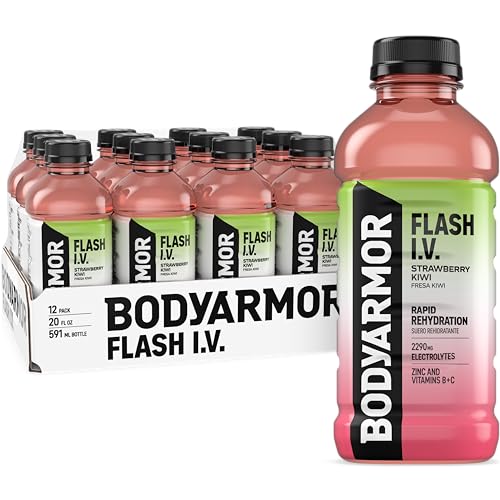
BODYARMOR Flash I.V. combines coconut water with a full electrolyte profile and immune support in a 20 fluid ounce bottle — the largest single-serve volume in this guide. Buyers who are “avid athlete[s]” say it rehydrates “quickly and effectively unlike regular Gatorade or power-ade,” and the strawberry kiwi flavor is a fan favorite with no artificial sweeteners, flavors, or dyes. Each case contains 240 fluid ounces total, making it a bulk option for serious sweaters who know they will drink a lot.
The taste is described as “amazing” by most, with one buyer noting it doesn’t taste like salt, which is a common complaint with straight electrolyte drinks. A small number find the taste “mediocre,” but the consensus is that it works well as a preemptive hydration drink before you start sweating. The sugar content is low, and the formula is designed for sustained hydration rather than a quick sugar spike. If you are doing heavy cardio, working in the sun, or need something your kids will actually drink on hot days, this is a reliable pick.
Heavy-Duty Hydration: BODYARMOR Flash I.V. delivers rapid rehydration with a pleasant fruit flavor that even kids tolerate well. The large 20 oz bottles and 12-pack case make it perfect for families or athletes who go through hydration drinks quickly.
Choose this if: You need a big, ready-to-drink bottle that works for serious sweating and tastes good enough to drink voluntarily — no forcing down a salty sports drink.
Think twice if: You prefer the completely pure, unflavored taste of straight coconut water — this is a flavored blend.
A west-coast favorite with five essential electrolytes that desert dwellers rely on for daily hydration.
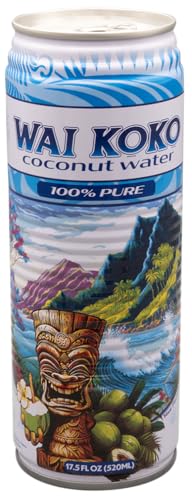
Wai Koko’s 100% pure coconut water comes in BPA-free cans (17.5 fl oz each) and contains five essential electrolytes: potassium, magnesium, phosphorus, calcium, and sodium. It is not from concentrate, with no added sweetener or preservatives, and it is gluten-free and vegan. Buyers who live in the desert say these “yummy coconut waters have been needed” since moving to an arid climate, and one person called it the “best coconut water I’ve ever had.” Another buyer said they will “never buy another brand.”
The major and recurring problem here is the packaging — every single can in some cases arrives dented and damaged, even the ones in the middle of the case. This has happened to multiple buyers, and it is not a one-off issue. If you order this, you may receive some dented cans, which can affect the seal and freshness. The taste itself is widely praised as fresh, clean, and naturally sweet “without being overpowering,” making it a premium option for those who want a pure can format.
Exceptional Taste, Troubled Shipping: Wai Koko delivers what many consider the best-tasting pure coconut water available, with a clean electrolyte profile that is perfect for hot climates. The dented-can issue is real and recurring, so factor that into your decision.
Best for: Anyone who wants a premium coconut water taste in a large can format and lives in a hot climate where electrolytes are a daily necessity.
Watch for: Damaged cans — this is a known issue that happens often enough that you should check your delivery carefully and report any damage.
Zero Sugar On-the-Go
9. Fire Salt Variety Pack Electrolyte Hydration Sticks (32 Count)
A portable electrolyte stick with real coconut water powder and a salt profile designed for wildland fire crews.
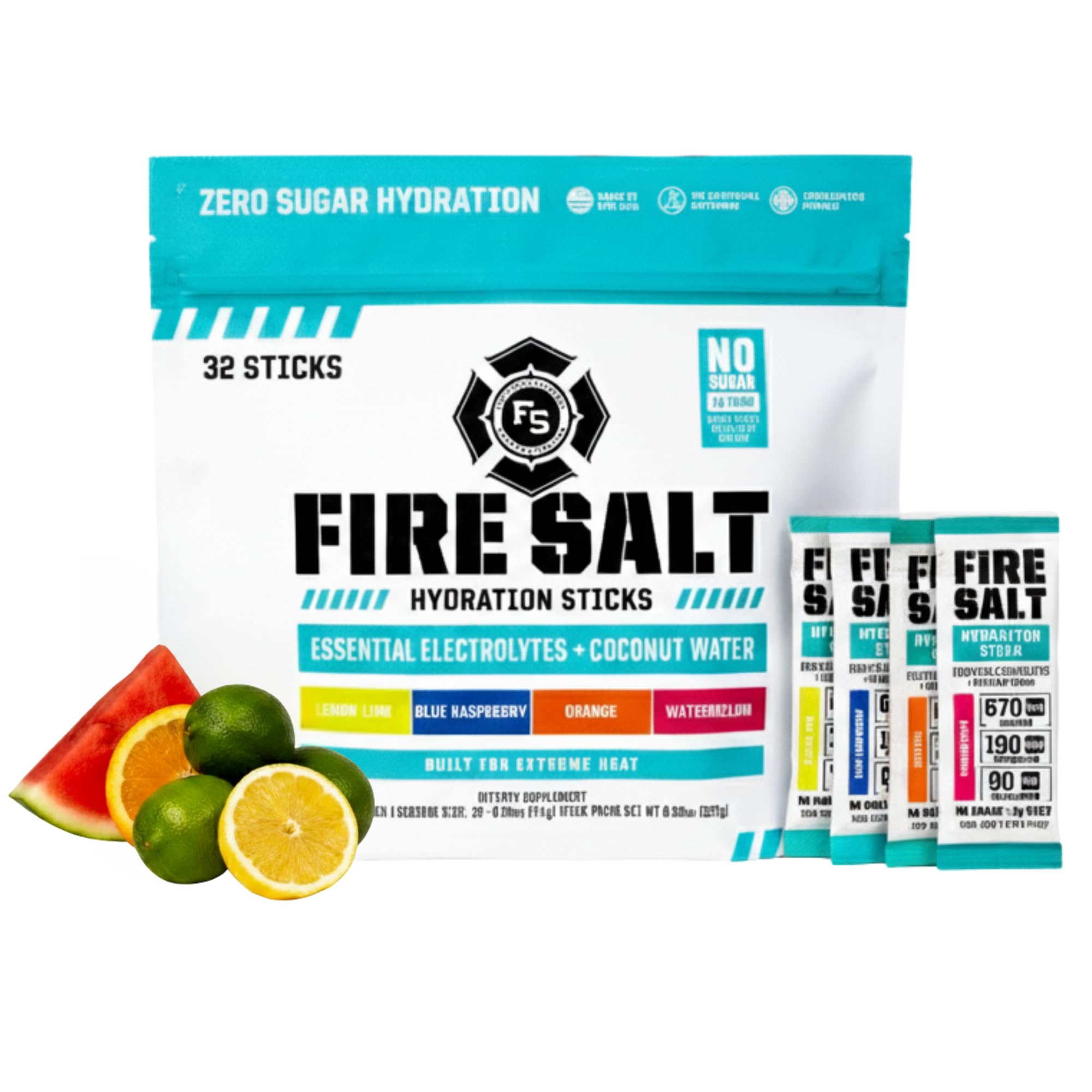
Fire Salt is built differently — its formula is inspired by the needs of wildland firefighters and tradespeople who work in extreme heat, delivering 670mg of sodium potassium and 90mg of magnesium per stick. The ingredients are clean: sodium from sea salt, magnesium malate, potassium citrate, and real coconut water powder, sweetened with stevia (zero sugar, zero artificial dyes). The variety pack includes Lemon Lime, Blue Raspberry, Orange, and Watermelon flavors, each of which turns a bottle of plain water into something you actually want to drink. As shoppers say, these are “the best hydration sticks,” beating out popular competitors like LMNT in both taste and mixability.
Each stick is designed to be mixed into 16 to 40 ounces of water, and buyers recommend using the higher end of that range (16-20 oz) for the best flavor without it being too concentrated. The sticks dissolve easily with no clumping or grittiness, and the flavor is described as “reminiscent of childhood candy” without being artificial. With 545 ratings and a 4.7-star average, the crowd favorite here is the flavor (115 mentions) and the hydration effectiveness (68 mentions). The only note is that the energy boost comes from hydration rather than caffeine, so do not expect a stimulant kick.
Why it works
Zero sugar, gluten, dairy, and artificial dyes — sweetened with stevia only
High sodium (670mg) and magnesium (90mg) for serious sweat replacement
Four flavors in one box; kids-friendly and not too salty, per buyers
The limitation
Requires water and mixing — not a grab-and-go drink like a pre-filled bottle
Portion size (8.36 oz for 32 sticks) is light but needs to be carried with a water source
Grab these if: You work, train, or play in the heat and need a portable, zero-sugar hydration solution that tastes great and mixes instantly. Perfect for gym bags, toolboxes, and hiking packs.
Skip if: You prefer the taste of straight coconut water from a bottle — these are flavored sticks that create a sports-drink-like experience.
Understanding the Specs
Not From Concentrate vs. From Concentrate
“Not from concentrate” means the coconut water is bottled straight from the coconut after minimal processing. It retains the natural flavor and electrolyte balance without being cooked down and reconstituted. “From concentrate” means the water was dehydrated into a powder or paste and then rehydrated with water later, which often results in a cooked or less fresh taste. Most premium coconut waters proudly label themselves “not from concentrate” — it is the gold standard for quality.
Electrolyte Profile (Sodium and Potassium)
Sodium and potassium are the two main electrolytes your body loses through sweat. Potassium supports muscle function and prevents cramping, while sodium helps you retain the water you drink. A good hydration drink should have at least 400 mg of potassium (about what you get from a banana) and a meaningful amount of sodium — anywhere from 50 mg for light daily use to 670 mg for heavy sweat sessions in the heat. If you are not sweating heavily, high-sodium drinks can taste too salty and may not be necessary.
Added Sugar vs. Natural Sugar
Pure coconut water contains natural sugars from the fruit itself — about 45-60 calories per serving depending on the brand. “No added sugar” means the company did not add cane sugar, fruit juice concentrate, or artificial sweeteners. Some brands add sugar to mask the bitter taste of mature coconuts, so always check the ingredient list. If you see “cane sugar” near the top, you are buying a sweetened beverage, not pure hydration.
Bottle Size and Total Volume
Bottles range from single-serve cans (about 10-11 oz) to large format containers (33.8 oz bottles). The total volume of a case matters if you are stocking up for the week. Smaller bottles are more portable and encourage portion control, while larger bottles are better for smoothies or for sharing. Powder sticks give you total control over serving size since you can always mix less or more.
FAQ
Is coconut water better than plain water for hydration?
Coconut water provides natural electrolytes — potassium, sodium, and magnesium — that plain water lacks. After intense exercise, sun exposure, or illness, coconut water’s electrolytes rehydrate faster and prevent cramping better than plain water.
How much coconut water should I drink per day for hydration?
For general daily hydration, one 11-ounce bottle is plenty alongside regular water. If you are doing intense exercise or working in the heat, you can drink up to 2-3 bottles spaced throughout the day. Excess coconut water can cause digestive discomfort or, rarely, an irregular heartbeat — consume in moderation.
What is the difference between young coconut water and mature coconut water?
Young green coconuts produce a sweeter, milder, and more refreshing water with a cleaner taste. Mature brown coconuts have less water and a stronger, sometimes bitter or grassy flavor. Most premium coconut water brands use young coconuts, and they usually advertise this on the label (like Little Palm which uses young Vietnamese green coconuts).
Does coconut water contain more potassium than a banana?
Many brands claim this, and it is often true. A medium banana contains about 420 mg of potassium. Many coconut water brands, including Vita Coco and Real Coco, contain over 400 mg of naturally occurring potassium per serving. Some brands, like Little Palm, contain over 600 mg of combined electrolytes including potassium. Check the specific nutrition label on the product you buy.
Is coconut water powder or concentrate as good as fresh coconut water?
Coconut water powder (like what Transparent Labs Hydrate and Fire Salt use) retains the electrolyte profile but loses some of the fresh flavor. It is a practical trade-off for portability and shelf stability. “From concentrate” coconut water is cooked down and reconstituted, which often alters the taste slightly. For pure taste, “not from concentrate” bottled coconut water is best; for convenience, powders are a close second.
Why does my coconut water sometimes look pink or have a strange color?
A slightly pinkish or reddish hue is normal — it comes from natural oxidation when the coconut water is exposed to light or air during bottling. It does not mean the product is spoiled. This is especially common in brands like Zico that are not from concentrate and have minimal processing. The flavor and nutritional value remain the same.
Can I use coconut water for post-workout recovery?
Coconut water replenishes sweat-lost electrolytes without the high sugar of traditional sports drinks, making it ideal for post-workout recovery. Products like Transparent Labs Hydrate and BODYARMOR Flash I.V. add taurine and calcium for muscle function and recovery.
What does “zero sugar” mean on a coconut water label?
“Zero sugar” on a hydration product like Fire Salt means the product contains no added sugars and no natural sugars from fruit — it uses a sweetener like stevia instead. This is different from “no added sugar,” which means the natural sugar from the coconut is present but nothing extra was added. Pure coconut water naturally contains about 45-60 calories worth of sugar per serving, so “zero sugar” typically applies only to electrolyte powders, not pure bottled coconut water.
How should I store coconut water after opening?
Once opened, bottled coconut water should be refrigerated and consumed within 2-3 days. Canned coconut water (like Wai Koko) should also be refrigerated after opening. Powdered coconut water sticks (like Fire Salt) can be stored at room temperature in a dry place indefinitely until mixed. Always check the “best by” date on the package before drinking.
Which coconut water has the best taste according to reviews?
Taste is subjective, but the data shows NILO with Pulp has the most positive taste mentions (105 mentions), followed by Little Palm (94), and Transparent Labs Hydrate (96 for the powder mix). Buyers consistently describe NILO as the “best tasting coconut water” and Little Palm as tasting “like a fresh young coconut.” For a flavored option, Fire Salt’s variety pack (115 flavor mentions) is the clear winner among powders.
I created WellFizz to bridge the gap between vague wellness advice and actionable solutions. My mission is simple: to decode the research and give you practical tools you can actually use.
Beyond the data, I am a passionate traveler. I believe that stepping away from the screen to explore new environments is essential for mental clarity and physical vitality.
Feedback
Send us your feedback
Tell us what you thought about this post — we read every note.