Our readers keep the lights on and my smoothie glass nicely filled. As an Amazon Associate, I earn from qualifying purchases.
A trailer floor lives through constant abuse: heavy loads grinding against the wood, moisture wicking up from the road, and the ever-present danger of slipping when it gets wet. The right coating doesn’t just make it look good — it physically seals the wood against delamination and rot while giving you a surface your boots can trust. This is not about aesthetics; it’s about extending the life of the plywood underneath.
I’m Mohammad Maruf — the founder and writer behind WellFizz. After spending hundreds of hours analyzing polymer chemistries, rubberized compounds, and polyurethane formulations, I can tell you that not all coatings bond to wood the same way or hold up under the constant stress of a rolling load shift. Getting the wrong one means peeling paint in under a season.
This guide breaks down the adhesion profiles, texture densities, and waterproof ratings that actually matter so you can confidently pick the right coating for wood trailer floor based on your specific cargo needs and climate conditions.
How To Choose The Best Coating For Wood Trailer Floor
Choosing the wrong coating is the fastest route to peeling, bubbling, and a dangerous slip hazard. You need to match the formulation to your specific wood type, the typical weight load, and the exposure to road salt or standing water. Here are the three critical factors to evaluate before you open the can.
Adhesion To Plywood And Treated Lumber
Untreated plywood is porous and grabs paint easily, but pressure-treated wood is infused with moisture-resistant chemicals that can repel standard coatings. A good product for wood trailer floors uses a water-based or polyurethane formula that chemically bonds to the cellulose fibers rather than just sitting on top. Check if the product requires a separate primer for treated lumber — some do, and skipping that step guarantees failure within months.
Slip Resistance And Texture Grit
A smooth paint finish on a trailer floor is dangerously slick when wet. The best coatings incorporate rubber granules, silica sand, or co-polymer beads to create a mechanical grip. The particle size matters — very fine grit provides subtle traction for light foot traffic, while medium to coarse grit handles heavy loads where boots or paws can lose purchase. A textured coating that can also be rolled on evenly prevents uneven wear patterns that leave bare spots.
Flexibility And Impact Resistance
Wood moves. Temperature swings cause the trailer floor to expand and contract, and a rigid epoxy coating will crack under this stress. A flexible polyurethane or rubberized compound bends with the wood without splitting. Impact resistance is equally crucial — dropping an ATV ramp or a steel toolbox should dent the coating, not shatter it. The best coatings for this application maintain a thick, flexible membrane that seals cracks even when the wood underneath tries to split.
Quick Comparison
On smaller screens, swipe sideways to see the full table.
| Model | Category | Best For | Key Spec | Amazon |
|---|---|---|---|---|
| Durabak-18 Textured | Polyurethane | Maximum durability & UV exposure | 60 sq. ft. per gallon (2 coats) | Amazon |
| Tuff Coat Medium Texture | Rubberized | High-traffic barefoot safety | 45 sq. ft. per gallon | Amazon |
| Durabak 18 (For Outdoors) | Polyurethane | Heavy equipment & off-road vehicles | 60 sq. ft. per gallon (2 coats) | Amazon |
| TK64 Non Skid Paint | Water-based | Budget-friendly enclosed trailer floors | 12 sq. ft. per quart | Amazon |
| Protects Trailer Floors | Water-based | Enclosed trailers with moderate loads | 12 sq. ft. per quart | Amazon |
| Liquid Rubber Primer | Primer | Sealing porous wood before coating | 175-200 sq. ft. per gallon | Amazon |
| Jetcoat Farm Pride | Acrylic | Large-area economical coverage | 100 sq. ft. per gallon | Amazon |
In‑Depth Reviews
1. Durabak-18 Textured Truck Bed Liner

The Durabak-18 is a one-part moisture-cured polyurethane that sets itself apart from simple acrylics by forming a chemical bond with the wood fibers. At a coverage of roughly 15 square feet per quart per two coats, it lays down a flexible membrane that refuses to crack when the plywood shifts under temperature swings. The rubber granule grit creates a coarse bite that keeps boots planted even when rainwater pools on the floor.
This coating handles direct sunlight without fading or chalking, making it a strong choice for open trailers that live outdoors year-round. It bonds to wood, metal, concrete, and fiberglass, so you can extend the same protection to ramps and toolboxes without switching products. The one-part formula saves you the headache of mixing hardeners — just stir and apply with a brush or roller.
Users report that a single gallon covers around 60 square feet across two coats, leaving enough for touch-ups later. The cure time in warm weather is fast enough to apply a second coat the same day, but the thick consistency requires a good stir to reincorporate settled grit. The smell is strong during application, so ventilate the trailer well before sealing it up.
Why it’s great
- Moisture-cured polyurethane forms a true chemical bond with wood
- UV stabilizers prevent fading and chalking in direct sun
- Coarse rubber grit provides outstanding slip resistance when wet
- Can be recoated or repaired without stripping the old layer
Good to know
- Powerful solvent smell requires good ventilation during application
- Thick consistency demands thorough stirring before each use
- Price per quart is higher than standard water-based paints
2. Tuff Coat Medium Texture Rubberized Coating
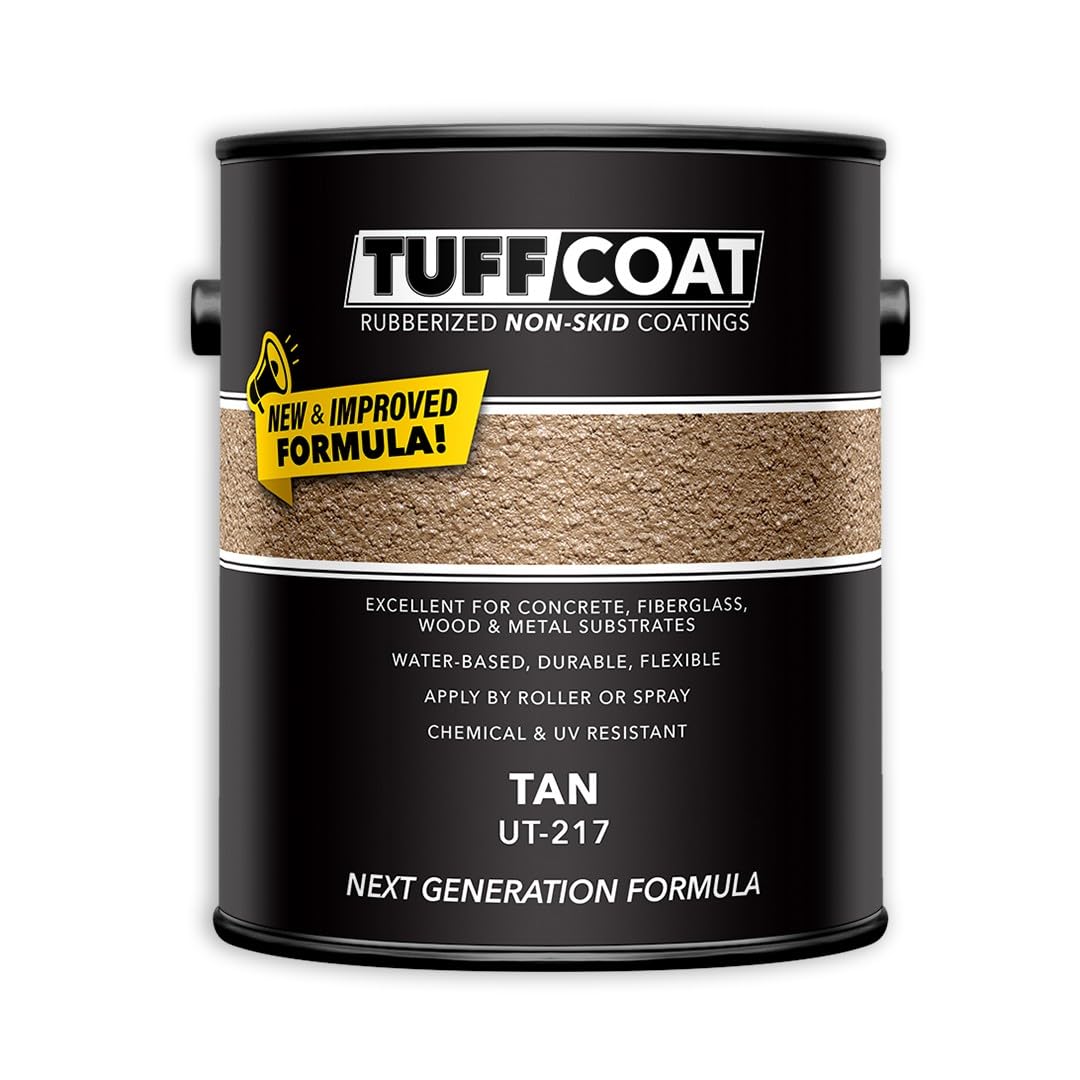
Tuff Coat uses a cross-linked urethane-acrylic blend mixed with recycled rubber granules to create a thick, flexible matte finish that hits 30 to 35 mils when cured. That thickness hides small cracks and nail holes in the plywood beneath while providing a soft-yet-durable surface that doesn’t punish bare feet. It is designed for high-traffic wet areas like boat ramps and pool decks, so it naturally handles the abuse of a trailer floor.
The medium texture is aggressive enough to stop slipping without being rough enough to shred soft-soled shoes or pet paws. Users report excellent adhesion to aluminum and fiberglass as well, making it a versatile option if you also want to coat a boat deck or a dock box. The low-odor formulation is a relief for those working in enclosed spaces without industrial ventilation systems.
One gallon covers roughly 45 square feet at the recommended thickness, which lands it in the middle of the pack for coverage. The recommended applicator is a specific roller or a low-pressure hopper gun, so plan your tools accordingly. Some users note that the grit settles quickly in the can, requiring a paddle mixer on a drill to redistribute evenly before each coat.
Why it’s great
- 30-35 mil cured thickness hides floor imperfections effectively
- Flexible matte finish is comfortable for barefoot traffic
- Low odor formula suitable for enclosed trailer applications
- Chemical and UV resistant for long outdoor service life
Good to know
- Coverage rate of 45 sq ft per gallon requires careful planning
- Grit settles quickly and needs paddle mixing before each coat
- Requires a specific roller type for best application results
3. Durabak 18 (For Outdoors) Textured Brown

This outdoor-specific version of the Durabak line is optimized for direct sunlight exposure and heavy equipment loading. The one-part moisture-cured polyurethane formulation bonds aggressively to wood and metal, and it self-bonds when recoated, meaning you can patch damaged spots later without stripping the entire floor. The recycled rubber tire granules create a slip-resistant texture that holds up under the weight of ATVs, mowers, and steel equipment racks.
The gallon covers about 60 square feet when applied in two coats, giving it one of the best coverage-per-dollar ratios in the premium tier. It dries to a semi-gloss finish that resists oil and fuel spills from lawn equipment or generators, making cleanup straightforward with a pressure washer. Users consistently report that it holds up better than standard epoxy against the flexing of plywood floors in utility trailers.
Application requires no hardener mixing, but the moisture-cure mechanism means you must seal the can tightly after each use or the remaining product will cure inside the container. The brown color option provides good camouflage against road grime and mud, though some users noted that the tan shade has a slight orange tint that differs from what is shown on the label.
Why it’s great
- Self-bonding formula allows easy repairs without stripping old coating
- Excellent resistance to oil and fuel spills from equipment
- Covers 60 sq ft per gallon at two coats for strong value
- Withstands the flexing of plywood under heavy rolling loads
Good to know
- Moisture-cure mechanism requires airtight can storage after use
- Color shade may differ slightly from product images shown online
- Requires xylene for proper surface prep on smooth metals
4. TK64 Non Skid Paint for Trailer Floors
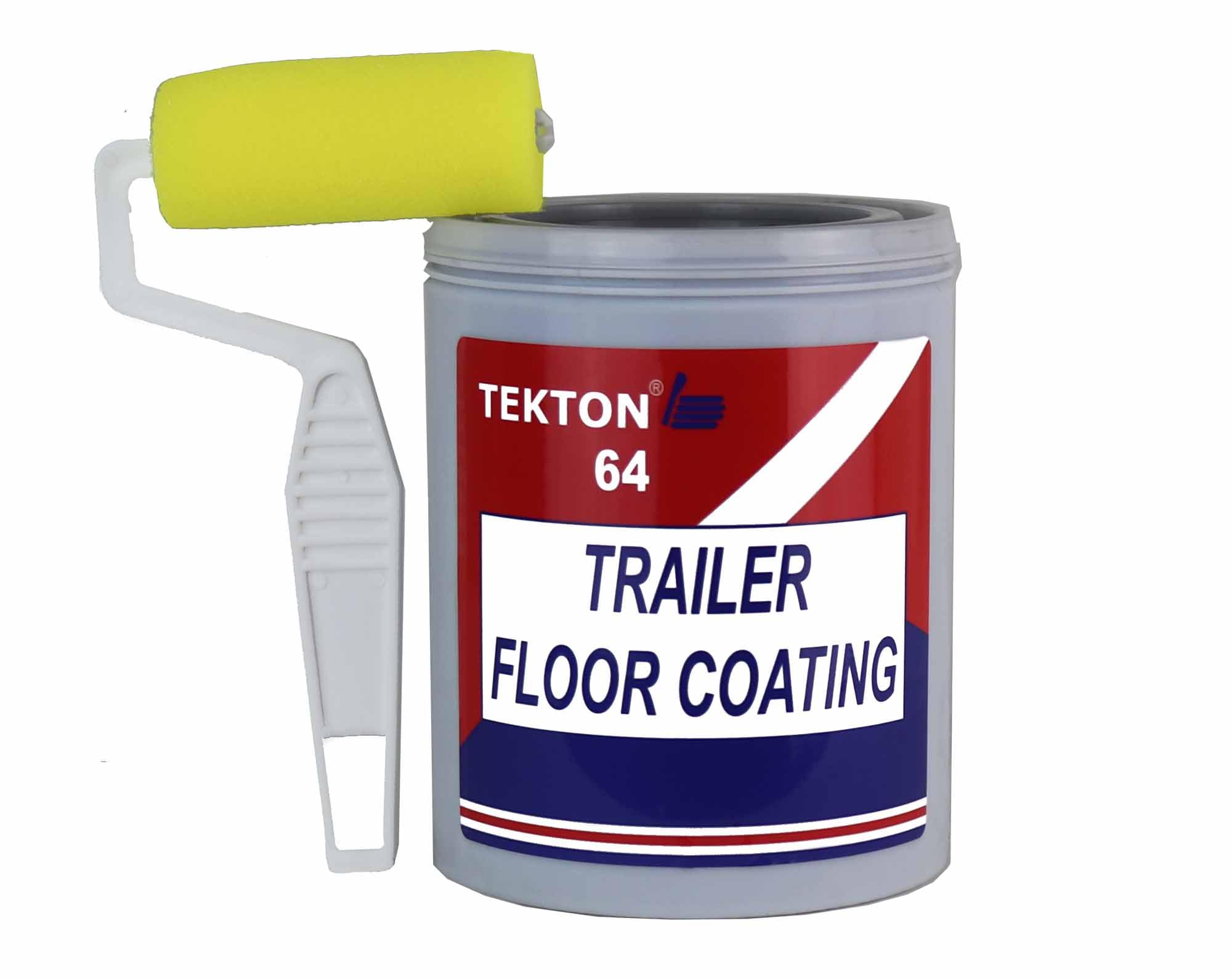
The TK64 is a ready-to-use water-based plastic coating that requires no mixing, shaking, or diluting. It comes in a quart with a foam roller included, which simplifies the process for someone who wants to finish the job in an afternoon without buying extra tools. The coating fills minor cracks and nail holes as it goes on, smoothing out imperfections in the plywood surface that would otherwise trap moisture.
One quart covers roughly 12 square feet, which is enough for a single coat on a small utility trailer floor. Reviews from owners of 6×12 enclosed trailers confirm that two gallons were sufficient for three heavy coats, producing a durable, non-slip surface that withstood constant cargo movement. The satin finish provides subtle grip without the aggressive rough texture of polyurethane options.
The water-based formulation cleans up with soap and water, a convenience that matters when you are working in a driveway without solvent access. The 72-hour dry time before full use is longer than polyurethane alternatives, so plan for a weekend project rather than a same-day turnaround. Some users reported that applying it in direct sunlight speeds the drying process significantly.
Why it’s great
- Ready to use with no mixing or shaking needed
- Fills minor cracks and nail holes during application
- Soap and water cleanup eliminates solvent costs
- Foam roller included removes a tool expense
Good to know
- 72-hour cure time requires weekend planning for the job
- Quart covers only 12 sq ft, needing multiple units for larger trailers
- Water-based formulation is less resistant to fuel and oil spills
5. Protects Trailer Floors, Ramps and Walls
This coating is essentially the same water-based plastic formulation as the TK64 but packaged with a focus on surface compatibility across wood, concrete, painted surfaces, and metals. It is designed to also protect ramps and walls, making it a versatile option if you want a uniform finish throughout the entire trailer interior. The satin finish provides a subtle sheen that hides scuffs better than a true matte.
The application guidelines are where this product distinguishes itself — it specifically calls for a minimum of two coats and an ambient temperature above 60°F during application and curing. This temperature sensitivity is critical for garage-floor projects during colder months. The included 3/8-inch foam roller is tailored for this formulation, ensuring even distribution without leaving foam ridges in the final coat.
One quart covers 12 square feet, identical to the TK64, so the same sizing math applies for your trailer dimensions. The full cure time is listed at 24 hours rather than the TK64’s 72 hours, which might be a deciding factor if you need the trailer back in service faster. Users reported strong adhesion to treated plywood after proper cleaning to remove oil or fuel residues, which is a common pain point with pressure-treated lumber.
Why it’s great
- Adheres to treated plywood when cleaned of oil residue
- 24-hour full cure time gets the trailer back in action faster
- Versatile across wood, metal, concrete, and painted surfaces
- Roller included matches the recommended application method
Good to know
- Requires temperatures above 60°F for proper curing
- Quart covers only 12 sq ft, requiring multiple units for bigger jobs
- Water-based formula is less durable than polyurethane under heavy loads
6. Liquid Rubber Multi-Purpose Primer
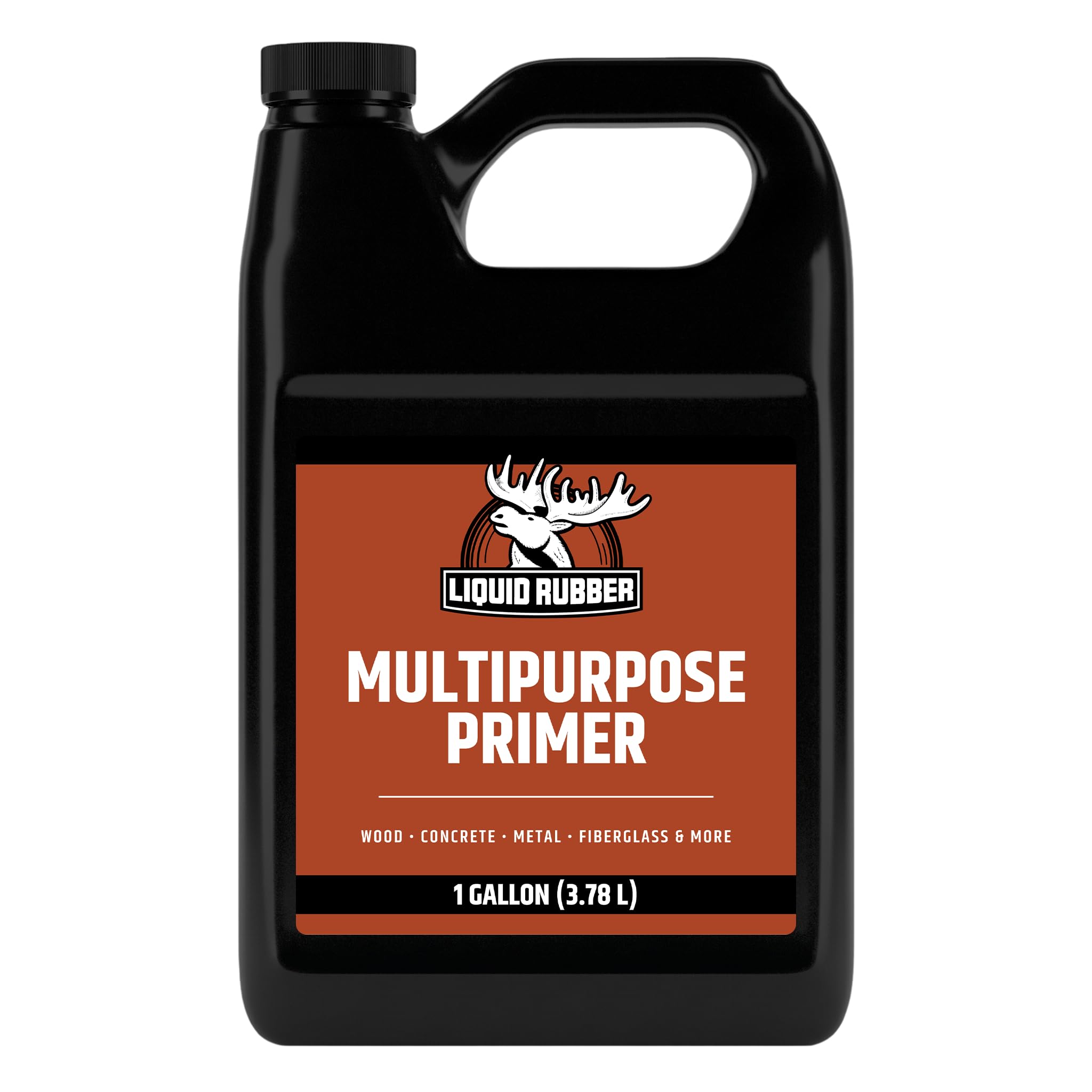
This primer is not a standalone top coating for a wood trailer floor — it is specifically designed as a bonding agent to improve adhesion of subsequent coatings. Its water-thin consistency soaks deep into porous wood fibers, creating a mechanical lock that prevents the top coat from blistering or peeling. For treated plywood, this step is often the difference between a coating that lasts five years and one that fails in one season.
The gallon covers 175 to 200 square feet, making it extremely economical as a preparatory layer. The non-toxic, low-VOC formulation is safe to apply without a respirator in ventilated spaces, and the one-hour dry time means you can apply your top coat the same day. Liquid Rubber markets it for high-density polyethylene compatibility as well, so it works on plastic ramps and fenders too.
Some users found the thin consistency surprising — it behaves more like a wood stain than a typical thick primer. This is by design, allowing it to penetrate rather than sit on the surface. The clear matte finish leaves a slight shine on the wood, indicating proper penetration. There are reports of failure when used as a standalone sealer on outdoor decks, reinforcing that this is not a full weather barrier by itself.
Why it’s great
- Penetrates deeply into wood fibers for a strong mechanical bond
- Low-VOC and non-toxic formulation for safe indoor use
- Covers 175-200 sq ft per gallon, highly economical
- One-hour dry time allows same-day top coat application
Good to know
- Water-thin consistency may surprise users expecting thick primer
- Not a standalone weather barrier — requires a top coating
- Some durability concerns reported on exterior wood surfaces
7. Jetcoat Farm Pride Acrylic Barn Paint

The Jetcoat Farm Pride is an acrylic water-based paint formulated for agricultural surfaces like barns, fences, and roofs, but its waterproof and mold-resistant properties make it a viable budget option for large wood trailer floors. The 5-gallon container gives you massive coverage at roughly 100 square feet per gallon per coat, meaning a single purchase can coat an entire utility trailer or horse trailer floor with material left over for ramps and walls.
This is a one-coat product for most applications, which significantly cuts down on labor time. The semi-gloss black finish holds up well against fading and peeling in direct sun, and the livestock-safe formulation ensures no toxic off-gassing once cured. Spray application with a .017 to .021 tip airless sprayer is the fastest method for large floors, though it cleans up with soap and water.
The trade-off is that this is a pure acrylic paint without rubberized grit or polyurethane flexibility. It will not self-level into cracks like the thicker coatings, and it lacks the aggressive slip resistance of textured polyurethanes. Users report excellent durability on wooden basketball courts and decks, but those applications do not involve the constant abrasion of shifting cargo. For light-duty trailers carrying hay bales or camping gear, it works well; for ATVs and machinery, look to the rubberized options.
Why it’s great
- 5-gallon size provides exceptional coverage for large trailer floors
- One-coat application reduces project time significantly
- Mold and fade resistant for outdoor storage conditions
- Livestock-safe formulation after full cure
Good to know
- Pure acrylic lacks the slip resistance of rubberized coatings
- Does not self-level into cracks or fill wood imperfections
- Less durable under heavy abrading loads like steel equipment
FAQ
Can I apply coating over old peeling paint on a wood trailer floor?
How do I prepare a new wood trailer floor before applying coating?
How long does coating for a wood trailer floor last before needing recoating?
Final Thoughts: The Verdict
For most users, the coating for wood trailer floor winner is the Durabak-18 Textured because it combines the flexibility of polyurethane with aggressive rubberized grit, and it resists UV damage on open trailers. If you want a barefoot-safe finish that handles high foot traffic without shredding knees or paws, grab the Tuff Coat Medium Texture. And for a large utility trailer on a strict budget where heavy loads are rare, nothing beats the bulk coverage of the Jetcoat Farm Pride Acrylic applied in a single coat.

Mo Maruf
I created WellFizz to bridge the gap between vague wellness advice and actionable solutions. My mission is simple: to decode the research and give you practical tools you can actually use.
Beyond the data, I am a passionate traveler. I believe that stepping away from the screen to explore new environments is essential for mental clarity and physical vitality.