Our readers keep the lights on and my smoothie glass nicely filled. As an Amazon Associate, I earn from qualifying purchases.
Specs are compiled from manufacturer listings and verified buyer reviews and can change over time — please confirm the key details on the product page before buying.
Icelandic weather is notoriously unpredictable — fierce wind, sideways rain, and temperatures that swing wildly in a single afternoon. You need a coat that is both waterproof and insulated enough to keep you warm when the sun dips behind a glacier and the gusts pick up. This guide cuts through the marketing noise to find the coats that genuinely handle Iceland’s extreme conditions, using real specs and verified buyer experiences.
I’m Mohammad Maruf — the founder and writer behind WellFizz. This guide is built by comparing the manufacturers’ published specifications and the patterns across verified customer reviews, so you get each pick’s real strengths and trade-offs instead of marketing spin.
Whether you are planning a winter trek on a glacier or layering up for a windy city stroll, the right coat for iceland needs to seal out moisture and lock in heat — here are the four models that deliver.
Quick Picks
- Viking Women’s Creekside Tri-Zone Waterproof and Windproof Insulated Winter Jacket — Best Overall
- The North Face Jump Down Parka – Women’s — Premium Pick
- RefrigiWear Women’s Insulated Iron-Tuff Coat — Best Value
- Pioneer Camp Mens Long Winter Coat Hooded Waterproof Insulated Puffer Jacket — Budget Champion
How To Choose The Best Coat For Iceland
An Icelandic coat is a unique challenge because you need three things at once: a waterproof shell to block rain and wet snow, a windproof membrane to stop the gusts from chilling you, and enough insulation to keep you warm when the sun disappears for most of the day. A coat that is “warm” but not waterproof will leave you soaked; a “waterproof” coat with thin insulation will leave you shivering the moment the wind picks up.
Waterproofing and Windproofing Are Non-Negotiable
Iceland’s weather changes by the minute. A coat that is only water-resistant will fail when a sleet squall hits. You need a fully waterproof shell (look for a sealed-seam design or a dedicated waterproof membrane, not just a DWR spray) matched with a windproof construction. The combination keeps the wet out and stops the wind from stealing your warmth through the fabric weave.
Insulation Type: Down vs Synthetic
Down (goose or duck feathers) gives you the best warmth-to-weight ratio — a 550-fill down parka like The North Face Jump Down Parka packs serious heat without bulk. The catch is that down loses nearly all insulating power when wet and takes forever to dry. Synthetic insulation (like the 11.25-ounce RefrigiFill in the RefrigiWear coat) stays warm even when damp and dries much faster. For Iceland’s wet climate, a synthetic fill or a waterproof shell that protects the down is the safer bet.
Fit, Length, and Layering Room
A coat that hits at least mid-thigh gives better coverage against wind and snow when you are crouching to tie boots or leaning into a gust. You also want enough room in the chest and shoulders to fit a mid-layer (a fleece or thin puffer) underneath without cutting off circulation. Fit is a common theme in reviews — some coats that are “warm” have tight arms or a baggy torso, so check sizing feedback carefully.
Quick Comparison
| Model | Best For | Insulation | Waterproof / Windproof | Fit / Key Feature | Amazon |
|---|---|---|---|---|---|
| Viking Women’s Creekside Tri-Zone | Modular 3-in-1 all-weather | Berber-fleece insulated liner | 100% waterproof + windproof | 3-in-1 shell + liner, Storm blaster hood | Amazon |
| The North Face Jump Down Parka | Extreme warmth in a slim package | 550 fill goose down | Waterproof, windproof, breathable (DryVent) | Classic fit, long length, 2 lbs | Amazon |
| RefrigiWear Women’s Iron-Tuff Coat | Extreme industrial cold (-50°F rated) | 11.25-oz RefrigiFill poly insulation | Water-resistant + wind-tight | 400-denier nylon shell, 4 pockets | Amazon |
| Pioneer Camp Mens Long Winter Coat | Budget waterproof puffer for men | Thicken insulated puffer fill | Waterproof + windproof | Mid-thigh length, fleece-lined pockets | Amazon |
In‑Depth Reviews
1. Viking Women’s Creekside Tri-Zone Waterproof and Windproof Insulated Winter Jacket
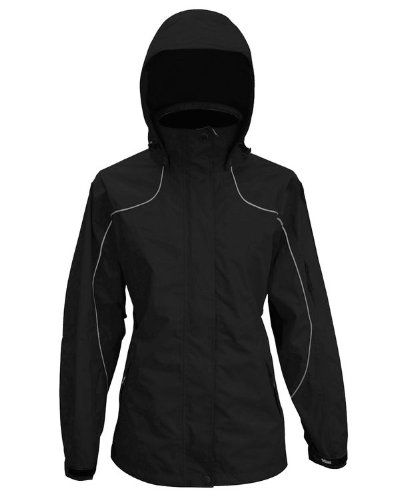
A modular 3-in-1 built for Iceland’s rain, wind, and subzero mountaintops.
This is the coat that adapts to unpredictable Icelandic weather with a 3-in-1 setup. The system combines a 100% waterproof outer shell with a separate Berber-fleece insulated liner you wear alone or zip together. Buyers report it kept them “super warm” while skiing in zero-degree weather — a real stress test for any coat. The Storm blaster hood system (which reduces wind and rain exposure up the back of the jacket) and adjustable hem and wrists seal drafts out where most coats let them in.
Unlike the bulkier RefrigiWear below, the Viking weighs just 3 pounds for the full 3-in-1 setup, so you are not hauling a lead blanket through Reykjavik. One trade-off reviewers flag: the inner coat sleeves attach to the outer shell with snaps that can pull loose when you remove your arms if you are wearing a thick sweater underneath — it is not the most secure system. If you value modular flexibility and true waterproofing over a single heavy parka, this is the most versatile pick for Iceland.
Why It Leads the List
- Fully waterproof and windproof outer shell with sealed storm hood
- Berber-fleece insulated liner rated down to -20°F
- Wear shell, liner, or zip together for three distinct insulation levels
The Sleeve Catch
- Snap-fastener sleeve connection can detach when pulling arms out with a sweater underneath
- Some buyers found the arms slightly short on a size Large
Smart pick if: you want one coat that handles sunny 30°F hiking, wet 20°F city walking, and subzero glacier days by unzipping a liner.
Reconsider if: you mostly stay in town and don’t need the modular system — or you are taller and worry about sleeve length on a Large.
2. The North Face Jump Down Parka – Women’s
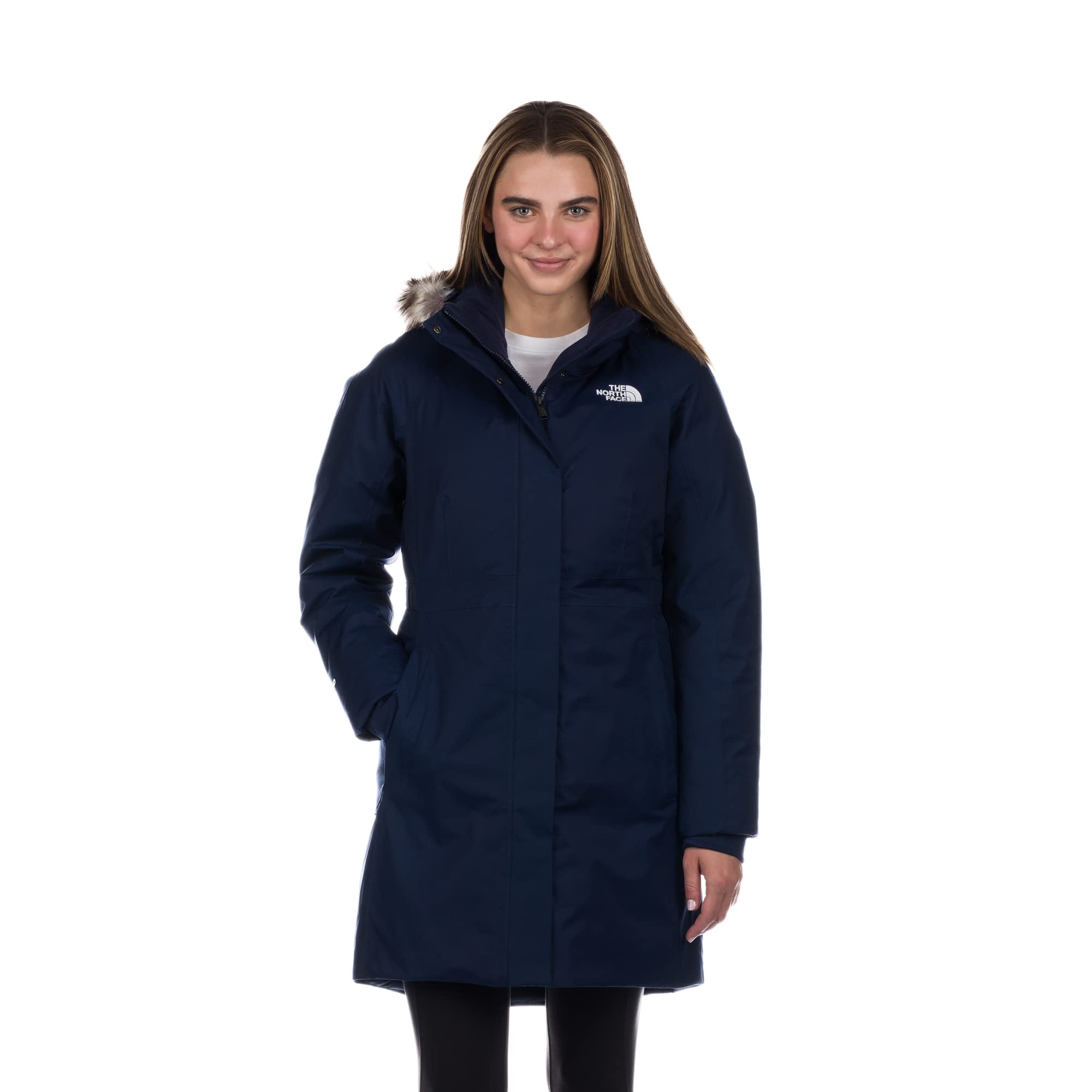
A lightweight down parka that delivers extreme warmth without the extreme bulk.
If you want dead-simple warmth that doesn’t look like an expedition suit, this is it. The North Face uses 550 fill goose down certified to the Responsible Down Standard (RDS) — meaning the feathers are traceable and ethically sourced — wrapped in a DryVent shell that is waterproof, windproof, and breathable. Owners mention it is “the warmest jacket I have ever used” and comfortable in 17°F weather without heavy layering underneath. At 2 pounds versus the Viking 3-in-1 at 3 pounds, it is noticeably less bulky and easier to pack for travel.
The big difference between this and the RefrigiWear below: the Jump Down Parka uses natural down, which compresses well and feels less stiff than heavy synthetic insulation. The trade-off? Down loses its warming power when wet. In Iceland’s damp sleet and rain, you must rely on the DryVent shell to stay dry — if the shell saturates, the down clumps. Shorter buyers (under 5’2″) noted the long length hits above the knees and feels visually long. But for the sheer warmth-per-pound factor, parka-lovers call this a “great daily wear winter jacket.”
Warmth Per Pound
- 550 fill goose down provides serious heat without heavy bulk
- DryVent shell is fully waterproof, windproof, and breathable
- Lightest option on this list at 2 pounds — excellent for travel
Down in Wet Weather
- Down loses insulation value if the shell gets wet — not ideal for persistent rain
- No petite sizing listed; shorter buyers (5’2″) find the long cut visually unflattering
Best for: someone who prioritizes lightweight warmth and travels light, stays in drier Icelandic conditions, or wants a classic parka for town and day hikes.
Look elsewhere if: you expect heavy, sustained rain or plan to be in wet snow for hours — synthetic insulation will serve you better in wet weather.
3. RefrigiWear Women’s Insulated Iron-Tuff Coat
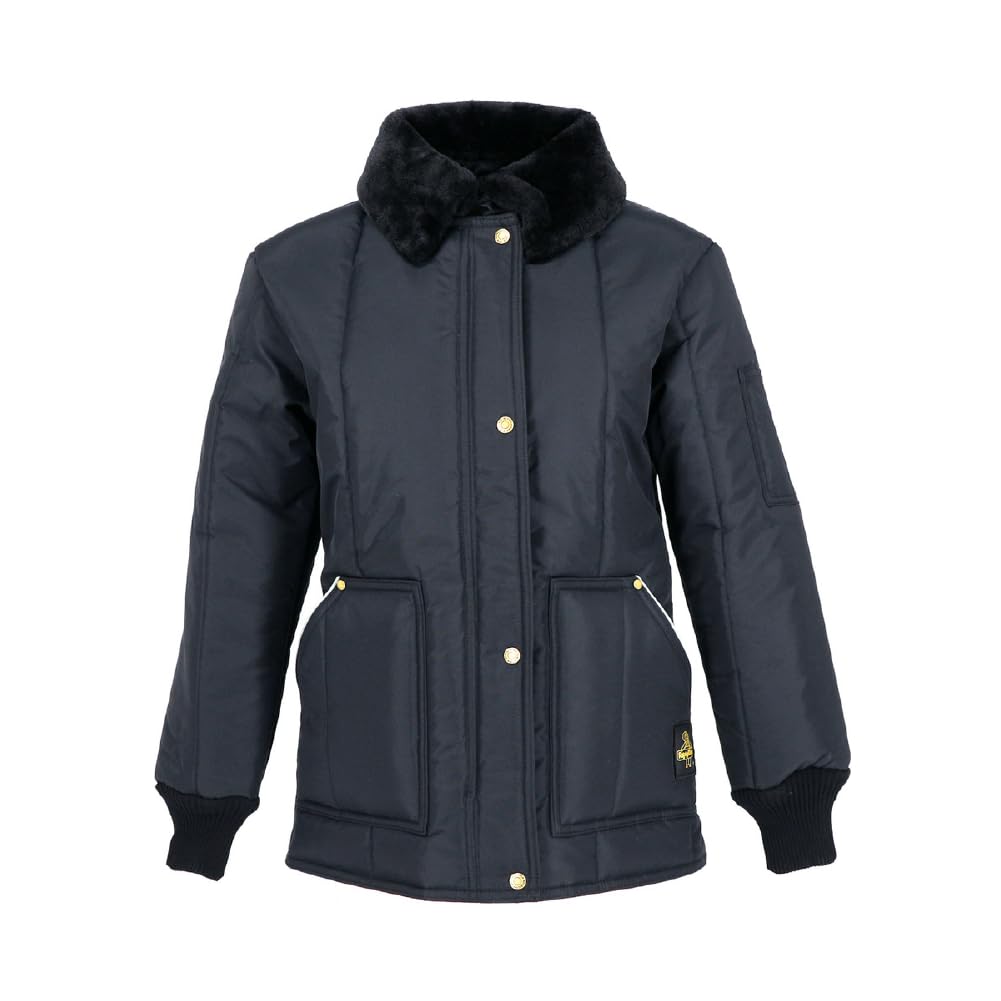
A no-nonsense coat built for the worst winter weather without the designer price tag.
This is the coat you reach for when the wind chill hits 35 below zero and you need to be outside working or exploring. RefrigiWear is a known name in industrial cold-weather gear, and the Iron-Tuff coat backs that up with an 11.25-ounce RefrigiFill polyester insulation that buyers tested in brutal conditions: “35 below windchill working in cattle yard & I was warm!!!” The 400-denier nylon outer shell resists abrasion (useful if your Iceland adventures involve scrambling on rocks or shoveling snow) and the water-resistant, wind-tight finish blocks the worst of the spray and gales. Four pockets — two insulated with reflective piping and two sleeve pencil-stall pockets — keep your phone and hand warmers close.
Where this coat falls short of the premium picks above is weight and refinement. It is heavier and stiffer than the down-filled North Face and does not offer a removable inner layer like the Viking. The wind-tight outer keeps drafts out, but it is water-resistant, not 100% waterproof — heavy rain or wet Icelandic snow can eventually soak through the nylon if you are out for hours. Fit-wise, a few reviewers noted the arms run tight while the body runs boxy, so size up if you plan to layer underneath. It is a fair price for rated cold-weather protection.
Real Cold Credentials
- 11.25-ounce RefrigiFill insulation with a stated -50°F rating
- Tough 400-denier nylon shell resists snags and abrasion
- Insulated outer pockets with reflective piping keep hands warm
Not a Raincoat
- Water-resistant, not fully waterproof — heavy wet snow may seep through over time
- Arms run tight while the torso fits boxy; careful sizing needed for layering
- Heavier and bulkier than the down or 3-in-1 options above
Reach for this if: you need proven subzero protection for long outdoor work or active hiking in dry, extreme cold and want to save money over premium brands.
Think twice if: you expect days of persistent rain, want a streamlined city look, or need a coat that packs small for carry-on luggage.
4. Pioneer Camp Mens Long Winter Coat Hooded Waterproof Insulated Puffer Jacket
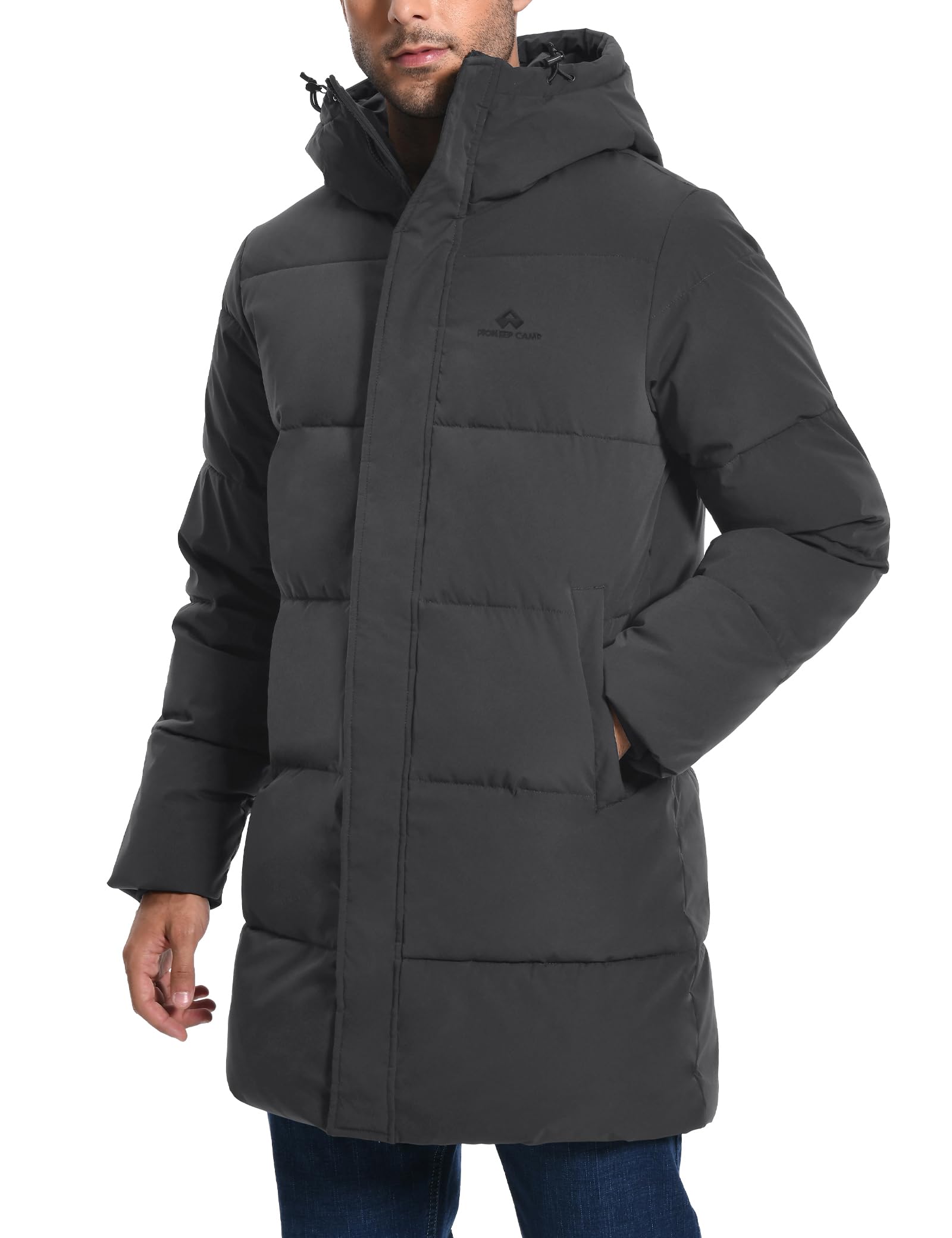
A surprisingly capable puffer that punches way above its weight class.
This is the dark horse of the group — a coat that one buyer literally compared side-by-side to a Helly Hansen jacket and found nearly identical in style and warmth. The Pioneer Camp coat is advertised as both waterproof and windproof, and a buyer confirmed wearing it in 3°F NYC weather with strong wind: “the cold never cut through.” The mid-thigh length adds extra coverage (good for Iceland’s gusts), and the fleece-lined zippered outer pockets keep your phone and keys secure while warming your hands. An adjustable hood cinches down tight when the wind howls, and the double front zipper is handy for sitting in a car or on a plane.
Where this budget pick shows its limits: fit can run slightly roomy in the chest if you layer a hoodie underneath (one reviewer noted tightness across the chest with a thick mid-layer), and the top snap button sits at face level where the cold metal touches your cheek when fully fastened — a small design oversight. There is only one inner zippered pocket on the left side, which some travelers find limiting. Still, if your Iceland trip is mostly daytime excursions and you want a solid waterproof-windproof puffer without spending three hundred dollars, this coat holds its own against coats costing three times as much.
Surprising Value
- Genuinely waterproof and windproof shell tested in 3°F weather with strong wind
- Fleece-lined zippered outer pockets keep hands warm and items secure
- Mid-thigh length and adjustable hood add Icelandic-friendly coverage
Budget Trade-Offs
- Chest feels tight when worn over a thick hoodie; size up if you plan heavy layers
- Top snap button is exposed metal that touches the face when fully zipped
- Only one interior zip pocket — less storage than the Viking or RefrigiWear
Perfect for: the value-conscious male traveler who needs a proper waterproof-windproof insulated coat for typical Icelandic conditions (20s to low 30s °F) and dislikes spending premium money on a label.
Not for: subzero glacier excursions or anyone needing a hood that detaches — the hood is fixed and the button-cheek issue annoies on long windy days.
Understanding the Specs
Waterproof vs Water-Resistant
This is the single most important spec for Iceland. A waterproof coat (like the Viking Tri-Zone or the Pioneer Camp) has a sealed membrane or taped seams that stop liquid water from passing through — you stay dry in heavy rain or wet snow. A water-resistant coat (like the RefrigiWear) uses a DWR (durable water repellent) coating on the outer fabric. It beads off light rain and snow but will eventually wet through if you are out in steady precipitation for more than 30 minutes. For Iceland, waterproof is safer unless you are only going out in dry cold.
Insulation: Down vs Synthetic Fill
Down insulation (goose or duck feathers) offers the best warmth-to-weight ratio — 550 fill down means one ounce of down occupies 550 cubic inches of loft. It compresses small for packing. The catch: down is useless when wet because it clumps together and loses all its air-trapping ability. Synthetic insulation (polyester fibers like RefrigiFill) continues to insulate even when damp and dries much faster. It is heavier and bulkier than down but far more forgiving in wet climates. In Iceland’s rainy winter, synthetic or a down coat with a fully waterproof shell are your best bets.
Windproof Construction
Windproofing is separate from waterproofing. A fabric can block rain but still let wind cut through the weave, rapidly chilling your body (wind chill effect). Look for coats that explicitly state “windproof” or “wind-tight” in the spec. The Viking’s Storm blaster hood and adjustable hem are designed to stop wind from rushing up the back of the jacket — a detail that matters when you are leaning into Icelandic gales. A windproof coat paired with a good mid-layer (fleece or thin puffer) can keep you comfortable far below freezing.
Fit, Length, and Layering Room
A coat’s length determines how much of your body stays covered. Mid-thigh or longer is ideal for Iceland because it covers your lower back and upper legs when you bend over to tie boots or kneel to take photos. The fit across the chest and shoulders must accommodate a mid-layer without being so baggy that cold air circulates inside. Multiple buyers across these coats noted that sizing is inconsistent — the RefrigiWear runs boxy in the body and tight in the arms; the Pioneer Camp fits slim through the chest. If you normally wear a Medium, ordering one size up for layering room is a common move.
FAQ
Is a down or synthetic coat better for Iceland’s wet weather?
Do I need a 3-in-1 coat system for Iceland?
Will a water-resistant coat be enough for Iceland?
The Viking coat’s sleeves detach from the liner — is that a common problem?
How important is a windproof coat for Iceland?
What length should a coat be for Iceland?
Will a coat rated for -50°F like the RefrigiWear be too warm for Iceland?
Can I wear the RefrigiWear coat in wet Icelandic snow?
Does the Pioneer Camp coat run true to size for layering?
Which coat on this list is best for a tall, large man?
Final Thoughts: The Verdict
Across the board, the coat for iceland winner is the Viking Women’s Creekside Tri-Zone because its 3-in-1 modular system adapts to Iceland’s wild temperature and weather swings — wear the shell alone in rain, the fleece liner on a dry cold day, or zip both together when the wind howls and the temperature drops below zero. If you want a lightweight down parka that delivers extreme warmth without bulk and you are confident you can keep it dry, grab the The North Face Jump Down Parka. And for the value-minded man who needs a solid waterproof-windproof puffer that holds its own in 3°F winds, the Pioneer Camp Mens Long Winter Coat is a surprise standout.
How We Picked
We do not accept paid placement. Every pick is matched to a real buyer and a real use-case; we do not hands-on test units.
Sources & Methodology
Specifications: manufacturer listings and product documentation. Review insights: verified customer reviews, as of July 2026. Pricing: not shown on this page (it changes often); check the current price via the retailer link.
As an Amazon Associate, WellFizz earns from qualifying purchases. This does not affect which products we feature.

Mo Maruf
I created WellFizz to bridge the gap between vague wellness advice and actionable solutions. My mission is simple: to decode the research and give you practical tools you can actually use.
Beyond the data, I am a passionate traveler. I believe that stepping away from the screen to explore new environments is essential for mental clarity and physical vitality.