Our readers keep the lights on and my smoothie glass nicely filled. As an Amazon Associate, I earn from qualifying purchases.
The difference between a great day in the frozen north and a dangerous one comes down to what you’re wearing. Beyond just being cold, the wrong clothing in arctic conditions can lead to frostbite, hypothermia, and a miserable experience no matter how tough you think you are. This guide cuts through the marketing to find the gear that actually performs when the mercury plummets.
I’m Mohammad Maruf — the founder and writer behind WellFizz. I’ve spent countless hours analyzing insulation types, fill powers, fabric deniers, and customer field reports to separate the truly arctic-ready gear from the merely winter-appropriate.
Whether you’re working outdoors in a deep freeze, hunting on a frozen plain, or just commuting in a brutal winter climate, you need layers that trap heat and block wind. This is your definitive guide to the best clothing for arctic conditions.
How To Choose The Best Clothing For Arctic Conditions
Selecting arctic-ready gear is a different process than buying a typical winter jacket. You are purchasing a survival tool. The wrong choice can literally put you at risk. Here are the critical factors that separate real arctic gear from insulated fashion pieces.
Insulation Type: Down vs. Synthetic
Down (measured in fill power) offers an unbeatable warmth-to-weight ratio. A 750-fill or higher down parka packs incredible insulation into a relatively light package, but it becomes useless when wet. For dry arctic cold, down is king. Synthetic insulation like 3M Thinsulate or Primaloft retains heat even when damp and is often more durable and less expensive, making it the choice for wet-cold or high-abuse work environments.
Shell Fabric and Durability
The outer shell in arctic conditions must stop wind completely. Look for materials with a high denier (e.g., 500-denier Cordura) for abrasion resistance in work or hunting scenarios. A waterproof or water-repellent treatment is essential, but breathability is also critical—if moisture from your body cannot escape, you will get cold from the inside out.
Fit and Layering Capacity
No single piece of clothing will keep you warm in a true arctic blast. You need room to layer a base layer, mid layer, and the parka or coverall itself. A coat that fits snugly over a t-shirt is useless. Look for generous sizing, articulated elbows, and a long cut that covers your lower back and hips.
Quick Comparison
On smaller screens, swipe sideways to see the full table.
| Model | Category | Best For | Key Spec | Amazon |
|---|---|---|---|---|
| Fitouch Women’s Waukee | Mid-Range | Everyday extreme cold | 750+ Fill Power Down | Amazon |
| RefrigiWear Extreme Softshell | Mid-Range | Work in extreme cold | -60°F Comfort Rating | Amazon |
| Lands’ End Expedition Down Parka | Mid-Range | Warmth on a budget | 600-Fill Down | Amazon |
| Carhartt Yukon Extremes | Mid-Range | Durable outdoor work | 150g Thinsulate | Amazon |
| RefrigiWear Iron-tuff Coveralls | Mid-Range | Full body cold protection | -50°F Comfort Rating | Amazon |
| ArcticShield Body Insulator Suit | Premium | Stationary hunting | RETAIN Heat Retention Tech | Amazon |
| Helly-Hansen Reine Parka | Premium | Urban arctic style | Primaloft Insulation | Amazon |
| North Face McMurdo Bomber | Premium | Versatile heavy winter | Waterproof Down | Amazon |
| North Face Arctic Parka | Premium | Women’s arctic defense | Recycled Down | Amazon |
In‑Depth Reviews
1. Fitouch Women’s Waukee Long Down Coat Parka Jacket

This parka punches far above its price tier with 750+ fill power down insulation, a spec typically reserved for coats costing significantly more. The full-length cut keeps your thighs and hips warm, a critical detail few jackets in this range offer. Testers reported being comfortable in -20°F temperatures, confirming the insulation is genuine.
The design includes thoughtful features like deep fleece-lined pockets, a heavy-duty double zipper for mobility, and backpack straps for when you need to carry it. The hood is fixed but includes a reflective stripe and elastic cord, an upgrade from earlier versions. The shape is body-hugging with a slight A-line, flattering without sacrificing warmth through gaps.
Some users reported narrow arms that can make layering a thick sweater tight, and the hood doesn’t fully close at the chin in gusty winds. The brand decal on the arm is a minor cosmetic complaint. However, for pure warmth at a mid-range price, this coat delivers exceptional cost-per-degree value.
Why it’s great
- Genuine 750+ fill power down for deep cold warmth
- Full-length cut protects legs and hips from wind
- Deep, lined pockets and backpack straps add real utility
Good to know
- Arms are narrow, limiting thick base layers
- Hood does not fully seal at the chin
- Not lightweight; requires a sturdy hanger for storage
2. RefrigiWear Extreme Softshell Insulated Jacket

This jacket was purpose-built for walk-in freezers and outdoor work in the most punishing cold. The -60°F comfort rating is not marketing hyperbole—multiple users confirmed wearing only a t-shirt underneath in teens and single-digit temperatures and still feeling warm. The secret is the reflective foil liner that bounces body heat back at you, a serious engineering choice.
The double-zipper front is a practical touch, allowing you to sit or bend without the coat riding up. The softshell exterior is water-resistant and extremely windproof, with reflective piping for low-light visibility. It’s a no-frills, functional piece that prioritizes survival warmth over fashion.
The main trade-off is bulk—this jacket weighs around 5-7 pounds and feels like wearing a sleeping bag. Sizing runs very snug; almost every owner recommends ordering one to two sizes up to allow for layering and arm movement. There is no hood, which is a significant omission for arctic use, so you must add your own hat or balaclava.
Why it’s great
- Industry-leading -60°F comfort rating proven by field reports
- Reflective foil liner traps body heat efficiently
- Durable, windproof, and water-resistant shell
Good to know
- Sizing is very small; must order up significantly
- No hood included, requires separate headwear
- Heavy and bulky, not ideal for active movement
3. Lands’ End Women’s Expedition Waterproof Down Winter Parka
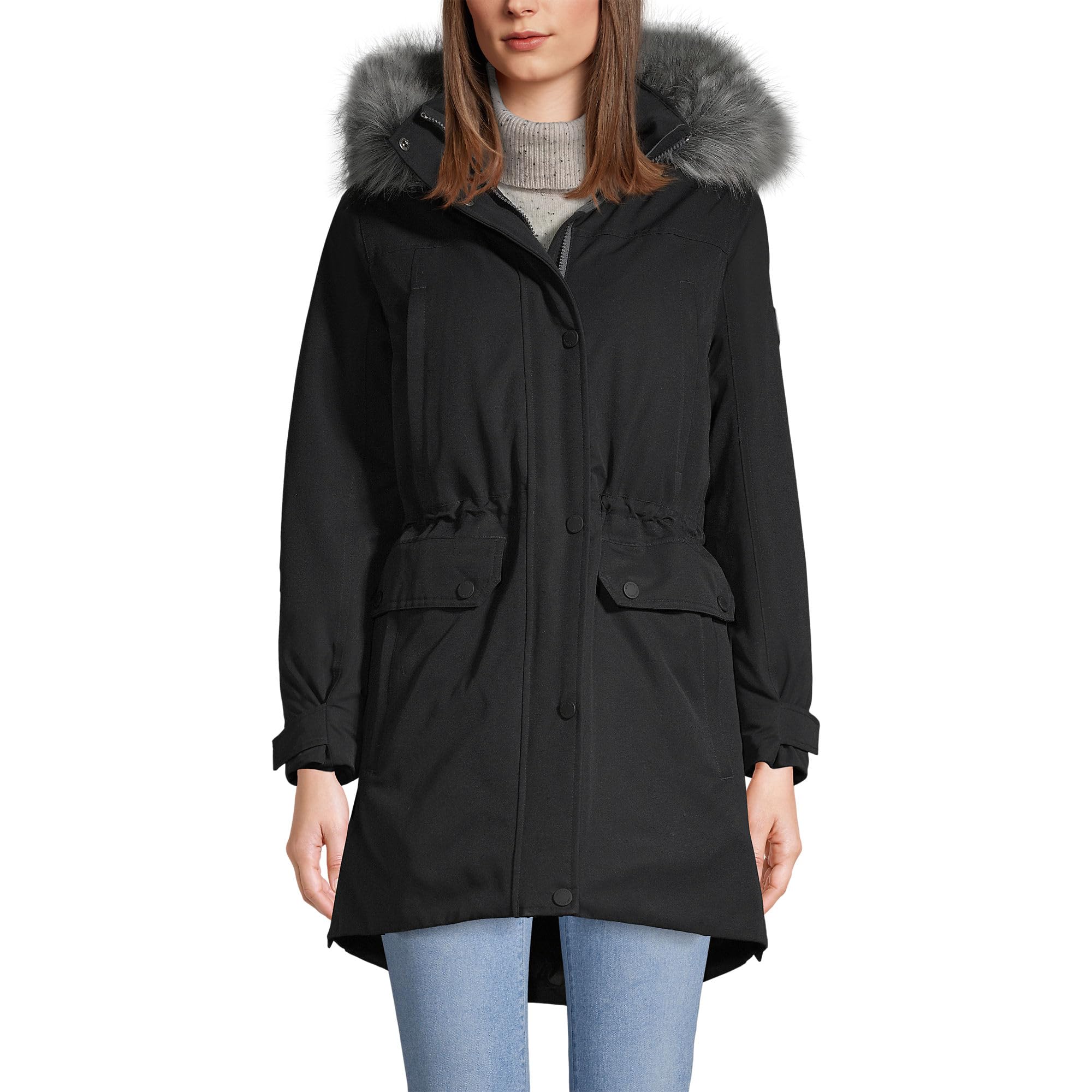
Lands’ End delivers a serious cold-weather parka that competes directly with brands like North Face and Columbia at a fraction of the usual cost. The 600-fill down provides ample warmth for extreme cold, and the waterproof shell ensures that snow or freezing rain does not compromise the insulation. The faux fur hood adds a wind-blocking layer and a polished look.
Petite and plus-size testers praised the fit, noting that sleeve length was accurate and the cut accommodated different body shapes without being baggy. The heavy-duty material and large pockets make it practical for everything from city commutes to snowy walks. The exposed snap front and back vents add a tailored design element not common in purely functional arctic gear.
Some users experienced minor issues with the double zipper, which occasionally required extra effort to align. The down fill is not as high-loft as 750-fill options, meaning it is slightly less compressible and may require more layering for the most extreme negative temperatures. Still, for the price, the warmth-to-cost ratio is outstanding.
Why it’s great
- Excellent warmth comparable to major premium brands
- Waterproof shell protects down fill in wet conditions
- Great fit for petite and plus-size body types
Good to know
- Double zipper can occasionally stick or misalign
- 600-fill down is less efficient than higher fill options
- Not as compressible for packing into a bag
4. Carhartt Men’s Yukon Extremes Loose Fit Insulated Coat

Carhartt’s Yukon Extremes is the definitive coat for anyone who has to work in brutal cold, not just walk through it. The 500-denier Cordura nylon shell is nearly indestructible, and the 150g 3M Thinsulate insulation provides reliable warmth without the bulk of a down coat. The Wind Fighter technology and Rain Defender DWR treatment make it a fortress against the elements.
The coat is built for abuse. Triple-stitched seams, a droptail hem, and a corduroy-trimmed collar are details that matter when you are shoveling, lifting, or operating machinery in sub-zero wind. Owners rate its effective comfort range down to -25°F when paired with insulated bibs. The fleeced-lined collar and rib-knit storm cuffs seal out drafts.
This coat is stiff when new and can ride up when sitting, which is a common complaint for traditional canvas coats. The outer pockets lack closures, so small items can fall out. It is not rated for the same extreme temperatures as the RefrigiWear options, but for active outdoor work in the -10°F to -25°F range, it is arguably more durable and mobile.
Why it’s great
- Extremely durable 500-denier Cordura shell for work environments
- 150g Thinsulate provides effective warmth without excessive weight
- Excellent wind and water resistance with triple stitching
Good to know
- Fabric is stiff and can ride up when seated
- Outer pockets lack closures, items can fall out
- Not suitable for stationary use below -25°F without bibs
5. RefrigiWear Men’s Iron-tuff Coveralls With Hood
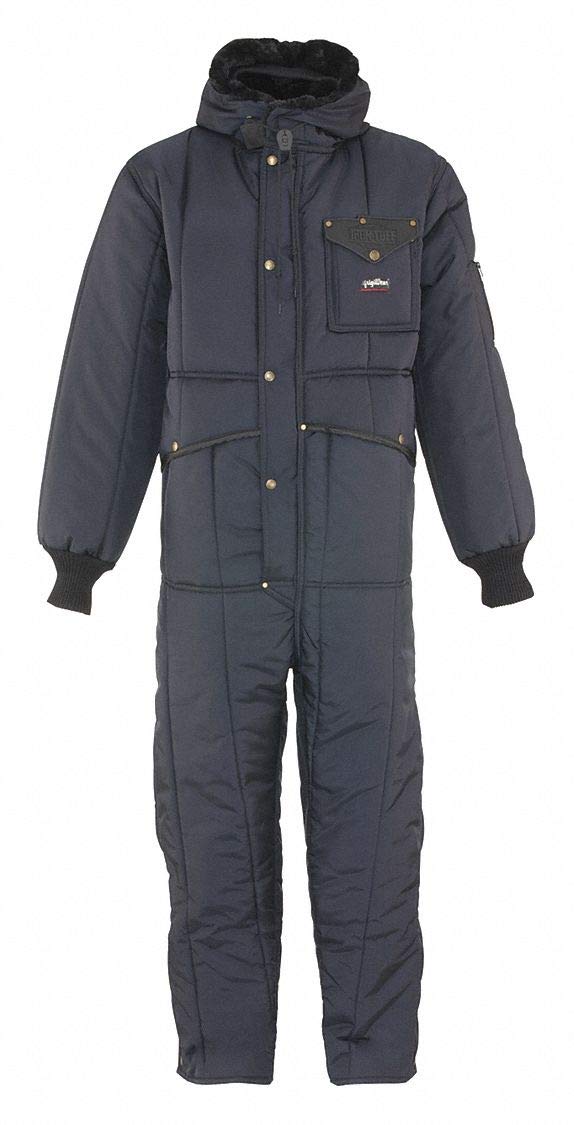
When a jacket and pants are not enough, the Iron-tuff Coveralls provide one-piece full-body protection rated down to -50°F. This is the ultimate solution for standing still in a deep freeze, working in a refrigerated warehouse, or riding a motorcycle in 30°F weather—as one owner did. The attached hood with a knit wind seal ensures no heat escapes from your neck.
The suit is designed for ease of use: oversized pockets, a heavy-duty zipper, and a fit that allows for moderate movement and some layering underneath. Users in Michigan winters and commercial kitchens swear by its performance, noting that they no longer feel cold even during long shifts in sub-zero environments. The material is windproof and water-resistant.
The fabric is noisy when walking, a common trade-off for heavy-duty windproof materials. Getting the right fit is crucial—too large and the suit becomes clumsy, too small and it restricts movement. It is best suited for stationary or light-activity scenarios where maximum insulation is the top priority over mobility.
Why it’s great
- Complete full-body protection down to -50°F
- Attached hood with wind seal prevents heat loss
- Easy to put on over regular clothing for quick cold exposure
Good to know
- Material is noisy and crinkly when walking
- Can be clumsy for high-mobility tasks
- Fit must be carefully chosen for comfort and function
6. ArcticShield Cold Weather Body Insulator Suit for Hunting
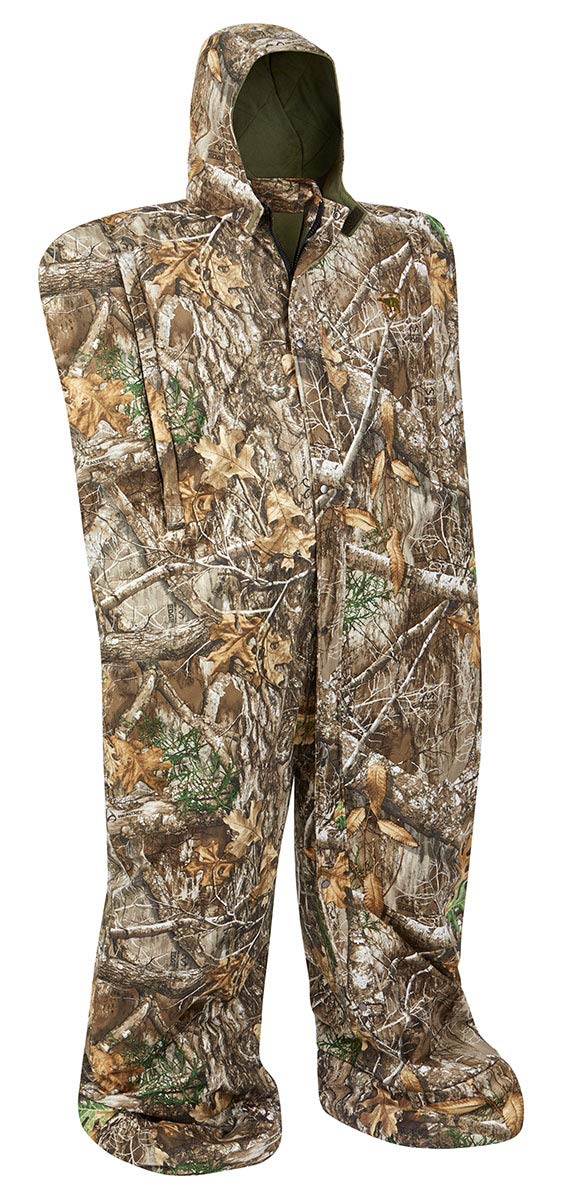
ArcticShield’s patented RETAIN Heat Retention Technology is specifically designed for hunters who sit still for hours in a tree stand. This suit is not a jacket—it is a wearable insulator that traps body heat using a reflective barrier, similar to a sleeping bag. The waterproof and windproof outer shell means no heat is lost to the wind, and the large armhole zippers allow you to slip in and out without removing boots.
Deer hunters report being comfortable on 3 to 9-hour sits in temperatures ranging from -8°F to 30°F, with some noting that the suit eliminated shivering entirely after donning the hood. The tree harness slot adds a critical safety feature for elevated stands. At only 6 pounds, it is packable enough to carry to a remote stand.
This suit is not designed for walking or active use—it is an insulation layer for stationary cold. Sizing is generous, which is necessary for wearing thick base layers underneath, but users shorter than 5’8″ have found the length to be excessive and clumsy for climbing. The carry strap works but is not the most robust solution for long hikes.
Why it’s great
- Reflective RETAIN tech is highly effective for stationary cold
- Waterproof and windproof shell seals out elements
- Lightweight and packable for its warmth level
Good to know
- Not designed for walking or active outdoor work
- Length can be excessive for shorter users, causing clumsiness
- Carry strap is functional but not ideal for long hikes
7. Helly-Hansen Mens Reine Parka
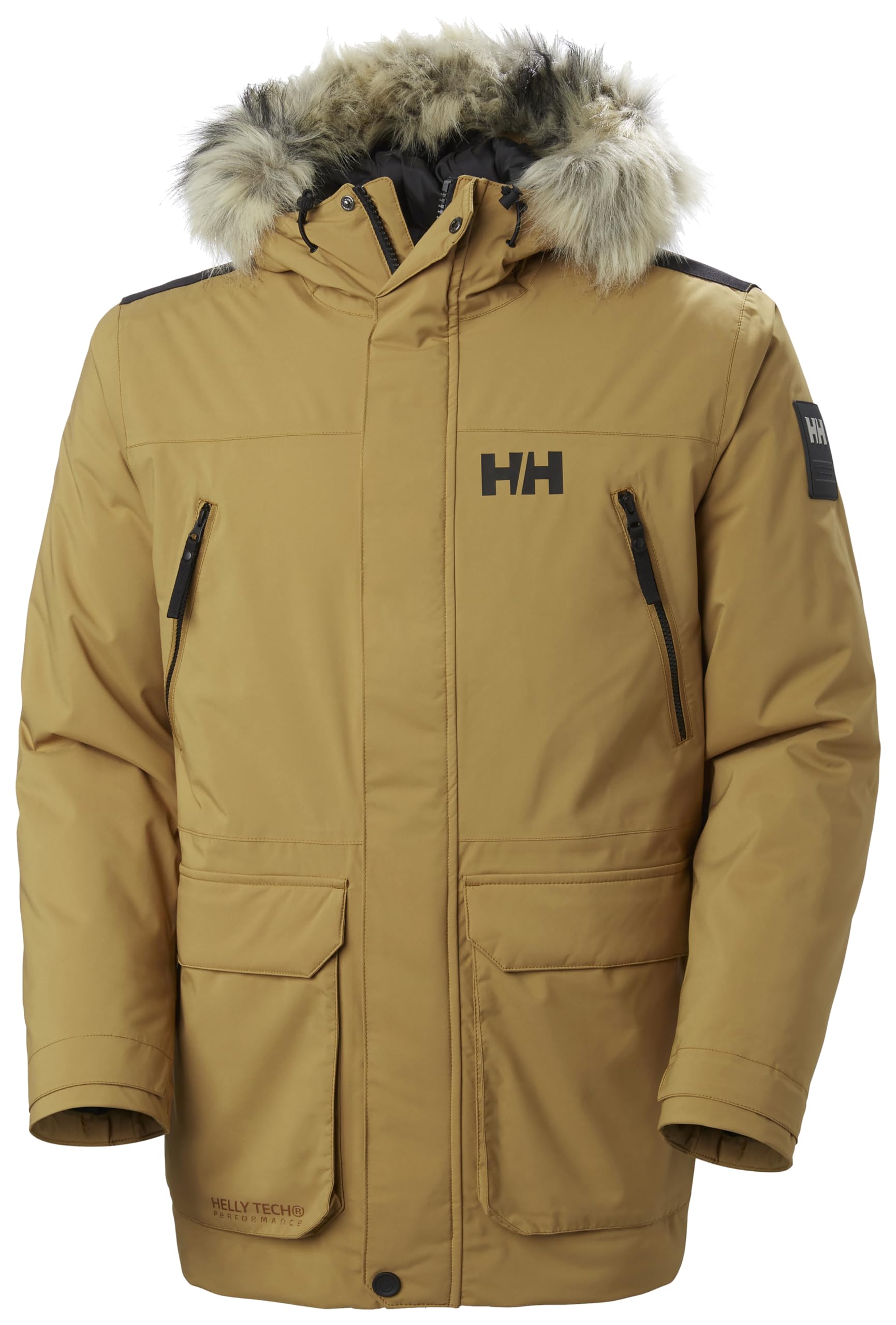
The Helly-Hansen Reine Parka bridges the gap between city style and arctic-worthy insulation. The Helly Tech waterproof and breathable membrane keeps rain and snow out, while Primaloft synthetic insulation provides reliable warmth even if the outer shell wets through. This is a parka designed for someone who walks to work in a blizzard and then sits in an office.
Testers at 0°F reported feeling toasty with just a t-shirt and a vest underneath, thanks to the efficient Primaloft fill. The YKK zipper with a wind flap, detachable faux fur hood, and multiple pockets (including a media pocket and chest pocket) are well-executed. The fit is tailored enough to look sharp without restricting movement.
One significant design criticism is the lack of an internal waist drawstring. Cold air can leak up from below, requiring a belt or scarf to seal the bottom. The faux fur hood is also floppy without a wire brim, limiting its effectiveness in high winds. Despite these flaws, the Reine Parka offers premium arctic-level warmth in a package that does not look like a survival suit.
Why it’s great
- Primaloft insulation offers reliable warmth in wet conditions
- Helly Tech shell is both waterproof and breathable
- Sharp urban design that works for daily wear
Good to know
- No internal drawstring; cold air can leak from below
- Faux fur hood lacks a wire brim for wind protection
- Runs large; sizing down may be necessary for some builds
8. THE NORTH FACE Men’s McMurdo Bomber Jacket
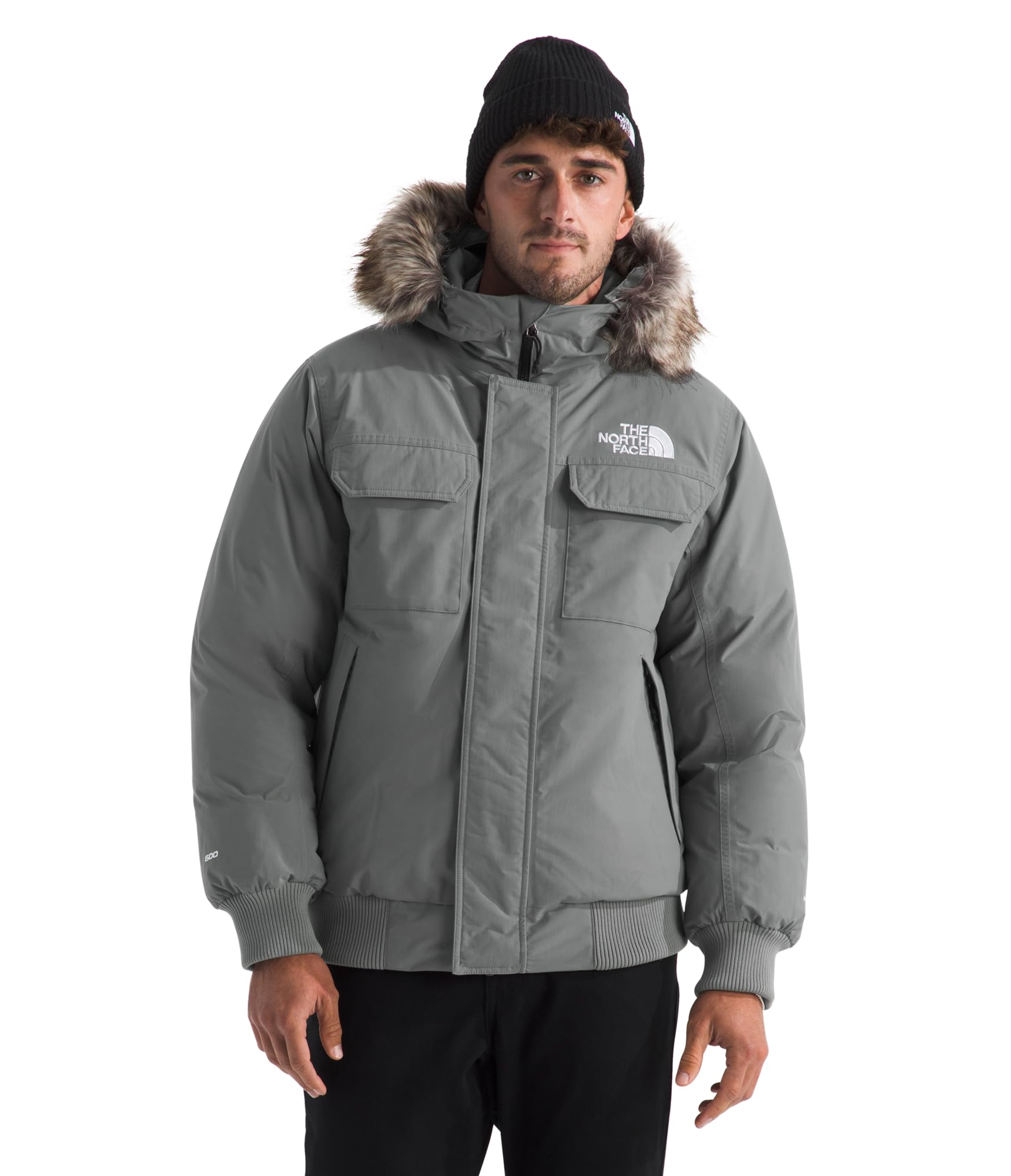
The McMurdo Bomber is North Face’s answer to anyone who needs a thick, warm jacket that looks as good as it performs. The waterfowl down insulation is substantial, and the waterproof shell ensures snow or rain does not compromise its warmth. The bomber cut is shorter than a parka, which some prefer for mobility and style.
Owners consistently describe it as “insanely warm” and praise its ability to handle lake-effect snow and wind in places like Indiana and Chicago. The removable faux fur ruff on the hood adds a significant wind-blocking function, and the ample pockets provide plenty of storage. The fit runs large, which is ideal for layering a heavy sweater or down vest underneath.
The down insulation is not as high-fill as some dedicated arctic parkas, meaning it is heavier for its warmth level compared to a 800-fill down coat. It does not have a removable inner layer despite some buyers’ expectations, so it is strictly a single outer-layer piece. For urban and suburban arctic use, it is a top-tier choice, but for multi-day backcountry trips, a more packable option may be preferred.
Why it’s great
- Waterfowl down is very warm and the shell is fully waterproof
- Classic bomber style with removable fur ruff for wind protection
- Runs large, allowing for substantial layering underneath
Good to know
- Down insulation is less efficient than higher fill power options
- Does not have a removable inner layer for variable conditions
- Too bulky for packing into a backpack
9. THE NORTH FACE Women’s Arctic Parka
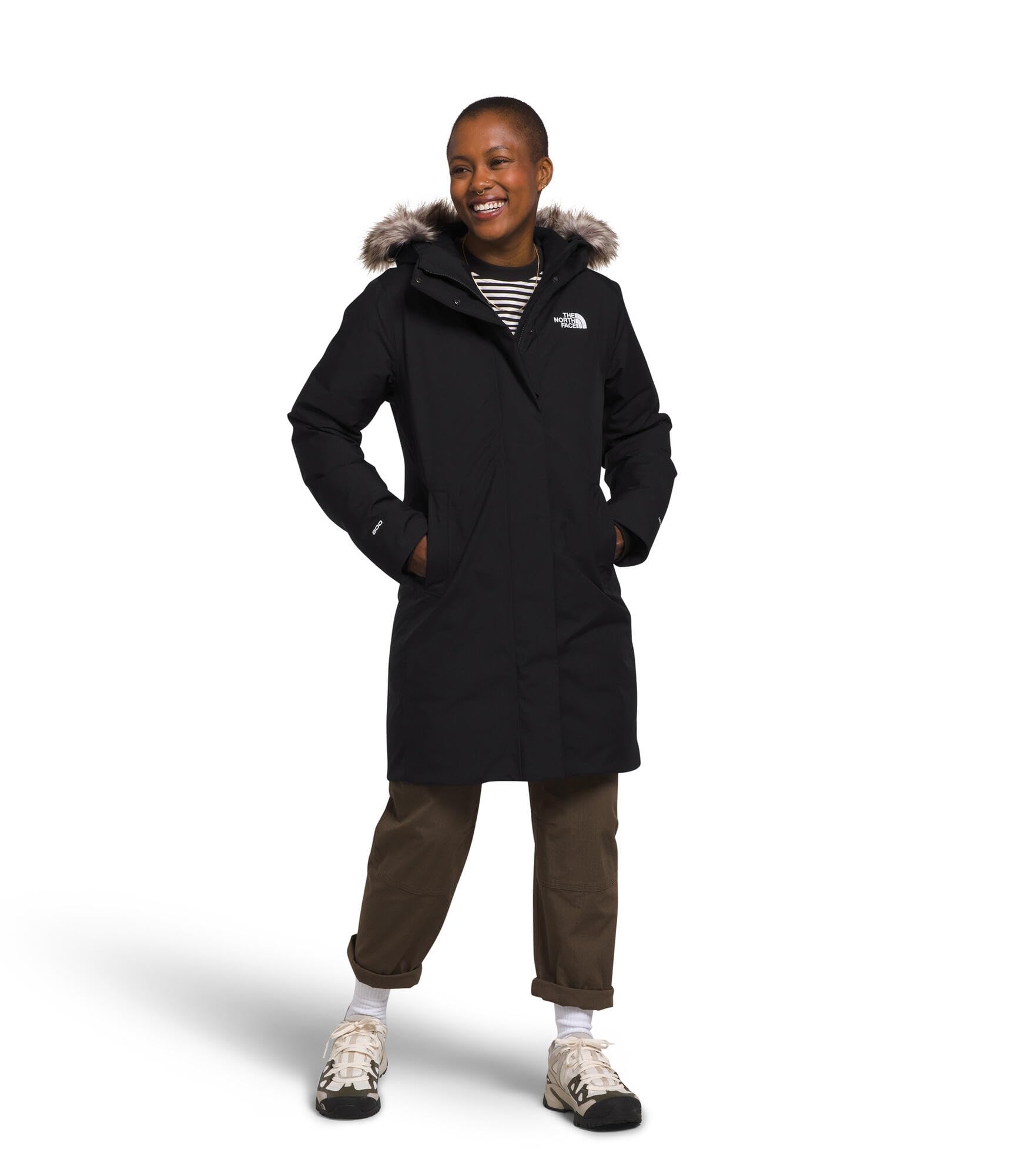
The Women’s Arctic Parka from North Face delivers a refined, eco-conscious package for women who need serious cold-weather protection. The recycled down insulation is warm and responsibly sourced, while the waterproof shell with a non-PFC DWR treatment keeps snow and rain at bay without harming the environment. The adjustable hood and removable faux fur trim offer flexibility in how the coat is worn.
Testers in northern Colorado and Germany confirmed that the parka kept them comfortable in bitter cold, snow, and rain. The fit is roomy, allowing for layers, and the soft inner cuffs seal out drafts without being annoying. The hand-warmer pockets are deep and lined, and the addition of internal loops for holding gloves is a smart touch that owners love.
Some veteran owners noted that older versions of this parka had fleece-lined pockets and a zippered interior pocket, which the current version lacks. The coat is not dramatically warmer than a thinner Columbia parka in 20°F wind, according to one user, though it excels in still cold. At full price, some feel it is overpriced, but at a discount, it represents a solid value for a premium brand.
Why it’s great
- Eco-friendly recycled down with excellent warmth
- Waterproof shell with sustainable DWR treatment
- Removable hood and fur trim for styling flexibility
Good to know
- Pockets are unlined and lack zippers compared to older versions
- Not dramatically warmer than some thinner alternatives in breezy conditions
- Best value when purchased at a discount from full retail
FAQ
Is down or synthetic insulation better for arctic conditions?
How should I layer clothing for arctic conditions?
What is the most important feature in an arctic parka?
Final Thoughts: The Verdict
For most users, the best clothing for arctic conditions winner is the Fitouch Women’s Waukee Parka because it delivers premium 750-fill down warmth at a mid-range price point. If you need a work-grade coat that can take abuse, grab the Carhartt Yukon Extremes. And for stationary ultralight protection, nothing beats the ArcticShield Body Insulator Suit.

Mo Maruf
I created WellFizz to bridge the gap between vague wellness advice and actionable solutions. My mission is simple: to decode the research and give you practical tools you can actually use.
Beyond the data, I am a passionate traveler. I believe that stepping away from the screen to explore new environments is essential for mental clarity and physical vitality.