Our readers keep the lights on and my smoothie glass nicely filled. As an Amazon Associate, I earn from qualifying purchases.
Choosing a climbing rose for a Texas garden means finding a plant that can withstand scorching summer heat, stubborn clay soil, and the occasional freezing snap — all while delivering the vertical blooms that transform a plain fence or arbor into a living tapestry. Not every variety sold online is up to the challenge.
I’m Mohammad Maruf — the founder and writer behind WellFizz. I’ve spent countless hours analyzing the hardiness ratings, bloom cycles, and root structures of the most popular climbing roses to find the ones that actually thrive in Texas conditions.
Whether you’re covering a south-facing wall or framing a garden arch, finding the right climbing roses for texas means prioritizing own-root plants with proven heat tolerance and disease resistance.
How To Choose The Best Climbing Roses For Texas
Texas covers multiple USDA zones, from the humid Gulf Coast to the arid west and the cold-prone Panhandle. A climbing rose that handles Dallas summers may falter in San Antonio’s humidity or freeze out in Amarillo. Here is what to look for when narrowing down your options.
Own-Root vs. Grafted Roses
Own-root roses grow on their own root system, meaning the entire plant is genetically identical. If the top dies back during a hard freeze, the roots can still produce the same rose. Climbing roses for Texas benefit from this trait because sudden temperature swings are common. Grafted roses, while often cheaper, can send up suckers from the rootstock that look nothing like the parent plant.
Heat Tolerance and Disease Resistance
Texas summers push roses into heat stress, making them more vulnerable to black spot and powdery mildew. Select varieties described as “disease resistant” or “tough” rather than finicky exhibition roses. The most reliable climbing roses for Texas are those bred for vigor and natural immunity rather than maximum petal count.
USDA Zone Matching
Most climbing roses labeled for zones 6-9 will handle central and southern Texas, but northern Texas and the Panhandle often fall into zones 6 and 7. Always check the plant’s stated zone range against your local microclimate. A rose listed for zones 5-10 offers the widest safety margin for unpredictable Texas winters.
Quick Comparison
On smaller screens, swipe sideways to see the full table.
| Model | Category | Best For | Key Spec | Amazon |
|---|---|---|---|---|
| Stargazer Perennials Eden Climber | Premium | Large vertical coverage | 12 ft mature height, own-root | Amazon |
| Arborose Tangerine Skies | Premium | Unique orange blooms | 8 ft climb, zones 5-10 | Amazon |
| Heirloom Roses Eden Climber | Premium | Trusted nursery, zones 5-10 | 10 ft climb, own-root 1 gal | Amazon |
| Heirloom Roses Reach for the Skies | Mid-Range | Fragrant repeat blooms | 8-10 ft, own-root 1 gal | Amazon |
| Ma Cherie Roses Don Juan | Mid-Range | Deep red climber, strong scent | Dark red, large blooms | Amazon |
| Proven Winners Rise Up Ringo | Mid-Range | Compact climbing shrub | 3-5 ft tall, zones 4-9 | Amazon |
| Emerald Goddess Gardens Seven Sisters | Budget | Antique heirloom, easy care | 15 ft height, zones 6-9 | Amazon |
In‑Depth Reviews
1. Stargazer Perennials Eden Climber
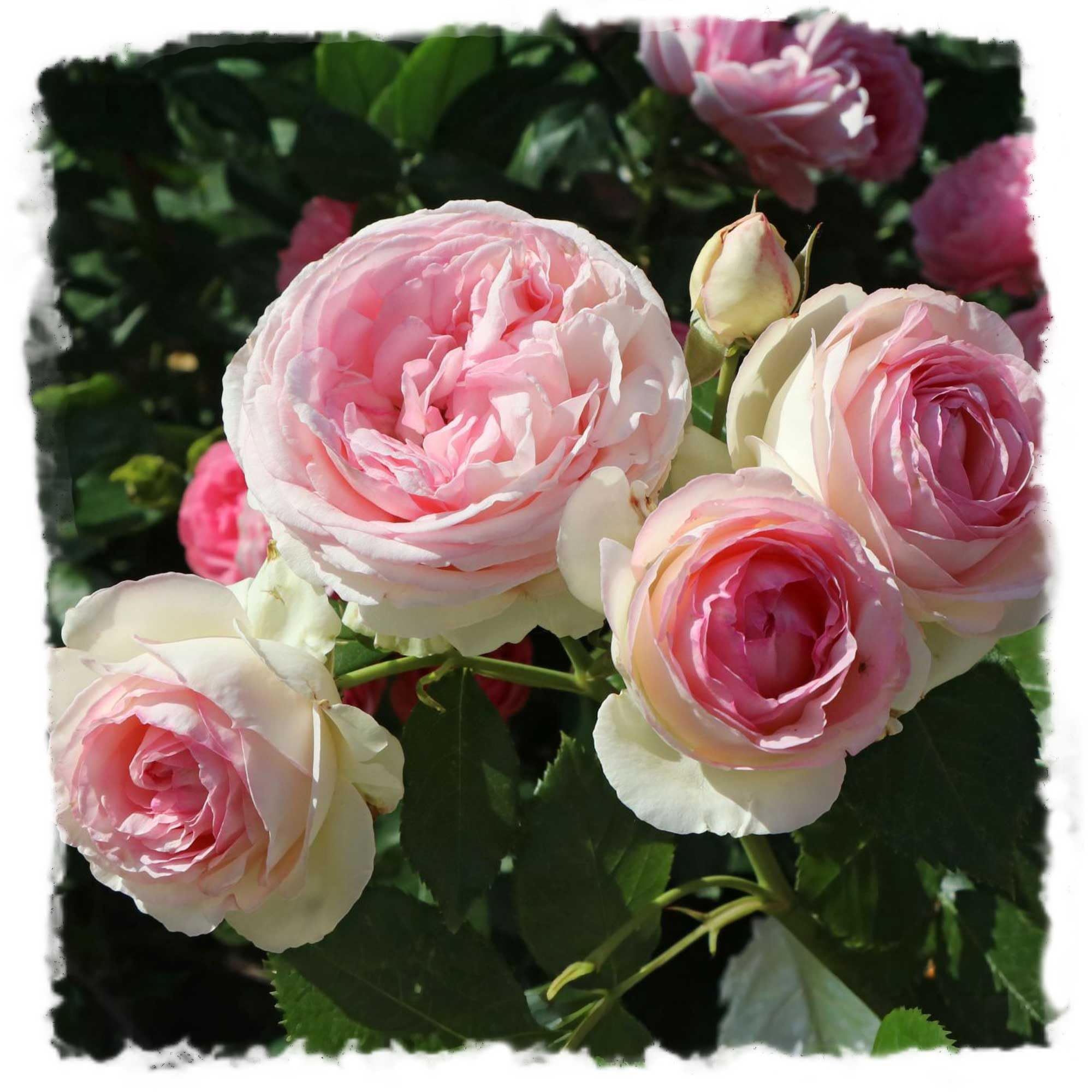
The Stargazer Perennials Eden Climber stands out as a premier choice for Texas gardens because of its vigorous own-root growth and generous 12-foot mature height. It produces large, fragrant, soft pink blooms with cream and chartreuse undertones, flowering repeatedly from spring through fall. This variety is recommended for zones 5 through 9, covering nearly every region of Texas, and its biodegradable 1.5-gallon fiber container includes fast-start fertilizer for a strong beginning.
Gardeners report that plants shipped in early spring arrive green and healthy even after extended transit times, thanks to secure packaging. The rose takes off quickly — one buyer in zone 9b northern California saw buds within seven weeks after planting in early April. The plant’s own-root structure provides natural resilience against winter dieback, which is critical for unpredictable Texas freezes.
While one reviewer reported receiving a rootless cutting, the overwhelming majority of feedback highlights vigorous growth and reliable blooming from the first season. For a large vertical statement on a fence, arbor, or trellis, this is the most dependable climbing rose in this selection.
Why it’s great
- 12-foot mature height offers excellent coverage for large structures
- Own-root plant can rebound from winter dieback
- Repeat blooms with strong fragrance throughout the growing season
Good to know
- One isolated report of a plant arriving with minimal root structure
- Requires regular watering, especially during Texas summer heat
2. Arborose Tangerine Skies Climbing Rose
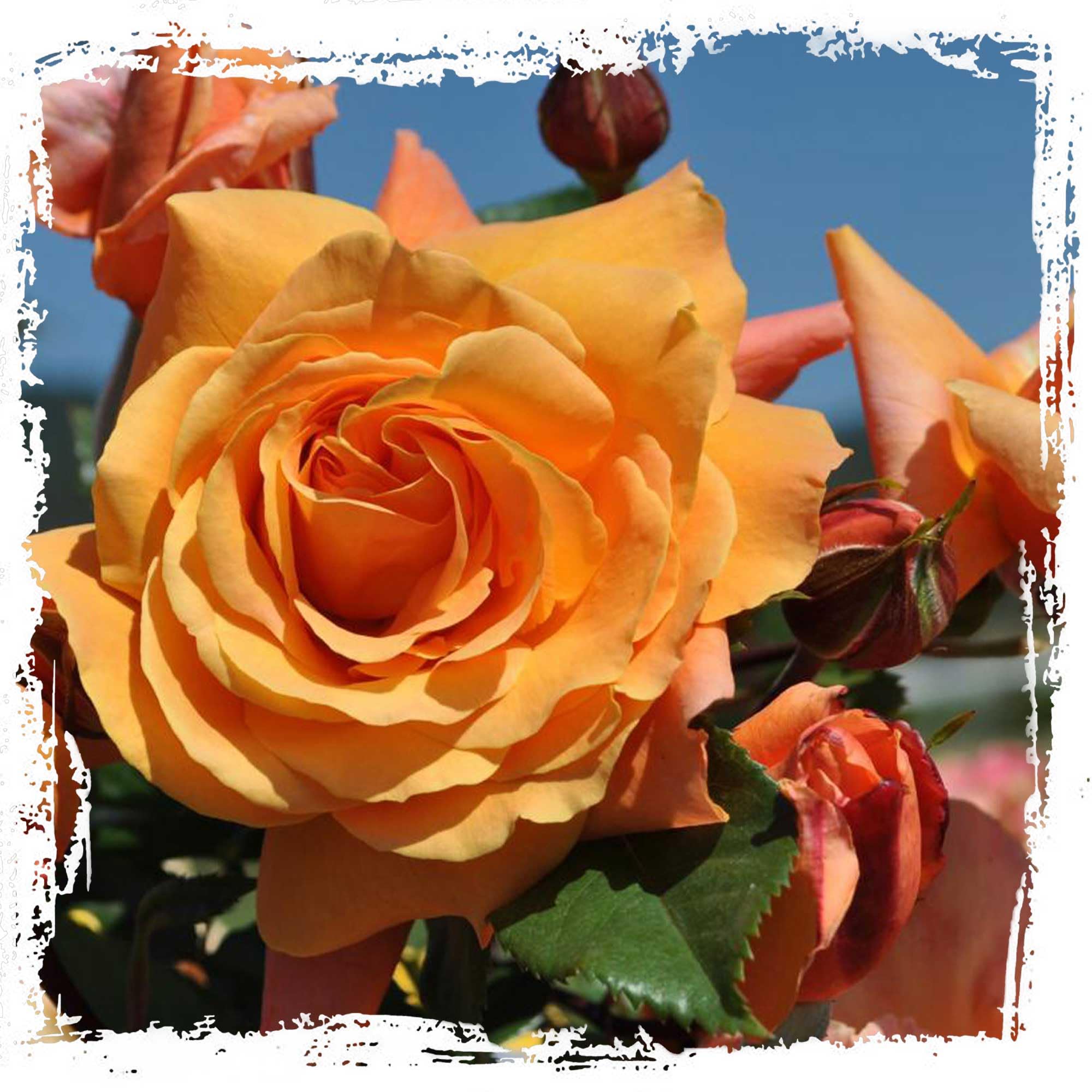
The Arborose Tangerine Skies Climbing Rose brings a rare orange hue to the garden, with four-inch fragrant blooms set against deep green glossy foliage. This Kordes variety grows to 8 feet tall and 4 feet wide, making it a manageable climber for smaller spaces or for pairing along a walkway. It is rated for zones 5 through 10, offering the widest possible coverage for Texas from the Panhandle to the Gulf.
Buyers consistently praise the health of the plants at arrival — thick roots, robust leaves, and secure packaging. The own-root foundation means the rose is hardier than grafted alternatives, and the 1.5-gallon fiber container includes fast-start fertilizer built into the pot. One repeat customer noted that Stargazer Perennials made good on a wrong shipment without hassle, showing strong customer support.
A few growers reported no blooms in the first year, followed by two bloom cycles after reducing fertilizer. This sensitivity suggests the plant prefers moderate feeding, which is a common adjustment for Texas gardeners with nutrient-rich soil. If you want a true orange climber with excellent heat tolerance, this is the one to choose.
Why it’s great
- Unique orange color with strong fragrance
- Broad zone tolerance (5-10) fits all Texas regions
- Own-root plant with excellent customer service from seller
Good to know
- May not bloom heavily in the first season
- Responds poorly to over-fertilization
3. Heirloom Roses Eden Climber
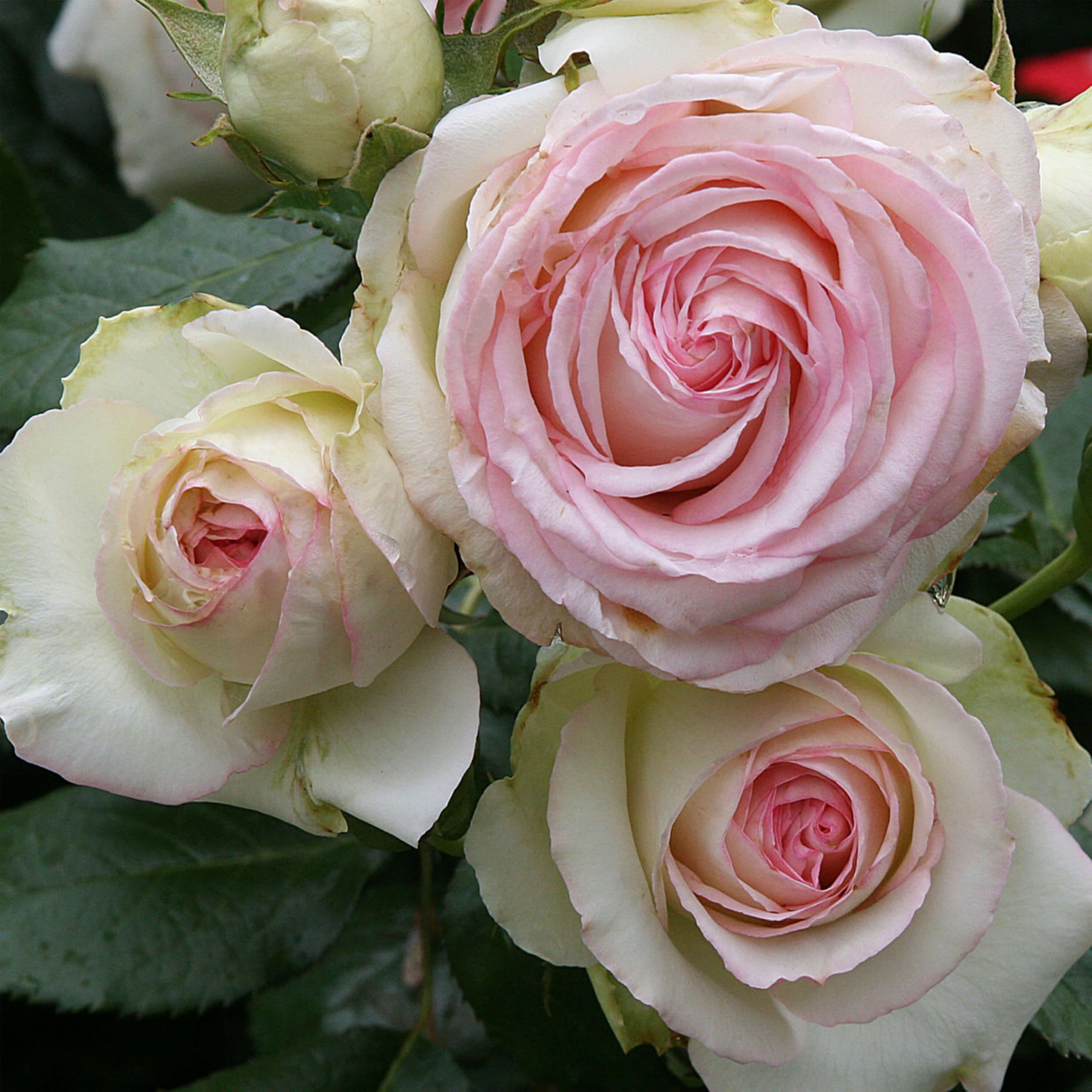
Heirloom Roses delivers the Eden Climber as an own-root plant in a one-gallon container, with a labeled mature size of 10 feet tall by 6 feet wide. This variety is rated for zones 5 through 10, giving it strong adaptability across Texas. The lightly fragrant, repeat-blooming flowers appear in flushes from spring through fall, providing steady color throughout the long growing season.
Buyers report that plants arrive extremely well packaged and healthy, often showing new growth within days of planting. One gardener in a partial sun location saw the rose grow three feet in four weeks with multiple buds forming. The own-root genetics are a major advantage here — if a hard freeze kills the top growth, the roots can push up the same variety the following spring.
A small number of customers experienced poor survival rates after one year and noted difficulty with customer service. That said, the majority of reviews describe thriving plants with rapid growth. For a classic pink climbing rose from a well-known nursery, this is a strong contender for Texas gardeners who value proven genetics.
Why it’s great
- Own-root plant ensures true-to-type regrowth after dieback
- Fast growth reported even in partial shade
- Repeat blooms with light, pleasant fragrance
Good to know
- Mixed feedback on long-term survival rates
- Warranty voids if granular fertilizer is applied
4. Heirloom Roses Reach for the Skies
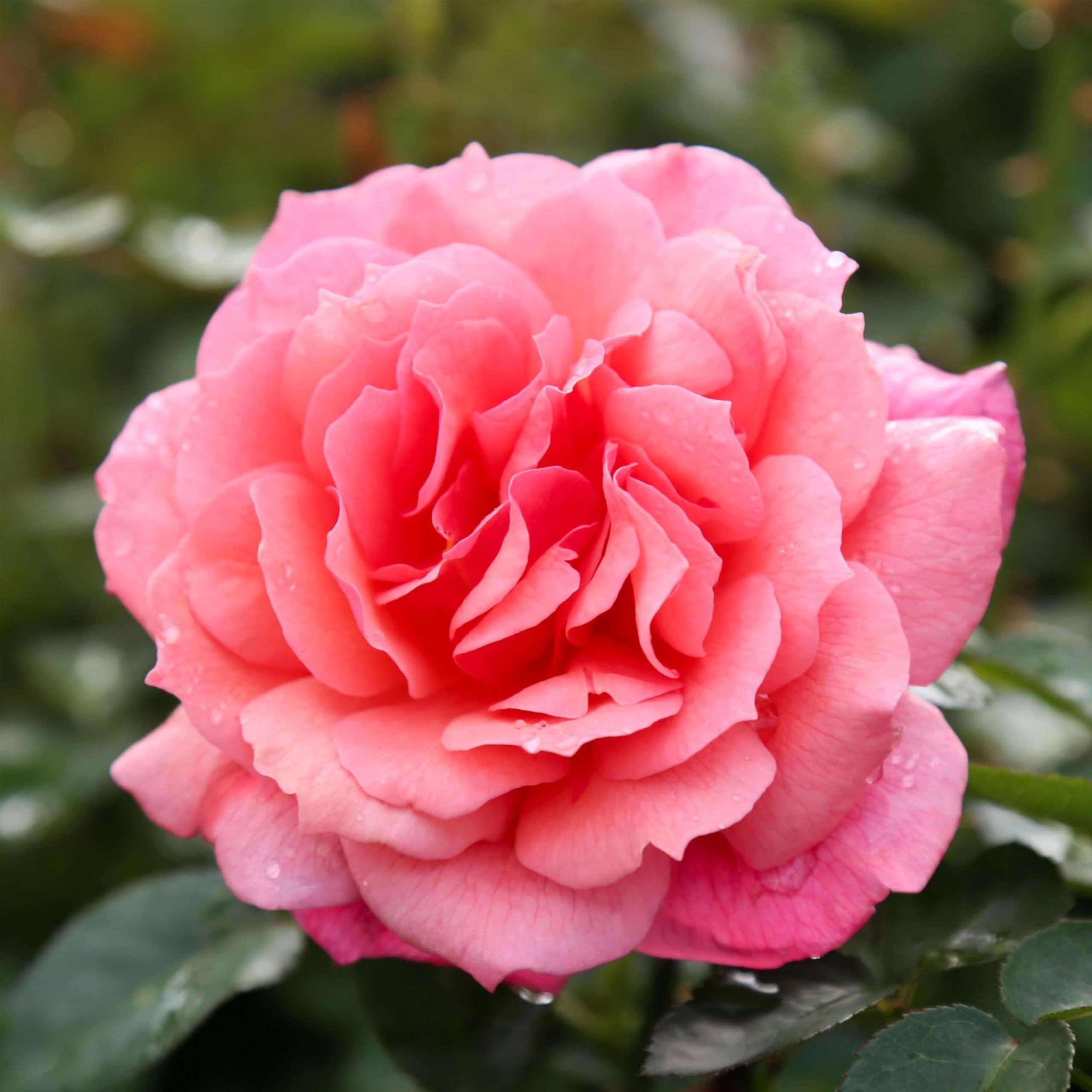
Heirloom Roses Reach for the Skies is a moderately fragrant, repeat-blooming climber that reaches 8 to 10 feet at maturity. It is rated for zones 6 through 10, making it an excellent fit for central and southern Texas while still viable in the warmer parts of the north. The own-root plant arrives in a one-gallon container with rich soil and is typically 12 to 15 inches tall at shipment.
Customer reports speak of excellent packaging and plants that skyrocket in growth after planting. One buyer saw the rose gain three feet in four weeks and produce a bloom alongside five additional buds forming. Another noted the plant held up well in strong winds without damage. The own-root structure adds resilience against cold snaps, and the repeat-blooming habit keeps color coming into the fall.
One negative review cited poor survival after a year and unresponsive customer service. However, the volume of positive reports suggests this variety performs well when planted in full sun with moderate watering. For a mid-range price point, this rose delivers reliable performance for Texas gardens.
Why it’s great
- Fast growth with multiple blooms reported in first season
- Wind-tolerant structure suits exposed Texas sites
- Own-root plant for reliable winter recovery
Good to know
- Some plants did not survive beyond one year
- Customer service responsiveness varies
5. Ma Cherie Roses Don Juan

Ma Cherie Roses Don Juan is a dark red climbing rose with large blooms and a strong classic rose fragrance. It is grown on its own roots for increased hardiness and long-term vigor. The plant is shipped in a two-quart pot and is ready to go straight into the ground or a larger container — no need to wait for it to mature in a nursery pot.
Buyers in hot climates report success even in southern Arizona, where the rose rooted quickly and pushed new leaves within a week. The plant arrives with a complimentary cotton rose bag, and the specialized soil mix promotes a healthy start. Multiple reviews mention the deep red color and sturdy canes that hold up well in windy conditions.
No significant drawbacks appear in customer feedback, though the plant’s mature size is less clearly stated than other options. The key strength here is fragrance — Don Juan is one of the most powerfully scented climbing roses available for Texas. If you want a crimson climber that smells as good as it looks, this is the right pick.
Why it’s great
- Strong, classic rose fragrance ranks among the best
- Own-root plant for superior hardiness
- Arrives in bloom-ready condition with specialized soil
Good to know
- Mature height and spread not explicitly listed
- Best suited for full sun exposure
6. Proven Winners Rise Up Ringo

The Proven Winners Rise Up Ringo is a compact climbing shrub that grows 24 to 36 inches wide and 36 to 60 inches tall, making it a good fit for smaller gardens or container planting. It produces double golden yellow flowers with a bright red eye, blooming from spring through fall. Rated for zones 4 through 9, it easily handles the cold winters of northern Texas while still thriving in the central region.
Buyers report that plants arrive in excellent condition, often looking better than those found at local nurseries. One customer saw the rose more than double in size within two months of planting. The low-maintenance nature of the Proven Winners line means less deadheading and spraying compared to more finicky climbers.
A few gardeners noted that the plant stayed alive but failed to bloom in the first summer. This can happen with young shrubs as they focus on root establishment. If you need a smaller climber for a patio container or a low trellis, this is a reliable choice that holds up well in Texas temperature swings.
Why it’s great
- Compact size works well for containers and small spaces
- Hardy to zone 4, ideal for northern Texas
- Low-maintenance shrub with minimal deadheading needed
Good to know
- May not produce blooms in the first season
- Shorter height limits use for tall structures
7. Emerald Goddess Gardens Seven Sisters

The Seven Sisters from Emerald Goddess Gardens is an antique heirloom rambler that produces massive clusters of double flowers in shades of carmine, mauve, and creamy white. It can reach 15 feet in height once established, making it the tallest option in this guide. Rated for zones 6 through 9, it is well-suited for southern and central Texas gardens.
Introduced to Europe over 200 years ago, this rose has a proven track record of thriving in the American South. Its deep, nematode-resistant root system allows it to tolerate most soil types, including the heavy clay common in Texas. The plant is described as carefree once established — no regular preventative spraying is needed, and it handles dry spells better than many modern hybrids.
Some buyers noted that the starter plant arrived smaller than expected, though it was healthy and green. The plant blooms only once in late spring, so you will not get continuous summer color. For a budget-friendly entry into climbers with antique charm and extreme toughness, Seven Sisters is a solid choice.
Why it’s great
- Exceptionally tall at 15 feet for maximum coverage
- Nematode-resistant roots handle clay soil well
- Low-maintenance with no need for regular spraying
Good to know
- Blooms only once per season in late spring
- Starter plant may be smaller than expected
FAQ
When is the best time to plant climbing roses in Texas?
Do climbing roses need a trellis or support in Texas?
How much water does a climbing rose need during a Texas summer?
What is the difference between a climbing rose and a rambler rose?
Final Thoughts: The Verdict
For most users, the climbing roses for texas winner is the Stargazer Perennials Eden Climber because it combines a 12-foot own-root structure, repeat blooms, and strong packaging reliability that performs across nearly every Texas zone. If you want a unique orange color with broadest zone tolerance, grab the Arborose Tangerine Skies. And for a budget-friendly antique rambler that handles clay soil with minimal fuss, nothing beats the Seven Sisters.

Mo Maruf
I created WellFizz to bridge the gap between vague wellness advice and actionable solutions. My mission is simple: to decode the research and give you practical tools you can actually use.
Beyond the data, I am a passionate traveler. I believe that stepping away from the screen to explore new environments is essential for mental clarity and physical vitality.