Active Daily Care Eat Smart Health Hacks Recommended
About Contact The Library

6 Best Climbing Rose For Shade | Thorns That Thrive in the Dark

Our readers keep the lights on and my smoothie glass nicely filled. As an Amazon Associate, I earn from qualifying purchases.

Specs are compiled from manufacturer listings and verified buyer reviews and can change over time — please confirm the key details on the product page before buying.

A quick note on sizes: not every pick below is the exact size or number you searched — where the exact one is scarce, the nearest same-type option that serves the same purpose is included so you get real, in-stock choices. Each pick’s actual specs are listed.

If you have a north-facing wall or a fence under a tree, you know the struggle: most roses need six hours of direct sun to bloom, and they sulk with less. The right variety transforms a dim spot into a blooming display. This guide highlights climbing roses bred for partial shade, turning bare corners into flower-filled displays.

I’m Mohammad Maruf — the founder and writer behind WellFizz. This guide is built by comparing the manufacturers’ published specifications and the patterns across verified customer reviews, so you get each pick’s real strengths and trade-offs instead of marketing spin.

Whether you are dressing a trellis on a dim porch or training roses up a shaded arbor, the right climbing rose for shade can turn a problem spot into the garden’s showpiece. Choose a variety that thrives in your specific light conditions.

Our Picks at a Glance

Proven Winners 2 Gal. Rise Up Ringo Climbing Rose Shrub
Best OverallProven Winners 2 Gal. Rise Up Ringo Climbing Rose Shrub4.3★64 ratingsThe compact climber that brings double golden-yellow blooms to a shaded corner without taking over the yard. At 8.8 pounds in the pot, this is a substantial, well-rooted plant.Check Price on Amazon
Peggy Martin Climbing Rose - Live Plant - (1 QT)
Vigorous BloomerPeggy Martin Climbing Rose – Live Plant – (1 QT)4.2★84 ratingsThe historic “survivor rose” that pumps out hundreds of blush-pink blooms on a wall with only partial sun. This rose earned the nickname “the rose that survived hurricane Katrina” for its resilience.Check Price on Amazon

How To Choose The Best Climbing Rose For Shade

A shade-tolerant climbing rose relies on genetics, not magic. Shade-tolerant varieties are bred to produce flowers with fewer direct sun hours, but they still need a certain light quality. Focus on three factors before buying.

Hardiness Zone Match

Your USDA hardiness zone (a temperature map of the U.S.) tells you the coldest temperature a rose can survive. A plant sold for zones 4 through 9, for example, handles winters as cold as -30°F. That means it survives harsh northern winters. If you live in zone 10 and buy a rose rated only to zone 7, it will likely struggle with heat stress instead of cold. Always match the zone range on the product page to your local zone to prevent first-year death.

Mature Height vs. Your Structure

Climbing roses vary enormously in final height — some top out at 3 feet, while others can reach 20 feet. A 10-foot climber is perfect for a short obelisk or a mailbox post, but it will never cover a two-story wall. Measure your trellis, arbor, or fence before ordering and pick a rose whose mature height matches the space. The plant’s expected spread (width) matters too: a rose that spreads 12 feet wide might overwhelm a narrow pillar.

Shipping Size and Dormancy

Most climbing roses ship as small plants in quart pots (about 1 quart of soil) or 2-gallon containers, and many arrive dormant (leafless and resting) during late winter and early spring. A dormant plant looks like a stick in a pot — that is normal. Check the product description for “ships dormant” to avoid panic when it arrives leafless. A 2-gallon pot provides a more established root system and faster first-season growth than a quart pot.

Quick Comparison

Model Best For Mature Height Hardiness Zones Bloom Color Amazon
Proven Winners Rise Up Ringo★ Best Overall Best Overall Shade Climber 36–60 inches 4–9 Golden yellow with red eye Amazon
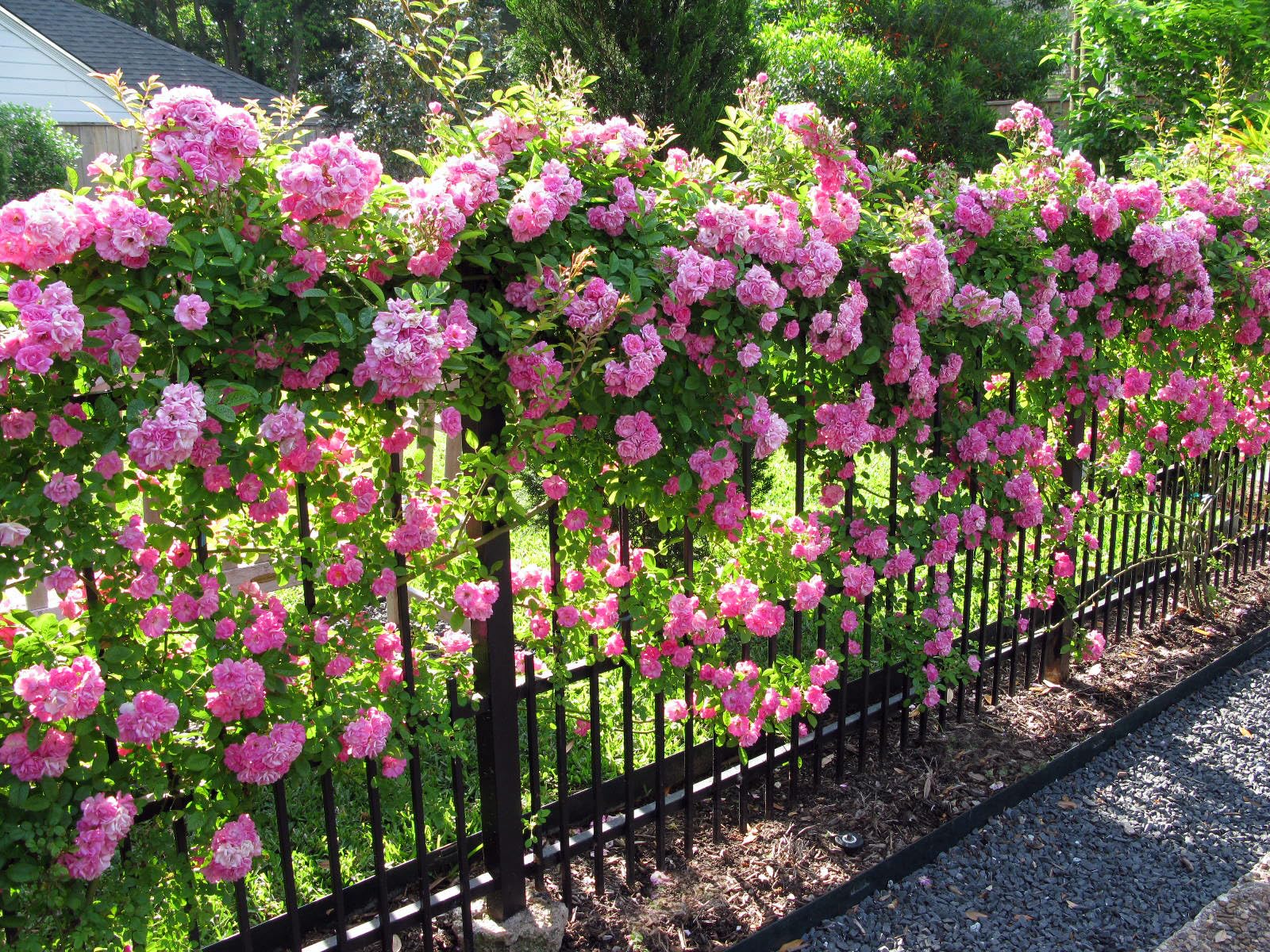
Peggy Martin Climbing RoseVigorous Bloomer Vigorous Bloomer for Walls 10–15 feet 4–9 Blush pink Amazon
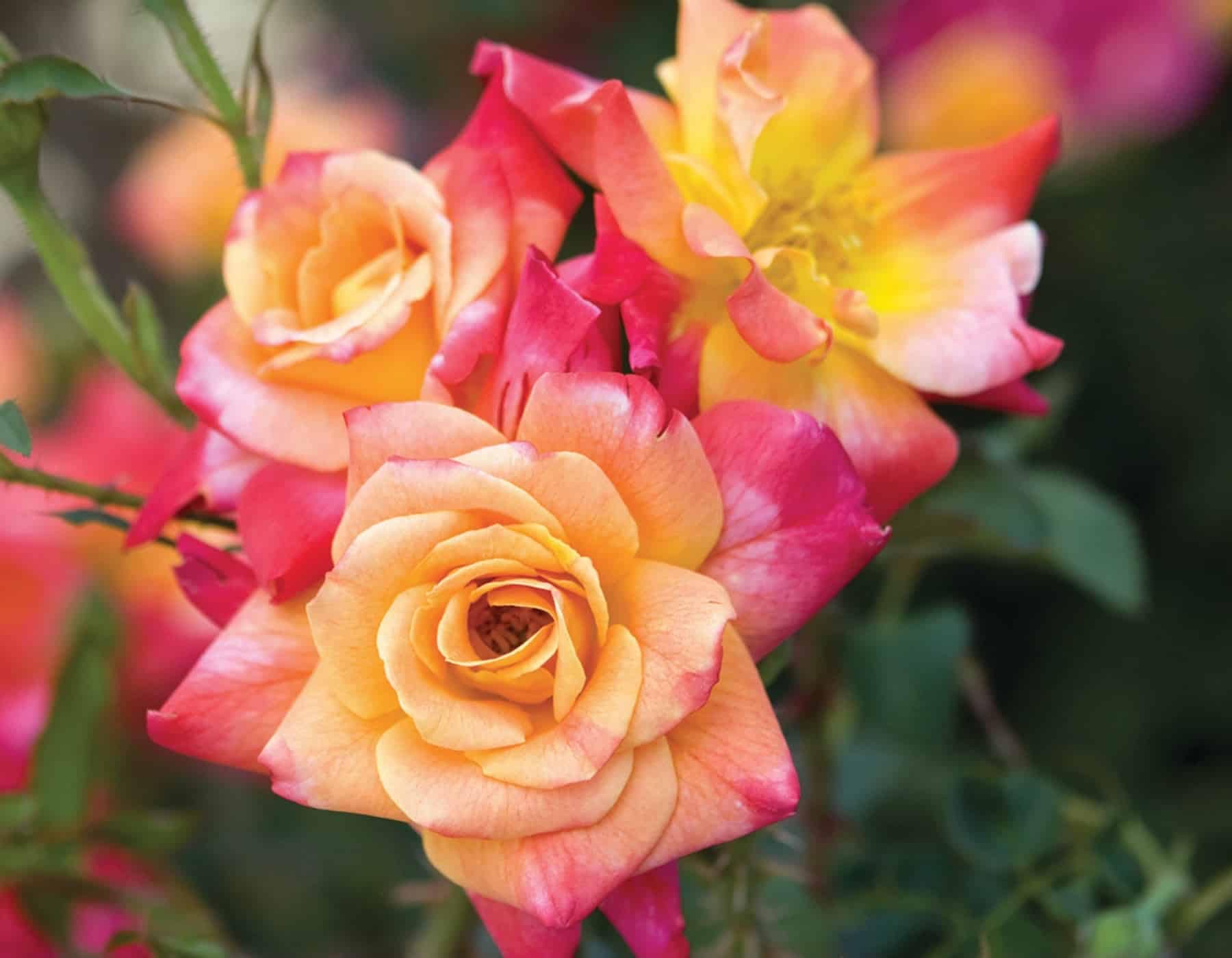
Joseph’s Coat Climbing Rose Multicolor Statement on Trellises 10–12 feet 5–10 Yellow to scarlet to orange Amazon
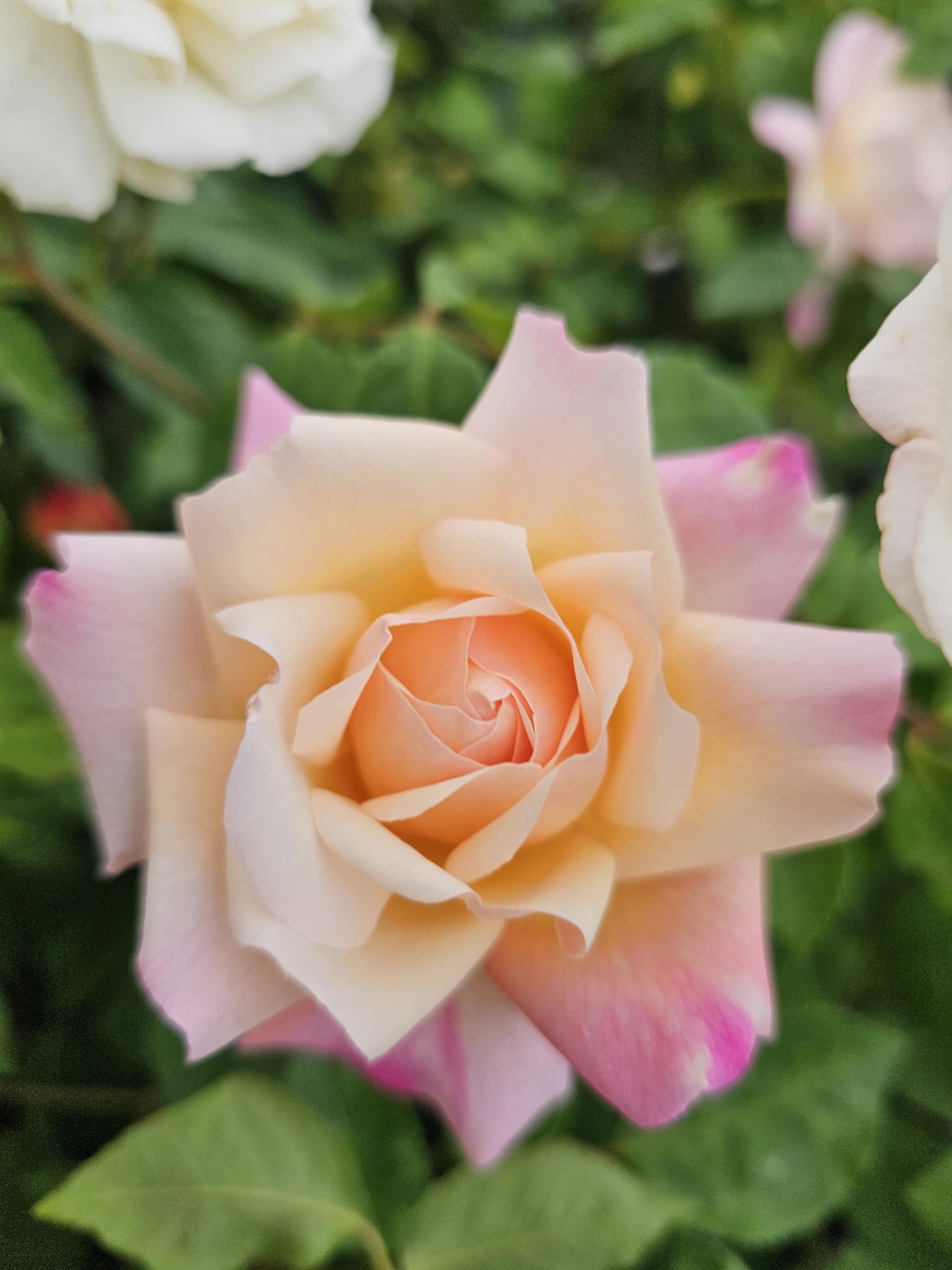
Gruss an Aachen Rose Compact Shade Pick for Containers 3 feet Light pink to salmon Amazon
Silver Cloud Rose Unique Color for Small Gardens 4 feet Russet cream Amazon
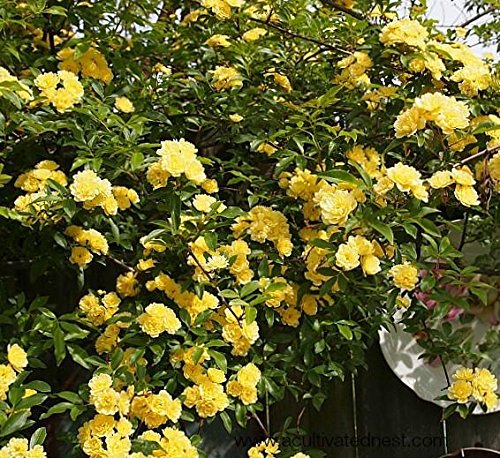
Lady Banks Yellow Climbing Rose Thornless Giant for Arbors 15–20 feet 7–10 Pastel yellow Amazon

In‑Depth Reviews

★ Best Overall

1. Proven Winners 2 Gal. Rise Up Ringo Climbing Rose Shrub

Our pick — over 4★ from 60+ verified ratings; the strongest balance of quality and price.

Shade TolerantLow Maintenance

The compact climber that brings double golden-yellow blooms to a shaded corner without taking over the yard.

At 8.8 pounds in the pot, this is a substantial, well-rooted plant. Compare that to the Lady Banks at just 2 pounds — the weight difference tells you the root system is already established. It thrives in full sun to partial shade across USDA zones 4 through 9, so it handles both a cool Minnesota spring and a muggy Georgia summer. The mature size is compact at 24 to 36 inches wide and 36 to 60 inches tall, making it a natural fit for a low fence, a mailbox, or a container on a dim patio rather than a giant wall.

Buyers report that this bush “more than doubled in size in 2 months,” which tracks with the 2-gallon pot giving it a big head start. The double golden-yellow flowers with a bright red eye are the standout feature — they keep blooming from spring into fall, as the data confirms. The catch is that it ships dormant (leafless) from winter through early spring, so if you order in February you will receive a bare-looking stick that needs patience. An occasional plant arrives struggling, but the overwhelming pattern is a healthy, fast-establishing rose that looks fuller faster than smaller container options.

Shade-friendly power: Few climbers this compact give you season-long rebloom in partial shade. The fall-to-spring deciduous habit (it loses leaves in winter and regrows fresh in spring) is normal, not a sign of trouble.

Head start bonus: At 8.8 pounds and 2 gallons, you are buying a plant with a root system already big enough to push out blooms its first summer — unlike quart-pot roses that often spend year one just getting established.

Reach for this if: you want a shade-tolerant climber that stays tidy (under 5 feet) and starts blooming the same season you plant it, without waiting two years.

Think twice if: you need to cover a tall wall or arbor — this maxes out around 5 feet, so a Peggy Martin or Lady Banks would be a better match for height.

Vigorous Bloomer

2. Peggy Martin Climbing Rose – Live Plant – (1 QT)

Partial ShadeVery Few Thorns

The historic “survivor rose” that pumps out hundreds of blush-pink blooms on a wall with only partial sun.

This rose earned the nickname “the rose that survived hurricane Katrina” for its resilience. The data backs up that vigor. It reaches 10 to 15 feet tall with a spread of 12 to 15 feet, making it the best choice among these picks for covering a large structure. It tolerates full sun to partial shade across zones 4 through 9. The review pattern is clear: owners consistently praise the health and appearance. One buyer notes that 8 months after planting their Peggy Martin “is about 5 feet tall. Strong and healthy, waiting for blooms.”

The very few thorns are a practical advantage — you can train and prune this one without an armful of scratches, unlike many climbers. It blooms in showy clusters of blush-pink flowers in spring and fall, with the data describing it as a “prolific climbing rose” that can produce hundreds of 2-inch blooms (so each bloom is big enough to notice from a distance). The main feedback is that the quart-pot size means some plants arrive small; a few owners found the size underwhelming, though the health rating is strong. Given a season or two, this rose covers ground fast — its growth rate is consistently called out as a positive.

What wins people over

  • Blush-pink blooms are abundant in spring and fall
  • Very few thorns make training and pruning easy on the hands
  • Proven cold hardiness through zone 4 winters (as low as -30°F)

The trade-off to know

  • Quart-pot size means some plants arrive small and need a full season to establish
  • 12-15 foot spread requires a wide wall or generous trellis

Best for: covering a large trellis or garden wall where you want a fast-growing, low-thorn rose that asks for little beyond occasional watering.

skip it if: you have a tiny space or container — the spread is too wide for anything under 10 feet of room.

Multicolor Show

3. Joseph’s Coat Climbing Rose – Live Plant – (1 QT)

Partial ShadeDrought Tolerant

A kaleidoscope rose that shifts from yellow to scarlet to orange across the same plant on a shaded trellis.

Joseph’s Coat is famous for blooms that change color as they age — yellow opens first, then fades through scarlet back to orange and carmine. That gives you a multicolor display from a single plant. It grows 10 to 12 feet tall in full sun to partial shade across zones 5 through 10, which puts it in the same height range as the Peggy Martin but with a warmer climate range (it handles zone 10 heat better than the Peggy Martin can). The green apple foliage is a nice contrast to the vivid flowers.

It is drought tolerant and low maintenance once established, and it attracts pollinators — a practical bonus for a shady garden where bees can be scarce. Some plants arrived with buds already forming, and reviews note that blooms appeared within a day or two of planting. On the flip side, the quart-pot size means a few plants arrive small, and one reviewer noted black spot (a common fungal disease) appearing fast. Compared to the Peggy Martin’s reliable vigor, Joseph’s Coat is a bit more temperamental, but the color payoff is unique — no other rose on this list gives you that color-changing effect.

The color edge: You get yellow, scarlet, orange, and carmine on the same vine, which means a shaded trellis looks alive with shifting tones rather than a single flat color.

The watch-out: Black spot susceptibility is real — plan for a regular fungicide spray if you live in a humid area, unlike the lower-maintenance Peggy Martin.

Ideal for: a gardener who wants a talking-piece trellis with color-changing blooms in zones 5 through 10, especially in warmer climates.

Consider something else if: you prefer a fuss-free, disease-resistant climber — the Peggy Martin is a safer bet for low-maintenance shade coverage.

Compact Fragrance

4. Gruss an Aachen Rose Bush – 2 Quart Pot

FloribundaMild Sweet Fragrance

A compact floribunda that tops out at 3 feet, making it the ideal shade rose for a container or a low border.

This is not a true climber in the 15-foot sense — it is a floribunda (a cluster-flowering bush rose) that grows roughly 3 feet tall and 3 feet wide. So think of it as a bushy, repeat-blooming rose for a shady patio pot or a low garden edge rather than a wall-covering vine. It is grown on its own root (not grafted onto a different rootstock), which the data notes gives a “hardier plant that lasts longer with more vigor.” The blooms start salmon-pink, open into light pink, and fade to a cream white — the color variation depends on temperature.

It is a continuous bloomer through spring and summer with a mild sweet fragrance. The 2-quart pot is a generous size compared to the 1-quart options, so it fills in quickly once planted. The bloom aspect gets the most mentions, but it is a mixed verdict — some owners mention no blooms at all during the first season, while others see a full flush. If you want guaranteed first-year flowers, the Rise Up Ringo is a safer bet; if you prize fragrance and own-root hardiness, this one is worth the patience.

Why it stands out

  • Own-root plant means stronger long-term growth than grafted roses
  • Mild sweet fragrance adds a sensory layer to a shaded sitting area
  • 2-quart pot gives a more established root system than quart-size alternatives

What to manage

  • First-year blooms are not guaranteed — some owners see none until year two
  • At 3 feet tall, it is not a true climber for covering walls or arbors

Perfect for: a shady balcony or porch where you want a fragrant, compact rose in a container rather than a wall-climber.

Not for: covering a trellis or fence — the 3-foot height is too short for vertical coverage; look at the Peggy Martin or Lady Banks for that job.

Unique Hue

5. Silver Cloud Rose Bush – 2 Quart Pot

FloribundaMild Fragrance

A rare russet-cream floribunda that brings an unusual coffee-cream color to a partially shaded garden bed.

Like the Gruss an Aachen, the Silver Cloud is a floribunda rose — it grows 4 feet tall and 3 to 4 feet wide, so it works as a bushy accent rather than a vertical climber. The color is its defining trait: a “coffee cream” russet tone that is genuinely unusual in the rose world, described by one owner as “the most beautiful rose” with a “deep neon orange red” that pictures cannot capture. It is also a prolific bloomer with a mild fragrance, grown on its own root for hardier growth.

The shipping experience gets strong marks — one buyer sent it as a birthday gift and the recipient got a first bloom within 10 days of arrival. The 2-quart pot is a solid starting size. That said, the same mixed pattern appears: a few plants arrive as “2 skinny branches and no leaves,” and the bloom aspect varies. Compared to the Gruss an Aachen, the Silver Cloud grows a bit taller (4 feet vs. 3 feet) and offers a far more unusual color, but both share the own-root advantage and the potential for a slow first season.

The color rarity: The russet-cream shade is unlike any other rose here — if you want a collector’s-plant feel for a shady spot, this is the one.

The honesty check: Like many own-root floribundas, the first-year show can be underwhelming; the data shows a bloom period but with variability across plants.

Choose this if: you are drawn to rare color and want a own-root floribunda for a shaded garden bed or a large container.

Look elsewhere if: you need a guaranteed bloomer in year one or a tall climber — the Silver Cloud stays under 4 feet and its first-season flowers are not a sure thing.

Thornless Giant

6. Lady Banks Yellow Climbing Rose – Live Plant – Quart Pot

ThornlessPartial Shade

The thornless rambler that can hit 20 feet on a shaded arbor, with clusters of pastel-yellow flowers.

If you have a tall arbor, carport, or pergola in a partially shaded spot, the Lady Banks is the one rose here that can actually reach 15 to 20 feet — a full 5 feet taller than the Peggy Martin and nearly four times the Rise Up Ringo’s mature height. It is thornless, so you can train it over a seating area without snagging clothes or skin. The clusters of double pastel-yellow flowers arrive in early spring, and the data describes it as “easy to prune and train” with long elegant canes.

It is rated for full sun to partial shade in zones 7 through 10, meaning it is strictly a warm-climate rose — unlike the Ringo or Peggy Martin, it will not survive a zone 4 winter (where lows hit -30°F). The biggest practical trade-off is shipping size: the plant arrives in a quart pot and the reviews are blunt about it being very small. Customers note “received a very small plant” and note that some plants died during their first winter. Given its 20-foot potential, a tiny starter plant needs careful nursing for a season or two before it takes off.

The big advantages

  • Thornless canes make it ideal for arbors and seating areas
  • 20-foot height potential is class-leading among these picks for tall structures
  • Pastel-yellow blooms in early spring are a soft, romantic look

The real challenges

  • Hardiness limited to zones 7 through 10 — not for cold-winter climates
  • Quart-pot plants can be very small and require careful first-year care

Perfect for: a warm-climate gardener (zones 7-10) with a tall structure who wants a thornless, fast-growing rose that needs minimal pruning.

Avoid it if: you live in zones 4-6 or want an instant-looking plant — the small starter and cold sensitivity make it a multi-year project in cooler areas.

Understanding the Specs

Partial Shade Tolerance

When a climbing rose is listed for “full sun to partial shade,” it typically means it needs at least 3 to 4 hours of direct sunlight per day to flower well — not zero sun. A spot that gets dappled light under a tree or a north-facing wall receives indirect light, which is often enough for these varieties to survive but may reduce the number of blooms. If your site gets less than 3 hours of direct sun, look for a rose specifically marked as “shade tolerant” rather than just “partial shade.”

Mature Height and Spread

The expected plant height and width listed on a rose’s specs tell you how much space it will fill once fully grown — usually after 3 to 5 years. A 10-foot climber needs a trellis or support that is at least 8 to 10 feet tall, while a 20-foot rambler needs a large arbor or a long fence line. A compact rose listed at 3 feet tall is not a true climber; it is a bushy floribunda that works in a container or a low garden bed.

FAQ

Will a climbing rose bloom in full shade with no direct sunlight?
Most climbing roses need at least 3 to 4 hours of direct sunlight to produce flowers. In full shade (zero direct sun), a rose may survive but will produce few or no blooms. For deep shade, consider a different plant like a hydrangea or ivy rather than a rose.
How long does it take for a quart-pot climbing rose to reach full height?
A quart-pot rose is a young plant and typically needs 2 to 3 growing seasons to reach its listed mature height. A 2-gallon pot, like the Rise Up Ringo, establishes faster and may reach its full size in 1 to 2 seasons.
What does “ships dormant” mean for a climbing rose?
Dormant shipping means the plant is in its winter resting state — it has no leaves and looks like a bare stick or a small set of canes in soil. This is normal and not a sign of a dead plant. Dormant roses survive shipping stress better and leaf out once planted in spring.
Can I plant a shade-tolerant climbing rose in a container on a shady balcony?
Yes, but choose a compact variety like the Gruss an Aachen or Silver Cloud, which top out around 3 to 4 feet. Large climbers like the Lady Banks (20 feet) need deep soil and a tall support that a container cannot provide.
What is the difference between a zone 4 and zone 7 hardiness rating?
Zone 4 has winter lows around -30°F, while zone 7 has lows around 0°F. A rose rated for zone 4 can survive harsh northern winters; a rose rated only for zone 7 will likely die in a zone 4 winter. Always check your local USDA zone before ordering.
Are thornless climbing roses hard to find for shady spots?
Thornless varieties in partial shade are uncommon but available. The Lady Banks Yellow is a true thornless climber that handles partial shade, though it is limited to warm climates (zones 7 through 10). The Peggy Martin has very few thorns and is cold-hardy through zone 4.
Why did my new climbing rose arrive looking like a dead stick?
It is likely dormant or stressed from shipping. Dormant roses have no leaves and brown canes. Scratch the bark lightly with a fingernail; if you see green underneath, the plant is alive. Plant it promptly and water regularly; new growth should appear within 3 to 6 weeks in spring.
Can two different climbing roses be planted next to each other on one trellis?
Yes, but match their mature heights and growth rates. A compact 3-foot rose planted next to a 15-foot rambler will be overwhelmed. Pair the Rise Up Ringo (5 feet) with the Gruss an Aachen (3 feet) for a layered look on a smaller structure.
What is “own root” versus grafted, and does it matter for shade roses?
An own-root rose is grown from its own root system; a grafted rose has a top variety attached to a different rootstock. Own-root roses often live longer and regrow true to type if the top dies back. Both the Gruss an Aachen and Silver Cloud are own-root, which adds hardiness for a shade rose that may already be under stress from low light.
Does a climbing rose need a trellis, or can it grow up a wall without support?
Climbing roses do not cling like ivy — they need a trellis, wire system, or horizontal ties to hold their canes against a wall. Without support, they will grow into a large, loose shrub rather than climbing vertically.

Final Thoughts: The Verdict

For the combined factors of shade tolerance, fast establishment, compact habit, and reliable double blooms, the climbing rose for shade winner is the Proven Winners Rise Up Ringo. Its 2-gallon pot and 8.8-pound root mass give it a real head start over the quart-size alternatives, and the partial-shade rating backed by strong owner feedback on health and appearance makes it the surest bet. If you need to cover a tall wall, grab the Peggy Martin — its 15-foot height and very few thorns make it the best cold-hardy wall rose here. And for a warm-climate arbor where you want a thornless rambler, the Lady Banks Yellow is the one to reach for, as long as you have the patience for a small starter plant to become a 20-foot giant.

How We Picked

We do not accept paid placement. Every pick is matched to a real buyer and a real use-case; we do not hands-on test units.

Sources & Methodology

Specifications: manufacturer listings and product documentation. Review insights: verified customer reviews, as of July 2026. Pricing: not shown on this page (it changes often); check the current price via the retailer link.

As an Amazon Associate, WellFizz earns from qualifying purchases. This does not affect which products we feature.

Related Guides

Mo Maruf
Founder & Lead Editor

Mo Maruf

I created WellFizz to bridge the gap between vague wellness advice and actionable solutions. My mission is simple: to decode the research and give you practical tools you can actually use.

Beyond the data, I am a passionate traveler. I believe that stepping away from the screen to explore new environments is essential for mental clarity and physical vitality.

Please use a real email you check. If it's fake or mistyped, your message won't reach us and we can't reply — wrong addresses are rejected automatically.