Our readers keep the lights on and my smoothie glass nicely filled. As an Amazon Associate, I earn from qualifying purchases.
A pergola without climbing plants is just a skeleton. You built the structure to create living shade, fragrant air, and a private green canopy overhead — but the wrong vine selection leaves you with bare beams and wasted seasons of growth. The difference between a pergola that transforms your backyard and one that sits as an incomplete frame comes down to choosing vines that actually thrive in your growing zone, climb reliably without constant retraining, and bloom heavily enough to reward your investment of time.
I’m Mohammad Maruf — the founder and writer behind WellFizz. In researching this guide, I analyzed customer growth reports, bloom success rates, and hardiness data for dozens of vigorous woody and herbaceous climbers, filtering only those that deliver dense coverage and repeatable seasonal performance on standard pergola frames.
Whether you need fast screening, fragrant flowers, or evergreen coverage year-round, the right pick depends on your climate and aesthetic goals. This guide examines the top-performing candidates for the category of climbing plants for pergola based on real-world establishment, bloom reliability, and maintenance requirements.
How To Choose The Best Climbing Plants For Pergola
Pergolas create a distinct growing environment — full sun on top, shifting shade below, and a vertical surface that requires vines to climb without constant intervention. The wrong choice leaves you with a tangled mess or a bare frame. Focus on these four factors before selecting any variety.
Mature vine length and weight capacity
Your pergola height typically ranges from eight to twelve feet. A vine that maxes out at six feet will never reach the top beams, while a thirty-foot monster like certain wisteria species requires heavy structural support and aggressive seasonal pruning. Look for varieties that naturally reach ten to twenty feet — tall enough to cover the roof but manageable enough to trim without a ladder battle.
Bloom season and duration
Some vines flower for only two weeks in spring, leaving your pergola green but visually quiet the rest of the year. Others rebloom multiple times through summer and into fall. If fragrance and flower coverage matter to your outdoor living space, prioritize varieties with extended bloom windows or repeat-flowering genetics. Check the expected bloom period on the product specs — “Summer” alone can mean a fleeting window.
Evergreen versus deciduous foliage
Deciduous vines drop leaves in winter, which opens up sunshine and warmth when you want it — but leaves your pergola bare until spring. Evergreen climbers provide year-round privacy and structure but require protection from harsh winter winds in colder zones. Your choice depends on whether you use the pergola year-round or primarily during warm months.
Root system size at arrival
Starter cuttings in small pots establish slower than gallon-sized plants with full root systems. A vine that arrives in a larger container with developed roots can put energy into climbing and blooming during its first season instead of spending the summer building a root ball. For pergola coverage within one to two years, invest in plants shipped in larger nursery pots or cubes rather than bare-root or tiny starter plugs.
Quick Comparison
On smaller screens, swipe sideways to see the full table.
| Model | Category | Best For | Key Spec | Amazon |
|---|---|---|---|---|
| Perfect Plants Amethyst Falls Wisteria | Premium | Large coverage with heavy blooms | Mature height 15 ft, 1-gallon pot | Amazon |
| Clematis paniculata (Sweet Autumn) | Premium | Late-season white flower cascade | Blooms in fall, 8-inch pot | Amazon |
| Carolina Jasmine (Gelsemium sempervirens) | Mid-Range | Evergreen coverage with yellow spring blooms | Hardy zones 3-10, 2 plants per order | Amazon |
| Star Jasmine (Trachelospermum jasminoides) | Mid-Range | Fragrant evergreen wall for zones 7-11 | Mature height 10-20 ft, 2 starter plants | Amazon |
| Beautiful Blue Moon Wisteria (GG Farm) | Budget-Friendly | Affordable repeat-flowering wisteria | Blooms 3 times per summer, 1-2 ft dormant | Amazon |
In‑Depth Reviews
1. Perfect Plants Amethyst Falls Wisteria Vine (1 Gallon)
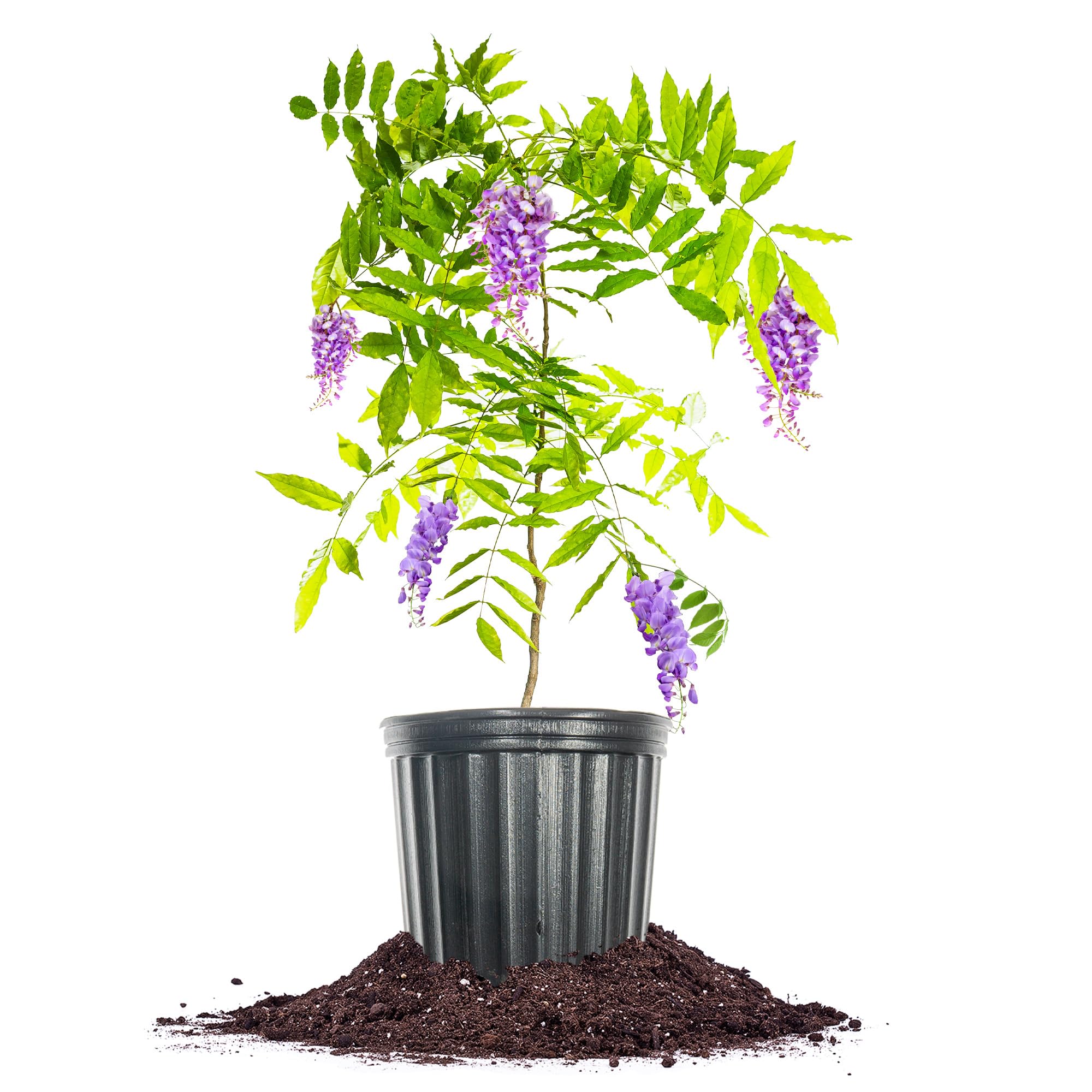
This wisteria arrives in a full 1-gallon container with a developed root system, which translates directly into faster establishment. Customers consistently report healthy plants over two feet tall at delivery, often accompanied by a small trellis and structural ties that simplify the initial training phase on pergola posts.
The Amethyst Falls variety blooms in late spring and early summer with cascading purple flower clusters that attract butterflies and hummingbirds. It grows vigorously to a mature height of fifteen feet — tall enough to drape across pergola beams without requiring a chainsaw to keep it contained. Cold hardiness extends to zone 5, making it viable for a wide swath of the country.
Drought tolerance is a notable plus: multiple reviews note the vine survived three weeks without supplemental watering and stood up to a late freeze in south central Indiana. The tradeoff is weight — established wisteria becomes heavy, and reviewers caution that the twisting growth can bend aluminum trellises. Plant this one at the base of a sturdy pergola post with a strong support wire or wooden beam.
Why it’s great
- Gallon-sized container accelerates first-year growth versus starter plugs
- Known for surviving freeze events and extended dry periods
- Attracts hummingbirds and butterflies with fragrant purple blooms
Good to know
- Does not ship to California or Arizona due to state restrictions
- Mature vines require a heavy-duty support structure
2. Clematis paniculata (Sweet Autumn Clematis)
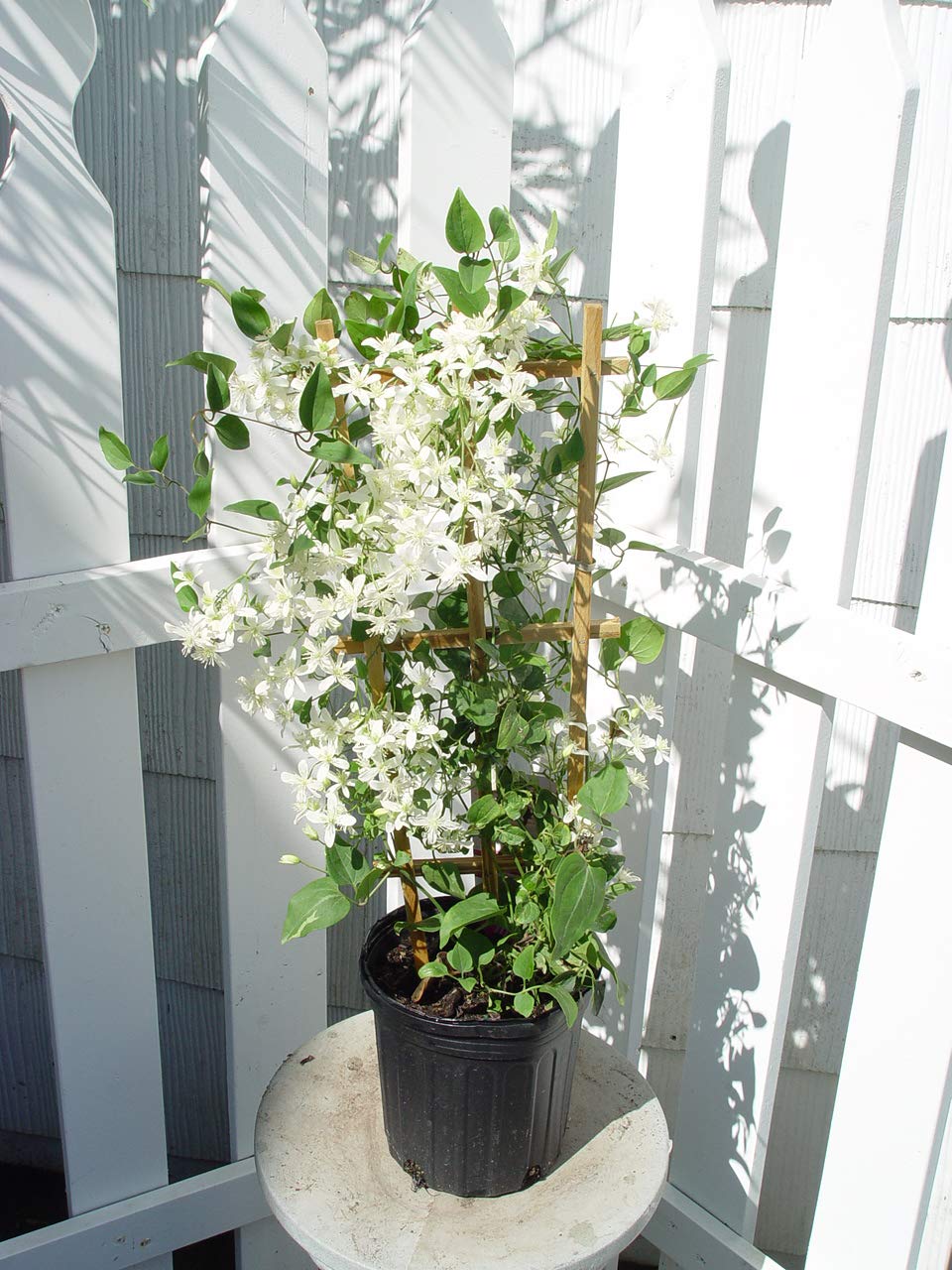
Sweet Autumn Clematis fills a specific niche that few other pergola vines handle well: late-season bloom. While most climbers peak in spring or midsummer, this clematis erupts with profuse white star-shaped flowers in late summer through fall, extending your pergola’s ornamental value deep into the cooling months.
Shipped in an 8-inch pot with a fully rooted soil ball, the plant is ready for immediate ground or container planting. It reaches a mature height that easily covers pergola beams and produces a dense blanket of small blossoms that smell faintly of vanilla. It thrives in full sun and prefers sandy, well-draining soil — a forgiving profile for most garden conditions.
Reviewers frequently note that plants arrived well-formed and larger than expected inside their tall packaging. It is a deciduous vine, meaning it will drop leaves in winter, but the dramatic flower show in autumn makes it worth the bare months. One caution: the plant is aggressive once established and benefits from a yearly hard prune in late winter to prevent it from overwhelming smaller pergolas.
Why it’s great
- Profuse white blooms appear when most other vines are fading
- Rooted 8-inch pot allows immediate planting with minimal transplant shock
- Fragrant blossoms attract late-season pollinators
Good to know
- Deciduous — foliage drops in winter, leaving bare vines
- Requires aggressive annual pruning to control spread
3. Carolina Jasmine (Gelsemium sempervirens) — 2 Plants
Carolina Jasmine is one of the few truly cold-hardy evergreen climbers, with a listed hardiness range stretching from zone 3 to zone 10. That makes it a viable option for pergolas in northern climates where traditional jasmine or wisteria would fail to overwinter. The plant produces bright yellow trumpet-shaped blooms in spring that contrast nicely against its glossy evergreen foliage.
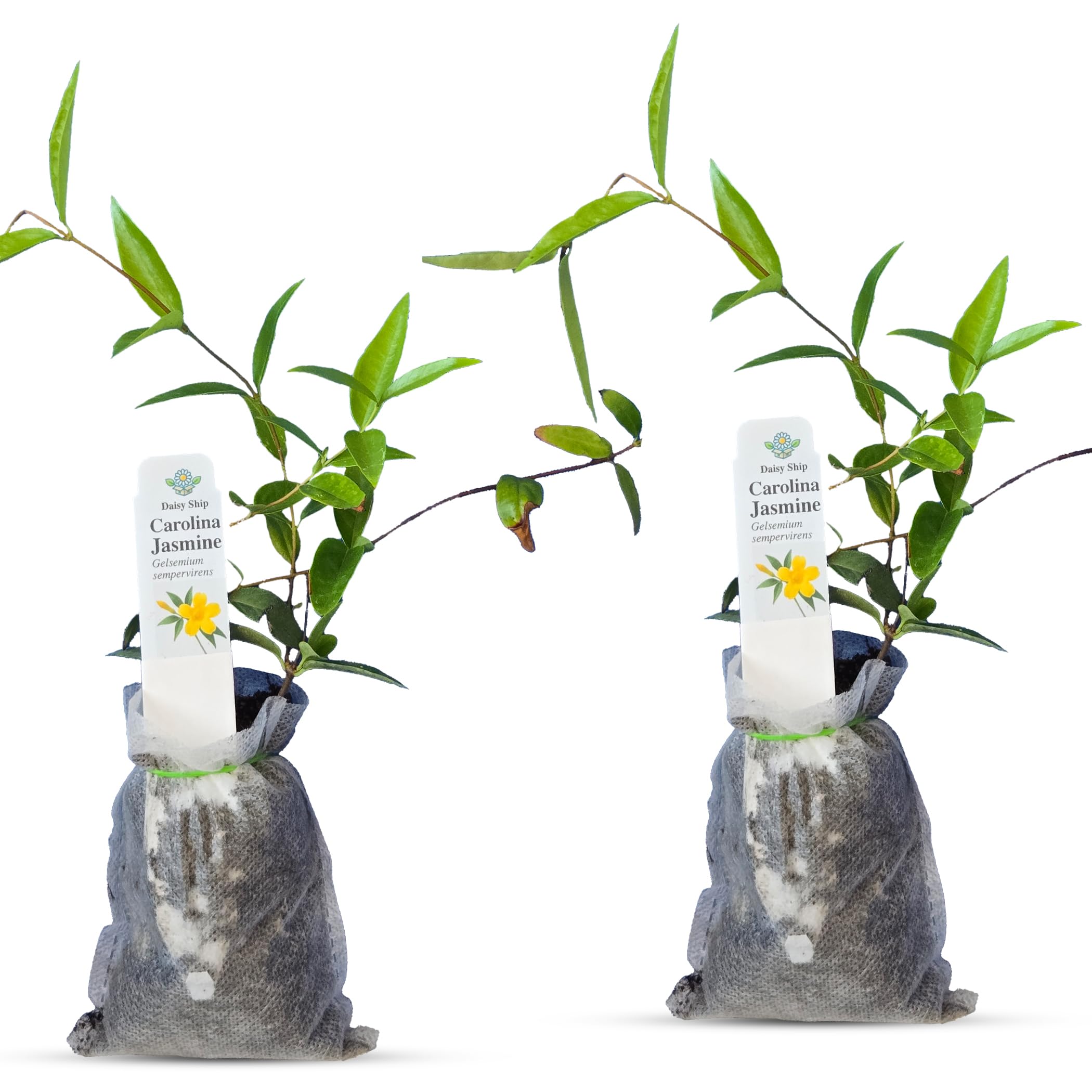
These arrive as two separate starter plants, each in a biodegradable container that lets roots breathe and pass through to the surrounding soil. The packaging includes personalized care instructions from the grower, and multiple reviewers highlight the seller’s responsiveness — requests for arrival photos and follow-up guidance are common positive notes.
The vine grows quickly once established and can be trained up pergola posts to create a year-round green screen. It performs well in full sun to partial shade and tolerates moderate watering once rooted. The main consideration is that starter plants are small — typically four to five inches tall at delivery — and require a full growing season to size up enough to cover a pergola beam. Patience pays off here, as the mature vine creates dense evergreen coverage.
Why it’s great
- Evergreen foliage for winter privacy on the pergola
- Exceptional cold hardiness down to zone 3
- Two plants per order fill more space faster
Good to know
- Starter plants are small and need a full season to establish
- Not suitable for full shade — needs at least partial sun
4. Star Jasmine (Trachelospermum jasminoides) — 2 Starter Plants
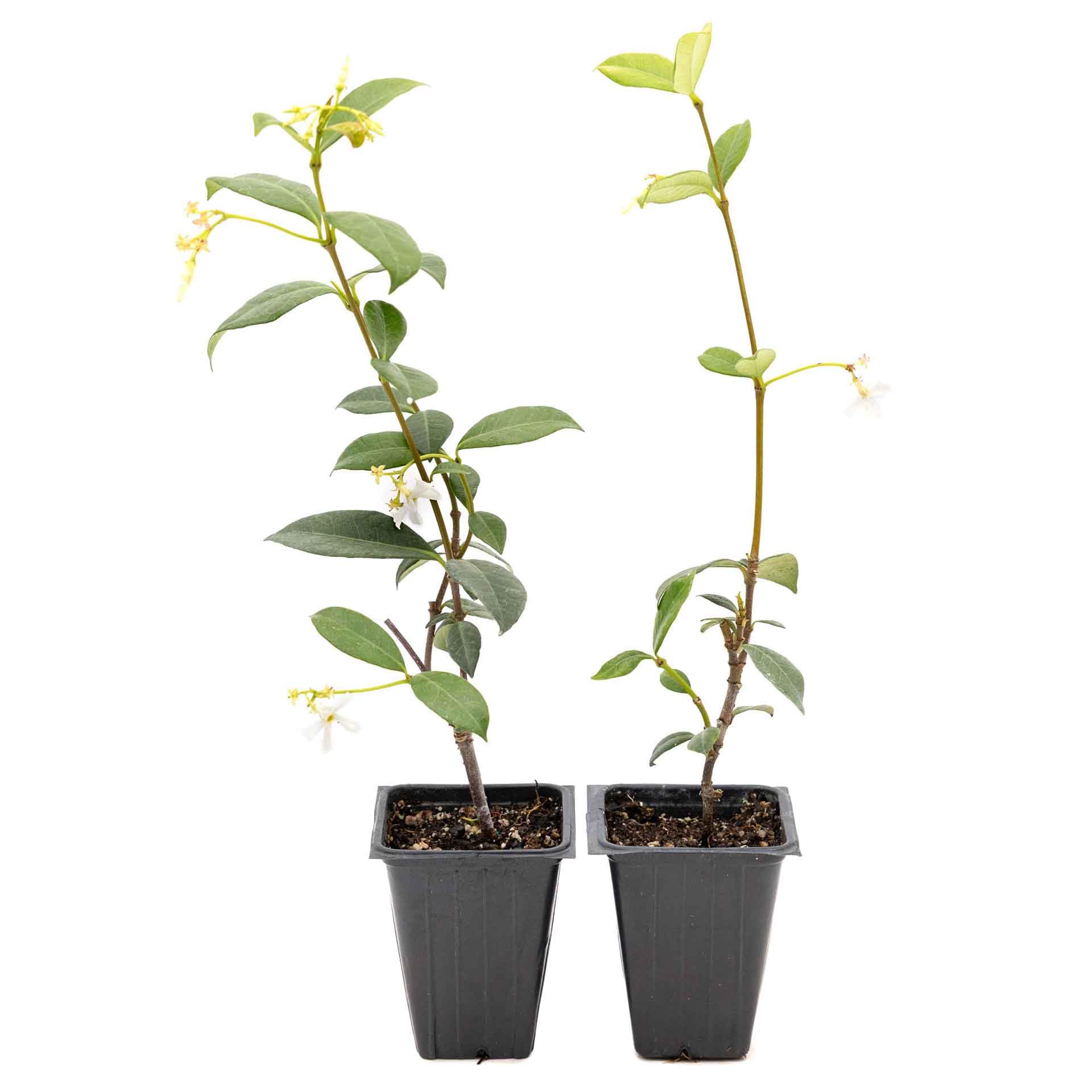
If fragrance is your top priority for the pergola, Star Jasmine is the clear choice. Its small white star-shaped flowers emit a sweet, heady scent that intensifies in the evening, turning your outdoor seating area into a naturally aromatic room. This is a true evergreen in zones 7 through 11, holding glossy green leaves through winter and providing continuous coverage.
Two starter plants come packaged in 3.5-inch nursery cubes with moist soil and active root systems. The variety reaches a mature height of ten to twenty feet and spreads three to ten feet wide, making it one of the more generous coverage options for a pergola roof. Pet owners will appreciate that the plant is non-toxic, so fallen flowers and leaves pose no risk to curious dogs or cats.
Customer reviews report strong establishment success: plants arrived green and healthy, with many noting that after two months the vines were thriving in borders and pots. The main limitation is climate — this jasmine is not suited for cold winters below zone 7. Buyers in colder regions saw winter die-off, so it is best reserved for warm-zone pergolas or containers that can overwinter indoors.
Why it’s great
- Intensely fragrant white blooms during spring and summer
- Evergreen foliage provides year-round privacy screen
- Pet-friendly and non-toxic for households with animals
Good to know
- Not winter-hardy in zones below 7 without indoor protection
- Starter plants are small and require patience for full coverage
5. Beautiful Blue Moon Wisteria (GG Farm)
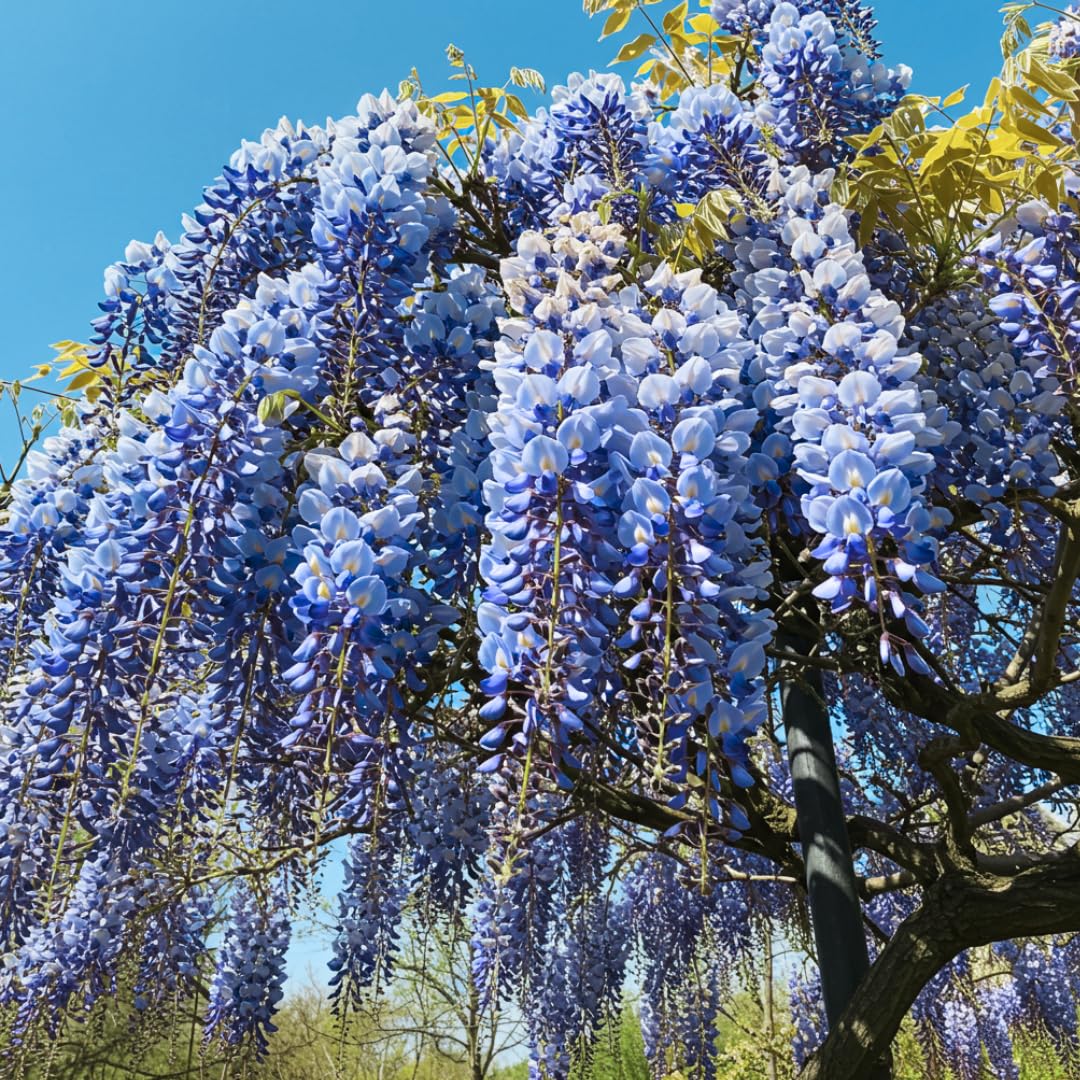
The Blue Moon Wisteria is engineered for repeat performance — it blooms three times over the course of a single summer, extending its fragrant blue flower display from late spring through the hottest months. For a budget-friendly entry point into wisteria-on-pergola cultivation, this variety offers disproportionate value compared to single-bloom wisteria types.
Shipped in a dormant state at one to two feet tall, the plant is bare-root and designed to establish quickly once planted. Its fragrance is described by the grower as sweet, intense, and addictive — a sensory payoff that rewards the initial patience. It needs no pruning, though trimming after the final bloom cycle keeps the shape clean. The vine is vigorous and fast-growing, filling a pergola roof within two growing seasons under good sun exposure.
Not all customers had success: a minority reported the plant arrived dead or failed to push new growth. The dormancy state can be misleading for beginners who expect leafy greenery at delivery. California buyers cannot purchase this variety due to state agricultural restrictions. For experienced gardeners who understand dormant bare-root handling, this wisteria punches above its price class.
Why it’s great
- Three bloom cycles per summer for extended fragrance and color
- Fast-growing and vigorous enough to cover a pergola in two seasons
- Low pruning requirement saves maintenance time
Good to know
- Arrives dormant — not leafy; can worry first-time plant buyers
- Not available for shipment to California
FAQ
How many climbing plants do I need for a standard pergola?
Can I mix different climbing plants on one pergola?
How long does it take for a new vine to cover a pergola roof?
Final Thoughts: The Verdict
For most users, the climbing plants for pergola winner is the Perfect Plants Amethyst Falls Wisteria because it arrives with a full root system, reaches fifteen feet, and reliably produces fragrant purple blooms in its first season. If you want an evergreen screen with intense fragrance, grab the Star Jasmine. And for late-season white flowers that extend your pergola’s beauty into autumn, nothing beats the Sweet Autumn Clematis.

Mo Maruf
I created WellFizz to bridge the gap between vague wellness advice and actionable solutions. My mission is simple: to decode the research and give you practical tools you can actually use.
Beyond the data, I am a passionate traveler. I believe that stepping away from the screen to explore new environments is essential for mental clarity and physical vitality.