Our readers keep the lights on and my smoothie glass nicely filled. As an Amazon Associate, I earn from qualifying purchases.
Specs are compiled from manufacturer listings and verified buyer reviews and can change over time — please confirm the key details on the product page before buying.
Choosing a climber rose depends on three things: the color that matches your wall or fence, the fragrance you want to smell from your window, and the hardiness to survive your winter. This guide walks you through six of the top-rated climber roses available now, with the real specs and honest buyer feedback you need to pick the one that actually thrives in your garden.
I’m Mohammad Maruf — the founder and writer behind WellFizz. This guide is built by comparing the manufacturers’ published specifications and the patterns across verified customer reviews, so you get each pick’s real strengths and trade-offs instead of marketing spin.
Whether you are covering a bare wall with a vigorous climber or adding a fragrant archway to your entrance, the climber roses below give you a clear starting point for a decision that will bloom for years.
Our Picks at a Glance
How To Choose The Best Climber Roses
Picking a climber rose is about matching the plant’s hardiness, mature size, and bloom style to your specific wall, arch, or fence. Here are the three factors that matter most.
Hardiness Zone
This is the number that tells you whether the rose can survive your winter. Every rose in this guide has a zone range (like zones 5-10). Find your own zone online by zip code, then pick a rose whose range includes your zone. If you live in zone 6, a rose rated for zones 5-10 will be fine — a rose rated only for zones 8-10 will likely die in your first frost.
Mature Height and Width
A rose that grows to 15 feet will swallow a small trellis. A rose that maxes out at 7 feet won’t cover a tall fence. Look at the mature size listed for each plant — that is its final height and spread when fully grown, not the size of the starter pot you receive.
Repeat Blooming vs. One-Time Bloom
Some climber roses bloom in one big flush in late spring and then stop for the year. Others (called repeat-blooming or continual-blooming) produce flowers in waves from spring through fall. If you want color all season, choose a rose that says “repeat blooming” or “continual blooming” in its description.
Quick Comparison
| Model | Best For | Mature Height | Hardiness Zones | Bloom Season | Amazon |
|---|---|---|---|---|---|
| Heirloom Eden Climber★ Best Overall | Best Overall | 10′ | 5-10 | Spring to Fall | Amazon |
| Arborose FlorentinaTop Performer | Aggressive Climber | 7′ | 5-10 | Spring to Fall | Amazon |
| Josephs Coat | Multi-Color Display | 12′ | 5-10 | Spring to Fall | Amazon |
| Zéphirine Drouhin | Thornless Climbing | 10′ | 6-10 | Spring to Fall | Amazon |
| Don Juan Red | Best Value | — | — | All Season | Amazon |
| Seven Sisters | Budget Pick | 15′ | 6-9 | Spring to Summer | Amazon |
In‑Depth Reviews
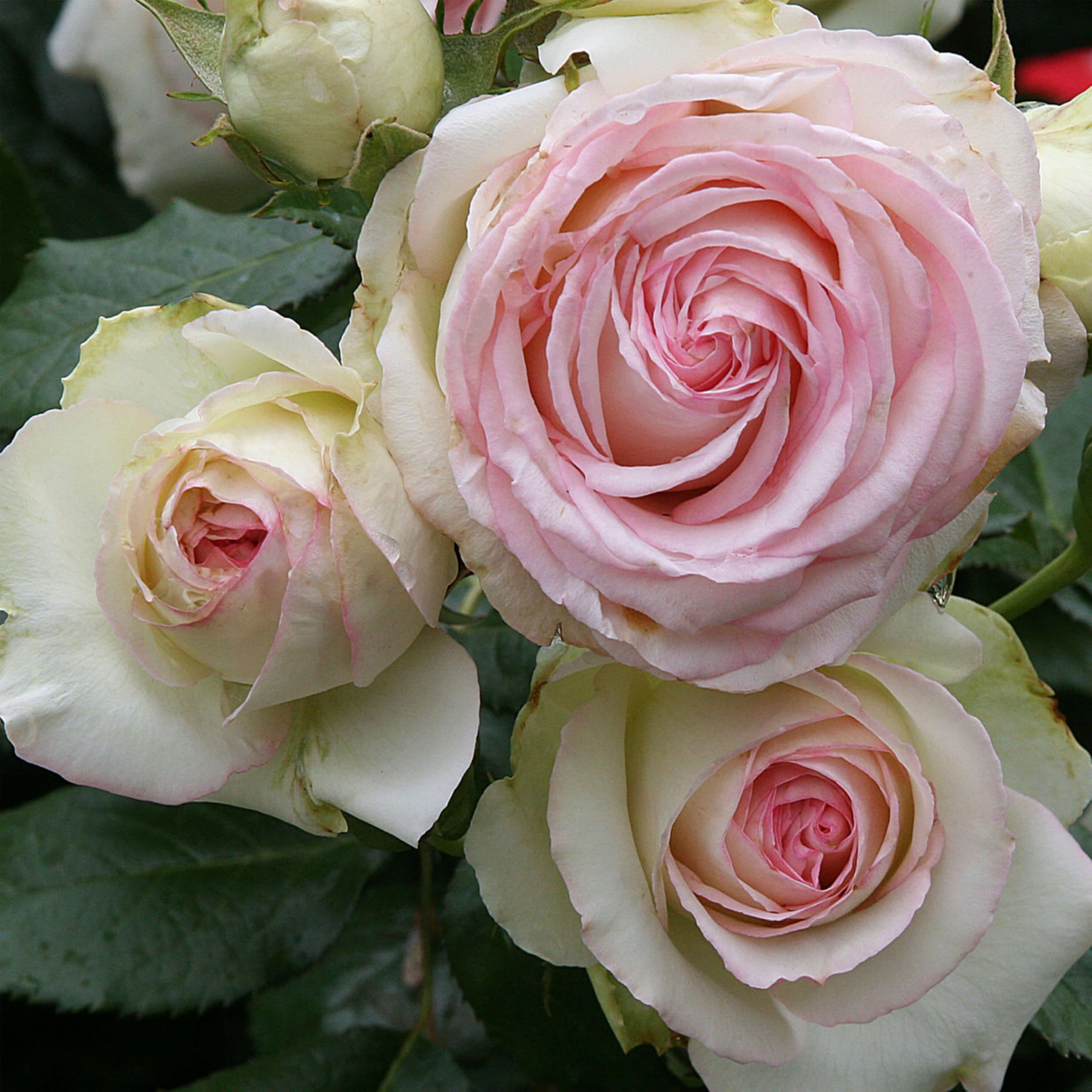
1. Heirloom Climbing Roses Eden Climber
Our pick — over 4★ from 750+ verified ratings; the strongest balance of quality and price.
The Eden Climber packs a 10-foot spread with soft blooms that shrug off strong winds.
If you want a rose that covers a lot of ground — literally — this own-root plant reaches a mature size of 10 feet tall by 6 feet wide, giving you a full wall of light pink flowers. It is rated for hardiness zones 5-10, meaning it handles cold winters and hot summers alike, and it repeats blooms from spring to fall. Each 1-gallon container holds a 12–16 month-old plant that arrives 12–15 inches tall. Buyers report that two of three Eden Climbers “grew fast with two buds each in 3 weeks” and thrived even in “strong WTX winds,” though one noted the buds had not opened yet so the scent was unknown.
The catch? A few reviewers found that some Heirloom Roses plants “barely survived after one year,” and the 30-day warranty is void if you use granular fertilizer. This rose is a strong choice if you have a large sunny wall and need a reliable, repeat-blooming climber — but stick to the planting instructions carefully.
Wall-Worthy Reach: The 10′ x 6′ mature size covers more space than the Arborose Florentina at 7′ x 3′.
Watch the Warranty: Void if granular fertilizer is used — use a liquid or slow-release formula to stay protected.
Choose this if you want a large, lightly fragrant climber that blooms repeatedly through the season and fits zones 5-10.
Think twice if your garden has heavy clay soil that stays wet — this rose needs loam soil with moderate watering.
2. Heirloom Arborose Florentina
One reviewer called this rose a beast that “overgrew its trellis” by year four.
This own-root climber is rated for zones 5-10 and blooms continually from spring through fall, giving you red flowers all season. Its mature size is 7 feet tall by 3 feet wide — shorter than the Eden Climber but still a solid fit for a medium arbor or fence. One buyer shared a detailed story: in the “2nd year,” this rose was “aggressive climber, outperforms Don Juan & New Dawn in height/blooms with only 4hrs afternoon sun,” and by the “4th year” it was “overgrown trellis, disease-resistant (no black spot), huge champion blooms.” That same reviewer confirmed it shrugged off black spot, a common rose fungus.
On the downside, a separate buyer reported that “most roses from Heirloom Roses barely survived after one year” with poor customer support. The Arborose Florentina needs full sun and sandy soil for best results, and its 7-foot height is noticeably shorter than the 12-foot Josephs Coat below, so plan your support structure accordingly.
Proven Vigor
- Continual blooming spring to fall
- Outperformed Don Juan in height/blooms per one reviewer
- Disease-resistant against black spot
Know Before Planting
- 7-foot height is modest for a tall fence
- Requires full sun and sandy soil
- Some owners mention plants struggle after a year
Reach for this if you have a medium arbor and want a proven, vigorous climber that rewards you with big blooms even in partial sun.
Look elsewhere if you need a rose to cover a 12-foot wall — the Josephs Coat reaches 12 feet.
3. Josephs Coat Climbing Rose
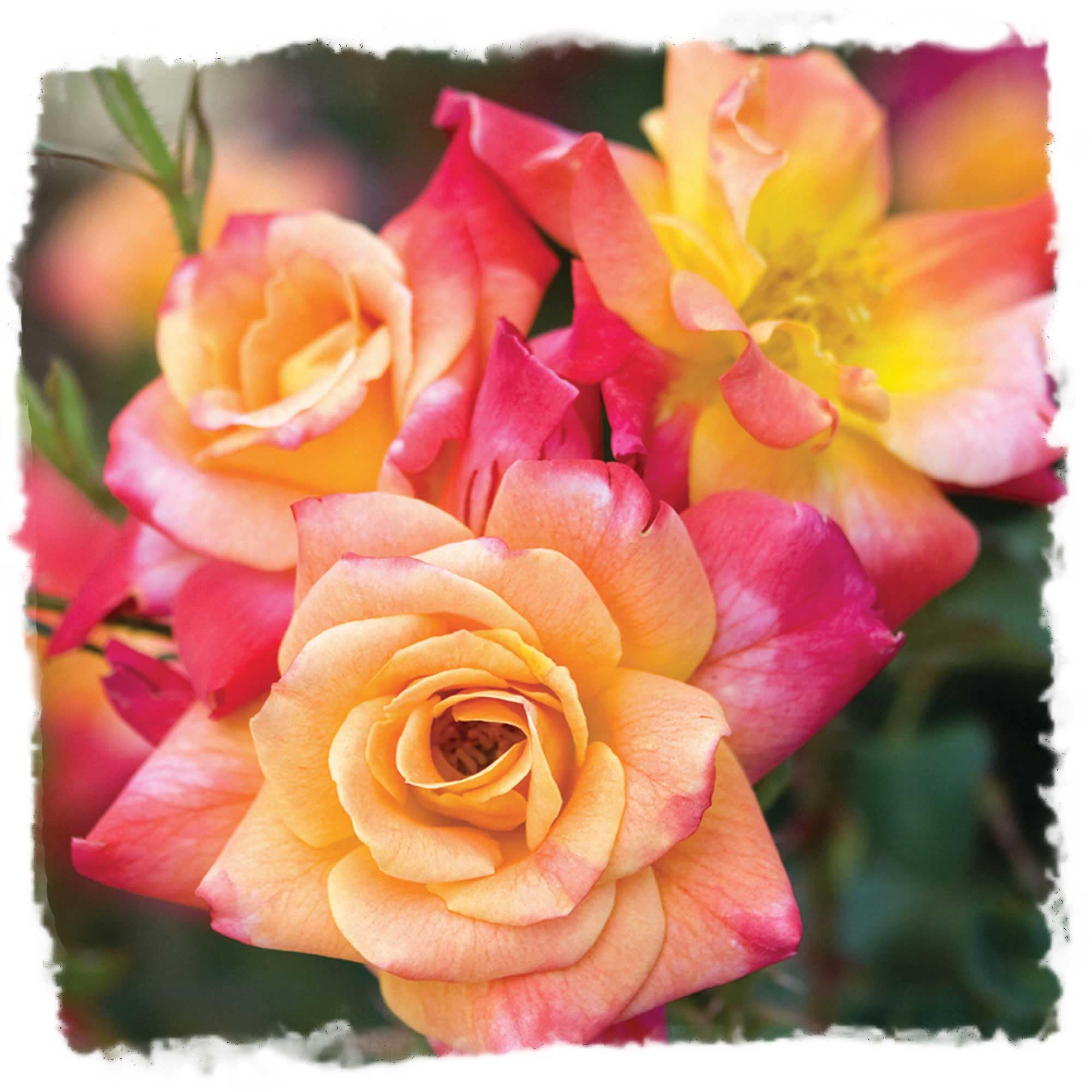
A 12-foot climber that changes colors from apricot to pink to orange as it blooms.
If you want a conversation piece, this is the rose. Josephs Coat grows 12 feet tall and 10 feet wide — the tallest and widest in this lineup — with flowers that shift through apricot, pink, orange, and yellow in the same season. It is a repeat bloomer for zones 5-10, delivered in a 1.5-gallon fiber container with starter fertilizer included. One reviewer noted it “arrived well-packaged, healthy, and quickly” and “grown significantly in 2 months,” with blooms lasting over a month. Another noted it “tripled in size in 2 months” after arrival.
The honest trade-off: a few buyers received a plant that “arrived frail” and died despite care, with one warning this rose is “50/50 chance.” The plant ships partially dormant in early spring for best transplant success, but its large mature size means you need a strong trellis or wall — not a small balcony.
Standout Colors
- 12-foot height is ideal for large arches and walls
- Multi-color display spring through fall
- Delivered in 1.5-gallon container for a strong start
Heads Up
- Some plants arrived frail and did not survive
- Ships partially dormant in early spring only
- Needs full sun and regular watering
Best for gardeners who want a dramatic, multicolored show on a towering arbor or wide wall.
Skip if you prefer a more compact, controlled climber — this one can quickly outgrow a small space.
4. Heirloom Roses Zéphirine Drouhin

The thornless climber you can train over an arch without bleeding for it.
Zéphirine Drouhin is one of the few climber roses that grows with almost no thorns — the few it has are described by one reviewer as “soft,” meaning you can prune and train it without gloves. It is an own-root plant from Heirloom Roses, maturing to 10 feet tall and 6 feet wide in zones 6-10. A buyer in Georgia (zone 8A) reported it was “healthy plant, moist soil after 5-6 days shipping, good roots” with “eyes poking out after 2 weeks.” Another reviewer called it “very fragrant and thornless rose vine; vigorous growth.” Hardiness is zones 6-10, so zone 5 gardeners should choose a different rose.
The biggest complaint came from a buyer who said the plant “arrived very small” and “grew briefly then contracted fungus,” calling the price tag overpriced. This rose is known for being susceptible to black spot and mildew, so it needs good air circulation and regular monitoring.
True Thornless Wonder: A strong pick for entrances, archways, and anywhere bare arms brush past — the Eden Climber and Arborose Florentina both have thorns.
Watch for Fungus: Zéphirine Drouhin is more prone to black spot than other picks here; plant in well-draining soil with airflow.
Perfect for anyone who wants a fragrant, thornless climber over a doorway or arch, in zones 6-10.
Not for zone 5 winters or gardeners who want a disease-proof rose — this one needs a watchful eye.
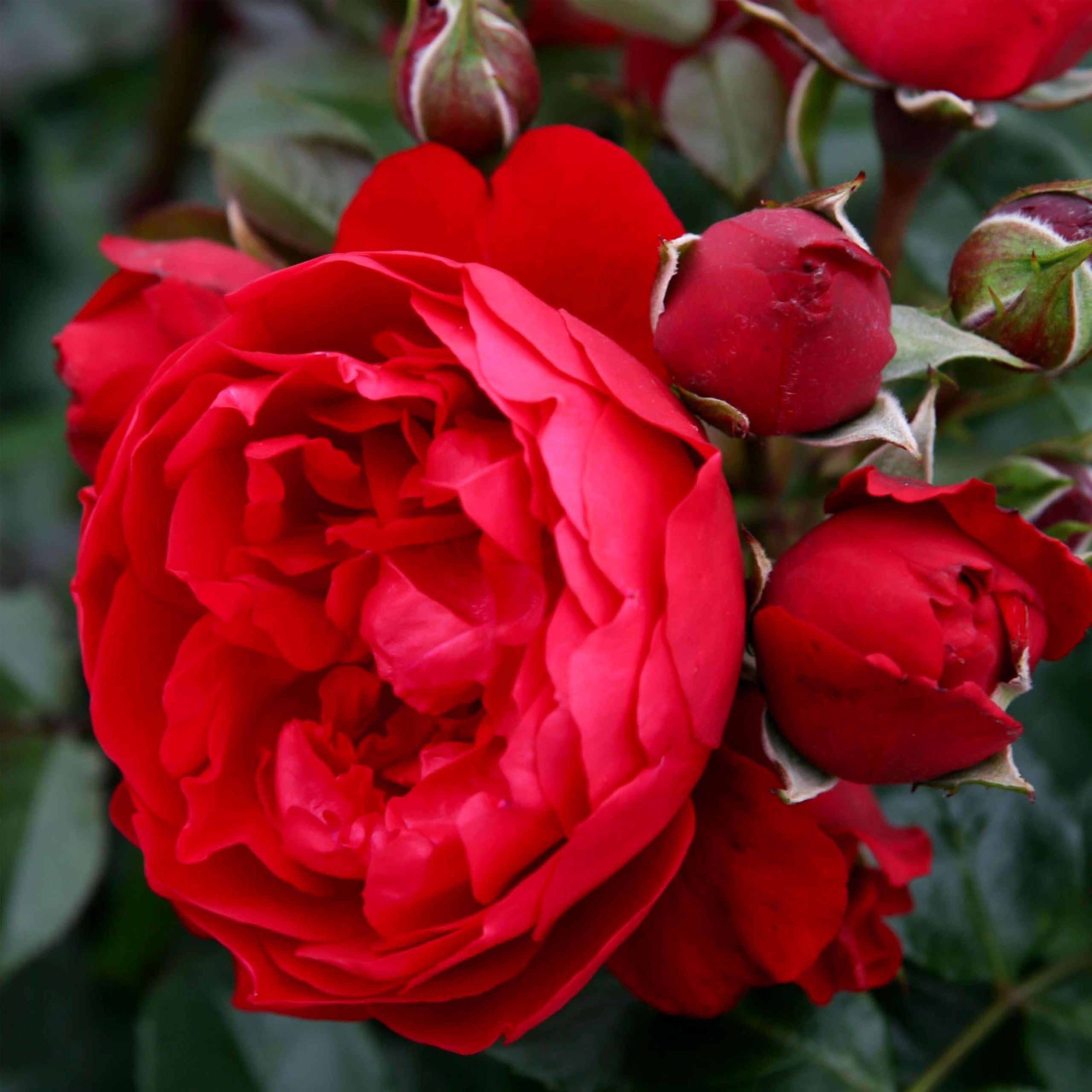
5. Ma Cherie Roses Don Juan Red Climbing Rose

A dark red rose with a strong fragrance that arrives already budding in its 2-quart pot.
Don Juan is a classic climber known for large, deep red blooms and a powerful scent. This live plant from Ma Cherie Roses comes in a 2-quart pot, ready to plant in full sun with moderate watering. It blooms all season (year-round in warmer climates). One buyer mentioned “it arrived with 2 buds and one flower” and was already “fragrant and beautiful.” Another in southern Arizona said “it is already sprouting leaves and rooting nicely” one week after planting. The rose comes with a complimentary cotton rose bag for transplanting.
The trade-off is variability in shipping quality. One buyer received “no leaves no blooms” — just sticks — and asked for a refund. The expected blooming period is listed as “Year Round,” which likely applies only to warmer zones; in colder areas, it will bloom from late spring through fall.
Why It Excels
- Strong fragrance that fills a garden corner
- Blooms all season long
- Ready-to-plant 2-quart pot size
The Risk
- Shipping condition varies — some arrive as bare sticks
- No mature height or zone range specified in the data
- Full sun required for best blooming
Grab this if you want an affordable, fragrant red rose that arrives ready to grow and flowers all season.
Be cautious if you live in a zone below 7 — without a published hardiness range, this rose may not survive a cold winter.
6. Seven Sisters Climbing Rambler Rose

An heirloom rambler that shoots up 15 feet — but only blooms once from spring into summer.
The Seven Sisters is a classic rambler rose from 1817, prized for its double pink flowers that shift through shades of carmine, mauve, and creamy white. It grows to 15 feet tall — the tallest in this guide by a 3-foot margin over the Josephs Coat — and is recommended for zones 6, 7, 8, and 9. It is disease-resistant and tolerates most soil types except poorly draining ones. Buyers who knew it from childhood called it “beautiful” and “low maintenance.” One owner reported it arrived “healthy, green plant; sprouting shoots.”
However, a significant counterpoint came from a buyer who said this was “Not Seven Sisters rose; no fragrance, small blooms, lacking petals.” This rose blooms only in spring, not throughout the summer, which is a key trade-off for anyone who wants continuous color. The mature height of 15 feet versus the Arborose Florentina’s 7 feet means this is a real giant — make sure your structure can handle it.
Classic Rampant Growth: Climbs 15 feet high — while the Arborose Florentina climbs to 7 feet. Perfect for covering a tall pergola.
One Shot Per Year: Blooms only in spring and early summer, unlike the Eden Climber or Josephs Coat that repeat all season.
Ideal for budget-minded gardeners who want a towering, easy-care rose for a large structure and can enjoy a single spectacular spring flush.
Not for anyone who expects year-round color or confirmed pure genetics; verify the seller’s stock if the heritage matters to you.
Understanding the Specs
Own Root vs. Grafted
An own-root rose was grown from a cutting of the original plant, so the root, stem, and flower are all the same variety. It tends to produce more blooms and live longer than a grafted rose (where a flowering stem was attached to a different rootstock). All the Heirloom Roses in this guide are own-root, which is the best quality for a long-lived climber.
Hardiness Zones
These are geographic zones based on the average annual minimum winter temperature. A zone 5 garden sees winter lows of -20°F; a zone 10 garden rarely freezes. If a rose is rated for zones 5-10, it will survive across most of the US. A rose rated for zones 6-9 will struggle in a zone 5 winter. Always check your own zone before buying.
FAQ
How long does it take a climber rose to reach its mature height?
Will a climber rose grow in partial shade?
What is the difference between a rambler and a climber rose?
Do climber roses need a trellis?
How often should I water a newly planted climber rose?
Can I grow climber roses in a pot?
What does “repeat blooming” mean?
How do I protect a climber rose in winter?
Is the Eden Climber the same as the Arborose Florentina?
Final Thoughts: The Verdict
Across the board, the climber roses winner is the Heirloom Eden Climber because its 10-foot by 6-foot mature size, repeat blooms from spring to fall, and hardiness across zones 5-10 cover almost every garden situation reliably. If you want a vigorous, disease-resistant climber that outperforms others in partial sun, grab the Arborose Florentina. And for a multicolored spectacle that reaches 12 feet, the standout is the Josephs Coat.
How We Picked
We do not accept paid placement. Every pick is matched to a real buyer and a real use-case; we do not hands-on test units.
Sources & Methodology
Specifications: manufacturer listings and product documentation. Review insights: verified customer reviews, as of July 2026. Pricing: not shown on this page (it changes often); check the current price via the retailer link.
As an Amazon Associate, WellFizz earns from qualifying purchases. This does not affect which products we feature.
Related Guides

Mo Maruf
I created WellFizz to bridge the gap between vague wellness advice and actionable solutions. My mission is simple: to decode the research and give you practical tools you can actually use.
Beyond the data, I am a passionate traveler. I believe that stepping away from the screen to explore new environments is essential for mental clarity and physical vitality.