Our readers keep the lights on and my smoothie glass nicely filled. As an Amazon Associate, I earn from qualifying purchases.
Specs are compiled from manufacturer listings and verified buyer reviews and can change over time — please confirm the key details on the product page before buying.
You want youth baseball cleats that survive a full season of games, practices, and muddy slides without falling apart or causing blisters. The wrong pair leaves your kid slipping on the dirt or needing a replacement by June. This guide picks the molded rubber cleats that balance traction, comfort, and durability for players aged roughly 4 to 14 — so you do not overpay for features they will not use.
I’m Mohammad Maruf — the founder and writer behind WellFizz. This guide is built by comparing the manufacturers’ published specifications and the patterns across verified customer reviews, so you get each pick’s real strengths and trade-offs instead of marketing spin.
The top cleats for youth baseball focus on three key specs for growing feet: molded rubber outsoles for grip, lightweight builds for agility, and secure closures that a child can manage alone.
Quick Picks
- New Balance Kids’ Fresh Foam 3000 V7 Rubber Molded — Best Overall
- Under Armour Boys Leadof Icon Low Rm Jr Baseball Cleats — Premium Pick
- Sooneeya Youth Rubber Molded Low Top Cleats — Best Value
- Sooneeya Kids Baseball Cleats Unisex-Child Rubber Molded — Versatile Fit
- CAMVAVSR Youth Baseball Cleats with Hook & Loop Closure — Easiest On & Off
How To Choose The Best Cleats For Youth Baseball
Before you scroll through reviews, these three factors separate a cleat your kid will actually wear from one that sits in the closet by June.
Molded Rubber vs. Metal Spikes
For youth leagues, molded rubber cleats are almost always the right call. They give enough grip on grass and dirt for sprinting and pivoting without the injury risk of metal spikes — which many younger divisions ban anyway. Molded rubber also wears more evenly on pavement and dugout floors, so the cleats last longer.
Closure Type: Hook-and-Loop vs. Laces
A child under eight or nine usually cannot tie a bow tight enough to keep a cleat locked during a sprint. Hook-and-loop straps (often called Velcro) let them get the fit right themselves and cut down on pre-game frustration. Older kids can handle standard laces, and many prefer the more adjustable, snug feel of a traditional tie — just double-knot them before every game.
Weight and Cushioning
A cleat that feels heavy in your hand will feel heavy on the basepaths. Look for models that advertise a lightweight build — every ounce matters when your kid runs 90 feet (27 meters) between bases. At the same time, a cushioned midsole (usually made of EVA foam, a lightweight shock-absorbing material) absorbs the impact of running on hard dirt, so feet and shins feel less sore after a doubleheader.
Quick Comparison
| Model | Best For | Closure | Outsole | Weight Focus | Amazon |
|---|---|---|---|---|---|
| New Balance Fresh Foam 3000 V7 | All-day comfort & performance | Laces | Rubber Molded | Lightweight (REVlite) | Amazon |
| Under Armour Leadof Icon Low RM Jr | Cushioning & durable traction | Standard tie | Rubber Molded | Light, breathable upper | Amazon |
| Sooneeya Youth Rubber Molded (Low Top) | Budget-friendly first cleats | Laces | Rubber Molded | Lightweight | Amazon |
| Sooneeya Kids Baseball Cleats (Unisex) | Girls & boys on a budget | Laces | Rubber Molded | Lightweight | Amazon |
| CAMVAVSR Youth Cleats | Easy on/off for younger kids | Hook & Loop | Non-slip Rubber | Lightweight | Amazon |
In‑Depth Reviews
1. New Balance Kids’ Fresh Foam 3000 V7 Rubber Molded
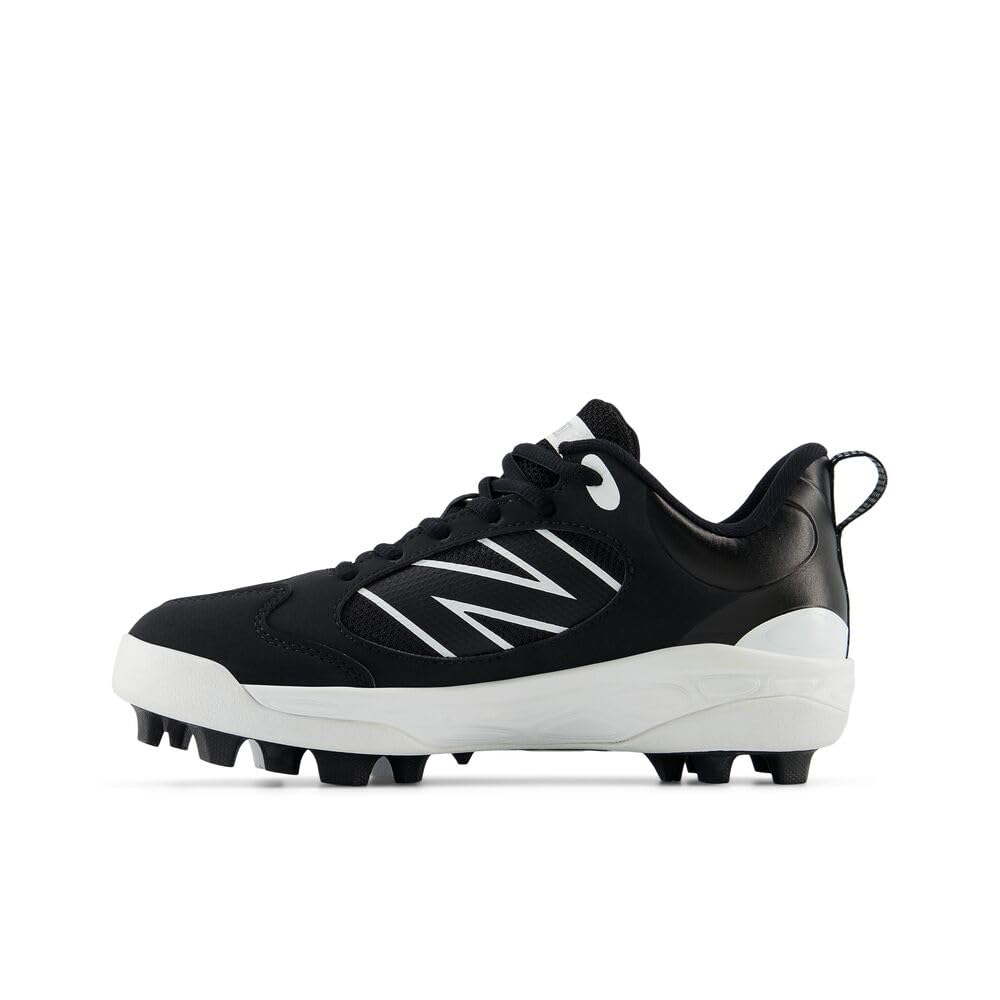
The Fresh Foam midsole (a thick layer of cushioning foam) keeps your kid comfortable through a doubleheader — no sore feet complaints afterward.
This is the pick for parents who want a serious performance cleat without the cost of top-tier adult models. The Fresh Foam midsole (a foam layer that absorbs the shock of every step) delivers noticeable cushioning so running on hard-packed dirt feels easier on growing joints. The REVlite midsole (a lightweight foam material) keeps the whole shoe light, so your child does not drag their feet by the fifth inning.
The rubber molded outsole gives reliable traction on both turf and dirt, which covers just about every field your kid will play on. Buyers report that the lacing system lets you dial in the fit, which helps prevent heel slip during sprints. Unlike the Sooneeya options below, this New Balance model uses a more substantial midsole that owners mention holds its shape well into a second season — a rare feat for youth cleats.
Cushion leader: The Fresh Foam technology makes this the most comfortable pick for kids playing multiple games in a day or spending long hours at practice.
One realistic trade-off: Laces mean a parent or older kid needs to tie them properly; not ideal for a five-year-old still learning bows.
Grab these if your young athlete plays frequently and you want cushioning that keeps them comfortable from the first pitch to the last out. Look elsewhere if your child is still mastering tying shoes — the hook-and-loop CAMVAVSR below will save you sideline frustration.
2. Under Armour Boys Leadof Icon Low Rm Jr Baseball Cleats
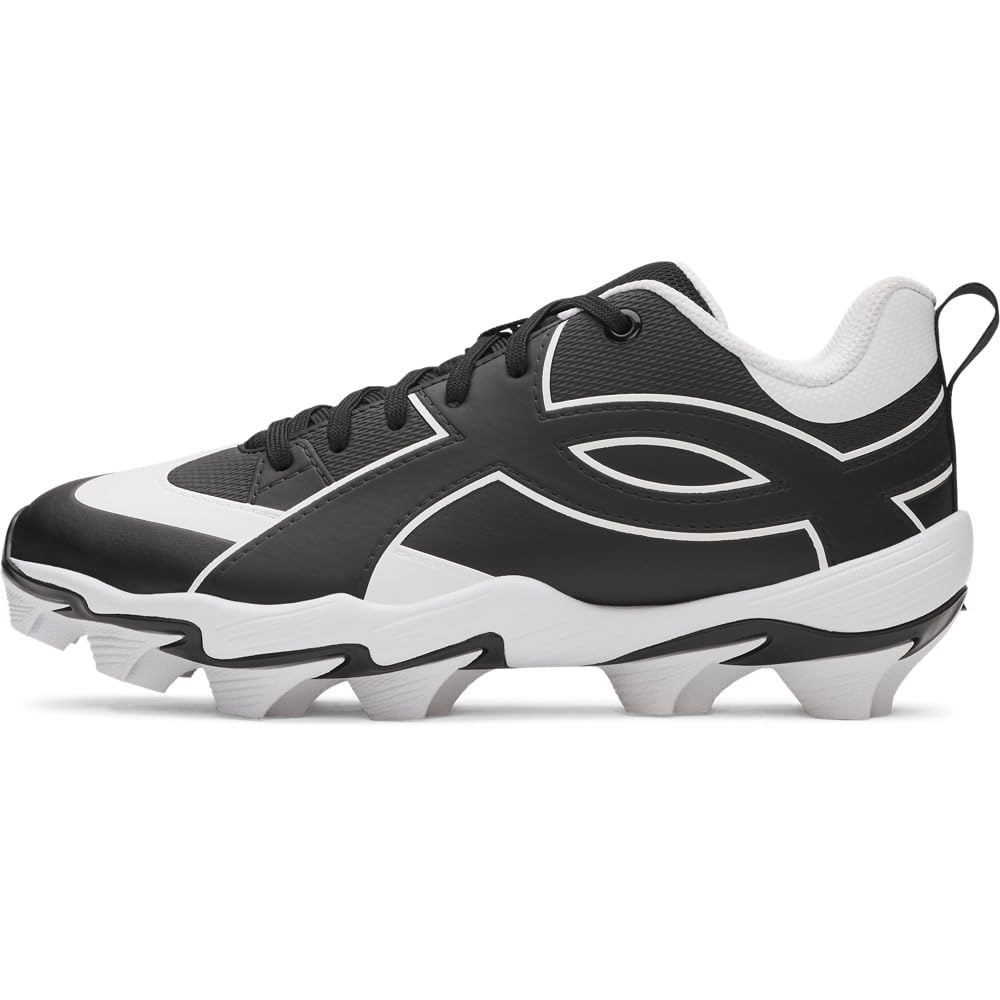
Under Armour designed the outsole so you get traction without feeling the studs pressing into your foot.
Under Armour focused on a specific problem: that uncomfortable feeling of studs pressing into your soles when you run. The new rubber molded outsole on this model is designed to provide traction without any underfoot pressure — so your child can sprint and pivot without wincing. A full-length EVA midsole (ethylene-vinyl acetate foam) adds underfoot cushioning that works well on all field surfaces.
The synthetic upper has molded details that, per the maker, make it light, breathable, and very durable. That combination matters because kids’ cleats take abuse from slides, kicks, and dragging toes. A soft, padded collar wraps the ankle area to reduce rubbing. Unlike the CAMVAVSR which uses hook-and-loop for quick on-off, this Under Armour model uses a standard tie lace system, giving a more adjustable fit that older kids tend to prefer.
Pressure-free grip: The outsole design specifically aims to eliminate that stud-pressure feeling, a common complaint in molded cleats.
Honest trade-off: The lace system demands a secure double-knot; it is not as fast to get on as the hook-and-loop alternative.
Best for the player who notices every little discomfort and needs a cleat that disappears under their foot during a game. Skip if your young one is not tying their own laces reliably — you will appreciate the strap-based CAMVAVSR instead.
3. Sooneeya Youth Rubber Molded Low Top Cleats
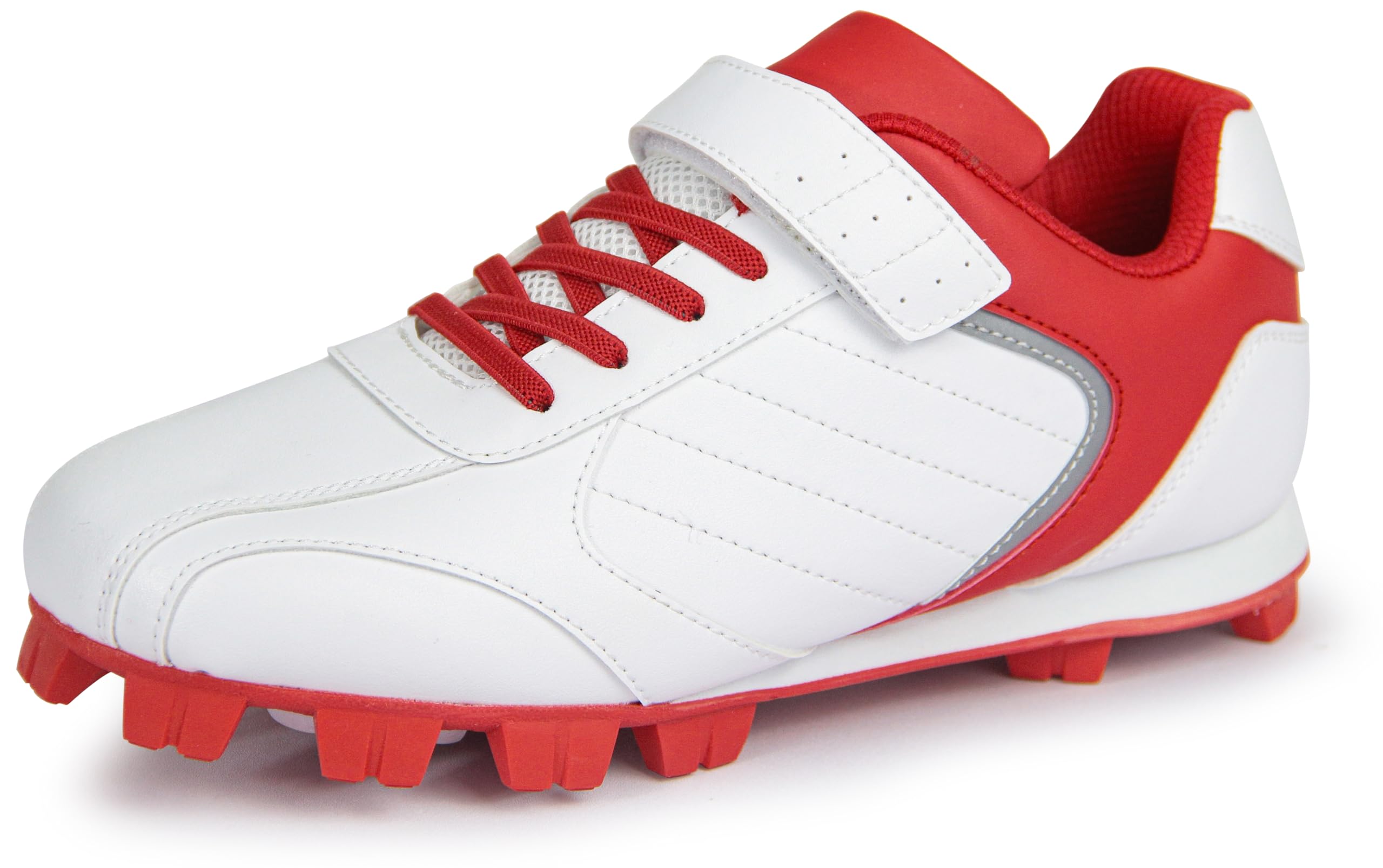
A solid low-top that does not punish your wallet when your kid grows two sizes by August.
Sooneeya pitches this cleat as a versatile option for baseball and softball, and the rubber molded outsole gives you traction on grass and dirt without the cost of a branded name. The low-top cut gives young ankles freedom of movement, which some kids prefer over a higher collar. This unisex-child design fits both boys and girls, simplifying shopping if siblings share gear.
Reviewers point out that the lightweight build makes a difference during practice — the cleats do not feel clunky when running. Compared to the New Balance Fresh Foam 3000 V7, this Sooneeya model lacks the premium midsole cushioning, so it is a better fit for casual play or as a backup pair rather than a heavy game schedule. The lace system is the standard tie, but the shoe is overall less substantial than the Under Armour option, which makes it easier to pack in a gear bag.
What Works
- Lightweight feel prevents fatigue during practice
- Low top offers unrestricted ankle movement
- Unisex sizing works for boys and girls
What to Consider
- Less midsole cushioning than the Fresh Foam 3000 V7
- Laces require a confident knot for a secure fit
Ideal for the budget-conscious family buying a first pair for a new player or a backup for muddy practices. Not ideal for intense multi-game weekends where advanced cushioning matters for comfort — that is the Fresh Foam 3000 V7’s job.
4. Sooneeya Kids Baseball Cleats Unisex-Child Rubber Molded

Unisex rubber cleats that are lightweight enough for soccer practice too, if needed.
This Sooneeya model is nearly identical to the low top above but is marketed for baseball and soccer, giving you flexibility if your kid plays multiple sports. The rubber molded outsole provides the same non-marking grip on turf and natural grass. The brand shows a 4.7 out of 5 stars rating from 279 reviews, which suggests solid reliability for the price.
The design prioritizes easy wear and cleaning — both practical features for parents dealing with muddy cleats after every game. A quick rinse handles most of the dirt. Unlike the New Balance pick, which has a specific Fresh Foam midsole, this Sooneeya model keeps things simpler with a standard insole, making it a lighter option overall. And unlike the CAMVAVSR with its hook-and-loop closure, this one uses traditional laces, so it appeals to kids who want a more grown-up look.
Multi-sport flexibility: This cleat works for baseball, softball, and soccer, making it a good single-pair solution for active kids.
Trade-off to know: The insole has less specialized cushioning than the Fresh Foam 3000 V7, so for a long tournament day, your kid may feel the ground more.
Best suited for multi-sport youngsters who need one pair of cleats that can handle both the diamond and the pitch. Consider otherwise for kids who play baseball exclusively — the low-top Sooneeya or the Under Armour give a more baseball-focused fit.
5. CAMVAVSR Youth Baseball Cleats with Hook & Loop Closure
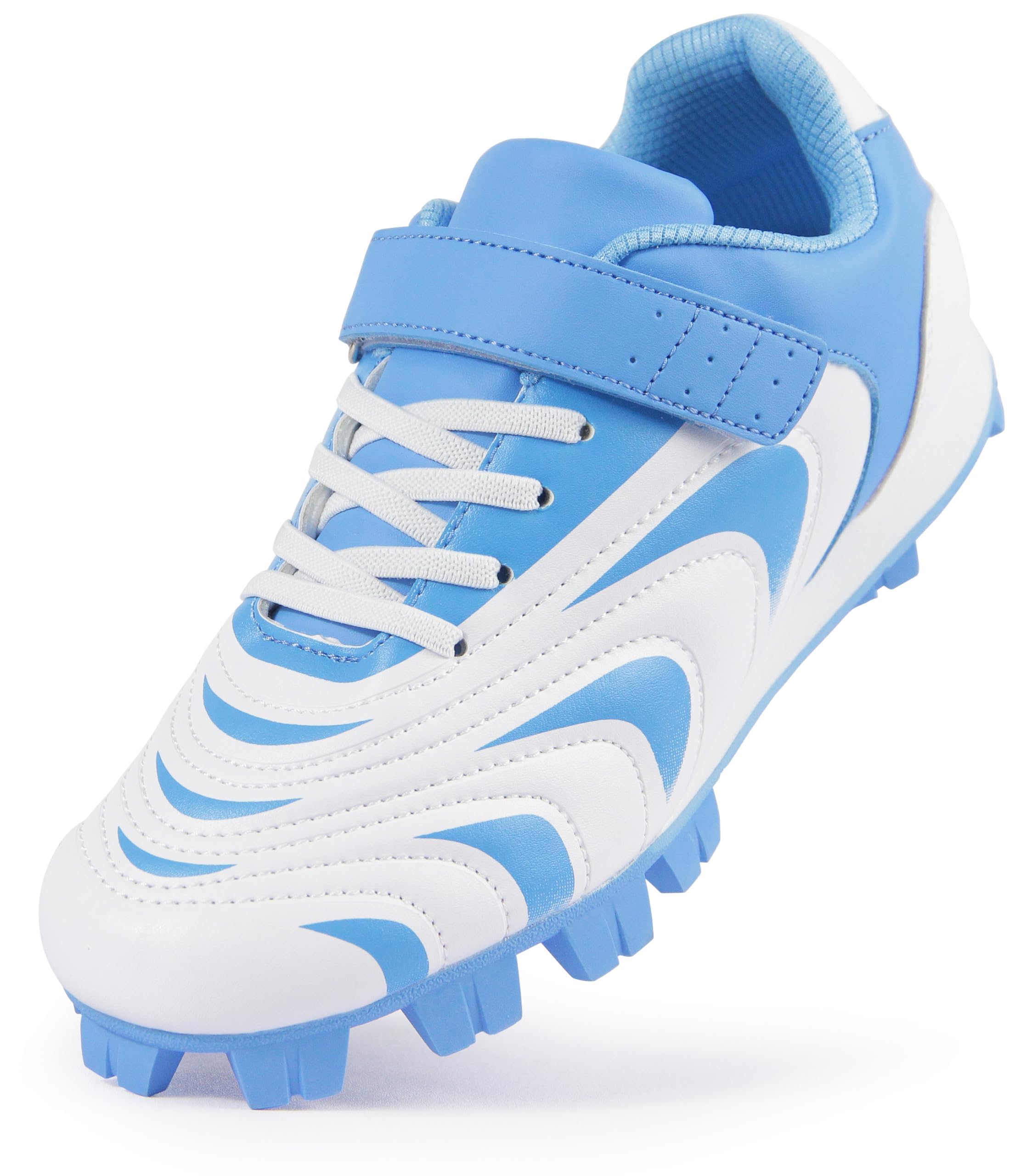
Hook-and-loop straps (commonly called Velcro) let your five-year-old gear up alone while you finish loading the car.
CAMVAVSR targets the youngest players with a hook-and-loop closure (straps that press together, replacing laces) that saves a massive amount of time. For kids ages 4 to 7 still learning fine motor skills, no kneeling down to tie double-knots before every inning. The textured upper gives the shoe structure, and the non-slip rubber outsole provides grip on grass and dirt.
The brand markets this as lightweight and easy to clean, two practical features for muddy spring seasons. While it lacks the sophisticated midsole foam of the New Balance or Under Armour options, that simplicity also means less material to break down over time. Customers note that younger children can get these on independently, which builds confidence before the game starts. Like the Sooneeya models, this is a budget-friendly entry point — but the hook-and-loop closure is the defining feature that separates it for the youngest crowd.
Why It Works
- Hook-and-loop closure lets young kids self-dress
- Non-slip outsole provides reliable grip for beginners
- Lightweight and easy to clean after muddy games
What to Note
- Less underfoot cushioning than the Fresh Foam 3000 V7
- May not offer the same adjustability as lace-based cleats
Perfect match for the T-ball or rookie league player who needs independence and speed getting ready. Skip if your child is over 8 or wants a more adjustable fit — lace-based options like the Under Armour will serve them better.
Understanding the Specs
Molded Rubber Outsole
This is the bottom of the cleat made from a single piece of rubber with studs molded into it. Unlike metal spikes that screw in, molded rubber is safer for youth leagues (many ban metal), wears more slowly on hard surfaces like dugout floors, and gives consistent grip on grass and dirt. It is the standard for all the cleats in this guide.
EVA Midsole
EVA stands for ethylene-vinyl acetate, a lightweight foam used in the middle layer of the shoe between the outsole and the insole. Its job is to absorb the shock of each footstrike so your child’s feet and shins feel less impact on hard-packed dirt. A full-length EVA midsole (like in the Under Armour model) cushions the entire foot, while a standard insole offers less shock absorption.
FAQ
What size youth baseball cleat should I buy for my child?
Are molded rubber cleats better than metal spikes for youth baseball?
How long should a pair of youth baseball cleats last?
Can my child use baseball cleats for soccer or football?
Should I buy hook-and-loop or lace-up cleats for my child?
How do I clean youth baseball cleats after a muddy game?
What is the difference between low-top and mid-top youth baseball cleats?
Do girls need different baseball cleats than boys?
Why do some youth cleats have a toe cleat and others do not?
Can my child wear baseball cleats on turf fields?
Final Thoughts: The Verdict
For most families, the best cleats for youth baseball is the New Balance Fresh Foam 3000 V7 because its Fresh Foam midsole delivers noticeable cushioning that keeps kids comfortable through long games and practices while staying affordable. If your child needs a supportive, pressure-free fit and you want a brand with a strong reputation, grab the Under Armour Leadof Icon Low RM Jr. And for the youngest players who still struggle with laces, the CAMVAVSR with hook-and-loop closure is the pick that saves you sideline time and gives your kid independence.
How We Picked
We do not accept paid placement. Every pick is matched to a real buyer and a real use-case; we do not hands-on test units.
Sources & Methodology
Specifications: manufacturer listings and product documentation. Review insights: verified customer reviews, as of July 2026. Pricing: not shown on this page (it changes often); check the current price via the retailer link.
As an Amazon Associate, WellFizz earns from qualifying purchases. This does not affect which products we feature.

Mo Maruf
I created WellFizz to bridge the gap between vague wellness advice and actionable solutions. My mission is simple: to decode the research and give you practical tools you can actually use.
Beyond the data, I am a passionate traveler. I believe that stepping away from the screen to explore new environments is essential for mental clarity and physical vitality.