Our readers keep the lights on and my smoothie glass nicely filled. As an Amazon Associate, I earn from qualifying purchases.
Specs are compiled from manufacturer listings and verified buyer reviews and can change over time — please confirm the key details on the product page before buying.
You have spent weeks picking the perfect cabinet color, sanding every edge, and laying down paint with the patience of a saint. The only thing standing between that kitchen and years of greasy fingerprints, water rings, and scuffed corners is a clear topcoat tough enough to take the punishment. The wrong coat peels, yellows, or goes on lumpy — and that beautiful finish is ruined the second someone wipes a spill across it.
I’m Mohammad Maruf — the founder and writer behind WellFizz. This guide is built by comparing the manufacturers’ published specifications and the patterns across verified customer reviews, so you get each pick’s real strengths and trade-offs instead of marketing spin.
Whether you are recoating a rental flip or going all-in on your forever kitchen, the best clear coat for kitchen cabinets is the one that bonds hard, dries clear, and survives your actual daily life. best clear coat for kitchen cabinets
Our Picks at a Glance


How To Choose The Best Clear Coat For Kitchen Cabinets
Kitchen cabinets take more abuse than any other painted surface in your home. The clear coat you pick has to shrug off cooking grease, cleaning sprays, and the occasional splash of red wine while staying crisp over white or pastel paint. Here is what to look for.
Water-Based vs. Oil-Based — The Kitchen Trade-off
Oil-based polyurethane delivers legendary hardness, but it yellows over time — a disaster on white shaker cabinets. Water-based polyacrylic or polyurethane finishes stay non-yellowing and low-odor, which matters when you are working indoors without a respirator. If your cabinets are dark-stained wood, oil-based is still a strong option.
Gloss, Satin, or Matte — The Sheen That Hides Smudges
You want a clear coat that hides daily smudges, not one that shows every fingerprint and water spot. Satin finish reflects some light so it looks finished, but it hides the inevitable kitchen mess. Matte is growing in popularity for farmhouse and modern styles, though it may need more frequent cleaning to avoid a dull, patchy look.
Application Method — Brush-On vs. Wipe-On vs. Spray
Wipe-on polyurethane is the easiest for a first-time user — you just rub it on with a cloth, no drips or brush marks. Brush-on coats give thicker buildup faster, which is great if you are on a tight timeline. Spraying leaves the smoothest surface but requires good ventilation and masking everything nearby.
Quick Comparison
| Model | Best For | Finish Type | Dry/Recoat Time | Coverage | Amazon |
|---|---|---|---|---|---|
| Minwax Wipe-On Poly★ Best Overall | Beginner-friendly satin | Satin | 2-3 hours recoat | 32 oz | Amazon |
| Watco Wipe-On PolyBudget Champion | Budget gloss on detail work | Gloss | 2 hours touch dry | 100 sq ft | Amazon |
| Dixie Belle Gator Hide 8ozBest for Chalk Paint | Small chalk-paint projects | Matte | 48 hour full cure | 30 sq ft | Amazon |
| Amy Howard Matte Sealer | True matte without sheen | Matte | Few hours per coat | 16 oz | Amazon |
| Retique It Polyacrylic | Non-yellowing white cabinets | Semi-Gloss | 24 hour dry time | 100-150 sq ft/gal | Amazon |
| Dixie Belle Gator Hide 16oz | Heavy-use kitchen cabinets | Matte | 48 hour full cure | 30 sq ft per 8oz | Amazon |
| Aqua Coat Clear Lacquer | Fast multi-coat workflow | Satin | 10 min touch dry | 1 quart | Amazon |
| General Finishes High Performance | Pro-grade spray finish | Semi-Gloss | 1-2 hours recoat | 65-75 sq ft | Amazon |
| Minwax Polycrylic 1 Gal | Large kitchen projects | Satin | 2 hours recoat | 1 gallon | Amazon |
In‑Depth Reviews
1. Minwax Oil-Based Wipe-On Polyurethane, 1 Quart, Satin
Our pick — over 4.5★ from 600+ verified ratings; the strongest balance of quality and price.
The wipe-on that delivers a hand-rubbed satin sheen without a single brush stroke.
This is the clear coat that keeps showing up in pro shops and amateur workshops for the same reason: a satin finish that looks like you spent hours with a rubbing compound, but you just wiped it on with a clean cloth. The oil-based polyurethane (a durable plastic-like coating) hardens into a tough shield against water, household chemicals, and food stains — the exact enemies a kitchen cabinet faces daily. At 32 fluid ounces, it covers enough for a typical kitchen, and because it is wipe-on, you never wrestle with drips or visible brush marks.
The thing that wins people over here is how forgiving the application is. You simply wipe it on, let it dry to recoat in 2-3 hours, and build up coats until you get the depth you want. Buyers report using it on guitars and candlesticks as well as cabinets, calling the satin finish “Warm Satin” that avoids the thick plastic look of brush-on polyurethanes. The crowd gives this one top marks for ease of use and quality — it is the number-one pick for anyone wanting a durable, classic look with minimal stress.
Why It Wins
- No drips, no brush marks — just rub it on with a cloth
- Protects against water, stains, and everyday wear
- Dry to recoat in only 2-3 hours
The Extra Work
- Oil-based means longer cure between final coat and heavy use
- Thin coats require 10+ applications to equal three brush-on coats
Reach for it if: you want a pro-looking satin finish with zero brush experience — just a cloth, some patience, and steady hands.
A word on the process: plan for multiple thin coats; the patience pays off in a flawless surface.
2. Watco 68041 Wipe-On Polyurethane Finish, Quart, Clear Gloss
The entry-level gloss that dries to a tough plastic shell — if you are patient with the details.
Watco brings the same wipe-on convenience at a lower price point, and it delivers a clear gloss finish that buyers describe as “abuse-resistant plastic coating.” It penetrates deeply, rehydrating the wood and gluing tiny splinters in place while darkening the grain a shade. Each quart covers up to 100 sq ft, so it stretches further than the Minwax Wipe-On Polyurethane for large kitchens. The catch is that owners consistently recommend thinning it (about one-third mineral spirits) because the out-of-bottle thickness can be stubborn.
What owners mention: “Apply thin coats, dry 4 hrs, sand with 240 grit, cure 1 week.” That is the honest rhythm — it takes planning. The gloss level is high and shiny, which some love and others find excessive for a kitchen. If you are working on intricate cabinet details or have a lot of tight corners, the wipe-on method gives you total control.
Perfect For: the budget-conscious DIYer who does not mind thinning the product and waiting a full week for the final cure. The gloss is brilliant on dark-stained wood.
Know Before You Buy: this product is oil-based so it will yellow over time — better for a dark wood kitchen than white painted cabinets.
3. Dixie Belle Paint Company Gator Hide (8oz), Protective Finish, Clear Topcoat, Polyacrylic Formula
The thin, tough, matte topcoat that turns chalk-painted cabinets into wipe-clean surfaces.
Named Gator Hide for a reason — this polyacrylic formula is designed specifically for chalk-painted cabinets that need hard-wearing protection without losing the matte, velvety look. Each 8-ounce bottle covers about 30 square feet across three very thin coats, and the water-based formula means zero yellowing over white or pastel shades. One owner used it as a final finish on a painted kitchen table (sanded to wood first) and reports no rings or bubbling from cold water puddles — it wipes clean like a countertop.
The full cure time is 48 hours, so you need to keep the cabinets undisturbed for two days. A few customers note that the matte finish is not shiny like epoxy, which is exactly why cabinet fans love it: no glare in a bright kitchen. The most-discussed positives are quality and ease of use, though the small 8 oz size runs fast if you are covering an entire kitchen.
Grab It If: you chalk-painted your cabinets and want a true matte seal that does not yellow and holds up to daily wiping.
Heads Up: plan for two bottles if your kitchen has more than a dozen doors — the 8 oz runs out quickly.
4. Amy Howard at Home Matte Sealer for Painted Furniture, Cabinets, and More (16 oz)
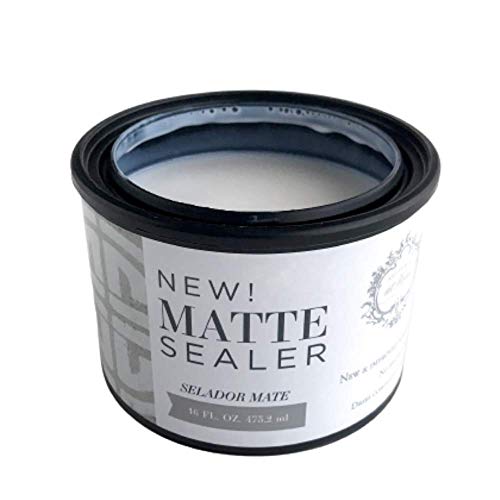
The matte champion that beats out Urethane, Varathane, and Bona in side-by-side tests.
If “matte” to you means zero sheen — not a whisper of gloss — this is the one. Buyers who ran comparisons call it the matte-ist sealer they have found, outperforming competitors like Urethane and Rustoleum. The water-based formula has zero VOCs, so you can seal cabinets indoors with the windows closed and no headache. It works on painted wood, concrete, and metal surfaces, giving a worn-vintage feel that is popular in farmhouse and rustic kitchens.
The honest trade-off: several owners note that the matte surface is porous enough to stain quickly, meaning a spilled tomato sauce must be wiped up immediately. One first-time refinisher used it on a bathroom honey oak vanity and says two coats applied in May still look great months later. This is a great choice if you are chasing a true flat, sophisticated look and are fast with a sponge when accidents happen.
Choose This If: you want the flattest matte finish available and your kitchen sees more admiration than heavy cooking action.
Think Twice If: your daily life involves kids splashing juice — the matte can stain if not wiped instantly.
5. Retique It by Renaissance Polyacrylic 16oz Clear Satin Top Coat

The water-based polyacrylic that promises to never yellow — even over the whitest whites.
For anyone who painted cabinets white and is terrified of that warm amber glow appearing over time, this polyacrylic specifically promises no yellowing. It goes on clear, dries with a semi-gloss sheen, and cleans up with soap and water. The manufacturer rates coverage at 100-150 sq ft per gallon, meaning this 16 oz bottle is sized for smaller projects or touch-ups rather than a full kitchen.
Feedback is split: most buyers love the fast-drying, low-odor formula and say it gives an updated feel to old furniture. A smaller group reports that the finish can be thin and may peel or scratch off under heavy use — one review called it “flimsy” and better suited for decorative pieces than high-traffic cabinets. For a guest bathroom vanity or a cabinet set that sees light duty, this is a solid mid-range pick; for a busy family kitchen, look to a tougher option.
Ideal For: white cabinets in low-traffic areas where non-yellowing performance is the top priority.
Keep In Mind: the thin consistency can mean lower abrasion resistance — not the best choice for cabinets that get opened and closed fifty times a day.
6. Dixie Belle Paint Company Gator Hide (16oz), Protective Finish, Clear Topcoat, Polyacrylic Formula

The bigger bottle of the matte finish that turns chalk paint into a factory-style, wipeable topcoat.
This is the 16-ounce version of the Dixie Belle Gator Hide, giving you double the volume of the 8 oz bottle for larger kitchen projects. The formula is identical: a water-based polyacrylic that goes on as a tough matte topcoat, designed to withstand the daily abuse of kitchen cabinets. Owners consistently call it the best topcoat for chalk paint — they apply it with a blue sponge and report a finish that looks like it came from a factory, not a DIY workshop. The 16 oz size makes it practical for an entire cabinet bank.
What wins people over is the balance. It is not shiny like polyurethane, so it hides fingerprints, but it still forms a hard protective layer that resists water damage. One owner who previously used wax says they now prefer this over General Finishes. The catch is the 30-day cure time before the finish reaches its full hardness — a full month before you should really put the cabinet doors through heavy use.
The Strong Suits
- Durable matte finish perfect for chalk-painted cabinets
- Easy sponge application with factory-smooth results
- 16 oz bottle provides enough for a full kitchen
The Waiting Game
- Requires a full 30-day cure before maximum durability
- Not a high-gloss look — only matte available
Best For: DIYers who want a durable, non-yellowing matte finish and are patient enough to let it cure for 30 days.
skip it if: you need a gloss sheen or you want to move dishes back into the cabinets this weekend.
7. Aqua Coat Clear Lacquer in Satin Finish – Premium Water-Based for Wood & Plastic – Quart

The water-based lacquer that dries to the touch in 10 minutes — and sands smooth in under an hour.
If your timeline is tight, this lacquer is the speed demon of the list. It touches dry in just 10 minutes, ready to sand in 30-45 minutes, and ready for another coat in 1 hour. That means you can apply multiple coats in a single afternoon — a huge advantage when you are trying to finish a kitchen over a weekend. It is a self-crosslinking lacquer, which means it forms a hard, mar-resistant surface without the heavy fumes of traditional nitro lacquers.
Reviewers point out that it is extremely clear and does not change the color of the wood underneath. The low odor and low VOC formula make it safe to use indoors with reasonable ventilation. One experienced finisher who has been using water-based finishes since the late 1980s calls Aqua Coat the best they have used — it levels beautifully and holds up to wear. The trade-off is that this is a quart, not a gallon, so large kitchens may need multiple bottles.
Perfect For: the project on a tight schedule or the finisher who wants to lay down three coats in a day and move on.
Note: lacquer is thinner than polyurethane per coat; you need more coats for the same film build.
8. General Finishes High Performance Water Based Topcoat, 1 Quart, Semi-Gloss

The professional-grade water-based poly that many DIYers call the hardest consumer topcoat you can buy.
General Finishes brands this as “the hardest, most durable consumer polyurethane topcoat on the market,” and the owner reviews back it up. One buyer transformed dull dark charcoal cabinets and reported zero signs of wear after months of moving the doors daily. Another used it with milk paint for a full kitchen makeover — three base coats and two top coats with a foam brush for a smooth, professional finish. It dries to recoat in just 1-2 hours, so you can stack coats quickly.
The semi-gloss sheen gives cabinets a polished look that is still forgiving enough to hide minor dust nibs. A few shoppers say that achieving a streak-free application requires care — spraying is ideal, but foam brushes work well too (some add 10% extender to slow drying for better leveling). The 1-quart bottle covers 65-75 sq ft, and General Finishes warns not to apply this over bright white paint because yellowing can occur from a chemical reaction with the substrate.
Why Pros Choose It
- Extremely hard, durable surface that resists scratches
- Fast recoat time of just 1-2 hours
- Beautiful semi-gloss sheen that levels out nicely
The Fine Print
- Can yellow over bright white paints — do a test spot first
- Streak-free application takes practice; sprayer recommended
Choose This If: you want commercial-grade durability in a water-based formula and you are comfortable with a sprayer or foam brush for application.
Hold Off If: your cabinets are painted a very bright white or you want a true matte finish — this is a semi-gloss only.
9. 1 gal Minwax 13333 Clear Polycrylic Water-Based Protective Finish Satin

The gallon-sized water-based workhorse that covers an entire kitchen with a non-yellowing satin shield.
When you need enough topcoat for every door, drawer, and face frame without buying multiple bottles, the gallon jug of Minwax Polycrylic is the obvious call. This is the same trusted water-based formula that homeowners have used for years: it goes on milky white, dries crisp, and protects against scratches, spills, and dirt. It resists damage from abrasion, scuffing, chipping, water, alcohol, and common household chemicals — exactly the range of threats a kitchen sees daily.
The satin sheen is the kitchen-friendly classic: enough glow to look finished, but low enough glare to hide everyday smudges. The formula is non-yellowing and non-ambering, so it stays true over stained wood and white paint alike. Owners praise the easy application with a brush or sponge, and the cleanup is simply soap and water. One buyer applied three coats to tongue-and-groove flooring with excellent results — though the manufacturer does not recommend it for floors. For a full kitchen, the gallon size and 2-hour recoat time make this the most cost-effective and productive pick.
Best For: the whole-house refinisher who wants one product that can do cabinets, trim, and furniture without yellowing.
Keep In Mind: the water-based formula can be runny on vertical cabinet doors — thin coats with a quality synthetic brush minimize drips.
Understanding the Specs
Polyurethane vs. Polyacrylic vs. Lacquer
Polyurethane is the toughest and most durable, but oil-based versions yellow. Polyacrylic is water-based, non-yellowing, and low-odor — ideal for white or light cabinets. Lacquer dries the fastest (10 minutes in some cases) and levels beautifully, but it is thinner per coat and may need more applications to build the same film thickness.
Satin vs. Semi-Gloss vs. Matte Sheen
Satin balances durability with a low-reflective look that hides fingerprints — the go-to for kitchens. Semi-gloss gives more shine and is easier to clean, but every smudge shows. Matte offers the most subtle, modern look but is more porous and less forgiving of spills. For cabinets, satin is the safe zone that works with almost any decor.
FAQ
Can I use a clear coat meant for floors on kitchen cabinets?
How many coats of clear coat do I need for kitchen cabinets?
Will water-based clear coat yellow over white paint?
How long should I wait before using cabinets after applying clear coat?
Can I spray clear coat instead of brushing it on?
What does “cure time” mean compared to “dry time”?
How do I sand between clear coat layers?
Will clear coat hide brush marks from the paint underneath?
Is wipe-on polyurethane easier than brush-on for a beginner?
Can I apply clear coat over chalk paint without a primer?
Final Thoughts: The Verdict
For most buyers, the best clear coat for kitchen cabinets winner is the Minwax Wipe-On Polyurethane because it eliminates the guesswork of brush-on application while delivering a durable satin finish that protects against the real kitchen enemies: water rings, food stains, and daily wear. If your priority is a fast multi-coat workflow, grab the Aqua Coat Clear Lacquer. And for the proud owner of chalk-painted cabinets who needs a tough, non-yellowing matte seal, the Dixie Belle Gator Hide 16oz is the one to reach for.
How We Picked
We do not accept paid placement. Every pick is matched to a real buyer and a real use-case; we do not hands-on test units.
Sources & Methodology
Specifications: manufacturer listings and product documentation. Review insights: verified customer reviews, as of July 2026. Pricing: not shown on this page (it changes often); check the current price via the retailer link.
As an Amazon Associate, WellFizz earns from qualifying purchases. This does not affect which products we feature.
Related Guides

Mo Maruf
I created WellFizz to bridge the gap between vague wellness advice and actionable solutions. My mission is simple: to decode the research and give you practical tools you can actually use.
Beyond the data, I am a passionate traveler. I believe that stepping away from the screen to explore new environments is essential for mental clarity and physical vitality.